
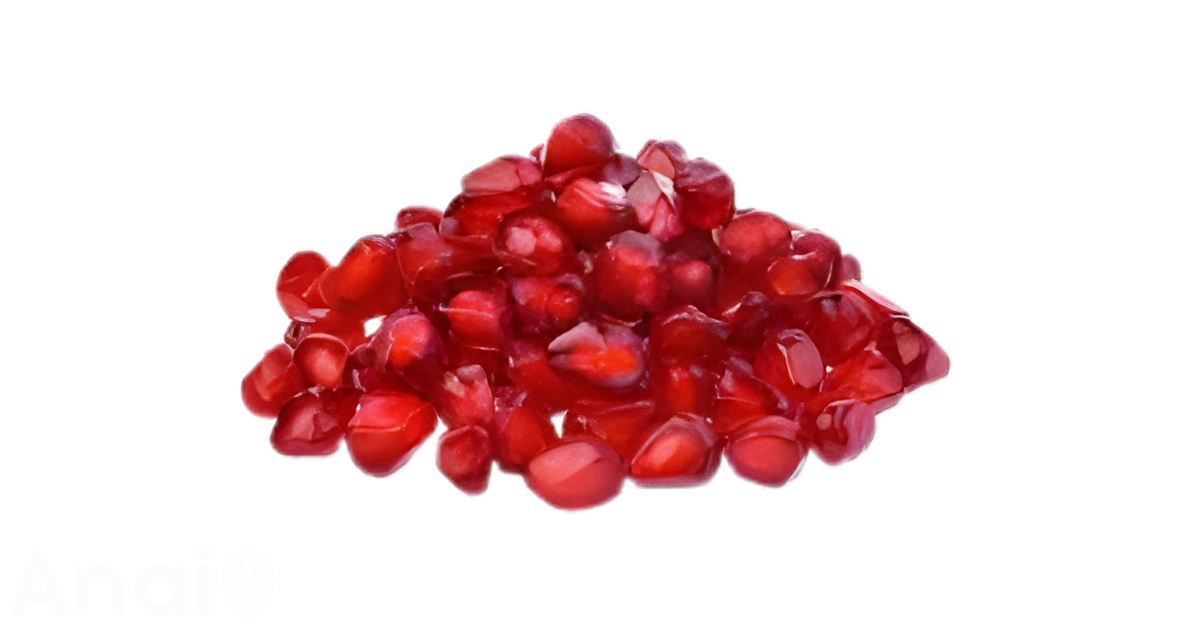
Are Pomegranate Seeds Good for You?
Yes, pomegranate seeds are incredibly good for you. These vibrant, jewel-like seeds, also known as arils, are packed with a powerful nutritional punch. They are low in calories and fat yet high in essential nutrients. A half-cup serving contains just 72 calories but provides significant amounts of fiber, vitamin C, vitamin K, and potassium (Price, 2024; Mutchler, 2025). Their health benefits stem from their high concentration of antioxidants, particularly polyphenols like punicalagins, which can have up to three times more antioxidant activity than green tea or red wine (Cameron & King, 2024).
This article will expand on topics such as: 13 verified health benefits of pomegranate seeds, pomegranate seed nutrition facts, pomegranate seeds risks and side effects, pomegranate seeds substitutes, popular pomegranate seed diets, pomegranate seed storage tips, 7 remarkable pomegranate seed home remedies, pomegranate seeds and weight management, and pomegranate seeds for health conditions. The information contained in this article is current as of March 2026.
13 Verified Health Benefits of Pomegranate Seeds
Pomegranate seeds are a true superfood, celebrated since ancient times for their medicinal properties. The following health benefits are not just folklore; each one is supported by modern scientific research and publications that highlight the potent effects of this remarkable fruit.
1. Packed with Key Nutrients
Pomegranate seeds offer a dense profile of vitamins and minerals with minimal calories. A serving of a half-cup (about 87 grams) provides 18% of the daily value (DV) for Vitamin K, which is vital for bone health, and 15% of the DV for Vitamin C, a powerful antioxidant that supports immune function. This serving also delivers 8% of the DV for folate and 6% of the DV for potassium, which helps regulate nerve and heart function (Price, 2024).
Furthermore, the same serving size contains 3.5 grams of dietary fiber, contributing to digestive health and promoting a feeling of fullness. With only 72 calories and just over 1 gram of fat, pomegranate seeds are a nutrient-rich addition to any diet (Mutchler, 2025).
2. Reduces Inflammation
Chronic inflammation is a root cause of many serious diseases, including heart disease and type 2 diabetes. Pomegranate seeds contain powerful polyphenols called punicalagins, which have significant anti-inflammatory properties. Research has demonstrated that consuming pomegranate juice can effectively reduce inflammatory markers in the body (Ferreira & Rush, 2025). The fruit’s components are fermented in the colon into urolithins, substances that deliver potent anti-inflammatory benefits throughout the body (Cameron & King, 2025).
3. Protects Heart Health and Lowers Blood Pressure
Pomegranates are exceptionally beneficial for cardiovascular health. Their antioxidants help prevent the thickening of artery walls and reduce the buildup of cholesterol and plaque (Cameron & King, 2025). A clinical study found that after one year of consuming pomegranate juice, participants with carotid artery stenosis saw a reduction in atherosclerotic plaque by up to 30%, while the non-juice group saw a 9% increase (Mutchler, 2025).
Additionally, daily pomegranate juice consumption has been shown to lower blood pressure. One study noted that it could decrease systolic and diastolic blood pressure by 7% and 6%, respectively (Price, 2024). Another study found that just two weeks of daily intake was enough to produce a beneficial drop in blood pressure levels (Price, 2024).
4. Supports a Healthy Gut
The health of your gut microbiome is crucial for overall wellness. Pomegranates act as a prebiotic, feeding the beneficial bacteria in your digestive system (Arnarson, 2023). This helps create a healthy gut environment and can protect against harmful bacteria. An animal study found that pomegranate extract was effective in helping prevent Inflammatory Bowel Disease (IBD) (Mutchler, 2025).
5. May Slow Cancer Growth
The potent antioxidants in pomegranates show significant promise in cancer prevention and treatment. Multiple in-vitro studies have found that pomegranate extracts can inhibit the growth and spread of breast cancer cells. Pomegranate seed oil contains punicic acid, an omega-5 fatty acid, shown to block breast cancer cell proliferation.
Furthermore, research suggests that pomegranate juice may slow the growth of prostate cancer. In a study of men with recurrent prostate cancer, taking pomegranate juice extract significantly slowed the rate at which PSA (prostate-specific antigen) levels were rising (Cameron & King, 2024).
6. Boosts Brain Health and Memory
The polyphenols in pomegranates are powerful brain protectors. Studies suggest they can help improve memory and fight the effects of aging on the brain. One study involving elderly individuals with memory complaints found that those who drank eight ounces of pomegranate juice daily for four weeks had significantly improved markers of verbal and visual memory compared to a placebo group (Price, 2024). Other research indicates that these antioxidants can reduce the inflammation linked to cognitive conditions like Alzheimer’s and Parkinson’s disease (Cameron & King, 2024).
7. Relieves Arthritis and Joint Pain
The anti-inflammatory properties of pomegranate seeds make them a potential tool for managing arthritis. Animal models have shown that pomegranate extract can reduce the onset and incidence of collagen-induced arthritis (Mutchler, 2025). The fruit’s antioxidants may help ease symptoms and even prevent the wear-and-tear of osteoarthritis, potentially delaying the need for joint replacements (Price, 2024).
8. Fights Bacterial and Viral Infections
Pomegranate extracts have been used for centuries to treat infections. Modern research confirms that compounds in pomegranates can help protect against harmful bacteria and viruses. Some studies even suggest certain polyphenols could help prevent viruses like SARS-CoV-2, which causes COVID-19, from infecting human cells, although more research is needed (Mutchler, 2025).
9. Supports Urinary Health
Pomegranate extract may help prevent the formation of painful kidney stones. Researchers believe the fruit’s polyphenols can lower the blood concentration of substances that form stones, such as oxalates, calcium, and phosphates (Cameron & King, 2025). An early study showed that pomegranate extract helped prevent stones from forming in people who were prone to them.
10. Promotes Healthy Skin
The antioxidants in pomegranates can also protect your skin. In one 12-week study, participants who consumed pomegranate juice showed that their skin had more protection from ultraviolet (UV) light exposure and did not damage as quickly. This protection helps fight against skin oxidation, a process that breaks down collagen and can lead to skin diseases (Mutchler, 2025).
11. May Act as a Natural Aphrodisiac
In many cultures, pomegranates symbolize fertility. Modern science suggests there may be a reason for this association. A study from Queen Margaret University found that daily consumption of pomegranate juice increased salivary testosterone levels by an average of 24% in participants, which can lead to heightened mood and increased sexual desire (Price, 2024).
12. May Improve Exercise Performance
While more research is needed, early studies suggest pomegranate supplements could enhance athletic performance. One small study with cyclists found that pomegranate extract increased their time to exhaustion and improved overall performance. A review of multiple studies concluded that pomegranate supplements may improve both endurance and muscle recovery after exercise (Mutchler, 2025).
13. Improves Blood Sugar Levels
Pomegranate may help manage blood sugar, particularly for those with type 2 diabetes. One study showed that drinking about 200 milliliters (a little less than a cup) of pomegranate juice daily for six weeks lowered blood pressure in people with type 2 diabetes (Arnarson, 2023). Another study found that pomegranate seed oil reduced fasting blood sugar levels, and early research indicates pomegranate juice may improve insulin resistance (Cameron & King, 2024).
Pomegranate Seed Nutrition Facts
The impressive health benefits of pomegranate seeds are best understood by looking at their detailed nutritional profile, which is analyzed below.
Pomegranate Seed Nutrition Table
The following table breaks down the nutritional content of pomegranate seeds per a standard half-cup serving (87g) and per 100 grams, based on a 2,000-calorie daily diet.
| Nutrient | Per Serving (1/2 cup or 87g) | DRI % (Serving) | Per 100 grams | DRI % (100 g) |
|---|---|---|---|---|
| Calories | 72 | 3.6% | 83 | 4.2% |
| Protein | 1.5 g | 3% | 1.7 g | 3.4% |
| Carbs | 16.3 g | 6% | 18.7 g | 6.8% |
| Total Fat | 1 g | 1.3% | 1.2 g | 1.5% |
| Cholesterol | 0 mg | 0% | 0 mg | 0% |
How many calories are in pomegranate seeds?
Pomegranate seeds are a relatively low-calorie food, making them an excellent choice for a healthy diet. A standard half-cup serving (87g) contains approximately 72 calories, which is only about 3.6% of the daily recommended intake for a 2,000-calorie diet (Price, 2024). Per 100 grams, they contain about 83 calories (Arnarson, 2023). To burn off the calories from a single serving, it would typically take about 7-10 minutes of brisk walking or 4-5 minutes of jogging.
How much protein is in pomegranate seeds?
While not a protein powerhouse, pomegranate seeds do contribute a small amount to your daily needs. A half-cup serving provides 1.5 grams of protein, accounting for 3% of the daily recommended intake (Price, 2024). This makes them a supplementary protein source that can easily be added to protein-rich foods like Greek yogurt or quinoa.
How many carbs are in pomegranate seeds?
Pomegranate seeds are primarily composed of carbohydrates, which provide energy. A half-cup serving contains 16.3 grams of carbohydrates, or about 6% of the daily value (Price, 2024). Importantly, this includes 3.5 grams of dietary fiber, which supports digestive health and helps manage blood sugar levels. The remaining carbohydrates come from natural sugars, which give the seeds their sweet-tart flavor.
How much fat is in pomegranate seeds?
Pomegranate seeds are very low in fat. A half-cup serving has just 1 gram of total fat (Price, 2024). The seed oil itself, however, is unique. It is rich in punicic acid, a type of polyunsaturated omega-5 fatty acid that has been linked to anti-inflammatory benefits in animal studies (Arnarson, 2023).
| Fat Type | Amount Per 100g |
|---|---|
| Total Fat | 1.2 g |
| Saturated Fat | 0.1 g |
| Monounsaturated Fat | Data not available |
| Polyunsaturated Fat | Primarily punicic acid |
Are pomegranate seeds high in cholesterol?
Pomegranate seeds are completely free of cholesterol. As a plant-based food, they contain zero milligrams of cholesterol, making them a heart-healthy choice.
Minerals in pomegranate seeds
Pomegranate seeds provide several essential minerals that play vital roles in bodily functions.
| Mineral | Amount (per 1/2 cup) | Health Benefits |
|---|---|---|
| Potassium | 205 mg | Helps regulate blood pressure, fluid balance, and nerve signals. |
| Magnesium | 10 mg | Supports muscle and nerve function, energy production, and bone health. |
| Copper | 0.1 mg | Essential for forming red blood cells and maintaining healthy bones and nerves. |
The seeds are a good source of potassium, which is crucial for maintaining heart health, and also provide copper and magnesium to support overall wellness (Price, 2024; Mutchler, 2025).
Vitamins in pomegranate seeds
These vibrant seeds are also packed with important vitamins that offer antioxidant and immune-supporting benefits.
| Vitamin | Amount (per 1/2 cup) | Health Benefits |
|---|---|---|
| Vitamin C | 8.9 mg (15% DV) | A powerful antioxidant that boosts the immune system and promotes skin health. |
| Vitamin K | 14.3 mcg (18% DV) | Crucial for blood clotting and building strong bones. |
| Folate | 33.1 mcg (8% DV) | Important for cell growth and metabolism, especially during pregnancy. |
Notably, a single serving delivers 18% of the daily value for Vitamin K and 15% for Vitamin C, making pomegranate seeds an excellent way to boost your intake of these essential nutrients (Price, 2024).
Pomegranate Seeds Risks and Side Effects
While pomegranate seeds are safe and healthy for most people, there are a few potential risks and side effects to consider. Pomegranate allergy, though rare, is an emerging concern. Symptoms can range from mild oral allergy syndrome (itching or swelling of the mouth and throat) to more severe reactions like hives, digestive upset, and even life-threatening anaphylaxis. Individuals with allergies to other fruits like peaches or nuts like pistachios and cashews may have a higher risk of cross-reactivity (Khadavi, 2023).
For individuals with digestive issues, excessive intake of the seeds could pose a problem. The seeds are high in insoluble fiber, which passes through the digestive system unchanged. In rare cases, a very high intake might lead to an intestinal blockage, particularly for those who suffer from severe, chronic constipation (Arnarson, 2023).
Pomegranates can also interact with certain medications. If you take blood pressure drugs, cholesterol-lowering statins, or blood thinners like warfarin, it is crucial to speak with your healthcare provider before consuming large amounts of pomegranate fruit or juice, as it can interfere with how these drugs work in the body (Marks, 2025; Mutchler, 2025). Finally, while the juice is considered safe during pregnancy, little is known about the safety of other forms of pomegranate, such as extracts or supplements.
Debunking myths about pomegranate seeds
Myth: The hard inner seeds are inedible or harmful.
Fact: The entire pomegranate seed, including the hard inner part, is perfectly edible and nutritious. While the juicy outer part (the aril) contains most of the sweetness, the inner seed is a great source of insoluble fiber and unique fatty acids like punicic acid (Arnarson, 2023). The only parts of the plant considered potentially unsafe in large amounts are the root, stem, and peel, not the seeds themselves.
Myth: Pomegranate seeds will cure heart disease or cancer.
Fact: While numerous studies have shown that pomegranates have powerful properties that may help protect the heart, lower blood pressure, and even slow the growth of some cancer cells, they are not a cure. Pomegranate seeds are a valuable part of a healthy diet that can help reduce the risk of chronic diseases, but they should never be used as a replacement for prescribed medical treatments (Marks, 2025).
Pomegranate Seeds Substitutes

If you don’t have pomegranate seeds on hand or are looking for a different flavor or texture, several other foods can work as substitutes. The best choice depends on whether you are trying to replicate the color, tartness, or crunchy texture of the seeds.
| Nutrient (per 100g) | Pomegranate Seeds | Dried Cranberries (sweetened) | Raspberries |
|---|---|---|---|
| Calories | 83 | ~308 | 52 |
| Fiber (g) | 4.0 | 5.7 | 6.5 |
| Vitamin C (mg) | 10.2 | 0.2 | 26.2 |
For a crunchy, tart, and vibrant addition to dishes, dried cranberries are a popular substitute. To use them in salads or savory dishes, you might want to briefly soak them in warm water to soften them. The main benefit of dried cranberries is their long shelf life and concentrated sweetness. However, their biggest drawback is that most commercial varieties contain a significant amount of added sugar, and they lack the juicy burst of fresh pomegranate seeds.
If you are looking for a fresh fruit substitute with a similar color and tangy flavor, raspberries are an excellent choice. They work well in yogurt, oatmeal, and desserts. Their advantage is that they are naturally lower in sugar and higher in fiber and Vitamin C than pomegranate seeds. The primary drawback is their delicate nature; they have a very short shelf life and can easily turn mushy, and they lack the distinctive crunch of pomegranate seeds.
Popular Pomegranate Seed Diets
How to add pomegranate seeds safely into your diet? Choosing the right diet is important to ensure that you are meeting your nutritional needs while also enjoying the foods you eat. Here are a few of the available pomegranate seeds-friendly diet options:
- Mediterranean Diet
- Plant-Based or Vegan Diet
- Paleo Diet
| Diet | Core Principles | Benefits | Drawbacks |
|---|---|---|---|
| Mediterranean Diet | Emphasizes fruits, vegetables, whole grains, nuts, seeds, legumes, and healthy fats like olive oil. Moderate intake of fish and poultry. | Rich in nutrients, promotes heart health, and is linked to longevity. Flexible and sustainable. | Can be higher in cost. Portions still need to be managed to prevent weight gain. |
| Plant-Based/Vegan Diet | Excludes all animal products, including meat, dairy, eggs, and honey. Focuses on whole, plant-derived foods. | High in fiber and antioxidants. Associated with lower risk of heart disease, type 2 diabetes, and certain cancers. | Requires careful planning to avoid nutrient deficiencies (e.g., B12, iron, calcium). Can be socially challenging. |
| Paleo Diet | Based on foods presumed to be eaten by early humans. Includes lean meats, fish, fruits, vegetables, nuts, and seeds. Excludes grains, legumes, dairy, and processed foods. | Focuses on whole, unprocessed foods. Can lead to weight loss and improved metabolic health markers. | Restrictive, eliminating entire food groups like grains and dairy. May be low in calcium and fiber. |
The Mediterranean Diet is consistently ranked as one of the healthiest eating patterns in the world. It is less of a strict diet and more of a lifestyle, emphasizing whole foods and healthy fats. Pomegranate seeds fit seamlessly into this approach, adding a burst of flavor and antioxidants to salads, grain bowls, and yogurt, all staples of the Mediterranean way of eating. Its flexibility and focus on delicious, satisfying foods make it highly sustainable for long-term health.
A Plant-Based or Vegan Diet is centered entirely on foods derived from plants. Pomegranate seeds are a natural fit, providing essential vitamins and a vibrant, jewel-like color to a wide array of vegan dishes. From sprinkling them on oatmeal and salads to incorporating them into savory lentil dishes, pomegranates add nutritional value and visual appeal, helping to make plant-based meals more exciting and satisfying.
The Paleo Diet, often called the “caveman diet,” aims to mimic the eating habits of our hunter-gatherer ancestors. It prioritizes unprocessed foods, making fruits like pomegranates an excellent choice for satisfying a sweet tooth while still providing fiber and micronutrients. The seeds can be used to add a naturally sweet and tart element to salads or as a garnish for roasted meats, aligning perfectly with the diet’s core principles.
How to Cook Pomegranate Seeds?
Pomegranate seeds, or arils, are prized for their juicy texture and fresh, tart flavor, which are best preserved when eaten raw. Most cooking methods involving direct, high heat will destroy their delicate structure and diminish their nutritional value. However, there are a few ways to incorporate them into your cooking.
Raw pomegranate seeds are by far the most common and nutritionally beneficial way to consume them. Eating them raw ensures you get the full impact of their heat-sensitive nutrients, like Vitamin C, and preserves their unique crunchy-juicy texture. Simply sprinkling raw seeds over a finished dish is the best way to add color, flavor, and a powerful antioxidant boost without any nutrient loss from cooking.
Boiled pomegranate seeds, typically as part of a compote, is one of the few instances where the seeds are cooked. To make a compote, the seeds are simmered with sugar and a liquid like orange juice until they break down into a thick, tangy sauce (Hackworthy, 2021). This method creates a delicious topping for desserts, pancakes, or yogurt. The main benefit is transforming the seeds into a new culinary element. However, the heat will significantly reduce the Vitamin C content and other heat-sensitive enzymes.
Powdered pomegranate seeds, known as anardana in Indian cuisine, offer another way to incorporate their flavor into cooked dishes. This involves using dried pomegranate seeds that have been ground into a coarse powder. This powder is then used as a souring agent in stews, stuffings, and marinades, adding a deep, tangy complexity. While the drying process preserves many minerals, it does result in the loss of water-soluble vitamins. The benefit is a concentrated flavor that can be easily stored and used to season a wide variety of recipes.
Easy Pomegranate Seed Recipes

The delicious and versatile recipes below can help you effortlessly increase your pomegranate seed intake without ever compromising on taste.
Breakfast ideas with pomegranate seeds
Yogurt parfaits become instantly more exciting with a sprinkle of pomegranate seeds on top. The seeds add a burst of juicy flavor and a beautiful color that contrasts nicely with the creamy yogurt and crunchy granola. For a warm and comforting start to your day, stir pomegranate seeds into your morning oatmeal. They add a fresh, tangy note that cuts through the richness of the oats. You can also blend them into a smoothie bowl, which provides a vibrant, nutrient-dense topping that adds texture and a pop of color (Esile, 2023).
Lunch ideas with pomegranate seeds
Salads of all kinds are elevated with the addition of pomegranate seeds. They work especially well in a quinoa tabbouleh, a hearty chicken and kale salad, or a simple arugula salad with nuts and a light vinaigrette (Esile, 2023; Morford, 2015). A generous scatter of seeds over a bowl of hummus not only looks beautiful but also adds a delightful textural contrast and a burst of tartness. For a heartier lunch, stir the seeds into couscous or bulgur wheat salads along with fresh herbs and roasted vegetables.
Dinner ideas with pomegranate seeds
Roasted meats, such as chicken or lamb, pair wonderfully with the sweet-tart flavor of pomegranates. Use the seeds as a fresh garnish for a pomegranate-glazed chicken traybake or sprinkle them over tender short ribs to cut through the richness of the meat (Kovel, 2025). They also add a bright, jewel-like finish to roasted vegetables like carrots, cauliflower, or Brussels sprouts, especially when paired with a nutty tahini dressing. The seeds can even be incorporated into savory salsas to serve alongside grilled fish or steak.
Simple tips to add pomegranate seeds to your diet
For busy people who don’t have time to implement any of the previous meal ideas, there are simple tips to add Pomegranate Seeds to their diet:
- Eat them as a simple snack, just like you would a handful of berries or nuts.
- Sprinkle them over virtually any salad for an instant upgrade in color, texture, and nutrition.
- Stir them into plain or flavored yogurt for a quick and easy breakfast or snack.
- Add a spoonful to your sparkling water or cocktail for a festive and flavorful garnish.
- Mix them into cooked grains like rice, quinoa, or farro to add a pop of color and tang.
- Use them as a garnish for desserts, from cupcakes and puddings to ice cream.
- Scatter them over a bowl of hummus or other dips to add a professional touch and a burst of flavor.
Pomegranate Seed Storage Tips
Knowing how to cook pomegranate seeds is only part of the equation; it’s just as important to know proper pomegranate seeds storage tips to make those delicious meals last for longer.
Shelf life of pomegranate seeds
- At room temperature: Whole, unopened pomegranates can last for one to two weeks when stored in a cool, dry place away from direct sunlight (Stewart, 2023).
- In the refrigerator: Whole pomegranates have a much longer shelf life in the fridge, lasting for two months or more (Filippone, 2020). Once the seeds (arils) are removed, they will stay fresh in an airtight container for about five to seven days.
- In the freezer: For long-term storage, pomegranate seeds can be frozen for up to one year (Filippone, 2020).
How to store pomegranate seeds?
Proper storage begins the moment you select your fruit. Choose pomegranates that are plump, round, and feel heavy for their size, with smooth, firm skin free of blemishes. Since pomegranates do not ripen after being picked, they are ready to eat as soon as you buy them. Whole pomegranates should be kept in a cool, dry spot on your counter or, for extended life, stored loose in the low-humidity drawer of your refrigerator.
Once you cut into a pomegranate, the clock starts ticking on the freshness of the seeds. It is best to de-seed the entire fruit at once. The removed seeds, or arils, should be stored in an airtight container in the refrigerator if you plan to use them within a week. For any seeds you won’t use in that timeframe, freezing is the best option to preserve their quality.
How to refrigerate pomegranate seeds?
To keep your pomegranate seeds fresh and ready to eat, follow these simple steps for refrigeration:
- Cut the pomegranate open and separate the seeds from the white pith, a process made easier by breaking the fruit apart in a bowl of water. The seeds will sink while the pith floats (Vaughan, 2021).
- Drain the seeds using a colander or strainer.
- Gently pat the seeds completely dry with a clean kitchen towel or paper towels.
- Transfer the dry seeds into an airtight container or a sealed plastic bag.
- Store the container in the refrigerator for up to seven days.
How to freeze pomegranate seeds?
Freezing is an excellent way to enjoy pomegranate seeds long after their season has passed. Here is how to do it correctly:
- Remove the seeds from the pomegranate and ensure they are completely dry.
- Line a baking sheet with parchment or wax paper.
- Spread the seeds in a single, even layer on the prepared sheet. This step is crucial to prevent them from clumping together.
- Place the baking sheet in the freezer for about an hour, or until the seeds are frozen solid.
- Transfer the frozen seeds to an airtight freezer bag or container, removing as much air as possible before sealing.
- Store in the freezer for up to a year. You can use them directly from the freezer in salads or smoothies.
Signs of Spoilage in pomegranate seeds
If you’re unsure whether your pomegranate seeds are still good, your senses are your best guide. Here are the tell-tale signs of spoilage:
- The seeds appear soft, mushy, and have a brownish color (Filippone, 2020).
- You notice an off, sour, or alcohol-like smell, which indicates fermentation (Vaughan, 2021).
- There are visible bubbles forming in the juice at the bottom of the container (Vaughan, 2021).
- The seeds have a funky taste.
7 Remarkable Pomegranate Seed Home Remedies
Are there any less-known tips to unlock the nutritious profile of pomegranate seeds? The following pomegranate seeds remedies can have a positive effect on overall well-being.
- Immunity-Boosting Juice. For a simple and direct health boost, drink 20-50 ml of fresh pomegranate juice. It is packed with Vitamin C and antioxidants that are perfect for strengthening your immune system, especially heading into the winter months (Rao, 2022).
- Digestive Aid Powder. To create a natural digestive aid, dry pomegranate rind in the sun until it becomes brittle. Grind 50g of the dried rind with 10g each of ground ginger, black salt, and white cumin seeds. Take 3g of this powder with warm water after meals to support healthy digestion (Rao, 2022).
- Brain and Heart Tonic Decoction. A decoction made from the pomegranate rind can be used as a tonic. Boil the rind of one pomegranate in water for 20-30 minutes, then strain. Drinking 40-80 ml of this liquid is believed to benefit the brain and heart and may help with anemia (Rao, 2022).
- Cooling Overnight Infusion. To combat issues like hot flashes, severe thirst, or acid reflux, create a cooling infusion. Soak 50g of fresh pomegranate seeds and 25g of raisins in one liter of water in a clay pot overnight. Strain and drink this infused water throughout the following day (Rao, 2022).
- Healthy Gums and Teeth Powder. The flowers of the pomegranate plant can be used to promote oral health. Dry the flowers in the sun and grind them into a fine powder. This powder can be used as a natural toothpaste to help with gingivitis and maintain healthy teeth (Rao, 2022).
- IBS and Diarrhea Relief. The leaves of the pomegranate plant can also be utilized. Dry the leaves and make a powder. Boil 10g of the powder in a cup of water for 10 minutes, then filter. Drinking 30ml of this juice with a teaspoon of honey 30 minutes before lunch and dinner may help with IBS, ulcerative colitis, and diarrhea. This remedy should be avoided if you have constipation (Rao, 2022).
- Natural Haemoglobin Booster. Pomegranate is an excellent food for improving low haemoglobin levels due to its iron and Vitamin C content. Drinking a glass of fresh pomegranate juice daily on an empty stomach is recommended. For an added benefit, you can mix it with fresh wheatgrass juice (Jamil, 2025).
Pomegranate Seeds and Weight Management

There are multiple health benefits and home remedies using pomegranate seeds, but what is their role in weight management? This section will analyze pomegranate seeds’ potential impact on weight loss, low-calorie diets, satiety, and metabolism.
Can pomegranate seeds help with weight loss?
While no single food can directly burn fat, pomegranates offer several properties that can support a weight loss journey. Studies have suggested that incorporating pomegranate into your diet may enhance fat oxidation and help reduce hunger levels (Gupta, 2024). The fruit is rich in antioxidants and polyphenols that combat inflammation and oxidative stress, both of which can play a role in weight management. Although it doesn’t directly melt away belly fat, its overall nutritional profile makes it a valuable addition to a balanced weight loss plan.
Pomegranate Seeds in low-calorie diets
Pomegranate seeds are a perfect fit for low-calorie diets. They are nutrient-dense, meaning they provide a high amount of vitamins and minerals for a relatively low number of calories. A full cup of pomegranate arils contains only about 144 calories (Gupta, 2024). This allows you to add volume, flavor, and significant nutritional value to your meals—such as salads, yogurt, and oatmeal—without adding a large caloric load, making your diet both satisfying and effective.
Pomegranate Seeds and satiety
One of the biggest challenges in weight management is controlling hunger. Pomegranate seeds can help significantly with satiety, or the feeling of fullness, primarily due to their high fiber content. A single cup of arils provides 7 grams of dietary fiber, which is about 25% of the recommended daily value (Gupta, 2024). Fiber slows down digestion, helping to keep you feeling full for longer, which can naturally lead to a reduction in overall calorie consumption.
Pomegranate Seeds and metabolism
Pomegranate may have a positive effect on metabolism and fat burning. The fruit’s powerful antioxidants, including punicalagins, have been shown to improve cellular metabolism by combating oxidative stress. Furthermore, pomegranate seed oil contains punicic acid, a unique omega-5 fatty acid that is believed to help reduce fat storage. Some research suggests that pomegranate extract can help regulate lipid metabolism and reduce triglyceride levels, which aids in preventing the accumulation of fat (Gupta, 2024).
Pomegranate Seeds for Health Conditions
While weight management is important, do pomegranate seeds have an effect in more serious health conditions? Here’s what the scientific literature has to say:
Pomegranate Seeds and diabetes
Pomegranate seeds and their derivatives show promise for individuals managing diabetes. A study found that drinking approximately 200 milliliters (about 7 ounces) of pomegranate juice daily for six weeks successfully lowered blood pressure in people with type 2 diabetes (Cameron & King, 2024). Another study highlighted that pomegranate seed oil was effective in reducing fasting blood sugar levels in participants with type 2 diabetes, although it did not appear to alter insulin levels. Early research also suggests that pomegranate juice may improve insulin resistance, though more robust studies are needed to confirm these findings.
Pomegranate Seeds and heart health
The evidence supporting pomegranates for heart health is particularly strong. The fruit is rich in polyphenols, a type of antioxidant that helps protect the cardiovascular system. One of the most compelling studies, published in Clinical Nutrition, followed individuals with carotid artery stenosis for a full year. The results were remarkable: daily pomegranate juice consumption was found to reduce atherosclerotic plaque by up to 30% and lower blood pressure by over 12% (Price, 2024).
In stark contrast, participants who did not drink the juice saw a 9% increase in plaque. Additionally, the antioxidants in pomegranates, called punicalagins, help prevent the thickening of artery walls, reduce LDL (“bad”) cholesterol, and increase HDL (“good”) cholesterol, all of which contribute to a lower risk of heart attacks and strokes (Cameron & King, 2024).
Pomegranate Seeds and digestive issues
Pomegranate seeds are a boon for digestive health, primarily due to their high fiber content and prebiotic potential. A half-cup serving of seeds contains nearly 3.5 grams of dietary fiber, which is essential for maintaining regular bowel movements and overall gut health (Ferreira & Rush, 2024). Beyond fiber, early research shows that pomegranates may have prebiotic effects, meaning they nourish the beneficial bacteria in your gut microbiome (Cameron & King, 2024). A healthy gut microbiome is crucial for protecting against chronic conditions like Inflammatory Bowel Disease (IBD). In fact, one animal study found that pomegranate extract helped prevent the development of IBD (Mutchler, 2025).
Pomegranate Seeds and inflammation
Chronic inflammation is a key driver of many major diseases, and pomegranates possess powerful anti-inflammatory properties. The potent antioxidants in the seeds, particularly punicalagins, are major contributors to this effect. As pomegranate components travel through the digestive system, they are fermented by the colon into substances called urolithins, which deliver systemic anti-inflammatory benefits (Mutchler, 2025). This action is so effective that research indicates it may help alleviate symptoms of joint pain. Animal models have shown that pomegranate extract can significantly reduce the onset and severity of collagen-induced arthritis (Price, 2024).
Pomegranate Seeds and cancer prevention
The high concentration of antioxidants in pomegranate seeds has made them a subject of interest in cancer research. While not a cure, evidence suggests they may play a protective role. Multiple in-vitro studies have demonstrated that pomegranate extracts can effectively inhibit the growth and spread of breast cancer cells. Pomegranate seed oil also contains punicic acid, an omega-5 fatty acid that has been shown to block breast cancer cell proliferation. For prostate cancer, research has shown that drinking pomegranate juice extract significantly slowed the rate at which PSA (prostate-specific antigen) levels were rising in men with recurrent cancer (Price, 2024).
The collective evidence from preliminary, animal, and human studies suggests that pomegranate seeds can be a powerful addition to a diet aimed at managing and preventing chronic health conditions.
| Health Category | Benefits | Type of Study | Quality of Evidence | Sources |
|---|---|---|---|---|
| Diabetes | May lower blood pressure and fasting blood sugar. | Human Clinical Trials | Promising, more research needed. | Cameron et al. (2024) |
| Heart Health | Reduces arterial plaque, lowers blood pressure, improves cholesterol. | Human Clinical Trials | Strong | Price (2024); Cameron et al. (2024) |
| Digestive Issues | Provides fiber, supports gut microbiome, may prevent IBD. | Human nutritional data, Animal Studies | Promising, needs more human studies on IBD. | Ferreira & Rush (2024); Mutchler (2025) |
| Inflammation | Reduces inflammatory markers and arthritis symptoms. | In-vitro, Animal Studies | Promising, more human trials on specific conditions needed. | Mutchler (2025); Price (2024) |
| Cancer Prevention | May slow growth of breast and prostate cancer cells. | In-vitro, Human Clinical Trials | Preliminary, but promising. | Price (2024); Cameron et al. (2024) |
Pomegranate Seed Nutrition: A Final Word
From exploring 13 verified health benefits and detailed nutrition facts to understanding the risks, substitutes, and popular diets, this guide has covered the multifaceted world of pomegranate seeds. We’ve delved into storage tips, remarkable home remedies, their role in weight management, and their potential impact on serious health conditions.
Here are a few of the most fascinating takeaways:
- Pomegranates can contain up to three times more antioxidants than green tea or red wine.
- The name “pomegranate” is derived from the Latin phrase for “apple of many seeds,” and a single fruit can contain over 600 of them.
- One study found that a year of daily pomegranate juice consumption reduced arterial plaque by up to 30%.
- For a potential libido boost, one study showed that pomegranate juice increased testosterone levels by an average of 24%.
- You can freeze pomegranate seeds for up to one year, preserving them long after their season ends.
This article was last updated in March 2026 to ensure you have the most current information.
Follow Anai.ai to stay informed about the latest nutrition and well-being news, tips and articles.
Pomegranate Seed Nutrition FAQs
This section provides concise, expert-driven answers to the most frequently asked questions about pomegranate seeds. It covers a range of topics from health benefits and dietary concerns to safety and proper storage. Each response is packed with factual data to give you clear and reliable insights.
What are pomegranate seeds good for?
Pomegranate seeds are excellent for heart and brain health due to their high concentration of antioxidants called polyphenols. Scientific studies have shown these compounds can be incredibly effective; for example, one year-long study found that daily pomegranate juice consumption reduced arterial plaque by up to 30% in participants with carotid artery stenosis. The antioxidants also help reduce inflammation throughout the body, which may protect the brain against age-related cognitive decline and conditions like Alzheimer’s disease.
Are pomegranate seeds healthy?
Yes, pomegranate seeds are incredibly healthy and nutrient-dense. A standard half-cup serving (about 87 grams) is packed with essential nutrients, providing 18% of the daily value for Vitamin K and 15% for Vitamin C, all for only about 72 calories. This serving also contains 3.5 grams of dietary fiber, which supports digestive health and helps you feel full. They are celebrated for having up to three times more antioxidant activity than red wine or green tea.
Are pomegranate seeds fattening?
No, pomegranate seeds are not considered fattening and are a great food for weight management. They are low in both calories and fat, with a half-cup serving containing just 72 calories and only 1 gram of fat. Their high fiber content, at 3.5 grams per serving, promotes a feeling of fullness, which can help reduce overall calorie intake. This makes them a nutrient-dense option for adding flavor and texture to meals without contributing significantly to your daily fat or calorie count.
Who should avoid pomegranate seeds?
While safe for most people, some individuals should exercise caution with pomegranate seeds. People with a known pomegranate allergy, though rare, should avoid them completely. Those taking certain medications, including blood thinners like warfarin, cholesterol-lowering statins, and some blood pressure drugs, should consult their doctor as pomegranates can cause adverse interactions. Additionally, in very rare cases, an excessive intake may pose a risk of intestinal blockage for individuals with severe, chronic constipation.
Can I eat pomegranate seeds daily?
Yes, you can eat pomegranate seeds daily as part of a balanced diet. They are a healthy and delicious way to boost your intake of fiber, vitamins, and antioxidants. However, it’s wise to practice portion control, as a half-cup serving contains about 12 grams of natural sugar. Limiting your daily intake to one serving, or about half a pomegranate, is a good guideline to reap the benefits without consuming excessive sugar.
Can dogs eat pomegranate seeds?
It is generally not recommended for dogs to eat pomegranate seeds. While the fruit itself is not toxic to dogs, the hard inner seeds can be difficult for them to digest, potentially leading to an upset stomach, vomiting, or other gastrointestinal issues. Although a few accidentally ingested seeds are unlikely to cause harm, it is best to avoid intentionally feeding them to your pet.
Can cats eat pomegranate seeds?
While pomegranate seeds are not toxic to cats, it is generally not recommended to feed them to your feline friend. A cat’s digestive system is designed for a meat-based diet and can have difficulty processing the fruit, potentially leading to gastrointestinal upset, vomiting, or diarrhea. The hard seeds also pose a significant choking hazard for cats. Although a few accidentally ingested seeds are unlikely to cause serious harm, the potential risks outweigh any minimal nutritional benefits for an obligate carnivore.
How long do pomegranate seeds last in the fridge?
Once you have removed pomegranate seeds from the fruit, their shelf life in the refrigerator is relatively short. When stored properly in an airtight container, fresh pomegranate seeds will last for about five to seven days. It is crucial to ensure the seeds are completely dry before refrigerating them, as excess moisture will accelerate spoilage. Whole, unopened pomegranates, on the other hand, can last for a surprisingly long time in the fridge—up to two months.
Can you freeze pomegranate seeds?
Yes, you can absolutely freeze pomegranate seeds, and it’s an excellent way to preserve them for long-term use. If stored correctly, frozen pomegranate seeds can maintain their quality for up to one year. To prevent them from clumping together, it’s best to first freeze them in a single layer on a parchment-lined baking sheet for about an hour before transferring them to an airtight freezer bag. You can then use the frozen seeds directly in smoothies or salads without needing to thaw them first.
How to tell if pomegranate seeds are bad?
You can easily tell if pomegranate seeds have gone bad by using your senses of sight and smell. Spoiled seeds will often appear mushy, soft, and brownish in color instead of their usual vibrant ruby-red. You may also notice a sour, fermented, or alcohol-like odor, which indicates that the natural sugars have begun to break down. Another clear sign of spoilage is the formation of bubbles in the juice at the bottom of the container.
How long are pomegranate seeds good for?
The lifespan of pomegranate seeds depends entirely on how they are stored. At room temperature, whole, uncut pomegranates will stay fresh for about one to two weeks. Storing whole pomegranates in the refrigerator significantly extends their life to two months or more. Once the seeds are removed from the fruit, they should be refrigerated in an airtight container and will be good for about five to seven days, while freezing them can keep them fresh for up to a year.
How to keep pomegranate seeds fresh?
To maximize the freshness of pomegranate seeds, proper storage is key. After removing the seeds from the fruit, gently pat them completely dry with a paper towel to remove any excess moisture. Place the dry seeds in an airtight container or a sealed plastic bag, ensuring you remove as much air as possible to prevent premature spoilage. Storing them this way in the refrigerator will keep them fresh and ready to eat for up to seven days.