
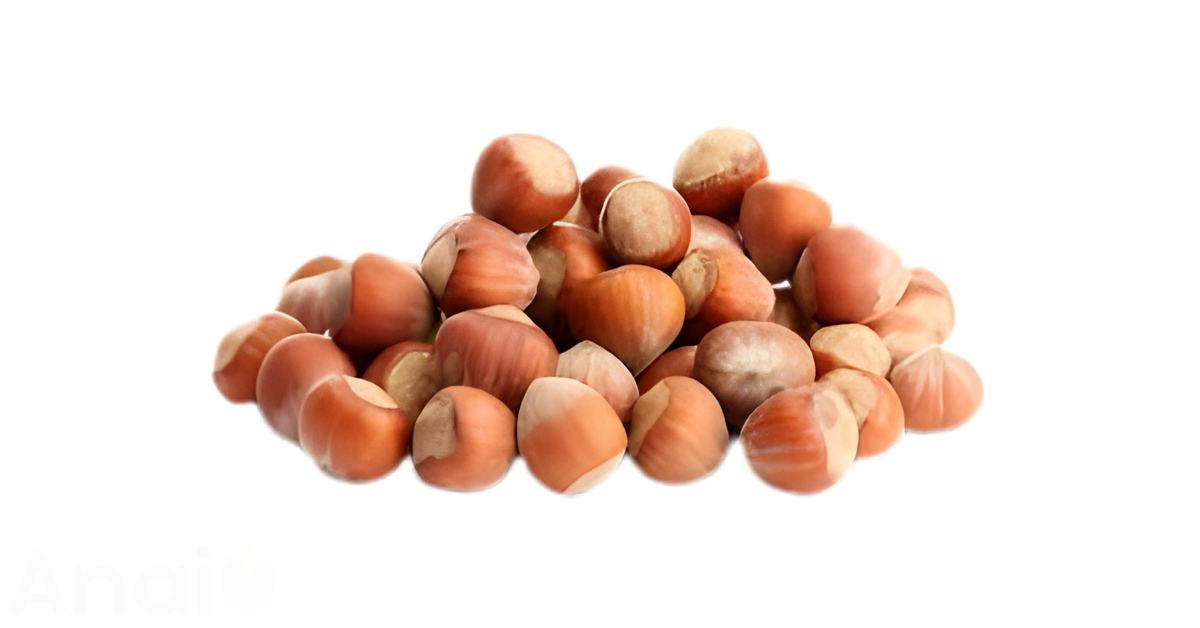
Are Hazelnuts Good for You?
Yes, hazelnuts are good for you. They are packed with nutrients, including vitamins, minerals, antioxidant compounds, and healthy fats. A one-ounce serving of hazelnuts provides a significant amount of your daily needs for vitamin E and manganese. They are also a good source of copper and thiamin. Hazelnuts contain protein and fiber, which help you feel full and satisfied. The healthy fats in hazelnuts are primarily monounsaturated and polyunsaturated, which are considered beneficial for heart health.
This article will expand on topics such as: 12 unusual health benefits of hazelnuts, hazelnut nutrition facts, hazelnuts risks and side effects, hazelnuts substitutes, popular hazelnut diets, hazelnut storage tips, 9 handy hazelnut home remedies, hazelnuts and weight management, and hazelnuts for health conditions. The information in this article is current as of October 2026.
12 Unusual Health Benefits of Hazelnuts
Hazelnuts are a delicious and versatile nut that can be a valuable addition to a healthy diet. The health benefits below give general nutrition information; please talk to a doctor or registered dietitian before changing your diet for a health reason.
1. Supports a Healthy Heart
Hazelnuts are rich in heart-healthy fats, particularly oleic acid, a monounsaturated fatty acid. Research has shown that diets rich in hazelnuts can help lower “bad” LDL cholesterol and total cholesterol levels while maintaining “good” HDL cholesterol. One study found that individuals who consumed 18-20% of their daily calorie intake from hazelnuts saw significant reductions in cholesterol, triglycerides, and markers of inflammation (Burgess, 2023).
2. Packed with Antioxidants
Hazelnuts are a powerhouse of antioxidants, especially phenolic compounds, which help protect the body from oxidative stress. This oxidative stress can damage cells and contribute to aging, cancer, and heart disease. The majority of these powerful antioxidants are concentrated in the skin of the nut, so it’s best to consume them unpeeled for maximum benefit (Levy, 2023).
3. May Reduce the Risk of Cancer
The high concentration of antioxidants, vitamin E, and manganese in hazelnuts may contribute to their anti-cancer properties. Hazelnuts have the highest concentration of proanthocyanidins among tree nuts, a type of antioxidant that may help prevent and treat certain types of cancers. Test-tube and animal studies have shown promising results in this area, though more research in humans is needed (Mikstas, 2024).
4. Aids in Weight Management
Despite being high in calories, hazelnuts can be a valuable tool for weight management. Their protein and fiber content helps to promote feelings of fullness, which can prevent overeating. Substituting less healthy snacks with a handful of hazelnuts can be a smart strategy for maintaining a healthy weight and may even help prevent obesity (Levy, 2023).
5. Supports Healthy Bowel Movements
The dietary fiber in hazelnuts promotes regular bowel movements and helps to prevent constipation. A 28-gram serving of hazelnuts provides about 2.7 grams of dietary fiber, which is a significant contribution to the daily recommended intake (Burgess, 2023).
6. Reduces Inflammation
Hazelnuts’ high concentration of healthy fats can help to reduce inflammation in the body. One study demonstrated that a diet rich in hazelnuts significantly reduced inflammatory markers in participants with high cholesterol levels. Another study found that consuming 60 grams of hazelnuts daily for 12 weeks helped reduce inflammatory markers in overweight and obese individuals (Semeco, 2023).
7. May Improve Insulin Sensitivity
Some research suggests that including hazelnuts in your diet may help improve insulin sensitivity. A study on individuals with metabolic syndrome showed a significant reduction in fasting insulin levels after consuming a mix of nuts, including hazelnuts, for 12 weeks. The oleic acid in hazelnuts is also thought to have beneficial effects on insulin sensitivity (Burgess, 2023).
8. Supports Brain Health
Hazelnuts are a good source of folate and healthy fats, which are essential for cognitive function. These nutrients support healthy neural connections and blood flow to the brain. The polyunsaturated fats in hazelnuts, in particular, may help in the prevention and treatment of neurological issues like depression and Alzheimer’s disease (Manian, 2025).
9. Promotes Healthy Skin
The copper and vitamin E in hazelnuts are beneficial for skin health. Copper aids in the production of collagen and elastin, which keep the skin firm and joints healthy. Vitamin E, a powerful antioxidant, may help to reduce the severity of skin conditions like psoriasis and acne (Levy, 2023).
10. Strengthens Bones
Hazelnuts contain meaningful amounts of magnesium and manganese, which are crucial for bone health. These minerals play a vital role in bone development and maintenance (Manian, 2025).
11. Improves Sperm Quality
Recent research suggests that consuming more nuts, including hazelnuts, may lead to an increased sperm count and improved sperm quality. While the study was conducted on healthy, fertile participants, the findings are promising and warrant further investigation (Burgess, 2023).
12. Boosts Red Blood Cell Formation
The iron and copper found in hazelnuts are important for the formation of red blood cells. These minerals are essential for preventing anemia and ensuring that oxygen is transported efficiently throughout the body (Manian, 2025; Levy, 2023).
Hazelnut Nutrition Facts
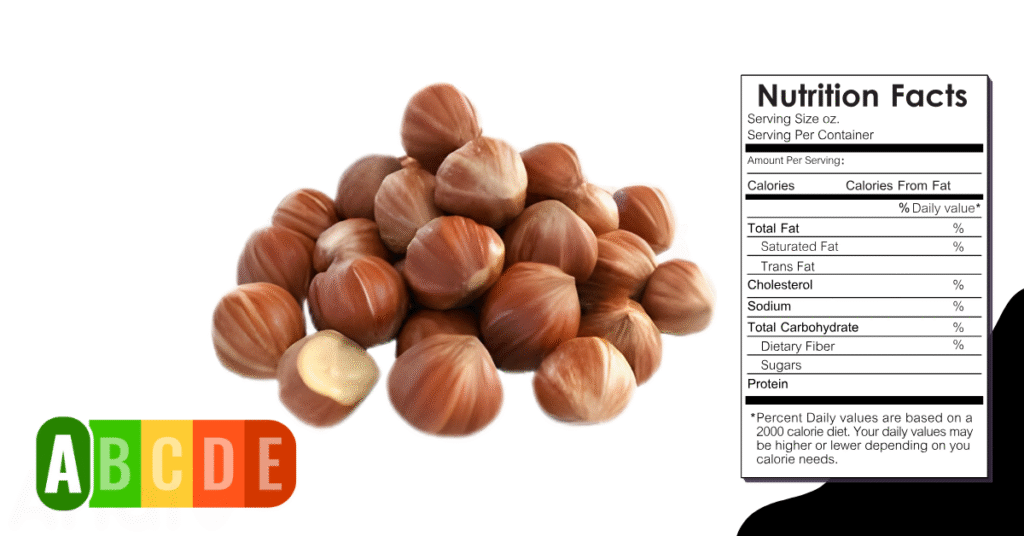
The many health benefits of hazelnuts can be further explained through their impressive nutrition facts, as analyzed in detail below:
Hazelnut nutrition table
The following table provides a comprehensive overview of the key nutritional data for hazelnuts, presented both per a standard one-ounce (28g) serving and per 100 grams. This allows for a clear comparison and understanding of their nutrient density.
| Nutrient | Per Serving (28g) | DRI % (Serving) | Per 100 grams | DRI % (100 g) |
|---|---|---|---|---|
| Calories | 178 kcal | 9% | 628 kcal | 31% |
| Protein | 4.2 g | 8% | 15 g | 30% |
| Carbs | 4.7 g | 2% | 16.7 g | 6% |
| Total Fat | 17 g | 22% | 60.8 g | 78% |
| Cholesterol | 0 mg | 0% | 0 mg | 0% |
How many calories are in hazelnuts?
A standard one-ounce (28g) serving of raw hazelnuts, which is about 20-21 whole kernels, contains approximately 178 calories. This represents about 9% of the daily recommended intake for a 2,000-calorie diet. Per 100 grams, hazelnuts provide 628 calories. To burn off the calories from a single one-ounce serving, it would take roughly 30 minutes of brisk walking or about 15-20 minutes of jogging, depending on individual factors like body weight and metabolism.
How much protein is in hazelnuts?
Hazelnuts offer a decent source of plant-based protein. A one-ounce (28g) serving contains 4.2 grams of protein, fulfilling about 8% of the daily recommended intake. If you were to consume 100 grams of hazelnuts, you would get 15 grams of protein, which is 30% of the daily value. This protein content contributes to feelings of fullness and is essential for building and repairing tissues in the body.
How many carbs are in hazelnuts?
Hazelnuts are relatively low in carbohydrates. In a one-ounce (28g) serving, there are 4.7 grams of carbohydrates, which is only 2% of the daily value. Of this amount, 2.8 grams come from dietary fiber, making them a good choice for those monitoring their carb intake. Per 100 grams, hazelnuts contain 16.7 grams of carbohydrates, with a significant 9.7 grams being dietary fiber.
How much fat is in hazelnuts?
The majority of calories in hazelnuts come from fat, but it is predominantly the healthy, unsaturated kind. A one-ounce (28g) serving has 17 grams of total fat, which is 22% of the daily recommended intake. This high fat content contributes to their creamy texture and rich flavor.
Most of this fat is heart-healthy monounsaturated and polyunsaturated fat. Below is a detailed breakdown of the types of fat found in 100 grams of hazelnuts.
| Fat Type | Amount per 100g |
|---|---|
| Total Fats | 60.8 g |
| Saturated Fats | 4.46 g |
| Monounsaturated Fats (MUFAs) | 45.7 g |
| Polyunsaturated Fats (PUFAs) | 7.92 g |
Are hazelnuts high in cholesterol?
Hazelnuts are completely free of cholesterol. Like all plant-based foods, they contain zero milligrams of cholesterol per serving. This makes them an excellent, heart-healthy choice, especially when compared to animal-based protein and fat sources that can contain significant levels of dietary cholesterol.
Minerals in hazelnuts
Hazelnuts are an excellent source of several essential minerals that are vital for bodily functions, from bone health to metabolism.
| Mineral | Amount per 100g | DRI % | Health Benefits |
|---|---|---|---|
| Manganese | 6.18 mg | 269% | Crucial for bone development, metabolism, and antioxidant functions. |
| Copper | 1.72 mg | 191% | Aids in iron absorption and the formation of red blood cells. |
| Magnesium | 163 mg | 39% | Supports muscle and nerve function, blood pressure regulation, and bone health. |
| Phosphorus | 290 mg | 23% | Important for the formation of bones and teeth. |
| Iron | 4.7 mg | 26% | Essential for creating hemoglobin, which carries oxygen in the blood. |
In summary, hazelnuts are exceptionally rich in manganese and copper, providing well over the entire daily requirement in just a 100-gram portion. They are also a great source of magnesium, iron, and phosphorus, making them a mineral-dense addition to any diet.
Vitamins in hazelnuts
In addition to minerals, hazelnuts provide significant amounts of key vitamins, particularly the powerful antioxidant Vitamin E.
| Vitamin | Amount per 100g | DRI % | Health Benefits |
|---|---|---|---|
| Vitamin E | 15 mg | 100% | A powerful antioxidant that protects cells from damage. |
| Thiamin (B1) | 0.643 mg | 54% | Helps the body convert food into energy. |
| Vitamin B6 | 0.563 mg | 33% | Important for brain development and immune function. |
| Folate (B9) | 113 µg | 28% | Vital for cell growth and the formation of DNA. |
Hazelnuts are one of the best natural sources of Vitamin E, with 100 grams providing the full daily recommended intake. They are also packed with B vitamins, including more than half the daily requirement for Thiamin (B1), and significant amounts of Vitamin B6 and Folate.
Hazelnuts Risks and Side Effects
While hazelnuts are nutritious, they come with certain risks, primarily related to allergies. Hazelnut allergy is one of the most common tree nut allergies, especially in Europe. Reactions can range from mild oral allergy syndrome (OAS), which causes itching and swelling in the mouth and throat, to severe, life-threatening anaphylaxis. Individuals with a birch pollen allergy are at a higher risk for OAS with hazelnuts due to cross-reactivity. The only effective way to manage a hazelnut allergy is strict avoidance of hazelnuts and products containing them. This includes reading food labels carefully for warnings like “Contains Nuts (hazelnuts)” and being cautious of cross-contamination in food processing facilities. Those with severe allergies are prescribed an epinephrine auto-injector to carry at all times.
Beyond allergies, another risk is contamination with aflatoxins. These are toxins produced by fungi that can grow on crops, particularly in humid conditions. Turkey’s Black Sea region, a major hazelnut producer, has a climate that increases this risk. Improper handling and storage can also lead to contamination. To mitigate this, it’s crucial for producers to monitor temperature and humidity and for consumers to store hazelnuts in a cool, dry place. Additionally, food fraud is a concern, where hazelnut products have been found adulterated with cheaper nuts like peanuts or cashews, posing a serious risk to those with other nut allergies.
Debunking myths about hazelnuts
Myth: Hazelnuts will make you gain weight.
Fact: While hazelnuts are calorie-dense due to their high fat content, studies have shown that regular, moderate consumption is associated with reduced weight gain and a lower risk of obesity. The protein and fiber in hazelnuts promote satiety, which helps control appetite and can prevent overeating. The key is incorporating them into a balanced diet as a replacement for less healthy snacks, not simply adding them on top of your existing calorie intake.
Myth: You should always remove the hazelnut skin before eating.
Fact: While some recipes call for peeled hazelnuts for textural reasons, the papery brown skin is perfectly edible and highly nutritious. The skin contains a significant concentration of the nut’s antioxidants, particularly phenolic compounds. Discarding the skin means you miss out on many of these protective health benefits. For the biggest antioxidant boost, eat your hazelnuts raw and unpeeled.
Hazelnuts Substitutes
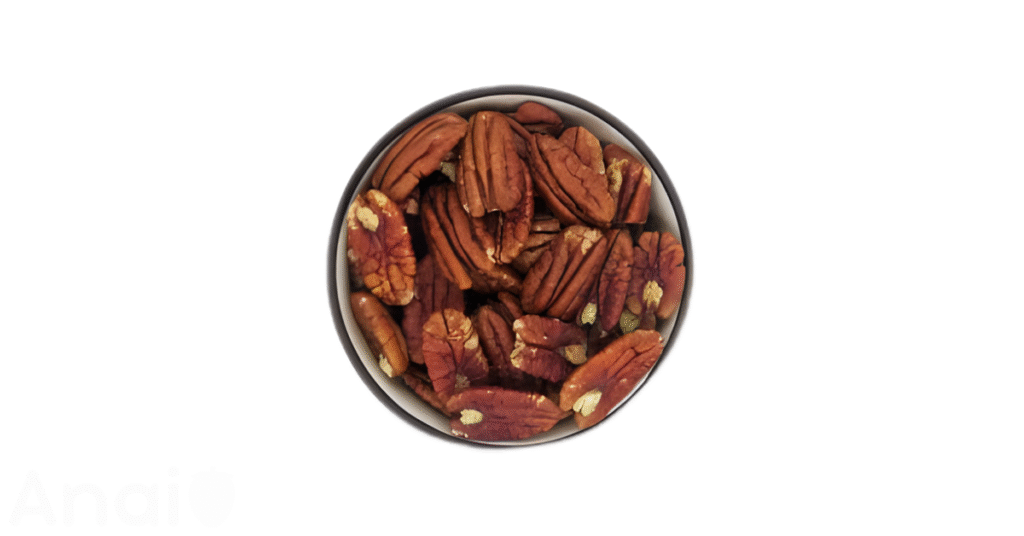
When you’re out of hazelnuts or need an alternative due to allergies or cost, several other nuts and seeds can effectively take their place in recipes. The best substitute depends on the specific flavor and texture you’re trying to achieve.
| Substitute | Protein (100g) | Total Fat (100g) | Fiber (100g) |
|---|---|---|---|
| Hazelnuts | 15 g | 61 g | 9.7 g |
| Almonds | 21 g | 49 g | 12.5 g |
| Pecans | 9 g | 72 g | 9.6 g |
| Walnuts | 15 g | 65 g | 6.7 g |
| Sunflower Seeds | 21 g | 51 g | 8.6 g |
For a versatile and balanced replacement, almonds are an excellent choice. Their mild, nutty flavor and crunchy texture work well in most recipes, from baked goods to nut crusts. A benefit over hazelnuts is their higher protein and fiber content. However, they lack the distinct, rich sweetness of hazelnuts. For best results, toast them lightly to deepen their flavor.
If you are looking for a substitute in sweet dishes like pralines or cakes, pecans offer a rich, buttery flavor that is even sweeter than hazelnuts. The main drawback is their lower protein content and slightly softer texture. When using them, you may want to slightly reduce the sugar in your recipe to compensate for their natural sweetness.
For savory dishes, breads, or muffins, walnuts provide a robust, earthy flavor and a similar level of crunch. Their primary benefit is a high concentration of healthy omega-3 fatty acids. A potential drawback is their slightly bitter aftertaste, which some people may not enjoy. They make a great stand-in for hazelnuts in recipes like pesto or savory stuffings.
When making creamy desserts, nut butters, or sauces, cashew nuts are a fantastic substitute. Their mild sweetness and soft, creamy texture when blended are their biggest assets. The downside is that they are lower in fiber and have a much subtler flavor than hazelnuts, so they won’t impart the same rich, nutty taste.
For a nut-free alternative, sunflower seeds are a great option, especially for those with tree nut allergies. They are nutritionally dense, offering high levels of protein and magnesium. Their flavor is quite different from hazelnuts, and their texture can be mealy unless they are toasted to enhance their crunch and ground finely. They work well in granolas, breads, and as a base for pestos.
Popular Hazelnut Diets
How to add hazelnuts safely into your diet? Choosing the right diet is important to ensure that you are meeting your nutritional needs while also enjoying the foods you eat. Here are a few of the available hazelnuts-friendly diet options:
- The Mediterranean Diet
- The Paleo Diet
- The Ketogenic (Keto) Diet
- Vegan and Vegetarian Diets
| Diet | Primary Focus | Role of Hazelnuts | Benefits | Drawbacks |
|---|---|---|---|---|
| Mediterranean | Whole foods: fruits, vegetables, legumes, whole grains, nuts, seeds, olive oil. | Eaten regularly as a snack or part of meals; source of healthy fats. | Promotes heart health, longevity, and reduces chronic disease risk. | Can be higher in carbs than some other diets; requires meal planning. |
| Paleo | Foods available to Paleolithic ancestors: lean meats, fish, fruits, vegetables, nuts, seeds. | A key source of calories, healthy fats, and nutrients. | Eliminates processed foods, sugar, and grains; focuses on whole foods. | Restrictive; eliminates entire food groups like dairy and legumes. |
| Keto | High fat, very low carbohydrate, moderate protein intake to induce ketosis. | Excellent source of healthy fats with low net carbs. | Can lead to rapid weight loss and improved blood sugar control. | Highly restrictive and can be difficult to maintain long-term; risk of nutrient deficiencies. |
| Vegan/Vegetarian | Plant-based foods; excludes meat (vegetarian) or all animal products (vegan). | Important source of protein, healthy fats, vitamins, and minerals. | High in fiber and antioxidants; associated with lower risk of many chronic diseases. | Requires careful planning to avoid nutrient deficiencies (e.g., B12, iron). |
The Mediterranean Diet is inspired by the traditional eating patterns of countries bordering the Mediterranean Sea. It emphasizes whole, plant-based foods and healthy fats, primarily from olive oil, fish, and nuts. Hazelnuts fit perfectly into this lifestyle, offering a nutrient-dense snack that supports the diet’s heart-healthy goals. It is consistently ranked as one of the healthiest and most sustainable eating patterns.
Based on the presumed diet of early humans, the Paleo Diet eliminates grains, legumes, dairy, and processed foods. It favors lean proteins, fruits, vegetables, and, crucially, nuts and seeds. Hazelnuts serve as a valuable source of calories and healthy fats, aligning perfectly with the diet’s whole-foods-based principles. However, its restrictive nature can make it challenging to follow.
The Ketogenic (Keto) Diet drastically reduces carbohydrate intake and replaces it with fat, forcing the body into a metabolic state called ketosis. Hazelnuts are an ideal food for this diet due to their high fat content and low net carbs (total carbs minus fiber). They provide essential nutrients and a satisfying crunch without disrupting ketosis. This diet is effective for weight loss but is highly restrictive and should be approached with caution.
Both Vegan and Vegetarian Diets rely on plant-based foods. For those avoiding meat and/or dairy, nuts are a cornerstone for providing protein, healthy fats, and essential minerals like iron and zinc. Hazelnuts are a versatile ingredient in plant-based cooking, used to make dairy-free milk, cheese, and nutrient-dense snacks. These diets offer significant health benefits but require careful planning to ensure complete nutrition.
How to Cook Hazelnuts?
Roasting is by far the best and most popular method for cooking hazelnuts. Roasted hazelnuts have a deeper, richer, and more buttery flavor than their raw counterparts. The process is simple: spread raw hazelnuts in a single layer on a baking sheet and bake at 350°F (180°C) for 10-15 minutes. A dark roast not only enhances flavor but also makes the skins easier to remove. To peel them, wrap the hot nuts in a kitchen towel for a few minutes to steam, then rub them vigorously. While roasting may slightly reduce the antioxidant content found in the skin, the significant flavor enhancement makes it a worthwhile trade-off for most culinary uses.
While essentially the same process as roasting, you can achieve perfectly baked hazelnuts by incorporating them directly into recipes. When added to cookies, brownies, or breads, the nuts toast beautifully during the baking time, infusing the final product with a wonderful nutty crunch and aroma. This method is efficient as it cooks the nuts and the dish simultaneously. The nutrient loss is minimal and comparable to roasting.
Of course, consuming raw hazelnuts is the easiest method and requires no cooking at all. This ensures you receive 100% of their natural nutrients, including the full concentration of antioxidants found in their papery skins. The flavor is milder and less intense than roasted hazelnuts. While the skins are perfectly edible, some people may find them slightly bitter or harder to digest.
For baking and creating smooth textures, powdered hazelnuts, also known as hazelnut flour or hazelnut meal, are an excellent choice. You can make it by grinding raw or roasted hazelnuts in a food processor. Using hazelnut flour adds a rich, nutty flavor and moist texture to cakes, cookies, and pie crusts, and it’s a fantastic gluten-free alternative to wheat flour. The nutrients are fully retained, just in a different form.
Easy Hazelnut Recipes
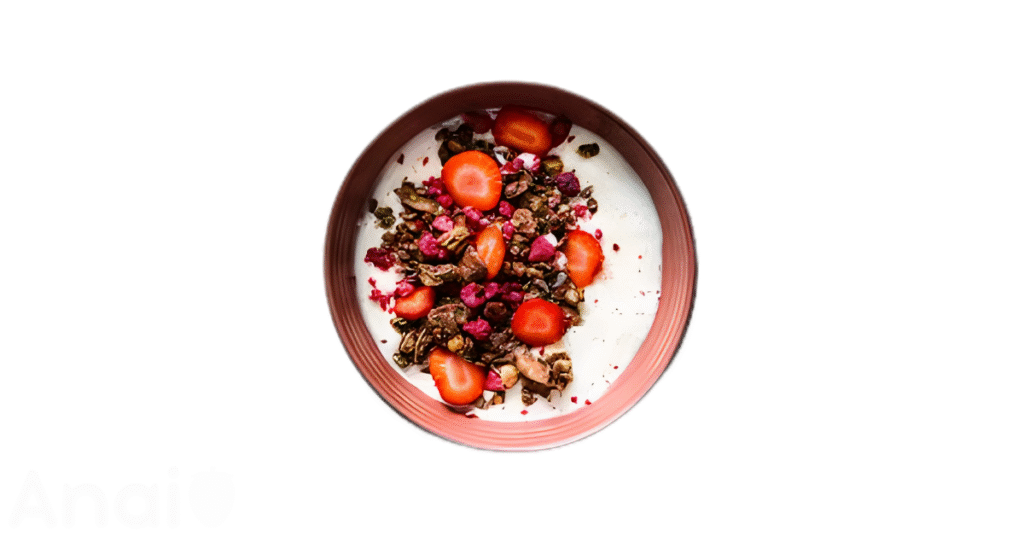
Incorporating hazelnuts into your daily meals is a simple and delicious way to boost your nutrient intake without compromising on taste.
Breakfast ideas with hazelnuts
Hazelnut and Chocolate Granola is a perfect way to start the day. Simply toss rolled oats with chopped hazelnuts, cocoa powder, and a touch of maple syrup before baking for a crunchy, satisfying topping for yogurt or to enjoy as a cereal with hazelnut milk. For a quicker option, stir a spoonful of homemade hazelnut butter into your morning oatmeal or smoothie for a boost of protein and healthy fats.
Lunch ideas with hazelnuts
Sprinkle chopped, toasted hazelnuts over a fresh salad to add a delightful crunch and nutty flavor that pairs well with goat cheese, pears, or a balsamic vinaigrette. For a more substantial meal, blend hazelnuts into a creamy carrot top or basil pesto. This nutty pesto can be tossed with pasta, spread on a sandwich, or used as a flavorful sauce for grilled chicken or fish.
Dinner ideas with hazelnuts
Create a sophisticated main course with hazelnut-crusted tilapia or chicken. Pulse roasted hazelnuts with breadcrumbs and herbs to make a crunchy coating that adds texture and rich flavor. Hazelnuts also shine in savory sauces; a Spanish-style romesco sauce, made with roasted red peppers and hazelnuts, is a perfect accompaniment to grilled fish, chicken, or roasted vegetables.
Simple tips to add hazelnuts to your diet
For those who don’t have time to implement full meal ideas, there are many simple ways to add hazelnuts to your diet:
- Grab a small handful of raw or roasted hazelnuts for a quick, energy-boosting afternoon snack.
- Create your own trail mix by combining hazelnuts with other nuts, seeds, and dried fruit.
- Drizzle a small amount of hazelnut oil into your salad dressings for a rich, nutty flavor.
- Stir a teaspoon of hazelnut butter into your morning coffee for a creamy, flavorful twist.
- Top your evening ice cream or frozen yogurt with a sprinkle of crushed hazelnuts.
- Add chopped hazelnuts to your favorite yogurt or cottage cheese.
- Use hazelnut flour in place of some regular flour in your next batch of pancakes or muffins.
Hazelnut Storage Tips
Knowing how to cook hazelnuts is only a part of the equation; it’s just as important to know proper hazelnut storage tips to make those delicious meals last for longer.
Shelf life of hazelnuts
- At room temperature: Roasted hazelnuts will last for up to 3 months. In-shell hazelnuts can last for a few months.
- In the refrigerator: Shelled or roasted hazelnuts can be stored for up to 6 months.
- In the freezer: Hazelnuts can maintain their freshness for up to 12 months.
How to store hazelnuts?
Proper storage is crucial for maintaining the freshness, flavor, and nutritional quality of hazelnuts, as their high unsaturated fat content makes them prone to going rancid. The golden rule is to keep them in a cool, dark, and dry environment with low humidity (ideally less than 60%) to prevent mold growth. Storing them away from direct light and heat helps preserve their nutrients and prevents the oils from deteriorating.
Using an airtight container is essential, whether you store them in the pantry, fridge, or freezer. This protects the nuts from oxygen, which accelerates the oxidation process, and prevents them from absorbing strong odors from other foods. Glass jars or BPA-free plastic containers are excellent choices for this purpose.
How to refridgerate hazelnuts?
For longer-term storage of shelled or roasted hazelnuts, the refrigerator is an excellent option.
- Place the hazelnuts in an airtight container or a resealable plastic bag.
- If using a bag, press out as much air as possible before sealing it.
- Store the container in the main compartment of the refrigerator, away from foods with strong odors.
How to freeze hazelnuts?
Freezing is the best solution if you want to store hazelnuts for more than a year and maintain their peak freshness.
- Portion the hazelnuts into freezer-safe bags.
- Remove as much air as you can from each bag before sealing tightly. For best results, use a vacuum sealer.
- Label the bags with the date.
- Place them in the freezer, where they can be stored for up to one year.
Signs of Spoilage in hazelnuts
If you’re unsure whether your hazelnuts are still good, use your senses to check for these signs of spoilage:
- Rancid Smell: This is the most common sign. The nuts will have a sharp, unpleasant odor similar to old paint or putty.
- Visible Mold: Any signs of white, green, or black fuzzy growth mean the nuts must be discarded immediately.
- Off-Taste: If they taste bitter, sour, or stale, they have gone bad.
- Shriveled Appearance: While not always a sign of spoilage, dried-out, shriveled kernels indicate a loss of quality and freshness.
9 Handy Hazelnut Home Remedies
Are there any less-known tips to unlock the nutritious profile of hazelnuts? The following hazelnut remedies can have a positive effect on overall well-being.
1. Soothing Skin Moisturizer: Pure hazelnut oil can be used as a natural, lightweight moisturizer. Its ability to hydrate and soften the skin without leaving a greasy residue makes it ideal for daily use. Simply apply a few drops to your face and body after cleansing. Store the oil in a cool, dark place.
2. Nourishing Hair Mask: Revitalize dry or damaged hair with a hazelnut oil treatment. Gently warm a tablespoon of hazelnut oil and massage it into your scalp and through your hair. Leave it on for 30 minutes before shampooing as usual. This can help strengthen hair, add shine, and nourish the scalp.
3. Gentle Carrier Oil for Massage: Thanks to its lightweight texture and subtle nutty aroma, hazelnut oil is an excellent carrier oil for aromatherapy and massage. Blend it with a few drops of your favorite essential oil, like lavender or rosemary, for a relaxing and skin-conditioning massage experience.
4. Heart Health Support Snack: Consuming a daily portion of about 40 grams of hazelnuts can help improve cardiovascular health. Their high content of monounsaturated fats helps reduce bad cholesterol levels. Enjoy them as a simple, raw snack to support your heart.
5. Antioxidant Power Boost: To maximize your intake of antioxidants, eat a handful of raw, unpeeled hazelnuts. The papery brown skins contain a high concentration of beneficial phenolic compounds that help combat oxidative stress in the body.
6. Digestive Regularity Aid: The dietary fiber in hazelnuts promotes regular bowel movements. Soaking a handful of raw hazelnuts in water for 8-12 hours can make them easier to digest and help your body better absorb their nutrients, further supporting digestive health.
7. Pre-Meal Satiety Snack: To aid in weight management, eat a small handful of hazelnuts about 20-30 minutes before a meal. The combination of protein, fiber, and healthy fats helps promote a feeling of fullness, which can lead to consuming fewer calories during the meal.
8. Anti-Aging Skin Elixir: The high Vitamin E content in hazelnut oil helps protect the skin from free radical damage, a key contributor to aging. Apply a small amount of hazelnut oil to fine lines and wrinkles before bed to help promote skin elasticity and repair.
9. Natural Exfoliating Scrub: Create a gentle face or body scrub by grinding raw hazelnuts into a fine meal. Mix the hazelnut meal with a bit of honey or yogurt to form a paste. Gently massage it onto damp skin in circular motions to exfoliate dead skin cells, leaving your skin feeling soft and smooth.
Hazelnuts and Weight Management

There are multiple health benefits and home remedies using hazelnuts, but what is their role in weight management? This section will analyze hazelnuts’ potential impact on weight loss, low-calorie diets, satiety, and metabolism.
Can hazelnuts help with weight loss?
Despite being a high-calorie food, several epidemiological studies have found an inverse or null association between regular nut consumption and Body Mass Index (BMI). A prospective clinical trial published in the journal Nutrients investigated this very topic. In the study, healthy volunteers who added 40g of hazelnuts (providing 262 calories) to their daily diet for six weeks did not experience any significant weight gain. Interestingly, they did show a small but significant reduction in their abdominal circumference, suggesting that hazelnuts can be incorporated into a diet without negatively impacting weight and may even help reduce belly fat.
Hazelnuts in low-calorie diets
The idea of adding a calorie-dense food like hazelnuts to a weight-loss diet may seem counterintuitive. However, research suggests their inclusion can lead to more favorable outcomes. The high nutrient density of hazelnuts—rich in healthy fats, protein, fiber, vitamins, and minerals—makes them a valuable component of a calorie-controlled eating plan. They provide essential nutrients that might otherwise be lacking in a restrictive diet, making the diet more sustainable and nutritionally complete. The study in Nutrients supports the theory that introducing nuts into weight loss or weight control diets can contribute to a more positive result.
Hazelnuts and satiety
One of the primary reasons hazelnuts do not lead to weight gain is their powerful effect on satiety. They have a high content of protein and dietary fiber and a low glycemic index, all of which contribute to a prolonged feeling of fullness. This helps reduce the desire to eat more, naturally lowering the overall calorie intake from other food sources. Furthermore, the study in Nutrients notes that the crunchy texture and mechanical act of chewing nuts also play a role in signaling satiety to the brain.
Hazelnels and metabolism
The connection between hazelnuts and metabolism is multifaceted. The high ratio of unsaturated to saturated fats in nuts may increase energy expenditure and thermogenesis. Additionally, the fats in whole nuts are not fully bioavailable; their fibrous cell walls resist digestion, meaning a portion of the fat is excreted rather than absorbed and metabolized. The Nutrients pilot study also explored a genomic explanation, finding that hazelnut consumption led to the upregulation of antioxidant genes like SOD1 and CAT. This improved antioxidant capacity may help counteract the low-grade inflammation often associated with obesity, suggesting a beneficial effect on the body’s metabolic pathways.
Hazelnuts for Health Conditions
While weight management is important, do hazelnuts have an effect on more serious health conditions? Here’s what the scientific literature has to say:
Hazelnuts and diabetes
Hazelnuts may play a supportive role in managing blood sugar and insulin levels. Their high content of oleic acid, the main fatty acid in the nut, has been shown in some studies to have beneficial effects on insulin sensitivity. For instance, a small 2011 trial found that a daily 30-gram mixed-nut snack containing 7.5 grams of hazelnuts improved participants’ insulin sensitivity over a 12-week period. While one study on individuals with type 2 diabetes did not find a significant reduction in fasting blood sugar after eight weeks of hazelnut consumption, another study involving people with metabolic syndrome did show a significant reduction in fasting insulin levels after 12 weeks of consuming a similar mixed-nut combination.
Hazelnuts and heart health
The evidence supporting hazelnuts’ role in heart health is strong and consistent. They are a great source of heart-healthy monounsaturated fats and omega-3 fatty acids, which help to reduce “bad” LDL cholesterol and increase “good” HDL cholesterol. A review of nine studies that included over 400 participants demonstrated that hazelnut consumption led to significant reductions in both LDL and total cholesterol levels. Reinforcing these findings, another month-long study observed that when individuals with high cholesterol consumed 18-20% of their daily calories from hazelnuts, they experienced notable reductions in cholesterol, triglycerides, and markers of inflammation. A large study published in the Journal of the American College of Cardiology further associated higher consumption of tree nuts, including hazelnuts, with a lower risk of total cardiovascular disease.
Hazelnuts and digestive issues
Hazelnuts are a good source of dietary fiber, which is crucial for a healthy digestive system. A single one-ounce (28-gram) serving provides about 2.7 to 2.8 grams of fiber, which accounts for roughly 11% of the daily value. Adequate fiber intake encourages regular bowel movements and is a key factor in preventing constipation. It is worth noting, however, that hazelnuts contain phytic acid, a natural compound that can slightly impair the absorption of certain minerals like iron and zinc from the nuts.
Hazelnuts and inflammation
Thanks to their high concentration of healthy fats and antioxidants, hazelnuts have been linked to reduced inflammatory markers. A 2013 study found that a hazelnut-rich diet helped reduce signs of inflammation among participants. Another study focusing on 21 people with high cholesterol showed that after four weeks on a diet where hazelnuts made up 18–20% of their total calorie intake, they experienced significant reductions in inflammation. Similarly, research involving overweight and obese individuals found that eating 60 grams of hazelnuts daily for 12 weeks helped lower their inflammatory markers.
Hazelnuts and cancer prevention
Hazelnuts possess several anti-cancer properties, primarily due to their high concentration of antioxidant compounds. They are particularly rich in a category of antioxidants known as proanthocyanidins, having the highest concentration among nuts like pecans and pistachios. Some test-tube and animal studies have shown that proanthocyanidins may help prevent and treat certain types of cancers by protecting against oxidative stress. Furthermore, hazelnuts are packed with Vitamin E and provide a remarkable 87% of the RDI for manganese in a one-ounce serving, both of which are powerful antioxidants that help protect cells from the kind of damage that can lead to cancer. It is important to note that most of this research is preliminary, and more studies in humans are needed to confirm these effects.
The collective evidence suggests that regular, moderate consumption of hazelnuts can be a beneficial component of a healthy diet, particularly for improving heart health markers.
| Health Category | Benefits | Type of Study | Quality of Evidence | Sources |
|---|---|---|---|---|
| Heart Health | Lowers LDL and total cholesterol, reduces inflammation. | Multiple human clinical trials and literature reviews. | Strong | Burgess (2023) |
| Inflammation | Reduces inflammatory markers in the body. | Human clinical trials. | Moderate | Semeco (2023) |
| Diabetes | May improve insulin sensitivity and lower fasting insulin. | Small human clinical trials with mixed results. | Limited to Moderate | Burgess (2023) |
| Cancer Prevention | May help protect against oxidative stress and cell damage. | Primarily test-tube and animal studies. | Preliminary | Mikstas (2024) |
| Digestive Health | Supports regular bowel movements due to fiber content. | Nutritional data analysis. | Strong | Burgess (2023) |
The Verdict on Hazelnut Nutrition
From the top 12 unusual health benefits of hazelnuts to their detailed nutrition facts, risks, substitutes, diet compatibility, storage tips, home remedies, role in weight management, and impact on various health conditions, it’s clear that hazelnuts are a nutritional powerhouse. They are a delicious, versatile, and valuable addition to a health-conscious diet.
Here are some of the most interesting facts about hazelnuts:
- A single one-ounce serving of hazelnuts provides an incredible 87% of the daily recommended intake for manganese.
- The papery brown skin on a hazelnut contains the majority of the nut’s powerful antioxidants, so it’s best to eat them unpeeled.
- Despite being calorie-dense, studies show that regular hazelnut consumption does not lead to weight gain and may even help reduce abdominal fat.
- Hazelnuts are 100% cholesterol-free and rich in heart-healthy monounsaturated fats.
- Among all tree nuts, hazelnuts boast the highest concentration of proanthocyanidins, a class of antioxidants known for fighting cell damage.
- To maximize freshness, hazelnuts can be stored in an airtight container in the freezer for up to one year.
This content was last updated in October 2026.
Follow Anai.ai to stay informed about the latest nutrition and well-being news, tips, and articles.
Hazelnut Nutrition FAQs
This section provides quick, science-backed answers to the most common inquiries about these nuts. It covers everything from their health benefits and dietary impact to safety information for pets and allergy sufferers. The section also offers practical tips on storage, freshness, and daily consumption.
What are hazelnuts good for?
Hazelnuts are excellent for supporting overall health, particularly heart health, due to their high concentration of monounsaturated fats and antioxidants. They are packed with nutrients that can help lower bad cholesterol, reduce inflammation, and protect the body from oxidative stress, which is linked to chronic diseases like cancer. A single one-ounce serving of hazelnuts provides an impressive 87% of the daily recommended intake for manganese, a mineral crucial for bone formation and metabolism.
Are hazelnuts healthy?
Yes, hazelnuts are incredibly healthy as they are a rich source of vitamins, minerals, healthy fats, protein, and fiber. A one-ounce (28g) serving contains 17 grams of healthy fats, 4.2 grams of protein, and 2.7 grams of dietary fiber, which aids in digestion and promotes a feeling of fullness. They are also an excellent source of vitamin E and copper, making them a nutrient-dense addition to any balanced diet.
Are hazelnuts fattening?
Although hazelnuts are high in calories, with a one-ounce serving containing about 178 calories, they are not considered fattening when eaten in moderation. In fact, studies have shown that regular nut consumption is linked to reduced weight gain and a lower risk of obesity. Their high fiber and protein content promotes satiety, which helps prevent overeating and keeps you feeling full for longer.
Who should avoid hazelnuts?
Individuals with a known tree nut allergy should avoid hazelnuts, as they can cause severe and potentially life-threatening allergic reactions, including anaphylaxis. People who are allergic to other tree nuts, such as walnuts or almonds, or have a birch pollen allergy may also experience cross-reactivity with hazelnuts. It’s estimated that roughly 30% of people with a tree nut allergy are allergic to more than one type of nut.
Can I eat hazelnuts daily?
Yes, eating hazelnuts daily can be a very healthy habit, provided you stick to a reasonable portion size. A typical daily serving of one ounce (about 20-21 whole kernels) allows you to reap their health benefits without consuming excessive calories. Research has linked the daily consumption of hazelnuts, ranging from 29 to 69 grams, to significant improvements in heart health markers, such as lower LDL cholesterol.
Can dogs eat hazelnuts?
While hazelnuts are not toxic to dogs, it is generally recommended to avoid giving them to your pet. Their size and shape pose a significant choking hazard, especially for smaller breeds, and can cause intestinal obstructions if swallowed whole. Additionally, the high-fat content in hazelnuts can lead to gastrointestinal upset or, in more severe cases, pancreatitis in dogs.
Can cats eat hazelnuts?
While hazelnuts are not toxic to cats, they are not a recommended treat and should generally be avoided. A cat’s digestive system is not designed to process nuts, and their high fat content can lead to gastrointestinal issues like vomiting or diarrhea. Furthermore, a whole hazelnut poses a serious choking hazard for a cat, making it a risky snack to offer.
How long do hazelnuts last in the fridge?
Storing hazelnuts in the refrigerator can significantly extend their freshness compared to keeping them at room temperature. When stored properly in an airtight container to protect them from moisture and other food odors, shelled or roasted hazelnuts can last for up to 6 months in the fridge. This cool environment slows down the oxidation of the healthy fats within the nuts, which is the primary cause of rancidity.
Can you freeze hazelnuts?
Yes, you can freeze hazelnuts, and it is the best method for long-term storage to maintain maximum freshness and nutritional value. When placed in a freezer-safe bag with as much air removed as possible, or vacuum-sealed, both shelled and in-shell hazelnuts can last for up to 12 months or even longer. Freezing is particularly effective because the extremely low temperatures halt the degradation of the nut’s delicate oils.
How to tell if hazelnuts are bad?
You can usually tell if hazelnuts have gone bad by using your senses of smell, sight, and taste. The most common sign of spoilage is a rancid odor, which smells sharp and unpleasant, similar to old paint or putty, due to the oxidation of their high fat content, which can be over 60% of their total weight. You should also look for any visible signs of mold or discard them if they have a bitter or stale flavor.
How long are hazelnuts good for?
The shelf life of hazelnuts greatly depends on how they are stored and whether they are in their shell. In-shell hazelnuts can last for a few months at room temperature, while shelled kernels last about 3 months. Refrigeration extends this to 6 months for shelled nuts, and freezing is the best option for long-term storage, keeping them fresh for up to a year.
How to keep hazelnuts fresh?
To keep hazelnuts fresh, the key is to store them in a cool, dark, and dry place, as exposure to heat, light, and moisture accelerates spoilage. An airtight container is essential to protect them from oxygen and prevent them from absorbing odors from other foods. For optimal freshness and to preserve their high content of healthy fats, storing them in the refrigerator or, for longer periods, the freezer is the most effective method.