
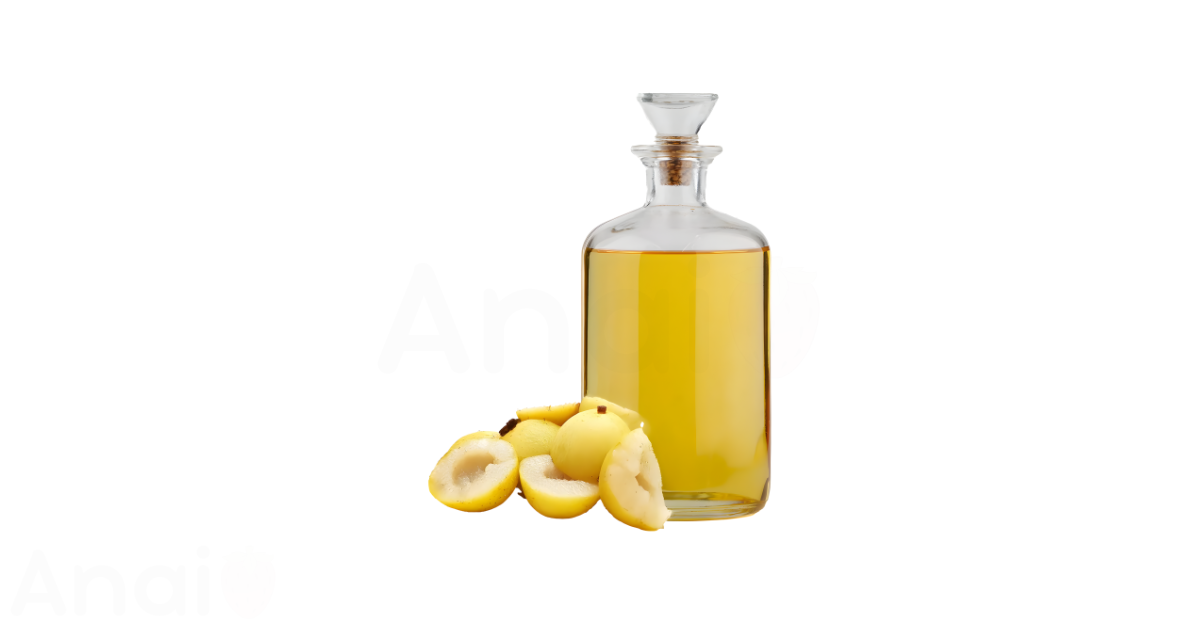
Is Marula Oil Good for You?
Marula oil is exceptionally good for you, thanks to its rich nutritional profile. This oil is a powerhouse of beneficial compounds that support skin and hair health. It is packed with amino acids, such as L-arginine and glutamic acid, which are fundamental for hydration and maintaining the skin’s pH balance. The oil is also rich in fatty acids, including oleic, palmitic, and linoleic acids, which are essential for moisturizing the skin. Furthermore, marula oil contains powerful antioxidants like vitamins C and E, which protect your cells from damage caused by pollutants and UV rays.
This article provides the latest information as of September 2026 and will expand on a variety of topics, including: 11 unusual health benefits of marula oil, marula oil nutrition facts, marula oil risks and side effects, marula oil substitutes, popular marula oil diets, marula oil storage tips, 8 original marula oil home remedies, marula oil and weight management, and marula oil for health conditions.
11 Unusual Health Benefits of Marula Oil
Marula oil is much more than a simple moisturizer; it’s a versatile health and beauty aid with a wide range of benefits. Each health benefit listed below is supported by scientific context and data, highlighting why this African treasure has earned its nickname as “the elixir of youth.”
1. Fights the Signs of Aging
Marula oil possesses potent anti-aging properties. It is known to inhibit the activity of elastase and collagenase, enzymes that accelerate the signs of skin aging (Zelman, 2025). By protecting your skin’s natural elasticity and firmness, it effectively reduces the appearance of fine lines, wrinkles, and dullness. The oil’s antioxidants also combat free radicals, further delaying the aging process and helping your skin regenerate and repair itself.
2. Deeply Hydrates and Moisturizes Skin
The oil’s lightweight texture is easily absorbed, making it a superior moisturizer for dry and aging skin (Whelan, 2019). It contains a high concentration of fatty acids that act as emollients. One study found that marula oil is composed of approximately 69% oleic acid, a monounsaturated fatty acid known for its incredible ability to moisturize the skin (Elmariah, n.d.). This helps keep skin well-nourished, soft, and supple.
3. Combats Acne and Blemishes
Marula oil is an effective tool for managing acne-prone skin because it is non-greasy and non-comedogenic, meaning it won’t clog pores. Its anti-microbial properties are effective against the bacteria that contribute to pimples, whiteheads, and blackheads (Whelan, 2019). Additionally, its anti-inflammatory qualities help reduce the redness and irritation associated with breakouts, promoting a clearer complexion (Zelman, 2025).
4. Nourishes and Protects Hair
Marula oil can transform dry, frizzy, or brittle hair. It has occlusive properties, which means it seals in moisture and prevents water loss from the hair shaft (Richardson, 2022). You can apply a few drops to the ends of your hair to prevent split ends or massage it into your scalp to reduce dandruff. It strengthens hair from root to tip without making it feel greasy.
5. Strengthens and Softens Nails
The same moisturizing properties that benefit skin and hair also work wonders for nails. Marula oil is highly effective at keeping nail beds and cuticles supple and hydrated. Regular application can reduce the incidence of hangnails and heal the painful, cracked skin that can form around the nails, especially after using harsh nail polish removers (Whelan, 2019).
6. Protects Against Environmental Damage
The powerful antioxidants in marula oil, including vitamins E and C, serve as a shield against environmental stressors. These compounds fight the cellular damage caused by free radicals from UV rays and pollution (Zelman, 2025). Applying the oil helps fortify the skin, making it more resilient to the effects of harsh weather and sun exposure.
7. Reduces the Appearance of Scars and Stretch Marks
Marula oil improves skin elasticity and can help diminish the appearance of scars and stretch marks. Its blend of fatty acids and nutrients supports skin regeneration and may aid in the treatment and prevention of scar formation (Richardson, 2022). Applying it regularly to affected areas can help promote smoother, more even-toned skin.
8. Heals Chapped Lips
The oil’s ability to penetrate deep into the skin makes it an excellent remedy for dry, chapped lips. Unlike many lip balms that only sit on the surface, marula oil delivers moisture from within to heal cracking and bleeding. It provides a quick path to soft, supple lips that are protected from the elements (Zelman, 2025).
9. Soothes Inflammation and Redness
Marula oil’s anti-inflammatory properties make it ideal for calming irritated skin. Anecdotal evidence suggests it can reduce the irritation, itching, and dryness associated with conditions like eczema and psoriasis (Elmariah, n.d.). Applying it can help soothe redness and restore comfort to sensitive or sunburned skin.
10. Can Be Used as a Makeup Primer
Because it absorbs so quickly without leaving a greasy residue, marula oil makes for an excellent makeup primer. Applying it 10-15 minutes before your makeup routine creates a smooth and hydrated canvas. This allows for a more even application of foundation and promotes a radiant, blemish-free finish (Whelan, 2019; Zelman, 2025).
11. Balances the Scalp
Just as it works on the skin, marula oil can help balance the scalp’s natural oil production. It cleanses and freshens the scalp without stripping it of moisture, which helps reduce and prevent dandruff (Richardson, 2022; Whelan, 2019). This leads to a healthier scalp environment, which is crucial for strong hair growth.
Marula Oil Nutrition Facts
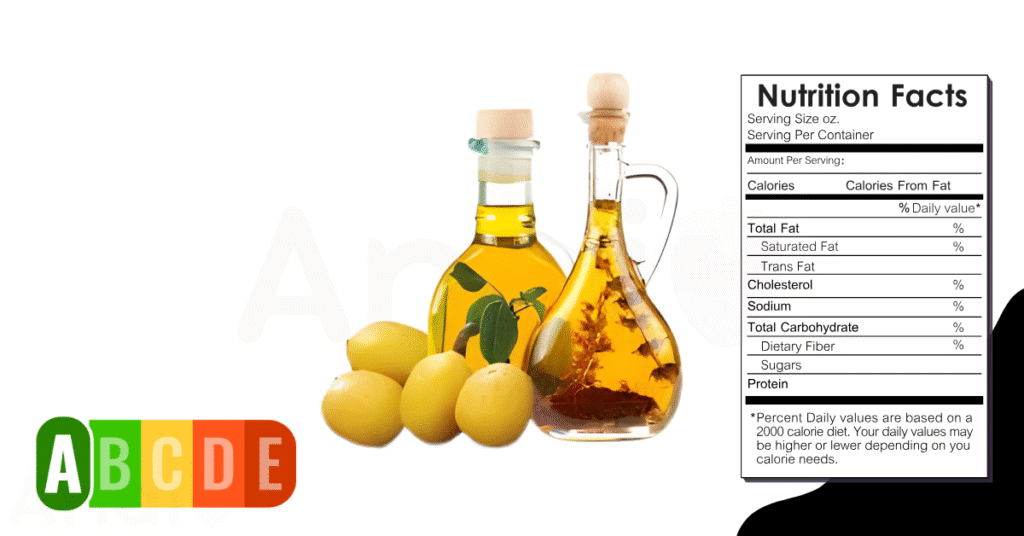
The impressive health benefits of marula oil can be further understood by looking at its nutritional composition, which is analyzed in detail below.
Marula Oil Nutrition Table
Marula oil, like other plant-based oils, is primarily composed of fats and is a calorie-dense food. It contains no protein, carbohydrates, or cholesterol. The following table is based on a serving size of 1 tablespoon (14g).
| Nutrient | Per Serving | DRI % (Serving) | Per 100 grams | DRI % (100 g) |
|---|---|---|---|---|
| Calories | 124 kcal | 6.2% | 884 kcal | 44.2% |
| Protein | 0 g | 0% | 0 g | 0% |
| Carbs | 0 g | 0% | 0 g | 0% |
| Total Fat | 14 g | 18% | 100 g | 128% |
| Cholesterol | 0 mg | 0% | 0 mg | 0% |
How many calories are in marula oil?
Marula oil contains approximately 124 calories per 1 tablespoon (14g) serving, which is about 6.2% of the Daily Recommended Intake (DRI) for an average adult. A 100-gram portion contains around 884 calories. To burn off the 124 calories from one tablespoon of marula oil, an average person would need to engage in about 12 minutes of jogging or 35 minutes of walking.
How much protein is in marula oil?
Pure marula oil contains 0 grams of protein. The protein content, including beneficial amino acids like L-arginine and glutamic acid, is found in the marula fruit’s kernels and pulp, not in the extracted oil.
How many carbs are in marula oil?
Marula oil is free of carbohydrates, containing 0 grams of carbs per serving and per 100 grams. The sugars and dietary fiber are components of the whole fruit, not the refined oil.
How much fat is in marula oil?
Marula oil is 100% fat, with 14 grams per tablespoon. The majority of this fat is heart-healthy monounsaturated fat, specifically oleic acid. The oil is celebrated for its rich fatty acid profile, which contributes to its moisturizing and anti-aging properties. One study found marula oil contains 69% oleic acid (Olas, 2025).
| Fat Type | Per 100g (Approx.) |
|---|---|
| Total Fat | 100 g |
| Saturated Fat | 21 g |
| Monounsaturated Fat (MUFA) | 70 g |
| Polyunsaturated Fat (PUFA) | 9 g |
Is marula oil high in cholesterol?
No, marula oil is completely free of cholesterol. As a plant-based product, it contains 0 mg of cholesterol.
Minerals in marula oil
While the marula fruit itself contains minerals like potassium, magnesium, and calcium, the pure, extracted oil is not a significant source of these nutrients. The nutritional benefits of the oil come primarily from its fatty acid and antioxidant composition.
Vitamins in marula oil
Marula oil is a notable source of fat-soluble vitamins, particularly antioxidants like Vitamin E.
| Vitamin | Health Benefits |
|---|---|
| Vitamin E (Tocopherols) | A powerful antioxidant that protects cells from oxidative damage caused by free radicals. It supports immune function and skin health, helping to prevent damage from UV rays and pollution. |
| Vitamin C | The marula fruit pulp is extremely rich in Vitamin C, but this vitamin is water-soluble and not present in significant amounts in the oil. It is known to boost the immune system and promote collagen production. |
Marula oil’s primary vitamin benefit comes from its high concentration of Vitamin E, which works synergistically with its fatty acids to nourish and protect the skin.
Marula Oil Risks and Side Effects
While marula oil is generally considered safe for topical use, there are a few potential risks to be aware of. The most significant risk is an allergic reaction, particularly for individuals with nut allergies. Because the marula tree belongs to the same family as cashews and pistachios, those with allergies to these nuts may experience sensitivity to marula oil. Signs of an allergic reaction can include redness, itching, hives, or swelling. To mitigate this risk, it is highly recommended to perform a patch test before widespread use: apply a few drops to your inner forearm and wait 24 hours to see if any irritation occurs.
Although scientific research into the side effects of marula oil is limited, a 2015 study found that it was not irritating when applied to the skin. There are no other well-documented health risks, but you should always avoid getting the oil directly in your eyes, as it can cause irritation. If you have a pre-existing skin condition or are concerned about a potential reaction, it’s best to consult with a dermatologist before incorporating marula oil into your routine.
Debunking myths about marula oil
Myth: Marula oil is heavy and will clog pores.
Fact: On the contrary, marula oil is known for its lightweight, non-greasy texture that absorbs quickly into the skin. It is considered non-comedogenic, meaning it is unlikely to clog pores, which makes it a suitable moisturizer even for those with oily or acne-prone skin.
Myth: Elephants get drunk from eating fermented marula fruit.
Fact: This is a popular and enduring myth, but it lacks scientific backing. While elephants do enjoy eating the fruit, the amount of naturally fermented fruit they would need to consume to become intoxicated is physiologically improbable. It’s a fun story, but not a factual one.
Marula Oil Substitutes
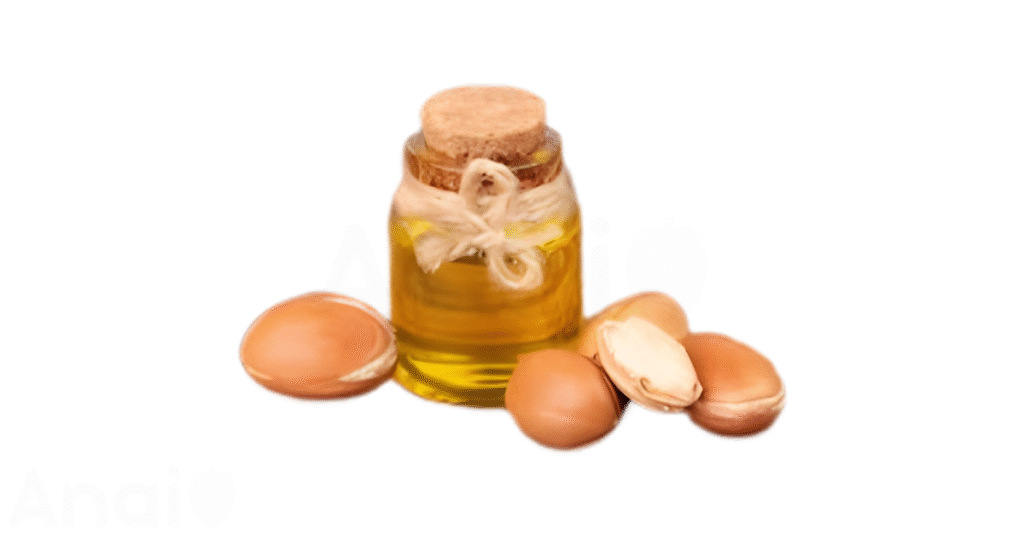
If you’re looking for an alternative to marula oil, several other plant-based oils offer similar benefits for skin and hair. The best substitute depends on your specific skin type and needs, as they differ primarily in their fatty acid profiles. Argan oil, for instance, has a more balanced profile of oleic and linoleic acids, making it a great all-around choice.
| Oil | Oleic Acid (MUFA) % | Linoleic Acid (PUFA) % | Key Feature |
|---|---|---|---|
| Marula Oil | ~70% | ~9% | Highly moisturizing, anti-aging |
| Argan Oil | ~47% | ~33% | Balanced, good for most skin types |
| Jojoba Oil | ~10% | ~5% | Mimics skin’s natural sebum |
| Rosehip Oil | ~14% | ~44% | High in Vitamin A, good for scarring |
For those seeking an alternative, argan oil is perhaps the most well-known substitute. It has a higher concentration of linoleic acid than marula oil, which can make it a better choice for those with oily or acne-prone skin, as linoleic acid helps regulate sebum production. However, its lower oleic acid content means it may feel slightly less moisturizing than marula oil on very dry skin. To use it, simply apply a few drops to your face or hair as you would with marula oil.
Jojoba oil is another excellent option, particularly for those with sensitive or combination skin. Technically a wax ester, its chemical structure is remarkably similar to the sebum naturally produced by our skin. This allows it to absorb beautifully and help balance oil production without causing irritation. The primary benefit of jojoba oil is its ability to trick the skin into thinking it has produced enough oil, making it ideal for both oily and dry skin types. Its drawback is a much lower antioxidant content compared to marula oil.
Finally, rosehip oil is a powerful substitute for those focused on treating scars, hyperpigmentation, and signs of aging. It is exceptionally high in linoleic acid and natural retinoids (a form of Vitamin A), which accelerate cell turnover and improve skin texture. Its benefit over marula oil is its superior regenerative capability. The drawback is that it can be too potent for some sensitive skin types and has a shorter shelf life than marula oil. It is best used as a targeted treatment or nighttime serum.
Popular Marula Oil Diets
How to add marula oil safely into your diet? Choosing the right diet is important to ensure that you are meeting your nutritional needs while also enjoying the foods you eat. Here are a few of the available marula oil-friendly diet options:
- The Mediterranean Diet
- The Paleo Diet
- The Ketogenic (Keto) Diet
- The Vegan Diet
| Diet | Key Principles | Role of Marula Oil | Benefits | Drawbacks |
|---|---|---|---|---|
| Mediterranean | Emphasizes whole foods, fruits, vegetables, legumes, whole grains, and healthy fats like olive oil. | Excellent substitute for or complement to olive oil due to its high monounsaturated fat content. | Supports heart health, balanced, not overly restrictive. | Can be higher in carbs than some other diets. |
| Paleo | Focuses on whole, unprocessed foods that could be obtained by hunting and gathering. Excludes dairy, grains, and legumes. | A healthy, plant-based fat source that fits the “whole foods” principle. | Encourages whole foods, may aid in weight loss. | Restrictive, eliminates entire food groups. |
| Keto | Very low-carb, high-fat diet. Aims to put the body into a state of ketosis to burn fat for fuel. | A great source of healthy fats to help meet high daily fat intake goals. | Effective for weight loss and blood sugar control. | Highly restrictive, can be difficult to sustain long-term. |
| Vegan | Excludes all animal products, including meat, dairy, eggs, and honey. Focuses on plant-based foods. | A high-quality, plant-derived oil for cooking, dressings, and finishing dishes. | High in fiber and vitamins, ethical and environmental benefits. | Requires careful planning to avoid nutrient deficiencies. |
The Mediterranean Diet is celebrated for its focus on heart-healthy fats, and marula oil fits perfectly within its framework. Rich in monounsaturated fats, particularly oleic acid, it can be used in salad dressings or drizzled over grilled fish and roasted vegetables, much like extra virgin olive oil. This diet is less of a strict regimen and more of a lifestyle, making it a sustainable and balanced way to incorporate the nutritional benefits of marula oil.
For followers of the Paleo Diet, marula oil is an excellent choice. This diet emphasizes unprocessed, whole foods, and since marula oil is cold-pressed from the kernels of the marula fruit, it aligns with Paleo principles. It provides a source of clean, healthy fats for cooking and finishing dishes, adding a nutritional boost to meals centered around lean meats, fish, fruits, and vegetables.
The Ketogenic Diet requires a high intake of fats to maintain a state of ketosis, and marula oil can be a valuable addition. Its high concentration of healthy fats helps keto followers meet their daily macronutrient targets. It can be easily added to meals to increase fat content without adding carbohydrates, making it a versatile tool for anyone on a low-carb, high-fat eating plan.
Since it is derived entirely from a plant source, marula oil is naturally suited for a Vegan Diet. It provides a rich source of essential fatty acids and antioxidants that can enhance the nutritional profile of plant-based meals. Vegans can use it as a finishing oil for grain bowls, a base for creamy salad dressings, or a nutrient-booster in smoothies.
How to Cook Marula Oil?
To preserve its delicate nutrients, marula oil is best consumed raw or used in low-heat applications. High temperatures can destroy its beneficial antioxidants and fatty acids.
Raw marula oil is the ideal way to consume it. Using the oil in its unheated, natural state ensures you get its full nutritional benefits, including its rich profile of antioxidants like Vitamin E and essential fatty acids. This method preserves the oil’s subtle, nutty flavor. It’s perfect for creating salad dressings, adding to smoothies for a nutrient boost, or mixing into dips and sauces after they have been cooked.
Using marula oil for drizzling and finishing is another excellent way to incorporate it into your diet. After your food is cooked, simply drizzle a small amount over roasted vegetables, grilled fish, or a warm bowl of soup. This method involves minimal heat exposure, keeping the oil’s integrity intact while adding a rich, luxurious flavor and a boost of healthy fats to your meal.
It is best to avoid high-heat cooking with marula oil. Methods like frying, broiling, or grilling involve temperatures that can cause the oil to break down, creating harmful compounds and destroying its valuable nutrients. Stick to using it raw or as a finishing touch to get the most out of this precious oil.
Easy Marula Oil Recipes

The marula oil recipes discussed here can help you increase your intake of this nutritious oil without compromising on taste.
Breakfast ideas with marula oil
A nutrient-boosted smoothie is a great way to start the day. Add a teaspoon of marula oil to your favorite fruit and vegetable smoothie for an extra dose of healthy fats and antioxidants that will keep you full and energized. For a warm breakfast, try drizzling marula oil over a bowl of oatmeal or yogurt. It adds a creamy texture and a subtle nutty flavor that pairs well with fruits and nuts.
Lunch ideas with marula oil
Create a simple and healthy salad dressing by whisking marula oil with lemon juice, salt, and pepper. This creates a light, flavorful dressing that is far healthier than store-bought options. You can also elevate a simple grain bowl or soup by drizzling a small amount of marula oil over the top just before serving. It adds richness and a nutritional punch to your midday meal.
Dinner ideas with marula oil
Use marula oil as a finishing touch for roasted or steamed vegetables. After the vegetables are cooked, toss them with a bit of marula oil to enhance their flavor and add healthy fats. It also pairs wonderfully with cooked fish or chicken. A light drizzle over the protein after it comes off the heat adds moisture and a delicate, nutty taste.
Simple tips to add marula oil to your diet
For busy people who don’t have the time to implement any of the previous meal ideas, there are simple tips to add Marula Oil to their diet.
- Add a teaspoon to your morning coffee or tea.
- Mix it into hummus or other dips.
- Drizzle it over popcorn instead of butter.
- Whisk it into mashed potatoes or cauliflower mash.
- Use it as a bread dip instead of butter or olive oil.
- Stir a small amount into cooked pasta or rice.
Marula Oil Storage Tips
Knowing how to cook with marula oil is only part of the equation; it’s also important to know the proper storage tips to make those meals and the oil itself last for longer.
Shelf life of marula oil
- At room temperature: Unopened, it can last for up to 24 months. Once opened, it should be used within 6 months.
- In the refrigerator: Refrigeration can extend the shelf life of an opened bottle to about 12 months.
- In the freezer: Freezing can preserve the oil for over a year, but it is generally not necessary.
How to store marula oil?
To maintain its quality and extend its shelf life, marula oil must be protected from its three main enemies: heat, light, and air. Store it in a cool, dark place like a pantry or cupboard, away from the stove or any windows. The original packaging, typically a dark glass bottle, is designed to protect it from light, so it’s best to keep it in that container.
Always make sure the cap is tightly sealed after each use. This minimizes exposure to oxygen, which can cause the oil to oxidize and become rancid over time. Proper storage is crucial for preserving the oil’s delicate nutrients and subtle flavor.
How to refrigerate marula oil?
Refrigerating marula oil can extend its freshness, especially after opening. Here’s how to do it correctly:
- Ensure the bottle cap is screwed on tightly to prevent the oil from absorbing other food odors.
- Place the bottle in the main body of the refrigerator, not the door, to maintain a more consistent temperature.
- Note that the oil may become cloudy or solidify at cold temperatures. This is normal and does not affect the quality. Simply let it sit at room temperature for about 30 minutes to return to its liquid state before use.
How to freeze marula oil?
While not typically necessary due to its stable nature, you can freeze marula oil for long-term storage.
- If the bottle is full, pour a small amount out to allow for expansion as the oil freezes.
- Seal the container tightly. You can also pour the oil into an ice cube tray for pre-portioned amounts, then transfer the frozen cubes to an airtight container or freezer bag.
- To use, simply thaw the desired amount at room temperature.
Signs of Spoilage in marula oil
If you suspect your marula oil has gone bad, use your senses to check for these signs of spoilage:
- An “off” or rancid smell, similar to crayons or stale nuts.
- A change in color, becoming significantly darker or cloudier (when at room temperature).
- A bitter or unpleasant taste.
- A thick or sticky texture.
8 Original Marula Oil Home Remedies
Are there any less-known tips to unlock the nutritious profile of marula oil? The following marula oil remedies can have a positive effect on overall well-being.
- Soothing Sunburn Relief Blend: Mix 2 tablespoons of marula oil with 1 tablespoon of aloe vera gel. Apply the mixture gently to sunburned skin for its anti-inflammatory and hydrating properties. Store any excess in a small, airtight container in the refrigerator for up to one week for a cooling effect.
- Revitalizing Hair and Scalp Mask: Combine 3 tablespoons of marula oil with 1 tablespoon of melted coconut oil and 5 drops of lavender essential oil. Massage the mixture into your scalp and through the ends of your hair. Cover with a shower cap for 30-60 minutes before shampooing as usual. This remedy nourishes the scalp and adds shine.
- Intensive Cuticle and Nail Strengthener: Create a potent treatment by mixing 1 tablespoon of marula oil with 1 tablespoon of jojoba oil. Massage a small amount into your cuticles and nails each night before bed. This helps to prevent brittleness, reduce hangnails, and promote healthy nail growth. Store the blend in a small dropper bottle.
- Anti-Aging Facial Serum: For a simple but effective anti-aging treatment, combine 1 tablespoon of marula oil with 1 tablespoon of rosehip oil. Apply 3-4 drops to your face and neck after cleansing each night. This blend is rich in antioxidants and fatty acids that help reduce the appearance of fine lines and improve skin elasticity.
- Hydrating Lip Polish: Mix 1 teaspoon of marula oil with 1 teaspoon of brown sugar and a half teaspoon of honey to form a paste. Gently scrub your lips with the mixture to exfoliate and hydrate. This remedy removes dry skin and leaves lips feeling soft and supple.
- Calming Acne Spot Treatment: Due to its antimicrobial properties, marula oil can be used as a gentle spot treatment. Combine 1 teaspoon of marula oil with 2 drops of tea tree essential oil. Apply a tiny amount directly onto blemishes before bed to help reduce inflammation and redness.
- Stretch Mark and Scar Fading Oil: Regularly massage pure marula oil directly onto areas with stretch marks or scars. For an enhanced effect, mix 2 tablespoons of marula oil with 10 drops of frankincense essential oil. Consistent application can help improve skin’s suppleness and reduce the appearance of discoloration over time.
- Nourishing Body Oil Enhancer: Add 10-15 drops of marula oil directly into your favorite body lotion bottle and shake well. This instantly boosts your lotion’s hydrating and skin-repairing capabilities, making it more effective for dry skin on areas like elbows and knees.
Marula Oil and Weight Management

There are multiple health benefits and home remedies using marula oil, but what is their role in weight management? This section will analyze marula oil’s potential impact on weight loss, low-calorie diets, satiety, and metabolism.
Can marula oil help with weight loss?
There is currently no direct scientific evidence or credible studies linking the consumption of marula oil to weight loss. While various parts of the marula tree are studied for their nutritional and medicinal properties, research has primarily focused on its antioxidant, antimicrobial, and cosmetic applications. Weight management is a complex process, and no single food or oil can cause weight loss on its own.
Marula Oil in low-calorie diets
In the context of a low-calorie diet, marula oil can be included as a healthy fat source. Its high concentration of monounsaturated fats makes it a nutrient-dense choice, meaning a small amount provides significant calories from fat. When managing calorie intake, incorporating small amounts of healthy fats like marula oil can enhance the flavor of foods and help with the absorption of fat-soluble vitamins (A, D, E, and K), which is crucial for overall health.
Marula Oil and satiety
Fats are known to play a key role in satiety, which is the feeling of fullness and satisfaction after a meal. While no studies have specifically tested marula oil’s effect on satiety, its high content of oleic acid, a monounsaturated fatty acid, may contribute to this effect. Diets that include healthy fats tend to be more satiating than low-fat diets, which can help in managing overall calorie intake by reducing the desire to snack between meals.
Marula Oil and metabolism
There is no research to suggest that marula oil has a direct impact on boosting metabolism. Metabolism is influenced by many factors, including genetics, age, muscle mass, and physical activity. While some foods and compounds are marketed as “metabolism-boosting,” the effects are generally minimal and temporary. A balanced diet that includes healthy fats like those in marula oil supports overall bodily functions, but it should not be considered a tool for significantly increasing metabolic rate.
Marula Oil for Health Conditions
While weight management is important, do marula oil have an effect in more serious health conditions? Here’s what the scientific literature has to say:
Marula Oil and diabetes
Current research on diabetes has focused on extracts from the marula tree’s bark, not the oil itself. A study published by Dimo et al. (2007) found that oral administration of marula stem bark extract (at doses of 150 and 300 mg/kg) significantly reduced blood glucose and increased plasma insulin levels in diabetic rats over 21 days. Another study by Gondwe et al. (2008) observed that a 5-week supplementation with bark extract modulated blood glucose in diabetic rats, with effects comparable to the drug metformin. These preliminary animal studies are promising, but they do not provide evidence that consuming marula oil offers the same benefits.
Marula Oil and heart health
The direct impact of marula oil on heart health has not been extensively studied in humans. However, marula fruit juice has shown potential benefits. A study on healthy individuals by Borochov-Neori et al. (2008) found that supplementing with marula juice for three weeks significantly reduced levels of triglycerides (by 7%), LDL cholesterol (by 17%), and total cholesterol (by 8%), while increasing beneficial HDL cholesterol by 10%. While this is positive, the findings are for the juice, not the oil. Nonetheless, marula oil’s high content of monounsaturated fatty acids, particularly oleic acid, is consistent with dietary patterns known to support cardiovascular health.
Marula Oil and digestive issues
There is a lack of scientific research investigating the effects of marula oil on digestive health. While traditionally used in various forms in African communities, its specific impact on conditions like indigestion, bloating, or other gastrointestinal issues has not been documented in credible scientific studies.
Marula Oil and inflammation
Marula oil is known to possess anti-inflammatory properties, largely attributed to its rich profile of fatty acids and antioxidants. For topical use, these properties can help soothe skin irritation and redness. Regarding internal health, a study by Ojewole (2003) examined the anti-inflammatory effects of aqueous and methanolic stem-bark extracts of the marula tree in rats. The extracts were found to progressively reduce paw swelling, demonstrating a systemic anti-inflammatory effect. However, more research is needed to determine if dietary marula oil provides similar benefits.
Marula Oil and cancer prevention
Currently, there is no scientific evidence to suggest that marula oil can help prevent or treat cancer. The oil is rich in antioxidants like vitamins C and E, which help protect cells from oxidative damage, a process linked to cancer development. However, no studies have specifically investigated marula oil’s role in cancer prevention in humans.
In summary, the available scientific evidence on the internal health benefits of marula is primarily based on animal studies using extracts from the tree’s bark or limited human studies on the fruit juice, not the oil itself.
| Health Category | Benefits | Type of Study | Quality of Evidence | Sources |
|---|---|---|---|---|
| Diabetes | Reduced blood glucose in diabetic rats. | Animal | Preliminary | Dimo et al. (2007); Gondwe et al. (2008) |
| Heart Health | Reduced cholesterol and triglycerides in healthy humans (from fruit juice). | Human | Limited | Borochov-Neori et al. (2008) |
| Digestive Issues | No known benefits. | N/A | Lacking | N/A |
| Inflammation | Reduced inflammation in rats (from bark extract). | Animal | Preliminary | Ojewole (2003); Elmariah (n.d.) |
| Cancer Prevention | No known benefits. | N/A | Lacking | N/A |
Marula Oil Nutrition: Takeaways
This article has provided a comprehensive look into the world of marula oil, covering topics such as its 11 unusual health benefits, detailed nutrition facts, potential risks and side effects, common substitutes, popular marula oil-friendly diets, storage tips, 8 original home remedies, its role in weight management, and its potential for specific health conditions.
Here are some of the most interesting takeaways:
- Marula oil is remarkably stable and can last for up to 24 months at room temperature if stored correctly in a cool, dark place.
- The oil is considered non-comedogenic, meaning it’s unlikely to clog pores, making it suitable even for oily skin types.
- Historically, the marula nut was so valued it was called “The Food of Kings,” and the tree itself was known as “The Marriage Tree,” symbolizing fertility and purity.
- While marula oil is rich in antioxidants, the fruit pulp contains more Vitamin C than an orange.
- The popular myth about elephants getting drunk from eating fermented marula fruit is scientifically unfounded.
- The most promising internal health benefits, such as blood sugar control, have been observed in studies using marula bark extract, not the oil.
This article was last updated in September 2026.
Follow Anai.ai to stay informed about the latest nutrition and well-being news, tips and articles.
Marula Oil Nutrition FAQs
This section provides concise, fact-driven answers to the most common questions about marula oil’s nutritional value. It covers everything from health benefits and dietary uses to safety concerns for humans and pets. Readers can also find practical tips on proper storage to maintain the oil’s freshness and quality.
What is marula oil good for?
Marula oil is a versatile ingredient used for both cosmetic and culinary purposes. Topically, it is celebrated for hydrating skin and hair, thanks to its lightweight texture and rich profile of amino acids and antioxidants like vitamins C and E. In the kitchen, food-grade marula oil is considered a delicacy in parts of Africa and can be used as a cooking oil or in salad dressings. Its impressive fatty acid composition, which is 70-78% oleic acid, is similar to olive oil and makes it a stable choice for low-heat cooking.
Is marula oil healthy?
Yes, marula oil is very healthy, largely due to its high concentration of monounsaturated fats and powerful antioxidants. Its fatty acid profile, dominated by oleic acid, is beneficial for moisturizing the skin and may support cardiovascular health when consumed. Unrefined marula oil also contains beneficial compounds like flavonoids and catechins that fight free radicals, which can cause cellular damage. The oil is also a source of amino acids such as L-arginine and glutamic acid, which have hydrating and anti-aging properties.
Is marula oil fattening?
Like all oils, marula oil is 100% fat and calorie-dense, containing approximately 120-130 calories per tablespoon. While it is high in calories, it is not inherently “fattening” when consumed in moderation as part of a balanced diet. The health benefits come from the type of fat it contains, primarily heart-healthy monounsaturated fats. Consuming small amounts, such as a teaspoon in a salad dressing or smoothie, can provide nutritional benefits without significantly impacting overall calorie intake.
Who should avoid marula oil?
Individuals with nut allergies should avoid marula oil or use it with extreme caution. The marula tree belongs to the same botanical family as cashew, mango, and pistachio trees, so there is a risk of cross-reactivity. Before using it topically, it is highly recommended to perform a patch test on your inner forearm and wait 24-48 hours to check for any signs of irritation, such as redness or itching. While there are no other well-documented risks, anyone with highly sensitive skin should consult a dermatologist before use.
Can I eat marula oil daily?
Yes, you can consume food-grade marula oil daily, but it should be done in moderation due to its high calorie content. There is no specified daily dosage, but incorporating a small amount, such as one or two teaspoons, into your diet can be a healthy practice. It works well as a salad dressing, a finishing oil for cooked dishes, or an addition to smoothies. Sticking to small, controlled portions allows you to reap the benefits of its healthy fats and antioxidants without consuming excess calories.
Can dogs eat marula oil?
It is best to avoid giving marula oil to dogs, especially in its concentrated form. The American Society for the Prevention of Cruelty to Animals (ASPCA) warns that essential oils and other concentrated plant oils can be toxic to pets if ingested or applied directly to their skin. Even a small amount of certain oils can cause adverse reactions in dogs, including digestive upset like vomiting and diarrhea, or more severe symptoms. Always consult with a veterinarian before introducing any new oils or supplements into your dog’s diet or grooming routine.
Can cats eat marula oil?
No, cats should not eat marula oil. Many essential and plant-based oils, including marula oil, can be toxic to cats as their livers lack the specific enzymes needed to metabolize the compounds effectively. Ingesting even small amounts can lead to gastrointestinal upset, central nervous system depression, or liver damage. The ASPCA and other veterinary sources strongly advise against giving concentrated oils to cats, so it is best to keep marula oil strictly for human use.
How long does marula oil last in the fridge?
Storing marula oil in the refrigerator can extend its shelf life significantly. While an opened bottle typically lasts about 6 months at room temperature, refrigeration can prolong its freshness for up to 12 months. The cold temperature slows down the oxidation process that causes oils to go rancid. You may notice the oil becomes cloudy or solidifies, but this is a normal reaction and does not affect its quality; simply let it return to room temperature before use.
Can you freeze marula oil?
Yes, you can freeze marula oil for long-term storage, which can preserve its quality for over a year. Freezing is an effective way to halt the degradation process, especially if you buy the oil in bulk and won’t use it quickly. For convenience, you can freeze it in an ice cube tray to create small, pre-measured portions for easy thawing. Just remember to leave a small amount of headspace in the container to allow for expansion.
How to tell if marula oil is bad?
You can usually tell if marula oil has gone bad by using your senses. The most obvious sign of spoilage is a change in smell; rancid oil often has a sharp, unpleasant odor, sometimes described as being similar to crayons or stale nuts. You might also notice a significant change in its color or a much thicker, stickier consistency than when it was fresh. If you are brave enough to taste it, a bitter or “off” flavor is a clear indicator that the oil has expired and should be discarded.
How long is marula oil good for?
Unopened, a high-quality, cold-pressed marula oil can be good for up to 24 months from its manufacturing date when stored correctly. Once the bottle has been opened, its exposure to oxygen begins the oxidation process, and it is best to use it within 6 to 12 months. Proper storage away from heat and light is crucial to reaching this maximum shelf life and preserving its potent antioxidants and fatty acids.
How to keep marula oil fresh?
To keep marula oil fresh, you must protect it from its three main enemies: heat, light, and air. Always store the oil in a cool, dark place like a pantry or cupboard, and keep it in its original dark glass bottle to shield it from light. Make sure to screw the cap on tightly after every use to minimize its exposure to oxygen, which is the primary cause of rancidity. Storing it this way helps maintain its impressive oxidative stability and preserves its delicate nutritional compounds.