

Is Yogurt Good for You?
Scientific evidence confirms that yogurt is an exceptional addition to a healthy diet. It is a nutrient-dense food that provides a unique combination of macronutrients and micronutrients. Most varieties contain live, active cultures that support your internal ecosystem. Research consistently links regular consumption to improved bone density and metabolic health. It serves as a versatile protein source that fits into almost any lifestyle.
This article expands on 12 versatile health benefits of yogurt, yogurt nutrition facts, yogurt risks and side effects, and yogurt substitutes. We also cover popular yogurt diets, yogurt storage tips, 9 amazing yogurt home remedies, yogurt and weight management, and yogurt for health conditions. The following guide contains the latest information available as of February 2026.
12 Versatile Health Benefits of Yogurt
Yogurt is widely regarded as a “superfood” due to its impressive biological impact. Each of the following benefits is fact-checked and supported by clinical research and nutritional science publications.
1. Exceptional Nutrient Density
Yogurt contains nearly every nutrient your body needs to function optimally. It is particularly famous for its high calcium content, which is essential for dental and skeletal health. One cup of low-fat plain yogurt provides 49% of your daily calcium requirements (Elliott & Ramburger, 2025).
Beyond calcium, it is a powerhouse of B vitamins. It specifically provides 38% of the Daily Value (DV) for Phosphorus and 12% of the DV for Potassium (Saritas et al., 2024). These minerals are vital for regulating blood pressure and supporting cellular energy production.
2. High Protein Concentration
Protein is a critical macronutrient for tissue repair and appetite control. Traditional yogurt provides approximately 8.5 to 13 grams of protein per cup (Garg, 2022). If you choose Greek varieties, the concentration is even higher.
Greek yogurt contains nearly 20 grams of protein per 7-ounce serving (Elliott & Ramburger, 2025). High protein intake increases the production of hormones that signal fullness. This biological response helps you naturally reduce your total calorie intake throughout the day.
3. Restoration of Digestive Health
Specific strains of bacteria in yogurt act as probiotics within the human gut. These “good” bacteria, such as Bifidobacteria, help balance the microbiome. Regular consumption can significantly reduce symptoms of irritable bowel syndrome (IBS) and ulcerative colitis (Lui, 2024).
Probiotics also assist in managing common digestive issues. Studies show they can effectively reduce bloating, gas, and constipation (Ware, 2024). This makes it an essential food for maintaining a comfortable and efficient digestive tract.
4. Immune System Fortification
Eating yogurt regularly can bolster your body’s natural defenses against pathogens. Probiotics are known to reduce inflammation, which is a precursor to many chronic illnesses. Research indicates that these beneficial bacteria may decrease the incidence and duration of the common cold and flu (Elliott & Ramburger, 2025).
The immune benefits are also linked to yogurt’s trace mineral content. It provides Magnesium, Selenium, and Zinc, which play specialized roles in immune signaling (Garg, 2022). Fortified versions often add Vitamin D to further enhance these protective effects.
5. Prevention of Osteoporosis
Yogurt provides a synergistic blend of nutrients that maintain bone mass. The combination of Vitamin D, calcium, protein, and phosphorus is more effective than supplements alone. Adults require at least 1,000 mg of calcium daily to prevent bone degradation (Garg, 2022).
Consuming dairy yogurt is one of the most bioavailable ways to meet these targets. It helps keep bones dense and reduces the risk of fractures as you age. This is particularly important for post-menopausal women and elderly populations.
6. Cardiovascular and Blood Pressure Support
Despite historical concerns about saturated fat, fermented dairy appears to protect the heart. A 2020 meta-analysis found that regular consumption of fermented dairy is linked to a lower rate of heart disease (Lui, 2024). Potassium in yogurt also helps the body manage sodium levels.
By encouraging the body to flush out excess sodium, yogurt helps maintain healthy blood pressure. A single cup can provide 50% of the daily recommended intake of potassium and magnesium (Mitchell, 2025). These minerals are essential for a steady heartbeat and relaxed blood vessels.
7. Effective Weight Management
Yogurt is a highly effective tool for those monitoring their body composition. Its high protein content keeps you satiated for longer periods. A 2015 review confirmed that yogurt consumption is associated with lower body fat percentages and smaller waist circumferences (Elliott & Ramburger, 2025).
People who eat yogurt tend to have higher-quality diets overall. It replaces higher-calorie snacks while providing more nutrients per gram. This makes it an ideal component of a sustainable weight loss strategy (Uttekar, 2025).
8. Reduced Risk of Type 2 Diabetes
Clinical data suggests that yogurt has a unique protective effect against metabolic disorders. A study found that consuming yogurt specifically helps protect against the development of type 2 diabetes (Ware, 2024). Interestingly, other dairy products like milk and cheese did not show the same level of protection.
The fermentation process likely improves insulin sensitivity. This helps the body process blood sugar more efficiently. For those at risk of metabolic syndrome, plain yogurt is a smart dietary choice.
9. Accelerated Muscle Recovery
Athletes often use yogurt as a post-exercise recovery food. The amino acids in dairy protein are quickly absorbed by the muscles. Studies show that Greek yogurt can boost strength and improve body composition when consumed after a workout (Garg, 2022).
It provides the building blocks necessary for muscle protein synthesis. Additionally, the carbohydrates in yogurt help replenish glycogen stores used during intense physical activity. It is a natural, whole-food alternative to processed protein shakes.
10. Protection Against Environmental Toxins
Emerging research highlights yogurt’s role in detoxification. Certain probiotic strains can bind to heavy metals in the digestive tract. Scientists have suggested that yogurt successfully protects pregnant women and children from the harmful effects of heavy metal exposure (Ware, 2024).
By sequestering these toxins, the bacteria prevent them from being absorbed into the bloodstream. This biological filtering is a unique advantage of fermented foods. It adds a layer of protection in environments with high pollution levels.
11. Improved Tolerance for Lactose
Many people with lactose intolerance find that they can eat yogurt without discomfort. The live cultures in the yogurt break down the lactose before you even consume it. Yogurt contains significantly less lactose than standard liquid milk (Ware, 2024).
Over time, eating yogurt can even help the gut adapt. Beneficial bacteria strains may reduce symptoms like gas and bloating for those with dairy sensitivities (Lui, 2024). This allows individuals to enjoy the nutritional benefits of dairy without the typical side effects.
12. Support for Cognitive Health
The “gut-brain axis” is a major focus of modern nutritional science. Probiotics may influence mood and brain function through the nervous system. Some research suggests that a healthy gut microbiome can impact brain signaling related to anxiety and depression (Ware, 2024).
While scientists are still exploring the exact mechanisms, the preliminary data is very strong. Maintaining a healthy gut through yogurt consumption may support overall mental well-being. It is a simple, delicious way to support your brain from the inside out.
Yogurt Nutrition Facts
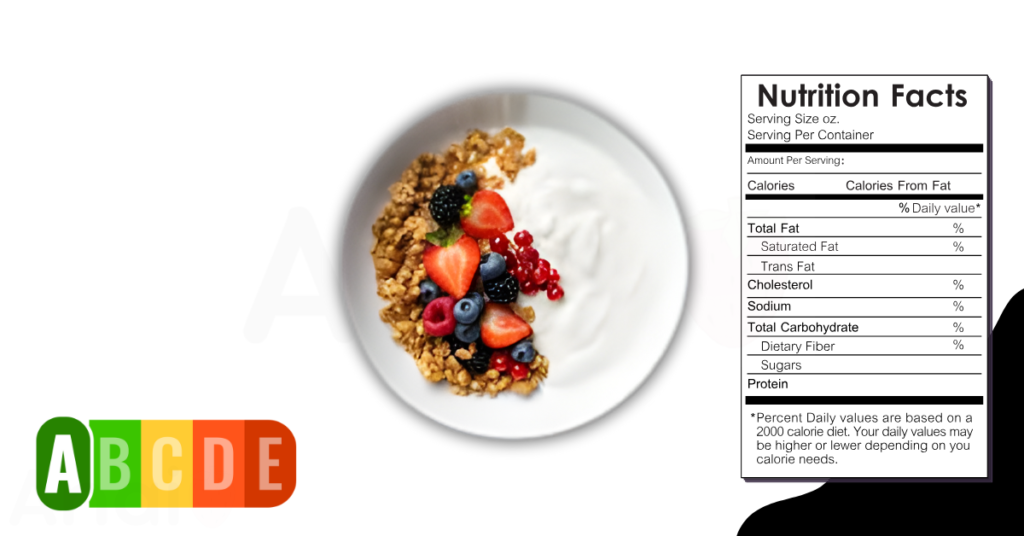
The extensive health benefits of yogurt can be further explained through their impressive nutrition facts, as analyzed in detail below:
Yogurt nutrition table
Standard plain low-fat yogurt is a dense source of both macronutrients and essential minerals. While the specific profile shifts based on the milk fat percentage and the presence of fruit, the data below reflects a typical 8-ounce (245g) serving of plain low-fat yogurt.
| Nutrient | Per Serving | DRI % (Serving) | Per 100 grams | DRI % (100 g) |
|---|---|---|---|---|
| Calories | 154 kcal | 7.7% | 63 kcal | 3.2% |
| Protein | 13 g | 26% | 5.3 g | 10.6% |
| Carbs | 17 g | 6.2% | 7 g | 2.5% |
| Total Fat | 4 g | 5.1% | 1.6 g | 2% |
| Cholesterol | 15 mg | 5% | 6.1 mg | 2% |
How many calories are in yogurt?
The calorie density of yogurt is remarkably low relative to its nutrient payload. A standard 100-gram portion of plain low-fat yogurt contains 63 calories. When you move to a full one-cup serving (245g), you are consuming approximately 154 calories, which accounts for roughly 7.7% of the Daily Recommended Intake (DRI) based on a 2,000-calorie diet.
This makes it an ideal high-volume, low-calorie snack. To burn off the 154 calories found in a single serving, an average adult would need to engage in approximately 35 to 40 minutes of brisk walking at 3 mph. Alternatively, about 15 minutes of moderate-intensity swimming or 20 minutes of cycling would offset the energy intake.
How much protein is in yogurt?
Yogurt is a powerhouse of high-biological-value proteins. It provides 5.3 grams of protein per 100 grams. For a full 8-ounce serving, the protein count climbs to 13 grams, providing 26% of your DRI in a single cup. Greek varieties often double this amount through straining, making them an elite choice for muscle maintenance. The proteolytic activity of the bacteria used in fermentation actually assists your body in digesting these proteins more efficiently than liquid milk.
How many carbs are in yogurt?
The carbohydrates in plain yogurt come primarily from lactose, the natural sugar found in milk. You will find 7 grams of carbs per 100 grams of plain low-fat yogurt. A standard one-cup serving provides 17 grams of carbohydrates, or about 6.2% of the DRI. During fermentation, bacteria convert some of this lactose into lactic acid, which is why plain yogurt is naturally lower in sugar than fresh milk. Always check labels for “added sugars,” as flavored varieties can easily triple the carb count.
How much fat is in yogurt?
Fat content varies significantly depending on whether you choose nonfat, low-fat, or whole-milk versions. Plain low-fat yogurt contains 1.6 grams of fat per 100 grams. A standard one-cup serving delivers 4 grams of total fat, meeting roughly 5.1% of the DRI.
While saturated fat is present, recent research suggests that full-fat dairy may not carry the same cardiovascular risks as previously thought. In fact, whole-milk yogurt contains approximately 5 grams of saturated fat per serving, which is about 25% of the DRI.
| Fat Category | Per Serving (Whole Milk) | DRI % (Serving) |
|---|---|---|
| Total Fats | 8 g | 10% |
| Saturated Fats | 5 g | 25% |
| Monounsaturated Fats (MUFAs) | 2 g | N/A |
| Polyunsaturated Fats (PUFAs) | 0.2 g | N/A |
Is yogurt high in cholesterol?
Yogurt is generally considered a low-cholesterol food. It contains 6.1 mg of cholesterol per 100 grams. When consuming a standard one-cup serving, you ingest about 15 mg of cholesterol, which is only 5% of the Daily Recommended Intake. Clinical studies have even shown that certain probiotic strains in yogurt, such as Lactobacillus acidophilus, can actually help lower total and “bad” LDL cholesterol in people with moderate to high levels.
Minerals in yogurt
Yogurt is one of the most bioavailable sources of essential minerals. The interaction between these minerals supports everything from bone density to blood pressure regulation.
| Mineral | Health Benefit |
|---|---|
| Calcium | Vital for bone density and blood clotting; provides 40-50% DRI per cup. |
| Phosphorus | Critical for energy production and cellular repair; provides 50% DRI per cup. |
| Potassium | Helps flush out sodium and maintains a regular heartbeat. |
| Magnesium | Essential for muscle contraction and nerve function. |
| Zinc | Bolsters the immune system and supports wound healing. |
In summary, yogurt provides a massive mineral punch in a small volume. It is especially high in calcium and phosphorus, providing nearly half of your daily needs in one sitting. These minerals, combined with potassium, make it a primary dietary tool for fighting osteoporosis and hypertension.
Vitamins in yogurt
While yogurt is famous for minerals, its vitamin profile is equally impressive. It is naturally rich in B vitamins and often fortified with the “sunshine vitamin” to aid calcium absorption.
| Vitamin | Health Benefit |
|---|---|
| Vitamin B12 | Prevents anemia and maintains healthy blood and nerve cells. |
| Riboflavin (B2) | Assists in turning food into usable energy and supports cell growth. |
| Vitamin A | Critical for maintaining vision and supporting the immune system. |
| Vitamin D | Necessary for calcium absorption; often fortified to provide 20% DRI. |
The data confirms that yogurt is an exceptional source of B vitamins, particularly B12 and B2. A single serving can provide over 50% of the DRI for Vitamin B12, making it a vital food for those seeking to maintain energy levels. When fortified, it becomes a complete package for skeletal health by delivering both Vitamin D and Calcium together.
Yogurt Risks and Side Effects
Yogurt is generally safe, but biological factors can cause adverse reactions. Lactose intolerance is the most common concern. It occurs when the body lacks the enzyme lactase needed to break down milk sugar. However, the probiotics in yogurt often pre-digest this lactose, making it tolerable for many who cannot drink liquid milk. To manage this risk, start with a quarter-cup serving to monitor your body’s response. Individuals with a confirmed milk allergy must avoid yogurt entirely, as even small amounts can trigger a severe immune response.
Specific health risks involve drug interactions. The calcium in yogurt can bind with certain medications in the stomach. Research shows that yogurt can decrease the effectiveness of tetracycline and ciprofloxacin (Cipro) antibiotics. To manage this effectively, health experts recommend taking yogurt at least two hours before or four hours after your medication. Additionally, people with severely weakened immune systems should consult a doctor before consuming large amounts of live-culture yogurt, as there is a rare risk of the bacteria reproducing unchecked.
Myth: All yogurt products provide a significant boost to gut health.
Fact: Many commercial products are heat-treated after fermentation, which kills the beneficial live and active cultures. To ensure you are receiving probiotic benefits, you must look for the “Live and Active Cultures” seal, which guarantees at least 100 million cultures per gram.
Myth: Fat-free yogurt is always the healthiest dietary choice.
Fact: Manufacturers often add high amounts of sugar or corn syrup to fat-free yogurt to improve the flavor and texture. This can result in a product that is actually worse for weight management and blood sugar than a plain whole-milk version.
Myth: Frozen yogurt is a healthy, probiotic-rich alternative to ice cream.
Fact: Most frozen yogurt lacks the sufficient volume of live cultures needed to aid digestion and can contain as much sugar as regular ice cream. Because it is often heat-treated, it rarely provides the same gut-health benefits as refrigerated fresh yogurt.
Yogurt Substitutes

If you are running low or following a vegan diet, several alternatives can replicate yogurt’s texture or acidity.
| Substitute | Calories (100g) | Protein (100g) | Fat (100g) | Calcium (100g) |
|---|---|---|---|---|
| Sour Cream | 193 | 2.1 g | 19 g | 10% DRI |
| Buttermilk | 40 | 3.3 g | 0.9 g | 11% DRI |
| Silken Tofu | 62 | 6.9 g | 2.7 g | 4% DRI |
| Cottage Cheese | 98 | 11 g | 4.3 g | 8% DRI |
Sour Cream acts as an ideal 1-to-1 substitute in cold dips and savory sauces due to its similar tang and creamy viscosity. The primary benefit is its rich texture, but the drawback is a significantly higher fat content and lower protein compared to yogurt. If you are using a fat-free version, only use it for cold recipes, as it will separate if heated.
Buttermilk is an excellent swap for Greek yogurt in baking recipes because its acidity reacts perfectly with leaveners like baking soda. It provides a similar tangy flavor profile and keeps baked goods moist and tender. However, it is much thinner than yogurt, so you may need to increase your flour or decrease the liquid in the recipe to maintain the correct consistency.
Silken Tofu is the best plant-based alternative for smoothies and dressings when blended until smooth. It offers a high protein content and a neutral base, making it a fantastic vegan-friendly choice. The main drawback is a complete lack of natural tanginess, so you should add a tablespoon of lemon juice to mimic yogurt’s acidic bite.
Cottage Cheese can be blended into a smooth consistency to replace Greek yogurt in high-protein snacks and bowls. It actually contains more protein than standard yogurt, making it a favorite for muscle building. The downside is that it lacks the acidity required for some baking reactions and often has a higher sodium content.
Popular Yogurt Diets
How to add yogurt safely into your diet? Choosing the right diet is important to ensure that you are meeting your nutritional needs while also enjoying the foods you eat. Here are a few of the available yogurt-friendly diet options:
- The Yoplait Light Two Week Tune Up
- The Ana Luque Yogurt Diet
- The DGA-Recommended Daily Dairy Intake
| Diet | Key Difference | Benefits | Drawbacks |
|---|---|---|---|
| Yoplait Light Two Week Tune Up | Strict 1,200 calorie daily limit with two yogurt servings. | Rapid short-term weight loss due to calorie deficit. | High in added sugars; weight loss is not unique to yogurt. |
| Ana Luque Yogurt Diet | 5-week detox protocol with multiple servings daily. | Focuses on probiotic intake for gut health. | Lacks clinical evidence; some medical claims are unproven. |
| DGA-Recommended Intake | Focuses on 3 servings of low-fat or non-fat dairy daily. | Reduces risk of Type 2 Diabetes by 14%; supports long-term health. | Requires consistent meal planning; often neglected by 90% of US adults. |
The Yoplait Light Two Week Tune Up was designed as a high-intensity 14-day plan to jumpstart weight loss. Participants consume yogurt twice daily alongside specific portions of lean protein and whole grains. Research shows users lost an average of 11 pounds over 12 weeks, but this was primarily due to the low-calorie nature of the diet. This plan is effective for short-term goals but may be difficult to sustain due to the restricted caloric intake.
The Ana Luque Yogurt Diet positions yogurt as a therapeutic tool for various ailments. The program includes a 5-week detox phase meant to reset the metabolism and treat digestive issues. While the focus on probiotics is beneficial for the microbiome, many of the author’s broader claims lack scientific validation. It serves as an interesting exploration of fermented foods but should be approached with caution regarding its more extreme medical assertions.
The DGA-Recommended Daily Dairy Intake is the most scientifically robust approach to yogurt consumption. It advocates for three 8-ounce servings of dairy per day to combat common nutrient deficiencies. Currently, 90% of US children and adults consume less than 1 cup of yogurt per week. Adhering to this guideline ensures adequate intake of potassium and calcium while significantly lowering the risk of cardiovascular disease and obesity.
How to Cook Yogurt?
Raw yogurt is the most common way to consume this food to ensure the survival of live cultures. Consuming it without heat preservation keeps the “good” bacteria like L. Bulgaricus and S. Thermophilus fully intact. This method results in zero nutrient loss from thermal processing. It provides the maximum probiotic benefit for digestive and immune health.
Instant Pot yogurt utilizes a controlled, low-heat incubation process that usually stays between 110°F and 115°F. This is the gold standard for homemade varieties because it maintains a steady environment for bacteria to ferment lactose. There is minimal nutrient loss at these temperatures. Homemade yogurt can save consumers roughly $0.75 per quart compared to premium store-bought brands.
Baked yogurt is frequently used in muffins, cakes, and quick breads as a replacement for butter or oil. The acidity of the yogurt reacts with baking soda to create a light, airy texture in the final product. However, internal temperatures in the oven far exceed 115°F, which kills all live probiotic cultures. While you lose the probiotic benefits, you retain the protein, calcium, and moisture-enhancing properties.
Boiled yogurt or simmering it into hot sauces requires specific techniques to prevent curdling. You should always use full-fat versions because the fats surround and protect the proteins from direct heat. Stirring in 1/2 to 1 teaspoon of cornstarch per cup of yogurt provides extra security against breaking. High heat causes significant loss of heat-sensitive B vitamins and probiotics.
Poached yogurt techniques involve “tempering,” where you whisk small amounts of hot liquid into room-temperature yogurt before adding it to a pot. This prevents temperature shock and ensures a smooth, creamy sauce. Similar to boiling, this method results in a total loss of live cultures but provides a lower-fat alternative to heavy cream. Whole-milk yogurt has far fewer calories than sour cream or heavy cream while providing a similar mouthfeel.
Easy Yogurt Recipes

The yogurt recipes discussed here can help increase yogurt intake without compromising taste.
Breakfast ideas with yogurt
Blueberry Yogurt Parfait combines high-protein yogurt with berries that have a high O.R.A.C. score for maximum antioxidant capacity.
Overnight oats with yogurt allow the oats to soak in the lactic acid, which softens the grain and adds a creamy texture without cooking.
Yogurt-topped pancakes serve as a nutrient-dense alternative to syrup, especially when sprinkled with cinnamon or ginger for natural sweetness.
Lunch ideas with yogurt
Yogurt-based salad dressing can replace heavy mayonnaise in potato or pasta salads to reduce saturated fat intake.
Creamy yogurt dip mixed with herbs like dill and garlic makes a satisfying accompaniment for raw vegetables or whole-grain crackers.
Yogurt-enriched smoothies provide a thicker consistency than milk-based versions and help suppress the hunger hormone ghrelin until dinner.
Dinner ideas with yogurt
Yogurt-marinated chicken uses the natural acidity of the fermented dairy to tenderize the meat fibers effectively.
Savory yogurt taco topping is an excellent swap for sour cream, offering more protein and fewer calories per tablespoon.
Yogurt-thickened soups add a rich, velvety finish to spicy lentil or tomato broths if stirred in just before serving to avoid curdling.
Simple tips to add yogurt to your diet
For busy people who don’t have the time to implement any of the previous meal ideas, there are simple tips to add yogurt to their diet:
- Stir in a tablespoon of ground flaxseed to add 3 grams of fiber and 2 grams of Omega-3s to a bowl of yogurt per serving.
- Keep a container of plain yogurt in the office refrigerator to avoid high-sugar vending machine snacks.
- Use plain Greek yogurt as a direct 1-to-1 substitute for sour cream on baked potatoes or enchiladas.
- Mix a dollop of yogurt into your morning oatmeal to increase satiety and protein content.
- Drizzle plain yogurt with a small amount of honey or vanilla extract to control the total sugar intake.
- Whisk yogurt into espresso or strong coffee to create a high-protein “Mochaccino” style treat.
- Replace half of the butter or oil in baking recipes with plain yogurt to cut fat and calories.
- Serve plain yogurt alongside spicy dishes to help neutralize heat and provide a cooling digestive aid.
Yogurt Storage Tips
Knowing how to cook yogurt is only a part of the equation, as implementing proper yogurt storage tips is essential to make those healthy meals last longer.
Shelf life of yogurt
Maintaining the right temperature and seal is vital for dairy longevity.
- At room temperature: Discard yogurt after 2 hours as bacteria multiply rapidly at temperatures between 40°F and 140°F.
- In the refrigerator: Unopened containers usually last until the best-before date, while opened yogurt should be consumed within 3 days for peak freshness.
- In the freezer: Yogurt remains safe for up to 1 month, though the texture will become grainy upon thawing.
How to store yogurt?
Proper storage begins at the grocery store. Always select containers with the furthest best-before date and refrigerate them immediately upon returning home. It is a common mistake to leave yogurt in the car or on the counter, which compromises the delicate live cultures.
Protect your yogurt from cross-contamination by never eating directly out of a large tub. Instead, use a clean spoon to scoop your portion into a separate bowl. This prevents the introduction of saliva and external bacteria, which can cause the yogurt to spoil in a matter of hours.
How to refrigerate yogurt?
Stable temperatures are the key to preserving the smooth, creamy matrix of fermented dairy.
- Store yogurt on the colder back shelves of the refrigerator rather than in the door.
- Keep the container sealed tightly to prevent it from absorbing strong odors like onions or garlic.
- Ensure the refrigerator is set to 40°F (4°C) or below to slow bacterial activity.
- Leave the foil seal intact as long as possible and use the plastic lid for a secondary airtight barrier.
How to freeze yogurt?
Freezing is an excellent way to save yogurt for use in baking or smoothies, even if the raw texture changes.
- Transfer the yogurt into an airtight, freezer-safe container or a silicone ice cube tray.
- Leave at least half an inch of headspace at the top to allow for expansion during the freezing process.
- Seal the container tightly to prevent freezer burn and off-flavors.
- Label the container with the date and ensure it is used within 30 days.
Signs of Spoilage in yogurt
Always perform a sensory check before consuming dairy that has been open for several days.
- Visible mold appearing as green, black, or pink fuzz on the surface or the lid.
- A rancid or uncharacteristically sour odor that differs from the natural tang of the product.
- Heavy liquid separation that looks chunky or curdled rather than a thin, clear layer of whey.
- A bloated or swollen container, which indicates active gas production from spoilage bacteria.
9 Amazing Yogurt Home Remedies
Are there any lesser-known tips to unlock the nutritious profile of yogurt? The following yogurt remedies can have a positive effect on overall well-being.
- Moisturizing Face Mask: Apply a layer of plain Greek yogurt to the face for 15 minutes to allow the lactic acid to gently dissolve dead skin cells. This natural exfoliant hydrates the skin barrier and improves overall texture without harsh chemicals.
- Sunburn Relief: Chilled yogurt acts as a natural anti-inflammatory agent that pulls heat away from sun-damaged skin. Spread it thinly over the affected area for 10 to 15 minutes to reduce redness and provide instant cooling comfort.
- Anti-Dandruff Treatment: Massage plain yogurt into the scalp and let it sit for 30 minutes before washing. The probiotics and zinc help balance the scalp’s microbiome and reduce the yeast responsible for flakiness.
- Acne Spot Treatment: Dab a small amount of yogurt on blemishes to utilize its zinc and antibacterial properties. Regular use can help calm inflammation and neutralize P. acnes bacteria that lead to breakouts.
- Skin Brightening Scrub: Mix 2 tablespoons of yogurt with 1/2 teaspoon of turmeric to fade dark spots and even out skin tone. Apply this twice weekly to utilize the spice’s anti-inflammatory power and the yogurt’s cell-renewing lactic acid.
- Soothing Eczema Compress: Combine yogurt with aloe vera gel in a 2:1 ratio and apply to dry, itchy patches. This remedy locks in moisture and provides a protective layer that prevents the epidermis from cracking.
- Cracked Heel Softener: Slather thick yogurt on dry heels, wrap them in plastic or thick socks, and leave them overnight. The natural enzymes break down tough calluses while the B vitamins support rapid skin regeneration.
- Digestive IBS Aid: Consuming one serving of yogurt containing Bifidobacterium daily can significantly reduce bloating and gas. Clinical studies suggest this “internal remedy” helps regulate bowel movements in individuals with Irritable Bowel Syndrome.
- Yeast Infection Preventative: Eating 8 ounces of yogurt with “live active cultures” daily supports a healthy vaginal pH. The Lactobacillus strains help maintain a dominant “good” bacteria population, reducing the risk of fungal overgrowth.
Yogurt and Weight Management

There are multiple health benefits and home remedies using yogurt, but what is their role in weight management? This section will analyze yogurt potential impact on weight loss, low-calorie diets, satiety, and metabolism.
Can yogurt help with weight loss?
Evidence from large-scale observational studies suggests that yogurt consumers have lower body weights over time. A 2-year study of 8,516 adults published in the journal Nutrition, Metabolism and Cardiovascular Diseases revealed that participants eating more than 7 servings of yogurt per week were less likely to be overweight or obese. Furthermore, a study in Appetite showed that replacing high-fat snacks with 160 calories of yogurt led women to consume 100 fewer calories at dinner. These findings indicate that yogurt is a powerful tool for reducing total daily energy intake.
Yogurt in low-calorie diets
Yogurt is a staple in weight-loss protocols because it provides essential nutrients like calcium and protein without a high caloric cost. In the Yoplait Light Two Week Tune Up, participants restricted their intake to 1,200 calories per day while consuming yogurt twice daily. A clinical trial of 104 women followed this regimen and achieved an average weight loss of 11 pounds (5 kg) over 12 weeks. While the weight loss was driven by the calorie deficit, yogurt helped maintain nutrient density, ensuring the body remained nourished during the restriction.
Yogurt and satiety
Satiety, or the feeling of fullness, is the most effective defense against overeating. Yogurt is high in protein, which triggers the release of appetite-reducing hormones such as peptide YY and GLP-1. Research involving 20 healthy women found that those who chose a yogurt snack reported feeling fuller for a longer duration compared to those who consumed crackers or chocolate with the same calorie count. By delaying the return of hunger, yogurt helps individuals naturally reduce their portion sizes and avoid impulsive snacking between meals.
Yogurt and metabolism
The high protein content in yogurt, particularly Greek varieties which can contain 22 grams per cup, requires more energy to digest than fats or carbs. This “thermic effect of food” provides a temporary boost to the metabolic rate. Additionally, specific probiotics may influence fat storage. A 43-day study of 28 overweight adults published in the Journal of Functional Foods found that consuming 100 grams of yogurt with Lactobacillus amylovorus led to greater body fat reductions than eating standard yogurt. This suggests that the bacteria in yogurt may actively support metabolic health.
Yogurt for Health Conditions
While weight management is important, does yogurt have an effect on more serious health conditions? Here’s what the scientific literature has to say:
Yogurt and diabetes
Clinical evidence suggests that regular yogurt intake provides a protective barrier against metabolic disorders. A comprehensive meta-analysis of 11 prospective cohort studies demonstrated that regularly eating yogurt can reduce your risk of type 2 diabetes by as much as 14% (Mitchell, 2025). This benefit appears unique to yogurt, as researchers found that other dairy products did not offer the same level of risk reduction (Sarıtaş et al., 2024). Probiotics may improve insulin sensitivity and reduce inflammation, which are key factors in managing blood sugar levels. Choosing unsweetened varieties is essential for people with type 2 diabetes to maintain stable glucose levels (Garg, 2025).
Yogurt and heart health
Cardiovascular protection is one of the most significant long-term benefits of fermented dairy consumption. A 2020 meta-analysis published in Critical Reviews in Food Science and Nutrition found that regular consumption of fermented dairy, including yogurt, was linked to a significantly lower rate of heart disease (Lui, 2024). Yogurt is naturally high in potassium and magnesium, providing 50% of the daily recommended intake for these minerals in just one cup (Mitchell, 2025). These nutrients are vital for maintaining healthy blood pressure and controlling hypertension. Furthermore, Greek yogurt has been specifically connected to lower cholesterol and triglyceride levels, which helps prevent the hardening of arteries (Mitchell, 2025).
Yogurt and digestive issues
The therapeutic role of yogurt in gastrointestinal health is well-documented through its probiotic content. Consuming probiotics from yogurt can help balance gut bacteria and improve symptoms associated with irritable bowel syndrome (IBS) and ulcerative colitis (Lui, 2024). Scientific research indicates that specific strains like Bifidobacterium and Lactobacillus are effective at decreasing gas, diarrhea, and bloating (Mitchell, 2025). Furthermore, yogurt is more tolerable for the 75% of the global population with some degree of lactose intolerance because the fermentation process breaks down much of the milk sugar (Sarıtaş et al., 2024).
Yogurt and inflammation
Chronic inflammation is a silent driver of many autoimmune diseases and age-related conditions. Daily consumption of yogurt has been shown to reduce systemic inflammation in the body (Garg, 2025). This effect is largely attributed to probiotics, which help regulate the immune system’s response to pathogens and allergens. For instance, research suggests that probiotics can reduce the number of antibodies produced during an allergic reaction, potentially easing symptoms for allergy sufferers (Garg, 2025). The trace minerals selenium and zinc found in yogurt also support a balanced immune response (Healthline, 2024).
Yogurt and cancer prevention
Emerging research highlights the potential of yogurt to act as a preventative agent against certain types of cancer. Studies have indicated that yogurt contains anti-carcinogenic properties that may protect the body from colon, bladder, and breast cancer (Garg, 2025). Probiotics may help prevent cancer by neutralizing harmful toxins in the digestive tract and enhancing the body’s natural immune surveillance. While researchers emphasize that more rigorous clinical trials are needed, current observational data shows a reduced risk of colorectal and gastric cancers in frequent yogurt consumers (Sarıtaş et al., 2024).
The collective scientific data indicates that yogurt serves as a powerful functional food that supports the prevention and management of chronic diseases.
| Health Category | Benefits | Type of Study | Quality of Evidence | Sources |
|---|---|---|---|---|
| Diabetes | 14% risk reduction | Meta-analysis | High | Mitchell (2025); Garg (2025) |
| Heart Health | Lower BP and HD risk | Meta-analysis | Moderate-High | Lui (2024); Mitchell (2025) |
| Digestion | IBS and IBD relief | Clinical Trials | High | Lui (2024); Sarıtaş et al. (2024) |
| Inflammation | Reduced immune stress | Research Review | Moderate | Garg (2025); Healthline (2024) |
| Cancer | Colorectal/Bladder prevention | Observational | Emerging | Garg (2025); Sarıtaş et al. (2024) |
The Verdict on Yogurt Nutrition
This guide has explored the extensive landscape of yogurt, ranging from the 12 versatile health benefits of yogurt and detailed yogurt nutrition facts to yogurt risks and side effects. We analyzed yogurt substitutes, popular yogurt diets, and essential yogurt storage tips. We also covered 9 amazing yogurt home remedies, yogurt and weight management, and the impact of yogurt on health conditions. Yogurt remains one of the most studied and beneficial functional foods available.
- A single cup of low-fat yogurt provides 49% of your daily calcium needs.
- Regular yogurt intake can reduce type 2 diabetes risk by 14%.
- Most people can burn off the calories in one cup of yogurt with a 35-minute brisk walk.
- Specific probiotics in yogurt can bind to and neutralize heavy metals in the gut.
- Yogurt is a superior dairy choice for lactose-intolerant individuals due to bacterial fermentation.
The information in this article reflects the latest nutritional science as of February 2026. Maintaining a data-driven approach to your diet is the best way to ensure long-term wellness.
Follow Anai.ai to stay informed about the latest nutrition and well-being news, tips, and articles.
Yogurt Nutrition FAQs

This section provides data-driven insights into macronutrient profiles and probiotic viability to clarify common health misconceptions. It delivers concise, evidence-based answers regarding daily intake, storage, and metabolic impact. We ensure you have the factual foundation needed to optimize your nutritional choices.
What is yogurt good for?
Yogurt serves as a comprehensive powerhouse for skeletal, digestive, and cardiovascular wellness. A single cup of low-fat plain yogurt provides 49% of your daily calcium and 28% of your daily phosphorus requirements. These essential minerals, combined with 13 grams of high-quality protein, significantly improve bone density and muscle maintenance. Furthermore, the potassium and magnesium found in yogurt help regulate blood pressure and support healthy heart contractions.
Is yogurt healthy?
This fermented dairy product is a nutrient-dense superfood that supports the body’s systemic immune function. It contains nearly every nutrient humans require, including a substantial 50% of the daily recommended intake of Vitamin B12. The presence of Lactobacillus and Bifidobacterium cultures balances the gut microbiome to enhance digestion and nutrient absorption. Regular consumption is scientifically linked to a 14% reduced risk of type 2 diabetes and improved metabolic health.
Is yogurt fattening?
Yogurt is not inherently fattening and actually facilitates weight management through its high satiety index. A standard one-cup serving of low-fat yogurt contains approximately 154 calories, which is only 7.7% of a 2,000-calorie daily diet. Research indicates that replacing high-fat snacks with yogurt can lead to the consumption of 100 fewer calories during subsequent meals. However, consumers must be wary of flavored varieties that can pack over 15 grams of added sugar per container.
Who should avoid yogurt?
Individuals with a confirmed milk allergy must strictly avoid all traditional yogurt to prevent potentially severe immune reactions. While most people with lactose intolerance can handle fermented dairy, those with extreme sensitivity should opt for certified lactose-free versions to avoid gastrointestinal distress. Patients taking Tetracycline or Ciprofloxacin antibiotics should wait at least two to four hours before consuming yogurt to ensure proper medication absorption. Additionally, those with severely weakened immune systems should consult a physician before consuming products with live, active cultures.
Can I eat yogurt daily?
Eating yogurt every day is highly beneficial and helps meet the DGA recommendation of three 8-ounce dairy servings. Consistent daily intake is associated with a significant reduction in systemic inflammation and better long-term weight management. It provides a reliable daily source of zinc, selenium, and probiotics to keep the immune system fortified against seasonal pathogens. Daily consumption also ensures that adults reach their 1,000mg calcium target required to prevent age-related bone degradation.
Can dogs eat yogurt?
Dogs can safely enjoy plain, unsweetened yogurt in moderation as a nutritious supplemental snack. It provides canines with a healthy boost of calcium and protein, though owners must ensure the product is completely free of xylitol, which is highly toxic to dogs. Because many dogs suffer from some degree of lactose intolerance, it is safest to limit portions to one or two tablespoons per day. Plain Greek yogurt is generally the best choice for pets due to its lower lactose and higher protein concentrations.
Can cats eat yogurt?
Most adult cats are technically lactose intolerant, but the bacterial fermentation in yogurt reduces lactose levels enough for small servings. You must ensure the yogurt is plain and completely free from xylitol, an artificial sweetener that is highly toxic to felines. A safe serving size is generally limited to one tablespoon to avoid digestive upset. Monitoring your cat for diarrhea or bloating after the first taste is a standard veterinary recommendation.
How long does yogurt last in the fridge?
Unopened yogurt typically remains fresh for one to two weeks beyond the “best by” date if kept at a consistent 40°F. Once the seal is broken, exposure to air speeds up degradation, requiring consumption within five to seven days. It is vital to store containers on the middle or lower shelves rather than the door to avoid temperature fluctuations. Maintaining this strict cold chain prevents the growth of pathogenic bacteria and preserves the live probiotic cultures.
Can you freeze yogurt?
You can freeze yogurt for up to two months, though the freezing process will significantly alter its physical structure and mouthfeel. Upon thawing, the protein and water often separate, resulting in a grainy or liquidy texture that is less appealing for raw consumption. It remains an excellent substitute for baking or smoothies where the texture change is unnoticeable. To prevent freezer burn, leave half an inch of headspace in the container for expansion as the water content turns to ice.
How to tell if yogurt is bad?
The appearance of visible mold in colors such as green, pink, or black is a definitive sign of total spoilage. While a thin layer of clear whey is normal, an excessive amount of liquid or a chunky, curdled texture indicates bacterial contamination. A rancid, sour, or yeast-like odor is another clear warning that the product is no longer safe to eat. Additionally, a bloated or bulging lid suggests that unwanted microorganisms have produced gas inside the container.
How long is yogurt good for?
Perishable dairy like yogurt should never sit at room temperature for more than two hours before it becomes a safety risk. In a refrigerated environment, unopened tubs generally stay viable for seven to ten days past their printed date. Once you open the container, the shelf life is limited to roughly one week to ensure maximum probiotic activity. Discarding any product that has been open for more than ten days helps avoid the risk of foodborne illness.
How to keep yogurt fresh?
Always use a completely clean spoon to scoop your portion, as introduced bacteria from saliva will cause the entire container to spoil rapidly. You should reseal the lid airtight immediately after use to prevent the absorption of strong food odors from the surrounding environment. Storing the tub at the very back of the refrigerator provides the most stable and coldest temperature. This practice protects the delicate protein matrix and keeps the yogurt tasting fresh for as long as possible.