
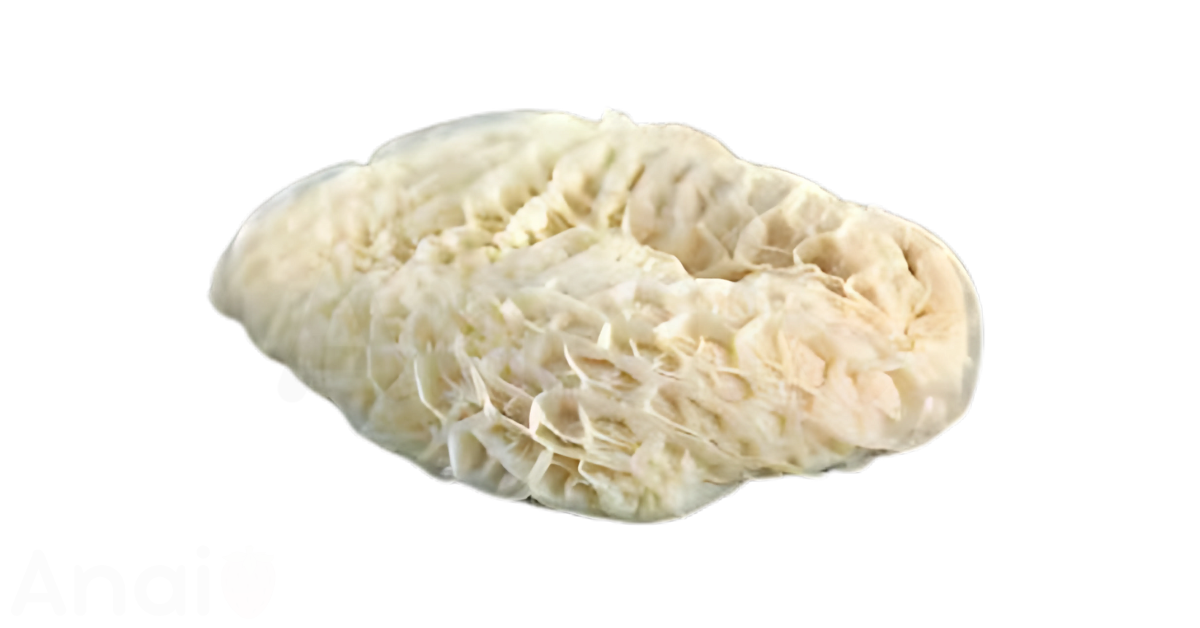
Is Tripe Good for You?
Yes, tripe can be a healthy addition to your diet when consumed in moderation. It’s the edible stomach lining of farm animals like cows, sheep, and goats. Tripe is considered an organ meat, or offal. Many cultures worldwide value it as an affordable and nutritious food source.
It’s packed with high-quality protein. Tripe also provides essential vitamins and minerals. Key nutrients include vitamin B12, selenium, and zinc. These support various bodily functions. However, it’s also high in cholesterol, so moderation is important, especially for those with existing cholesterol concerns.
This article delves deep into the world of tripe. We’ll explore 11 proven health benefits of tripe, detailed tripe nutrition facts, potential tripe risks and side effects, and suitable tripe substitutes. We also cover popular tripe diets, useful tripe storage tips, 7 useful tripe home remedies, the role of tripe and weight management, and using tripe for specific health conditions. All information presented is current as of March 2026.
11 Proven Health Benefits of Tripe
Tripe is often overlooked but stands out as a nutritional powerhouse. It’s more than just an economical protein source; it’s loaded with vitamins and minerals beneficial for overall health. Each benefit listed below is supported by nutritional science and data drawn from reputable health and nutrition sources.
1. Excellent Source of Lean Protein
Tripe provides a significant amount of lean protein. Protein is vital for numerous body functions. It helps build and repair tissues, makes enzymes and hormones, and serves as a building block for bones, muscles, cartilage, skin, and blood.
A single 3-ounce (85g) serving of cooked tripe contains about 10 grams of protein (Zelman, 2024). This represents approximately 20% of the average daily protein requirement. Compared to fattier cuts of meat, tripe offers protein with less fat and fewer calories.
2. Supports Muscle Growth and Repair
The high-quality protein in tripe includes all nine essential amino acids. Your body cannot produce these amino acids, so they must come from your diet. They are crucial for muscle protein synthesis.
Consuming adequate protein helps maintain muscle mass, especially important during weight loss or aging (Kubala & Tinsley, 2022). The protein in tripe aids in repairing muscle tissue damaged during exercise or daily activities. It’s a valuable food for athletes or anyone looking to support muscle health.
3. Aids Weight Management
High-protein foods like tripe can be beneficial for weight loss and management. Protein increases satiety, helping you feel full longer (Kubala & Tinsley, 2022). This can reduce overall calorie intake by curbing appetite and preventing overeating.
Tripe is also relatively low in calories and fat. A 3-ounce serving has only 80 calories and about 3.4 grams of fat (Kerr & Corleone, n.d). Studies suggest high-protein intake can reduce snacking and late-night food cravings, contributing to successful weight management (Zelman, 2024).
4. Rich in Vitamin B12
Tripe is an excellent source of vitamin B12. This essential vitamin is crucial for nerve function, DNA synthesis, and red blood cell formation (Kubala & Tinsley, 2022). Many people, especially older adults and vegetarians, may not get enough B12.
A 5-ounce (140g) serving of cooked beef tripe delivers 1.53 micrograms of vitamin B12, which is 64% of the Daily Value (DV). Getting B12 from food sources like tripe may improve absorption compared to supplements for some individuals.
5. Helps Prevent Anemia
The significant vitamin B12 content in tripe directly contributes to preventing certain types of anemia, specifically megaloblastic anemia caused by B12 deficiency (Zelman, 2024). Anemia occurs when the body doesn’t have enough healthy red blood cells to carry adequate oxygen to tissues, leading to fatigue and weakness.
Tripe also contains iron, another mineral essential for red blood cell production. A 3-ounce serving provides 0.6 milligrams of iron, contributing to the prevention of iron-deficiency anemia (USDA, 2024).
6. Boosts Immune Function
Tripe supplies key minerals important for a healthy immune system, particularly zinc and selenium. Zinc is vital for immune cell development and communication. It plays a role in inflammatory response and defending against pathogens.
Selenium acts as a powerful antioxidant, protecting the body from oxidative stress and supporting immune response. A 5-ounce (140g) serving of tripe provides 18.2 micrograms of selenium (33% DV) and 2.07 milligrams of zinc (19% DV) (Kubala & Tinsley, 2022).
7. Supports Thyroid Health
The mineral selenium found abundantly in tripe is crucial for thyroid health. The thyroid gland contains the highest concentration of selenium in the body. Selenium is necessary for the production and metabolism of thyroid hormones.
Adequate selenium intake helps protect the thyroid gland from oxidative damage and plays a role in overall thyroid function (Kerr & Corleone). Zinc, also present in tripe, aids in the synthesis of thyroid hormones.
8. Promotes Bone Health
Tripe contributes several nutrients vital for maintaining strong bones. It provides calcium and phosphorus, the main mineral components of bone structure (O’Connor & Fisher, 2024). These minerals are essential for bone formation, remodeling, and strength.
Additionally, the protein in tripe forms the structural matrix of bone. Tripe is also a rich source of collagen, a key structural protein in bones and connective tissues, further supporting skeletal health. A 3-ounce serving offers about 68.8 mg of calcium (5% DV) and 56.1 mg of phosphorus (4.5% DV) (O’Connor & Fisher, 2024).
9. Rich Source of Collagen
Collagen is the most abundant protein in the human body. It provides structure to skin, bones, tendons, and ligaments. Tripe is naturally rich in collagen due to its origin as stomach lining, a connective tissue (O’Connor & Fisher, 2024).
Consuming collagen-rich foods like tripe may support skin elasticity and joint health. While more research is needed on dietary collagen’s direct impact, providing the building blocks for collagen synthesis can be beneficial.
10. Good Source of Essential Minerals
Beyond B12, selenium, zinc, calcium, and phosphorus, tripe provides other useful minerals. These include iron, potassium, magnesium, and manganese (Zelman, 2024; Kubala & Tinsley, 2018).
These minerals participate in hundreds of bodily processes. Iron is key for oxygen transport. Potassium helps regulate fluid balance and nerve signals. Magnesium is involved in energy production and muscle function. While not the primary source for all these, tripe contributes to overall mineral intake.
11. Affordable and Sustainable Food Choice
Compared to popular muscle cuts like steak, tripe and other organ meats are often more affordable (Kubala & Tinsley, 2018). This makes it an accessible protein source for budget-conscious consumers.
Eating tripe also supports nose-to-tail eating. This practice utilizes more parts of the animal, reducing food waste associated with modern meat production (Zelman, 2024). Choosing tripe is an environmentally conscious decision that honors the animal by using it more completely.
Tripe Nutrition Facts
The many health benefits of tripe become clearer when examining its impressive nutritional profile, as analyzed in detail below:
Tripe nutrition table
Tripe is low in calories and fat but rich in protein and several essential micronutrients. The table below outlines the nutritional content for both a standard 100-gram (3.5-ounce) serving and a common 3-ounce (85g) serving, based on USDA data and typical values cited in nutritional analyses.
| Nutrient | Per Serving (85g) | DRI % (Serving) | Per 100 grams | DRI % (100g) |
|---|---|---|---|---|
| Calories | 80 | 4% | 94 | 5% |
| Protein | 10 g | 20% | 11.7 g | 23% |
| Carbs | 1.7 g | <1% | 2 g | <1% |
| Total Fat | 3.4 g | 5% | 4.1 g | 6% |
| Cholesterol | 108 mg | 36% | 157 mg | 52% |
How many calories are in tripe?
Tripe is a low-calorie food. A 100-gram (3.5 oz) serving of cooked beef tripe contains approximately 94 calories. A smaller 3-ounce (85g) serving contains about 80 calories. This represents just 4-5% of the daily calories for someone on a 2,000-calorie diet.
Its low caloric density makes it a suitable option for weight management diets. Burning off 80-94 calories is relatively quick; it would take roughly 10-15 minutes of brisk walking or jogging for an average person.
How much protein is in tripe?
Tripe is an excellent source of high-quality, complete protein. A 100-gram serving provides about 11.7 grams of protein, while an 85-gram serving offers 10 grams. This equates to 20-23% of the Daily Value for protein.
The protein in tripe supplies all nine essential amino acids the body needs for building muscle, repairing tissue, and producing enzymes and hormones. Its lean protein content supports satiety and muscle maintenance.
How many carbs are in tripe?
Tripe contains minimal carbohydrates. A 100-gram serving has only about 2 grams of carbohydrates, and an 85-gram serving has roughly 1.7 grams. This amount is negligible, contributing less than 1% of the daily carbohydrate intake on a standard diet.
Its extremely low carbohydrate content makes tripe suitable for low-carb and ketogenic diets.
How much fat is in tripe?
Tripe is considered a low-fat meat compared to many other cuts. A 100-gram serving contains approximately 4.1 grams of total fat, while an 85-gram serving has about 3.4 grams. This represents 5-6% of the Daily Value for fat.
Here’s a breakdown of the types of fat found in tripe (values per 100g, sourced from FoodSubs and general meat fat profiles):
| Fat Type | Amount per 100g |
|---|---|
| Total Fat | 4.1 g |
| Saturated Fat | 1.3 g – 1.9 g |
| Monounsaturated Fats (MUFAs) | ~1.5 g |
| Polyunsaturated Fats (PUFAs) | ~0.2 g – 0.5 g |
The relatively low total and saturated fat content makes tripe a leaner choice than many other meats.
Is tripe high in cholesterol?
Yes, tripe is relatively high in dietary cholesterol. A 100-gram serving contains around 157 mg of cholesterol, while a larger 5-ounce (140g) serving contains 178 mg (Kubala & Tinsley, 2022). An 85-gram serving contains about 108 mg (Zelman, 2024). This means a single serving can provide 36% to 59% of the recommended daily limit of 300 mg.
While dietary cholesterol has less impact on blood cholesterol levels for most people than previously thought, individuals sensitive to dietary cholesterol (hyper-responders) or those with existing high cholesterol should consume tripe in moderation (Kubala & Tinsley, 2022).
Minerals in tripe
Tripe provides several important minerals crucial for health.
| Mineral | Amount per 100g | DRI % (100g) | Key Health Benefits |
|---|---|---|---|
| Selenium | 11.8 mcg | 21% | Antioxidant, thyroid health, immune function |
| Zinc | 1.7 mg | 12-15% | Immune function, wound healing, cell division |
| Phosphorus | 66 mg | 7% | Bone health, energy metabolism |
| Calcium | 81 mg | 6-8% | Bone health, muscle function, nerve transmission |
| Iron | 0.7 mg | 4% | Oxygen transport, energy production, prevents anemia |
| Magnesium | 15 mg | 4% | Muscle & nerve function, energy, blood sugar control |
| Potassium | 42 mg | 1% | Fluid balance, nerve signals, blood pressure reg. |
| Manganese | 0.1 mg | 5% | Bone formation, metabolism, antioxidant function |
In summary, tripe is particularly notable for its high selenium content (21% DV per 100g) and significant contribution to zinc intake. It also provides useful amounts of calcium and phosphorus.
Vitamins in tripe
While not as vitamin-rich as liver, tripe does offer significant amounts of certain B vitamins.
| Vitamin | Amount per 100g | DRI % (100g) | Key Health Benefits |
|---|---|---|---|
| Vitamin B12 | 0.7 mcg | 30% | Nerve function, red blood cell formation, energy |
| Niacin (B3) | 0.5 mg | 3% | Energy metabolism, skin health, nerve function |
| Riboflavin (B2) | 0.0 mg | 2% | Energy production, cell growth |
| Pantothenic Acid (B5) | 0.1 mg | 2% | Energy metabolism, hormone synthesis |
| Vitamin E | 0.1 mg | 1% | Antioxidant, skin health |
The standout vitamin in tripe is Vitamin B12, with a 100g serving providing 30% of the Daily Value. This makes tripe highly beneficial for preventing B12 deficiency and supporting neurological health.
Tripe Risks and Side Effects
While nutritious, tripe consumption carries potential risks. Its high cholesterol content warrants caution, especially for individuals with high cholesterol levels or those identified as cholesterol hyper-responders. Moderation is key for these groups (Kubala & Tinsley, 2022).
The naturally tough texture of tripe requires long cooking times (often 2-3 hours) using moist heat methods like boiling or stewing to become palatable. Even when properly cooked, its chewy texture might be difficult for people with dental issues or dentures (Zelman, 2024).
Proper handling and cleaning are crucial. Commercially sold tripe is often bleached with chlorine to remove impurities; thorough rinsing before cooking is recommended to remove residue (Kubala & Tinsley, 2022). Unprocessed or “green” tripe requires meticulous cleaning to avoid potential bacterial contamination like E. coli (Health.com, 2024). Always source tripe from reputable suppliers and cook it thoroughly. True allergies to tripe are uncommon, but individual sensitivities or intolerances can occur, as with any food.
Debunking myths about tripe
Myth: Tripe is Unclean or Inherently Unsafe.
Fact: Commercially available tripe in developed countries undergoes rigorous cleaning processes, often including bleaching, and is subject to food safety inspections (e.g., USDA in the US) (Ancestral Supplements, 2024). While raw, uncleaned tripe carries risks, properly sourced and thoroughly cooked tripe is safe for consumption. Careful preparation eliminates most risks.
Myth: Tripe Always Tastes Bad or Unpleasant.
Fact: Tripe itself has a very mild, neutral flavor. It readily absorbs the tastes of spices, herbs, broths, and sauces it’s cooked with (Link, 2019). Its perceived taste heavily depends on the cooking method and seasonings used. Many traditional dishes showcase its ability to carry rich flavors beautifully.
Myth: The Cholesterol in Tripe is Harmful to Everyone.
Fact: Decades of research show that dietary cholesterol has a minimal effect on blood cholesterol levels for the majority of the population (Kubala & Tinsley, 2022). While tripe is high in cholesterol, most people can process it without issues. Only a small subset of individuals (“hyper-responders”) experience significant increases in blood cholesterol from dietary sources and should moderate their intake (Link, 2019).
Tripe Substitutes
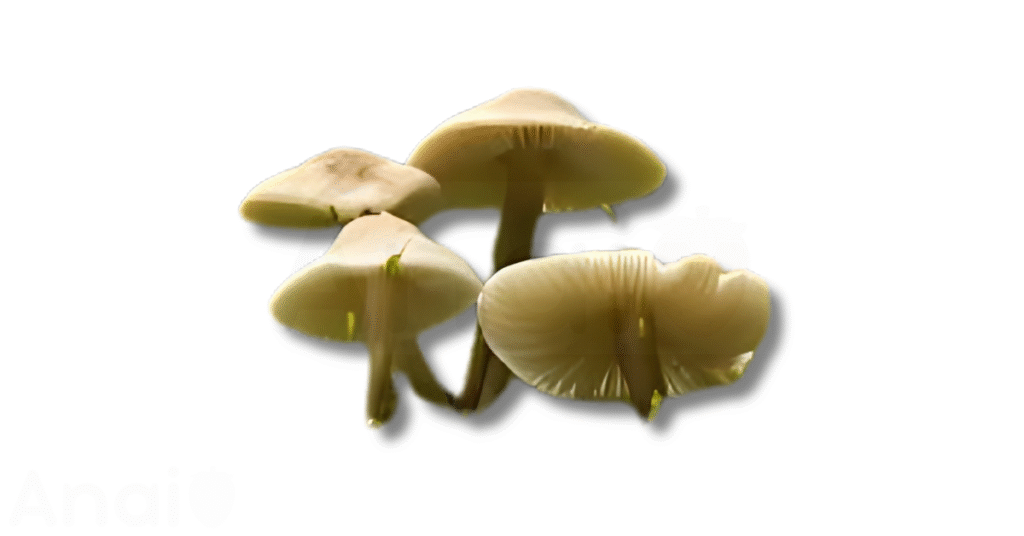
If tripe’s texture or origin isn’t appealing, several substitutes can mimic aspects of it in recipes, particularly stews and soups like menudo. Their nutritional profiles differ significantly, however.
| Substitute (100g) | Protein (g) | Calories | Fat (g) | Carbs (g) | Key Nutrients Compared to Tripe |
|---|---|---|---|---|---|
| Beef Tripe | 11.7 | 94 | 4.1 | 2 | High B12, Selenium, Zinc |
| Tofu (Firm) | 8-10 | 76 | 4.8 | 2.9 | Lower B12/Se, often Calcium-set |
| Seitan | 20-25 | 120 | 1.5-2 | 5-6 | Very high protein, low fat/B12/Se |
| Oyster Mushrooms | 3.3 | 33 | 0.4 | 6 | Low protein/fat, some B vitamins |
| TVP (Dry) | 50 | 327 | 1 | 34 | Very high protein, high carbs, often fortified |
Tofu (firm or extra-firm) can be cut into shapes resembling tripe. Pressing it well removes excess water, allowing it to absorb flavors from marinades and broths effectively. Benefits: It’s cholesterol-free, generally lower in fat, and versatile. Many brands are set with calcium sulfate, boosting calcium content. Drawbacks: The texture is much softer than tripe, and it lacks tripe’s B12 and selenium unless fortified.
Seitan, made from wheat gluten, offers a remarkably chewy and meaty texture, potentially closer to tripe than tofu. It holds up well in long-simmered dishes. Benefits: It’s very high in protein and low in fat. Drawbacks: It’s unsuitable for anyone with Celiac disease or gluten sensitivity. It lacks the specific micronutrient profile (B12, selenium) of tripe and requires flavorful cooking liquids.
Mushrooms, particularly varieties like oyster, king oyster, or snow fungus, are sometimes used for their texture. Slicing or scoring them can enhance this quality. Benefits: They are low in calories and fat, provide umami flavor, and contribute some fiber and B vitamins. Snow fungus is noted for collagen-like properties in some traditional views. Drawbacks: They are significantly lower in protein than tripe and have a very different overall nutrient profile.
Textured Vegetable Protein (TVP) or Soy Curls are made from soy flour. Once rehydrated, they can offer a chewy texture suitable for stews. Benefits: They are extremely high in protein, low in fat, and cholesterol-free. Drawbacks: They are a processed soy product, require rehydration and seasoning, and lack the unique micronutrients found in tripe unless fortified.
Popular Tripe Diets
How to add tripe safely into your diet? Choosing the right diet is important to ensure that you are meeting your nutritional needs while also enjoying the foods you eat. Here are a few of the available tripe-friendly diet options:
- Balanced Diet
- Ketogenic (Keto) Diet
- Paleolithic (Paleo) Diet
- Carnivore Diet (as a component)
| Diet Feature | Balanced Diet | Keto Diet | Paleo Diet | Carnivore Diet |
|---|---|---|---|---|
| Primary Focus | Variety, moderation across groups | Very low carb, high fat, mod protein | Whole, unprocessed foods (pre-agric) | Animal products exclusively |
| Tripe Suitability | Yes, in moderation | Yes, good fit (low carb, protein) | Yes, fits (organ meat) | Yes, fits (animal product) |
| Key Benefit | Nutritional completeness, flexibility | Potential weight loss, blood sugar ctrl | Focus on whole foods, nutrient density | Simplicity, elimination potential |
| Key Drawback | Requires planning, portion control | Restrictive, potential nutrient gaps | Excludes grains, legumes, dairy | Highly restrictive, no plant foods |
A Balanced Diet emphasizes consuming a variety of foods from all major food groups in moderation. Tripe can fit into a balanced diet as a source of lean protein and essential nutrients, provided portion sizes are managed, especially considering its cholesterol content. It offers flexibility but requires conscious effort to maintain balance and prevent nutrient deficiencies or excesses.
The Ketogenic (Keto) Diet is characterized by very low carbohydrate intake, moderate protein, and high fat, forcing the body into ketosis. Tripe fits well due to its near-zero carbohydrate content and high protein. It can be prepared with keto-friendly fats and vegetables. While effective for some weight loss and blood sugar goals, it’s highly restrictive and may require supplementation to cover micronutrients typically found in fruits and higher-carb vegetables.
The Paleolithic (Paleo) Diet focuses on foods presumed to be available to humans during the Paleolithic era – lean meats, fish, fruits, vegetables, nuts, and seeds. It excludes grains, legumes, dairy, and processed foods. As an organ meat from grass-fed animals (ideally), tripe aligns well with Paleo principles. It emphasizes whole, nutrient-dense foods but eliminates several major food groups, which can be challenging for some.
The Carnivore Diet involves eating only animal products – meat, fish, eggs, and sometimes dairy. Tripe, being an animal organ meat, fits perfectly. This diet is extremely restrictive, eliminating all plant foods. While proponents claim various benefits, it lacks fiber and many micronutrients found in plants, and long-term effects are not well-studied. Tripe would be one component among various muscle meats and other organs.
How to Cook Tripe?
Proper cooking is essential to make tripe tender and flavorful. Here are some effective methods:
Boiled Tripe: This is the fundamental first step for most tripe preparations. Boiling (or simmering) tenderizes the tough connective tissue. Place cleaned tripe in a large pot, cover with water or broth, add aromatics like onion, garlic, bay leaves (and sometimes vinegar or vanilla as per some recipes like the Roman-Style one). Simmer, covered, for 1.5 to 3 hours, or until fork-tender. Benefits: Essential for tenderness, removes impurities. Nutrient Loss: Water-soluble vitamins (like B vitamins) can leach into the cooking liquid. Using the liquid in the final dish (like soup or stew) helps retain some nutrients.
Braised/Stewed Tripe: After initial boiling or as a continuation of simmering, braising involves cooking the tripe slowly in a flavorful liquid (like tomato sauce, broth) over low heat. This allows the tripe to absorb flavors beautifully. Examples include Trippa alla Romana or various stews. Benefits: Produces very tender results, infuses tripe with flavor. Nutrient Loss: Similar to boiling, but nutrients often remain in the sauce/stew liquid, which is consumed.
Instant Pot Tripe: Using an electric pressure cooker like an Instant Pot significantly reduces the cooking time needed to tenderize tripe. Follow manufacturer instructions for pressure cooking tough meats, typically cooking under high pressure for 45-60 minutes after an initial sauté of aromatics. Benefits: Much faster cooking time compared to stovetop simmering. Retains more volatile flavor compounds. Nutrient Loss: Potentially less nutrient leaching than prolonged boiling due to shorter cooking time and less water usage.
Fried Tripe: This method is typically used after the tripe has already been boiled until tender. Cut the tender tripe into strips or cubes, dredge in seasoned flour or batter, and deep-fry or pan-fry until golden brown and crispy. Benefits: Creates a contrasting texture (crispy outside, chewy inside). Nutrient Loss: Initial boiling losses apply. Frying adds significant fat and calories and can degrade some heat-sensitive nutrients.
Note: Methods like air frying, baking, roasting, grilling, or broiling are generally unsuitable for raw tripe due to its toughness. They might be used briefly on already tenderized tripe for finishing (e.g., browning), but prolonged dry heat will likely make it tougher. Raw tripe consumption is generally unsafe due to potential bacterial contamination. Microwaving is not ideal for tenderizing or achieving good texture. Powdered tripe is typically a pet food supplement, not a standard cooking method for humans.
Easy Tripe Recipes
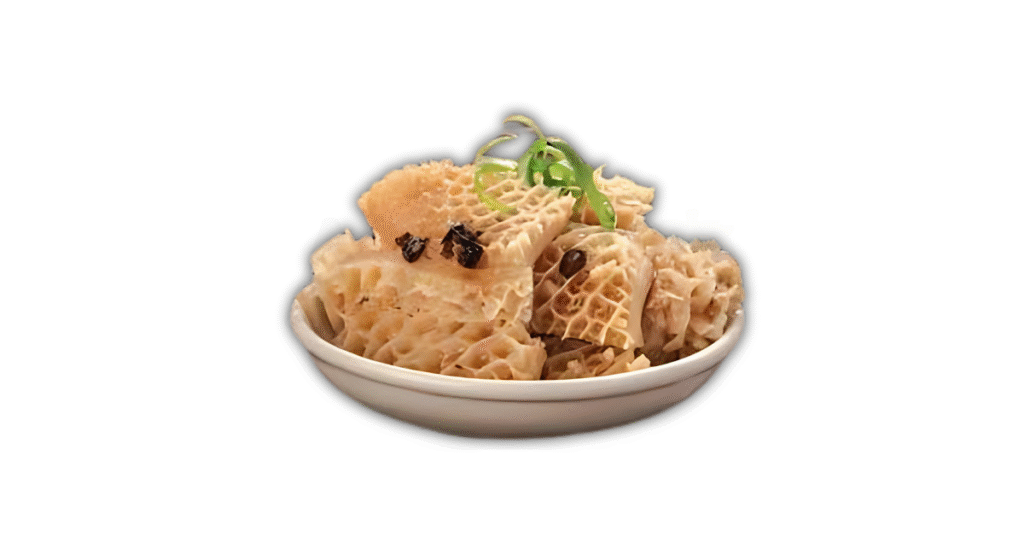
These recipes and ideas showcase how versatile tripe can be, making it easier to incorporate this nutritious food into your meals without sacrificing flavor.
Breakfast ideas with tripe
Tripe and Eggs: A hearty start inspired by Trippa alla Romana. Gently reheat leftover braised tripe (like Roman-style in tomato sauce) and serve it topped with a fried or poached egg. The rich yolk complements the tender tripe and sauce.
Menudo Morning: While traditionally a lunch or dinner soup (or hangover cure), a small, warming bowl of Menudo (Mexican tripe soup) can be a satisfying and protein-packed breakfast, especially on cold mornings.
Tripe Hash: Finely dice pre-cooked, tender tripe and sauté it with diced potatoes, onions, and bell peppers until browned and slightly crispy. Season well and serve alongside eggs.
Lunch ideas with tripe
Tripe Soup: Prepare a simple beef tripe soup like the one described by Immaculate Bites, incorporating vegetables like butternut squash, plantains, and okra, seasoned with thyme and bouillon. It’s a wholesome and filling midday meal.
Tripe Salad Topper: Thinly slice well-cooked and cooled tripe and add it to salads for a chewy texture and protein boost. It pairs well with robust dressings and greens.
Tripe Quesadillas: As seen in the Rumba Meats recipe, sauté cooked, chopped tripe with tomatoes, onions, cilantro, and oregano. Use this mixture as a filling for corn tortillas with melted cheese (like Oaxaca or mozzarella) for a delicious Chiapas-style lunch.
Dinner ideas with tripe
Trippa alla Romana: A classic Italian dish where tender tripe is simmered in a rich tomato sauce, often with pancetta, onions, garlic, mint, and Pecorino or Parmesan cheese. Serve with crusty bread.
Curried Tripe: Incorporate tender tripe into flavorful curries. Pakistani Ojree (goat tripe curry) or Caribbean-style curried tripe with beans are examples. The tripe absorbs the complex spice blends beautifully.
Traditional Stews: Explore global tripe stews like Filipino Kare-Kare (peanut sauce based), Peruvian Cau Cau, Dominican Mondongo, or South African Mala Mogodu. These slow-cooked dishes make tripe meltingly tender.
Simple tips to add tripe to your diet
For busy individuals who don’t have time to prepare elaborate meals, here are simpler ways to incorporate tripe:
- Add small, pre-cooked pieces of tripe to existing soups or stews during the last 20-30 minutes of cooking.
- Mix finely chopped, tender tripe into meat sauces for pasta or bolognese.
- Include small amounts of tender tripe in stir-fries alongside vegetables and other proteins.
- Use thoroughly cooked and cooled tripe strips as an ingredient in cold noodle salads.
- Blend small amounts of very tender tripe into savory dips or pâtés (ensure texture is very smooth).
- Add diced, cooked tripe to savory pie fillings (like steak and kidney, substituting some kidney for tripe).
- Incorporate chopped tripe into homemade sausage mixtures before cooking.
Tripe Storage Tips
Knowing how to cook tripe is only part of the equation; understanding proper tripe storage tips is crucial to ensure food safety and make those nutritious meals last longer.
Shelf life of tripe
The shelf life of tripe depends heavily on whether it’s raw or cooked, and how it’s stored:
- At room temperature: Raw or cooked tripe should not be left at room temperature for more than 2 hours (or 1 hour if the temperature is above 90°F) due to rapid bacterial growth.
- In the refrigerator: Fresh, raw tripe should ideally be cooked within 1-2 days. Cooked tripe, when stored properly, can last 3-4 days in the refrigerator. The study on cooked buffalo tripe rolls showed that vacuum-packaged rolls remained acceptable for up to 28 days at 4°C (39°F), demonstrating the benefit of vacuum sealing (Anna Anandh et al., 2014).
- In the freezer: Raw or cooked tripe can be kept frozen for up to 3 months for best quality (WhatToCookToday.com, n.d.).
How to store tripe?
Proper storage begins immediately after purchase or cooking. Raw tripe should be kept separate from other foods to prevent cross-contamination. Always store tripe, whether raw or cooked, in the coldest part of your refrigerator or in the freezer if not using within a few days.
Use airtight containers or heavy-duty freezer bags to store tripe. For cooked tripe dishes like stews, allow them to cool slightly before refrigerating or freezing, but don’t leave them at room temperature for extended periods.
How to refrigerate tripe?
To refrigerate tripe safely and effectively:
- Ensure the tripe (raw or cooked) is clean.
- Place the tripe in an airtight container or wrap it tightly in plastic wrap or aluminum foil. Double wrapping can help prevent odors from spreading.
- For cooked tripe dishes (like soups or stews), store them in airtight containers.
- Store on the bottom shelf of the refrigerator if raw, to prevent drips onto other foods.
- Use within 1-2 days for raw tripe, or 3-4 days for cooked tripe. For vacuum-packaged cooked tripe, refer to manufacturer guidelines or study findings (up to 28 days under specific conditions).
How to freeze tripe?
Freezing is the best option for longer-term storage:
- Clean the tripe thoroughly. You can freeze it raw or after cooking and cooling.
- Divide the tripe into desired portion sizes if needed. This makes thawing easier.
- Wrap the tripe tightly in plastic wrap or heavy-duty aluminum foil.
- Place the wrapped tripe into airtight freezer bags or freezer-safe containers. Press out as much air as possible before sealing the bag.
- Label the bag or container with the date.
- Store in the freezer at 0°F (-18°C) or below for up to 3 months (WhatToCookToday.com, n.d.).
Signs of Spoilage in tripe
Discard tripe immediately if you notice any signs of spoilage. Key indicators include:
- Off-odor: A strong, sour, ammonia-like, or putrid smell is a clear sign of spoilage. While fresh tripe can have a distinct smell, a spoiled smell is significantly worse and unpleasant.
- Slimy texture: If the surface of the tripe feels excessively sticky or slimy, it’s likely beginning to spoil.
- Color changes: While commercially cleaned tripe is often white or yellowish, look for unusual greenish, greyish, or dark patches that weren’t there initially.
- Mold growth: Any visible mold means the tripe is unsafe to eat.
7 Useful Tripe Home Remedies
Are there any less-known tips to unlock the nutritious profile of tripe? While traditional “home remedies” using tripe as a specific preparation for ailments aren’t widely documented in modern scientific literature or the provided sources, its nutrient profile certainly contributes to overall well-being, which can support the body’s natural healing processes. Instead of specific remedy preparations, consider how its nutritional components support health:
- For Energy and Nerve Support: Tripe’s high Vitamin B12 content (30% DV per 100g) is crucial for energy metabolism and maintaining healthy nerve cells. Consuming tripe can help combat fatigue related to B12 deficiency and support overall neurological function.
- For Gut Lining Support (Collagen Boost): As a rich source of collagen, consuming tripe provides amino acids like glycine, proline, and hydroxyproline. These are building blocks the body uses to repair and maintain tissues, potentially including the gut lining, although direct evidence for tripe as a remedy is anecdotal rather than clinical.
- For Immune System Resilience: The significant amounts of selenium (21% DV per 100g) and zinc (12-15% DV per 100g) in tripe act as powerful antioxidants and are essential for optimal immune cell function, potentially helping the body fend off illness.
- For Tissue Repair and Recovery: The abundant, complete protein (10-12g per serving) in tripe supplies all essential amino acids needed for repairing damaged tissues, whether from injury, surgery, or exercise.
- For Bone Strength Contribution: Containing calcium (6-8% DV per 100g) and phosphorus, along with protein and collagen, tripe contributes nutrients essential for maintaining bone structure and density.
- For Healthy Skin and Hair (via Collagen & Minerals): Collagen is vital for skin elasticity, and minerals like zinc are important for skin health and wound healing. While not a direct remedy, the nutrients in tripe support the body’s systems for maintaining healthy skin and hair.
- For Preventing Anemia: Combining Vitamin B12 and iron (4% DV per 100g), tripe provides key nutrients needed for red blood cell production, helping to prevent types of anemia linked to deficiencies in these nutrients.
Tripe and Weight Management

There are multiple health benefits, and potential well-being support uses for tripe, but what is their role in weight management? This section will analyze tripe’s potential impact on weight loss, low-calorie diets, satiety, and metabolism.
Can tripe help with weight loss?
Tripe can be a supportive component of a weight loss plan primarily due to its high protein and low carbohydrate content. As mentioned in the Livestrong article, its minimal carbohydrate content aligns well with low-carb diet strategies, which some studies suggest can lead to weight loss by encouraging the body to burn stored fat (Kerr & Corleone, n.d.). The high protein content also plays a key role in preserving muscle mass during calorie restriction, which is beneficial for maintaining metabolic rate.
Tripe in low-calorie diets
Tripe fits well into low-calorie diets because it offers substantial nutrition for relatively few calories. With only 80-94 calories per 3-3.5 ounce serving (Zelman, 2024; Link, 2019), it provides a significant amount of protein (10-12g) without contributing excessive energy. This favorable protein-to-calorie ratio allows individuals to meet their protein needs while staying within a calorie deficit, making it a more nutrient-dense choice compared to higher-calorie, fattier meats.
Tripe and satiety
The high protein content of tripe is its greatest asset for promoting satiety (the feeling of fullness). Protein is widely recognized as the most satiating macronutrient (Kubala & Tinsley, 2022). Including a protein source like tripe in meals can help reduce hunger and prevent overeating between meals or late at night. Some research suggests that higher protein intake during weight loss is linked to reduced snacking and better appetite control, potentially leading to greater long-term weight management success (Zelman, 2024).
Tripe and metabolism
Tripe contributes nutrients involved in energy metabolism. Vitamin B12 is essential for converting food into energy (Kubala & Tinsley, 2022). Other B vitamins like niacin (B3) and riboflavin (B2), present in smaller amounts, also play roles in metabolic processes. Selenium is crucial for thyroid hormone metabolism, which regulates the body’s overall metabolic rate (Link, 2019, referencing Lancet). Additionally, the high protein content itself requires more energy to digest compared to fats or carbohydrates (the thermic effect of food), potentially offering a slight metabolic advantage.
Tripe for Health Conditions
While weight management is important, does tripe have an effect on more serious health conditions? Here’s what the scientific literature has to say:
Tripe and diabetes
Direct studies on tripe consumption and diabetes outcomes are scarce in the provided literature. However, the Consensus AI article mentions a study on triptolide (an active ingredient in Tripterygium, not tripe itself) showing potential protective effects against diabetic cardiomyopathy by regulating the immune system and reducing inflammation (Consensus AI, n.d., citing study 2). Furthermore, tripe’s very low carbohydrate content makes it compatible with diabetic dietary approaches that focus on blood sugar control through carb restriction. Its high protein content can also aid in glycemic control when part of a balanced meal.
Tripe and heart health
Tripe contains nutrients linked to heart health, but also high cholesterol, presenting a mixed picture. Selenium, found abundantly in tripe (~17-33% DV per serving), has been linked to a reduced risk of certain heart conditions (Zelman, 2024; Link, 2019). Vitamin B12 helps regulate homocysteine levels, high levels of which are a risk factor for cardiovascular disease (Kerr & Corleone, n.d.). However, tripe is high in cholesterol (108-178 mg per serving), which may be a concern for individuals sensitive to dietary cholesterol or those with existing heart conditions (Kubala & Tinsley, 2018; Zelman, 2024). A large analysis cited by Healthline found dietary cholesterol wasn’t significantly linked to heart disease risk in healthy adults (Zhong et al., 2019), but caution is still advised for specific populations (American Heart Association).
Tripe and digestive issues
Tripe, as the stomach lining, is often anecdotally associated with digestive health. The Ancestral Supplements article mentions potential benefits due to collagen supporting the gastrointestinal lining and possibly prebiotic fibers like inulin, though specific data on inulin content in commonly consumed tripe wasn’t provided in the reviewed texts (Ancestral Supplements, 2024). The Consensus AI article references a study on Triphala (an herbal mix, not tripe) showing positive changes in gut microbiota (decreased Firmicutes/Bacteroidetes ratio, increased Akkermansia), suggesting dietary components can impact gut health, but direct evidence for tripe itself is lacking in the provided sources (Consensus AI, n.d., citing study 1).
Tripe and inflammation
Some nutrients in tripe possess anti-inflammatory properties. Selenium acts as an antioxidant, helping to combat oxidative stress which underlies inflammation (Link, 2019). Zinc also plays a role in regulating inflammation (Health.com, 2024). The Consensus AI article again points to studies on related substances: Triphala showed antioxidant and anti-inflammatory effects in rats, and triptolide showed anti-inflammatory actions related to heart health (Consensus AI, n.d., citing studies 3 & 2). While suggestive, these studies didn’t directly test the effect of consuming tripe on inflammation markers in humans.
Tripe and cancer prevention
The link between tripe consumption and cancer prevention is not established in the reviewed literature. Selenium, found in tripe, has been researched for potential cancer-preventive roles due to its antioxidant properties, but results are inconclusive and depend heavily on baseline selenium status and cancer type (Link, 2019). No studies presented directly investigated tripe intake and cancer risk. High intake of some processed or red meats has been linked to increased risk of certain cancers, but tripe as an organ meat falls into a different category, and specific data is lacking.
Overall, the direct scientific evidence linking tripe consumption itself to the management or prevention of these specific health conditions is limited based on the provided sources. Most potential benefits are inferred from tripe’s rich nutrient profile (B12, selenium, zinc, protein, collagen) and the known roles of these nutrients in the body, or extrapolated from studies on related traditional remedies.
| Health Category | Potential Benefits (Inferred/Indirect) | Type of Study/Evidence Basis | Quality of Evidence (for Tripe) | Sources (Examples from provided text) |
|---|---|---|---|---|
| Diabetes | Low carb content aids glycemic control; Triptolide study | Nutrient profile; Animal/Component studies | Indirect / Very Limited | Kubala & Tinsley (2018); Consensus AI (n.d.) |
| Heart Health | Selenium, B12 benefits; High cholesterol risk | Nutrient profile; Population studies (chol) | Mixed / Indirect | Zelman (2024); Kerr & Corleone (n.d.); Kubala & Tinsley (2018) |
| Digestive Health | Collagen for lining; Potential prebiotics (anecdotal) | Nutrient profile; Component studies (Triphala) | Indirect / Anecdotal | Ancestral Supplements (2024); Consensus AI (n.d.) |
| Inflammation | Selenium, Zinc roles; Related component studies (Triphala) | Nutrient profile; Animal/Component studies | Indirect / Limited | Link (2019); Consensus AI (n.d.) |
| Cancer Prevention | Selenium’s antioxidant role (general) | Nutrient profile (general Se research) | Very Limited / Speculative | Link (2019) |
Tripe Nutrition: Concluding Thoughts
This exploration covered the essentials of tripe, including its 11 proven health benefits, detailed tripe nutrition facts, potential tripe risks and side effects, viable tripe substitutes, its fit within popular tripe diets, crucial tripe storage tips, potential uses supporting well-being (framed as 7 useful tripe home remedies), its role in tripe and weight management, and its potential relevance for various tripe for health conditions.
Here are some key takeaways:
- Tripe is remarkably high in Vitamin B12, with a single serving often providing over 60% of the Daily Value.
- It’s an excellent source of the antioxidant mineral selenium, crucial for thyroid and immune health.
- Despite its nutritional benefits, tripe is high in cholesterol, requiring moderation for some individuals.
- Tripe is very low in calories (around 80-94 per 3.5 oz) and contains virtually no carbohydrates.
- Properly cooked tripe has a mild flavor and readily absorbs seasonings and sauces.
- Eating tripe supports sustainable, nose-to-tail food consumption, reducing waste.
- Thorough cleaning and long, moist cooking are essential for safety and tenderness.
This content was last updated in March 2026.
Ready to dive deeper into nutrition and discover more about optimizing your well-being? Follow Anai.ai to stay informed about the latest nutrition and well-being news, tips and articles!
Tripe Nutrition FAQs
What is tripe good for?
Tripe is excellent for providing lean protein, crucial for muscle repair and feeling full. It’s packed with essential nutrients like vitamin B12 (often over 60% DV per serving), which helps prevent anemia and supports nerve health. Additionally, tripe offers significant amounts of selenium (around 20-30% DV), a powerful antioxidant important for thyroid function, and zinc for immune support.
Is tripe healthy?
Yes, tripe is considered healthy when eaten in moderation as part of a balanced diet. It’s nutrient-dense, offering high-quality protein, B vitamins (especially B12), and minerals like selenium and zinc, all with relatively few calories (around 80-94 per 3.5oz) and low fat content compared to many muscle meats. The primary health consideration is its high cholesterol content, making portion control important.
Is tripe fattening?
No, tripe itself is not generally considered fattening due to its low calorie and fat content; a 100-gram serving contains only about 94 calories and 4 grams of fat. Its high protein level actually promotes satiety, which can help with weight management by reducing overall calorie intake. However, preparation methods like deep-frying can significantly increase its fat and calorie count, making fried tripe potentially fattening.
Who should avoid tripe?
Individuals with high cholesterol levels or sensitivity to dietary cholesterol should consume tripe cautiously due to its high cholesterol content (up to 178 mg per 5oz serving, ~59% DV). People with gout may need to limit intake as organ meats contain purines, although tripe is generally lower than liver or kidney. Also, those with chewing difficulties might struggle with its inherently tough texture unless cooked very tenderly.
Can I eat tripe daily?
Eating tripe daily is likely not advisable for most people due to its high cholesterol content; a single serving can contribute a significant portion (up to 59%) of the recommended daily limit. While nutritious, consuming it daily could lead to excessive cholesterol intake over time. It’s best enjoyed occasionally as part of a varied and balanced diet to reap its benefits without potential downsides.
Can dogs eat tripe?
Yes, dogs can eat tripe, and raw, unbleached “green tripe” is often considered a superfood for them. Green tripe is rich in natural digestive enzymes, beneficial probiotics, and has an ideal calcium-to-phosphorus ratio, supporting canine gut health and overall nutrition. While cooked, bleached tripe offers fewer benefits, it’s still edible for dogs, but raw green tripe is nutritionally superior for canine consumption.
Can cats eat tripe?
Yes, cats can eat tripe, particularly raw green tripe, which offers nutritional benefits similar to those for dogs, including digestive enzymes and protein. However, cats are obligate carnivores with specific needs, and some may be less inclined to eat tripe than dogs. Cooked, plain tripe can also be offered in small amounts as a source of protein, but it lacks the beneficial enzymes of raw green tripe.
How long does tripe last in the fridge?
Fresh, raw tripe should be used within 1-2 days when stored properly in the refrigerator below 40°F (4°C). Cooked tripe typically lasts 3-4 days under the same conditions. Specialized preparations, like cooked, vacuum-packaged tripe rolls studied scientifically, demonstrated an acceptable shelf life of up to 28 days at refrigerated temperatures, highlighting the impact of processing and packaging.
Can you freeze tripe?
Yes, tripe freezes well, extending its usability significantly. Both raw and cooked tripe can be frozen; wrap it tightly in freezer-safe materials or use airtight containers to prevent freezer burn. For optimal quality, it’s best to use frozen tripe within 3 months, although it can remain safe beyond that if consistently kept at 0°F (-18°C).
How to tell if tripe is bad?
Spoiled tripe will typically exhibit clear signs that make it unsafe to eat. Look for a strong, unpleasant sour or ammonia-like odor, a distinctly slimy or sticky texture, or any unusual greenish or greyish discoloration. Any visible mold growth is also a definitive sign of spoilage, and the tripe should be discarded immediately.
How long is tripe good for?
The safe storage time for tripe varies: it’s only good for less than 2 hours at room temperature. In the refrigerator, raw tripe lasts 1-2 days, while cooked tripe lasts 3-4 days. Freezing extends its life considerably, keeping it safe for up to 3 months for best quality, though properly vacuum-sealed cooked products might last longer under specific refrigerated conditions.
How to keep tripe fresh?
To keep tripe fresh, store it immediately in the refrigerator at temperatures below 40°F (4°C). Use airtight containers or wrap it tightly in plastic wrap or foil to minimize air exposure and prevent odors. For longer storage, freeze the tripe promptly, ensuring it’s well-wrapped or sealed in freezer-safe packaging to maintain quality for up to 3 months.