
Are Sweet Potatoes Good for You?
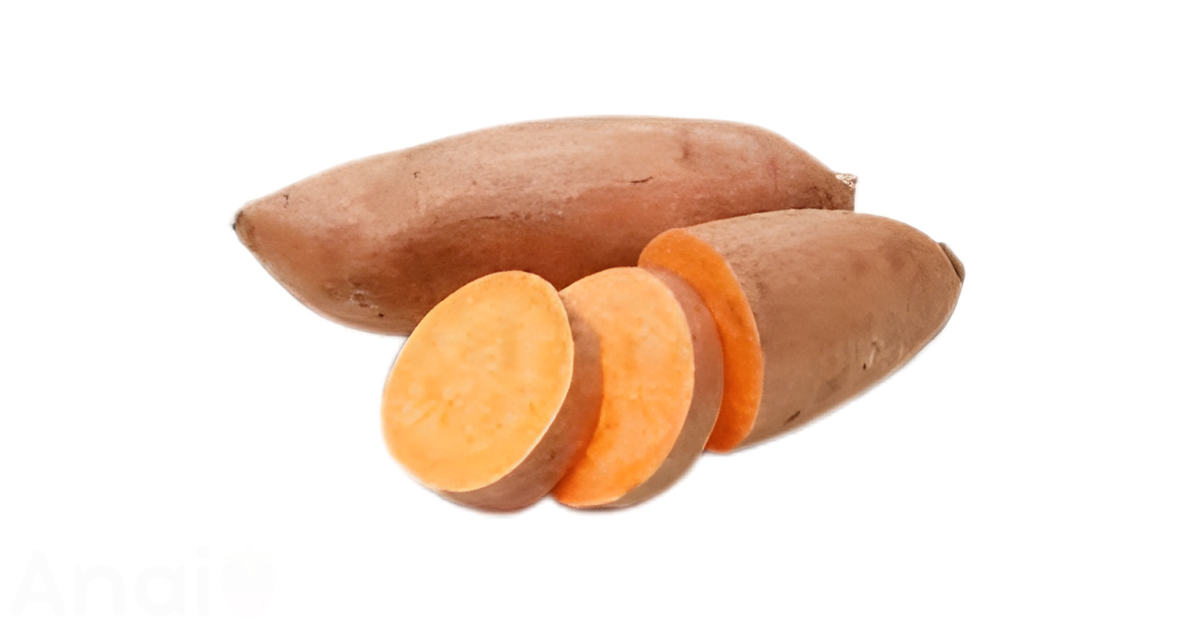
Sweet potatoes are an nutritional powerhouse. They are not actually potatoes. These vegetables are tuberous roots belonging to the morning glory family. One medium sweet potato provides 102% of your daily vitamin A requirement (Booth, 2025). This nutrient is vital for your immune system and eye health.
They are naturally low in fat and sodium. They offer a rich supply of potassium and fiber. Science confirms they are a “superfood” due to their dense nutrient profile (Booth, 2025). Most varieties are packed with antioxidants that protect your cells from daily damage.
This article provides the latest updates as of March 2026. We will expand on several critical topics. These include the 13 versatile health benefits of sweet potatoes, detailed nutrition facts, and potential risks or side effects. You will also learn about sweet potato substitutes and popular diets involving this root. We cover storage tips, 8 effective home remedies, weight management strategies, and how sweet potatoes assist specific health conditions.
13 Versatile Health Benefits of Sweet Potatoes
Sweet potatoes are more than just a holiday side dish. They are a functional food that supports nearly every system in your body. Each benefit listed below is fact-checked and supported by peer-reviewed research and clinical data.
1. Prevention of Vitamin A Deficiency
Vitamin A deficiency is a leading cause of blindness in developing nations. Sweet potatoes are an elite source of beta-carotene. Your body converts this into vitamin A. Just 100 grams of sweet potato can provide the entire recommended daily amount of vitamin A (Bjarnadottir, 2023). Orange-fleshed varieties are the most effective at raising blood levels of this essential nutrient (Link, 2024).
2. Improved Blood Sugar Regulation
Boiled sweet potatoes have a glycemic index (GI) as low as 41 (Cervoni, 2024). This makes them a better choice for blood sugar stability than white potatoes. Specific extracts from white-skinned sweet potatoes have been shown to improve insulin sensitivity in people with type 2 diabetes (Ware, 2023). Fiber also slows the absorption of sugars to prevent dangerous spikes.
3. Protection Against Macular Degeneration
Age-related vision loss is a major concern for aging populations. Sweet potatoes contain massive amounts of beta-carotene and vitamin A. A single baked sweet potato with skin provides 561% of your daily vitamin A value (Ware, 2023). Combining these nutrients with zinc and copper, also found in the root, helps protect the retina (Cervoni, 2024).
4. Reduced Risk of Colorectal Cancer
Antioxidants in sweet potatoes may lower your risk of several cancers. Purple sweet potatoes are specifically high in anthocyanins. These compounds might lower the chances of developing colorectal cancer by promoting the death of cancer cells (Booth, 2025). Research indicates that these antioxidants can impede the progression of multiple cancer cell types (Cervoni, 2024).
5. Enhanced Digestive Health
Fiber is the key to a healthy gut. A medium sweet potato contains about 3.8 grams of fiber (Healthline, n.d.). This includes both soluble and insoluble types. Soluble fiber, like pectin, increases the feeling of fullness and feeds friendly gut bacteria (Bjarnadottir, 2023). Insoluble fiber prevents constipation by promoting regularity in the digestive tract (Link, 2024).
6. Cardiovascular Support
Sweet potatoes help your heart in multiple ways. The fiber reduces LDL “bad” cholesterol levels (Booth, 2025). High potassium levels help manage blood pressure by balancing the effects of sodium. One large sweet potato delivers 855mg of potassium, which is roughly 18% of the daily requirement (Cervoni, 2024).
7. Immune System Boosting
Vitamin C is essential for your body’s defense against germs. One 124g serving of mashed sweet potato provides 12.8mg of vitamin C (Ware, 2023). This vitamin enhances iron absorption and supports tissue repair. Vitamin A also keeps the mucous membranes in your gut healthy. A healthy gut lining is your first line of defense against pathogens.
8. Inflammation Reduction
Chronic inflammation is linked to obesity and heart disease. Purple sweet potatoes contain unique pigments that reduce inflammation in the body (Booth, 2025). They also contain choline. Choline helps with muscle movement, learning, and memory. High doses of choline have been shown to help manage inflammation in respiratory conditions like asthma (Ware, 2023).
9. Weight Management and Satiety
Sweet potatoes are very filling despite being relatively low in calories. One large sweet potato contains only 162 calories (Cervoni, 2024). The soluble fiber slows down digestion. This keeps you feeling full for a longer period. Purple varieties may also keep fat cells from growing, which directly assists in weight loss efforts (Booth, 2025).
10. Skin and Hair Health
The vitamins in sweet potatoes act as internal beauty products. Vitamin C is required for collagen production. Collagen keeps your skin firm and elastic. Beta-carotene may also provide a natural glow and protect skin cells from UV damage (Booth, 2025). Lutein, found at 1,053mcg per 100g, also supports overall skin integrity (Cervoni, 2024).
11. Energy Production via B-Vitamins
Sweet potatoes contain a suite of B-vitamins, including B6 and B5. Vitamin B6 is critical for converting food into usable energy. It also aids in brain development and function (Bjarnadottir, 2023). A medium sweet potato provides significant amounts of Vitamin B5 (pantothenic acid), which is found in nearly all living cells and is vital for metabolism (Link, 2024).
12. Protection from Oxidative Stress
The color intensity of a sweet potato determines its antioxidant power. Deep orange and purple varieties have the highest scores (Cervoni, 2024). These antioxidants neutralize free radicals. Free radicals are unstable molecules that cause cellular damage. By reducing oxidative stress, sweet potatoes help prevent chronic diseases associated with aging (Bjarnadottir, 2023).
13. Manganese for Bone Health
Manganese is a trace mineral that is often overlooked. It is essential for bone development and nutrient metabolism. Sweet potatoes are a decent source of this mineral (Bjarnadottir, 2023). Manganese also plays a role in blood clotting and reducing inflammation (Link, 2024). Including these roots in your diet helps maintain a healthy metabolic rate.
Sweet Potato Nutrition Facts
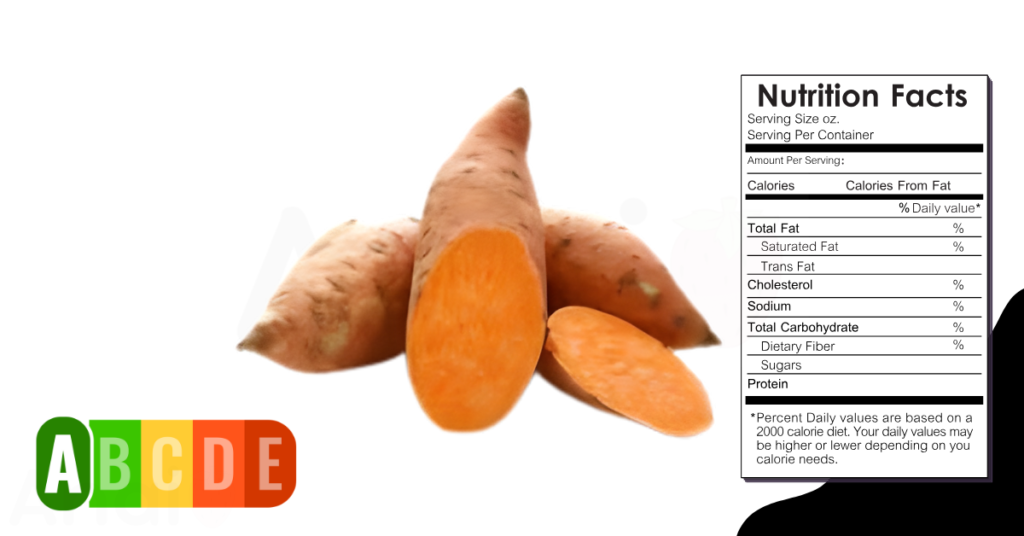
The many health benefits of sweet potatoes can be further explained through their impressive nutrition facts, as analyzed in detail below:
Sweet Potato nutrition table
The following data represents the core macronutrient profile of a raw, orange-fleshed sweet potato. Note that the Daily Recommended Intake (DRI) percentages are based on a standard 2,000-calorie diet.
| Nutrient | Per Serving (114g) | DRI % (Serving) | Per 100 grams | DRI % (100 g) |
|---|---|---|---|---|
| Calories | 103 kcal | 5% | 86 kcal | 4% |
| Protein | 2 g | 4% | 1.6 g | 3% |
| Carbs | 24 g | 8% | 20.1 g | 7% |
| Total Fat | 0.1 g | <1% | 0.1 g | <1% |
| Cholesterol | 0 mg | 0% | 0 mg | 0% |
How many calories are in sweet potatoes?
Sweet potatoes are a moderate-energy food that provides sustained fuel. One 100-gram portion contains approximately 86 calories, while a standard medium serving of 114 grams contains 103 calories, which is 5% of the average daily caloric requirement. These calories come primarily from complex starches rather than simple sugars. To burn off the 103 calories found in a single medium sweet potato, a person weighing 150 pounds would typically need to walk at a brisk pace for roughly 30 minutes or engage in 12 minutes of moderate-intensity jogging.
How much protein is in sweet potatoes?
Sweet potatoes are not considered a high-protein food source. They provide 1.6 grams of protein per 100 grams and 2 grams per 114-gram serving. This fulfills approximately 4% of the daily recommended intake for an average adult. While the quantity is low, the quality is notable due to unique proteins called sporamins. These proteins account for over 80% of the total protein content and function as antioxidants that help the plant heal from physical damage.
How many carbs are in sweet potatoes?
Carbohydrates are the primary source of energy in this root vegetable. You will find 20.1 grams of carbs per 100 grams and 24 grams in a medium serving, covering 8% of the DRI. The carbohydrate profile is split between complex starches, simple sugars like glucose and fructose, and fiber. Fiber accounts for about 3 to 4 grams per serving, which helps mitigate the glycemic response. The resistant starch found in sweet potatoes escapes digestion in the small intestine and serves as a prebiotic for beneficial gut bacteria.
How much fat is in sweet potatoes?
Sweet potatoes are naturally nearly fat-free, containing only 0.1 grams of total fat per 100 grams. This provides less than 1% of the DRI for fat. The lipid profile is extremely low across all categories, making them an ideal choice for low-fat dietary protocols.
| Fat Category | Per 100 grams | Per Serving (114g) |
|---|---|---|
| Total Fats | 0.1 g | 0.11 g |
| Saturated Fats | 0.02 g | 0.02 g |
| Monounsaturated Fats (MUFAs) | <0.01 g | <0.01 g |
| Polyunsaturated Fats (PUFAs) | 0.05 g | 0.06 g |
Are sweet potatoes high in cholesterol?
No, sweet potatoes contain zero cholesterol. Like all whole plant foods, they do not possess the cellular machinery required to produce cholesterol. Consuming a 100-gram portion or a full 114-gram serving provides 0% of the DRI for cholesterol. Because they are high in soluble fiber, they may actually help lower blood cholesterol levels by binding to bile acids in the digestive tract and promoting their excretion.
Minerals in sweet potatoes
Sweet potatoes are a mineral-dense food, particularly regarding electrolytes like potassium which support nerve and muscle function.
| Mineral | Health Benefit |
|---|---|
| Potassium | Regulates blood pressure and counteracts sodium effects. |
| Manganese | Supports metabolism, bone formation, and blood clotting. |
| Magnesium | Aids in muscle function and reduces stress levels. |
| Calcium | Essential for bone health and nerve transmission. |
| Iron | Vital for oxygen transport in the blood via hemoglobin. |
These minerals work together to maintain cardiovascular stability and skeletal integrity. The potassium content is especially high, providing about 10% of the daily requirement in a single medium serving. Regular consumption helps balance fluids and maintains a healthy heartbeat.
Vitamins in sweet potatoes
The vitamin profile of sweet potatoes is dominated by fat-soluble antioxidants and B-vitamins that facilitate energy conversion.
| Vitamin | Health Benefit |
|---|---|
| Vitamin A | Critical for vision, immune function, and cell growth. |
| Vitamin C | Necessary for collagen synthesis and immune defense. |
| Vitamin B6 | Aids in brain development and protein metabolism. |
| Vitamin B5 | Important for hormone production and energy levels. |
| Vitamin E | Protects cells from oxidative damage and supports skin. |
The most striking feature is the Vitamin A content, which reaches 283% of the Daily Value per 100 grams in orange varieties. These vitamins collectively act as powerful antioxidants that reduce chronic inflammation. High levels of Vitamin C also improve the body’s ability to absorb non-heme iron from other plant-based foods in the diet.
Sweet Potatoes Risks and Side Effects
While sweet potatoes are generally safe, they pose specific risks for individuals prone to kidney stones due to their high oxalate content. Oxalates are organic acids that can bind with calcium in the kidneys to form calcium oxalate stones, which are the most common type of kidney stones. Patients with a history of renal calculi should limit their intake to occasional small portions. One effective way to manage this risk is to pair sweet potatoes with calcium-rich foods like yogurt or cheese. This causes the oxalates to bind with calcium in the digestive tract instead of the kidneys, allowing them to be excreted harmlessly.
Individuals on specific heart medications, particularly beta-blockers, must monitor their intake carefully. Beta-blockers can increase potassium levels in the blood, and the high potassium content in sweet potatoes can lead to hyperkalemia. Hyperkalemia is a serious condition that may cause heart arrhythmias or palpitations. Additionally, while the glycemic index of a boiled sweet potato is relatively low at 44, roasting or baking can spike the GI to over 90. Diabetics should prioritize boiling or steaming to maintain better blood sugar control and avoid sudden glucose spikes.
Another rare but documented risk is hypervitaminosis A, or Vitamin A toxicity. Because sweet potatoes provide over 200% of the daily Vitamin A requirement per 100 grams, extreme overconsumption can lead to symptoms like headaches, rashes, or even liver damage. A more common and harmless side effect is carotenodermia, which causes the skin to develop a yellow-orange tint. This occurs when excess beta-carotene enters the bloodstream and deposits in the outer layer of the skin. This condition is not dangerous and typically resolves within a few weeks of reducing the intake of orange vegetables.
Debunking myths about sweet potatoes
Myth: Sweet potatoes and yams are the same vegetable.
Fact: Sweet potatoes are members of the morning glory family, while true yams are starchier tubers related to lilies that are native to Africa and Asia.
Myth: Sweet potatoes are too high in sugar for people with diabetes.
Fact: Sweet potatoes are high in fiber and have a lower glycemic index than white potatoes, making them a safe and effective carbohydrate source for blood sugar management when consumed in moderation.
Myth: You should always peel a sweet potato to avoid toxins in the skin.
Fact: The skin is non-toxic and contains a significant portion of the vegetable’s fiber, potassium, and antioxidants, so scrubbing and eating the skin is recommended for maximum nutrition.
Sweet Potatoes Substitutes

Choosing a substitute depends on whether you prioritize matching the flavor, texture, or the specific nutrient density of the sweet potato.
| Food Item | Calories (per cup) | Carbs (per cup) | Vit A (DV %) | Fiber (g) |
|---|---|---|---|---|
| Butternut Squash | 63 kcal | 16 g | 297% | 2.8 g |
| Pumpkin | 49 kcal | 12 g | 245% | 2.7 g |
| Carrots | 52 kcal | 12 g | 428% | 3.5 g |
| Cauliflower | 27 kcal | 5 g | <1% | 2.1 g |
If you are making a pie or casserole, butternut squash is the most effective replacement because its texture is creamy and its natural sugar levels are high. It provides a similar orange hue and a massive dose of Vitamin A, making it nutritionally comparable. However, the drawback is that it has a higher water content, so you may need to drain or roast it longer to achieve the density of a sweet potato.
When you need a lower-calorie option for soups or purees, pumpkin works well due to its mild flavor and smooth consistency. It contains fewer calories and carbs than sweet potatoes, which is a benefit for those on calorie-restricted diets. The primary disadvantage is that it is significantly less sweet, so you may find yourself adding extra sweeteners that could negate the health benefits.
For savory roasted dishes or stews, carrots are a practical alternative that offers an even higher concentration of beta-carotene. They provide an excellent crunch and a sweet-earthy profile that mimics the root vegetable. The drawback is their physical structure; they do not mash as smoothly as sweet potatoes and may remain somewhat fibrous unless boiled extensively.
If your goal is a keto-friendly or low-carb lifestyle, cauliflower is the gold standard for replacing mashed potatoes or fries. It has a neutral flavor and significantly lower carbs, which helps maintain ketosis. The major drawback of using this substitute is the total lack of Vitamin A and natural sweetness, requiring you to use heavy seasoning to match the satisfaction of a real sweet potato.
For those in search of the closest botanical and textural match, true yams are the best choice for roasting or frying. They are extremely starchy and hold their shape better than most other substitutes during long cooking processes. Unfortunately, they are much harder to find in standard US grocery stores and lack the high Vitamin A content that makes sweet potatoes a “superfood.”
Popular Sweet Potato Diets
How to add sweet potatoes safely into your diet? Choosing the right diet is important to ensure that you are meeting your nutritional needs while also enjoying the foods you eat. Here are a few of the available sweet potato-friendly diet options:
- The 3-Day Sweet Potato Mono Diet
- The Very Low-Calorie Sweet Potato Diet
- The Carbohydrate Replacement Diet
- Carb-Cycling
- The Mediterranean Diet
| Diet Type | Key Differences | Benefits | Drawbacks |
|---|---|---|---|
| 3-Day Mono Diet | Only sweet potatoes, water, and unsweetened tea. | Rapid weight loss and simplicity. | Extreme nutrient deficiency and unsustainable. |
| Low-Calorie Diet | Includes eggs and blanched vegetables. | Slightly more balanced than the mono version. | Very low energy and potential for yo-yo effect. |
| Carb Replacement | Swaps bread/pasta for sweet potatoes. | High fiber and more stable energy levels. | Requires strict meal planning and discipline. |
| Carb-Cycling | Alternates between high and low carb days. | Targets fat loss while maintaining muscle. | Very complex and usually requires expert supervision. |
| Mediterranean | Uses sweet potatoes as a whole-food starch. | Balanced, sustainable, and heart-healthy. | Slower weight loss compared to fad diets. |
The 3-Day Sweet Potato Diet is a restrictive mono-diet where you eat only mashed, boiled, or baked sweet potatoes. While it may lead to a loss of 2 to 5 pounds in 72 hours, this is primarily water weight. It is medically considered a fad diet because it lacks essential fats and protein.
The Very Low-Calorie Sweet Potato Diet offers slightly more variety by allowing boiled eggs and green vegetables. This version aims to keep caloric intake around 1,000 to 1,200 calories per day. It is safer than the mono-diet but still falls short of meeting long-term nutritional requirements for most active adults.
The Carbohydrate Replacement Diet focuses on substituting refined grains like white bread and pasta with sweet potatoes. This is a smart long-term strategy because sweet potatoes have a lower glycemic index than refined flour. This approach helps stabilize blood sugar and reduces the risk of developing type 2 diabetes.
Elite athletes often use Carb-Cycling to optimize their body composition before competitions. In this strategy, sweet potatoes serve as a high-quality “refeed” carbohydrate on heavy training days. This provides the glucose needed for muscle recovery without the inflammatory effects associated with processed grains.
The Mediterranean Diet is widely regarded by nutritionists as the healthiest long-term option. It incorporates sweet potatoes as a nutrient-dense root vegetable alongside healthy fats like olive oil and lean proteins. This diet leverages the anti-inflammatory properties of sweet potatoes to support cardiovascular health.
How to Cook Sweet Potatoes?
Boiled sweet potatoes are the gold standard for maintaining a low glycemic index and high nutrient density. Research shows that boiling for 20 minutes with the skin on and a tight lid retains up to 92% of the beta-carotene. This method keeps the glycemic index at approximately 44, making it ideal for blood sugar management. Some water-soluble vitamins like Vitamin C may leach into the water, so avoid over-boiling.
Microwaved sweet potatoes are the most efficient option for busy individuals. Pricking the skin and heating for 8 to 10 minutes preserves most water-soluble nutrients because the cook time is short. This method is superior to boiling for Vitamin C retention. However, the texture can be less uniform, and you must rotate the potato to ensure even heating.
Roasted sweet potatoes offer the best flavor profile due to the caramelization of natural sugars. This method is perfect for salads or as a stand-alone side dish. The major drawback is that roasting can spike the glycemic index to over 90, which is nearly double that of boiled versions. High heat can also degrade some of the more sensitive antioxidant compounds.
Air fryer sweet potatoes provide a crispy texture with 70-80% less oil than traditional deep frying. This significantly reduces the fat and calorie content while maintaining a satisfying crunch. To maximize health benefits, use a light coating of avocado oil, which has a high smoke point. Like roasting, this method uses dry heat, which may reduce the concentration of certain heat-sensitive vitamins.
Baked sweet potatoes are a classic preparation that involves slow-cooking at 400°F. This method is convenient for “set it and forget it” meals. Much like roasting, the slow heating process converts more starches into simple sugars, increasing the calorie density per bite. It is best to eat the skin when baking to ensure you are getting the fiber needed to offset the higher sugar content.
Instant Pot sweet potatoes use pressure to cook the root vegetable in a fraction of the time. This method is excellent for mashing or pureeing for soups. Because the cooking environment is sealed, it mimics the nutrient retention of steaming. It is a great way to prepare large batches for weekly meal prep without losing the high potassium content.
Raw sweet potatoes are rarely consumed and generally not recommended in large quantities. While the skin is non-toxic, the raw starch can be difficult to digest and may cause stomach discomfort or bloating. Cooking is necessary to break down these starches and make the beta-carotene bioavailable for your body to absorb.
Easy Sweet Potato Recipes

The sweet potato recipes discussed here can help increase sweet potato intake without compromising taste.
Breakfast ideas with sweet potatoes
Sweet potato toast is a gluten-free alternative to bread that involves toasting 1/4-inch slices of raw sweet potato twice in a standard toaster.
Sweet potato smoothie bowls utilize frozen, steamed sweet potato cubes to add a creamy texture and a boost of Vitamin A to your morning fruit blend.
Sweet potato breakfast hash combines diced sweet potatoes with onions, peppers, and soft-boiled eggs for a high-protein start to the day.
Overnight oats with sweet potato use mashed sweet potato and cinnamon to create a “sweet potato pie” flavor that is high in prebiotic fiber.
Lunch ideas with sweet potatoes
Sweet potato and black bean chili is a fiber-rich vegetarian option that can be made in large batches and frozen for later use.
Chicken-stuffed sweet potatoes provide a balanced ratio of macronutrients by using shredded rotisserie chicken and a dollop of Greek yogurt as a topping.
Roasted sweet potato salad pairs cubed potatoes with kale, chickpeas, and a lemon-tahini dressing for a nutrient-dense midday meal.
Sweet potato wraps use thin slices of roasted potato inside a whole-grain tortilla with avocado and sprouts for a portable lunch option.
Dinner ideas with sweet potatoes
Sweet potato and lentil dhal is a creamy, anti-inflammatory curry that supports gut health and provides lasting satiety.
Turkey and sweet potato skillet is a one-pan meal that uses lean ground meat and diced potatoes to minimize cleanup and maximize protein intake.
Sweet potato shepherd’s pie replaces traditional white mashed potatoes with a vibrant orange mash to lower the glycemic load of the meal.
Baked sweet potato enchiladas use roasted cubes as a filling along with black beans and corn for a hearty, plant-based dinner.
Simple tips to add sweet potatoes to your diet
For busy people who don’t have the time to implement any of the previous meal ideas, there are simple tips to add Sweet Potatoes to their diet:
- Pre-roast a batch of sweet potato cubes on Sunday to toss into any salad or grain bowl throughout the week.
- Swap your standard morning bagel for a toasted sweet potato slice topped with almond butter and hemp seeds.
- Mix pureed sweet potato into pasta sauce or mac and cheese to sneak in extra vitamins and fiber for children.
- Use mashed sweet potato as a binder in homemade veggie burgers or meatloaf instead of breadcrumbs.
- Add diced sweet potatoes to canned soups or stews to improve their nutritional profile and thickness.
- Replace high-calorie dessert cravings with a simple baked sweet potato topped with a sprinkle of cinnamon and a drizzle of honey.
- Keep frozen sweet potato fries in the air fryer for a quick, 10-minute side dish that is healthier than fast-food options.
- Substitute 25% of the flour in muffin or pancake recipes with mashed sweet potato to increase moisture and reduce refined sugar.
Sweet Potato Storage Tips
Knowing how to cook sweet potatoes is only a part of the equation. The importance of knowing sweet potato storage tips is vital to make those meals last for longer.
Shelf life of sweet potatoes
- At room temperature: 1 to 2 weeks (or up to one month in a cool, dark, well-ventilated area like a basement).
- In the refrigerator: 3 to 5 days for cooked potatoes; raw storage is discouraged as it ruins the texture.
- In the freezer: 10 to 12 months when properly cooked and sealed.
How to store sweet potatoes?
Raw sweet potatoes require a cool, dry, and dark environment to prevent premature decay. A pantry cabinet or a basket on a kitchen counter away from direct sunlight is ideal. Ensure the storage area has plenty of airflow. Do not keep raw sweet potatoes near heat sources like the oven or dishwasher.
You should avoid washing sweet potatoes before storing them because moisture promotes mold growth. Only scrub the skin with a vegetable brush under running water immediately before you begin cooking. If you have raw, cut sweet potatoes, you can store them in the refrigerator for up to 24 hours if they are completely submerged in a bowl of water.
How to refrigerate sweet potatoes?
You must cook sweet potatoes before placing them in the refrigerator to avoid developing a hard, unpleasant center.
- Allow the cooked sweet potatoes to cool completely to room temperature.
- Transfer them into a shallow, airtight container or a heavy-duty ziploc bag.
- Remove as much air as possible from the bag before sealing.
- Place the container in the main compartment of the fridge for up to 5 days.
How to freeze sweet potatoes?
Freezing is an excellent way to prevent food waste, but the potatoes must be blanched or fully cooked first.
- Scrub the potatoes and boil, bake, or steam them until they are tender.
- Peel the skins and slice them into rounds or mash them into a smooth puree.
- Add a teaspoon of lemon juice to mashed potatoes to prevent browning during the freezing process.
- Portion the potatoes into freezer-safe bags and squeeze out the excess air.
- Label the bags with the date and lay them flat in the freezer for up to one year.
Signs of Spoilage in sweet potatoes
Use your senses to determine if your sweet potatoes are still safe for consumption.
- A mushy or soft texture when squeezed.
- Obvious discoloration or deep brown/black spots.
- Shriveled, wrinkled, or shrinking skin.
- A funky or sour odor.
- Leaking juices or the presence of visible mold.
8 Effective Sweet Potato Home Remedies
Are there any lesser-known tips to unlock the nutritious profile of sweet potatoes? The following sweet potato remedies can have a positive effect on overall well-being.
1. Digestive Aid for Constipation
Sweet potatoes are rich in both soluble and insoluble fiber. To prepare this remedy, boil a medium sweet potato with the skin on and mash it without adding butter. Eat one cup daily to add bulk to the stool and stimulate regular bowel movements. Store leftovers in an airtight container in the fridge for three days.
2. Immunity-Boosting Cold Relief
The high concentration of Vitamin A and Vitamin C makes sweet potatoes a potent tool for the immune system. Prepare a warm soup by simmering orange sweet potatoes with fresh ginger and garlic. Consume this broth twice daily when you feel a cold or flu starting to develop. Keep the soup in a sealed glass jar for up to four days.
3. Low-Glycemic Blood Sugar Regulator
Boiling sweet potatoes for 30 minutes maintains a low glycemic index of 46. Use this as a home remedy for blood sugar management by eating a small half-cup portion as a mid-afternoon snack. This provides a steady release of energy without insulin spikes. Store boiled cubes in a ziploc bag in the refrigerator.
4. Anti-Inflammatory Skin Mask
The beta-carotene in sweet potatoes helps protect skin cells and supports collagen production. Mash a small amount of cooked, plain sweet potato and mix it with a teaspoon of honey. Apply it to the face for 15 minutes once a week to soothe inflammation and reduce the appearance of fine lines. Always prepare this mask fresh to ensure the vitamins remain active.
5. Natural Prebiotic for Gut Health
Cooked and cooled sweet potatoes contain resistant starch, which acts as a prebiotic. This starch feeds beneficial gut bacteria and improves the microbiome. Incorporate a cold sweet potato salad into your meals three times a week for the best results. Store the salad in the fridge and consume it within 48 hours.
6. Cardiovascular Inflammation Reducer
Purple sweet potatoes contain anthocyanins, which are antioxidants that support blood vessel health. Roast them with a small amount of heart-healthy olive oil to help lower “bad” cholesterol levels. Eat these twice weekly as a side dish to reduce general cardiovascular inflammation. Store uncooked purple tubers in a cool, dry basement.
7. Soothing Remedy for Stomach Ulcers
The soft, non-acidic nature of steamed sweet potatoes can provide a protective layer for the stomach lining. Puree the potatoes until they are perfectly smooth and eat them in small portions throughout the day. This can help alleviate the burning discomfort associated with ulcers. Store the puree in the fridge and use it within two days.
8. Electrolyte Replenishment for Muscle Cramps
Sweet potatoes are a significant source of potassium and magnesium. Mash a cooked potato with a pinch of sea salt to create a recovery snack after intense physical activity. This helps balance fluids and prevents painful muscle contractions. Eat this within an hour of your workout and store leftovers in the refrigerator.
Sweet Potatoes and Weight Management

There are multiple health benefits and home remedies using sweet potatoes, but what is their role in weight management? This section will analyze sweet potatoes’ potential impact on weight loss, low-calorie diets, satiety, and metabolism.
Can sweet potatoes help with weight loss?
Sweet potatoes are high-volume foods that can facilitate a calorie deficit without sacrificing essential nutrients. A clinical study published in the Journal of Medicinal Food followed 58 office workers and found that replacing one meal per day with a sweet potato-based formula led to a 5% decrease in body weight and body fat over eight weeks. Because they are 77% water and 13% fiber, they provide significant mass, which helps individuals eat less overall.
Sweet Potatoes in low-calorie diets
Integrating sweet potatoes into a low-calorie diet is a strategic way to maintain high energy levels. A medium 130-gram sweet potato contains approximately 112 calories, which is notably fewer than many other starchy staples. Research in the journal Nutrients highlights a review of 48 studies showing that long-term fiber intake from whole foods like sweet potatoes is associated with a sustained weight loss of at least 5% of body weight over a year.
Sweet Potatoes and satiety
Satiety is the primary mechanism through which sweet potatoes prevent overeating and snacking. They contain viscous soluble fiber, which forms a gel-like consistency in the gut to physically slow down the speed of digestion. According to data in Food Science & Nutrition, this fiber helps reduce the production of the hunger hormone ghrelin while boosting hormones that signal fullness. A 2019 study involving 345 participants confirmed that high-fiber diets are significantly more effective for weight loss in obese individuals.
Sweet Potatoes and metabolism
The metabolic benefits of sweet potatoes stem from their high concentration of Vitamin B6. The National Institutes of Health (NIH) notes that Vitamin B6 is essential for over 100 enzyme reactions involved in energy metabolism and protein breakdown. Furthermore, their low glycemic index when boiled—rated as low as 46—prevents the rapid insulin spikes that signal the body to store excess energy as fat. This ensures a more efficient metabolic rate throughout the day.
Sweet Potatoes for Health Conditions
While weight management is important, do sweet potatoes have an effect in more serious health conditions? Here’s what the scientific literature has to say:
Sweet Potatoes and Diabetes
Sweet potatoes are a surprising ally in managing blood glucose levels. Clinical research at the University of Vienna involved 61 participants with type 2 diabetes who consumed 4 grams of white sweet potato extract (Caiapo) daily for three months. The results showed a significant decrease in fasting blood glucose and a reduction in LDL cholesterol levels compared to a placebo group. Another study published in the journal Metabolism found that six weeks of treatment with this extract improved insulin sensitivity in diabetic patients (Link, 2024). The fiber content, which reaches 3.8 grams in a medium potato, further helps by slowing sugar absorption in the bloodstream.
Sweet Potatoes and Heart Health
High potassium intake is essential for maintaining a healthy cardiovascular system. A single medium sweet potato delivers 542 milligrams of potassium, fulfilling 12% of the Daily Value. This mineral helps the body flush out excess sodium through urine and relaxes blood vessel walls to lower blood pressure. A 2024 literature review in the journal Nutrients highlighted that long-term consumption of antioxidant-rich foods like sweet potatoes is linked to a reduced risk of cardiovascular disease (Vasquez, 2025). These antioxidants prevent the oxidative stress that leads to plaque buildup in the arteries.
Sweet Potatoes and Digestive Issues
The combination of soluble and insoluble fiber makes sweet potatoes a premier food for gut health. They contain resistant starch, which acts as a prebiotic to feed beneficial gut bacteria. According to a 2022 study in Microorganisms, the fermentation of these starches in the colon produces short-chain fatty acids that reduce inflammation and support immune health (Vasquez, 2025). Regularly eating sweet potatoes can treat constipation by adding bulk to the stool. Research in Medical News Today suggests that high dietary fiber intake is consistently linked to a lower risk of developing colorectal cancer.
Sweet Potatoes and Inflammation
Chronic inflammation drives many metabolic diseases, including arthritis and heart disease. Purple sweet potatoes are particularly effective because they are loaded with anthocyanins, which act as free radical scavengers. A 2025 review in Food Science & Nutrition found that these pigments reduce oxidative stress and may even improve cognitive impairment after decline has begun (Vasquez, 2025). Rodent studies from 2017 also demonstrated that purple sweet potato extract reduced inflammation and markers of obesity (Ware, 2023).
Sweet Potatoes and Cancer Prevention
The high concentration of carotenoids and anthocyanins provides a protective shield against cellular damage. Purple sweet potatoes have been shown in laboratory settings to promote apoptosis, or programmed cell death, in cancer cells (Booth, 2025). Studies indicate that diets rich in beta-carotene can lower the risk of prostate, lung, and stomach cancers (Cervoni, 2024). Because a baked sweet potato in its skin provides over 500% of the daily Vitamin A requirement, it offers a massive dose of the antioxidants needed to prevent DNA damage caused by unstable free radicals.
The following table summarizes the clinical evidence regarding the therapeutic use of sweet potatoes:
| Health Category | Benefits | Type of Study | Quality of Evidence | Sources |
|---|---|---|---|---|
| Diabetes | Improved insulin sensitivity | Clinical Trial | High | Link (2024); Cervoni (2024) |
| Heart Health | Lower blood pressure | Literature Review | Moderate-High | Vasquez (2025); Ware (2023) |
| Digestion | Prebiotic gut support | Micro-biological | Moderate | Vasquez (2025); Bjarnadottir (2023) |
| Inflammation | Reduced oxidative stress | Scientific Review | Moderate | Ware (2023) |
| Cancer | Cellular DNA protection | Observational | Moderate | Booth (2025); Cervoni (2024) |
Sweet Potato Nutrition: Connecting the Dots
This guide has explored the complex world of sweet potato nutrition, covering the 13 versatile health benefits of sweet potatoes, detailed nutrition facts, and potential risks like kidney stone formation. We discussed various substitutes for those on keto diets and reviewed popular plans like the 3-day sweet potato diet. From storage tips that prevent “hard centers” to 8 effective home remedies for digestion and skin, it is clear this root is a true superfood for weight management and chronic health conditions.
- One sweet potato provides 122% of your daily Vitamin A, which is vital for preventing night blindness.
- Boiling sweet potatoes maintains a low Glycemic Index of 44, while roasting can spike it to 94.
- They are not related to white potatoes; they belong to the morning glory family, not the nightshade family.
- The skin contains 15% of the Daily Value for fiber, making it essential for gut health.
- Purple varieties contain anthocyanins that can protect the brain from oxidative damage and aging.
- True yams are related to lilies and are much starchier and drier than the “yams” found in US grocery stores.
This article contains the most current data as of March 2026.
Ready to optimize your health with data-driven nutrition? Follow Anai.ai to stay informed about the latest well-being news, evidence-based tips, and in-depth articles that help you live your best life.
Sweet Potato Nutrition FAQs

We address common questions regarding calorie counts, glycemic impact, and optimal cooking methods. These evidence-based answers clarify the differences between varieties and their roles in weight management. Use these quick, data-driven insights to maximize your daily nutritional intake.
What are sweet potatoes good for?
Sweet potatoes are essential for ocular and digestive health. One medium root provides 122% of the daily value for vitamin A, which effectively prevents night blindness. The 3.8 grams of fiber per serving support a healthy microbiome by feeding beneficial gut bacteria. High potassium levels of 542mg assist in lowering blood pressure and reducing stroke risk.
Are sweet potatoes healthy?
These tubers are widely classified as a superfood. They contain antioxidants like beta-carotene and anthocyanins that protect your cells from oxidative damage. They provide a low glycemic index of 44 when boiled. Research links their high-fiber content to a reduced risk of certain colorectal cancers.
Are sweet potatoes fattening?
Sweet potatoes are not inherently fattening. A single medium potato contains only 103 to 112 calories. It is composed of 77% water, which helps fill you up quickly. High fiber content promotes satiety, which has been shown in studies to result in a 5% reduction in body fat over eight weeks. Fat gain only occurs if they are deep-fried or covered in sugar.
Who should avoid sweet potatoes?
Individuals with a history of calcium-oxalate kidney stones should limit their intake. This is because sweet potatoes are high in oxalates. Those taking beta-blockers must be cautious due to high potassium levels that can lead to hyperkalemia. Diabetics should avoid roasted versions that reach a glycemic index of 94.
Can I eat sweet potatoes daily?
Most healthy adults can consume sweet potatoes daily. However, excessive intake can lead to carotenemia, causing a harmless orange skin undertone. Stick to a portion of one to two cups to ensure a balanced micronutrient profile.
Can dogs eat sweet potatoes?
Cooked and peeled sweet potatoes are safe for dogs. They offer a rich source of dietary fiber and vitamin A. You must avoid giving dogs raw sweet potatoes or skins to prevent gastrointestinal blockages. Plain preparations are necessary. Avoid toxic additives like onions or garlic.
Can cats eat sweet potatoes?
Cats can safely consume small amounts of cooked, unseasoned sweet potato as an occasional treat. However, they are obligate carnivores and do not require the carbohydrates or sugars found in starchy vegetables. Excessive intake can lead to gastrointestinal upset because felines lack the specific enzymes to process large amounts of fiber. Ensure any serving is mashed and makes up less than 10% of their daily caloric intake.
How long do sweet potatoes last in the fridge?
Raw sweet potatoes should generally stay out of the refrigerator because temperatures below 55 degrees Fahrenheit cause a hard center and a bitter taste. Once they are cooked, however, they will last between 3 to 5 days when stored in an airtight container. If you notice mushy spots or a sour odor, the cooked leftovers have likely spoiled. Discard any refrigerated items that have been sitting for more than one work week.
Can you freeze sweet potatoes?
You can freeze sweet potatoes for 10 to 12 months, but they must be cooked or blanched first. Freezing them raw is not recommended as it destroys the cellular structure and ruins the texture. For the best results, boil, bake, or mash the potatoes before sealing them in heavy-duty freezer bags. Adding a teaspoon of lemon juice to mashed batches will effectively prevent browning and preserve their vibrant orange color.
How to tell if sweet potatoes are bad?
Fresh sweet potatoes should be heavy for their size and firm to the touch. Signs of spoilage include mushy indentations, deep brown discoloration, and shriveled skin. If the tuber is leaking juices or emitting a funky, rotting smell, it is no longer safe to consume. While you can trim away small sprouts or “eyes,” any presence of mold indicates the entire potato must be thrown away.
How long are sweet potatoes good for?
At standard room temperature, these hardy root vegetables remain fresh for 1 to 2 weeks. In a specialized cool and dark environment, such as a 55-degree basement, they can last for one full month. Cooked portions stay safe in the refrigerator for under 5 days. When properly processed and frozen, they can maintain their nutritional value for up to one year.
How to keep sweet potatoes fresh?
The most effective storage method is placing them in a cool, dry, and well-ventilated basket or open bowl. Avoid using airtight plastic bags, as trapped moisture can cause premature rotting and mold. Keep your stash away from direct sunlight and heat sources like your stove or dishwasher. Never wash the potatoes until immediately before you intend to cook them to prevent moisture-induced decay.