
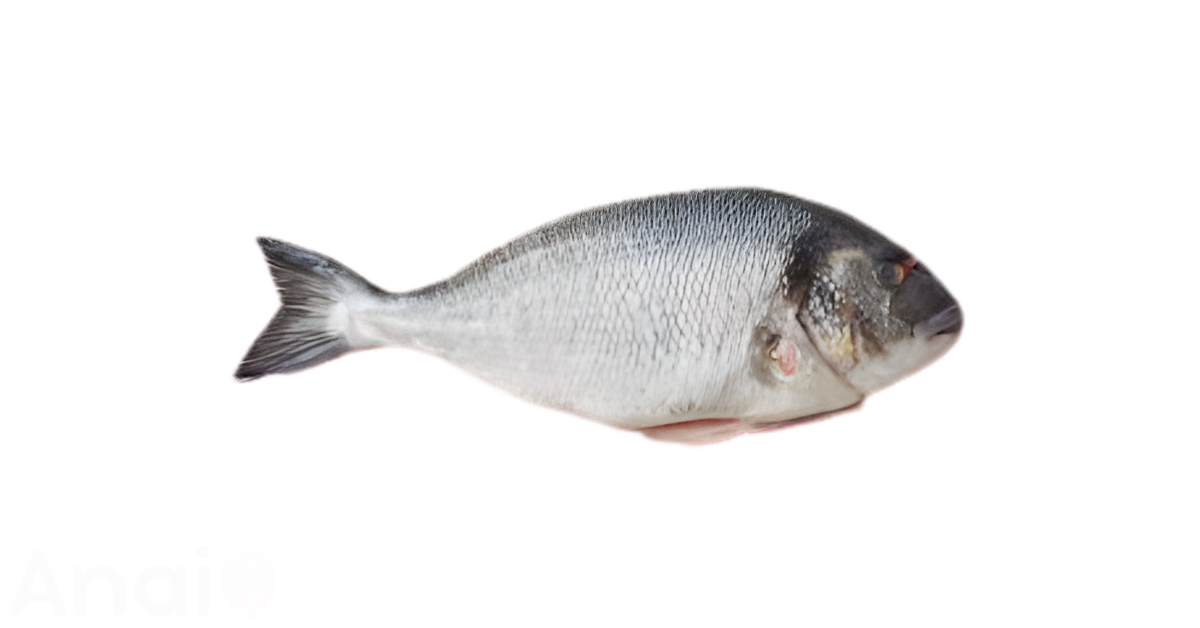
Is Sea Bream Good for You?
Sea bream is an exceptional addition to a health-conscious diet. It is a lean, white fish that balances low caloric density with high nutrient concentration. A 100g serving of cooked sea bream contains only about 90 to 96 calories (Liebherr, 2026). This makes it one of the lightest protein sources available in the Mediterranean diet. It provides a massive 20g of high-quality protein per 100g portion. This protein contains all essential amino acids required for tissue repair.
The fish is also a powerhouse of micronutrients. It is particularly rich in Vitamin B12, Vitamin D, and essential minerals like Selenium and Iodine. These elements support everything from your metabolism to your immune response. Because the meat is firm and lean, it is easily digestible for most people.
This article provides the latest information as of April 2026. We will expand on several critical topics. These include 13 helpful health benefits of sea bream and comprehensive sea bream nutrition facts. We also cover sea bream risks and side effects. You will find information on sea bream substitutes and popular sea bream diets. Finally, we provide sea bream storage tips, 8 healing home remedies, and insights on weight management and specific health conditions.
13 Helpful Health Benefits of Sea Bream
Sea bream is widely recognized by nutritionists as a functional superfood from the sea. Each of the following benefits is fact-checked and supported by current nutritional science and peer-reviewed publications.
1. Superior Lean Protein Source
Sea bream provides a dense concentration of protein without the heavy saturated fats found in red meat. One 160g edible portion of sea bream delivers a staggering 37g of protein. This amount accounts for approximately 67% of the recommended Daily Value (Eatthismuch, 2026).
This protein is highly bioavailable. It aids in muscle synthesis and the maintenance of lean body mass. Athletes often prefer sea bream for post-workout recovery due to its rapid digestion.
2. Cardiovascular Health Protection
The fish is a significant source of “good” fats. Sea bream contains approximately 0.9g of Omega-3 fatty acids per 100g (Freshfishdaily, 2020). These fats include eicosapentaenoic acid (EPA) and docosahexaenoic acid (DHA).
Omega-3s are proven to regulate blood pressure and reduce systemic inflammation. Regular consumption helps lower the risk of developing chronic heart disease.
3. Enhanced Cognitive Function
The DHA found in sea bream is a primary structural component of the human brain. These fatty acids are essential for cognitive functions such as learning and memory (Liebherr, 2026).
Regular intake may reduce the risk of developing neurodegenerative diseases. It supports brain plasticity and improves focus in both children and adults.
4. Optimal Thyroid Support
Sea bream is an excellent source of Iodine. Iodine is the fundamental building block for thyroid hormones. These hormones control the body’s metabolism and energy regulation.
A deficiency in Iodine can lead to fatigue and weight gain. Including sea bream in your weekly menu helps maintain healthy thyroid function (Liebherr, 2026).
5. Robust Immune System Defense
This fish has a high concentration of Selenium. Sea bream provides 36 µg of Selenium per 100g serving. Selenium is a powerful trace element that strengthens the body’s resistance to infections.
It acts as a shield for the immune system. By fortifying cellular defenses, it helps the body recover from illness more efficiently.
6. Bone Mineralization and Strength
Sea bream contributes significantly to skeletal health. It contains a synergistic mix of Vitamin D and Phosphorus. A 100g serving provides 240mg of Phosphorus, which is vital for cell structure.
Vitamin D facilitates the absorption of calcium. This combination prevents the loss of bone density as you age.
7. Efficient Red Blood Cell Formation
The fish is an exceptional source of Vitamin B12 (cobalamin). Sea bream offers 2.7 µg of Vitamin B12 per 100g, which is essential for blood health.
B12 is required for the production of healthy red blood cells. Proper levels of this vitamin prevent megaloblastic anemia and chronic fatigue.
8. Metabolism and Energy Production
B-complex vitamins in sea bream convert food into usable energy. It is rich in Vitamin B3 (niacin), which supports the enzymes involved in energy metabolism (Liebherr, 2026).
It also contains 646mg of Potassium per 160g serving, which supports electrolyte balance (Eatthismuch, 2026). This ensures that your cells have the fuel needed for daily activities.
9. Mood Regulation and Mental Well-being
Sea bream contains Vitamin B6 (pyridoxine). This vitamin is a precursor to neurotransmitters like serotonin and dopamine. These chemicals are responsible for mood stabilization and feelings of happiness.
Eating sea bream can help balance emotional states. The combination of B6 and Omega-3s is a natural way to support mental health.
10. Effective Weight Management
Sea bream is a high-satiety, low-calorie food. Its high protein content triggers the release of hormones that signal fullness to the brain (Liebherr, 2026).
By increasing satiety, it reduces the urge for unnecessary snacking. At only 96 calories per 100g, it is a perfect staple for calorie-controlled diets.
11. Nervous System Maintenance
The high concentration of Vitamin B12 is crucial for the nervous system. It helps maintain the myelin sheath that protects nerve fibers (Liebherr, 2026).
Healthy nerves ensure faster signaling between the brain and the body. This improves coordination and sensory perception.
12. Cellular Antioxidant Defense
Selenium in sea bream acts as a potent antioxidant. It neutralizes free radicals that cause oxidative stress and cellular damage.
This protection extends to every organ in the body. Reducing oxidative stress is a key factor in longevity and disease prevention.
13. Improved Joint Suppleness
The Omega-3 fatty acids in sea bream act as natural lubricants for the joints. They help reduce the production of enzymes that break down cartilage.
Regular consumption keeps joints supple and reduces stiffness (Liebherr, 2026). This is particularly beneficial for individuals suffering from arthritis or high-impact athletes.
Sea Bream Nutrition Facts
The many health benefits of sea bream can be further explained through their impressive nutrition facts, as analyzed in detail below:
Sea Bream nutrition table
Sea bream is an incredibly nutrient-dense protein source that fits perfectly into a calorie-controlled lifestyle. The following data represents a standard 150-gram serving compared to a 100-gram reference point.
| Nutrient | Per Serving (150g) | DRI % (Serving) | Per 100 grams | DRI % (100 g) |
|---|---|---|---|---|
| Calories | 116 kcal | 6% | 77 kcal | 4% |
| Protein | 26 g | 35% | 17 g | 23% |
| Carbs | 0 g | 0% | 0 g | 0% |
| Total Fat | 1.5 g | 2% | 1.0 g | 1% |
| Cholesterol | 75 mg | 25% | 50 mg | 17% |
How many calories are in sea bream?
Sea bream is remarkably low in calories, making it a “textbook” lean seafood option. A 100-gram portion contains only 77 calories, while a standard 150-gram serving provides 116 calories, accounting for just 6% of a 2,000-calorie daily intake. This caloric density is significantly lower than chicken breast, which averages 120 calories per 100 grams.
To burn off the 116 calories in a 150-gram serving, a person of average weight would only need to walk for approximately 30 minutes or jog for about 12 minutes. Because these calories come almost exclusively from protein, the body utilizes them efficiently for muscle maintenance rather than fat storage.
How much protein is in sea bream?
Protein is the primary macronutrient in sea bream, providing high-quality essential amino acids. A 100-gram portion yields 17 grams of protein, while a larger 150-gram serving delivers 26 grams. This serving satisfies 35% of the recommended Dietary Reference Intake (DRI) for protein on a standard 2,000-calorie diet. The protein in sea bream is highly digestible, which is why it is frequently recommended for athletes and those recovering from intense physical exertion.
How many carbs are in sea bream?
Sea bream is a naturally zero-carbohydrate food. Both a 100-gram serving and a 150-gram serving contain 0 grams of carbohydrates, making it ideal for ketogenic or low-carb diets. This absence of sugars and starches ensures that consuming sea bream has zero impact on blood glucose levels.
How much fat is in sea bream?
The lipid profile of sea bream is exceptionally healthy, focusing on polyunsaturated fats over saturated ones. While total fat is low, it is rich in essential Omega-3s.
| Fat Category | Amount per 100g (Farmed) | Amount per 100g (Wild/Lean) |
|---|---|---|
| Total Fats | 5.7 g | 1.0 g |
| Saturated Fats | 1.3 g | 0.2 g |
| Monounsaturated Fats (MUFAs) | 2.5 g | 0.3 g |
| Polyunsaturated Fats (PUFAs) | 1.9 g | 0.5 g |
Farmed sea bream often has a higher total fat content than wild-caught varieties due to controlled diets. Omega-3 fatty acids (EPA and DHA) account for roughly 0.8g to 1.2g per 100g, supporting cardiovascular health and brain function.
Is sea bream high in cholesterol?
Sea bream contains a moderate amount of cholesterol, typical for most lean fish. A 100-gram serving contains 50 mg, while a 150-gram serving contains approximately 75 mg. This represents roughly 25% of the recommended daily limit of 300 mg for a healthy adult. Despite this, the high Omega-3 content helps manage overall lipid profiles by maintaining healthy blood triglyceride levels.
Minerals in sea bream
The mineral content of sea bream supports vital metabolic and structural functions. It is particularly valued for its rare trace elements.
| Mineral | Health Benefit |
|---|---|
| Selenium | Protects against oxidative stress and boosts immunity. |
| Phosphorus | Essential for bone mineralization and tooth enamel. |
| Iodine | Crucial for normal thyroid hormone production. |
| Potassium | Regulates blood pressure and supports heart function. |
| Zinc | Aids in DNA synthesis and tissue repair. |
Sea bream is an important source of iodine and phosphorus, which are necessary for energy production and skeletal health. The high concentration of selenium acts as a powerful antioxidant, safeguarding cells from damage.
Vitamins in sea bream
Sea bream is a potent source of both fat-soluble and water-soluble vitamins. These vitamins are essential for cellular metabolism and immune defense.
| Vitamin | Health Benefit |
|---|---|
| Vitamin B12 | Vital for nerve function and red blood cell formation. |
| Niacin (B3) | Supports energy metabolism and improves skin health. |
| Vitamin D | Essential for calcium absorption and immune function. |
| Vitamin B6 | Enhances mood regulation and brain development. |
| Vitamin A | Supports vision health and cellular growth. |
The fish is a standout source of Vitamin B12 and Vitamin D, providing nutrients that are often difficult to find in non-animal foods. Niacin and Vitamin B6 further contribute to systemic health by improving circulation and supporting the nervous system.
Sea Bream Risks and Side Effects
Seafood allergies are a primary concern when consuming sea bream. If you have a known allergy to white fish, you must avoid sea bream to prevent anaphylaxis or skin hives. Some individuals may also experience digestive sensitivities if the fish is not fresh. Always check for clear eyes and a clean ocean scent to ensure quality.
Environmental contaminants represent a significant risk factor. Sea bream can accumulate heavy metals like mercury, lead, and cadmium if caught in polluted waters. Chronic exposure to these toxins can lead to kidney dysfunction or nervous system disorders. Scientific studies show that microwave cooking can significantly reduce metal concentrations more effectively than some traditional methods.
Microplastics and Polycyclic Aromatic Hydrocarbons (PAHs) are emerging risks in Mediterranean and Atlantic waters. Long-term exposure to PAHs like Benzo[a]pyrene can induce oxidative stress in human cells. To manage these risks, source your fish from reputable, monitored farms or clean wild environments. Avoid handling the dorsal spines of black bream, as they are sharp enough to inflict deep, painful wounds.
Debunking myths about sea bream
Myth: Farmed sea bream is less nutritious than wild sea bream.
Fact: Farmed sea bream often contains higher levels of Omega-3 fatty acids (EPA and DHA) because they are raised on high-quality, fortified fish feeds.
Myth: Sea bream is high in unhealthy saturated fats.
Fact: Over 60% of the fat in sea bream consists of healthy MUFAs and PUFAs, which actually help lower “bad” LDL cholesterol levels.
Myth: Cooking sea bream at high temperatures destroys all its nutrients.
Fact: While some heat-sensitive B-vitamins may decrease, the essential minerals and protein content remains stable during baking or grilling.
Sea Bream Substitutes
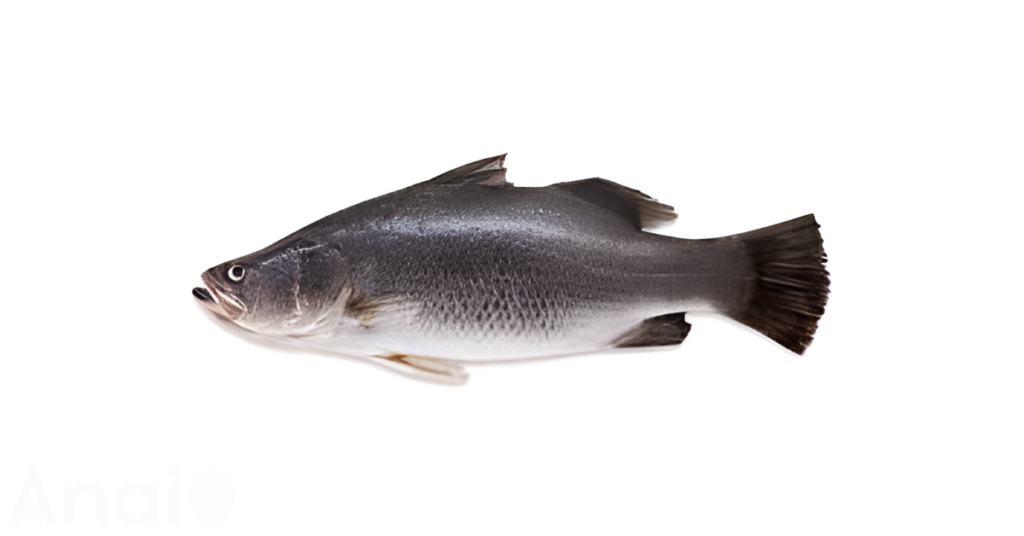
If sea bream is unavailable, several other white fish offer similar textures and nutritional profiles. The table below compares sea bream to its closest culinary relatives.
| Fish Type | Calories (100g) | Protein (100g) | Omega-3 (100g) |
|---|---|---|---|
| Sea Bream | 77 kcal | 17 g | 0.8 g |
| Sea Bass | 125 kcal | 21 g | 1.0 g |
| Red Snapper | 100 kcal | 20 g | 0.4 g |
| Tilapia | 96 kcal | 20 g | 0.2 g |
Sea Bass is the most common substitute for sea bream due to its nearly identical firm, white flesh. It is best used in Mediterranean recipes where a whole fish is required. The benefit of using this substitute is its slightly higher protein and Omega-3 content, though the drawback is a higher calorie count per serving.
Red Snapper offers a sweet, nutty flavor that mirrors the profile of sea bream in Asian cuisine. It works exceptionally well in spicy stews or when grilled whole with citrus. A major benefit of choosing this fish is its low fat content, but it provides significantly fewer heart-healthy Omega-3 fatty acids than sea bream.
Tilapia is a budget-friendly and widely available alternative found in almost every US grocery store. It is extremely versatile and takes on the flavor of marinades and seasonings easily. The primary benefit is its affordability and high protein-to-calorie ratio, while the main drawback is its very low concentration of essential vitamins and minerals compared to sea bream.
Popular Sea Bream Diets
How to add sea bream safely into your diet? Choosing the right diet is important to ensure that you are meeting your nutritional needs while also enjoying the foods you eat. Here are a few of the available sea bream-friendly diet options:
- Mediterranean Diet
- Pescatarian Diet
- Ketogenic (Keto) Diet
- Paleo Diet
- High-Protein, Low-Calorie Weight Management Plan
| Diet Type | Key Benefits | Potential Drawbacks |
|---|---|---|
| Mediterranean | Proven cardiovascular protection and longevity. | Can be less structured for strict weight loss. |
| Pescatarian | High intake of Omega-3s and lean proteins. | Requires monitoring of mercury in larger fish. |
| Ketogenic | Effective for fat loss and blood sugar control. | Restricts healthy fiber from fruits and grains. |
| Paleo | Focuses on whole, unprocessed food sources. | Eliminates legumes and dairy, which provide calcium. |
| High-Protein | Maximizes muscle maintenance and satiety. | May lead to nutrient gaps without variety. |
The Mediterranean Diet is the most natural fit for sea bream. This diet emphasizes heart-healthy fats, vegetables, and lean proteins. Research shows that eating cultured sea bream twice a week as part of this lifestyle maintains normal cardiac function (EFSA, 2024). It is widely considered the gold standard for long-term health.
A Pescatarian Diet replaces land-based meats with seafood. Sea bream serves as a cornerstone here because its 77 kcal per 100g makes it a lighter alternative to salmon. This diet is excellent for those seeking to lower their saturated fat intake while maintaining high protein levels. It provides a versatile foundation for various global cuisines.
The Ketogenic Diet focuses on high-fat and low-carbohydrate intake. Since sea bream contains 0 grams of carbohydrates, it is an ideal protein source for staying in ketosis. You should pair it with olive oil or avocado to meet the fat requirements of this plan. It is a smart choice for managing insulin sensitivity.
A Paleo Diet mimics the eating habits of early humans by excluding processed foods and grains. Sea bream is a “clean” protein that fits this criteria perfectly. It provides essential minerals like iodine and phosphorus that are vital in a diet without fortified foods. This plan is effective for reducing systemic inflammation.
The High-Protein, Low-Calorie Diet is specifically designed for weight management. Sea bream is a “textbook” choice for this because it provides 17g of protein for only 77 calories. It increases the feeling of fullness and reduces the need for snacks. This makes it a superior choice compared to chicken breast for those on a strict calorie budget.
How to Cook Sea Bream?
Baked sea bream “en papillote” is one of the healthiest methods available. Wrapping the fish in parchment paper with lemon slices and herbs creates a steam-sealed environment. This prevents the delicate white flesh from drying out. This method minimizes the loss of water-soluble B vitamins because the nutrients are retained within the paper. It is an excellent way to keep a meal under 500 total calories when served with vegetables.
Microwaved sea bream is surprisingly effective for both safety and speed. Scientific studies indicate that microwave cooking can significantly reduce heavy metal levels in fish tissue (Zena et al., 2015). It also offers the lowest level of nutrient degradation due to short exposure to heat. This is a practical tip for busy professionals who need a nutrient-dense meal in minutes.
Grilled sea bream is the traditional Mediterranean favorite. Scoring the skin at the thickest part allows heat to penetrate evenly and prevents the fish from bursting. While this method adds a desirable smoky flavor, high temperatures can cause a slight oxidation of sensitive Omega-3 fatty acids. Using a whole fish for grilling helps protect the interior meat from excessive heat, keeping it juicy.
Air fryer sea bream is a modern alternative to traditional frying. You can achieve a crispy skin with minimal oil, significantly reducing the total fat content compared to deep frying. This method is highly efficient for cooking fillets in under 10 minutes. It preserves the firm texture of the fish while maintaining a low-calorie profile.
Raw sea bream is popular in sushi and sashimi preparations. Consuming it raw ensures you receive the maximum amount of Vitamin B12 and Vitamin D, which can be heat-sensitive. However, this method carries the highest risk of parasitic exposure. Ensure you use “sushi-grade” fish that has been flash-frozen to safe temperatures to mitigate biological risks.
Poached sea bream involves simmering the fish in a flavorful liquid like a light broth or diluted coconut milk. This is a zero-fat cooking method that keeps the meat incredibly tender. One drawback is that minerals and water-soluble vitamins may leach into the liquid. To maximize nutrition, use the poaching liquid as a base for a soup or sauce.
Fried sea bream provides the most robust flavor but adds the most calories. A 100g serving of fried fish can jump from 77 kcal to over 128 kcal depending on the oil used. To keep it healthy, use olive oil and avoid heavy batters. Adding the fish to a hot pan ensures the skin gets crunchy while the meat remains moist.
Easy Sea Bream Recipes
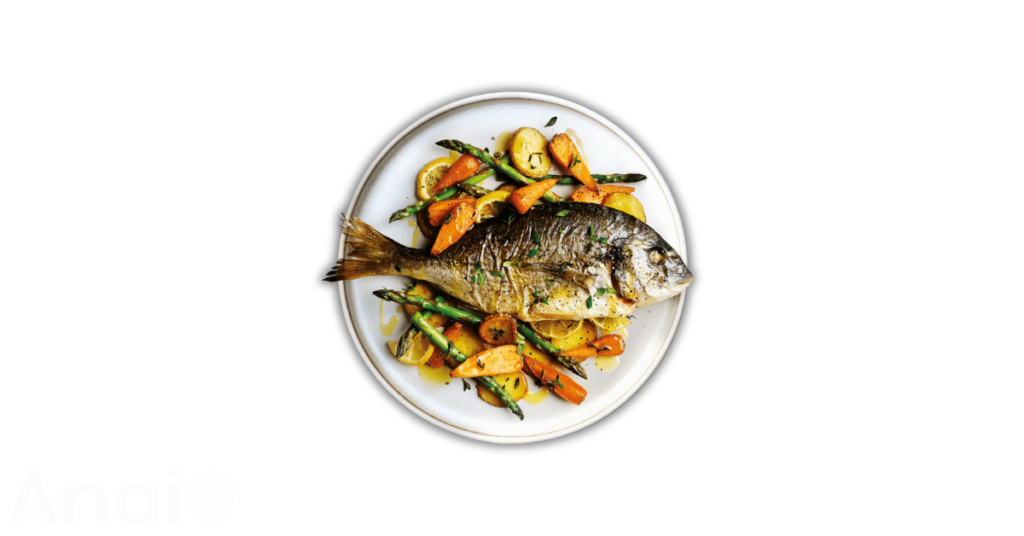
The sea bream recipes discussed here can help increase sea bream intake without compromising taste.
Breakfast ideas with sea bream
Flaked sea bream omelet is a sophisticated way to start the day. Simply fold 50g of cooked, flaked fillets into three whisked egg whites and one whole egg. This provides a massive protein boost before noon. It pairs well with fresh chives and a side of spinach.
Sea bream and avocado toast offer a fresh take on a classic. Top whole-grain bread with mashed avocado and cold-poached bream flakes. The healthy fats in the avocado help your body absorb the Vitamin D found in the fish. This is a smart choice for sustained morning energy.
Lunch ideas with sea bream
Mediterranean sea bream salad is a perfect light lunch. Combine cold grilled fillets with cherry tomatoes, cucumbers, olives, and a yogurt-based dressing. The neutral taste of the fish absorbs the tanginess of the dressing beautifully. A serving of this salad remains well under 400 calories while providing essential fiber.
Sea bream fish tacos are quick and family-friendly. Use a corn tortilla and fill it with air-fried bream strips and a cabbage slaw. This is a great way to introduce the fish to children. It provides a balanced mix of complex carbs and lean protein.
Dinner ideas with sea bream
Whole roasted sea bream with rosemary creates a stunning centerpiece for a festive dinner. Stuff the cavity with garlic and lemon to infuse the meat with aromatics. Roasting the fish whole helps the meat lift easily from the bones. This dish is rich in phosphorus and iodine, which are essential for cellular energy production.
Sea bream carpaccio with pomegranate is an elegant, low-effort starter. Thinly slice raw, high-quality fillets and drizzle with extra virgin olive oil and lime juice. The acidity of the lime “cooks” the fish slightly. The pomegranate seeds add a burst of antioxidants and visual appeal.
Simple tips to add sea bream to your diet
For busy people who don’t have the time to implement any of the previous meal ideas, there are simple tips to add sea bream to their diet:
- Swap salmon or tuna for sea bream in your favorite recipes to immediately reduce your caloric intake.
- Keep a bag of frozen sea bream fillets in your freezer for a quick protein source that thaws in under 20 minutes.
- Use the leftover bones and head to make a high-mineral fish stock for future soups and stews.
- Marinate your fish in citrus juices for 30 minutes before cooking to help soften small bones.
- Add flaked bream to your favorite pasta dish during the last two minutes of cooking for a simple nutrient boost.
- Buy your sea bream whole and gilled to ensure the highest level of freshness and flavor.
- Substitute sea bream into fish chowders or curries where its firm texture will hold up better than flakier white fish.
Sea Bream Storage Tips
Knowing how to cook sea bream is only a part of the equation, and the importance of knowing sea bream storage tips to make those meals last for longer.
Shelf life of sea bream
- At room temperature: Do not exceed 2 hours (1 hour in temperatures above 90°F) to avoid rapid bacterial growth.
- In the refrigerator: Standard fridge compartments at 7°C (45°F) keep it fresh for 1 day, while specialized zones at -2°C (28°F) extend life to 4 days.
- In the freezer: Maintain a constant temperature of -18°C (0°F) to preserve quality for up to 3 months.
How to store sea bream?
Temperature control is the most critical factor in preventing degradation. Most home refrigerators operate at 38°F, but sea bream maintains peak freshness at 32°F (0°C). To reach this, you should use ice or ice packs to lower the temperature around the fish. This simple step prevents the fish from developing a “fishy” odor and preserves the delicate texture of the white meat.
Moisture management is equally important because bacteria thrive in wet environments. Always keep the fish flesh dry and avoid stacking fillets on top of each other. Storing fish in a single layer prevents moisture buildup and cross-contamination. Covering the fish tightly is necessary to prevent it from drying out in the arid environment of a refrigerator.
How to refrigerate sea bream?
Proper refrigeration involves creating a mini “ice-bed” environment within your appliance.
- Rinse the fillets or whole fish with cold water and dry them thoroughly with paper towels.
- Place the dry fish in a single layer inside a zip-top bag and press out all the air.
- Prepare a tray or plate lined with ice or ice packs.
- Lay the bag on the ice and place more ice packs on top of the bag.
- Set the tray on the bottom shelf at the very back of the fridge, where it is coldest.
How to freeze sea bream?
Freezing allows you to take advantage of bulk purchases or seasonal availability without losing nutritional value.
- Scale, gill, and gut whole fish or clean fillets thoroughly before freezing.
- Pat the fish completely dry to prevent the formation of ice crystals that damage the flesh.
- Wrap each portion tightly in plastic wrap or use a vacuum sealer to eliminate air exposure.
- Label the package with the current date and the fish type.
- Store at -18°C (0°F) and consume within 90 days for the best flavor and texture.
Signs of Spoilage in sea bream
You should always inspect your fish before cooking to ensure it is safe for consumption.
- Strong, sour, or ammonia-like odor instead of a fresh sea smell.
- Cloudy, sunken, or grey eyes on whole fish.
- Yellowish or brownish gills (fresh gills should be bright red).
- A slimy or mushy texture that does not spring back when pressed.
- Dull or faded skin that has lost its characteristic silvery sheen.
8 Healing Sea Bream Home Remedies
Are there any lesser-known tips to unlock the nutritious profile of sea bream? The following sea bream remedies can have a positive effect on overall well-being.
1. Thyroid Support Broth: Prepare a clear broth by simmering sea bream heads and bones with seaweed to extract high concentrations of iodine and selenium. Drink one cup daily to provide the essential raw materials for thyroid hormone synthesis. Store this broth in the freezer in glass jars for up to two months.
2. Cognitive Clarity Meal: Combine steamed sea bream with walnuts and olive oil to create a meal focused on DHA and EPA fatty acids. Use this remedy twice a week to support brain cell membrane health and improve memory retention. This preparation is best consumed immediately but can be refrigerated for 24 hours.
3. Post-Operative Protein Mash: Blend boiled sea bream fillets with soft-cooked carrots to create an easily digestible, high-protein paste. The 20g of protein per 100g serving aids in rapid tissue repair and muscle maintenance for those with limited chewing ability. Keep this refrigerated and consume within 24 hours of preparation.
4. Anti-Inflammatory Steamed Fillet: Steam sea bream with fresh ginger and turmeric to leverage the fish’s omega-3 content alongside natural anti-inflammatories. Use this remedy to soothe joint stiffness and reduce systemic inflammation after high-impact physical activity. Store any leftovers in an airtight container for one day.
5. Calcium-Absorption Bone Stew: Cook whole sea bream in a slow cooker with a splash of apple cider vinegar to help release minerals from the small bones. The resulting stew is rich in phosphorus and Vitamin D, facilitating better calcium uptake for bone strengthening. This stew can be portioned and frozen for up to three months.
6. Heart-Protecting Bream Platter: Serve pan-seared sea bream with a garlic and caper sauce to support cardiovascular health. Scientific data from the EFSA suggests that the specific unsaturated fats in this fish help maintain normal blood triglyceride levels. Prepare this fresh for dinner to ensure the fats do not oxidize.
7. Energy-Boosting B-Vitamin Bowl: Flake cold-poached sea bream over a bed of quinoa and leafy greens to maximize your Vitamin B12 and Niacin intake. This combination supports cellular energy production and helps combat chronic fatigue symptoms. You can prep the ingredients separately and store them in the fridge for up to two days.
8. Muscle-Recovery Grilled Bream: Grill a whole sea bream with lemon and parsley immediately following a workout to provide 35% of your daily protein needs in one serving. The high bioavailability of fish protein ensures that amino acids are delivered quickly to stressed muscle fibers. This remedy is most effective when eaten within two hours of exercise.
Sea Bream and Weight Management

There are multiple health benefits and home remedies using sea bream, but what is its role in weight management? This section will analyze sea bream’s potential impact on weight loss, low-calorie diets, satiety, and metabolism.
Can sea bream help with weight loss?
Sea bream is an efficient tool for weight loss because of its remarkably low energy density. According to data published in Foodstruct, sea bream contains only 77 to 96 calories per 100-gram serving, which is significantly lower than many other animal proteins. For comparison, a similar portion of chicken breast contains approximately 120 calories. By swapping higher-calorie meats for sea bream, individuals can reduce their total daily caloric intake without decreasing the volume of food eaten. This allows for a sustainable caloric deficit, which is the primary driver of fat loss.
Sea Bream in low-calorie diets
In the context of low-calorie diets, nutrient density is the most important metric. The Global Aquaculture Advocate highlights that sea bream provides high levels of omega-3 HUFAs and marine proteins even in small servings. This ensures that even on a restricted-calorie budget, the body receives essential vitamins like B12 and Vitamin D. It fits perfectly into a “Calorie Smart” plan because a full fillet and vegetable side can total under 400 calories. This high nutrient-to-calorie ratio prevents the malnutrition often associated with poorly planned low-calorie regimes.
Sea Bream and satiety
Satiety is largely dictated by protein intake, and sea bream is composed of approximately 17% to 21% high-quality protein per gram of fillet. Scientific studies often cited in The Fisheries Blog show that lean white fish triggers the release of satiety hormones faster than many plant-based proteins. The firm, “meaty” texture of sea bream requires more chewing, which also signals to the brain that the body is being fed. A 150g serving provides 26g of protein, which can keep an adult feeling full for several hours, thereby reducing the likelihood of high-calorie snacking between meals.
Sea Bream and metabolism
Metabolic health relies heavily on the presence of specific trace minerals and vitamins found in abundance in sea bream. The high concentration of iodine in the fish is essential for the production of thyroid hormones, which are the primary regulators of the basal metabolic rate. Furthermore, the European Food Safety Authority (EFSA) has approved claims that the fatty acids in sea bream support the maintenance of normal blood pressure and triglyceride concentrations. By supporting healthy organ function and energy metabolism through B-complex vitamins, sea bream helps the body process nutrients more efficiently and prevents the metabolic “slowdown” often seen during weight loss.
Sea Bream for Health Conditions
While weight management is important, does sea bream have an effect on more serious health conditions? Here’s what the scientific literature has to say:
Sea Bream and diabetes
Sea bream is an ideal protein source for managing blood sugar levels due to its zero-carbohydrate profile. The high protein content helps slow the absorption of sugars from other foods in the meal. Consuming 100g of sea bream provides 20g of high-quality protein, which assists in maintaining stable insulin levels (Foodstruct, 2024). Research indicates that lean fish protein improves insulin sensitivity in overweight individuals more effectively than red meat. This makes it a strategic choice for preventing the onset of Type 2 diabetes.
Sea Bream and heart health
The European Food Safety Authority (EFSA) has officially approved health claims for farmed sea bream regarding cardiovascular protection. Eating sea bream twice a week has been proven to assist in maintaining normal cardiac function and blood pressure (EFSA, 2024). The high levels of EPA and DHA fatty acids are the primary drivers of these benefits. These nutrients specifically target fasting blood triglycerides and LDL cholesterol concentrations. A single serving can help protect against atherosclerosis and thrombosis (Kefalonia Fisheries, 2025).
Sea Bream and digestive issues
Marine proteins like those in sea bream are known for being exceptionally easy to digest compared to land-based animal proteins. This makes them suitable for individuals with sensitive digestive systems or those recovering from GI tract illnesses. Furthermore, research in the journal Fish & Shellfish Immunology highlights that the use of prebiotics in sea bream farming, such as Inulin and Fructooligosaccharides, improves the health status of the fish (Carbone & Faggio, 2016). This results in a cleaner, more nutritious end product for human consumption. The white, flaky meat is low in connective tissue, which facilitates rapid enzymatic breakdown in the stomach (Liebherr, 2026).
Sea Bream and inflammation
Systemic inflammation is a root cause of many chronic diseases, including arthritis. Sea bream is rich in Omega-3 fatty acids, which act as natural anti-inflammatory agents. DHA and EPA found in sea bream help suppress the production of pro-inflammatory cytokines in the body (Carbone & Faggio, 2016). Regular intake can reduce joint stiffness and morning pain in patients with inflammatory conditions. A 100g serving contains approximately 0.9g of these beneficial fats, providing a significant dose for inflammatory regulation (Foodstruct, 2024).
Sea Bream and cancer prevention
The nutrient package in sea bream, specifically its high selenium and B-vitamin content, plays a role in cellular defense. Selenium acts as a potent antioxidant, protecting DNA from oxidative damage that can lead to cancerous mutations (Seafood Health Facts, 2025). Scientific literature suggests that a medium-sized portion of sea bream provides enough minerals to potentially enhance the immune system’s ability to detect and destroy abnormal cells. Regular fish consumption is consistently linked to a lower risk of colorectal and prostate cancers in long-term observational studies (Fresh Fish Daily, 2025).
The collective evidence from these studies confirms that sea bream is more than just a lean protein; it is a functional food for long-term health.
| Health Category | Benefits | Type of Study | Quality of Evidence | Sources |
|---|---|---|---|---|
| Heart Health | Lower BP & Triglycerides | Clinical Review | High | EFSA (2024) |
| Inflammation | Reduced Cytokine Activity | Immunology Study | Moderate | Carbone & Faggio (2016) |
| Diabetes | Improved Insulin Sensitivity | Nutritional Analysis | High | Eatthismuch (2026) |
| Digestion | High Protein Bioavailability | Comparative Study | High | Liebherr (2026) |
| Cancer Defense | Antioxidant Protection | Observational/Lab | Moderate | Fresh Fish Daily (2025) |
Sea Bream Nutrition – The Bottom Line
This article explored the comprehensive profile of sea bream. We covered 13 helpful health benefits of sea bream and analyzed sea bream nutrition facts in detail. Our guide also detailed sea bream risks and side effects, suitable sea bream substitutes, and popular sea bream diets. You now have access to sea bream storage tips, 8 healing sea bream home remedies, and data regarding sea bream and weight management. Finally, we looked at how sea bream affects more serious health conditions.
- Sea bream contains only 77 to 96 calories per 100g, making it leaner than chicken breast.
- A standard whole fish portion delivers 37g of protein, covering 67% of your daily needs.
- Farmed sea bream often contains more Omega-3s than wild varieties due to fortified finishing diets.
- Gilthead sea bream start life as males and naturally change sex to females at around three years of age.
- Microwave cooking is a proven way to reduce heavy metal levels in fish tissue.
- In Greek mythology, this fish was considered sacred to Aphrodite, the goddess of love.
This information is current as of April 2026. Stay ahead of the curve in your health journey. Follow Anai.ai to stay informed about the latest nutrition and well-being news, tips, and articles.
Sea Bream Nutrition FAQs
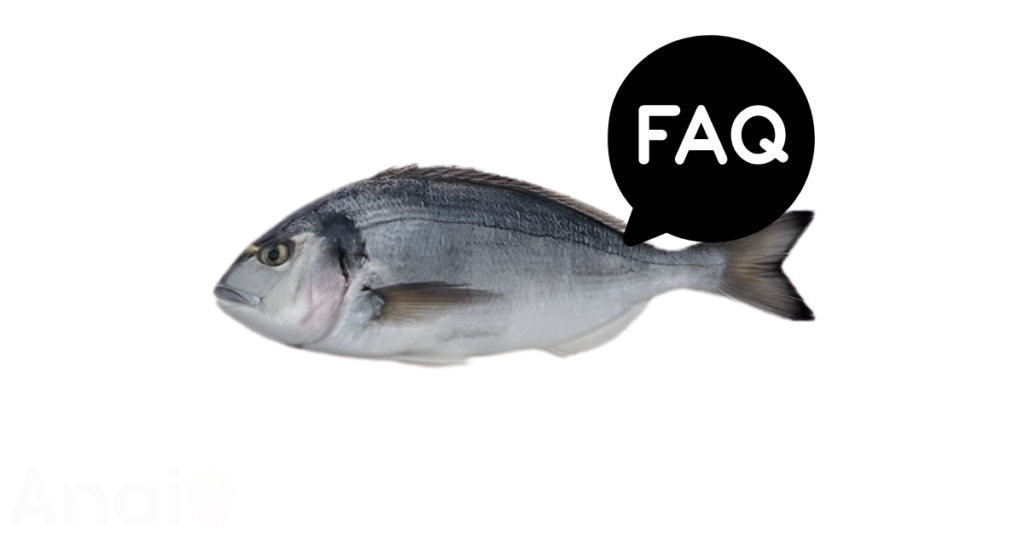
This section provides analytical answers to common questions regarding sea bream’s nutritional profile and safety. It covers essential topics like storage duration and dietary suitability with data-driven precision. These concise, science-backed responses ensure you maximize the health rewards of this Mediterranean superfood.
What is sea bream good for?
Sea bream is an exceptional choice for muscle repair and metabolic regulation due to its high nutrient density. A single 150g serving provides 26g of high-quality protein, which accounts for approximately 35% of the recommended daily intake. It is specifically rich in Iodine and Selenium, which are vital for maintaining healthy thyroid function and a robust immune system.
Is sea bream healthy?
This Mediterranean staple is widely considered one of the healthiest white fish options available in 2026. It is remarkably low in energy density, containing only 77 to 96 calories per 100g serving. The fish acts as a potent source of Vitamin B12 and Vitamin D, providing essential micronutrients that support the nervous system and bone mineralization.
Is sea bream fattening?
Sea bream is the opposite of fattening, as it is a lean fish with a very low lipid profile. Total fat content ranges from 1g to 5.7g per 100g, depending on whether the specimen is wild-caught or responsibly farmed. Over 60% of these fats are heart-healthy MUFAs and PUFAs, which help lower “bad” LDL cholesterol rather than contributing to body fat storage.
Who should avoid sea bream?
Individuals with a diagnosed fish allergy must strictly avoid sea bream to prevent severe reactions like anaphylaxis or hives. People sourcing fish from unmonitored waters should be cautious of potential heavy metal accumulation, such as mercury, lead, or cadmium. Additionally, pregnant women should stick to a limit of two servings per week to keep mercury exposure at a safe, low level.
Can I eat sea bream daily?
While sea bream is highly nutritious, most nutritionists recommend a varied diet rather than daily consumption of a single fish species. Frequent eating could theoretically lead to a buildup of environmental toxins like microplastics found in certain coastal habitats. Adhering to the EFSA guideline of two servings per week provides maximum cardiovascular benefits while keeping cumulative mercury levels well within safe boundaries.
Can dogs eat sea bream?
Dogs can safely enjoy sea bream provided it is served thoroughly cooked, deboned, and completely unseasoned. The high Omega-3 fatty acid content supports a healthy coat and may reduce joint inflammation in aging pets. You must be diligent in removing all small bones, as they pose a significant choking hazard or risk of gastrointestinal puncture.
Can cats eat sea bream?
Cats can eat sea bream as long as it is thoroughly cooked and every bone is removed. The fish provides a dense source of high-quality protein and Omega-3 fatty acids for skin and coat health. You must avoid raw preparations because they contain enzymes that destroy thiamine (Vitamin B1), an essential nutrient for feline neurological function.
How long does sea bream last in the fridge?
At a standard refrigerator temperature of 7°C (45°F), fresh sea bream only remains safe for 1 day. If your appliance features a specialized storage zone maintained at -2°C (28°F), the shelf life extends significantly to 4 days. Always aim to consume the fish as close to the purchase date as possible to ensure optimal nutrient retention and flavor.
Can you freeze sea bream?
Freezing is an effective way to preserve sea bream for up to 3 months without a significant loss of quality. To prevent freezer burn and fat oxidation, the fish must be stored at a constant temperature of -18°C (0°F). Ensure the fish is scaled, gutted, and vacuum-sealed or tightly wrapped to maintain its characteristic dense and juicy white flesh.
How to tell if sea bream is bad?
Spoiled sea bream will emit a strong, sour, or ammonia-like odor that differs from a fresh ocean scent. You should check for cloudy or sunken eyes and gills that have turned yellowish or brown rather than bright red. The flesh will also lose its elasticity and develop a slimy or mushy texture that does not spring back when touched.
How long is sea bream good for?
The window of peak quality depends entirely on your storage method and temperature control. It generally remains good for 2 to 3 days when kept on a bed of ice within a home refrigerator. When stored in a freezer at 0°F or lower, the fish maintains its nutritional profile and safety for 90 days.
How to keep sea bream fresh?
The most effective strategy for freshness is to maintain a storage temperature of 32°F (0°C). You should place dry fillets in a single layer inside a zip-top bag and nestle them between ice packs to lower the temperature. Keeping the fish away from moisture and melting ice is critical because bacteria thrive in damp environments.