Is Ricotta Cheese Good for You?
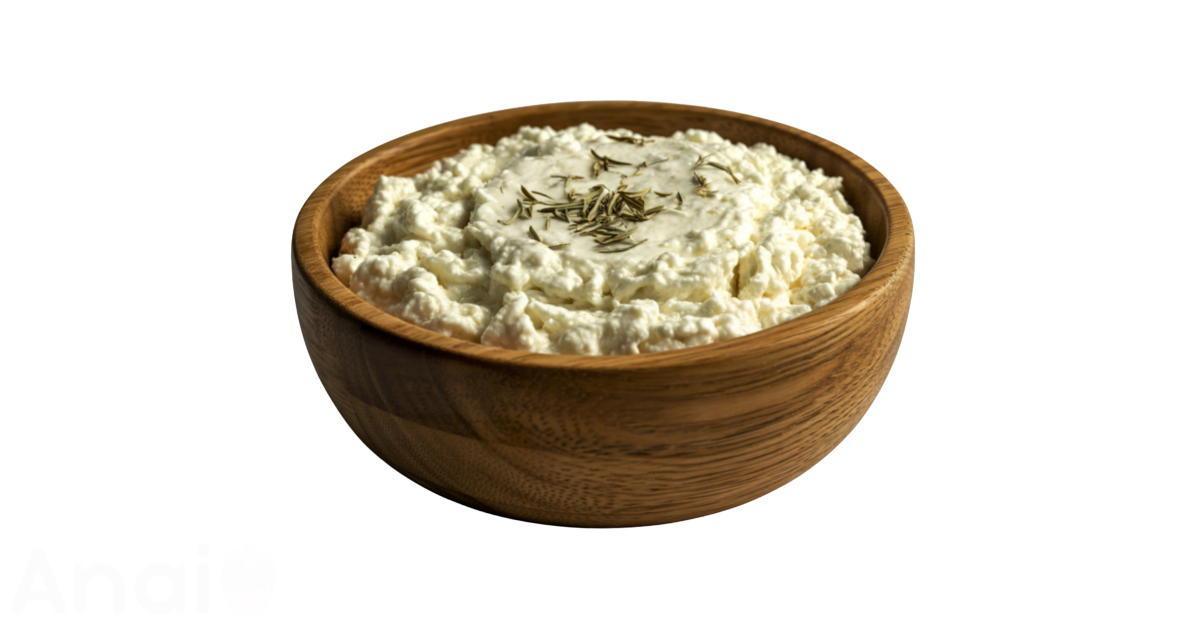
Ricotta cheese is an exceptional addition to a health-conscious diet. It is technically a dairy byproduct made from whey, making it distinct from most traditional cheeses. This unique production process results in a food dense in high-quality whey protein. It contains all nine essential amino acids, qualifying it as a complete protein source (Link, 2020).
Science suggests that the nutrients in ricotta support various bodily functions. It provides a significant amount of calcium, which is vital for skeletal integrity. Most varieties are also surprisingly low in sodium compared to hard cheeses like feta or parmesan. It possesses a low glycemic index of 27, ensuring it does not cause rapid spikes in blood glucose levels (MacPherson, 2024).
This ricotta cheese nutrition article provides an exhaustive look into ricotta’s nutritional profile based on the latest data available as of March 2026. We will expand on several key topics to give you a full picture of this dairy superstar. You will learn about the 13 evidence-based health benefits of ricotta cheese, detailed nutrition facts, and potential risks or side effects. We also cover effective ricotta cheese substitutes and how they fit into popular diets. You will find practical storage tips and 9 functional ricotta cheese home remedies. Finally, we analyze ricotta’s role in weight management and specific health conditions.
13 Evidence-based Health Benefits of Ricotta Cheese
Ricotta is far more than just a lasagna filler; it is a functional powerhouse. Every benefit listed below is fact-checked and supported by peer-reviewed scientific publications. These findings highlight why this creamy dairy product deserves a permanent spot in your refrigerator.
1. Significant Enhancement of Bone Density
Ricotta cheese is a premier source of calcium. A single half-cup serving provides approximately 289 milligrams of calcium, which is nearly 29% of the daily value for most adults. Calcium is the primary building block for bone tissue.
Consuming adequate dairy helps prevent the onset of osteoporosis as you age. Research shows that women who avoid dairy often only meet 44% of their recommended calcium intake (MacPherson, 2024). Ricotta helps bridge this gap effectively.
2. High Bioavailable Protein for Cellular Repair
The protein in ricotta is highly bioavailable, meaning your body absorbs and uses it efficiently. A half-cup serving delivers between 10 and 14 grams of protein depending on the milk source (Wolf, 2025). This protein is essential for the growth and repair of every cell in your body.
It supports immune function by providing the building blocks for antibodies. Because it contains all essential amino acids, it is a superior choice for vegetarians who consume dairy.
3. Accelerated Muscle Recovery
Ricotta is rich in branched-chain amino acids (BCAAs), specifically leucine. Leucine is known for its unique ability to trigger muscle protein synthesis (Signorelli, 2025). This makes ricotta an ideal post-workout snack.
Athletes use whey-based proteins like ricotta to rebuild muscle fibers after intense exercise. This specific amino acid profile helps reduce muscle soreness and improve recovery times.
4. Effective Weight Management Support
Increasing your protein intake can lead to significant reductions in overall calorie consumption. Research indicates that raising dietary protein by just 15% can lead to a decrease in body fat mass (Link, 2020). Ricotta is highly satiating, helping you feel full for longer periods.
Protein also reduces levels of ghrelin, the hormone responsible for stimulating hunger. Using ricotta as a snack can prevent overeating during later meals.
5. Blood Pressure Regulation
Studies suggest that whey protein may help manage hypertension. Supplementing with whey protein has been shown to decrease both systolic and diastolic blood pressure in adults with mild hypertension (Signorelli, 2025). Ricotta is one of the best whole-food sources of these specific whey proteins.
Furthermore, the phosphorus in ricotta plays a secondary role in blood pressure regulation. Maintaining a balance of minerals is key for cardiovascular health.
6. Reduction in Colorectal Cancer Risk
There is a consistent correlation between dairy intake and a lower risk of colon cancer. This protective effect is largely attributed to the high calcium content in foods like ricotta. Calcium binds to bile acids in the gut, reducing their ability to damage the intestinal lining.
Meta-analyses show that dairy consumers have a significantly lower incidence of colorectal issues compared to those who abstain (MacPherson, 2024).
7. Superior Vitamin B12 Source
Ricotta provides a massive boost to your metabolic health through Vitamin B12. A half-cup serving can provide 44% of the daily requirement for this vital nutrient (Wolf, 2025). B12 is essential for red blood cell formation and central nervous system health.
Dairy sources of B12 are often more bioavailable than supplements. This makes ricotta a crucial food for maintaining brain function and preventing certain types of anemia.
8. Stable Blood Sugar Maintenance
With a glycemic index of only 27, ricotta is considered a low-GI food (MacPherson, 2024). It provides energy without the “crash” associated with high-carb foods. This is particularly beneficial for individuals managing type 2 diabetes.
The combination of fat and protein slows the absorption of the small amount of lactose present. This results in a very stable glucose response.
9. Skeletal Integrity through Phosphorus
Phosphorus works alongside calcium to build strong bones and teeth. Ricotta provides about 20% of the daily value of phosphorus per half-cup (Link, 2020). A deficiency in this mineral can lead to bone loss and general weakness.
Phosphorus is also involved in how the body stores and uses energy. It is a fundamental component of the ATP molecule.
10. Potential Reduction in Chronic Inflammation
Dairy products like ricotta may have a beneficial effect on biomarkers of inflammation. Chronic inflammation is a known contributor to metabolic disorders and heart disease (MacPherson, 2024).
Certain bioactive peptides found in whey can inhibit inflammatory pathways in the body. Regular, moderate consumption of ricotta may help lower systemic inflammation scores.
11. Support for Vision and Immune Health
Ricotta is a good source of Vitamin A, providing about 11% of the daily value per serving (Link, 2020). Vitamin A is essential for maintaining the health of your retinas and supporting low-light vision.
It also plays a role in maintaining the integrity of your skin and mucosal linings. These act as your body’s first line of defense against pathogens.
12. Antioxidant Support via Selenium
Each serving of ricotta contains approximately 18 micrograms of selenium, fulfilling 26% of your daily needs (Link, 2020). Selenium is a powerful antioxidant that protects cells from oxidative stress.
It is also critical for proper thyroid function. Ensuring adequate selenium intake supports a healthy metabolism and hormonal balance.
13. Heart-Healthy Sodium Profile
Unlike many processed cheeses, ricotta is naturally low in sodium. A standard serving contains only about 68 to 135 milligrams of sodium, which is roughly 3% to 6% of the daily limit (Wolf, 2025; MacPherson, 2024).
Excessive sodium is a major contributor to cardiovascular disease. Choosing ricotta over saltier cheeses like feta helps you enjoy dairy while keeping your heart health in check.
Ricotta Cheese Nutrition Facts

The many health benefits of ricotta cheese are best understood through its impressive nutrition facts, which are analyzed in detail below.
Ricotta Cheese nutrition table
The following data represents whole milk ricotta cheese. Note that nutrient density can vary slightly between part-skim and fat-free varieties.
| Nutrient | Per Serving (129g) | DRI % (Serving) | Per 100 grams | DRI % (100 g) |
|---|---|---|---|---|
| Calories | 204 | 10% | 158 | 8% |
| Protein | 10.1g | 20% | 7.8g | 16% |
| Carbs | 8.9g | 3% | 6.9g | 2% |
| Total Fat | 14.2g | 18% | 11g | 14% |
| Cholesterol | 60mg | 20% | 46.5mg | 15% |
How many calories are in ricotta cheese?
A standard half-cup serving of whole milk ricotta contains 204 calories, accounting for roughly 10% of a standard 2,000-calorie daily intake. When measured by weight, 100 grams of ricotta provides approximately 158 calories. To burn off the 204 calories found in one serving, an average adult would need to engage in approximately 18 minutes of vigorous cycling or 25 minutes of moderate swimming. Choosing part-skim versions can reduce this caloric load to around 171 calories per half-cup.
How much protein is in ricotta cheese?
Ricotta is a dense source of high-quality whey protein. You receive 10.1 grams of protein per half-cup serving, which covers 20% of the daily recommended intake for an average adult. On a per-weight basis, ricotta contains 7.8 grams of protein per 100 grams. This protein includes all essential amino acids, making it a complete protein source for muscle tissue repair and immune support.
How many carbs are in ricotta cheese?
The carbohydrate content in ricotta is relatively low compared to other dairy products. A half-cup serving contains 8.9 grams of carbohydrates, while 100 grams of the cheese contains 6.9 grams. These carbs primarily come from lactose, the natural sugar found in milk. Despite the presence of these sugars, ricotta remains a low-glycemic food with a GI score of 27, preventing rapid insulin spikes.
How much fat is in ricotta cheese?
Fat accounts for roughly 61% of the total calories in whole milk ricotta. A serving contains 14.2 grams of total fat, while 100 grams contains 11 grams. The majority of this fat is saturated, but it also provides beneficial unsaturated fats.
| Fat Category | Per Serving (129g) | Per 100 grams |
|---|---|---|
| Total Fats | 14.2g | 11g |
| Saturated Fats | 8g | 6.2g |
| Monounsaturated Fats (MUFAs) | 3.8g | 2.9g |
| Polyunsaturated Fats (PUFAs) | 0.5g | 0.4g |
Is ricotta cheese high in cholesterol?
Ricotta contains moderate levels of cholesterol that should be monitored by those with specific heart health concerns. A single serving provides 60 milligrams of cholesterol, which is 20% of the suggested daily limit of 300mg. Per 100 grams, the cholesterol content sits at 46.5 milligrams. While dietary cholesterol has a smaller impact on blood levels than saturated fat for most people, those with hypercholesterolemia should opt for fat-free ricotta, which contains only 5mg of cholesterol per quarter cup.
Minerals in ricotta cheese
Ricotta is a mineral powerhouse, specifically regarding skeletal health and metabolic function.
| Mineral | Quantity (Serving) | Health Benefits |
|---|---|---|
| Calcium | 289mg | Crucial for bone density and preventing osteoporosis. |
| Phosphorus | 196mg | Works with calcium to maintain skeletal integrity. |
| Selenium | 18mcg | Acts as a powerful antioxidant for cellular protection. |
| Magnesium | 24.8mg | Supports over 300 biochemical reactions, including nerve function. |
These minerals work synergistically to support the body. The high calcium and phosphorus levels ensure that ricotta is one of the most effective foods for maintaining a strong skeletal system. Additionally, the selenium content provides over 26% of the daily value, aiding thyroid health and reducing oxidative stress.
Vitamins in ricotta cheese
The vitamin profile of ricotta is dominated by B-complex vitamins and fat-soluble vitamins like Vitamin A.
| Vitamin | Quantity (Serving) | Health Benefits |
|---|---|---|
| Vitamin B12 | 1.1mcg | Essential for red blood cell formation and brain health. |
| Vitamin A | 148.8mcg | Supports vision and immune system maintenance. |
| Riboflavin (B2) | 0.2mg | Helps convert food into energy and supports metabolism. |
Ricotta stands out as an excellent source of Vitamin B12, providing 44% of the daily requirement in one serving. This makes it a vital food for vegetarians who may otherwise struggle to find bioavailable B12. The Vitamin A content further enhances the cheese’s status as a functional food for eye health.
Ricotta Cheese Risks and Side Effects
Lactose intolerance represents the most frequent risk associated with ricotta cheese. Because ricotta is a fresh cheese, it contains higher levels of lactose than aged varieties like parmesan or cheddar. Individuals with low lactase enzymes may experience bloating, gas, and abdominal pain within hours of consumption. Managing this risk involves using lactase enzyme supplements or choosing specially formulated lactose-free ricotta brands.
Milk allergies are a distinct and more severe risk. Unlike intolerance, an allergy involves an immune response to milk proteins like whey and casein. Symptoms can range from hives and wheezing to life-threatening anaphylaxis. There is no way to manage a true milk allergy other than total avoidance. If you experience swelling of the lips or throat, you must seek immediate medical attention.
The high saturated fat content in whole milk ricotta poses a long-term risk for cardiovascular health. Consuming 8 grams of saturated fat in one sitting can contribute to elevated LDL cholesterol in sensitive individuals. To mitigate this risk, health organizations recommend limiting saturated fat to under 20 grams per day on a 2,000-calorie diet. Balancing ricotta intake with high-fiber vegetables can help offset some of these metabolic effects.
Debunking myths about ricotta cheese
Myth: Ricotta cheese is always extremely high in sodium.
Fact: Ricotta is actually one of the lowest-sodium cheeses available, containing only around 68mg to 135mg per serving. This is significantly lower than feta or blue cheese, which can contain over 300mg in smaller portions.
Myth: People with any level of lactose sensitivity must avoid ricotta.
Fact: Many people with mild lactose intolerance can tolerate small amounts of ricotta because its whey-based proteins are often easier to digest than the casein-heavy curds of other cheeses.
Myth: Ricotta is an “unhealthy” cheese because it is used in pasta.
Fact: Ricotta is nutritionally superior to most cheeses due to its high whey protein content and low calorie-to-protein ratio. Its reputation suffers only because it is frequently paired with refined carbohydrates in traditional Italian dishes.
Ricotta Cheese Substitutes

If you run out of ricotta or have dietary restrictions, several alternatives provide similar textures and nutritional benefits.
| Substitute | Protein (per 100g) | Fat (per 100g) | Calories (per 100g) |
|---|---|---|---|
| Cottage Cheese | 11g | 4.3g | 98 |
| Tofu (Firm) | 8g | 4.8g | 83 |
| Cream Cheese | 6g | 34g | 342 |
| Goat Cheese | 18g | 21g | 264 |
Small-curd Cottage Cheese is the most effective functional substitute for ricotta in savory dishes. To match the texture of ricotta, you should pulse the cottage cheese in a blender to remove the lumps. The main benefit is a higher protein-to-calorie ratio and significantly lower fat. However, it is generally runnier than ricotta, which may affect the structure of baked lasagnas.
For a plant-based alternative, crumbled Tofu works exceptionally well as a vegan replacement. You should mix it with nutritional yeast and lemon juice to mimic the savory, tangy profile of dairy. The primary benefit is the absence of cholesterol and lactose, making it safe for those with dairy allergies. The drawback is a lack of natural creaminess, which requires adding oil or water to achieve the right consistency.
If you are making a rich dessert, Cream Cheese can be used as a replacement, though it is much denser. You can lighten the texture by whisking it with a small amount of heavy cream or milk. It offers a much smoother mouthfeel but comes with a massive increase in fat and calories. It is not recommended for those looking to lose weight or manage cholesterol levels.
Fresh Goat Cheese provides a tangy alternative that works well in spreads and salads. It is naturally easier to digest for some people who have sensitivities to cow’s milk proteins. It has a much stronger, “earthy” flavor that can easily overpower a dish. While it bakes well, it does not provide the same neutral sweetness that defines high-quality ricotta.
Popular Ricotta Cheese Diets
How to add ricotta cheese safely into your diet? Choosing the right diet is important to ensure that you are meeting your nutritional needs while also enjoying the foods you eat. Here are a few of the available ricotta cheese-friendly diet options:
- Mediterranean Diet
- Lacto-Vegetarian Diet
- Ketogenic (Keto) Diet
- DASH (Dietary Approaches to Stop Hypertension) Diet
- High-Protein Muscle Building Diet
| Diet | Key Focus | Benefits | Drawbacks |
|---|---|---|---|
| Mediterranean | Healthy fats and whole dairy | Balanced mineral intake and heart health | Requires careful portion control |
| Vegetarian | Plant-based with dairy support | Excellent source of B12 and protein | Reliance on dairy can lead to excess fat |
| Ketogenic | High-fat, very low-carb | Maintains ketosis and provides satiety | Low-fat versions may contain hidden fillers |
| DASH | Low-sodium and high-mineral | Effectively lowers blood pressure | Whole milk saturated fats must be monitored |
The Mediterranean Diet utilizes ricotta as a primary source of healthy fats and minerals. It pairs the cheese with fibrous vegetables and whole grains. This diet is highly sustainable for long-term health. It helps reduce chronic inflammation. You benefit from high levels of calcium and phosphorus without the processed additives found in hard cheeses.
A Lacto-Vegetarian Diet relies heavily on ricotta for high-quality animal protein. It provides the all nine essential amino acids that plant sources often lack. It is a vital source of Vitamin B12. Many vegetarians struggle with B12 deficiency. Ricotta offers a bioavailable form of B12 that supports nerve function and red blood cell production.
The Ketogenic Diet is highly compatible with whole-milk ricotta. Ricotta contains roughly 4 grams of carbohydrates per 100 grams, making it low enough for ketosis. Its high fat content provides long-lasting energy. However, you must avoid “light” or “fat-free” versions. These often replace fat with stabilizers or sugars that can spike insulin.
The DASH Diet specifically highlights ricotta for its mineral profile. Ricotta is naturally low in sodium, with some brands offering as little as 68mg per serving. This helps manage hypertension. The high potassium and magnesium levels support cardiovascular relaxation. It is an ideal cheese for those monitoring their salt intake.
How to Cook Ricotta Cheese?
Raw ricotta cheese is the most effective way to preserve its delicate nutritional profile. Fresh ricotta contains heat-sensitive vitamins like B12 and B2. Eating it raw ensures 100% nutrient retention. The flavor is naturally sweet and milky. It provides a creamy texture that is lost when the curds are tightened by heat.
Baked ricotta cheese is a classic method used in casseroles and cheesecakes. High-heat baking causes the protein structure to firm up. This creates a satisfying, cake-like consistency. Some Vitamin B12 is lost during prolonged oven exposure. However, the calcium and protein remain largely intact. Always use a water bath for cheesecakes to prevent the cheese from becoming grainy.
Instant Pot ricotta cheese is an increasingly popular way to create fresh cheese from scratch. The multicooker’s “Yogurt” setting provides the precise, low heat required for coagulation. This method minimizes the risk of scorching the milk. It results in a softer, creamier curd compared to stovetop boiling. Because the temperatures are controlled, nutrient degradation is minimized.
Grilled ricotta cheese or charred ricotta toast offers a unique smoky flavor. You can grill halved fruit like peaches and place them on top of the cheese. This method uses intense, direct heat for a short duration. It creates Maillard reaction browning on the surface without drying out the interior. Most of the fats stay trapped within the cheese curds.
Broiled ricotta cheese is perfect for creating a quick, blistered crust on appetizers. You can broil it on sourdough bread for only two to three minutes. This rapid cooking method limits deep nutrient loss. It quickly melts the fats on the surface for a richer mouthfeel. Monitoring is essential to prevent the cheese from burning and producing bitter compounds.
Easy Ricotta Cheese Recipes

The following ricotta cheese recipes can help increase your intake of this nutrient-dense dairy without compromising on taste.
Breakfast ideas with ricotta cheese
Super-Fluffy Lemon Ricotta Pancakes use the cheese to create a cloud-like texture that is much lighter than traditional flapjacks. The ricotta adds a substantial protein boost to your morning. Ricotta Toast topped with honey and sliced figs provides a balanced mix of healthy fats and natural sugars.
Scrambled Eggs with Ricotta involves folding in a dollop of cheese just before the eggs finish cooking. This creates a custard-like consistency that elevates a basic breakfast.
Cannoli-Inspired Overnight Oats mix oats with ricotta and mini chocolate chips for a dessert-like meal that stays fresh in the fridge.
Lunch ideas with ricotta cheese
Watermelon and Avocado Salad with ricotta dollops provides a refreshing, low-calorie lunch option. The creamy cheese balances the high water content of the fruit.
Zucchini Roll-Ups feature thin slices of squash wrapped around a seasoned ricotta and herb filling. This is an excellent low-carb alternative to pasta.
Ricotta and Spinach Grilled Cheese replaces heavy cheddar with a lighter, protein-rich spread. Spiced Cauliflower Pitas use whipped ricotta as a cooling base for roasted vegetables and shawarma seasoning.
Dinner ideas with ricotta cheese
Ricotta Meatballs utilize the cheese as a binder instead of heavy breadcrumbs. This results in meatballs that are incredibly moist and tender.
Stuffed Shells with Kale Pesto offer a nutrient-dense vegetarian dinner. The kale provides Vitamin K while the ricotta ensures you meet your protein goals.
White Pizza with Ricotta and Garlic eliminates the need for sugary tomato sauce.
Ricotta Gnocchi is significantly faster to prepare than potato-based versions. It melts in your mouth and requires less flour for binding.
Simple tips to add ricotta cheese to your diet
For busy people who don’t have the time to implement any of the previous meal ideas, there are simple tips to add Ricotta Cheese to their diet:
- Stir a spoonful of ricotta into any red pasta sauce to neutralize acidity and add creaminess.
- Use ricotta as a high-protein spread on crackers or rice cakes for a quick afternoon snack.
- Replace mayonnaise in chicken or tuna salad with ricotta to lower the total fat content.
- Dollop ricotta onto a bowl of hot chili to balance the spice and add essential minerals.
- Mix ricotta with a small amount of maple syrup and cinnamon for a healthy five-minute dip for apple slices.
- Add a scoop of ricotta to your morning smoothie for a creamy, whey-based protein boost.
- Substitute ricotta for sour cream on baked potatoes to increase your calcium intake.
- Whisk ricotta into your mashed potatoes for a lighter, fluffier texture with extra protein.
Ricotta Cheese Storage Tips
Knowing how to cook ricotta cheese is only a part of the equation, as implementing proper ricotta cheese storage tips is essential to make those healthy meals last longer.
Shelf life of ricotta cheese
- At room temperature: Discard ricotta if it has been left out for more than 2 hours. If the ambient temperature is above 90°F, it spoils in under 1 hour.
- In the refrigerator: Unopened containers last about 2 weeks. Once opened, the cheese is best consumed within 5 to 7 days.
- In the freezer: Ricotta can be stored for 2 to 3 months. Note that the texture becomes grainy and is best for cooked applications after thawing.
How to store ricotta cheese?
Ricotta cheese is highly perishable due to its high moisture content. You should prioritize keeping it in the coldest part of your refrigerator, away from the door. Exposure to air is the primary catalyst for mold growth. Always use perfectly clean utensils when scooping from the container to prevent bacterial cross-contamination.
If the original plastic lid does not provide a tight seal, transfer the remaining cheese to an airtight glass container. This prevents the cheese from absorbing odors like onion or garlic from other fridge items. Airtight storage can extend the peak flavor of the cheese by preventing the surface from drying out. If the cheese begins to separate, simply stir the liquid (whey) back in before use.
How to refrigerate ricotta cheese?
Maintaining a consistent temperature is the key to preventing premature spoilage of fresh dairy.
- Check that your refrigerator is set between 34°F and 40°F.
- Place the container on a middle or lower shelf toward the back.
- Ensure the lid is pressed down firmly to create a vacuum-like seal.
- Label the container with the date it was first opened.
- Keep the ricotta away from pungent foods to preserve its mild, sweet flavor.
How to freeze ricotta cheese?
Freezing changes the physical structure of the cheese curds, but it is an excellent way to prevent food waste.
- Drain any standing liquid or whey from the container first.
- Stir the ricotta thoroughly to remove large lumps before packing.
- Transfer the cheese into a heavy-duty, freezer-safe airtight bag or container.
- Press down with a paper towel to remove surface moisture before sealing.
- Squeeze out all excess air to prevent freezer burn and ice crystal formation.
- Thaw in the refrigerator for 6 hours before incorporating into cooked recipes.
Signs of Spoilage in ricotta cheese
Always perform a sensory check before consuming any dairy product that has been open for several days.
- Off Odor: A sour, fermented, or pungent “yeasty” smell.
- Color Changes: Any yellowing, browning, or dark spots.
- Visible Mold: Blue, green, or black fuzzy patches on the cheese or lid.
- Texture Changes: A slimy surface or an excessively bubbly appearance.
9 Functional Ricotta Cheese Home Remedies
Are there any less-known tips to unlock the nutritious profile of ricotta cheese? The following ricotta cheese remedies can have a positive effect on overall well-being.
- Post-Workout Muscle Recovery Paste. Mix 100 grams of ricotta with a teaspoon of honey and a pinch of salt to capitalize on its high leucine content. Leucine is the primary amino acid responsible for triggering muscle protein synthesis (Signorelli, 2025). Consume this immediately after exercise and store any leftovers in the fridge for up to 24 hours.
- Anti-Inflammatory Turmeric Ricotta. Blend half a cup of ricotta with half a teaspoon of ground turmeric and a crack of black pepper. The healthy fats in ricotta increase the bioavailability of curcumin, the active compound in turmeric. Eat this as a savory spread to help manage systemic inflammation.
- Soothing Calcium Skin Mask. Combine two tablespoons of ricotta with one tablespoon of aloe vera gel for a cooling topical treatment. The lactic acid and fatty acids in the cheese help gently exfoliate and moisturize dry skin. Apply to the face for 10 minutes, then rinse, and never store a DIY mask for more than one day.
- Digestive Health Probiotic Boost. Stir a teaspoon of live-culture Greek yogurt into your ricotta to introduce active bacteria. This turns the cheese into a synbiotic snack when paired with fiber-rich berries. This mixture supports gut flora and should be eaten fresh for maximum bacterial potency.
- Bone-Strength Nighttime Snack. Eat three tablespoons of ricotta mixed with crushed almonds before bed. The 289mg of calcium found in a half-cup serving is best absorbed during rest (MacPherson, 2024). This provides a steady release of amino acids to prevent muscle breakdown overnight.
- Blood Pressure Regulation Dip. Whisk ricotta with fresh parsley and minced garlic to create a low-sodium dip. Studies show that whey protein can reduce systolic blood pressure by improving vascular function (Link, 2020). Store in an airtight container for up to three days.
- Metabolic Energy Booster. Combine ricotta with a tablespoon of nutritional yeast for a concentrated dose of B-vitamins. Ricotta provides 44% of the daily Vitamin B12 requirement, which is essential for energy metabolism (MacPherson, 2024). This remedy is particularly effective for those following a lacto-vegetarian diet.
- Natural Satiety Spread. Spread whole-milk ricotta on high-fiber rye crackers to manage midday hunger. The combination of casein and whey protein slows down digestion, keeping you full for hours. This helps stabilize blood sugar and prevents insulin spikes.
- Immune Support Breakfast. Mix ricotta with pumpkin seeds and sliced strawberries for a snack high in zinc and Vitamin A. Vitamin A, found at 11% of the DV in ricotta, maintains the integrity of mucosal linings (Link, 2020). Keep the ingredients separate until serving to maintain the best texture.
Ricotta Cheese and Weight Management

There are multiple health benefits, and home remedies using ricotta cheese, but what is their role in weight management? This section will analyze ricotta cheese potential impact on weight loss, low-calorie diets, satiety, and metabolism.
Can ricotta cheese help with weight loss?
Scientific evidence suggests that increasing dairy protein intake is a powerful tool for fat loss. A study published in the American Journal of Clinical Nutrition found that increasing dietary protein by 15% led to a significant reduction in total calorie consumption and body fat mass (Link, 2020). Ricotta is an ideal protein source because it is a “complete” protein containing all essential amino acids. High-protein dairy intake specifically helps preserve lean body mass while the body is in a caloric deficit (MacPherson, 2024). This ensures that the weight lost comes from fat stores rather than muscle tissue.
Ricotta Cheese in low-calorie diets
Ricotta is surprisingly calorie-efficient compared to hard cheeses like cheddar or provolone. Part-skim ricotta contains only 50 calories per quarter-cup serving, whereas the same amount of cheddar can exceed 110 calories. This allows dieters to enjoy a creamy, indulgent texture while saving over 50% of the calories. According to the USDA, ricotta’s low glycemic index of 27 makes it a “safe” food for maintaining stable blood sugar levels (MacPherson, 2024). It provides a high volume of food for relatively few calories, making it a staple for volume-eating strategies.
Ricotta Cheese and satiety
Satiety is the primary factor in long-term diet adherence, and ricotta excels at suppressing hunger. Research indicates that the high protein content in dairy products decreases levels of ghrelin, the hormone that signals hunger to the brain (Link, 2020). Additionally, the specific ratio of whey and casein proteins provides both immediate and long-term fullness. Whey protein is absorbed quickly, while casein provides a slow-release “trickle” of amino acids into the bloodstream. This dual action prevents the mid-afternoon energy crashes that often lead to sugar cravings.
Ricotta Cheese and metabolism
The metabolic benefits of ricotta are largely tied to its dense concentration of Vitamin B12 and calcium. A single serving provides 44% of the daily Vitamin B12 required for healthy red blood cell formation and metabolic regulation (MacPherson, 2024). Furthermore, higher calcium intake has been linked to increased thermogenesis and fat oxidation. Dairy-rich diets have been shown to help individuals lose more weight on a calorie-restricted plan than those who avoid dairy (MacPherson, 2024). The presence of BCAAs like leucine further supports a healthy metabolic rate by aiding in the maintenance of metabolically active muscle tissue.
Ricotta Cheese for Health Conditions
While weight management is important, does ricotta cheese have an effect on more serious health conditions? Here’s what the scientific literature has to say:
Ricotta Cheese and diabetes
Ricotta cheese is particularly beneficial for blood sugar regulation due to its glycemic index of 27. This qualifies it as a low-GI food. Consuming low-GI dairy helps prevent rapid insulin spikes after meals. Furthermore, research indicates that specific amino acids in dairy products can improve glucose balance in individuals with type 2 diabetes (MacPherson, 2024). The combination of fat and protein in ricotta slows the absorption of dietary sugars. This makes it a smart choice for maintaining steady energy levels throughout the day.
Ricotta Cheese and heart health
Whey protein, the primary component of ricotta, plays a significant role in cardiovascular maintenance. A study published in Food Science & Nutrition demonstrated that whey protein supplementation significantly decreased systolic blood pressure in adults with mild hypertension (Link, 2020). Ricotta is also a low-sodium option. It contains approximately 68mg to 135mg of sodium per serving, which is only 3% to 6% of the recommended daily limit (Wolf, 2025). While it contains saturated fats, moderate consumption within a balanced diet is associated with improved heart health markers.
Ricotta Cheese and digestive issues
Ricotta is often cited as being more easily digestible than aged, hard cheeses (Signorelli, 2025). This is due to its high moisture content and soft curd structure. However, it is not suitable for everyone. Since it is a fresh cheese, it contains higher levels of lactose than aged cheddar or parmesan. For the 65% of the global population with some degree of lactose intolerance, ricotta may cause bloating or gas (Link, 2020). Those with mild sensitivities may still tolerate small portions because the proteins are highly bioavailable.
Ricotta Cheese and inflammation
Evidence suggests that dairy products like ricotta may actually lower systemic inflammation. A 2017 meta-analysis of 52 clinical trials found that dairy generally possesses anti-inflammatory properties, specifically affecting biomarkers like C-reactive protein (MacPherson, 2024). Reducing chronic inflammation is key to preventing metabolic disorders. Ricotta’s high selenium content (26% DV) also acts as an antioxidant to protect cells from oxidative stress (Link, 2020).
Ricotta Cheese and cancer prevention
The high calcium content in ricotta is a primary factor in colon health. Research indicates that dairy intake is consistently correlated with a reduced risk of colorectal and colon cancers (MacPherson, 2024). Calcium is believed to bind to secondary bile acids in the gut, preventing them from damaging the intestinal lining. Additionally, the 18 micrograms of selenium in a serving helps maintain DNA integrity and supports the body’s natural defense against cellular mutations (Link, 2020).
The current body of scientific evidence suggests that ricotta cheese is a functional food that supports glucose stability, cardiovascular health, and cancer prevention.
| Health Category | Benefits | Type of Study | Quality of Evidence | Sources |
|---|---|---|---|---|
| Diabetes | Glucose balance & Low GI | Clinical Research | High | MacPherson (2024) |
| Heart Health | Blood pressure reduction | Clinical Trial | Moderate-High | Link (2020); Wolf (2025) |
| Digestion | High bioavailability | Observational | Moderate | Signorelli (2025) |
| Inflammation | Biomarker improvement | Meta-analysis | High | MacPherson (2024) |
| Cancer | Colorectal protection | Meta-analysis | High | MacPherson (2024); Link (2020) |
Closing Thoughts on Ricotta Cheese Nutrition
This article explored the versatile world of ricotta, covering everything from the 13 evidence-based health benefits and detailed nutrition facts to risks and side effects. We discussed effective substitutes, how it fits into popular diets, and shared storage tips. We also looked at 9 functional home remedies, its role in weight management, and how it supports those with specific health conditions.
- Ricotta provides 44% of your daily Vitamin B12 in just one half-cup serving.
- It features a low glycemic index of 27, making it excellent for blood sugar control.
- A serving contains 289mg of calcium, which is nearly 29% of your daily requirement.
- It is naturally low in sodium compared to most other cheese varieties.
- Ricotta is a complete protein, containing all nine essential amino acids for muscle repair.
- The leucine in ricotta acts as a “muscle-building superstar” for post-workout recovery.
This guide was last updated in March 2026 to ensure you have the most current nutritional data.
Follow Anai.ai to stay informed about the latest nutrition and well-being news, tips, and articles!
Ricotta Cheese Nutrition FAQs
Our Ricotta Cheese Nutrition FAQs provide data-driven answers to common queries about weight management, muscle recovery, and daily consumption. We analyze everything from low-glycemic impacts to optimal storage windows to help you maximize its nutritional potential.
What is ricotta cheese good for?
Ricotta cheese is an exceptional tool for muscle protein synthesis because it is rich in leucine and high-quality whey protein. It is frequently used to create light, airy textures in recipes like super-fluffy lemon ricotta pancakes or as a creamy, high-protein binder in lasagna. With 289mg of calcium per half-cup serving, it is also one of the best whole foods for maintaining long-term bone density and skeletal health.
Is ricotta cheese healthy?
This dairy product is highly nutritious and provides a complete amino acid profile alongside 44% of the daily value for Vitamin B12. It maintains a low glycemic index of 27, ensuring stable energy levels without the insulin spikes associated with high-carb snacks. Furthermore, its naturally low sodium content of 68-135mg per serving makes it a heart-healthier choice compared to saltier processed cheeses.
Is ricotta cheese fattening?
While whole-milk ricotta derives 61% of its calories from fat, it can be a strategic asset for weight management due to its high satiety. A quarter-cup of part-skim ricotta contains only 50 calories, offering a high-protein volume that keeps you full for hours. Research suggests that increasing dairy protein by 15% can lead to significant reductions in body fat mass by suppressing the hunger hormone ghrelin.
Who should avoid ricotta cheese?
Individuals with a diagnosed milk allergy must avoid ricotta entirely to prevent life-threatening immune reactions like anaphylaxis. Because it is a fresh cheese, it contains higher lactose levels than aged varieties, which may trigger bloating or gas in lactose-intolerant individuals. Additionally, those on a strict cardiac diet should monitor their intake, as one serving of whole-milk ricotta contains 8g of saturated fat.
Can I eat ricotta cheese daily?
Eating ricotta daily is a safe and effective way to meet the two to four recommended servings of dairy for optimal health. Its high concentration of phosphorus and selenium supports continuous metabolic function and provides antioxidant protection for your cells. Daily consumption helps bridge the nutritional gap for women 19 to 50 who often lack 44% of their required calcium.
Can dogs eat ricotta cheese?
Dogs can consume ricotta cheese in moderation as it is a lower-lactose alternative to standard liquid milk. It provides essential calcium and Vitamin A that support a canine’s skeletal integrity and immune system. However, owners must ensure the cheese is 100% free from toxic additives like onion or garlic and limit portions to prevent digestive upset from the fat content.
Can cats eat ricotta cheese?
Cats can consume tiny amounts of ricotta as an occasional treat, but most adult felines are lactose intolerant. A quarter-cup serving contains 7 grams of protein, which provides beneficial amino acids for muscle maintenance. However, the fat content can lead to gastrointestinal upset if it exceeds 10% of their daily caloric intake. Always ensure the cheese is plain and free from toxic flavorings like onion or garlic.
How long does ricotta cheese last in the fridge?
Once opened, fresh ricotta is highly perishable and typically maintains its peak quality for 5 to 7 days. Unopened containers can often last up to 2 weeks beyond the printed expiration date if kept at a constant temperature. Your refrigerator should be set between 34°F and 40°F to inhibit the growth of spoilage bacteria. Storing it in the back of the fridge ensures the most stable environment for these delicate curds.
Can you freeze ricotta cheese?
You can freeze ricotta cheese for 2 to 3 months to prevent unnecessary food waste. The high moisture content causes the formation of ice crystals, which results in a grainy and crumbly texture upon thawing. Because of this structural change, frozen ricotta is best utilized in cooked applications such as baked ziti or manicotti. Thaw the cheese in the refrigerator for at least 6 hours before incorporating it into your recipes.
How to tell if ricotta cheese is bad?
Spoiled ricotta often exhibits a distinctly sour or pungent “yeasty” odor that differs from its natural milky scent. You should inspect the surface for any blue, green, or black mold or a change in color to a yellow or brown tinge. A slimy texture or excessive bubbling in the container are also clear indicators that the cheese is no longer safe to eat. Discard the product immediately if it has been left at room temperature for more than 120 minutes.
How long is ricotta cheese good for?
The shelf life of ricotta depends entirely on its environment, lasting only 2 hours at room temperature. In a properly chilled refrigerator, it remains fresh for one week after opening or two weeks if sealed. If you choose to freeze it, the cheese stays safe for up to 90 days before the quality declines significantly. Always prioritize the “best by” date as a baseline, but use sensory checks after 168 hours of refrigeration.
How to keep ricotta cheese fresh?
The most effective way to maintain freshness is by transferring the cheese to a dedicated airtight glass or plastic container. This prevents the curds from absorbing ambient odors and keeps the surface moisture from evaporating. You must always use a 100% clean spoon when scooping to avoid introducing bacteria that accelerate spoilage. Storing the container upside down can sometimes create a vacuum seal that further extends the life of the cheese by 24 to 48 hours.