
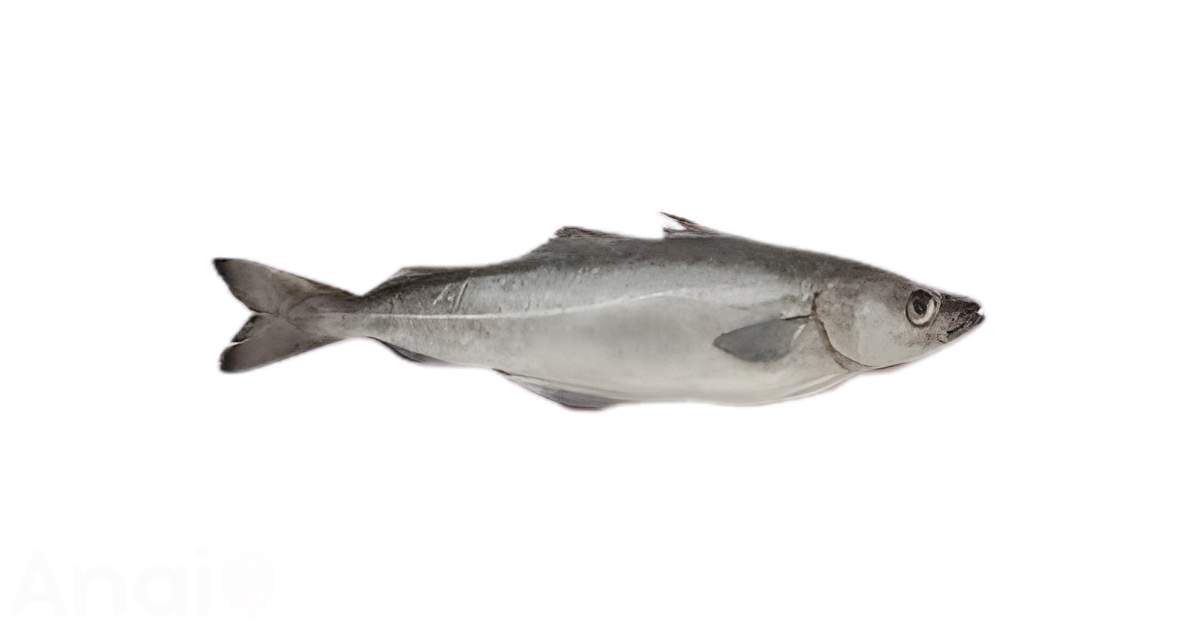
Is Pollock Good for You?
Pollock is an exceptional choice for anyone prioritizing nutrient density. This white fish is a nutritional powerhouse that remains low in calories and fat. A standard 3-ounce serving of Wild Alaska Pollock contains only 90 calories and less than 1 gram of fat (Alaska Pollock, 2025). It is a wild-caught species, meaning it avoids the antibiotics and pesticides often found in farmed fish (Edwards, 2024). Unlike many larger predators, pollock contains very low levels of mercury, making it safe for frequent consumption (Zelman, 2024).
Science confirms its value as a high-quality protein source. One serving provides 20 grams of protein, which is roughly 40% of the daily requirement for an average adult (Zelman, 2024). It is also rich in essential micronutrients like Vitamin B12, selenium, and phosphorus. Because most pollock is Marine Stewardship Council (MSC) certified, it is a sustainable choice for the environment (Global Seafoods, 2025).
This article provides the latest data as of March 2026. It expands on 12 scientifically proven health benefits of pollock and detailed pollock nutrition facts. You will also learn about pollock risks and side effects, suitable pollock substitutes, and popular pollock diets. Additionally, we cover pollock storage tips, 8 remarkable pollock home remedies, pollock and weight management, and how pollock helps various health conditions.
12 Scientifically Proven Health Benefits of Pollock
Pollock is more than just a staple for fish sticks. It is a functional food that supports various biological systems. Every benefit listed below is fact-checked and supported by current scientific publications.
1. Enhances Cardiovascular Health
Pollock is rich in omega-3 fatty acids, specifically EPA and DHA. A single serving provides 22% of the recommended daily amount of omega-3s (Alaska Pollock, 2025). These fats are proven to lower blood pressure and reduce high triglycerides (Edwards, 2024). Higher intake of these fatty acids is associated with a significantly lower risk of coronary heart disease (Zelman, 2024). The selenium in pollock further protects the heart by reducing oxidative stress in the circulatory system.
2. Supports Weight Loss and Management
Lean seafood is more effective for weight loss than land-based meats. Frequent intake of fish like pollock can reduce energy intake by up to 9% (Edwards, 2024). This helps prevent a positive energy balance and obesity. The high protein content increases satiety, keeping you full for longer periods. With only 92 to 110 calories per 100 grams, it is an ideal volume-eating food for calorie-restricted diets (Zelman, 2024; Global Seafoods, 2025).
3. Boosts Brain and Cognitive Function
The brain requires specific nutrients that are abundantly found in pollock. It provides a massive 130% of the daily recommended value of Vitamin B12 (Alaska Pollock, 2025). B12 is essential for maintaining the myelin sheath that protects nerves and supports memory. Furthermore, the phosphorus in pollock helps maintain normal emotional and neurological responses (Edwards, 2024). Omega-3s in the fish also help reduce the risk of depression and insomnia (Zelman, 2024).
4. Aids in Cancer Prevention
Nutrients in pollock act as biological shields against cellular damage. Selenium has the ability to slow the spread of cancer and repair damaged cells (Edwards, 2024). It has been specifically linked to a lower risk of prostate cancer. Vitamin B2, or riboflavin, acts as an antioxidant that prevents free radical damage. Studies indicate that B2 can help prevent colorectal cancer in women by protecting the digestive tract lining (Zelman, 2024).
5. Promotes Healthy Skin and Hair
Pollock provides the building blocks for physical beauty. It is a significant source of keratin, a protein that strengthens hair and nails (Global Seafoods, 2025). Omega-3 fatty acids keep the skin elastic and help prevent the formation of wrinkles. A deficiency in these fats can lead to psoriasis, eczema, and dandruff (Edwards, 2024). Vitamin B2 further assists by stimulating collagen synthesis, which keeps the skin looking youthful.
6. Prevents and Treats Anemia
B-complex vitamins in pollock are vital for blood health. The fish contains high amounts of B2, B6, and B12. Vitamin B12 is specifically required to produce red blood cells and prevent megaloblastic anemia (Edwards, 2024). Vitamin B6 helps the body create hemoglobin, which is necessary for oxygen transport. Regular consumption provides 69% of the RDA for Vitamin B12 per 120g portion (Alaska Pollock, 2025).
7. Regulates Thyroid Function
The thyroid gland relies on selenium and iodine to produce hormones. One portion of pollock provides 47% of the RDA for selenium. It also delivers approximately 45% of the RDA for iodine. These minerals ensure the endocrine system functions correctly and support a healthy metabolism. Proper thyroid function is also essential for the normal growth and development of children (Alaska Pollock, 2025).
8. Manages Diabetes and Blood Sugar
Pollock is an excellent addition to a diabetic diet. High-protein, low-carb foods help normalize blood sugar levels in the plasma (Global Seafoods, 2025). Omega-3s can help reduce the complications associated with diabetes, including vision-related symptoms. Lean seafood also helps reduce the possibility of insulin resistance compared to red meats (Edwards, 2024).
9. Supports Healthy Pregnancy
Low-mercury fish are critical for fetal development. Pollock is a safe source of iron and zinc, which are beneficial for the baby’s growth (Zelman, 2024). The DHA found in pollock is essential for fetal brain and eye development. Because it is wild-caught, it avoids many of the chemical contaminants found in other seafood (Global Seafoods, 2025).
10. Strengthens Bone Health
Pollock contains minerals that build and maintain the skeletal system. A raw fillet provides 40% of the daily value for phosphorus (Edwards, 2024). Phosphorus is the second most abundant mineral in the body and is necessary for bone mineralization. Pollock also provides 10% of your daily Vitamin D needs, which is required for calcium absorption (Alaska Pollock, 2025).
11. Improves Immune System Response
The combination of Vitamin B12, Vitamin D, and Selenium boosts immunity. Selenium protects cells from damaging free radicals (Alaska Pollock, 2025). Vitamin B12 contributes to healthy cell division and immune function. Zinc, also found in pollock, is a well-known mineral for shortening the duration of the common cold (Zelman, 2024).
12. Increases Reproductive Fertility
Pollock can have positive effects on reproductive health. The nutrients in the fish help regulate hormone production and metabolic processes. High-quality proteins and healthy fats are essential for maintaining the energy levels required for reproductive health. The vitamin profile in pollock supports the overall endocrine environment necessary for increased fertility (Zelman, 2024).
Pollock Nutrition Facts
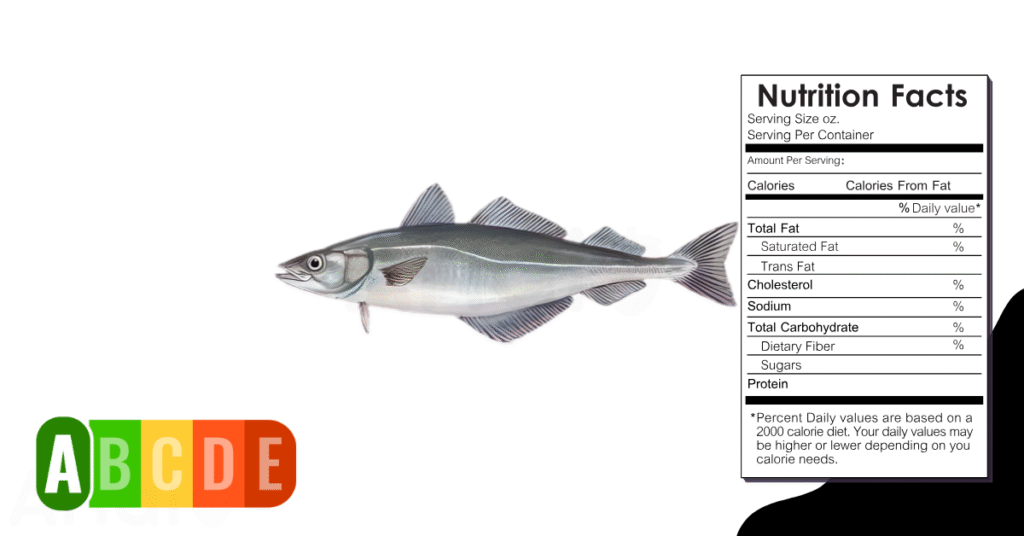
The many health benefits of pollock can be further explained through their impressive nutrition facts, as analyzed in detail below:
Pollock nutrition table
This data represents cooked (dry heat) Alaskan pollock, which is a common preparation method for maintaining nutrient density without adding excessive dietary fats.
| Nutrient | Per Serving (3 oz / 85g) | DRI % (Serving) | Per 100 grams | DRI % (100 g) |
|---|---|---|---|---|
| Calories | 94 kcal | 5% | 111 kcal | 6% |
| Protein | 20 g | 40% | 23.5 g | 47% |
| Carbs | 0 g | 0% | 0 g | 0% |
| Total Fat | 1.0 g | 1.5% | 1.2 g | 2% |
| Cholesterol | 73 mg | 24% | 86 mg | 29% |
How many calories are in pollock?
Pollock is a remarkably low-calorie protein source compared to beef or pork. 100 grams of cooked Alaskan pollock contains approximately 111 calories, while a standard 3-ounce serving provides only 94 calories, accounting for roughly 5% of a 2,000-calorie daily intake. Because it is so lean, it is a favorite for volume eaters. To burn off the 111 calories found in a 100-gram portion, a person weighing 155 pounds would only need to walk at a moderate pace for about 27 minutes or run at 6 mph for approximately 11 minutes.
How much protein is in pollock?
Pollock is essentially a concentrated block of amino acids. Every 100 grams of cooked fish delivers 23.5 grams of high-quality protein, representing 47% of the Daily Recommended Intake (DRI). In a typical 3-ounce serving, you get 20 grams of protein, which meets 40% of the daily requirement. This makes pollock an efficient tool for muscle repair and metabolic health, providing massive protein hits with minimal caloric baggage.
How many carbs are in pollock?
Like most wild-caught fish, pollock contains 0 grams of carbohydrates per 100 grams. This remains true for a 3-ounce serving, yielding a 0% DRI for carbs. Its Glycemic Index (GI) is 0, meaning it has no direct impact on blood glucose levels. This makes it a perfect staple for ketogenic, paleo, and diabetic-friendly diets where carbohydrate restriction is mandatory.
How much fat is in pollock?
Pollock is classified as a lean fish because its total lipid content is minimal. 100 grams of cooked pollock contains only 1.2 grams of total fat, which is just 2% of the DRI. A 3-ounce serving contains 1.0 gram of fat. While the total fat is low, the quality is high, as it is rich in long-chain omega-3 fatty acids like EPA and DHA.
| Fat Category | Amount per 100g |
|---|---|
| Total Fats | 1.2 g |
| Saturated Fats | 0.16 g |
| Monounsaturated Fats (MUFAs) | 0.13 g |
| Polyunsaturated Fats (PUFAs) | 0.58 g |
Is pollock high in cholesterol?
Pollock contains a moderate amount of dietary cholesterol. 100 grams of pollock provides 86 mg of cholesterol, which is roughly 29% of the formerly recommended 300 mg daily limit. A 3-ounce serving contains about 73 mg, or 24% of the DRI. However, because it is extremely low in saturated fat, it does not typically raise “bad” LDL cholesterol levels in the same way that fatty meats do.
Minerals in pollock
Pollock is an exceptional source of trace minerals that are often lacking in the standard American diet.
| Mineral | Amount (per 100g) | DRI % | Health Benefits |
|---|---|---|---|
| Selenium | 44 µg | 80% | Protects cells from oxidative stress and supports thyroid health. |
| Phosphorus | 267 mg | 38% | Critical for bone mineralization and ATP energy production. |
| Magnesium | 81 mg | 19% | Regulates muscle function and maintains a steady heartbeat. |
| Potassium | 430 mg | 13% | Essential for fluid balance and healthy blood pressure. |
The data shows that pollock is a “Selenium powerhouse,” providing nearly a full day’s requirement in a small portion. It also offers a significant 114% of the phosphorus requirement if consumed in larger quantities (300g), ensuring skeletal integrity. The high potassium-to-sodium ratio further supports cardiovascular efficiency.
Vitamins in pollock
The B-vitamin profile of pollock is one of the densest in the seafood world.
| Vitamin | Amount (per 100g) | DRI % | Health Benefits |
|---|---|---|---|
| Vitamin B12 | 3.7 µg | 153% | Vital for nerve tissue health and brain function. |
| Vitamin B6 | 0.33 mg | 25% | Aids in neurotransmitter synthesis and hemoglobin formation. |
| Vitamin B3 (Niacin) | 3.9 mg | 25% | Converts food into energy and improves cholesterol levels. |
| Vitamin B2 | 0.22 mg | 17% | Acts as an antioxidant and helps maintain energy supply. |
Pollock is an incredible source of Vitamin B12, offering 153% of the DRI per 100 grams. Consuming just 3 servings (300g) provides a staggering 458% of the daily requirement for B12. This makes it an ideal food for preventing fatigue and supporting neurological health.
Pollock Risks and Side Effects
While pollock is generally safe, it carries the standard risks associated with seafood consumption. Fish allergies are among the most common adult-onset food allergies and can lead to severe reactions like anaphylaxis. If you experience nausea, hives, or difficulty breathing after eating pollock, seek medical attention immediately. Managing this risk requires strict avoidance and careful reading of labels on processed foods like imitation crab, which is often made from pollock.
Another risk involves the presence of parasites such as cod worms, which are naturally occurring in wild-caught white fish. Reputable suppliers use a process called “candling” to find and remove these, but the most effective way to manage this risk is to ensure the fish is cooked to an internal temperature of at least 145°F. Additionally, while pollock is low in mercury, improper storage can lead to histamine buildup. Scombroid poisoning occurs when fish is not kept at temperatures below 40°F, leading to bacterial growth that converts histidine into histamine, causing a toxic reaction.
Debunking myths about pollock
Myth: Pollock is a “dirty” fish because it is used in fast food. Fact: The health profile of the fish itself is elite, but the deep-frying process used by fast-food chains adds excessive saturated fats and sodium that negate the natural benefits.
Myth: All pollock is the same regardless of where it is caught. Fact: Alaskan pollock is often considered superior for sustainability, whereas pollock from the Western Bering Sea is often flagged for unsustainable fishing practices.
Myth: Pollock is just a cheap, nutritionally inferior version of cod. Fact: Pollock actually contains higher levels of omega-3 fatty acids and lower mercury levels than many varieties of cod, making it a superior choice for frequent consumption.
Pollock Substitutes
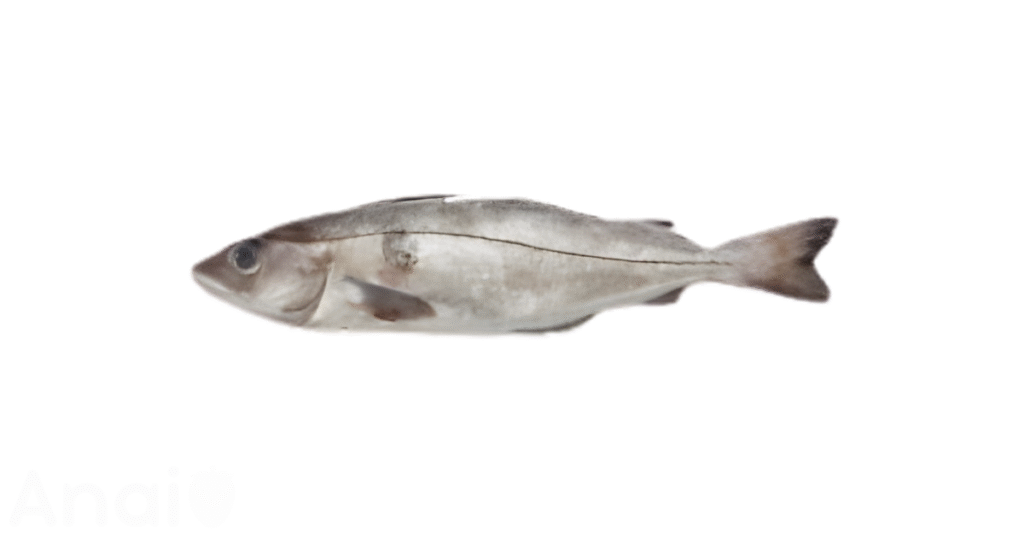
If pollock is unavailable, several other white fish offer similar lean protein profiles and mild flavors.
| Fish Type | Calories (100g) | Protein (100g) | Omega-3 (EPA/DHA) | Mercury Level |
|---|---|---|---|---|
| Pollock | 111 | 23.5g | 510mg | Very Low |
| Cod | 105 | 23g | 200mg | Low |
| Haddock | 112 | 24g | 210mg | Low |
| Tilapia | 128 | 26g | 115mg | Very Low |
When using Cod as a substitute, you will find the texture is slightly firmer and the flakes are larger, making it better for grilling. The primary benefit is its availability, but the drawback is that it typically contains less than half the omega-3 content of pollock.
Using Haddock is an excellent choice for baking because it holds its shape better than pollock. It offers a very similar protein count, though it can sometimes be more expensive depending on the region. The main drawback is a slightly “fishier” scent when compared to the neutral profile of pollock.
For a budget-friendly option, Tilapia is widely available and even higher in protein. It is a great substitute for fish tacos where the seasoning is the star. However, the significant drawback is that Tilapia is much lower in heart-healthy omega-3s and is often farm-raised rather than wild-caught.
Popular Pollock Diets
How to add pollock safely into your diet? Choosing the right diet is important to ensure that you are meeting your nutritional needs while also enjoying the foods you eat. Here are a few of the available pollock-friendly diet options:
- Mediterranean Diet
- Ketogenic (Keto) Diet
- Paleo Diet
- DASH Diet
- High-Protein/Low-Fat Diet (The “Lean Fish” Diet)
| Diet Type | Key Differences | Benefits | Drawbacks |
|---|---|---|---|
| Mediterranean | Focuses on healthy fats, plants, and moderate lean protein. | Proven to improve heart health and longevity. | Requires high consumption of plants and oils. |
| Ketogenic | Extremely low carb, high fat. | Rapid weight loss and blood sugar control. | Pollock is too lean; must add fats like butter. |
| Paleo | Only whole, unprocessed foods. | Eliminates processed additives and sugars. | Restricts grains and legumes; can be expensive. |
| DASH | Low sodium and saturated fat. | Lowers blood pressure effectively. | Focuses heavily on portion control and minerals. |
| High-Protein | High intake of protein with minimal calories. | Increases metabolic rate and muscle repair. | Can be monotonous if variety is lacking. |
The Mediterranean Diet is perhaps the most sustainable long-term option for pollock lovers. Because pollock is a wild-caught, low-mercury fish, it fits the heart-healthy criteria perfectly. It encourages eating fish at least twice a week to reap the omega-3 benefits (Dr. Axe, 2024).
The Ketogenic Diet relies on the fact that pollock contains 0g of carbohydrates. While pollock is very lean, keto followers use it as a clean protein base. You must pair it with high-fat sauces or avocados to meet the 70-75% fat requirement of the diet.
The Paleo Diet prioritizes wild-caught over farmed meat. Since pollock is virtually never farmed, it is a “Paleo-approved” gold standard for seafood. It avoids the antibiotics and pesticides often found in farmed salmon or tilapia (Dr. Axe, 2024).
The DASH Diet aims to stop hypertension through mineral-rich foods. Pollock is an excellent source of potassium (13% DV) and magnesium (19% DV), which are essential for blood pressure regulation. This diet is highly evaluated for its clinical effectiveness in cardiovascular health.
The High-Protein/Low-Fat Diet is often specifically focused on lean white fish like pollock to maximize satiety. A 3-ounce serving delivers 20 grams of protein for only 90-94 calories (Zelman, 2024). This is the best choice for individuals looking to lose weight while maintaining muscle mass.
How to Cook Pollock?
Air fryer pollock is a modern favorite for achieving a crispy texture without the health risks of deep-frying. Using an air fryer at 400°F for 8-10 minutes ensures the fish remains flaky rather than rubbery. This method results in minimal nutrient loss compared to boiling because the fish is not submerged in water. It preserves the delicate omega-3 fatty acids, which can be damaged by prolonged high-heat immersion.
Fried pollock is common in fast food but is the least nutritious option due to added trans fats and refined flours. Deep-frying significantly increases the calorie count and can destroy heat-sensitive B vitamins. Edwards (2024) warns that processed, breaded varieties often lose the very nutrients that make the fish healthy. If you must fry, use coconut or avocado oil to handle the heat safely.
Baked pollock is a reliable, low-fat method that is difficult to mess up if you monitor the timer. You should season the fillets with lemon and herbs to enhance the mild flavor. This method is excellent for retaining minerals like selenium and phosphorus. However, over-baking can lead to a dry product, as pollock has very little intramuscular fat.
Grilled pollock provides a smoky depth of flavor that complements its sweetness. It is best to use a foil packet to prevent the delicate white meat from falling through the grates. High direct heat can slightly reduce the DHA and EPA content, but the quick cooking time helps mitigate overall nutrient degradation. This is an excellent alternative to heavier meats during summer months.
Poached pollock involves simmering the fish in a flavorful liquid like broth or diluted white wine. This is the best method for ensuring the fish stays moist and tender. A potential drawback is that water-soluble vitamins, like Vitamin B12, can leach into the liquid. To save these nutrients, use the poaching liquid as a base for a sauce or soup.
Broiled pollock is incredibly fast and creates a slight char on the surface. You must watch it closely because it can go from perfect to unpleasantly dry in less than 60 seconds (Edwards, 2024). This method uses intense top-down heat, which is great for browning but may oxidize some of the surface fats. It is a smart choice for a high-protein meal in under five minutes.
Raw pollock is occasionally used in sushi or ceviche, but it carries a higher risk of parasites. Most commercial pollock for raw consumption must be flash-frozen to -4°F for several days to kill potential larvae like cod worms. Raw consumption preserves 100% of all vitamins and minerals, including heat-sensitive B-complex vitamins. However, individuals with weakened immune systems should avoid this method.
Easy Pollock Recipes
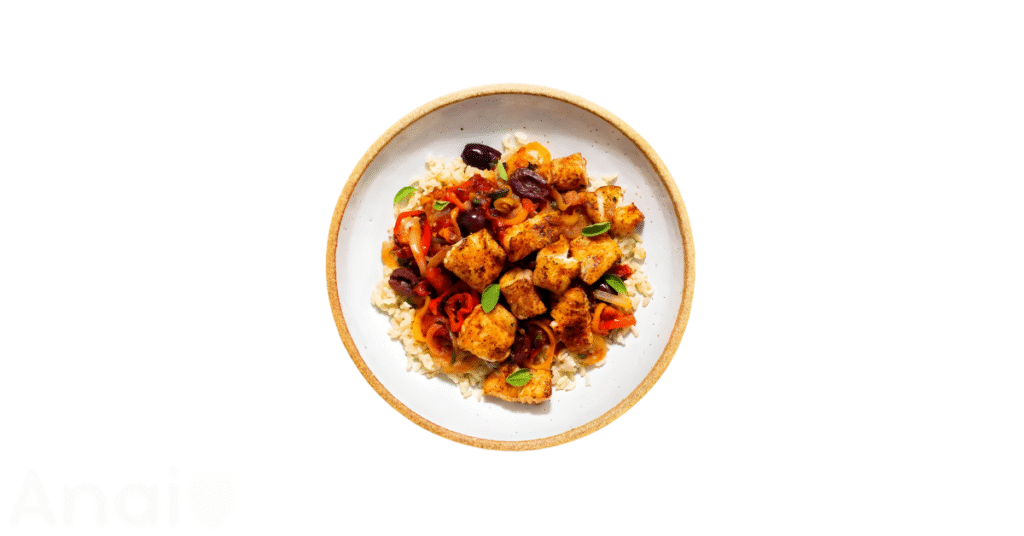
The pollock recipes discussed here can help increase pollock intake without compromising taste.
Breakfast ideas with pollock
Pollock and Spinach Egg Scramble is a high-protein way to start the morning. Simply flake cooked pollock into your eggs during the last minute of cooking.
Smoked Pollock on Whole-Grain Toast offers a savory alternative to smoked salmon. It provides the same Vitamin B12 boost but with significantly less fat.
Pollock Breakfast Cakes can be made ahead of time using leftover mashed potatoes and fish.
Lunch ideas with pollock
Alaskan Pollock Fish Tacos are a crowd-pleaser that can be assembled in minutes. Use corn tortillas and a lime-based cabbage slaw to keep the meal light.
Pollock and Avocado Salad uses cold, flaked fish as a protein topper for a nutrient-dense lunch. Surimi Seafood Roll-Ups utilize imitation crab (made from pollock) mixed with Greek yogurt and celery. This provides a fast, low-calorie protein source for busy workdays.
Dinner ideas with pollock
Lemon-Garlic Herb Baked Pollock is a staple for a heart-healthy dinner. Pair it with roasted asparagus and quinoa to maximize the mineral intake.
Pollock and Vegetable Chowder is a comforting meal that keeps the water-soluble vitamins in the pot.
Pan-Seared Pollock with Mediterranean Salsa uses olives, tomatoes, and capers to add flavor without heavy sauces. This dish is rich in antioxidants and healthy monounsaturated fats.
Simple tips to add pollock to your diet
For busy people who don’t have the time to implement any of the previous meal ideas, there are simple tips to add Pollock to their diet:
- Swap cod for pollock in any existing recipe using a 1:1 ratio for a more sustainable option.
- Keep frozen fillets in your freezer to avoid last-minute trips to the grocery store.
- Add flaked pollock to pasta sauces, such as a light lemon-butter or red clam sauce.
- Use imitation crab (surimi) in your wraps or salads for a pre-cooked, high-protein snack.
- Mix pollock into stews during the last 5 minutes of simmering to prevent overcooking.
- Buy pollock-based fish sticks that are baked and have whole-grain breading for a quick kid-friendly meal.
- Use flaked fish in place of tuna in sandwiches to lower your potential mercury exposure.
- Crumble dehydrated or powdered pollock into pet food or savory smoothies for a concentrated nutrient boost.
Pollock Storage Tips
Knowing how to cook pollock is only a part of the equation, and the importance of knowing pollock storage tips to make those meals last for longer is paramount. Proper handling prevents the rapid bacterial growth that can turn a nutritious meal into a health risk.
Shelf life of pollock
- At room temperature: Maximum of 2 hours (should be discarded if left out longer).
- In the refrigerator: 1 to 2 days for fresh fillets; 3 to 4 days for cooked pollock.
- In the freezer: 4 to 8 months for optimal quality and flavor.
How to store pollock?
Pollock is a delicate white fish that is highly sensitive to oxygen and temperature changes. You must protect the flesh from air exposure to prevent the fats from oxidizing and the texture from becoming tough or “freezer-burned.” Using moisture-proof and vapor-proof materials like heavy-duty foil, vacuum-sealed bags, or airtight glass containers is the gold standard for maintaining the integrity of the fillets.
Always place your fish in the coldest part of your refrigerator. For most home units, this is the bottom shelf or a dedicated “meat and fish” drawer. If you intend to keep fresh fillets for the full 48-hour window, consider placing the sealed container on a bed of ice within the fridge to maintain a temperature as close to 32°F as possible.
How to refrigerate pollock?
To maintain peak freshness, follow these steps to keep your fish at a steady temperature between 32°F and 38°F.
- Rinse the fresh fillets under cold running water and pat them completely dry with paper towels.
- Wrap the dry fillets tightly in plastic wrap or place them in an airtight container to block air.
- If using a storage bag, squeeze out as much air as possible before sealing.
- Label the container with the date of purchase or the date it was cooked.
- Place the package on the bottom shelf of the refrigerator toward the back.
How to freeze pollock?
Freezing is the most effective way to preserve the high protein and omega-3 content of pollock for long-term consumption.
- Slice the fish into individual portion sizes so you only thaw what you need.
- Wrap each portion tightly in plastic wrap to create a primary air barrier.
- Place the wrapped portions into a heavy-duty freezer bag or a vacuum-seal bag.
- Remove all excess air from the bag using a straw or a vacuum sealer to prevent ice crystals.
- Mark the bag with the current date and a “use-by” date 8 months into the future.
Signs of Spoilage in pollock
Always inspect your fish before cooking, as spoiled seafood can cause scombroid poisoning or other foodborne illnesses.
- Strong fishy, sour, or ammonia-like odor.
- Slimy or sticky film developing on the surface of the flesh.
- Dull, gray, or yellowish color instead of a translucent or pinkish-white hue.
- Mushy texture where the flesh remains indented after being pressed with a finger.
- Visible mold growth or dark, irregular spots on the skin or meat.
8 Remarkable Pollock Home Remedies
Are there any lesser-known tips to unlock the nutritious profile of pollock? The following pollock remedies can have a positive effect on overall well-being.
- Pollock Broth for Gut Health: Simmer pollock bones and skin with fresh ginger and garlic for two hours to extract collagen and trace minerals. Drink one cup daily to support the integrity of the digestive lining and reduce systemic inflammation. Store the broth in the refrigerator for up to 3 days or freeze it in ice cube trays for easy portioning.
- Keratin-Boost Hair Mask: Blend a small piece of steamed pollock with a tablespoon of avocado oil until it forms a smooth paste. Apply this to the ends of your hair for 15 minutes before your regular shower to provide direct protein and Vitamin B12 support to brittle strands. This remedy should be used immediately after preparation; do not store the mixture.
- Thyroid-Support Salad Topper: Combine poached pollock with dried seaweed or kelp flakes to create a meal exceptionally high in natural iodine and selenium. Consume this twice weekly to support thyroid hormone production and improve metabolic efficiency. Store the prepared fish in an airtight container for a maximum of 2 days.
- Omega-3 Eye Care Routine: While not a topical treatment, consuming 100g of poached pollock daily for a consecutive week can help alleviate chronic dry eye symptoms from within. The high levels of DHA and EPA support the production of the oily layer in human tears. Prepare the fillets via steaming to ensure no essential fatty acids are lost to high-heat frying.
- Anemia-Fighting Breakfast Scramble: Incorporate 50g of flaked pollock into a two-egg scramble to maximize the intake of Vitamin B12 and iron. This remedy is designed to boost red blood cell production for individuals suffering from megaloblastic anemia or chronic fatigue. Store any pre-cooked fish for this remedy for no more than 48 hours.
- Post-Workout Recovery Paste: Mash cooked pollock with plain Greek yogurt and a squeeze of lemon. Use this as a high-protein dip for vegetables to provide the necessary amino acids for rapid muscle tissue repair and glycogen sparing. Keep the paste refrigerated and consume it within 24 hours of mixing.
- Anti-Inflammatory Skin Tonic: Steam pollock fillets with a liberal dusting of turmeric and black pepper. The combination of omega-3 fatty acids and curcumin helps target skin redness and inflammatory conditions like psoriasis. Leftovers should be stored in a glass container for up to 3 days.
- Cognitive Clarity Soup: Prepare a light chowder using pollock and diced celery to harness the high phosphorus and B12 content for brain health. Eat this as a mid-day meal during high-stress weeks to maintain focus and neurological function. You can freeze individual portions of the soup for up to 2 months.
Pollock and Weight Management

There are multiple health benefits and home remedies using pollock, but what is its role in weight management? This section will analyze pollock’s potential impact on weight loss, low-calorie diets, satiety, and metabolism.
Can pollock help with weight loss?
Research published in a 2019 study in the journal, Nutrients indicates that frequent intake of lean seafood like pollock can reduce energy intake by up to 9% when compared to land-based meats (Edwards, 2024). This reduction is significant enough to prevent a positive energy balance, which is the primary driver of obesity. Because pollock is naturally low in fat, it serves as a “high-volume” food, allowing dieters to eat larger portions while maintaining a caloric deficit.
Pollock in low-calorie diets
Pollock is a staple for low-calorie regimes because 100 grams of cooked fish contains only 92 to 111 calories (Zelman, 2024). This allows individuals to allocate their daily calorie budget toward other nutrient-dense foods like vegetables and healthy fats. By substituting a standard beef patty with a pollock fillet, a person can easily save over 150 calories per meal without sacrificing the amount of food on their plate.
Pollock and satiety
The exceptional protein density of pollock, which provides roughly 20 to 23.5 grams of protein per 3-ounce serving, is a major factor in controlling hunger (Zelman, 2024). Protein is the most satiating of all macronutrients, and studies show that energy restriction combined with fish intake leads to greater weight loss results than diets based on other protein sources (Edwards, 2024). This high “satiety score” helps prevent mid-day snacking and reduces the likelihood of overeating at dinner.
Pollock and metabolism
Pollock supports a healthy metabolism through its high concentration of B-vitamins and iodine. A single serving provides 130% of the recommended daily amount of Vitamin B12, which is critical for the metabolic processes that turn food into fuel (Alaska Pollock, 2025). Furthermore, the 45% RDA for iodine found in pollock is essential for proper thyroid function. Since the thyroid is the master regulator of the body’s metabolic rate, regular pollock consumption helps ensure that calories are burned efficiently even during rest.
Pollock for Health Conditions
While weight management is important, do pollock have an effect on more serious health conditions? Here’s what the scientific literature has to say:
Pollock and diabetes
Pollock is an ideal component of a diabetic diet due to its low glycemic index and high protein density. A single fillet contains 21.8 grams of protein and zero carbohydrates, which helps prevent blood sugar spikes. The high concentration of omega-3 fatty acids is particularly beneficial for diabetic patients. These fats have been shown to reduce secondary complications of diabetes, such as cognitive deficits and vision-related symptoms. Regular consumption can also improve insulin sensitivity compared to land-based meats (Edwards, 2024).
Pollock and heart health
The heart-protective benefits of pollock are rooted in its nutrient profile. It contains significant amounts of Vitamin B12 and B6, which work to lower high homocysteine levels in the blood (Edwards, 2024). High homocysteine is a major risk factor for cardiovascular disease. Furthermore, pollock provides roughly 22% of the recommended daily amount of omega-3 fatty acids in a 3-oz serving. These acids lower blood pressure and triglycerides without increasing “bad” LDL cholesterol levels.
Pollock and digestive issues
Vitamin B2, also known as riboflavin, is abundant in pollock and plays a crucial role in gastrointestinal health. This vitamin helps maintain the integrity of the digestive tract lining, which is essential for a robust immune system. Without sufficient B2, the body cannot properly absorb other nutrients, leading to chronic digestive strain. Additionally, the anti-inflammatory properties of pollock’s unsaturated fats contribute to improved gut health (Zelman, 2024).
Pollock and inflammation
Chronic inflammation is a precursor to many modern diseases. Pollock contains eicosapentaenoic acid (EPA) and docosahexaenoic acid (DHA), which are scientifically proven to reduce chronic inflammation. These omega-3s inhibit the production of substances that trigger inflammation in the body. By adding pollock to your diet at least twice a week, you can help manage inflammatory conditions like psoriasis, eczema, and even joint pain (Edwards, 2024).
Pollock and cancer prevention
Pollock is considered a “cancer-fighting food” due to its antioxidant content. It provides roughly 51-52% of the daily value for selenium, a mineral that repairs damaged cells and slows the spread of tumors (Edwards, 2024). Selenium intake is specifically associated with a reduced risk of prostate cancer. Additionally, research indicates that Vitamin B2 in pollock can help prevent colorectal cancer in women by neutralizing free radical damage (Zelman, 2024).
The scientific data suggest that pollock’s unique blend of selenium, B-vitamins, and omega-3s offers measurable protection against several chronic and life-threatening diseases.
| Health Category | Benefits | Type of Study | Quality of Evidence | Sources |
|---|---|---|---|---|
| Diabetes | Improves insulin sensitivity and reduces vision complications. | Clinical & Intervention Trials | High | Edwards (2024) |
| Heart Health | Lowers homocysteine and triglyceride levels. | Animal & Epidemiological Studies | High | Edwards (2024); Alaska Pollock (2025) |
| Digestive | Protects mucosal lining and aids nutrient absorption. | Nutritional Analysis | Moderate | Zelman (2024) |
| Inflammation | Reduces markers of chronic systemic inflammation. | Biochemical Research | High | Edwards (2024); Zelman (2024) |
| Cancer | Slows tumor spread and repairs cellular DNA damage. | Observational & Antioxidant Studies | Moderate to High | Zelman (2024); Edwards (2024) |
The Verdict on Pollock Nutrition
This guide has explored the multifaceted nature of pollock, covering everything from the 12 scientifically proven health benefits of pollock and pollock nutrition facts to pollock risks and side effects. We also discussed suitable pollock substitutes, popular pollock diets, and critical pollock storage tips. Furthermore, we analyzed 8 remarkable pollock home remedies, the role of pollock and weight management, and how pollock for health conditions can improve long-term outcomes.
- McDonald’s uses 100% wild-caught Alaska pollock for all Filet-O-Fish® sandwiches, highlighting its commercial sustainability (Edwards, 2024).
- One serving of pollock provides over 120% of the daily required Vitamin B12, making it a top-tier energy booster (Edwards, 2024).
- Pollock is a “low-mercury” fish, making it safe for pregnant women and children when cooked thoroughly (Zelman, 2024).
- At only 92 calories per 100 grams, pollock is one of the most calorie-efficient protein sources on the planet (Ocean Treasure, 2021).
- Pollock is almost exclusively wild-caught, ensuring you avoid the pesticides and antibiotics common in farmed fish (Edwards, 2024).
This content was last updated in March 2026.
Follow Anai.ai to stay informed about the latest nutrition and well-being news, tips, and articles. Stay ahead of the curve with our data-driven insights into your favorite superfoods!
Pollock Nutrition FAQs
This section provides analytical, science-backed answers to your essential questions. We tackle safety, pet dietary needs, and storage timelines. Every response offers data-driven insights to help you optimize your intake of this lean superfood.
What is pollock good for?
Pollock is a powerhouse for cardiovascular and neurological health due to its high nutrient density. A single 3-ounce serving provides 130% of the daily value for Vitamin B12 and 20 grams of high-quality protein. It also contains roughly 440 mg of omega-3 fatty acids, which are essential for reducing systemic inflammation and protecting the brain. These nutrients combined make it excellent for repairing muscle tissue and supporting a healthy metabolism.
Is pollock healthy?
This fish is widely considered one of the healthiest seafood choices because it is almost exclusively wild-caught. Unlike farmed varieties, wild pollock contains no pesticides or antibiotics and maintains a very low mercury concentration of approximately 0.031 ppm. It delivers 503 mg of phosphorus per fillet, a mineral that is critical for bone mineralization and cellular energy production. The 80% daily value of selenium further boosts its profile by providing powerful antioxidant protection.
Is pollock fattening?
Pollock is the opposite of fattening, as it is one of the leanest protein sources available to consumers. It contains only 92 to 111 calories per 100 grams and less than 1 gram of total fat per serving. Because of its high protein-to-calorie ratio, research shows that replacing land-based meats with lean fish like pollock can reduce energy intake by up to 9%. This makes it an ideal staple for weight management and calorie-restricted diets.
Who should avoid pollock?
Individuals with a diagnosed finfish allergy must avoid pollock to prevent severe reactions to the muscle protein parvalbumin. Symptoms can occur from even a 5 mg dose of fish protein, leading to nausea, hives, or anaphylaxis. People concerned about specific environmental impacts should also verify labels to avoid fish from the unsustainable Western Bering Sea region. Those with a sensitivity to histamine should only consume fresh or flash-frozen fillets to avoid scombroid poisoning.
Can I eat pollock daily?
While the FDA generally recommends 2 to 3 servings of seafood per week, pollock’s exceptionally low mercury levels make more frequent consumption safer than other species. It is rated as a “Best Choice” by regulatory agencies, allowing for unrestricted amounts according to some nutritional guidelines. However, a varied diet is usually preferred to ensure a broad spectrum of minerals and to prevent iodine or selenium overexposure. Consuming it 4 or more times per week is well within the safety limits for most healthy adults.
Can dogs eat pollock?
Plain, cooked pollock is a safe and highly nutritious addition to a dog’s diet. It provides essential omega-3 fatty acids that improve skin health and create a shiny coat in canines. You must ensure the fish is deboned and cooked to 145°F to kill any potential parasites like cod worms. Avoid giving dogs pollock that has been fried or seasoned with garlic and onions, as these additives can be toxic to their systems.
Can cats eat pollock?
Pollock is a safe, high-protein treat for cats when served plain and fully cooked. It provides essential Vitamin B12 and omega-3 fatty acids that support a feline’s immune system and coat health. You must ensure the fish is deboned and free from toxic seasonings like garlic or excessive salt. Serving it as an occasional treat rather than a primary meal prevents nutritional imbalances in their daily diet.
How long does pollock last in the fridge?
Fresh, raw pollock is highly perishable and should only be kept for 1 to 2 days in the refrigerator. Once cooked, the shelf life extends slightly to a window of 3 to 4 days. To maintain safety, your fridge must be set between 32°F and 38°F to inhibit rapid bacterial growth. Leaving the fish at room temperature for more than 2 hours makes it unsafe for consumption and should be discarded.
Can you freeze pollock?
Freezing is an excellent way to preserve pollock for long-term use, lasting 4 to 8 months for peak flavor and quality. You should wrap individual portions in moisture-proof plastic wrap before placing them in a heavy-duty freezer bag to prevent freezer burn. Removing all air from the packaging ensures the lean protein and healthy fats do not oxidize over time. Thawing the fish slowly in the fridge for 24 hours is the safest way to maintain its delicate, flaky texture.
How to tell if pollock is bad?
Spoiled pollock often emits a pungent, sour, or ammonia-like odor that differs significantly from its natural mild scent. You should also look for a slimy or sticky film on the surface or a transition from translucent white to a dull gray color. Fresh fish will bounce back when pressed, but bad fish remains mushy or indented after contact. Any visible mold or dark spots indicate the fish has seen better days and must be thrown away.
How long is pollock good for?
The longevity of pollock depends entirely on the storage temperature and whether it has been processed or cooked. Raw fillets remain at peak quality for 48 hours under proper refrigeration, while frozen stocks can last up to 8 months. Cooked leftovers are best consumed within 72 to 96 hours to avoid potential spoilage. Always follow the “first in, first out” rule to ensure you use your seafood stock while it is still nutrient-dense and safe.
How to keep pollock fresh?
To maximize freshness, you should rinse the fish and pat it completely dry with paper towels before storing. Place the fillets in an airtight glass or plastic container to prevent them from absorbing other fridge odors. Storing the fish on the bottom shelf toward the back provides the most consistent cold environment in the unit. Using a vacuum sealer for frozen portions can extend the quality significantly by eliminating all oxygen exposure and preventing ice crystal formation.