
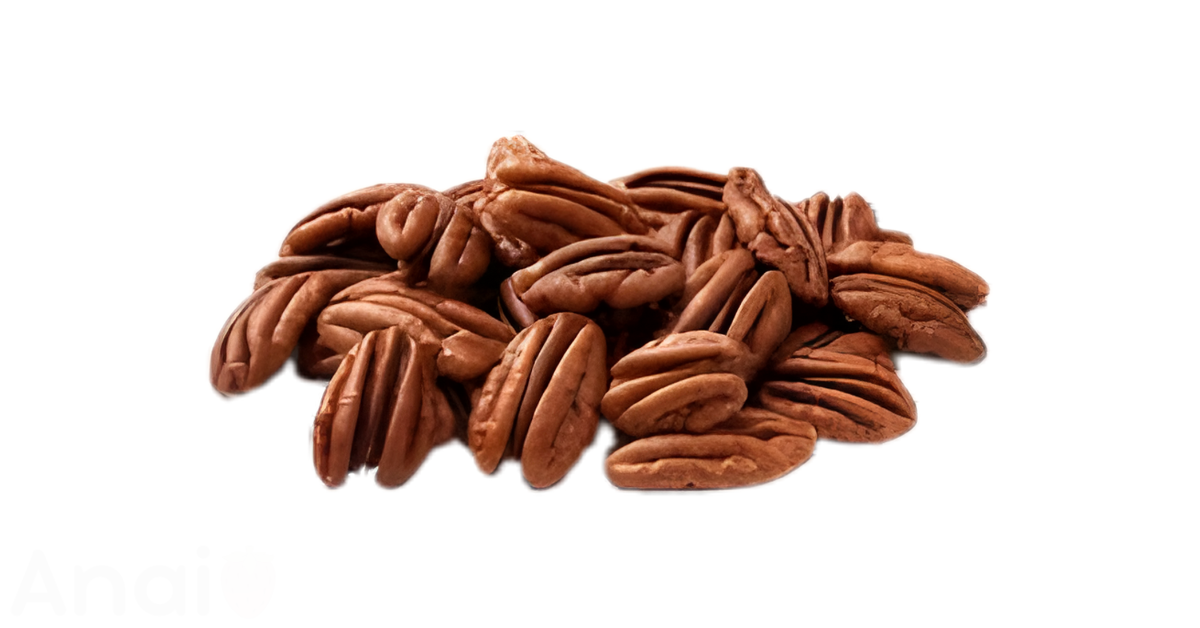
Are Pecans Good for You?
Pecans are an absolute nutritional powerhouse. Native to northern Mexico and the southern United States, these nuts offer far more than just a buttery crunch for desserts. They are loaded with 19 different vitamins and minerals. Science confirms that pecans are excellent for your health. They are naturally sodium-free and cholesterol-free.
Most of the fat found in pecans is a healthy type called monounsaturated fat. This is the same heart-healthy fat found in olive oil. They also boast a very low glycemic index. This means eating them does not cause a spike in blood sugar. The United States Department of Agriculture (USDA) ranked over 100 foods by antioxidant levels. Pecans landed in the top 20.
This article contains the latest information as of March 2026. It serves as a comprehensive guide to understanding this nut’s impact on your body. We will expand on several critical topics, including: 12 effective health benefits of pecans, pecan nutrition facts, pecan risks and side effects, pecan substitutes, popular pecan diets, pecan storage tips, 7 smart pecan home remedies, pecans and weight management, and pecans for health conditions.
12 Effective Health Benefits of Pecans
Pecans are a functional superfood. We have analyzed the data to bring you benefits that are not just folklore but are backed by clinical trials and nutritional science. Each benefit listed below is supported by evidence regarding how specific nutrients interact with human physiology.
1. Improves Heart Health and Cholesterol
Pecans are a potent weapon against cardiovascular disease. They are rich in monounsaturated fats, specifically oleic acid. Replacing saturated fats with these healthy fats helps lower low-density lipoprotein (LDL), which is known as “bad” cholesterol. Keeping LDL low cuts down your risk of having a stroke or heart attack.
Clinical evidence supports this claim. A randomized, controlled trial found that pecan-enriched diets lowered fasting levels of LDL cholesterol compared to those who did not eat pecans. In a 4-week trial, participants consumed 68 grams of pecans daily and saw reduced post-meal triglycerides (Colorito & Gopal, 2024).
2. Enhances Blood Sugar Control
You might think nuts are off-limits for blood sugar management, but the opposite is true. Pecans have a very low glycemic index. Eating them prevents rapid spikes in blood glucose. This makes them an excellent snack for individuals with prediabetes or type 2 diabetes (Curley, 2023).
Research indicates that eating pecans can offset the effects of higher glycemic index foods consumed in the same meal. A controlled feeding trial reported that participants consuming 42 grams of pecans daily exhibited improved insulin sensitivity. They also saw reductions in fasting insulin levels over a period of four weeks (Sidharthan, n.d.).
3. Supports Brain Function
Your brain needs healthy fats to function correctly as you age. Pecans contain polyphenols and other dietary antioxidants that promote cognitive health. Diets high in vitamin E have been linked with lowering the risk of Alzheimer’s disease and dementia by up to 25% (London, 2017).
Oxidative stress causes inflammation that damages brain cells. The antioxidants in pecans help reduce this stress. Frequent nut consumption, defined as three to seven days per week, is associated with a smaller decline in general cognitive performance in older adults (Mutchler, 2025).
4. Boosts Immunity
A strong immune system relies on specific minerals to fight off infection. Pecans are a solid source of zinc. This mineral is crucial for immune-cell development and function. Without adequate zinc, your body struggles to repair damage or fight off viruses.
In addition to zinc, pecans provide Vitamin A and Vitamin E. These nutrients support the immune system so the body can repair damage effectively. Diets high in zinc are linked with a lower risk of many diseases related to age and lifestyle (London, 2017).
5. Aids in Weight Management
Pecans are calorie-dense, but they do not necessarily lead to weight gain. The healthy fats and fiber in pecans increase satiety. This means you feel full faster and stay full longer. Snacking on a handful of pecans can prevent you from reaching for empty calories like chips.
Clinical studies report that nut consumption is generally not associated with weight gain. One study involving daily pecan consumption over eight weeks showed no significant weight gain or increases in body fat percentage. Participants reported increased satisfaction, which likely led to better portion control at other meals (Sidharthan, n.d.).
6. Promotes Healthy Digestion
Gut health is central to overall well-being. Pecans are a good source of dietary fiber. A single 1-ounce serving provides about 2.7 grams of fiber (Colorito & Gopal, 2024). Fiber is essential for regulating bowel movements and preventing constipation.
Beyond simple digestion, pecans may modulate the gut microbiome. Nut consumption has been found to increase the abundance of beneficial bacteria. These bacteria produce short-chain fatty acids like butyrate, which are associated with improved metabolic and immune health (Sidharthan, n.d.).
7. Reduces Inflammation and Arthritis Pain
Chronic inflammation is a root cause of many diseases, including arthritis. Pecans contain Omega-3 fats, which are known to help ease arthritis pain by reducing inflammation. They also contain magnesium, calcium, and vitamin E, giving the nuts powerful anti-inflammatory properties (Colorito & Gopal, 2024).
Magnesium is particularly effective here. It helps lower inflammation markers like C-reactive protein. Reducing pressure on arterial walls is another anti-inflammatory benefit that extends to cardiovascular health (Mutchler, 2025).
8. Lowers Cancer Risk
Pecans contain a specific antioxidant called ellagic acid. Eating foods containing ellagic acid is associated with a reduced risk of some cancers. This compound can inhibit the binding of DNA to certain carcinogens (Frey, 2024).
Specific studies have suggested links to breast cancer prevention. Oleic acid, found abundantly in pecans, has been found to promote cell death in breast cancer cells. Additionally, folate found in pecans can guard against changes to your DNA that might otherwise lead to cancer (London, 2017).
9. Strengthens Bones
Strong bones require more than just calcium. Pecans are excellent sources of magnesium, phosphorus, and manganese. These minerals are essential for maintaining bone density. They help prevent age-related issues such as osteoporosis.
One ounce of pecans contains 34.3 mg of magnesium and 1.28 mg of zinc (Mutchler, 2025). Zinc serves as a cofactor for enzymes that build bone matrix. Ensuring adequate intake of these minerals is a tasty way to support skeletal integrity.
10. Improves Skin Health
Pecans are rich in vitamins A and E. These vitamins are critical for maintaining healthy skin. Vitamin A plays a role in repairing skin tissue. Vitamin E acts as an antioxidant that protects skin cells from sun damage and environmental stress.
Some people even use pecan oil topically. While clinical studies on topical application are limited, the nutrient profile suggests it may act as a protective barrier. It can lock in moisture, helping to keep skin radiant and hydrated (Colorito & Gopal, 2024).
11. Boosts Metabolism and Energy
Pecans provide minerals that are vital for metabolic health. They are excellent sources of copper and manganese. These nutrients help your body produce energy. Copper is essential for 50 different enzymes in the body, many of which are involved in energy production.
Deficiencies in these minerals can lead to fatigue. The healthy fats in pecans also provide a sustained release of energy. This prevents the crash often associated with high-sugar snacks (London, 2017).
12. Supports Eye Health
Vision health is often overlooked until it declines. Pecans are rich in Vitamin A. This vitamin is essential for good vision, particularly in low-light conditions. It also helps protect the cornea (Colorito & Gopal, 2024).
Furthermore, the antioxidants in pecans protect the eyes from oxidative stress. This stress contributes to age-related macular degeneration. Including pecans in your diet contributes to the long-term maintenance of healthy eyes.
Pecan Nutrition Facts
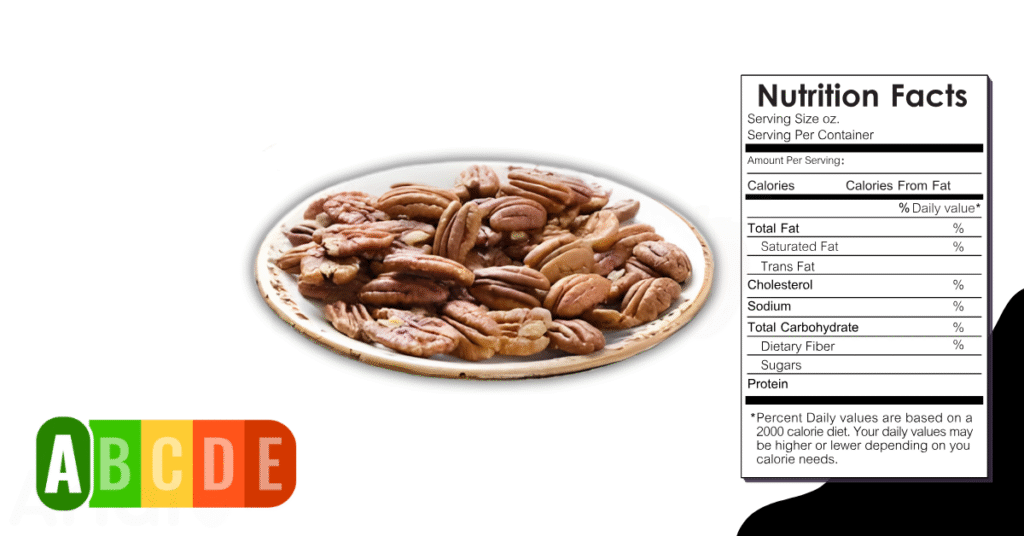
The impressive health benefits of pecans are best understood by examining their dense nutritional profile, which reveals a powerhouse of healthy fats, fiber, and essential vitamins.
Pecan nutrition table
Pecans are energy-dense and packed with bioactive compounds. Below is a detailed breakdown of the macronutrients found in raw pecans. Note that Daily Reference Intake (DRI) percentages are based on a standard 2,000-calorie diet.
| Nutrient | Per Serving (1 oz / 28g) | DRI % (Serving) | Per 100 grams | DRI % (100 g) |
|---|---|---|---|---|
| Calories | 196 kcal | 10% | 691 kcal | 35% |
| Protein | 2.6 g | 5% | 9.2 g | 18% |
| Carbs | 3.9 g | 1% | 13.8 g | 5% |
| Total Fat | 20.4 g | 31% | 72 g | 110% |
| Cholesterol | 0 mg | 0% | 0 mg | 0% |
How many calories are in pecans?
Pecans are a calorie-dense food. A single 1-ounce serving, which is roughly 19 pecan halves, contains 196 calories. If you were to consume 100 grams of pecans, you would ingest approximately 691 calories. This high caloric load comes primarily from their fat content. While this might seem high, the energy provided is sustained and does not cause a sugar crash. To burn off the calories in a standard 1-ounce serving, an average adult would need to run for approximately 20 minutes or walk briskly for about 40 minutes.
How much protein is in pecans?
Pecans provide a modest amount of plant-based protein. A 1-ounce serving delivers 2.6 grams of protein, which is about 5% of the daily requirement for an average adult. Per 100 grams, pecans offer roughly 9.2 grams of protein. While they are not as high in protein as almonds or peanuts, they still contribute to muscle repair and satiety. They are a valuable addition to a vegetarian or vegan diet when paired with other protein sources.
How many carbs are in pecans?
Pecans are very low in carbohydrates. A 1-ounce serving contains only 3.9 grams of total carbohydrates. Of that amount, 2.7 grams come from dietary fiber and only 1.1 grams from sugar. This means the net carb count is approximately 1.2 grams per serving. Per 100 grams, pecans contain about 13.8 grams of carbs with nearly 9.6 grams of fiber. This profile makes them an excellent choice for ketogenic and low-carb diets.
How much fat is in pecans?
Fat is the primary macronutrient in pecans, comprising over 70% of their weight. A single serving contains 20.4 grams of total fat, which is roughly 31% of the daily recommended intake. Per 100 grams, the fat content skyrockets to 72 grams. However, the majority of this fat is heart-healthy unsaturated fat. Below is the breakdown of the specific types of fat found in a 1-ounce serving.
| Fat Type | Amount (Per 1 oz) |
|---|---|
| Total Fat | 20.4 g |
| Saturated Fat | 1.8 g |
| Monounsaturated Fat (MUFA) | 11.6 g |
| Polyunsaturated Fat (PUFA) | 6.1 g |
Are pecans high in cholesterol?
Pecans are naturally 100% cholesterol-free. A serving of 1 ounce contains 0 mg of cholesterol, and the same applies to a 100-gram portion. This makes them a safe, heart-healthy snack. They contain plant sterols, specifically beta-sitosterol, which actually compete with cholesterol absorption in the gut. This mechanism helps lower existing blood cholesterol levels rather than adding to them.
Minerals in pecans
Pecans are an excellent source of essential minerals that support metabolic health and bone strength. They are particularly rich in manganese, a mineral vital for metabolism and bone structure.
| Mineral | Amount (Per 1 oz) | Health Benefit |
|---|---|---|
| Manganese | 1.3 mg | Supports metabolism and bone health |
| Copper | 0.3 mg | Aids in iron absorption and energy production |
| Zinc | 1.3 mg | Crucial for immune function and wound healing |
| Magnesium | 34 mg | Regulates muscle and nerve function |
| Phosphorus | 79 mg | Essential for bone formation and repair |
A single handful of pecans provides a significant portion of your daily manganese requirement. The copper content aids in energy production and iron absorption. Zinc supports the immune system, making these nuts a functional food for overall defense. Magnesium contributes to heart rhythm stability and bone density.
Vitamins in pecans
These nuts also deliver important vitamins, acting as antioxidants and energy boosters.
| Vitamin | Amount (Per 1 oz) | Health Benefit |
|---|---|---|
| Vitamin B1 (Thiamin) | 0.2 mg | Converts food into energy |
| Vitamin E (Gamma-tocopherol) | 0.4 mg | Potent antioxidant that protects cells |
| Vitamin B6 | 0.1 mg | Supports brain health and metabolism |
| Folate | 6.0 mcg | Important for DNA synthesis |
Pecans are notably rich in gamma-tocopherol, a specific form of Vitamin E. This potent antioxidant fights oxidative stress in the body. The presence of Thiamin (Vitamin B1) helps convert carbohydrates into energy. Vitamin B6 helps with brain development and function.
Pecans Risks and Side Effects
While nutritious, pecans pose risks for individuals with tree nut allergies. Reactions can range from mild itching to severe anaphylaxis, a life-threatening condition requiring immediate medical attention. People allergic to walnuts or hickory nuts are highly likely to react to pecans because they belong to the same botanical family. Cross-contamination in processing facilities is also a common concern for allergy sufferers. Even without an allergy, digestive discomfort can occur. Pecans are high in fiber and fat. Consuming large quantities rapidly can lead to bloating, gas, or diarrhea. It is best to introduce them slowly into the diet to allow the digestive system to adjust to the fiber load.
Portion control is critical for weight management. Because pecans are calorie-dense, mindless snacking can lead to a caloric surplus and unwanted weight gain. Individuals prone to kidney stones should moderate their intake. Pecans contain oxalates, which can contribute to stone formation in susceptible people, though the risk is generally moderate compared to other high-oxalate foods. Furthermore, the high Vitamin E content in pecans may interact with blood-thinning medications like warfarin. Patients on such medication should consult their healthcare provider to ensure their diet does not interfere with their dosage.
Debunking myths about pecans
Myth: Eating pecans will make you gain weight due to their high fat content.
Fact: Clinical studies show that moderate nut consumption is not associated with weight gain and can actually increase satiety, helping you eat less overall.
Myth: Pecans are bad for your heart because they are fatty.
Fact: The fats in pecans are primarily monounsaturated and polyunsaturated fats, which have been proven to lower LDL (bad) cholesterol and support cardiovascular health.
Myth: You should avoid pecans if you have high blood sugar.
Fact: Pecans have a very low glycemic index and can blunt the blood sugar spike of a meal when eaten alongside carbohydrate-rich foods.
Pecans Substitutes
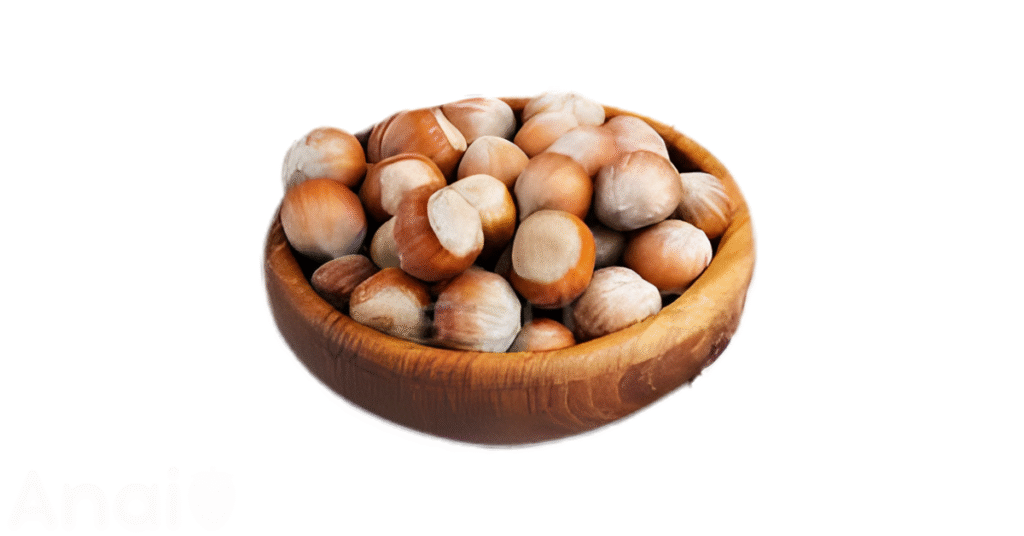
If you cannot find pecans or have an allergy, several excellent substitutes mimic their texture and flavor profile. Below is a comparison of key nutrients for common substitutes.
| Substitute (1 oz) | Calories | Total Fat | Protein | Fiber |
|---|---|---|---|---|
| Walnuts | 185 | 18.5 g | 4.3 g | 1.9 g |
| Hazelnuts | 178 | 17 g | 4.2 g | 2.7 g |
| Peanuts | 161 | 14 g | 7.3 g | 2.4 g |
| Sunflower Seeds | 165 | 14 g | 5.5 g | 3 g |
Walnuts
Walnuts are widely considered the best overall substitute for pecans. They share a similar rugged appearance and crunchy texture. You can use them in a simple 1:1 ratio for cookies, cakes, and quick breads. A benefit of using walnuts is that they are often less expensive and easier to find than pecans. However, they have a slightly more bitter, tannic skin compared to the sweetness of pecans. This flavor difference is noticeable in delicate desserts like pecan pie.
Hazelnuts
Hazelnuts offer a premium alternative with a warm, earthy flavor. They are particularly effective in chocolate-based recipes where a rich, decadent taste is required. Like walnuts, you can swap them in a 1:1 ratio. A major benefit is their compatibility with cocoa and coffee flavors. The drawback is that hazelnuts can be significantly more expensive than pecans and often require skinning before use, adding prep time.
Peanuts
Unsalted peanuts are a budget-friendly and accessible substitute. While technically legumes, they work well in recipes calling for raw nuts or as a crunchy salad topping. You can use them in a 1:1 substitution. The benefit of peanuts is their high protein content, which is nearly triple that of pecans. The downside is that they have a very distinct flavor that does not mimic the buttery profile of a pecan, making them unsuitable for traditional holiday pies.
Sunflower Seeds
Sunflower seeds are the premier choice for those with tree nut allergies. They provide a similar crunch and earthy flavor profile without the allergen risk. Start with ½ to ¾ of the amount called for in the recipe, as they are much smaller than pecans. The benefit is their safety in nut-free schools and environments. The drawback is the size difference; they lack the visual appeal of a pecan half on top of cookies or pies.
Macadamia Nuts
Macadamia nuts mimic the high-fat content and rich mouthfeel of pecans perfectly. They are excellent in both sweet cookies and savory dishes like crusted fish. Use them in a 1:1 ratio. The benefit is their incredibly buttery texture, which rivals even the best pecans. However, macadamia nuts are often the most expensive nut option available, which can drastically increase the cost of your bake.
Cashews
Cashews offer a creamy texture and sweet flavor. They are less crunchy than pecans but provide a pleasant buttery taste that pairs well with caramel. A 1:1 exchange works for most recipes. The benefit is their softer texture, which appeals to those who find pecans too hard or fibrous. The drawback is that they lack the signature shape and craggy texture that pecans provide to the aesthetic of a dish.
Pistachios
Pistachios bring a unique green color and distinct flavor to recipes. They work best in savory dishes or desserts where a salty-sweet contrast is desired. Use shelled pistachios in a 1:1 ratio. The benefit is their high antioxidant content and unique visual pop. The drawback is that their strong, distinct flavor profile will completely alter the taste of a traditional pecan recipe.
Brazil Nuts
Brazil nuts are large and possess a smooth, rich texture. They are earthy and mild but are typically not used in large quantities for baking. If you use them, chop them to match pecan sizes in a 1:1 ratio. The benefit is their incredibly high selenium content. The drawback is that consuming too many can lead to selenium toxicity, so they cannot be used as a bulk replacement in something like a pie.
Pine Nuts
Pine nuts are soft, buttery, and small. They are primarily used in savory dishes like pesto or salad toppings rather than desserts. Use ¾ of the amount to avoid overpowering the dish with too many individual nuts. The benefit is their delicate texture, which melts in the mouth. The drawback is the exorbitant price and a flavor profile that is generally too resinous for sweet applications.
Pecan Oil
Pecan oil is the perfect solution when you want the flavor of pecans without the texture. It is excellent for cookies or dressings. Replace 1 cup of pecans with 3 tablespoons of oil. The benefit is capturing the essence of the nut for those who dislike chewing nuts. The drawback is the total loss of structural crunch and volume in the recipe.
Popular Pecan Diets
How to add pecans safely into your diet? Choosing the right diet is important to ensure that you are meeting your nutritional needs while also enjoying the foods you eat. Here are a few of the available pecan-friendly diet options:
- Keto Diet
- DASH Diet
- Atkins Diet
- Mediterranean Diet
- Paleo Diet
- Vegan/Vegetarian Diets
- Intermittent Fasting
- Low Carb Diet
| Diet | Key Focus | Pecan Compatibility | Benefits vs. Drawbacks |
|---|---|---|---|
| Keto | High fat, very low carb | Excellent (High fat, low net carb) | Benefit: Fits the 70% fat requirement perfectly. Drawback: Calorie density can add up quickly if not measured. |
| DASH | Lowering blood pressure | High (Potassium content) | Benefit: Supports heart health via minerals. Drawback: Limited to 4-5 servings per week, requiring strict portion control. |
| Mediterranean | Plant-based, unsaturated fats | Essential | Benefit: Aligns with the emphasis on healthy fats. Drawback: None, other than moderation. |
| Paleo | Pre-agricultural foods | Good (Natural seed) | Benefit: Provides essential minerals like copper and manganese. Drawback: Must be raw or dry-roasted; no processed oils or sugar glazes allowed. |
| Atkins | Low carb, high protein | Good | Benefit: Curbs appetite due to fat/protein combo. Drawback: Must avoid sugary pecan recipes (like pies). |
| Vegan | Plant-based only | Excellent | Benefit: Vital source of plant protein and zinc. Drawback: Incomplete protein on its own. |
The Keto Diet focuses on shifting the body’s metabolism toward fat burning. Limiting net carb consumption to 20g – 30g per day is standard practice here. Since pecans are loaded with healthy fats and contain very few carbohydrates, they act as ideal fuel for ketosis. The high fat content helps you hit the required 70% fat macronutrient ratio without spiking insulin.
The DASH Diet (Dietary Approaches to Stop Hypertension) is specifically designed to lower blood pressure. Pecans are a natural fit here because they are rich in potassium, a mineral that helps regulate blood pressure fluctuations. However, this diet is stricter on quantity. It recommends limiting intake to 4 to 5 servings of nuts per week to manage caloric density and fat intake.
The Atkins Diet allows you to consume protein and fat freely while restricting carbs. Proponents claim this reduces appetite. Pecans fit the bill perfectly due to their low carbohydrate content. They provide a satisfying crunch that replaces high-carb snacks like chips or crackers, making adherence to the diet easier.
The Mediterranean Diet is widely regarded as one of the healthiest eating plans globally. It emphasizes fruits, vegetables, legumes, and unsaturated fats. Nuts are considered an essential daily component rather than an occasional treat. Pecans contribute healthy monounsaturated fats that align with the diet’s goal of reducing heart disease risk.
The Paleo Diet mimics the eating habits of the Paleolithic era. It restricts grains and dairy, which appeared after the agricultural revolution. Pecans are a popular choice among followers because they are a natural, unprocessed food source. They provide high amounts of polyunsaturated fats, thiamine, and manganese, which are difficult to get from lean meats alone.
Vegan and Vegetarian Diets rely on nuts for nutrition that meat usually provides. Pecans act as a robust source of plant-based protein. They serve as a vital source of zinc and iron, minerals that can sometimes be lacking in non-animal diets. They add essential texture and “meatiness” to plant-based dishes.
Intermittent Fasting focuses on when you eat rather than what you eat. While pecans will break a fast if eaten outside the window, they are excellent for breaking a fast. Their high nutrient density provides sustained energy without spiking blood sugar immediately. This helps prevent the “crash” often felt after eating a heavy meal following a fast.
The Low Carb Diet is a broader category that encompasses various carbohydrate-restricted plans. Similar to Keto and Atkins, the goal is weight loss through insulin management. Pecans are an excellent choice here. Their high fiber content lowers the net carb count, allowing dieters to feel full without consuming prohibited sugars or starches.
How to Cook Pecans?
Raw pecans offer the baseline for nutritional value. Eating them straight from the shell ensures you get 100% of the heat-sensitive vitamins, such as Vitamin E and Vitamin B1. There is no processing, no added oils, and no sodium. This is the purest way to consume the nut, though some find the texture less crunchy and the flavor slightly more tannic than cooked versions.
Roasted pecans made in the oven are preferred for even cooking. Roasting at 350°F for 10-12 minutes deepens the flavor profile, bringing out a nutty, buttery aroma. It also dries out the nut, making it significantly crunchier. While high heat can degrade a small percentage of antioxidants, the removal of moisture concentrates the mineral content per ounce.
Toasted pecans are cooked quickly on the stovetop. This method is faster than the oven, taking only about 2 to 5 minutes in a skillet. It usually requires a fat like butter or oil to prevent sticking and add flavor. This method is excellent for small batches needed for salads. However, direct heat increases the risk of scorching the healthy fats, so constant stirring is mandatory.
Air fryer pecans are a modern, efficient alternative. You can cook them at 400°F for just 4 to 6 minutes. This method creates an incredibly crisp texture similar to deep frying but without the excess oil. It is faster than the oven and heats up the kitchen less. Like roasting, keep an eye on them, as the rapid air circulation can burn the tips of the nuts quickly.
Boiled or Blanched pecans are typically a preparatory step rather than a final cooking method. Blanching in boiling water for 60 seconds removes the skins and debris. This is often done before frying or roasting to ensure the seasoning sticks better. The downside is that some water-soluble vitamins, like B vitamins, may leach out into the boiling water during this process.
Fried pecans are the most decadent but least healthy option. Deep frying or shallow frying in oil adds significant calories and saturated fats. While delicious, the high heat of the oil can oxidize the beneficial polyunsaturated fats in the pecan. This method is usually reserved for treats like pralines or sugary snacks rather than daily health consumption.
Easy Pecan Recipes
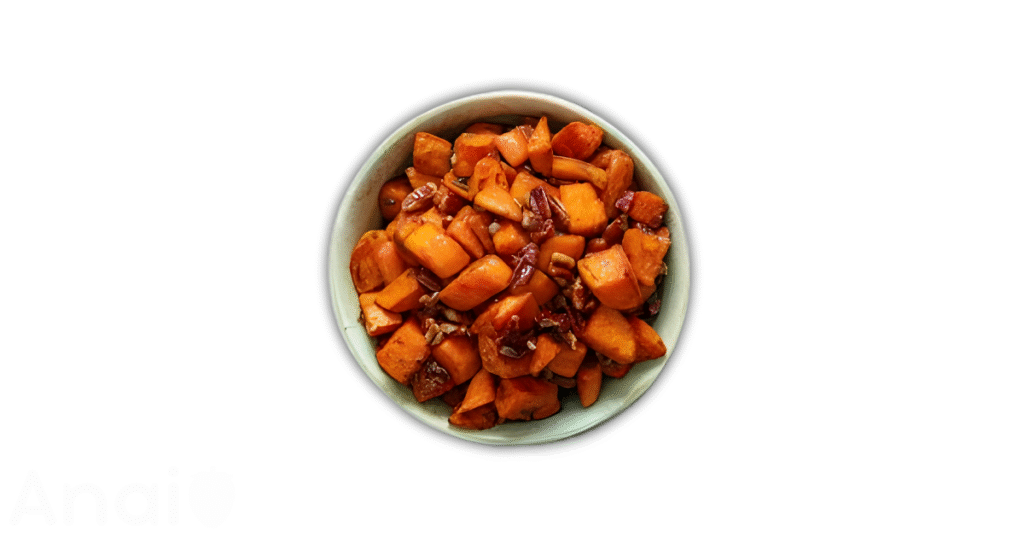
Integrating pecans into your daily meals does not require a culinary degree; these recipes are designed to boost your nutrient intake while satisfying your taste buds with minimal effort.
Breakfast ideas with pecans
Butter Pecan Scones allow you to wake up to the rich aroma of toasted nuts. These are easy to assemble and bake, providing a hearty, buttery start to the morning. The pecans add a necessary crunch that contrasts beautifully with the soft, flaky dough.
Praline-Pecan French Toast turns a standard breakfast into a decadent experience. By preparing this the night before, you allow the custard to soak into the bread while the pecans sit ready to crisp up in the oven. It combines maple syrup, cinnamon, and vanilla for an irresistible start to the day.
Classic Monkey Bread is a sweet way to introduce pecans to the family. It requires just 15 minutes of hands-on time. The nuts are tucked between pillows of dough and cinnamon sugar, providing a surprise crunch in every pull-apart bite.
Lunch ideas with pecans
Chicken Salad with Grapes and Pecans offers a perfect balance of savory and sweet. This dish gets better as it sits, making it perfect for meal prep. The pecans stay crunchy, providing a texture contrast to the creamy dressing and soft grapes.
Brussels Sprout Slaw with Apples and Pecans is an earthy, raw option for a light lunch. The toasted pecans complement the bitterness of the sprouts and the sweetness of the apples. It is a nutrient-dense bowl that feels substantial without being heavy.
Winter Salad with Escarole and Endive uses pecans to cut through the acidity of a vinaigrette. Tossed with tart Granny Smith apples and shaved Parmigiano Reggiano, the nuts add a healthy fat source that makes this salad filling enough for a main course.
Dinner ideas with pecans
Oven-fried Pecan Catfish is a smart way to replace breadcrumbs. By coating fish fillets in finely chopped pecans and Dijon mustard, you create a crust that is rich in healthy fats and gluten-free. It bakes at 450°F for 15 minutes, creating a firm, savory main dish.
Pecan-stuffed Chile Rellenos provides a vegetarian protein boost. Instead of just cheese, these roasted peppers are stuffed with a mixture of asadero cheese and chopped pecans. The nuts add a “meaty” texture and hold up well against the spicy chile and frying batter.
Roasted Sweet Potatoes with Pecans transform a simple side dish into a highlight. Chunks of sweet potato are tossed with honey, oil, and spices, then topped with pecans halfway through baking. The nuts toast while the potatoes soften, creating a caramelized, savory-sweet flavor profile.
Simple tips to add pecans to your diet
For those who are too busy to cook specific recipes, here are effortless ways to increase your intake:
- Sprinkle raw or toasted pecans over your morning Greek yogurt or oatmeal.
- Keep a jar of roasted pecans on your desk to replace chips or processed snacks.
- Add a handful of pecans to your post-workout protein shake or smoothie for added healthy fats.
- Crush pecans and use them as a topping for vanilla ice cream or frozen yogurt.
- Mix pecans into your favorite store-bought trail mix to boost the mineral content.
- Use pecan butter as a direct substitute for peanut butter on toast or sandwiches.
- Toss a handful of pecans into any green salad for an instant texture upgrade.
- Stir chopped pecans into pancake or waffle batter before cooking.
Pecan Storage Tips
Knowing how to cook pecans is only a part of the equation, and the importance of knowing pecan storage tips to make those meals last for longer cannot be overstated. Proper storage prevents the natural oils from going rancid and preserves that signature buttery flavor.
Shelf life of pecans
- At room temperature: In-shell pecans can last for a few months if kept cool and dry, but shelled pecans degrade faster due to air exposure.
- In the refrigerator: Refrigerating extends freshness and preserves flavor for up to 6 months.
- In the freezer: Freezing allows for the maximum storage time, keeping fresh pecans good for up to 2 years.
How to store pecans?
The method you choose largely depends on whether the shells are intact. Whole-in-shell pecans are naturally protected. The shell guards the nut meat from bruising and oxidation. For these, you want to use an airtight container or a zip-lock bag, then place that inside a paper bag. This double-layering helps, but the critical factor is keeping them in a cool, dry place. While the shell offers protection, it causes a slight delay in consumption since you have to crack them for recipes.
Shelled or cracked pecans are much more vulnerable. Because the meat is exposed, it easily absorbs odors from the surrounding environment. You must avoid placing cracked pecans near fragrant foods like onions, bananas, or even breath mints. One consumer reported her pecans tasted “bad and minty” just because they sat near a sealed bag of mints in a pantry. If you are a serious nut enthusiast, use an airtight canister and store it next to your flour and sugar. Keeping 2 cups of shelled pecans on standby ensures you are always ready for baking.
How to refrigerate pecans?
Refrigeration is the best middle-ground for preserving flavor without freezing, provided you seal them correctly.
- Place your pecan halves or pieces into a clean, airtight container or a heavy-duty zip-lock bag.
- Remove as much air as possible from the bag before sealing to prevent oxidation.
- Place the container away from highly aromatic foods like onions or pungent cheeses to prevent odor absorption.
- Store them for up to 6 months for optimal taste.
How to freeze pecans?
Freezing is the ultimate solution for long-term storage, especially if you buy in bulk during the harvest season.
- Divide your pecans into smaller, recipe-ready amounts to avoid thawing the entire batch later.
- Double-bag the portions using freezer-safe bags to ensure freshness and prevent freezer burn.
- Place the bags in the freezer, where they will remain tasty and plump for up to 2 years.
- When ready to use, no defrosting is required; you can add them directly to recipes.
Signs of Spoilage in Pecans
If your storage conditions were poor, your nose and taste buds will likely alert you to the problem immediately.
- Darkening of the kernel or nut meat.
- Rancid smell, often described as smelling like old paint or plastic.
- Bitter or unpleasant oily taste that destroys the natural buttery flavor.
7 Smart Pecan Home Remedies
Are there any lesser-known tips to unlock the nutritious profile of pecans? The following pecan remedies can have a positive effect on overall well-being.
- Pecan Oil Scalp Massage: This remedy targets dry scalp and hair fall. Pecan oil is rich in omega fatty acids and vitamin E. Massage a small amount of warm pecan oil directly into your scalp and hair roots. Leave it on for at least 30 minutes before washing. This improves blood circulation to hair follicles and keeps the scalp moisturized, preventing flakiness.
- Digestive Fiber Morning Boost: This remedy is for those suffering from irregular bowel movements. Eat a small handful of raw pecans (about 5 to 7 nuts) with a glass of water first thing in the morning. The dietary fiber adds bulk to the stool and supports the growth of good gut bacteria, helping to regulate your digestive rhythm naturally.
- Natural Zinc Immunity Snack: Use this when you feel a cold coming on. Combine raw pecans with vitamin C-rich fruits like orange slices or berries. The high zinc content in pecans strengthens immune cells, while the healthy fats help your body absorb fat-soluble vitamins. Store this mix in a small container for a daily immunity shield.
- Post-Workout Recovery Fuel: This aids in muscle repair and reduces inflammation. Eat a portion of 20 to 30 grams of pecans immediately after physical stress. The magnesium in the nuts supports muscle function, while the antioxidants like flavonoids help reduce the inflammation caused by intense workouts.
- Anti-Aging Dietary Supplement: This works from the inside out to fight wrinkles. Incorporate a daily serving of pecans into your diet specifically to target oxidative stress. The ellagic acid and Vitamin A work to protect collagen and skin elasticity. Consistency is key here; make it a daily ritual rather than an occasional treat.
- Pecan Oil Skin Moisturizer: This is a direct application for dry skin patches. Because it is rich in vitamins A and E, pecan oil acts as a protective barrier. Apply a few drops of cold-pressed pecan oil to rough areas like elbows or knees. It locks in moisture and helps repair skin tissue without the chemicals found in commercial lotions.
- Stress-Relief Magnesium Munch: Use this when feeling anxious or fatigued. Low magnesium levels are linked to stress. Slowly chewing a handful of pecans provides a natural source of magnesium to help regulate mood. The act of chewing, coupled with the nutrient release, can provide a slight mental boost and reduce tension.
Pecans and Weight Management

There are multiple health benefits and home remedies using pecans, but what is their role in weight management? This section will analyze pecans’ potential impact on weight loss, low-calorie diets, satiety, and metabolism.
Can pecans help with weight loss?
Despite being calorie-dense, pecans can actually prevent excessive weight gain. A study published in the MDPI journal Nutrients found that mice fed a high-fat diet containing whole pecans gained 37% less weight than those in a control group fed a high-fat diet without pecans. The researchers also noted that the pecan-fed group had lower insulin resistance and less inflammation in visceral fat. This suggests that the bioactive compounds in the nuts may offer a protective effect against obesity-related complications.
Pecans in low-calorie diets
Integrating pecans into a calorie-restricted diet requires precision because a single ounce contains 196 calories. However, they are a powerful tool for replacing empty calories. The American Journal of Clinical Nutrition published a review suggesting that when nuts like pecans are used in conjunction with a healthy low-fat diet, they offer increased palatability. This means people enjoy their food more and are more likely to stick to their diet plan long-term, leading to greater dietary compliance.
Pecans and satiety
One of the hardest parts of weight management is dealing with hunger, and pecans are excellent at curbing appetite. They are rich in oleic acid, a monounsaturated fat that is particularly valuable in suppressing hunger. Combined with 3 grams of protein and significant dietary fiber per ounce, pecans slow down the digestive process. This helps you feel fuller for longer periods, reducing the urge to snack on processed, sugary foods between meals.
Pecans and metabolism
Pecans may act as a metabolic booster. Research indicates that nut consumption can increase metabolic rates, meaning your body burns more energy at rest. The study involving mice showed that pecan consumption led to higher oxygen consumption and increased heat generation within brown fat tissues. This thermogenic effect suggests that the body is more efficient at burning energy rather than storing it as fat when pecans are part of the diet.
Pecans for Health Conditions
While weight management is important, do pecans have an effect on more serious health conditions? Here’s what the scientific literature has to say:
Pecans and diabetes
Managing blood sugar is critical for long-term health. Pecans are beneficial here due to their remarkably low glycemic index. This means eating them prevents the dangerous spikes in blood sugar associated with high-carb snacks. Research indicates that increasing tree nut consumption can lower hemoglobin A1C levels and fasting glucose, which are key markers for diabetes management (Frey, 2024).
Specific studies highlight the efficacy of pecans in insulin regulation. One study found that a pecan-rich diet followed for four weeks improved the body’s ability to use insulin effectively (Mutchler, 2025). Furthermore, snacking on just one ounce of nuts can help individuals avoid high-carb cravings, keeping blood sugar stable throughout the day (Colorito & Gopal, 2024).
Pecans and heart health
The cardiovascular benefits of pecans are perhaps the most well-documented. Raw, unsalted pecans are certified by the American Heart Association’s Heart-Check Program. This certification is backed by robust data. In a 30-year study by Harvard University involving 119,000 participants, regular nut eaters saw a 29% drop in the risk of dying from heart disease (Frey, 2024).
Clinical trials support these observational findings. A randomized, controlled trial demonstrated that consuming 68 grams of pecans daily for four weeks significantly lowered fasting levels of LDL (“bad”) cholesterol and reduced post-meal triglycerides (Colorito & Gopal, 2024). Additionally, a review of 61 studies confirmed that increased intake of tree nuts is directly linked to reduced levels of total cholesterol (Mutchler, 2025).
Pecans and digestive issues
Fiber is the cornerstone of digestive health. Pecans are a solid source of this nutrient, with one ounce providing 10% of the Daily Value for fiber (Mutchler, 2025). This fiber content promotes regularity and helps eliminate toxins from the gastrointestinal tract.
Beyond regularity, the fiber in pecans plays a protective role. It supports healthy gut bacteria, which are crucial for physical well-being. Adequate fiber intake is also associated with a reduced risk of intestinal cancer (Frey, 2024).
Pecans and inflammation
Chronic inflammation is a root cause of arthritis and other systemic diseases. Pecans contain omega-3 fats, which are known to ease arthritis pain by reducing inflammation (Colorito & Gopal, 2024). They are also rich in magnesium, a mineral that lowers inflammation markers like C-reactive protein (Mutchler, 2025).
The presence of flavonoids adds another layer of protection. According to the USDA, pecans have more flavonoids than any other tree nut (London, 2017). These antioxidants mitigate chronic inflammation, protecting cells from long-term damage.
Pecans and cancer prevention
The antioxidant profile of pecans makes them a potent tool for cellular defense. The USDA has ranked pecans among the top 20 foods for their high antioxidant levels (Colorito & Gopal, 2024). Specifically, they contain ellagic acid, which inhibits the DNA binding of certain carcinogens such as nitrosamines.
Long-term data support these protective effects. The Harvard study mentioned earlier found an 11% reduction in the risk of dying from cancer among frequent nut eaters. Furthermore, data from over 62,000 women followed for 20 years indicated that eating 10 grams of nuts daily reduces the risk of certain types of cancer, including post-menopausal breast cancer (Frey, 2024).
The evidence consistently points to pecans being a functional food that supports the management and prevention of chronic disease.
| Health Category | Benefits | Type of Study | Quality of Evidence | Sources |
|---|---|---|---|---|
| Heart Health | Lowers LDL cholesterol & triglycerides; reduces death risk by 29% | Randomized Controlled Trials; Long-term Observational | High | Colorito & Gopal (2024); Frey (2024) |
| Diabetes | Lowers HbA1c & fasting glucose; improves insulin sensitivity | Controlled Feeding Trials | High | Frey (2024); Mutchler (2025) |
| Cancer Prevention | Reduces risk of post-menopausal breast cancer; inhibits carcinogens | Longitudinal Cohort Studies (20-30 years) | Moderate to High | Frey (2024); London (2017) |
| Inflammation | Reduces C-reactive protein; eases arthritis pain | Biochemical Analysis; Observational | Moderate | Mutchler (2025); Colorito & Gopal (2024) |
| Digestion | Promotes regularity; supports gut microbiome | Nutritional Analysis | Moderate | Frey (2024) |
Pecan Nutrition: A Final Word
This comprehensive guide has covered a vast array of topics to help you understand the power of this small nut. We have explored 12 effective health benefits of pecans, detailed pecan nutrition facts, and analyzed pecans’ risks and side effects. We also looked at pecan substitutes, identified popular pecan diets, and shared essential pecan storage tips. Finally, we provided 7 smart pecan home remedies, discussed pecans and weight management, and examined the science behind pecans for health conditions.
Here are a few fascinating takeaways to remember:
- Pecans are the only major tree nut native to North America.
- They contain more flavonoids than any other tree nut.
- A single ounce provides 196 calories and 20 grams of healthy fats.
- Eating pecans can lower your risk of dying from heart disease by 29%.
- They are naturally sodium-free and cholesterol-free.
- Pecans can be stored in the freezer for up to 2 years without losing flavor.
- Just 10 grams of nuts per day can reduce the risk of cancer.
- Pecans are ranked among the top 20 foods for their high antioxidant levels by the USDA.
This content was last updated in March 2026.
Follow Anai.ai to stay informed about the latest nutrition and well-being news, tips, and articles.
Pecan Nutrition FAQs
Here are the definitive, fact-based answers to the most common questions surrounding pecan consumption, safety, and storage. From debunking calorie myths to outlining specific toxicity risks for pets, these insights clarify how to optimize this nut’s health benefits.
What are pecans good for?
Pecans are primarily excellent for cardiovascular health because they are loaded with monounsaturated fats, specifically oleic acid, which helps maintain healthy cholesterol levels. They also rank among the top 15 foods with the highest antioxidant levels according to the USDA, helping to protect your cells from damage and aging. Beyond heart health, they provide essential minerals like zinc and magnesium, supporting immune function and nerve health, respectively.
Are pecans healthy?
These nuts are incredibly healthy and are certified as “Heart-Healthy” by the American Heart Association. They contain zero cholesterol and are naturally sodium-free, making them safe for blood pressure management. A single serving delivers 19 different vitamins and minerals, including Vitamin A, Vitamin E, and folic acid, ensuring you get a nutrient-dense boost in every bite.
Are pecans fattening?
While pecans are energy-dense at 196 calories per ounce, clinical studies indicate that eating them does not lead to weight gain when consumed in moderation. Their high fiber and protein content increases satiety, which often results in a natural reduction of overall calorie intake throughout the day. In fact, research on mice fed a high-fat diet containing pecans showed they gained 37% less weight than a control group, suggesting a protective metabolic effect.
Who should avoid pecans?
Individuals with a known tree nut allergy must strictly avoid pecans to prevent reactions ranging from mild hives to life-threatening anaphylaxis. People prone to kidney stones should also exercise caution because pecans contain oxalates, which can contribute to stone formation in susceptible individuals. Additionally, those on strict low-fat medical diets for conditions like pancreatitis should limit intake due to the 20.4 grams of fat found in a standard serving.
Can I eat pecans daily?
You can absolutely eat pecans every day, and the FDA actually suggests that eating 1.5 ounces of nuts daily may reduce the risk of heart disease. Consistency is key to reaping long-term benefits like lower LDL cholesterol and improved insulin sensitivity. Just stick to a standard portion of about 15 to 19 pecan halves to maximize health perks without overdoing the calorie count.
Can dogs eat pecans?
You should never feed pecans to dogs because they contain a toxin called juglone, which causes severe gastrointestinal distress in canines. Furthermore, the high fat content can lead to pancreatitis, a serious and painful inflammation of the pancreas in pets. Pecans are also prone to growing mold that produces aflatoxins, which can trigger liver damage and tremors in dogs.
Can cats eat pecans?
While pecans are not immediately toxic to cats in the way chocolate is, you should generally avoid feeding them to your feline friends. The high fat content in these nuts can lead to severe gastrointestinal upset or even pancreatitis, a dangerous inflammation of the pancreas. Additionally, pecans contain a natural toxin called juglone, which can cause digestive issues, and the nuts may harbor mold containing aflatoxins that are harmful to pets.
How long do pecans last in the fridge?
Refrigeration is a highly effective strategy for extending the shelf life of your nuts significantly beyond room temperature limits. When stored in an airtight container at roughly 40°F, shelled pecans will remain fresh and flavorful for approximately nine months. This cool environment slows down the oxidation of the nut’s high oil content, preventing the development of off-flavors.
Can you freeze pecans?
Freezing is widely considered the superior method for long-term pecan storage, capable of preserving their quality for up to two years. Because pecans have very low moisture content, they do not suffer from texture changes or freezer burn as easily as other foods. To ensure optimal freshness, store them in sealed, heavy-duty freezer bags at 0°F, and you can even thaw and refreeze them without significant quality loss.
How to tell if pecans are bad?
The most reliable indicator of a spoiled pecan is a rancid odor, which often smells distinctly like old paint or chemicals. This happens when the healthy fats oxidize, leading to a bitter or sour taste that ruins the nut’s natural buttery profile. Visually, you should discard any nuts that appear dark, shriveled, or show any evidence of mold growth or webbing.
How long are pecans good for?
The edible lifespan of a pecan varies drastically based on the storage temperature and the integrity of its shell. At room temperature, shelled pecans are only good for about two months, while in-shell pecans can survive in the pantry for 6 to 12 months. However, by utilizing a freezer, you can successfully extend that window to 24 months while maintaining nutrient density.
How to keep pecans fresh?
To maintain peak freshness, you must protect pecans from their primary enemies: heat, air, and moisture. Always store them in an airtight container or vacuum-sealed bag to prevent the high oil content from absorbing stray odors from your kitchen. Keeping them in a dark, cool environment like a refrigerator or freezer is essential, as exposure to light and warmth accelerates the oxidation process that causes rancidity.