
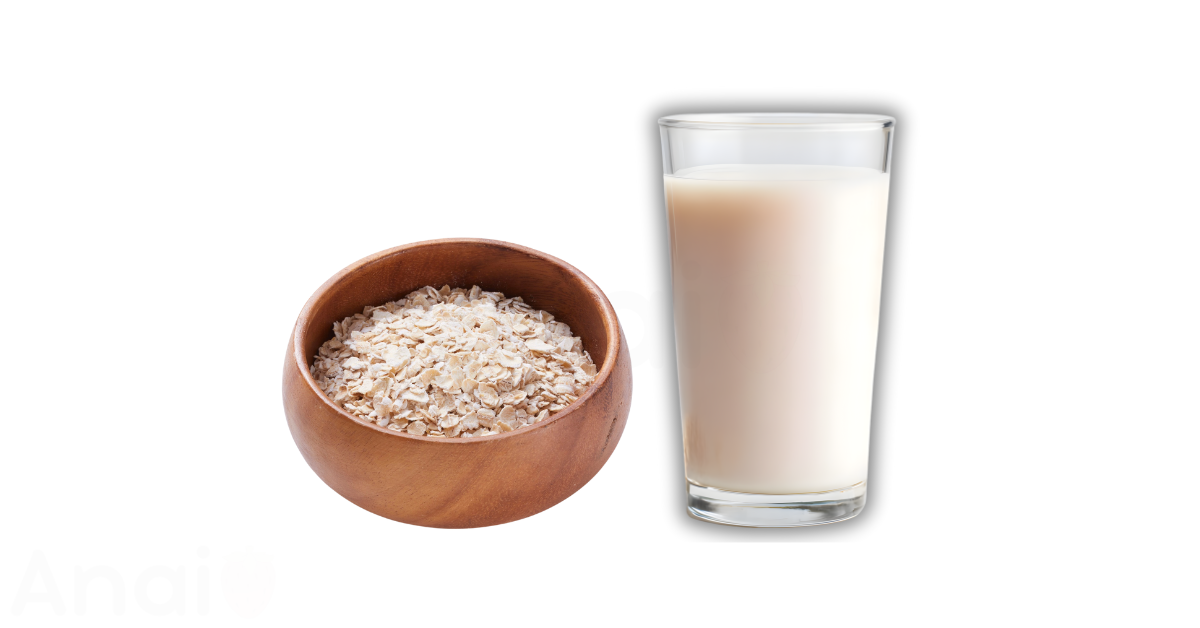
Is Oat Milk Good for You?
Oat milk is a scientifically viable and nutritionally sound alternative to dairy. It serves as a robust option for individuals with specific dietary restrictions or allergies. The beverage is naturally free of lactose, soy, and nuts, addressing the needs of the estimated 30 million Americans who suffer from some form of lactose intolerance. From a nutritional standpoint, oat milk is a source of beta-glucan, a soluble fiber that forms a gel-like substance in the gut. This substance binds to cholesterol and reduces its absorption, directly benefiting heart health.
Commercial oat milk formulations are typically fortified to mimic the nutritional profile of cow’s milk. These versions are enriched with Vitamin A, Vitamin D, riboflavin, and calcium, ensuring that consumers do not miss out on vital micronutrients. However, it is important to note that oat milk contains a higher carbohydrate count compared to almond or soy milk. It typically delivers around 16 grams of carbohydrates per cup. Therefore, while it is excellent for general health and energy, those on strict keto or low-carb diets should consume it with awareness.
This comprehensive guide is designed to be your ultimate resource. We will expand on several critical topics, including: 12 valuable health benefits of oat milk, oat milk nutrition facts, oat milk risks and side effects, oat milk substitutes, popular oat milk diets, oat milk storage tips, 8 fast oat milk home remedies, oat milk and weight management, and oat milk for health conditions.
Please note that this article contains the latest information and scientific data as of March 2026.
12 Valuable Health Benefits of Oat Milk
Oat milk is more than just a creamy addition to your morning coffee; it is a functional health food. Scientific research validates its role in supporting various bodily functions, from bone density to heart health. Each benefit listed below is fact-checked and backed by scientific publications and expert analysis.
1. Lowers LDL Cholesterol Levels
Oat milk is distinct among plant-based milks because of its high beta-glucan content. Beta-glucan is a soluble fiber that has a well-documented ability to improve lipid profiles. An older study involving men with high cholesterol demonstrated that consuming 3 cups (750 mL) of oat milk daily for five weeks reduced total cholesterol by 3% and LDL (bad) cholesterol by 5% (Tarin, 2020).
Recent reviews reinforce these findings. Data indicates that consuming an average of 3.5 grams of beta-glucan daily for nearly six weeks can reduce LDL cholesterol by 4% (Ferraro, 2025). This reduction includes apolipoprotein B, a primary protein in LDL cholesterol that serves as a strong indicator of heart disease risk.
2. Supports Bone Health and Density
Calcium is the primary mineral required for maintaining bone strength. A continuous lack of calcium can lead to brittle bones and fractures. Commercial oat milk is fortified to address this need efficiently. A single cup of fortified oat milk provides approximately 350 mg of calcium, which is roughly 25% of the Daily Value (DV) (Cooper et al., 2020).
Vitamin D is equally critical as it facilitates the absorption of calcium from the digestive tract. Fortified oat milk often provides 20% of the DV for Vitamin D (Van de Walle & Raman, 2023). This combination aids in the prevention of osteoporosis, particularly in postmenopausal women who are at higher risk for bone density loss.
3. Safer for Kidney Stone Prevention
Individuals prone to kidney stones are often advised to limit oxalate intake. Oxalates bind with calcium in urine to form stones. Almond and cashew milks are typically high in oxalates. In contrast, oat milk is much lower in oxalates, making it a preferable choice for renal health.
By switching to oat milk, patients can reduce their oxalate load while still enjoying a creamy milk alternative. This simple dietary switch can help mitigate the risk of calcium oxalate stone formation (Kubala, 2025).
4. Ideal for Severe Allergies
Oat milk provides a safe haven for those with multiple food sensitivities. It is naturally free from the three most common allergens found in milk beverages: dairy, soy, and nuts. This makes it a versatile ingredient for families navigating complex dietary restrictions.
While oats are naturally gluten-free, cross-contamination is a risk during processing. However, oat milk made from certified gluten-free oats is safe for those with celiac disease or gluten intolerance (Barrell, 2021). Always check labels to ensure the product meets strict gluten-free standards.
5. High in Vitamin B12
Vitamin B12 is essential for nerve health, red blood cell production, and DNA synthesis. It is rarely found in plant foods naturally. However, fortified oat milk serves as an excellent vehicle for this nutrient. One cup can deliver 50% of the Daily Value for Vitamin B12 (Purdie, 2024).
This is particularly beneficial for vegans and vegetarians who often struggle to meet B12 requirements through diet alone. Consistent consumption helps prevent megaloblastic anemia, a condition characterized by fatigue and weakness due to B12 deficiency (Tarin, 2020).
6. Environmentally Sustainable Choice
Oat milk is a leader in sustainability among dairy alternatives. Its production requires significantly fewer resources than cow’s milk. Research indicates that oat milk production generates 29% of the carbon footprint associated with dairy milk (Kubala, 2025).
Furthermore, oat milk utilizes 16% of the land and only 1.3% of the water required for cow’s milk production. Choosing oat milk is a data-driven decision for reducing one’s environmental impact while maintaining nutritional intake.
7. Promotes Digestive Regularity
Unlike cow’s milk, which contains zero fiber, oat milk contributes to daily fiber intake. A single serving contains approximately 2 grams of dietary fiber (Cooper et al., 2020). This fiber comes from the oats themselves and remains present after processing.
Fiber helps regulate bowel movements and supports a healthy gut microbiome. Since only 5% of the population meets fiber recommendations, substituting dairy with oat milk is an easy strategy to incrementally boost fiber consumption (Purdie, 2024).
8. Boosts Energy Production
Oat milk is a rich source of B vitamins, specifically Riboflavin (Vitamin B2). One cup provides 45% of the Daily Value for Riboflavin. This vitamin is essential for converting food into energy (Van De Walle & Raman, 2023).
Riboflavin also acts as an antioxidant. It helps combat oxidative stress and damage within the body. Adequate intake ensures that your cells function optimally and that your metabolism remains efficient (Barrell, 2021).
9. Enhances Skin, Hair, and Nail Health
The B vitamins found in fortified oat milk do more than just provide energy. They are linked to the health of integumentary systems. Vitamins like B12 and Riboflavin promote cell turnover and repair.
Deficiencies in this group of vitamins can lead to brittle nails and dull skin. By providing a substantial portion of the daily requirement, oat milk supports the internal mechanisms necessary for a healthy outer appearance (Van De Walle & Raman, 2023).
10. Higher Protein than Almond Milk
While it does not rival the protein content of soy or dairy milk, oat milk outperforms other popular plant-based options. It contains approximately 3 grams of protein per cup (Cooper et al., 2020). In comparison, almond milk typically offers only 1 gram of protein per serving.
This higher protein content, combined with fiber, contributes to greater satiety. You are likely to feel fuller after drinking oat milk compared to water-based almond or rice milks, which aids in appetite control (Bourgeois, 2025).
11. Supports Immune Function
Fortified oat milk is a reliable source of Vitamins A and D. Both are critical for a robust immune system. Vitamin A maintains the integrity of mucosal barriers in the gut and lungs, which trap bacteria and viruses.
Vitamin D modulates immune responses and reduces inflammation. A standard cup of oat milk can provide 20% of the DV for Vitamin A, helping to shore up the body’s defenses against infections (Ajmera, 2022).
12. Cruelty-Free and Vegan
Oat milk production involves no animal exploitation. It is 100% plant-based. This aligns with ethical veganism and vegetarian lifestyles (Rosenbloom, 2024).
Because it mimics the creamy texture of dairy without the use of animal products, it allows individuals to enjoy culinary staples like lattes and bacterial cultures for yogurt without compromising their ethical standards. It is a guilt-free dietary staple for the conscious consumer.
Oat Milk Nutrition Facts
The many health benefits of oat milk can be further explained through their impressive nutrition facts, as analyzed in detail below.
Oat Milk Nutrition Table
The following data reflects the nutritional profile of a standard, fortified commercial oat milk. While formulations vary by brand, these figures represent the average unsweetened variety found in US markets. Note the significant contribution to daily carbohydrate limits compared to fat intake.
| Nutrient | Per Serving (1 Cup / 240ml) | DRI % (Serving) | Per 100 grams | DRI % (100 g) |
|---|---|---|---|---|
| Calories | 120 kcal | 6% | 50 kcal | 2.5% |
| Protein | 3 g | 6% | 1.25 g | 2.5% |
| Carbs | 16 g | 5.8% | 6.6 g | 2.4% |
| Total Fat | 5 g | 6.4% | 2.1 g | 2.7% |
| Cholesterol | 0 mg | 0% | 0 mg | 0% |
How many calories are in oat milk?
Oat milk is moderately energy-dense compared to water-based alternatives like almond milk. A standard 1-cup serving contains 120 calories, which accounts for approximately 6% of a standard 2,000-calorie daily diet. When analyzed by weight, this equates to roughly 50 calories per 100 grams.
While this calorie count is lower than whole cow’s milk, which contains about 150 calories per cup, it is significantly higher than unsweetened almond milk’s 30 to 60 calories. To burn off the 120 calories found in a single glass of oat milk, an average adult would need to walk briskly for approximately 25 to 30 minutes or run for about 12 minutes.
How much protein is in oat milk?
Protein is not the strongest suit of oat milk, though it performs better than some nut milks. A serving delivers 3 grams of protein, meeting just 6% of the daily recommended intake. Per 100 grams, the fluid provides only 1.25 grams of protein.
This is a critical data point for those switching from dairy. Cow’s milk offers 8 grams per cup, meaning you would need to drink nearly three cups of oat milk to match the muscle-repairing protein of one cup of dairy milk. It also lags behind soy milk, which can offer up to 12 grams per serving.
How many carbs are in oat milk?
Oat milk is distinctively high in carbohydrates due to its grain base. A single serving contains 16 grams of carbohydrates, covering nearly 6% of the daily value. Per 100 grams, this breaks down to roughly 6.6 grams.
It is vital to understand where these carbs come from. During production, enzymes break down oat starches into simpler sugars like maltose. This process gives oat milk its signature sweetness without added table sugar, but it also raises the carbohydrate count significantly compared to almond or soy milk.
How much fat is in oat milk?
The fat content in oat milk is moderate and primarily heart-healthy. A cup provides 5 grams of total fat, which is about 6.4% of the daily allowance. Per 100 grams, you are consuming roughly 2.1 grams of fat. The breakdown favors unsaturated fats, which are beneficial for cardiovascular health.
| Fat Type | Amount Per Serving | Description |
|---|---|---|
| Total Fat | 5 g | Moderate fat content for creaminess. |
| Saturated Fat | 0.5 g | Very low, constitutes only ~10% of total fat. |
| Monounsaturated Fat | ~2.5 g | Healthy fats, often from added rapeseed or sunflower oil. |
| Polyunsaturated Fat | ~2.0 g | Includes essential fatty acids like linoleic acid. |
Is oat milk high in cholesterol?
One of the most significant advantages of oat milk is its lack of cholesterol. It contains 0 mg of cholesterol per serving and per 100 grams. This makes it 0% of the daily recommended limit. Because it is a plant-based food derived from grains, it naturally lacks the dietary cholesterol found in animal products like cow’s milk, making it an excellent choice for individuals managing hyperlipidemia.
Minerals in oat milk
Commercial oat milk is frequently fortified to mimic or exceed the mineral profile of dairy.
| Mineral | Amount (Serving) | DRI % | Health Benefits |
|---|---|---|---|
| Calcium | 350 mg | 25% | Essential for bone density and muscle function. |
| Phosphorus | 269 mg | 20% | Supports energy production and bone filtering. |
| Potassium | 389 mg | 8% | Regulates fluid balance and blood pressure. |
| Iron | 0.59 mg | 2-6% | Vital for oxygen transport in blood. |
| Sodium | 101 mg | 4% | Maintains nerve function and hydration. |
Fortified oat milk is a robust source of bone-building minerals. A single cup provides 25% of the daily value for Calcium, which is comparable to, and sometimes higher than, cow’s milk. The presence of Phosphorus (20% DV) works synergistically with calcium to maintain strong skeletal structure, while potassium aids in cardiovascular health.
Vitamins in oat milk
To ensure nutritional adequacy for vegans, manufacturers enrich oat milk with essential vitamins.
| Vitamin | Amount (Serving) | DRI % | Health Benefits |
|---|---|---|---|
| Vitamin B12 | 1.2 mcg | 50% | Critical for nerve health and DNA synthesis. |
| Riboflavin (B2) | 0.6 mg | 45% | Converts food into energy; antioxidant properties. |
| Vitamin D | 2.39 mcg | 20% | Facilitates calcium absorption and immune health. |
| Vitamin A | 143 mcg | 20% | Supports vision and immune system integrity. |
The vitamin profile of fortified oat milk is impressive. It is particularly valuable for the 50% DV of Vitamin B12, a nutrient difficult to obtain from plant sources alone. Additionally, the 45% DV of Riboflavin supports energy metabolism, helping to combat fatigue.
Oat Milk Risks and Side Effects
While generally safe, oat milk carries specific risks related to processing and individual physiology. A primary concern is gluten contamination. Although oats are naturally gluten-free, they are often processed in facilities that handle wheat. This poses a severe risk for individuals with Celiac disease unless the product is explicitly labeled “certified gluten-free.” Furthermore, the enzymatic process used to create oat milk converts starches into maltose, a simple sugar with a high glycemic index (GI). Some brands have a GI as high as 69, which can cause rapid blood sugar spikes, making it potentially unsuitable for unmanaged Type 2 diabetes.
Digestive issues and sensitivities also occur. Some commercial brands add carrageenan or vegetable gums to improve texture. Carrageenan has been linked in test-tube studies to gut inflammation and digestive disruption. Additionally, oat milk contains phytates, which are anti-nutrients that can bind to minerals like zinc and iron, potentially reducing their absorption in the body. To manage these risks, consumers should read labels to avoid carrageenan, choose unsweetened varieties to limit glycemic load, and opt for certified gluten-free brands if sensitive to wheat.
Debunking myths about oat milk
Myth: Oat milk is naturally as nutritious as cow’s milk.
Fact: Homemade or unfortified oat milk is significantly lower in calcium, Vitamin D, and Vitamin B12 than dairy milk; it requires artificial fortification to compete nutritionally.
Myth: “Unsweetened” oat milk is sugar-free.
Fact: Even without added cane sugar, the processing of oats breaks down starches into maltose, a simple sugar, meaning one cup can still contain 7 grams of sugar or more naturally.
Myth: Oat milk is always a safe gluten-free option.
Fact: Most standard oats are cross-contaminated with wheat during farming or processing, so only products specifically labeled Certified Gluten-Free are safe for those with Celiac disease.
Oat Milk Substitutes
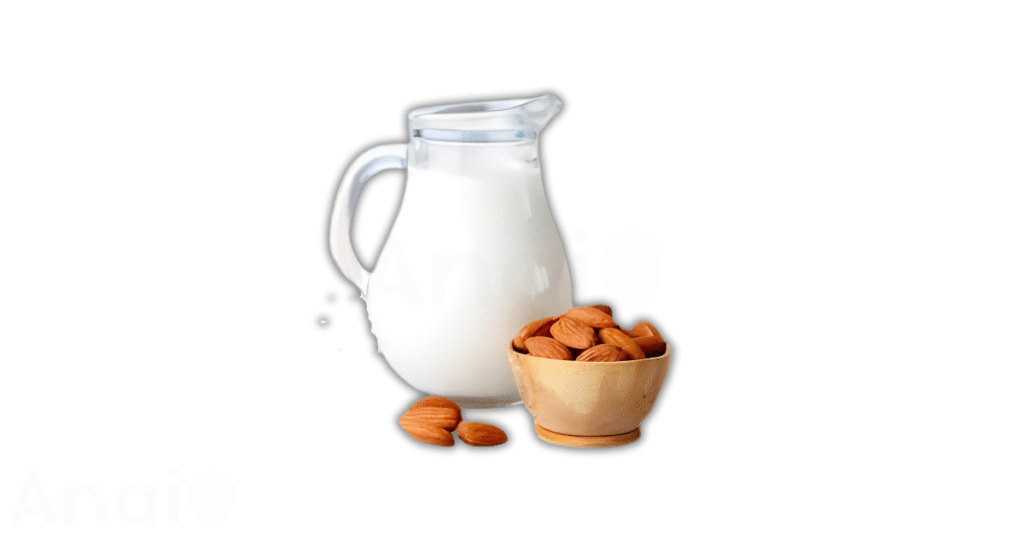
Choosing the right milk alternative depends on your specific health goals, such as protein intake or environmental impact. The table below compares oat milk against its top competitors.
| Nutrient | Oat Milk | Almond Milk | Soy Milk | Cow’s Milk (Whole) |
|---|---|---|---|---|
| Calories | 120 | 30 – 60 | 80 – 100 | 150 |
| Protein | 3 g | 1 g | 7 – 12 g | 8 g |
| Carbs | 16 g | 1 g | 4 g | 12 g |
| Fat | 5 g | 2.5 g | 4 g | 8 g |
Almond Milk
Almond milk is the go-to substitute for those aggressively managing calorie intake. Its primary benefit over oat milk is the significantly lower carbohydrate and calorie count, making it ideal for keto or low-carb diets. It is also naturally high in Vitamin E. However, it is water-intensive to produce, despite a low carbon footprint. It also offers negligible protein, meaning it is a poor choice for muscle repair compared to oat milk’s modest protein contribution.
Soy Milk
Soy milk is the nutritional heavyweight of plant milks. Its biggest advantage over oat milk is its protein content, which ranges from 7 to 12 grams per cup, rivaling that of cow’s milk. It creates a complete protein profile, making it superior for satiety and muscle maintenance. The drawback for some is the taste or allergies to soy. Unlike oat milk, which is generally hypoallergenic (aside from gluten risks), soy is a common top-tier allergen.
Cow’s Milk (Whole)
Traditional dairy remains the gold standard for natural nutrient density. It provides 8 grams of high-quality protein without the need for fortification, unlike oat milk. It is also naturally rich in calcium. However, the drawbacks are significant for many: it contains lactose, which triggers digestive distress in a large portion of the population. It also has a much higher environmental footprint regarding land use and greenhouse gas emissions compared to the sustainable production of oat milk.
Popular Oat Milk Diets
How to add oat milk safely into your diet? Choosing the right diet is important to ensure that you are meeting your nutritional needs while also enjoying the foods you eat. Here are a few of the available oat milk-friendly diet options:
- The Vegan Diet
- The Low-Oxalate Diet (Kidney Stone Prevention)
- The Lactose-Free Diet
- The Calorie Deficit / Weight Loss Diet
| Diet Plan | Key Focus | Benefits of Oat Milk | Potential Drawbacks |
|---|---|---|---|
| Vegan | Excludes all animal products. | Provides a creamy, plant-based texture without animal exploitation. | Requires fortification to match dairy’s B12 and calcium levels. |
| Low-Oxalate | Reduces oxalate intake to prevent kidney stones. | Significantly lower in oxalates than almond or cashew milk. | Higher carbohydrate content than other low-oxalate fluids. |
| Lactose-Free | Eliminates lactose to prevent digestive distress. | Naturally free of lactose, preventing bloating and gas. | Generally lower protein content (2-3g) compared to lactose-free cow better than rice or almond milk. It allows vegans to enjoy lattes, baking, and creamy sauces without compromising their ethical stance. However, users must be vigilant about protein intake, as oat milk generally offers only 2 to 3 grams of protein per serving compared to the higher protein content of dairy or soy. |
The Vegan Diet relies heavily on plant-based substitutes to replace animal proteins and fats. Oat milk fits seamlessly here, offering a production method that uses 16% less land and emits fewer greenhouse gases than dairy. While it is an ethical win, vegans must ensure they choose fortified versions to prevent Vitamin B12 deficiencies, as unfortified oat milk lacks this essential nutrient naturally.
For individuals prone to kidney stones, the Low-Oxalate Diet is critical. Unlike almond milk, which is high in oxalates that bind with calcium to form stones, oat milk is a safe, low-oxalate hydration option. It allows patients to enjoy milk-like beverages without increasing their risk of calcium oxalate stone formation.
The Lactose-Free Diet is essential for the estimated 30 million Americans who suffer from lactose intolerance. Since oat milk is naturally devoid of lactose, it eliminates the risk of gastrointestinal symptoms like diarrhea and vomiting associated with dairy consumption. However, users should be mindful that they are swapping a high-protein drink for a higher-carbohydrate one.
Finally, the Calorie Deficit / Weight Loss Diet utilizes oat milk for its satiety factors. While almond and cashew milks are popular, they are high in oxalates. Oat milk is a superior choice here. It allows patients to enjoy milk alternatives without spiking their urinary oxalate levels. It is a strategic swap that protects renal health while maintaining dietary variety.
Finally, The Calorie-Deficit Weight Management Diet utilizes oat milk’s fiber content to curb appetite. Research suggests that the fiber and protein in oat milk can keep you fuller for longer, potentially leading to a reduction in overall calorie intake. Some sources suggest a potential loss of around 3 pounds per week if combined with a deficit and healthy choices, though individual results vary greatly. The key here is portion control; because it contains around 130 calories per cup, it is not a “free” food like plain tea or black coffee.
How to Cook Oat Milk?
Raw oat milk is the most common form of consumption and the method that preserves the most nutrients. When you make oat milk at home using cold water and a high-speed blender for 30 seconds, you retain the raw enzymatic integrity of the oats. This method avoids the “slime” factor associated with heat. However, because it is not pasteurized, raw homemade oat milk has a short shelf life of about 5 days and should be kept consistently chilled to prevent bacterial growth.
Boiled oat milk is common when making oatmeal, hot cocoa, or tea. However, culinary caution is required. Oats contain starch that thickens rapidly when heated. If you boil oat milk for too long or at too high a temperature, the texture can become unpleasantly thick or gelatinous. To minimize nutrient loss and textural issues, heat the milk gently and avoid a rolling boil. While minerals like calcium and potassium generally withstand the heat, some water-soluble vitamins may degrade during the process.
Baked oat milk acts as a fantastic moisture agent in vegan desserts. When used in recipes like banana bread or muffins, the milk provides a creamy crumb structure. The high heat of the oven will denature the small amount of protein and destroy some enzyme activity, but this is generally irrelevant for baked goods.
The key tip here is to heat it in short intervals. Overheating oat milk in the microwave can cause it to separate or form a “skin” on top due to the protein and fiber content. By heating it gently, you maintain the creamy emulsion. This method is efficient, though, like boiling, it may result in minor degradation of heat-sensitive vitamins if the temperature gets too high.
Easy Oat Milk Recipes
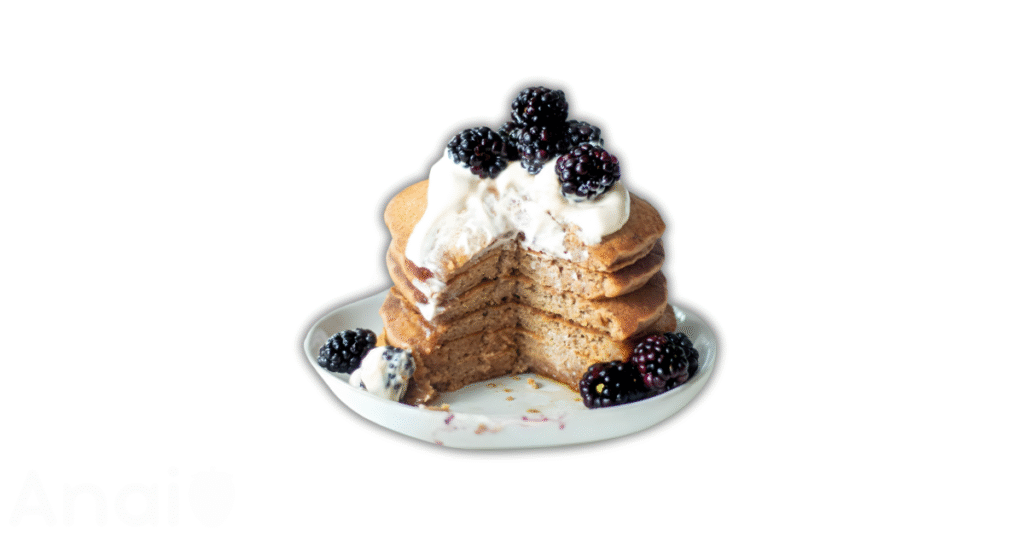
The oat milk recipes discussed here can help increase oat milk intake without compromising taste, allowing you to integrate this fiber-rich drink into every meal of the day.
Breakfast ideas with oat milk
Banana Bread Lattes offer a rich, nutty start to the morning without the dairy heaviness. By blending ripe bananas, walnuts, and oat milk, you create a drink that mimics the flavor of fresh baked goods while providing the potassium and energy needed for the day.
Sunshine Citrus Smoothies utilize the neutral, creamy profile of oat milk to balance acidic fruits. Blending oat milk with oranges, grapefruits, and lemons creates a Vitamin C-packed breakfast that aids immune function.
Oat Milk Chia Pudding takes advantage of the liquid’s natural cream your coffee, you create a drink that is creamy, nutty, and naturally sweetened. The oat milk froths reasonably well, providing a coffee-shop experience at home.
Sunshine Citrus Smoothies leverage the neutral flavor of oat milk to let bright fruits shine. Blending oat milk with oranges, grapefruits, and a source of protein creates a Vitamin C-packed breakfast. The oat milk adds a creaminess that water or juice cannot provide, making the smoothie more satiating.
Creamy Overnight Oats are a meta-recipe, using oat milk to soak rolled oats. This doubles down on the beta-glucan fiber content. Combining oats, chia seeds, and oat milk in a jar overnight results in a thick, pudding-like texture that is ready to eat immediately upon waking.
Lunch ideas with oat milk
Dairy-Free Tomato Basil Soup gets a velvety upgrade with oat milk. Instead of using heavy cream, stir in oat milk toward the end of the cooking process. Its natural sweetness cuts the acidity of the tomatoes, while its thickness provides body without the saturated fat of dairy creaminess. Soaking chia seeds in oat milk overnight allows them to absorb the liquid and expand, creating a nutrient-dense, fiber-rich pudding that is ready the moment you wake up.
Creamy Tomato Soup gets a vegan upgrade by swirling in oat milk instead of heavy cream. The slight sweetness of the oats cuts through the acidity of the tomatoes, creating a balanced flavor profile while keeping the saturated fat content low.
Savory Oat Milk Crepes are an excellent vehicle for lunch fillings like spinach and mushrooms. By swapping cow’s milk for oat milk in a standard crepe batter, you get a slightly crispier edge due to the sugar content in the oats. These wraps are light yet durable enough to hold savory ingredients.
Dinner ideas with oat milk
Vegan Mac and Cheese relies on oat milk for its roux-based sauce. When mixed with flour and vegan butter, oat milk thickens beautifully to create a cheese sauce base. It lacks the strong nutty flavor of almond milk, making it crepe that can be stuffed with spinach, mushrooms, and savory fillings for a light but filling midday meal.
Oat Milk Bechamel Sauce is a game-changer for pasta lovers avoiding dairy. By thickening oat milk with flour and oil (a roux), you create a luscious white sauce for lasagna or mac and cheese that is lower in cholesterol than traditional versions made with butter and whole milk.
Dairy-Free Mashed Potatoes achieve a fluffy texture when whipped with oat milk. The savory profile of potatoes masks the subtle oat flavor, providing the creaminess of butter and milk with a fraction of the caloric density.
Vegan Curries often use coconut milk, which is high in saturated fat. Swapping this for oat milk provides a lighter base that still carries spices well, making for a heart-healthy dinner option that supports cholesterol management.
Simple tips to add oat milk to your diet
For those who do not have the time to implement complex meal ideas, here are simple tips to seamlessly add oat milk to your diet:
- Use oat milk as a direct 1:1 substitute for cow’s milk in almost any baking recipe.
- Freeze oat milk in ice cube trays to add to iced coffee without diluting the flavor.
- Add a splash to scrambled eggs (or vegan egg substitutes) to increase fluffiness.
- Use it as a base for protein shakes to increase the calorie and fiber density for post-workout recovery.
- Stir it into black tea or coffee as a lower-fat alternative to half-and-half.
- Make a “buttermilk” substitute by adding a teaspoon of apple cider vinegar to a cup of oat milk and letting it sit for 10 minutes.
- Pour it over cold cereal or granola for an easy fiber boost.
Oat Milk Storage Tips
Knowing how to cook oat milk is only a part of the equation, and the importance of knowing oat milk storage tips to make those meals last for longer cannot be overstated. Proper storage prevents bacterial growth and preserves the delicate flavor profile of the oats.
Shelf life of oat milk
- At room temperature: Unopened shelf-stable (UHT) oat milk can last up to 1 year in a cool, dry place. Once opened, or if it is fresh oat milk, it should never be left out for more than 2 hours.
- In the refrigerator: Opened store-bought oat milk generally lasts 7 to 10 days. Homemade oat milk has a shorter window, typically lasting 3 to 5 days due to the lack of preservatives.
- In the freezer: Oat milk can be frozen for up to 3 months without spoiling, though texture changes may occur upon thawing.
How to store oat milk?
For store-bought varieties, the packaging is usually sufficient until opened. Once the seal is broken, air becomes the enemy. Transfer any leftover milk from cartons that do not seal tightly into a glass jar or a high-quality airtight container. This minimizes oxidation. Store the container in the main body of the refrigerator rather than the door. The door experiences frequent temperature fluctuations that can accelerate spoilage and reduce the shelf life by several days.
Homemade oat milk requires immediate refrigeration. You must strain it thoroughly to remove sediment before storage, as organic matter can spoil quickly. Use a sterilized glass bottle with a tight-fitting lid. Labeling the container with the production date is a smart, data-driven habit to ensure you consume it within the safe 3 to 5-day window. Always give the container a gentle shake before use, as natural separation is common and does not necessarily indicate spoilage.
How to refrigerate oat milk?
Refrigerating oat milk correctly involves maintaining a consistent temperature between 33°F and 40°F (0.5°C – 4°C).
- Close the carton cap tightly or transfer the liquid to a sealed glass jar immediately after use.
- Place the container on a middle or lower shelf in the back of the fridge where it is coldest.
- Avoid placing the milk near strong-smelling foods like onions, as oat milk can absorb odors.
- Check the fridge temperature settings to ensure they haven’t drifted above the safe zone.
How to freeze oat milk?
Freezing is an effective method to extend usability, primarily for smoothies or cooking rather than drinking straight.
- Pour the oat milk into an ice cube tray for easy, pre-measured portions.
- Alternatively, pour it into a freezer-safe container, leaving at least one inch of space at the top for liquid expansion.
- Seal the container or place the frozen cubes into a heavy-duty freezer bag.
- Label the bag with the date; use within 3 months for best quality.
Signs of Spoilage in oat milk
If you suspect your oat milk has exceeded its lifespan, rely on your senses to detect these common indicators of expiration.
- Sour or rancid smell: A distinct, sharp odor that differs from the naturally sweet oat scent.
- Texture changes: The liquid appears chunky, slimy, or curdled.
- Discoloration: A yellowing tint compared to the usual creamy white or beige.
- Persistent separation: If the liquid does not emulsify back together after a vigorous shake.
8 Fast Oat Milk Home Remedies
Are there any less-known tips to unlock the nutritious profile of oat milk? The following oat milk remedies can have a positive effect on overall well-being.
- Oat Milk & Masoor Dal Face Pack. This combination serves as a potent exfoliating agent. Mix 1 tablespoon of oat milk with 1 tablespoon of masoor dal powder to create a paste. The texture helps slough off dead skin cells while the oat milk hydrates. Apply this to the face for 10 minutes before rinsing. It should be prepared fresh for each use to prevent bacterial growth.
- Oat Milk & Gram Flour (Besan) Mask. This remedy targets dull skin and tanning. Blend 1 tablespoon of oat milk, 2 teaspoons of gram flour, and a pinch of turmeric. The gram flour acts as a cleansing agent, while the oat milk reduces inflammation. Leave this mixture on the skin for 15 minutes to allow the anti-inflammatory properties to work effectively.
- Oat Milk & Milk Powder Nourishing Pack. For intense hydration, this double-milk method is effective. Combine 1 tablespoon of oat milk with 1 teaspoon of milk powder. The lactic acid in the milk powder complements the beta-glucan in the oat milk. Allow it to sit on the face for 20 minutes, then wash with cool water to lock in moisture.
- Oat Milk, Sandalwood & Saffron Glow Pack. This remedy is designed to brighten the complexion. Mix oat milk with sandalwood powder and a few strands of saffron until a paste forms. Sandalwood has cooling properties that pair well with the soothing nature of oats. Let it dry naturally on the skin before rinsing; this usually takes about 15 to 20 minutes.
- Oat Milk & Hibiscus Antioxidant Mask. This mixture fights free radicals on the skin surface. Blend 1 tablespoon of oat milk with 1 tablespoon of hibiscus powder. Hibiscus is rich in Vitamin C, which works synergistically with the Vitamin E found in oats. Apply for 15 minutes to help reveal brighter skin.
- Oat Milk & Rolled Oats Scrub. This remedy doubles down on the oat benefits for physical exfoliation. Mix 2 tablespoons of oat milk with 1 teaspoon of rolled oats powder and a pinch of honey. Massage this gently in circular motions to remove impurities without stripping natural oils. Rinse after 10 minutes.
- Oat Milk & Orange Peel Brightener. This pack utilizes Vitamin C for skin radiance. Combine 1 tablespoon of oat milk with 1 tablespoon of orange peel powder. The acidity of the orange peel balances the pH, while the oat milk soothes potential irritation. Leave on for 15 minutes for visible brightening results.
- Soothing Oat Milk Bath Soak. This is a remedy for full-body inflammation or sunburn. Add 1 to 2 cups of oat milk directly to a warm bath. The colloidal nature of the oats in the milk binds to the skin, forming a protective barrier that holds in moisture and eases itching. Soak for 20 minutes for maximum relief.
Oat Milk and Weight Management

There are multiple health benefits, and home remedies using oat milk, but what is their role in weight management? This section will analyze oat milk potential impact on weight loss, low-calorie diets, satiety, and metabolism.
Can oat milk help with weight loss?
Oat milk can be a tool for weight reduction when used to create a caloric deficit. One study involving men with high cholesterol found that consuming 0.75 liters of oat milk daily for five weeks resulted in a 6% reduction in total and LDL cholesterol, although body weight remained neutral without other dietary changes (Onning et al., 1999). However, anecdotal data and dietitians suggest that replacing higher-calorie beverages with oat milk, alongside a balanced diet and exercise, can support a weight loss of around 3 pounds per week. The key is consistent calorie tracking, as oat milk is not a zero-calorie food.
Oat Milk in low-calorie diets
In the context of calorie counting, oat milk occupies a middle ground. An 8-ounce cup of unsweetened oat milk contains approximately 79 to 130 calories, significantly less than the 146 calories found in whole cow’s milk. This caloric saving adds up over time. However, it is higher in calories than unsweetened almond milk. To maximize weight management benefits, it is statistically imperative to choose unsweetened varieties; sweetened versions can contain added sugars that spike the calorie count and negate the deficit.
Oat Milk and satiety
Satiety is where oat milk outperforms other plant milks. It contains beta-glucan, a soluble fiber that makes up 3% to 5% of the oat’s fiber content. This fiber increases the viscosity of stomach contents and delays gastric emptying. Consequently, drinking oat milk can help you feel fuller for longer periods compared to water-based nut milks. This physiological response helps reduce overall daily calorie intake by curbing snacking urges between meals.
Oat Milk and metabolism
The metabolic impact of oat milk is linked to its glycemic properties. It has a medium Glycemic Index (GI) of approximately 61 and a low Glycemic Load (GL) of 9. While this is moderate, one study noted that coffee with oat milk raised blood sugar to a peak of 6.8 mmol/L, compared to just 4.1 mmol/L for black coffee. This indicates that while it supports metabolism better than high-sugar sodas (GL 17), it still triggers an insulin response that those with metabolic concerns should monitor. Consuming it after meals or with protein can help mitigate this spike.
Oat Milk for Health Conditions
While weight management is important, do oat milk have an effect in more serious health conditions? Here’s what the scientific literature has to say:
Oat Milk and diabetes
The relationship between oat milk and diabetes management is complex. On one hand, oats are a source of beta-glucan, a soluble fiber shown to lower after-meal blood glucose levels. However, the processing of oat milk matters significantly. During production, enzymes often convert oat starches into maltose, a simple sugar with a high glycemic index (GI). Some commercial oat milks have a GI as high as 69, which is comparable to white bread. According to the USDA, 100 grams of unsweetened oat milk contains 5.1 grams of carbohydrates, slightly higher than cow’s milk (USDA, n.d.). Individuals with diabetes must monitor this carefully, as liquid carbohydrates can cause rapid spikes in blood sugar compared to whole oats.
Oat Milk and heart health
Oat milk shines in the cardiovascular department. A 2019 scientific review published in Frontiers in Nutrition confirmed that consuming oat products has a powerful effect in lowering total and LDL cholesterol levels (Frontiers in Nutrition, 2019). The mechanism involves beta-glucan binding to cholesterol in the gut, reducing absorption. In a specific study involving 66 men with high cholesterol, drinking 3 cups (750 mL) of oat milk daily for 5 weeks reduced LDL cholesterol by 5% and total cholesterol by 3% (Onning et al., 1999). Additionally, oat milk is generally free of saturated fats, whereas a cup of whole cow’s milk contains about 5 grams of saturated fat, making oat milk a heart-smart swap.
Oat Milk and digestive issues
For the estimated 30 million Americans with lactose intolerance, oat milk is a safe, naturally lactose-free alternative. It eliminates symptoms like bloating and gas associated with dairy. Furthermore, it contributes to daily fiber intake. The American Journal of Lifestyle Medicine notes that only 5% of the population meets fiber recommendations; oat milk provides 2 to 3 grams per cup (American Journal of Lifestyle Medicine, n.d.). However, caution is advised regarding additives. Some brands use carrageenan or gums for texture. Research indicates these additives may trigger inflammation in individuals with specific bowel conditions like colitis or Crohn’s disease.
Oat Milk and inflammation
Oats naturally contain avenanthramides, antioxidants with anti-inflammatory properties. These compounds can potentially soothe irritation. However, the inflammatory impact of oat milk often depends on the additives rather than the oats themselves. Some experts suggest that added oils (like rapeseed or canola) and emulsifiers found in “barista blends” may be pro-inflammatory for sensitive individuals. Selecting a product with a simple ingredient list, oats, water, and salt, is the best way to leverage the natural anti-inflammatory benefits of the grain.
Oat Milk and cancer prevention
Emerging research suggests a potential link between plant-based milk alternatives and cancer prevention. According to a review published in the Journal of Food Science and Technology, oat milk may contain anti-cancer properties due to its high nutritional value and bioactive compounds. While the research is less extensive than that for heart health, the presence of fiber is a known factor in reducing the risk of colorectal cancer. The exclusion of dairy has also been linked in some studies to reduced risks of ovarian and prostate cancers, though more data is needed to confirm direct causation.
The evidence suggests that while oat milk offers significant benefits for heart health and digestion, its impact on blood sugar requires careful management.
| Health Category | Benefits | Type of Study | Quality of Evidence | Sources |
|---|---|---|---|---|
| Diabetes | Potential insulin stimulation via oat proteins; beta-glucan lowers post-meal glucose. | Nutritional Analysis / Review | Moderate (Conflicting GI data) | Ferraro (2025) |
| Heart Health | Reduces LDL cholesterol by 5%; lowers total cholesterol. | Clinical Trial (Human) | High | Ferraro (2025); Kubala (2025) |
| Digestion | Lactose-free; provides 2-3g fiber per serving. | Nutritional Analysis | High | Van De walle & Raman (2023) |
| Inflammation | Avenanthramides reduce inflammation; additives may worsen it. | Biochemical Analysis | Moderate | Morales & Anbouba (2025) |
| Cancer | Potential anti-cancer properties; high nutritional value. | Review | Low/Emerging | Purdie (2024) |
The Verdict Is In: Oat Milk Nutrition
Oat milk has cemented its place as a nutritional powerhouse in the plant-based market. Throughout this article, we have explored 12 valuable health benefits of oat milk, oat milk nutrition facts, oat milk risks and side effects, oat milk substitutes, popular oat milk diets, oat milk storage tips, 8 fast oat milk home remedies, oat milk and weight management, and oat milk for health conditions.
Here are a few key takeaways to remember:
- Heart Helper: Drinking oat milk can reduce LDL cholesterol by 5% in just five weeks.
- Calorie Awareness: A standard cup contains 120 calories, which is higher than almond milk but provides more satiety.
- Fiber Boost: It is one of the few milks containing fiber (2 grams per cup), thanks to beta-glucan.
- Sugar Spike Risk: Enzymatic processing can create maltose, giving some brands a high Glycemic Index of 69.
- Eco-Friendly: Oat milk production uses 80% less land than dairy milk.
- Nutrient Dense: Fortified versions provide up to 50% of your daily Vitamin B12.
- Safety First: Those with Celiac disease must strictly look for Certified Gluten-Free labels.
This article was last updated in March 2026.
Ready to optimize your health journey? Follow Anai.ai to stay informed about the latest nutrition and well-being news, tips, and articles.
Oat Milk Nutrition FAQs
To finalize this nutritional analysis, we address the most frequently asked questions regarding gluten sensitivity, glycemic impact, and fortification standards. This concise section clears up lingering confusion with data-backed answers to ensure you make the most informed dietary choices.
What is oat milk good for?
Oat milk is an excellent dietary tool for managing cholesterol and supporting bone density. It is rich in beta-glucan, a soluble fiber that has been shown to reduce LDL cholesterol by up to 5% in clinical studies. Additionally, because it is naturally free of lactose, nuts, and soy, it serves as a safe hydration source for the 30 million Americans with lactose intolerance while providing approximately 350 mg of calcium per fortified cup.
Is oat milk healthy?
Oat milk is nutritionally robust, particularly when fortified with essential micronutrients that plant-based diets often lack. A single cup delivers 50% of the Daily Value for Vitamin B12 and 45% for Riboflavin, which are crucial for energy metabolism. While it contains more carbohydrates than almond milk, it offers 2 grams of fiber per serving, making it a heart-healthy choice that supports digestive regularity and immune function.
Is oat milk fattening?
Oat milk is not inherently fattening, but it is more calorie-dense than water-based alternatives like almond milk. Each cup contains roughly 120 calories and 16 grams of carbohydrates, compared to just 30 calories in unsweetened almond milk. Weight gain typically occurs only if you consume sweetened varieties with added sugars or fail to account for the liquid calories within your daily total expenditure.
Who should avoid oat milk?
Individuals with Celiac disease must be extremely cautious due to the high risk of cross-contamination with wheat during processing. Unless the product is explicitly labeled Certified Gluten-Free, it may trigger an immune response. Furthermore, people with unmanaged diabetes should avoid high-glycemic brands, as the enzymatic processing can raise the Glycemic Index to 69, potentially causing rapid blood sugar spikes.
Can I eat oat milk daily?
Daily consumption of oat milk is generally safe and beneficial for meeting fiber and vitamin intake goals. Drinking it regularly ensures a steady supply of Vitamin D (20% DV) and calcium without the saturated fat found in whole dairy milk. However, it is best to stick to unsweetened varieties to prevent excessive sugar intake, which can accumulate quickly with daily use.
Can dogs eat oat milk?
Dogs can safely consume oat milk in small, occasional quantities because it is non-toxic and free from common allergens like dairy or nuts. However, because it contains high fiber and carbohydrates, feeding them more than a few tablespoons may cause diarrhea or an upset stomach. Always ensure the milk is free from xylitol or chocolate flavorings, as these additives are toxic and potentially fatal to canines.
Can cats eat oat milk?
Cats can safely consume oat milk in very small quantities because it is non-toxic and lacks the lactose that causes digestive distress in felines. However, cats are obligate carnivores that have no biological requirement for the 16 grams of carbohydrates found in a standard cup of oat milk. Feeding them more than a tablespoon occasionally can lead to diarrhea or upset stomach due to the high fiber content. Always ensure the product is free from added sugars or toxic additives like chocolate or xylitol before sharing a sip.
How long does oat milk last in the fridge?
Once the seal is broken, commercial oat milk typically remains fresh for 7 to 10 days when stored at proper temperatures. Homemade versions lack preservatives and degrade much faster, usually spoiling within a narrow window of 3 to 5 days. To ensure safety, the liquid must be kept in the main body of the refrigerator where the temperature stays consistently below 40°F (4°C) rather than in the door.
Can you freeze oat milk?
You can freeze oat milk to effectively extend its shelf life for up to 6 months, though you must accept a compromise in texture. The freezing process causes the water and oat solids to separate, often resulting in a grainy or separated consistency upon thawing that does not fully fix with shaking. Consequently, thawed oat milk is best utilized for baking or blending into smoothies rather than drinking straight or adding to coffee.
How to tell if oat milk is bad?
The most immediate indicator of spoilage is a sharp, sour or rancid odor that replaces the naturally mild, sweet scent of the oats. Visually, the liquid may develop a slimy consistency, thicken into chunks, or turn a distinct yellow color. If the milk refuses to emulsify back into a smooth liquid after a vigorous shake, bacterial growth has likely occurred, and it should be discarded immediately.
How long is oat milk good for?
Unopened, shelf-stable (UHT) oat milk is processed to last for up to 1 year in a cool, dry pantry without refrigeration. However, fresh refrigerated cartons rely on the cold chain and generally expire within few weeks of purchase regardless of opening. Once any carton is opened, the clock starts ticking, and the product typically becomes unsafe to drink after 10 days due to oxidation and potential bacterial exposure.
How to keep oat milk fresh?
To maximize longevity, always store your oat milk in the back of the refrigerator where the temperature remains stable between 33°F and 40°F. Never store the carton in the fridge door, as the frequent temperature fluctuations from opening and closing can accelerate spoilage by several days. Additionally, ensure the cap is screwed on tightly immediately after every use to minimize air exposure and oxidation.