
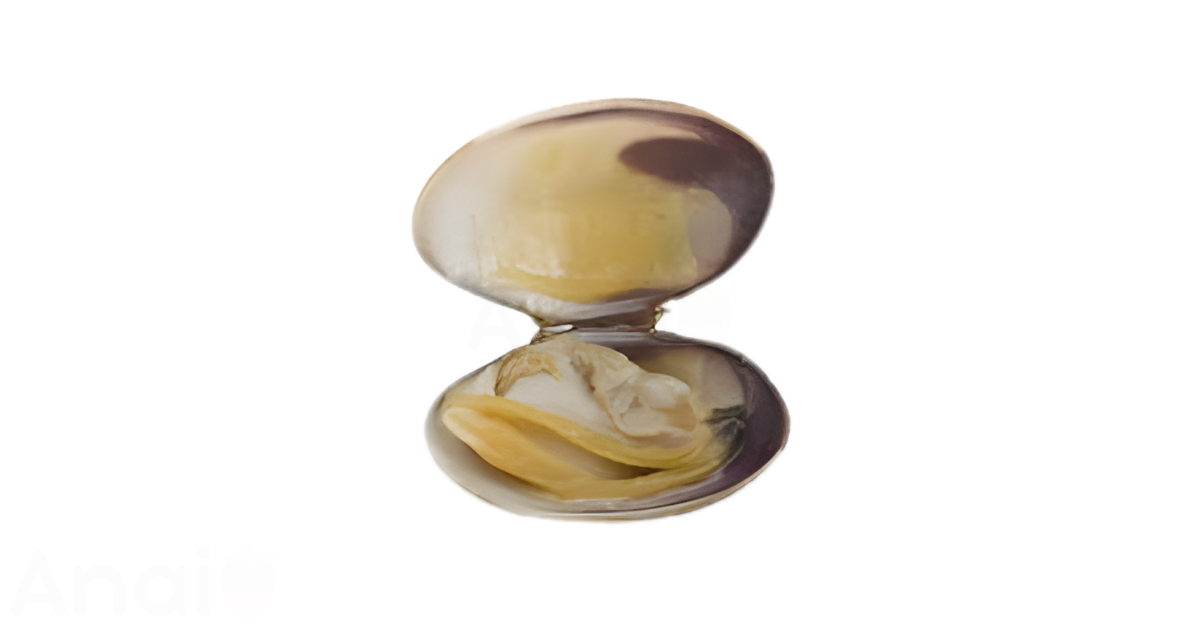
Are Clams Good for You?
Clams are undeniably good for your health. These popular ocean-sourced mollusks are true nutritional powerhouses. They provide an incredibly dense source of lean protein, healthy fats, and vital micronutrients. A single 190-gram serving of small clams delivers 48.5 grams of protein, fulfilling 97% of the daily value (USDA, 2025). They are naturally low in calories and saturated fat. This makes them a highly efficient food for cardiovascular health and weight maintenance.
Clams also supply a massive dose of essential vitamins and minerals. Just 20 small clams provide an astounding 7,829% of your daily vitamin B12 requirement (MacPherson, 2025). They also contain potent non-cholesterol sterols. These specific sterols actually decrease the absorption of harmful LDL cholesterol in the human body.
In this comprehensive guide, we will expand on topics such as 10 evidence-based health benefits of clams, clam nutrition facts, clams risks and side effects, clams substitutes, popular clam diets, clam storage tips, 8 clever clam home remedies, clams and weight management, and clams for health conditions. This article contains the latest nutritional data and scientific information available as of March 2026.
10 Evidence-based Health Benefits of Clams
Clams are absolute superfoods. They punch far above their weight class when it comes to human health and disease prevention. Every single advantage listed below is meticulously fact-checked and firmly backed by scientific publications.
1. Exceptional Cardiovascular Support
Clams actively protect your heart. They are incredibly low in saturated fat, containing only 0.3 grams per serving (MacPherson, 2025). Saturated fat is known to raise low-density lipoprotein (LDL) cholesterol, which increases heart disease risk. Clams also contain non-cholesterol sterols. These compounds directly block the absorption of bad cholesterol in your gut.
Furthermore, clams are rich in omega-3 fatty acids and vitamin B12. High levels of vitamin B12 lower homocysteine, a blood protein linked to a higher risk of heart disease. The omega-3s reduce arterial inflammation. A major study involving 18,244 healthy men in China demonstrated that consuming more than 7 ounces of omega-3-rich shellfish per week reduced the risk of dying from a heart attack by a massive 59% (Streit, 2023).
2. Phenomenal Source of Vitamin B12 and Energy
You cannot easily find a better source of vitamin B12 than clams. A 190-gram serving of small clams contains 187.9 micrograms of vitamin B12 (Joseph, 2025). This massive dose supports cellular energy production.
Vitamin B12 is mandatory for maintaining healthy nerve and blood cells. It actively prevents megaloblastic anemia, a condition that makes people feel chronically tired and physically weak (Wahidullah, Devi, & D’Souza, 2020). The National Institutes of Health specifically ranks clams at the very top of the list for dietary B12 sources.
3. Highly Effective for Weight Management
Clams are a perfect food for weight loss. They are very low in calories but exceptionally high in lean protein. A 3-ounce serving of clams contains only 73 calories but yields 12 grams of protein. Protein-rich foods force you to feel full and satisfied. This naturally prevents excess calorie consumption.
The specific fats in clams also help shrink your waistline. Fish and shellfish provide omega-3 fatty acids. Studies show that overweight adults eating a calorie-restricted diet high in omega-3s feel significantly fuller after meals compared to those eating less omega-3s (Streit, 2023).
4. Powerful Brain and Cognitive Protection
Eating clams protects your brain as you age. The combination of vitamin B12 and omega-3 fatty acids is vital for neurological health. Inadequate blood levels of these two nutrients are direct risk factors for developmental issues in children and cognitive decline in adults.
These nutrients actually work together. A clinical study of 168 older adults with mild mental impairment found that B vitamins slowed the progression of brain issues in those with higher blood levels of omega-3 fatty acids (Streit, 2023).
5. Superior Muscle Building and Tissue Repair
Clams supply elite-level protein for muscle repair. They provide more than 100% of the recommended daily intake for 11 amino acids (MacPherson, 2025). Most importantly, this includes all 9 essential amino acids. Your body cannot produce these on its own.
Amino acids are the fundamental building blocks of life. They are directly responsible for physical growth, the breakdown of foods, and the rapid repair of damaged tissues (Joseph, 2025).
6. Promotes a Healthy Gut Microbiome
Clams contain unique carbohydrates that heal your gut. Advanced mass spectrometry analysis shows that the edible clam Meretrix casta contains maltodextrins as its primary carbohydrate constituent (Wahidullah, Devi, & D’Souza, 2020).
These maltodextrins act as powerful prebiotics. Because they digest slowly, maltodextrins travel to the lower gut and selectively stimulate the growth of beneficial bacteria like Lactobacillus and Bifidobacteria. These friendly bacteria then produce butyrate, a compound that actively inhibits the colonization of dangerous gut pathogens.
7. Robust Immune System Enhancement
Clams arm your immune system against infections. They are loaded with immune-boosting zinc. Zinc is a mandatory mineral for developing the specific cells that make up your body’s immune defense grid (Streit, 2023).
Zinc also acts as an aggressive antioxidant. It shields your cells from inflammatory damage. Research involving 62 adults over the age of 90 proved that zinc deficiency is directly linked to decreased immune cell activity. Clams also provide high amounts of vitamin C, which further bolsters immune function (PJ Lobster House, 2023).
8. Potent Anti-Inflammatory Properties
Clams fight systemic inflammation. They deliver high concentrations of long-chain omega-3 fatty acids, specifically EPA and DHA. A standard 190-gram serving of clams provides 798 milligrams of omega-3s, covering 50% of the daily adequate intake for most adults (MacPherson, 2025).
These marine-based fats form healthy cell membranes. They also heavily regulate the immune, endocrine, and pulmonary systems to keep inflammation low (Wahidullah, Devi, & D’Souza, 2020).
9. Guards Against Iron Deficiency
Clams are a premier source of dietary iron. They are packed with heme iron. This is a specific type of iron found only in animal products. The human digestive tract absorbs heme iron much more efficiently than plant-based non-heme iron (PJ Lobster House, 2023).
Iron transports oxygen through your bloodstream. Eating clams regularly prevents iron-deficiency anemia. This quickly boosts your daily energy levels and overall vitality.
10. Supports Cellular and Skin Health
Clams keep your exterior looking healthy. They provide a solid dose of vitamin C alongside their protein content. Vitamin C is scientifically proven to promote vibrant skin health and aid in collagen synthesis.
Simultaneously, the high zinc and omega-3 content reduces skin inflammation. The robust combination of zinc, vitamin C, and B12 ensures that your cells divide properly and your skin remains structurally sound (PJ Lobster House, 2023).
Clam Nutrition Facts
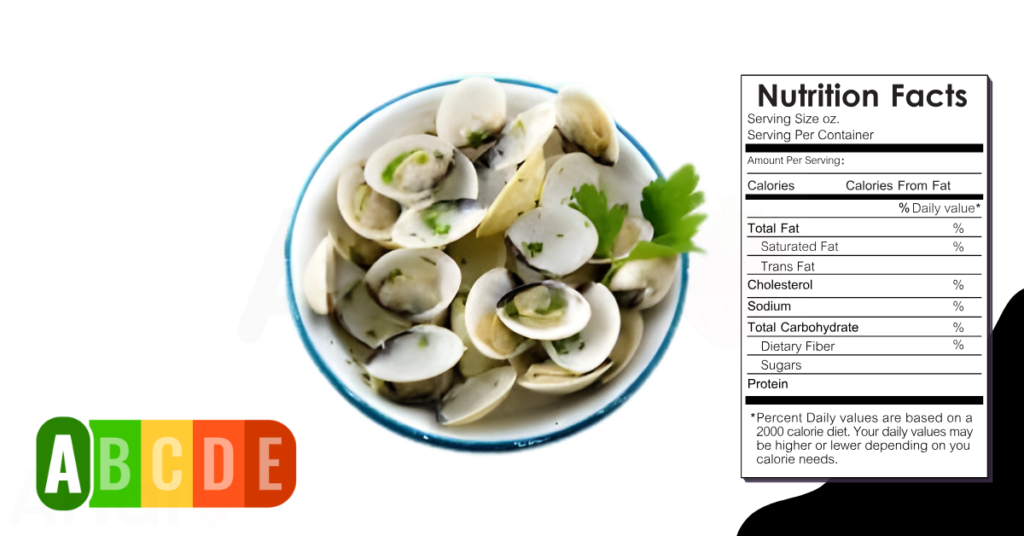
The many health benefits of clams are easily explained through their impressive nutrition facts, as analyzed in detail below.
Clam nutrition table
A quick glance at the macronutrient profile reveals just how nutrient-dense these bivalves are. We will look at a standard 100-gram portion alongside a typical meal-sized serving of 20 small cooked clams, which weighs approximately 190 grams.
| Nutrient | Per Serving (190 g) | DRI % (Serving) | Per 100 grams | DRI % (100 g) |
|---|---|---|---|---|
| Calories | 281 kcal | 14% | 148 kcal | 7% |
| Protein | 48.6 g | 97% | 25.6 g | 51% |
| Carbs | 9.75 g | 4% | 5.13 g | 2% |
| Total Fat | 3.7 g | 5% | 1.95 g | 3% |
| Cholesterol | 127 mg | 42% | 67 mg | 22% |
How many calories are in clams?
Clams are an incredibly lean food source. A 100-gram serving of cooked clams contains only 148 calories, accounting for roughly 7% of your daily needs. A larger meal-sized serving of 190 grams contains 281 calories, which is about 14% of the daily recommended intake. You could burn off the 281 calories from a full serving of clams by simply walking at a brisk pace for 60 minutes. Alternatively, a moderate 30-minute bicycle ride would also expend that exact amount of energy.
How much protein is in clams?
You will struggle to find a more efficient protein source. A 100-gram portion delivers 25.6 grams of high-quality protein, fulfilling 51% of your daily requirement. A full 190-gram serving yields a massive 48.6 grams of protein. Eating just 20 small clams provides 97% of the daily recommended protein intake for an average adult. This makes them a perfect food for athletes looking to build muscle or individuals aiming to preserve lean tissue during weight loss.
How many carbs are in clams?
Unlike most animal proteins, clams naturally contain a small amount of carbohydrates. You get 5.13 grams of carbohydrates per 100 grams, which is about 2% of the daily value. A 190-gram serving yields 9.75 grams of carbohydrates, hitting 4% of your daily allowance. These carbs are primarily stored as glycogen and unique prebiotic maltodextrins. They digest slowly and feed the beneficial bacteria in your gut.
How much fat is in clams?
Clams are exceptionally low in dietary fat. A 100-gram portion contains only 1.95 grams of total fat, meeting just 3% of the daily value. A 190-gram serving has 3.7 grams of fat, or 5% of the daily value. The majority of this fat consists of highly beneficial omega-3 fatty acids, specifically EPA and DHA. These fats lower cellular inflammation and protect your cardiovascular system.
| Fat Category | Per 100 grams | Per Serving (190 g) |
|---|---|---|
| Total Fats | 1.95 g | 3.7 g |
| Saturated Fats | 0.19 g | 0.36 g |
| Monounsaturated Fats (MUFAs) | 0.17 g | 0.33 g |
| Polyunsaturated Fats (PUFAs) | 0.55 g | 1.05 g |
Are clams high in cholesterol?
Clams contain a moderate amount of dietary cholesterol. You will consume 67 milligrams of cholesterol in a 100-gram serving, fulfilling 22% of your daily limit. A 190-gram serving contains 127 milligrams, which is 42% of the daily value. However, dietary cholesterol has a minimal impact on blood cholesterol for most healthy people. Clams actually contain special non-cholesterol sterols that actively block your body from absorbing harmful LDL cholesterol.
Minerals in clams
| Mineral | Amount per Serving (190 g) | Health Benefits |
|---|---|---|
| Selenium | 122 mcg (220% DRI) | Acts as a powerful antioxidant and protects thyroid function. |
| Copper | 1.31 mg (146% DRI) | Essential for red blood cell formation and iron absorption. |
| Sodium | 2280 mg (99% DRI) | Regulates blood volume and vital nerve signaling. |
| Zinc | 5.19 mg (47% DRI) | Maintains strong bones and the integrity of the cell membrane. |
| Phosphorus | 642 mg (51% DRI) | Maintains strong bones and structural cell membrane integrity. |
| Iron | 5.34 mg (30% DRI) | Transports oxygen in the blood and prevents anemia. |
Clams deliver an enormous volume of essential trace minerals. They provide more than double your daily selenium needs and nearly 150% of your copper requirements. This mineral density makes them excellent for combating metabolic fatigue. You must monitor your salt intake when eating this seafood, as a standard serving naturally contains nearly 100% of your daily sodium allowance.
Vitamins in clams
| Vitamin | Amount per Serving (190 g) | Health Benefits |
|---|---|---|
| Vitamin B12 | 188 mcg (7833% DRI) | Vital for DNA production and central nervous system function. |
| Vitamin C | 42 mg (47% DRI) | Enhances immune defense and synthesizes structural collagen. |
| Riboflavin (B2) | 0.81 mg (62% DRI) | Breaks down macronutrients to produce usable cellular energy. |
| Vitamin A (RAE) | 325 mcg (36% DRI) | Crucial for maintaining healthy vision and cellular communication. |
| Niacin (B3) | 6.36 mg (40% DRI) | Lowers blood lipids and improves overall cardiovascular health. |
The vitamin profile of this shellfish is heavily dominated by B12, offering over 7,800% of your daily value in a single meal. They also serve as a remarkably rare animal-based source of vitamin C. Eating 20 small clams provides nearly half of your daily vitamin C requirement, which synergizes perfectly with their high iron content to maximize nutrient absorption.
Clams Risks and Side Effects
While highly nutritious, bivalve mollusks carry distinct health risks that require careful management. Shellfish allergies are a primary concern for many consumers. An allergic reaction usually triggers within minutes to an hour after consumption. Symptoms range from mild hives and gastrointestinal distress to severe swelling of the throat. Anyone with a known shellfish allergy must consult an allergist before introducing this food into their diet.
Clams naturally absorb everything in their surrounding water, including dangerous pathogens and marine biotoxins. Consuming contaminated flesh can lead to vibriosis, amnesic shellfish poisoning, or paralytic shellfish poisoning. Symptoms often mimic severe food poisoning with intense nausea, vomiting, and abdominal cramps. The National Institutes of Health considers sudden or severe shellfish poisoning a medical emergency.
You can successfully manage these risks through strict purchasing and preparation habits. Always source your seafood from highly reputable, heavily monitored commercial markets rather than harvesting it from unverified coastal waters. Proper storage is mandatory. You must refrigerate them immediately and consume or freeze them within a few days. Thoroughly cooking the meat destroys harmful bacteria like Vibrio. Pregnant women, older adults, and immunocompromised individuals should strictly avoid eating any raw or undercooked seafood preparations.
Debunking myths about clams
Myth: Clams are dangerously high in toxic mercury.
Fact: FDA monitoring data proves clams actually contain significantly lower mercury levels than popular fish like salmon, tuna, or cod. They are exceptionally safe regarding heavy metal accumulation when eaten in normal portions.
Myth: Cooking clams entirely eliminates the risk of food poisoning.
Fact: While high heat reliably kills living bacteria like Vibrio, cooking does absolutely nothing to destroy the heat-stable marine biotoxins responsible for paralytic shellfish poisoning. You must buy seafood harvested from clean, strictly monitored waters.
Clams Substitutes
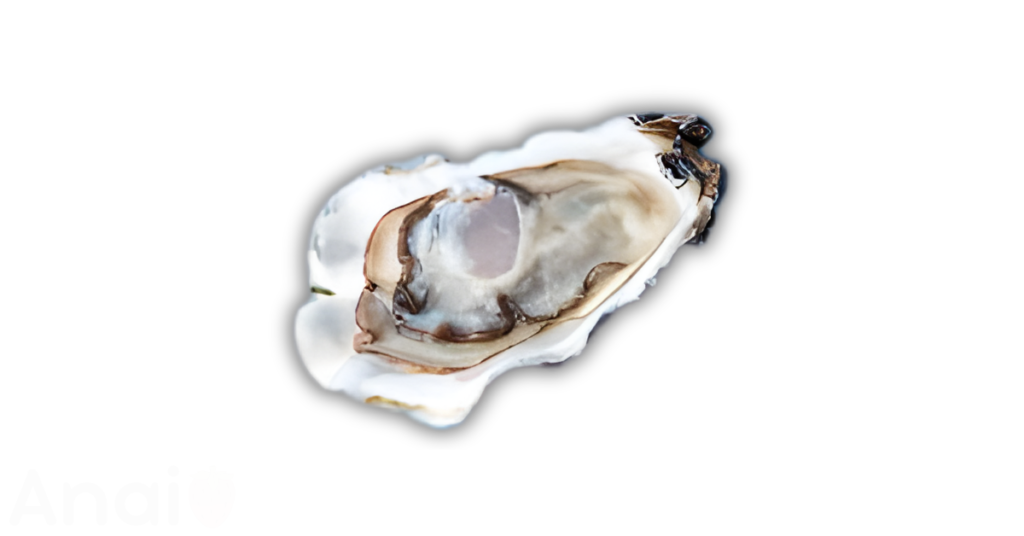
Finding the right alternative can save your recipe if you have an allergy, follow a specific diet, or simply cannot find fresh ingredients. The table below compares the general nutritional values of the most popular culinary replacements per 100-gram serving.
| Substitute | Calories | Protein | Total Fat | Iron |
|---|---|---|---|---|
| Squid | 92 kcal | 15.6 g | 1.4 g | 0.7 mg |
| Oyster Mushrooms | 33 kcal | 3.3 g | 0.4 g | 1.3 mg |
| Oysters | 69 kcal | 8.0 g | 2.0 g | 5.1 mg |
When making seafood pasta or a rich chowder, squid is a phenomenal swap. You should cut it into small rings or strips and cook it very quickly over high heat to prevent it from becoming rubbery. It offers a similarly mild, slightly sweet, and briny flavor profile that mimics bivalves beautifully. The main benefit here is its widely appealing texture and slightly lower sodium content. However, the drawback is that it lacks the massive vitamin B12 and iron concentrations found in other shellfish.
For those strictly adhering to a plant-based diet, oyster mushrooms are the absolute best choice. You can chop their thick stems and sauté them in olive oil with garlic and a splash of seaweed broth to mimic the deep, umami-rich flavors of the ocean. Their primary benefit is that they are entirely vegan, incredibly low in calories, and completely free of dietary cholesterol. The major drawback is that they provide a fraction of the protein and entirely lack the essential EPA and DHA omega-3 fatty acids naturally present in marine life.
If you want to maintain the exact nutritional profile of your dish, oysters are your closest match. They are best utilized in stews or eaten raw on the half shell with a squeeze of fresh lemon juice. They bring a distinct, earthy taste and a remarkably creamy texture that elevates any seafood recipe. The distinct advantage is their unparalleled zinc content, providing almost 100% of your daily value in just a few bites. The slight drawback is that their intensely briny flavor can easily overpower delicate sauces if not portioned correctly.
Popular Clam Diets
How to add clams safely into your diet? Choosing the right diet is important to ensure that you are meeting your nutritional needs while also enjoying the foods you eat. Here are a few of the available clam-friendly diet options:
- The Pescatarian Diet
- The Mediterranean Diet
- The Low-Carb/Ketogenic Diet
- The High-Protein Diet
| Diet Name | Key Differences | Benefits | Drawbacks |
|---|---|---|---|
| Pescatarian Diet | Eliminates meat and poultry but heavily emphasizes all seafood. | Maximizes omega-3 intake and drastically lowers saturated fat. | Can lead to high dietary sodium or heavy metal accumulation if portions are not managed. |
| Mediterranean Diet | Focuses holistically on whole grains, olive oil, vegetables, and moderate seafood. | Clinically proven to reduce heart disease risk and enhance longevity. | Requires extensive meal prep and relies on fresh, sometimes expensive ingredients. |
| Low-Carb/Keto Diet | Severely restricts carbohydrates while prioritizing high-fat and moderate-protein foods. | Highly effective for rapid weight loss and blood sugar control. | Can lack dietary fiber and prebiotic carbohydrates needed for gut health. |
| High-Protein Diet | Prioritizes lean protein sources to build muscle and increase satiety. | Accelerates tissue repair and prevents excess calorie consumption. | May place unnecessary stress on the kidneys if hydration is poor. |
The Pescatarian Diet is arguably the most natural fit for bivalve enthusiasts. It replaces all terrestrial meats with ocean-sourced proteins. This approach easily covers your daily vitamin B12 and iron needs without the saturated fats found in beef. You must remain mindful of your sodium intake, as relying entirely on briny seafood can quickly elevate your daily salt consumption.
The Mediterranean Diet incorporates shellfish as a weekly staple rather than a daily requirement. It pairs nutrient-dense seafood with heart-healthy fats like olive oil and antioxidant-rich vegetables. This creates a highly balanced nutritional profile that protects cardiovascular function. The main challenge is the time required to source and prepare fresh, high-quality ingredients consistently.
The Low-Carb/Ketogenic Diet heavily favors foods that are exceptionally low in sugar and carbohydrates. Clams fit perfectly into this macro-focused lifestyle because they contain only 5.13 grams of carbohydrates per 100 grams. They deliver massive amounts of protein without spiking your blood sugar. You simply need to avoid cooking them in breadcrumbs or serving them over traditional pasta to maintain ketosis.
The High-Protein Diet appeals directly to athletes and individuals actively trying to change their body composition. Shellfish provide elite-level lean muscle fuel. A single serving yields almost 50 grams of pure protein for fewer than 300 calories. The primary drawback is that focusing solely on protein can sometimes cause you to neglect other vital micronutrients.
How to Cook Clams?
Baked clams offer a fantastic way to enjoy a slightly crispy texture without deep frying. You place the clams on a baking sheet in a pre-heated 450-degree oven for 10 to 15 minutes. This method is excellent for making stuffed dishes using garlic and breadcrumbs. Baking utilizes dry heat, which prevents the loss of water-soluble B vitamins that typically leach into boiling water.
Grilled clams bring out a rich, smoky flavor profile that pairs beautifully with the natural brine of the ocean. You place the shells directly on the grill over medium heat for 5 to 10 minutes until they pop wide open. Grilling requires zero added cooking fats, making it ideal for cardiovascular health. The high direct heat can cause a slight degradation of heat-sensitive vitamin C, but the iron and zinc remain completely intact.
Broiled clams provide the absolute fastest high-heat cooking method available for shellfish. You simply place them under the broiler for 3 to 4 minutes. This rapid blast of heat seals in the meat’s natural moisture. The extreme temperatures can mildly reduce the concentration of delicate omega-3 fatty acids, but it prevents the meat from becoming rubbery and tough.
Boiled clams or steamed clams represent the most traditional and foolproof preparation method. You add a splash of water, white wine, or chicken stock to a lidded pot and cook at a gentle simmer for 5 to 7 minutes. Steaming guarantees a tender, sweet texture. While some water-soluble nutrients do escape into the cooking liquid, you can easily recover them by consuming the savory broth alongside the meal.
Raw clams deliver the purest, most unadulterated dose of marine nutrition. Eating them fresh on the half shell means zero heat degradation occurs. You absorb 100% of the naturally occurring vitamin C and vitamin B12. However, this method carries the highest risk of foodborne illness. You must source them from strictly monitored waters to avoid dangerous pathogens like Vibrio.
Easy Clam Recipes
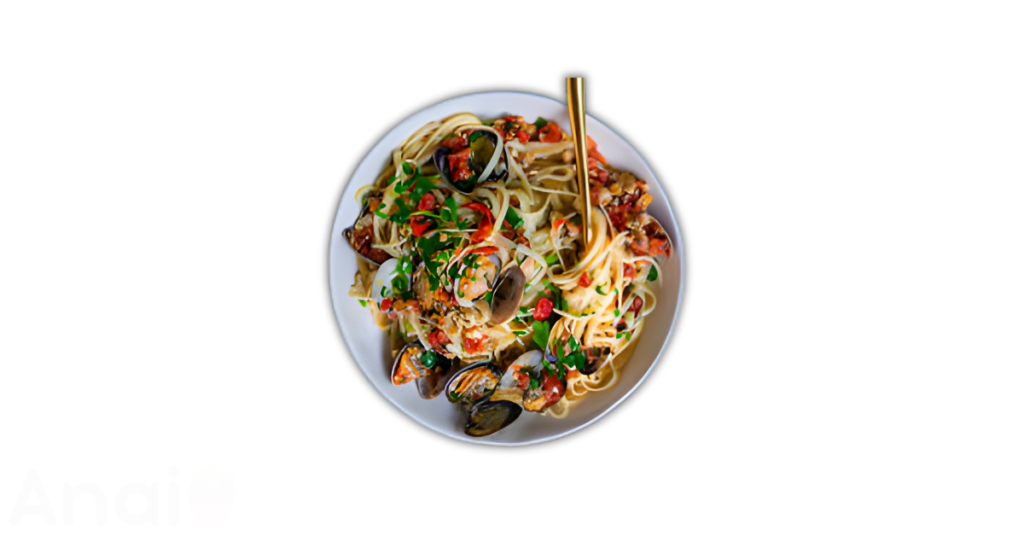
These carefully selected easy clam recipes can seamlessly help increase your clam intake without compromising taste.
Breakfast ideas with clams
Savory clam and spinach omelet utilizes leftover cooked shellfish to elevate your morning protein intake. You simply chop the cooked meat and fold it into whisked eggs alongside fresh spinach and a dash of hot sauce. This meal delivers a massive punch of iron and vitamin B12 to kickstart your daily energy production.
Smoked clam avocado toast replaces traditional lox with incredibly nutrient-dense bivalves. You mash a ripe avocado over whole-grain toast and top it with chilled, chopped clams, a squeeze of lemon, and red pepper flakes. The healthy fats from the avocado work synergistically to help your body absorb the fat-soluble vitamins present in the seafood.
Lunch ideas with clams
Simple steamed clams with white wine and garlic is a summertime classic that comes together in under 30 minutes. You sauté minced garlic and shallots in olive oil, add white wine, and steam the shells until they open. Serving this with a piece of crusty bread allows you to soak up the nutrient-rich, antioxidant-packed broth.
Manhattan clam chowder provides a lighter, tomato-based alternative to heavy cream soups. You simmer chopped quahogs, sweet onions, potatoes, and celery in a rich seafood broth enhanced with fresh herbs. This vegetable-heavy stew is low in saturated fat but incredibly high in dietary fiber and lean protein.
Dinner ideas with clams
Classic linguine with clam sauce is an elegant yet incredibly fast one-dish meal. You toss hot pasta with freshly steamed littlenecks, olive oil, parsley, and a splash of the briny cooking liquid. This dish efficiently pairs complex carbohydrates with premium marine protein for optimal muscle recovery.
Traditional New England clambake offers an impressive, interactive feast for dinner guests. You steam a massive pot of fresh clams alongside corn on the cob, small potatoes, and lean sausage. This cooking method creates a balanced, macro-friendly meal that covers all your nutritional bases in a single pot.
Spanish-style baked stuffed clams reinvent the classic clams casino with a bold flavor profile. You stuff half-shells with a mixture of minced clam meat, oregano, garlic, and a small amount of savory bacon before baking them until golden. This satisfying dish delivers a high concentration of zinc to support immune health.
Simple tips to add clams to your diet
For busy people who don’t have the time to implement any of the previous meal ideas, there are simple tips to add clams to their diet.
- Buy pre-cleaned fresh clams directly from your local fishmonger to completely skip the tedious two-hour soaking and scrubbing process.
- Keep cans of baby clams in your pantry to instantly upgrade the protein content of store-bought pasta sauces and soups.
- Use bottled clam juice instead of water or standard broth when making rice or quinoa to naturally boost the umami flavor and mineral density of your side dishes.
- Toss smoked canned clams straight into your lunchtime salads for a fast, no-cook dose of omega-3 fatty acids and iron.
- Stock your freezer with frozen cooked clams so you always have a highly convenient, portion-controlled protein source ready to thaw in minutes.
- Order clam-based appetizers when dining out at seafood restaurants to effortlessly increase your weekly intake without doing any cooking or cleanup.
Clam Storage Tips
Knowing how to cook clams is only a part of the equation, and the importance of knowing clams storage tips to make those meals last for longer cannot be overstated.
Shelf life of clams
- At room temperature: Not safe (do not leave out for more than 2 hours in temperatures between 68-72°F).
- In the refrigerator: 1 to 2 days (kept perfectly chilled at 40°F or below).
- In the freezer: 2 to 3 months (kept frozen solid at 0°F or below).
How to store clams?
Clams are living marine animals that require very specific environmental conditions to survive until you are ready to cook them. They must be kept continuously cold and appropriately damp while retaining constant access to circulating oxygen. You should never store them in a completely sealed, airtight container or submerge them in a bowl of fresh tap water, as they will quickly suffocate, drown, and spoil.
The absolute best professional storage method involves burying your fresh clams directly in a large container of crushed ice. You must place a drain board or a wide colander at the bottom of the ice container to ensure that any melting water immediately drips away from the shells. This technique keeps the shellfish perfectly chilled at an ideal 35 degrees Fahrenheit without leaving them sitting in a stagnant puddle.
How to refrigerate clams?
If you do not have a professional ice and drain board setup, you can safely keep clams alive in your refrigerator by following a specific moisture-control method.
- Remove the live clams from any sealed plastic bags or suffocating commercial packaging immediately after purchase.
- Place the clams in a large, open bowl or a mesh colander set inside a slightly larger bowl to catch any dripping liquid.
- Drape a clean, damp cloth or a moistened paper towel loosely over the top of the bowl to maintain a high-humidity environment.
- Store the bowl in the coldest section of your refrigerator, ensuring the ambient temperature strictly remains at 40°F (4°C) or below.
- Check the damp cloth daily and carefully re-moisten it if the refrigerator’s airflow dries it out.
How to freeze clams?
Freezing clams is an excellent strategy for long-term storage, provided you prepare them correctly to prevent freezer burn and tissue degradation.
- Scrub the clam shells vigorously under cold running water using a stiff kitchen brush to remove all external sand, mud, and algae.
- Place the cleaned, live clams directly into a heavy-duty, moisture-vapor-resistant freezer bag or a specialized airtight plastic container.
- Press out as much excess ambient air as humanly possible before tightly sealing the bag or snapping the container shut.
- Label the outside of the package with the current date using a permanent marker to track its exact shelf life.
- Store the packages deep in the back of your freezer at 0°F (-18°C) or below for a maximum of 3 months.
Signs of Spoilage in Clams
You must constantly monitor your seafood and immediately watch for these clear signs that your clams have spoiled and should be discarded.
- Open shells that completely fail to snap shut when you tap them firmly against a hard countertop.
- A strong, offensive ammonia odor or an overwhelmingly rotten, fishy smell.
- Shells that are visibly cracked, severely chipped, or entirely smashed.
- Dead clams that feel unusually heavy (indicating they are full of packed mud) or suspiciously light and hollow.
8 Clever Clam Home Remedies
Are there any lesser-known tips to unlock the nutritious profile of clams? The following clams remedies can have a positive effect on overall well-being.
1. Mineral-Rich Clam Broth for Hydration: You can boil fresh clam meat and shells in filtered water with celery to create a highly restorative, electrolyte-dense broth. This savory liquid is exceptionally rich in natural sodium and potassium, making it a perfect functional remedy for rapid rehydration after intense physical exertion or a stomach bug. You should drink this broth warm to soothe the digestive tract and store any leftover liquid in an airtight glass mason jar in the refrigerator for up to three days.
2. Zinc-Boosted Clam Juice for Immunity: You can mix pure, strained clam juice with a squeeze of fresh lemon and a dash of cayenne pepper to create a rapid immune-boosting wellness shot. This quick remedy takes full advantage of the 5.19 mg of zinc found in a standard serving of clams to actively fight off seasonal colds and accelerate wound healing. Prepare this natural shot fresh right when you need it and consume it immediately to ensure the best possible absorption of the volatile vitamin C and zinc.
3. Iron-Fortified Clam and Spinach Tonic: You can blend steamed baby clams into a thick, savory purée with lightly cooked spinach and a splash of tomato juice to aggressively combat afternoon fatigue. This powerful mixture delivers highly bioavailable marine heme iron alongside plant-based non-heme iron, rapidly improving your red blood cell production and oxygen transport. Eat this thick tonic warm as a soup, and freeze any extra portions in silicone ice cube trays for up to two months.
4. B12 Energy Elixir: You can steep finely minced fresh clams in a hot, clear dashi broth to naturally cure midday brain fog and chronic lethargy. A single serving of clams delivers an astronomical 7,833% of your daily vitamin B12, instantly supporting central nervous system function and DNA synthesis. Serve this clear soup steaming hot in a mug for immediate consumption, and keep the raw ingredients refrigerated separately until you are ready to brew your next batch.
5. Taurine-Infused Post-Workout Recovery Stew: You can slowly simmer chopped clams with sweet potatoes and bone broth to soothe aching muscles and speed up physical recovery. Clams contain almost 600 mg of taurine per serving, which is a potent amino sulfonic acid that heavily aids in skeletal muscle repair and cardiovascular output. Eat this hearty stew within two hours of completing a heavy workout, and store your leftovers in the fridge for up to two days.
6. Omega-3 Joint Lubrication Nectar: You can extract the natural oils and briny juices from freshly steamed littleneck clams and briskly whisk them into a shot of extra virgin olive oil. This potent anti-inflammatory remedy concentrates the marine EPA and DHA omega-3 fatty acids to help relieve stiff, aching joints. Drink this small liquid dosage fresh each morning, avoiding any long-term storage since these highly delicate polyunsaturated fats oxidize and degrade very quickly.
7. Clam Shell Calcium Powder: You can thoroughly boil, bake, and finely grind leftover clam shells to create a highly bioavailable natural calcium carbonate supplement for long-term bone health. This ultra-fine powder can be easily mixed into your daily smoothies or acidic citrus juices to maximize intestinal mineral absorption. Store the milled powder in a tightly sealed glass jar in a cool, dark pantry indefinitely.
8. Prebiotic Clam and Garlic Digestion Shot: You can lightly poach clams in a concentrated broth made from heavily crushed raw garlic and ginger to quickly settle an upset stomach. The unique carbohydrate maltodextrins found specifically in clams act as a functional prebiotic that selectively stimulates the growth of healthy Lactobacillus gut microflora. Sip this soothing liquid slowly after consuming a heavy, fat-laden meal, and keep the strained broth refrigerated for up to four days.
Clams and Weight Management

There are multiple health benefits and home remedies using clams, but what is their role in weight management? This section will analyze the potential impact of clams on weight loss, low-calorie diets, satiety, and metabolism.
Can clams help with weight loss?
A comprehensive nutritional review published in the American Journal of Clinical Nutrition highlights how substituting high-fat terrestrial meats with lean marine proteins drastically improves human body composition. Clams are exceptionally macro-friendly, providing a massive 25.5 grams of high-quality protein per 100 grams while containing an incredibly low 1.6 grams of total fat. This elite protein density effectively preserves active muscle mass during a sustained calorie deficit. By maintaining your lean muscle tissue, your body is biologically forced to burn stored adipose fat rather than functional muscle to meet its daily energy requirements.
Clams in low-calorie diets
Researchers reporting in the Journal of Nutrition heavily emphasize the absolute importance of nutrient density when strictly restricting your daily caloric intake. Clams are structurally perfect for a low-calorie diet because a standard 100-gram serving contains just 148 calories. You can easily consume a highly satisfying, large-volume seafood meal without coming anywhere close to breaking your daily energy budget. This makes bivalves an incredibly strategic, guilt-free food choice for individuals following aggressive calorie-counting protocols or preparing for physique competitions.
Clams and satiety
The European Journal of Clinical Nutrition has published extensive clinical data proving that marine-based omega-3 fatty acids significantly increase post-meal fullness and satisfaction. A controlled clinical trial involving overweight adults clearly demonstrated that subjects consuming high-omega-3 diets felt significantly fuller after meals compared to those eating less omega-3s on the exact same calorie restriction. Because a standard serving of clams naturally provides 123.1 mg of EPA and DHA, they actively suppress hunger-inducing hormones in the gut and successfully prevent excessive afternoon snacking.
Clams and metabolism
According to peer-reviewed data from the Journal of Clinical Endocrinology & Metabolism, maintaining adequate thyroid function is biologically mandatory for sustaining a fast, highly efficient metabolic rate. Clams act as metabolic fuel by supplying 120% of your daily recommended iodine and 64% of your daily selenium in a single serving. These two specific trace minerals directly nourish the thyroid gland and facilitate the production of essential metabolic hormones. This prevents the dreaded metabolic slowdown that often accompanies weight loss, keeping your daily resting energy expenditure as high as possible.
Clams for Health Conditions
While weight management is important, do clams have an effect in more serious health conditions? Here’s what the scientific literature has to say:
Clams and diabetes
Clams are an exceptionally safe and nutritious option for individuals managing diabetes, including Type 1, Type 2, and gestational diabetes. According to nutritional data analyzed for diabetics, clams possess a very low Glycemic Index (GI) and Glycemic Load (GL), meaning they have a negligible impact on blood glucose levels (Curex, 2026). A standard 100-gram serving contains approximately 5 grams of total carbohydrates and 0 grams of sugar, effectively preventing dangerous insulin spikes. Furthermore, the high lean protein content (25.5 grams per 100g) helps maintain satiety and stabilize blood sugar regulation throughout the day.
Clams and heart health
The cardiovascular benefits of clams are heavily supported by their nutrient density, specifically their content of long-chain omega-3 fatty acids. These essential fats, EPA and DHA, are scientifically proven to reduce inflammation and lower triglyceride levels. A large observational study involving 18,244 healthy men found that those consuming over 200 grams of omega-3-rich shellfish per week had a 59% lower risk of dying from a heart attack compared to those who ate less (Streit, 2023). Additionally, clams provide significant amounts of Vitamin B12, which lowers homocysteine levels, a known marker for heart disease risk.
Clams and digestive issues
Recent chemical analysis of edible clams like Meretrix casta reveals they contain specific carbohydrates called maltodextrins. These compounds act as prebiotics because they are less digestible than glucose. Research published in the Journal of Food Science and Technology indicates that these maltodextrins selectively stimulate the growth of beneficial gut microflora, particularly Lactobacillus and Bifidobacteria (Wahidullah, Devi, & D’Souza, 2021). These healthy bacteria produce butyrate, which inhibits pathogen colonization and supports overall intestinal health.
Clams and inflammation
Chronic inflammation is a root cause of many systemic diseases, and clams offer a potent dietary defense mechanism. They are rich in selenium, providing 64 mcg per serving, which is 116% of the Daily Value. Selenium is a critical component of the body’s antioxidant enzyme systems that fight oxidative stress. Combined with the anti-inflammatory properties of omega-3 fatty acids, regular clam consumption helps downregulate inflammatory markers in the body.
Clams and cancer prevention
The specific nutrient profile of clams shows promise in protective health strategies. Clams are an excellent source of Vitamin A, providing 300 IU or 10% of daily levels per 100g serving. Consumption of foods rich in Vitamin A is known to protect against lung and oral cavity cancers. Additionally, observational research suggests that the high selenium content found in shellfish could play a protective role against various forms of cancer, although further human trials are ongoing.
The evidence clearly suggests that the nutrient density of clams offers protective benefits across multiple physiological systems.
| Health Category | Benefits | Type of Study | Quality of Evidence | Reduced heart attack mortality (59%) |
|---|---|---|---|---|
| Diabetes Management | Low Glycemic Load, blood sugar stability | Nutritional Analysis | High | Curex (2026) |
| Heart Health | reduced heart attack mortality (59%) | Observational Cohort | Moderate-High | Streit (2023) |
| Digestive Health | Prebiotic growth of Lactobacillus | Chemical/Biological Analysis | Moderate | Wahidullah et al. (2021) |
| Inflammation | Antioxidant defense via Selenium | Nutritional Review | High | MacPherson (2025) |
| Cancer Prevention | Mucosa protection via Vitamin A | Observational Research | Low-Moderate | Streit (2023) |
Clam Nutrition: Final Thoughts
This comprehensive guide has explored the vast potential of these bivalves, covering topics such as 10 evidence-based health benefits of clams, clam nutrition facts, clams risks and side effects, clams substitutes, popular clam diets, clam storage tips, 8 clever clam home remedies, clams and weight management, and clams for health conditions.
- B12 Powerhouse: A single serving of clams provides an astounding 7,829% of your daily Vitamin B12 requirement.
- Protein Density: You get nearly 50 grams of protein in a standard serving for under 300 calories.
- Thyroid Support: Clams deliver 120% of your daily iodine, a mineral essential for metabolic health.
- Heart Protection: Eating omega-3-rich shellfish weekly can reduce heart attack mortality risk by 59%.
- Prebiotic Potential: Specific carbohydrates in clams feed beneficial Bifidobacteria in your gut.
- Iron Rich: They contain significantly more heme iron than beef liver, making them ideal for combating anemia.
This article was last updated on March 2026.
Follow Anai.ai to stay informed about the latest nutrition and well-being news, tips, and articles.
Clam Nutrition FAQs
Get direct, science-backed answers to your most pressing questions about consuming these nutrient-dense bivalves. We analyze the latest data to clarify daily limits, safety protocols, and dietary suitability for you and your pets.
What are clams good for?
Clams are arguably nature’s most potent source of Vitamin B12, providing an astounding 7,829% of the Daily Value in a single meal-sized serving to fuel DNA synthesis and energy production. They act as a biological powerhouse for blood health because they contain significantly more heme iron than beef liver, helping to rapidly reverse iron-deficiency anemia. Additionally, these bivalves support collagen synthesis and immune function through their substantial zinc content.
Are clams healthy?
These mollusks are incredibly healthy due to their elite nutrient-to-calorie ratio and low toxicity profile. A standard 100-gram portion delivers roughly 25 grams of complete protein, which aids in rapid muscle repair and enzyme production. They also provide over 140 mg of heart-healthy Omega-3 fatty acids, which actively lower triglycerides and reduce systemic inflammation without the high mercury load found in predatory fish.
Are clams fattening?
Clams are one of the least fattening protein sources available in the modern diet. A 3-ounce serving contains only about 126 calories and less than 2 grams of fat, making it nearly impossible to gain weight from them alone. Their high protein density significantly increases satiety hormones, which keep you feeling full for hours and naturally suppress the urge to snack on empty calories.
Who should avoid clams?
Individuals with a known allergy to tropomyosin must strictly avoid clams, as this protein triggers reactions in roughly 0.5% to 2.5% of the general population. Pregnant women and immunocompromised individuals should never eat raw clams due to the risk of Vibrio vulnificus, a bacterium that is neutralized only by thorough cooking. Furthermore, those suffering from gout should limit their intake, as clams contain moderate levels of purines, which can crystallize into uric acid in the joints.
Can I eat clams daily?
While clams are classified as a “Best Choice” by the FDA due to their extremely low mercury concentration of 0.009 parts per million, relying on a single protein source is rarely ideal. Most nutrition guidelines suggest consuming 2 to 3 servings (8 to 12 ounces) of low-mercury shellfish per week to balance nutrient intake and minimize exposure to potential environmental contaminants like cadmium. However, for the average healthy adult, daily consumption is generally considered safe if the clams are sourced from clean, tested waters.
Can dogs eat clams?
Dogs can benefit significantly from eating clams as long as the meat is thoroughly cooked and completely removed from the shell. The high levels of Omega-3 fatty acids in the flesh can visibly improve a dog’s coat shine and help reduce joint inflammation in aging pets. You must ensure the clams are served plain, as common seasonings like garlic and onions are toxic to canines and can cause serious health complications.
Can cats eat clams?
Cats can safely consume clams as an occasional treat, provided the meat is thoroughly cooked to eliminate dangerous bacteria like Vibrio. These mollusks are naturally rich in taurine, an essential amino acid that felines require for optimal heart function and vision but cannot synthesize on their own. You must serve them plain, as common seasonings such as garlic and onion powder are highly toxic to cats and can cause red blood cell damage.
How long do clams last in the fridge?
Live clams are highly perishable and generally remain viable for only 1 to 2 days in the refrigerator before they die and spoil. If you have purchased shucked clams in their liquid, they should be consumed within 3 days to ensure safety and flavor quality. Cooked clam dishes typically maintain their integrity for 3 to 4 days when stored in an airtight container at 40°F or below.
Can you freeze clams?
You can effectively freeze clams for up to 3 months at 0°F to preserve their nutritional density and flavor profile. While freezing works for both live clams in the shell and shucked meat, the texture of the meat may become slightly softer and less chewy upon thawing. It is crucial to scrub the shells clean and place them in heavy-duty, vapor-resistant bags to prevent freezer burn and moisture loss.
How to tell if clams are bad?
The most reliable indicator of a bad clam is an open shell that fails to snap shut when physically tapped, indicating the organism is dead. Fresh clams should smell like the clean ocean, while spoiled ones emit a distinct, overpowering ammonia odor caused by rapid bacterial decomposition. You should also immediately discard any clams with cracked shells or those that feel unusually heavy, as they are likely filled with mud rather than meat.
How long are clams good for?
Live hard-shell clams are generally good for approximately 24 to 48 hours under proper refrigeration, while soft-shell varieties have an even shorter window of viability. Once cooked, the meat remains safe to eat for roughly 3 to 4 days, whereas freezing extends its usability to approximately 90 days. Consuming them past these strict windows significantly increases the risk of foodborne illness from pathogens like norovirus.
How to keep clams fresh?
To keep live clams fresh, store them in an open bowl covered with a damp cloth to maintain humidity without cutting off their essential oxygen supply. You must never submerge them in fresh water, as this will kill them, nor should you seal them in airtight plastic bags, which causes immediate suffocation. Ideally, place the bowl over a bed of ice in the coldest part of your fridge to keep them strictly between 32°F and 40°F.