
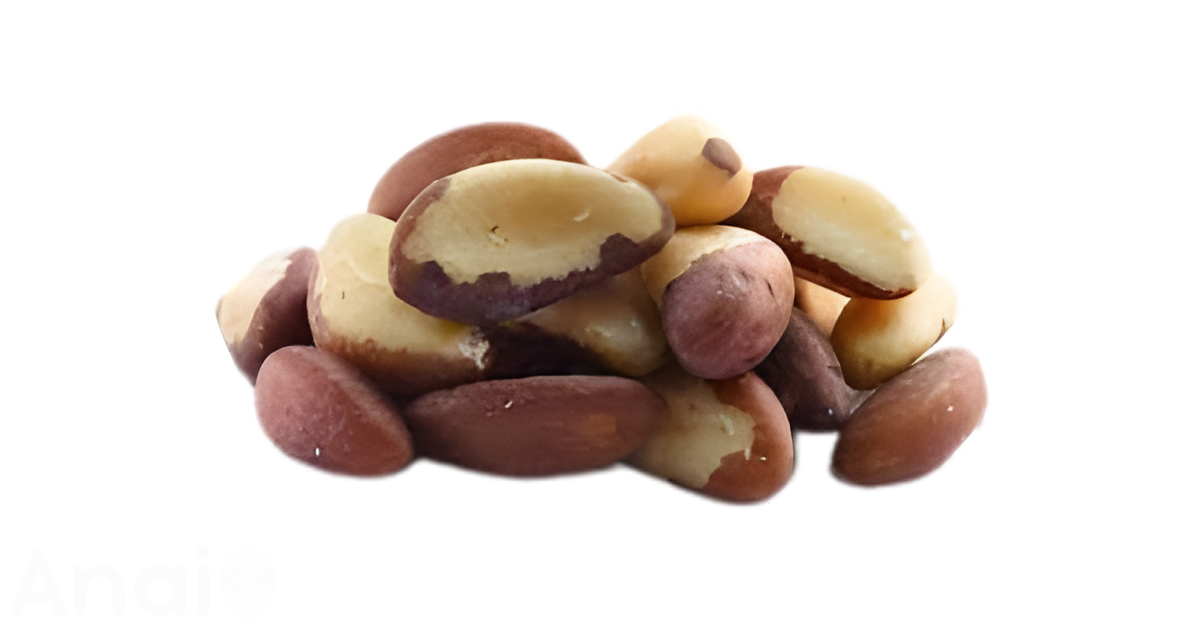
Are Brazil Nuts Good for You?
Yes, Brazil nuts are exceptionally good for you when consumed in moderation. They are a potent nutritional powerhouse derived from the Bertholletia excelsa tree in the Amazon rainforest. These nuts are scientifically recognized as the richest dietary source of selenium. A single Brazil nut contains approximately 96 micrograms (mcg) of selenium, which is roughly 175% of the Reference Daily Intake (RDI) (Mandl, 2024).
Beyond selenium, they offer a robust profile of essential minerals and healthy fats. A 1-ounce serving provides 4.1 grams of protein and 19 grams of fat, with 36% of those fats being heart-healthy polyunsaturated fatty acids (USDA, n.d.). They are also dense in magnesium, copper, and zinc. However, due to their high mineral concentration, they must be eaten sparingly to avoid toxicity.
This article serves as a comprehensive guide updated with the latest research available as of March 2026. We will expand on the following critical topics: 12 effective health benefits of brazil nuts, Brazil nut nutrition facts, Brazil nut risks and side effects, Brazil nut substitutes, Popular brazil nut diets, Brazil nut storage tips, 8 functional brazil nut home remedies, Brazil nuts and weight management, and Brazil nuts for health conditions.
12 Effective Health Benefits of Brazil Nuts
Brazil nuts are more than just a tasty snack; they are a functional food with a massive impact on human physiology. The benefits listed below are not based on hearsay. Each point is fact-checked and supported by scientific publications and clinical trials.
1. Superior Source of Selenium
Brazil nuts are the most effective way to naturally increase selenium levels. Selenium is a trace element vital for the immune system and cell growth. While most other nuts provide less than 1 mcg of selenium on average, one Brazil nut delivers nearly two times the daily requirement. A 1-ounce serving can contain up to 989% of the Daily Value (DV) (Mandl, 2024). This makes them more effective than supplements for maintaining optimal selenium status (Cameron, 2025).
2. Thyroid Function Support
Your thyroid gland has the highest concentration of selenium per gram of tissue in the body. This mineral is required to produce the active thyroid hormone Triiodothyronine (T3). Without adequate selenium, the thyroid cannot function correctly, potentially leading to metabolic issues. Eating just one Brazil nut per day delivers enough selenium to fully support these hormonal conversions and protect thyroid tissue from damage (Mandl, 2024).
3. Management of Autoimmune Thyroid Disorders
Research indicates that selenium plays a role in managing autoimmune conditions like Hashimoto’s thyroiditis and Graves’ disease. Low selenium intake is linked to cellular damage and reduced thyroid activity. A 2016 review found that selenium supplementation, which can be achieved through Brazil nuts, may reduce the number of thyroid antibodies and improve immune function in those with Hashimoto’s (Mandl, 2024).
4. Inflammation Reduction
Brazil nuts are rich in phenols, including gallic acid and ellagic acid. These antioxidants combat reactive molecules known as free radicals. A 2024 study on women with overweight or obesity showed that consuming 8 grams of Brazil nuts daily resulted in lower levels of inflammatory markers, such as C-reactive protein, compared to a nut-free diet (Eske, 2026).
5. Heart Health and Cholesterol Management
These nuts contain high levels of monounsaturated and polyunsaturated fats. Research suggests that these healthy fats help lower LDL (bad) cholesterol and increase HDL (good) cholesterol. Additionally, Brazil nuts are high in the amino acid arginine. Arginine converts to nitric oxide in the body, which causes blood vessels to relax and remain elastic, thereby preventing blood clotting (Nuts for Life, 2025).
6. Enhanced Brain Health
Low selenium levels are associated with neurodegenerative diseases like Alzheimer’s and Parkinson’s. Brazil nuts contain ellagic acid, which has protective and antidepressant effects on the brain. In a 2016 study, older adults with mental impairment who ate one Brazil nut per day for 6 months showed improved verbal fluency and thinking ability (Mandl, 2024).
7. Mood Regulation
There is a significant link between inadequate selenium intake and low mood. The antioxidants in Brazil nuts may help mediate these issues. Research suggests that supplementing with selenium leads to enhanced mood and may act as a preventative measure against depression (Cameron, 2025).
8. Blood Sugar Control
Selenium may help lower insulin levels and boost insulin sensitivity. This is particularly beneficial for people managing Type 2 diabetes. By improving how the body responds to insulin, Brazil nuts can assist in maintaining stable blood glucose levels (Cameron, 2025).
9. Bone Health Support
Bone density relies on more than just calcium. Brazil nuts are a significant source of magnesium and phosphorus, which are structural components of bone. A 1-ounce serving provides roughly 25% of the recommended daily dose of magnesium. Higher magnesium intake correlates directly with higher bone density (Cameron, 2025).
10. Weight Management and Satiety
Despite being calorie-dense, Brazil nuts can support weight loss goals. They are high in fiber (2.1 grams per serving) and protein, which promote satiety. In an 8-week study of women on a calorie-restricted diet, the group consuming 8 grams of Brazil nuts daily preserved lean mass better than the control group, despite similar weight loss results (Nuts for Life, 2025).
11. Improved Sperm Quality
Male reproductive health may benefit significantly from regular Brazil nut consumption. Selenium is essential for testosterone biosynthesis and the formation of spermatozoa. Scientific reviews have noted that eating nuts, specifically those high in antioxidants like Brazil nuts, helps improve sperm quality and may reduce infertility risks (Nuts for Life, 2025).
12. Reduction of Oxidative Stress
Oxidative stress is an imbalance between free radicals and antioxidants in your body. Selenium increases the activity of an enzyme called glutathione peroxidase (GPx), which protects the body from this stress. A 2015 study showed that participants eating 13 grams of Brazil nuts daily for 12 weeks had increased GPx3 activity and lower levels of oxidized LDL (Cardoso et al., 2017).
Brazil Nut Nutrition Facts
The massive health benefits of these Amazonian seeds are best explained by their impressive nutrition profile, which we have analyzed in detail below. They are calorically dense and nutrient-heavy, meaning a small amount goes a very long way.
Brazil Nut nutrition table
Here is the breakdown of the major macronutrients found in Brazil nuts. Note the high fat content and low carbohydrate count, making them excellent for low-carb diets.
| Nutrient | Per Serving (1 oz / ~6-8 nuts) | DRI % (Serving) | Per 100 grams | DRI % (100 g) |
|---|---|---|---|---|
| Calories | 187 | 9% | 668 | 33% |
| Protein | 4 g | 8% | 14.3 g | 29% |
| Carbs | 3 g | 1% | 10.7 g | 4% |
| Total Fat | 19 g | 24% | 67.8 g | 87% |
| Cholesterol | 0 mg | 0% | 0 mg | 0% |
How many calories are in brazil nuts?
Brazil nuts are energy-dense. A standard 1-ounce serving contains 187 calories, while a 100-gram portion packs a massive 668 calories. This high caloric density comes primarily from healthy fats. Because they are so energy-rich, you don’t need many to feel satisfied. To put this in perspective, burning off the calories from just one serving would require approximately 20 minutes of jogging or 40 minutes of brisk walking.
How much protein is in brazil nuts?
These nuts provide a moderate protein boost. You get 4 grams of protein per 1-ounce serving and 14.3 grams per 100 grams. While they aren’t the highest protein nut available, they are complete with all essential amino acids. They are notably high in arginine, an amino acid that supports blood vessel health.
How many carbs are in brazil nuts?
If you are counting carbs, Brazil nuts are a top-tier choice. A single serving contains just 3 grams of total carbohydrates. With 2 grams of fiber, the net carb count is effectively 1 gram per serving. Per 100 grams, they contain only 10.7 grams of carbs. This makes them highly compatible with ketogenic and low-carb lifestyles.
How much fat is in brazil nuts?
Fat makes up the bulk of this nut’s mass. A serving contains 19 grams of fat, and 100 grams contains roughly 67.8 grams. While high in fat, the composition is largely beneficial for heart health. Roughly 36% of the fats are polyunsaturated fatty acids, which are linked to heart health.
| Fat Type | Per Serving (1 oz) | Per 100 grams |
|---|---|---|
| Total Fat | 19 g | 67.8 g |
| Saturated Fat | 5 g | 17.8 g |
| Monounsaturated Fat | 7 g | 24.5 g |
| Polyunsaturated Fat | 7 g | 25.5 g |
Are brazil nuts high in cholesterol?
No, Brazil nuts are naturally free of cholesterol. A serving contains 0 mg of cholesterol. Like all plant-based foods, they do not contribute dietary cholesterol. In fact, the fiber and unsaturated fats in them may help lower LDL (bad) cholesterol levels in the blood.
Minerals in Brazil Nuts
The mineral profile of Brazil nuts is their strongest asset. They are the single most potent food source of selenium.
| Mineral | Per Serving (1 oz) | % Daily Value | Benefit |
|---|---|---|---|
| Selenium | 544 mcg | 988% | Thyroid & Immune function |
| Copper | 0.5 mg | 55% | Iron absorption & Red blood cells |
| Magnesium | 106 mg | 25% | Bone health & Muscle function |
| Phosphorus | 205 mg | 16% | Bone formation & Energy |
| Zinc | 1.14 mg | 10% | Immune health & Wound healing |
Brazil nuts provide nearly 1000% of the Daily Value (DV) for selenium in just one ounce. They are also excellent sources of copper and magnesium. Eating just two nuts can often meet your daily mineral needs for selenium and support healthy magnesium levels.
Vitamins in Brazil Nuts
While famous for minerals, these nuts also supply essential vitamins.
| Vitamin | Per Serving (1 oz) | % Daily Value | Benefit |
|---|---|---|---|
| Thiamine (B1) | 0.17 mg | 15% | Energy metabolism |
| Vitamin E | 1.6 mg | 11% | Antioxidant protection |
Thiamine helps convert food into energy, and Vitamin E acts as a powerful antioxidant protecting your cells. While not a multivitamin pill, a serving offers a respectable 15% DV of Thiamine.
Brazil Nuts Risks and Side Effects
While beneficial, Brazil nuts carry specific risks that you must manage. The most significant risk is selenium toxicity, also known as selenosis. Because a single nut can contain 68 to 91 mcg of selenium, eating just 4 to 5 nuts can put you over the daily upper limit of 400 mcg. Consistently exceeding this limit can lead to serious health issues.
Common symptoms of selenium toxicity include gastrointestinal distress, hair loss, brittle nails, and fatigue. A tell-tale sign of eating too much is a garlic-like odor on the breath or a metallic taste in the mouth. If you experience these, stop consumption immediately. In severe, acute cases, toxicity can lead to kidney failure or heart attacks.
Allergies are another concern. Brazil nuts are tree nuts. The American College of Allergy, Asthma, and Immunology estimates that 25% to 40% of people with peanut allergies also react to tree nuts. An allergic reaction can range from mild oral itching to severe anaphylaxis, which causes breathing difficulties and requires immediate medical attention.
To manage these risks effectively, treat Brazil nuts like a supplement rather than a snack. Limit intake to 1 to 3 nuts per day. If you already take a supplement containing selenium, you should likely avoid these nuts entirely to prevent accidental overdose.
Debunking myths about brazil nuts
Myth: You can eat a handful of Brazil nuts daily like you do with almonds.
Fact: Eating a handful of Brazil nuts daily can lead to selenium toxicity. Due to their extreme mineral density, the safe limit is much lower; only about 1 to 3 nuts per day maximum.
Myth: Soaking Brazil nuts improves their nutrition significantly.
Fact: Soaking Brazil nuts, especially in salted water, may actually reduce their nutritional value. The water can leach out essential vitamins and minerals, and the process adds unnecessary sodium.
Myth: Organic Brazil nuts are safer from toxicity risks.
Fact: Organic status does not change the selenium content of the nut. The risk of selenium toxicity remains the same regardless of whether the nut is organic, as the mineral comes from the soil itself.
Brazil Nuts Substitutes
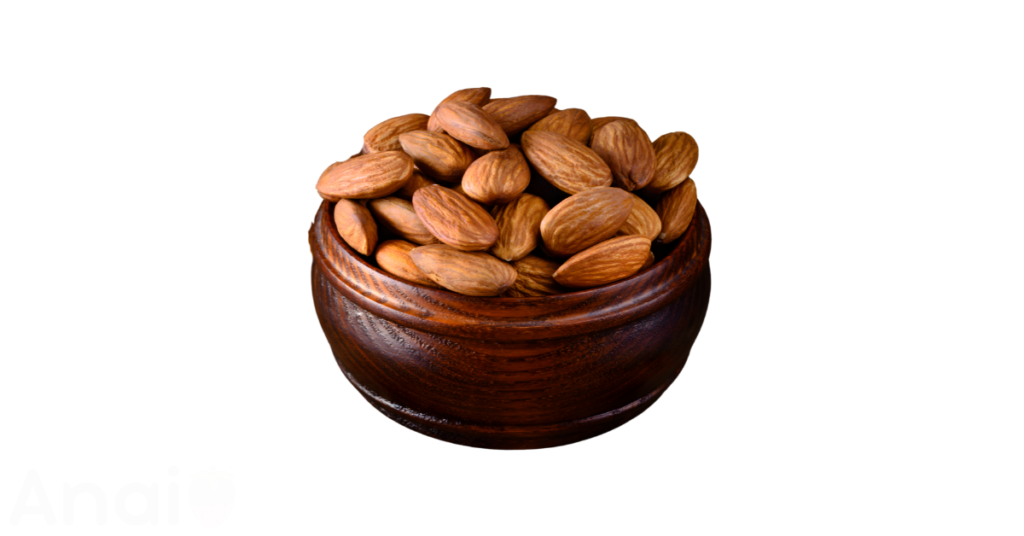
If you have an allergy or are worried about selenium toxicity, there are excellent alternatives. Here is how they stack up against Brazil nuts.
| Nutrient (per oz) | Brazil Nuts | Almonds | Walnuts | Sunflower Seeds |
|---|---|---|---|---|
| Selenium | 544 mcg | ~1 mcg | ~1 mcg | ~22 mcg |
| Fat | 19 g | 14 g | 18 g | 14 g |
| Protein | 4 g | 6 g | 4 g | 5.5 g |
| Vitamin E | 1.6 mg | 7.3 mg | 0.2 mg | 7.4 mg |
Almonds are the superior choice if you want to avoid the fat density of Brazil nuts while boosting other nutrients. They contain significantly more Vitamin E, offering over 7 mg per serving compared to the 1.6 mg in Brazil nuts. They also provide more protein and fiber. The drawback is that almonds contain negligible amounts of selenium, so they will not support thyroid function in the same specific way.
Walnuts are the best substitute for heart health regarding fatty acid profiles. While Brazil nuts are high in selenium, walnuts are the king of Omega-3 fatty acids. They support brain health and lower inflammation effectively. However, their texture is softer and slightly more bitter than the creamy, earthy taste of a Brazil nut.
Sunflower seeds are a smart alternative if you still want a natural source of selenium without the extreme risk of toxicity. While they don’t pack the massive punch of Brazil nuts, they offer a safer, moderate amount of selenium (~22 mcg per serving) along with high Vitamin E. They are also generally safer for those with tree nut allergies, as they are seeds, though you should always verify processing facilities for cross-contamination.
Popular Brazil Nut Diets
How to add brazil nuts safely into your diet? Choosing the right diet is important to ensure that you are meeting your nutritional needs while also enjoying the foods you eat. Here are a few of the available brazil nuts-friendly diet options:
- The Ketogenic Diet
- The Paleo Diet
- The Vegan / Plant-Based Diet
- The Mediterranean Diet
- The Gluten-Free Diet
| Diet Type | Key Feature | Brazil Nut Role | Benefit | Drawback |
|---|---|---|---|---|
| Keto | High Fat, Low Carb | High-fat snack | Fits macros perfectly (19g fat/serving) | Easy to overeat calories |
| Paleo | Whole, Unprocessed | Natural seed source | Compatible with grain-free lifestyle | Hard to find raw/unprocessed in some stores |
| Vegan | Plant-Only | Crucial Selenium source | Replaces animal-based selenium sources | Requires label checking for cross-contamination |
| Mediterranean | Heart-Healthy Fats | Moderate fat source | Supports heart health via polyunsaturated fats | High calorie density |
| Gluten-Free | No Wheat/Gluten | Safe baking ingredient | Great flour alternative (ground) | potential for cross-contamination in processing |
The Ketogenic Diet is perhaps the most natural fit for these seeds. Since this diet requires a high intake of healthy fats and very low carbohydrates, Brazil nuts are ideal. A single serving contains 19 grams of fat and only 3 grams of carbs. This ratio helps keto dieters maintain ketosis while acquiring essential minerals. However, because they are calorie-dense, tracking intake is vital to avoid stalling weight loss.
The Paleo Diet focuses on foods that could be obtained by hunting and gathering, such as lean meats, fish, fruits, vegetables, nuts, and seeds. Brazil nuts fit this criteria perfectly as they are native to the Amazon rainforest and have been eaten for centuries. They provide a dense source of energy and nutrients without the anti-nutrients found in legumes or grains. The main evaluation here is positive, provided the nuts are raw and not roasted in processed oils.
The Vegan Diet often struggles with specific micronutrient deficiencies, particularly selenium, which is commonly found in seafood and organ meats. Incorporating Brazil nuts is a strategic move for vegans. Eating just two nuts a day can replace the need for a synthetic selenium supplement. It is a highly effective, whole-food solution for plant-based eaters to support thyroid and immune health.
The Mediterranean Diet emphasizes plant-based foods, healthy fats, and moderate protein. While this diet typically highlights walnuts or almonds, Brazil nuts are a compatible addition due to their heart-healthy monounsaturated fat content. They contribute to the diet’s goal of reducing cardiovascular risk. The evaluation is positive, though they should be eaten in smaller quantities than other nuts due to the selenium concentration.
The Gluten-Free Diet is essential for those with celiac disease or gluten sensitivity. Ground Brazil nuts can be used as a delicious, nutrient-dense alternative to wheat flour in baking recipes like cookies or banana bread. They add moisture and a buttery texture that gluten-free bakes often lack. Users must ensure the nuts were processed in a certified gluten-free facility to avoid trace contamination.
How to Cook Brazil Nuts?
Raw Brazil nuts are the gold standard for preserving nutritional integrity. Eating them straight from the shell ensures that none of the delicate polyunsaturated fats are damaged by heat. This method preserves 100% of the Vitamin E and selenium content. There is no preparation time required, making it the most convenient method. However, the texture may be softer and less crunchy than cooked varieties.
Roasted Brazil nuts are popular for enhancing the nut’s natural buttery flavor and creating a satisfying crunch. To roast them, spread the nuts in a single layer on a baking sheet and place them in an oven preheated to 350°F (175°C). Bake for 15 to 17 minutes, stirring once halfway through. While roasting amplifies taste, high heat can degrade some antioxidants and healthy fats. Fortunately, selenium is a mineral and remains stable during heat processing.
Powdered Brazil nuts offer a versatile way to integrate nutrients without eating whole nuts. You can create a coarse meal or flour by pulsing the nuts in a food processor. This “cooking” method is excellent for making gluten-free batters, thickening sauces, or creating nutrient-dense coatings for meats. Be careful not to over-process, or you will end up with nut butter. This method retains most nutrients, provided the powder isn’t subsequently burned during baking.
Air fryer Brazil nuts are a quicker, energy-efficient alternative to oven roasting. You can toss the nuts in a small amount of olive oil and spices, then air fry at 325°F (160°C) for roughly 6 to 8 minutes. This method circulates hot air rapidly, resulting in an even, crispy texture. It is faster than the oven but carries the same slight risk of reducing Vitamin E content due to heat exposure.
Easy Brazil Nut Recipes
The following recipes and ideas can help you increase your Brazil nut intake without compromising taste, turning a simple supplement into a culinary delight.
Breakfast ideas with brazil nuts
Brazil Nut Banana Bread is a comforting way to start the day. By using oat flour and mashed ripe bananas, you create a moist base. Folding in 1/2 cup of chopped Brazil nuts adds a distinct crunch and a boost of selenium to your morning slice. This recipe works well for meal prepping, as it stays fresh for days.
Coconut Brazil Nut Granola Bars are perfect for busy mornings. You can combine rolled oats, shredded coconut, and coarsely chopped Brazil nuts with honey and melted coconut oil. Baking these for 20 minutes creates a portable breakfast bar that is high in fiber and healthy fats, keeping you satiated until lunch.
Brazil Nut, Blueberry, and Hemp Seed Smoothie packs a powerful antioxidant punch. Soaking the Brazil nuts in water overnight softens them, allowing them to blend into a creamy, dairy-free milk alternative. When combined with frozen blueberries and hemp seeds, you get a nutrient-dense drink that supports brain health and inflammation reduction.
Lunch ideas with brazil nuts
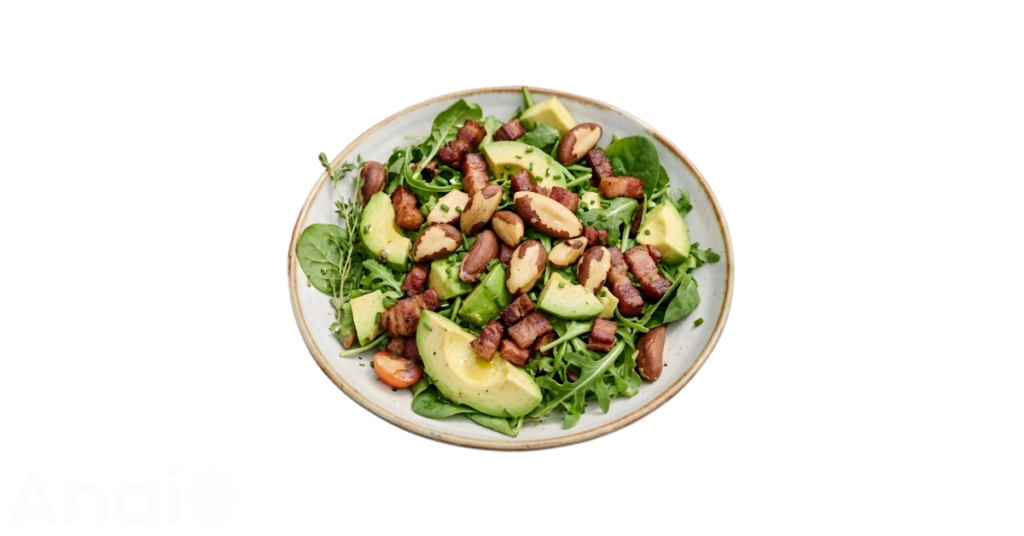
Avocado, Brazil Nut, and Bacon Salad offers a sophisticated mix of textures. The creaminess of ripe avocado contrasts perfectly with the salty crunch of bacon and the buttery bite of chopped Brazil nuts. Drizzling this with a simple vinaigrette highlights the earthy flavors without overpowering the salad’s fresh ingredients.
Brazil Nut Pesto is a unique twist on the classic Italian sauce. Substituting pine nuts with Brazil nuts provides a richer, creamier consistency. Blending garlic, fresh basil, olive oil, and nutritional yeast with the nuts creates a vibrant green sauce. This is excellent dolloped over zucchini noodles or spread on a sandwich for a midday energy boost.
Dinner ideas with brazil nuts
Savory Brazil Nut Roast is an excellent plant-based centerpiece for dinner. This hearty loaf combines lentils, finely chopped vegetables like onions and carrots, and pulsed Brazil nuts. The nuts provide the necessary fat and texture to mimic a meaty consistency. Baked until golden, it serves as a robust main course rich in protein and fiber.
Spiced Brazil Nuts can be served as a sophisticated appetizer or a side component to a dinner spread. Tossing the nuts in olive oil, fresh rosemary, nutmeg, and salt before roasting creates a savory, aromatic snack. These pair exceptionally well with roasted root vegetables or can be chopped and sprinkled over a dinner salad for added complexity.
Simple tips to add brazil nuts to your diet
For people who don’t have the time to implement any of the previous meal ideas, there are simple tips to add Brazil Nuts to their diet:
- Snack on them raw: Keep a small container in your bag for a quick energy boost.
- Create a trail mix: Combine them with dried fruits and seeds for a balanced snack.
- Top your salads: Chop one or two nuts and sprinkle them over greens for texture.
- Blend into smoothies: Toss a single nut into your morning blend; you won’t taste it, but you’ll get the selenium.
- Use in baking: Replace walnuts or pecans in any cookie recipe with chopped Brazil nuts.
- Make nut butter: Blend roasted nuts until creamy for a delicious spread on toast.
- Garnish veggie dishes: Sprinkle chopped nuts over roasted green beans or broccoli.
- Make nut milk: Blend soaked nuts with water and strain for a dairy-free milk alternative.
Brazil Nut Storage Tips
Knowing how to cook Brazil nuts is only part of the equation; mastering proper storage techniques is essential to ensure your nutrient-dense meals and snacks remain fresh and potent for as long as possible. Because these nuts are exceptionally high in unsaturated fats, they are prone to going rancid quickly if mishandled.
Shelf life of brazil nuts
To maximize freshness, consider these general guidelines for storage duration:
- At room temperature: 1 to 3 months (only if kept in an airtight container in a cool, dark place).
- In the refrigerator: 4 to 6 months (best for maintaining crunch and preventing oil spoilage).
- In the freezer: 1 to 2+ years (the gold standard for long-term preservation).
How to store brazil nuts?
The primary enemy of Brazil nuts is the “unholy trinity” of light, oxygen, and heat, which accelerates the oxidation of their delicate fats. To combat this, never store them in the bulk bin bags or flimsy plastic packaging they often come in. Instead, transfer them immediately into airtight glass jars or vacuum-sealed bags. Glass is preferred over plastic because it is less porous and prevents the nuts from absorbing odors from other foods in your pantry or fridge.
Location matters just as much as the container. While a pantry seems like a natural habitat, the fluctuating temperatures of a kitchen can degrade the nuts’ quality within weeks. For short-term use, a cool, dark cupboard away from the stove is acceptable. However, for any duration longer than a month, refrigeration is the superior choice to keep the unsaturated fats stable and the flavor profile intact.
How to refrigerate Brazil nuts?
Refrigeration significantly slows down the breakdown of fatty acids, keeping your nuts tasting sweet and crisp for months.
- Remove the nuts from their original store packaging, which is often permeable to air.
- Place the nuts into a clean, dry glass jar with a tight-fitting lid or a heavy-duty resealable bag.
- If using a bag, press out as much air as possible before sealing to minimize oxidation.
- Label the container with the date of storage to keep track of freshness.
- Place the container in the main body of the fridge, rather than the door, to ensure a stable temperature.
How to freeze brazil nuts?
Freezing is the most effective method for long-term storage, potentially preserving Brazil nuts for over a year without any loss in nutritional value.
- Spread the nuts out on a baking sheet and freeze them for an hour first to prevent them from clumping together (optional but helpful).
- Transfer the nuts into a vacuum-seal bag or a freezer-safe, airtight container.
- If using a bag, use a vacuum sealer or the water displacement method to remove all excess air.
- Label the package clearly with the date.
- Store in the deepest part of the freezer where the temperature is most consistent.
Signs of Spoilage in Brazil Nuts
Before consuming stored nuts, always perform a quick sensory check to ensure they haven’t gone bad.
- Unpleasant Odor: A sour, paint-like, or chemical smell is the clearest indicator of rancidity.
- Taste: A bitter or sour flavor instead of the natural sweet, buttery taste.
- Texture: Soft, chewy, or shriveled nuts have lost their quality.
- Appearance: Visible mold or darkening of the nut meat.
8 Functional Brazil Nut Home Remedies
Are there any lesser-known tips to unlock the nutritious profile of brazil nuts? The following brazil nuts remedies can have a positive effect on overall well-being.
1. Brazil Nut and Honey Thyroid Booster: This simple remedy combines the selenium power of Brazil nuts with the enzyme-rich properties of raw honey. Crush two Brazil nuts into a fine powder and mix with one tablespoon of raw honey. Consume this mixture every morning on an empty stomach to support thyroid hormone production. Store any excess pre-mixed paste in a glass jar in the refrigerator for up to one week.
2. Anti-Inflammatory Nut Milk Tonic: To soothe internal inflammation, soak one cup of Brazil nuts in water overnight, then blend with three cups of fresh water and a pinch of turmeric. Strain the mixture to create a creamy milk. The selenium works synergistically with turmeric’s curcumin to reduce inflammatory markers. Keep this milk in a sealed bottle in the fridge and consume it within 3 to 4 days.
3. Exfoliating Brazil Nut Body Scrub: Harness the nut’s oil content for smoother skin. Grind half a cup of Brazil nuts into a coarse meal and mix with 1/4 cup of coconut oil and 1/4 cup of brown sugar. Use this paste in the shower to exfoliate dead skin cells while nourishing the new skin with Vitamin E and healthy fats. Store in a cool, dry place and use within two weeks.
4. Brain-Boosting Trail Mix. Combat mental fatigue with a mix designed for cognitive health. Combine chopped Brazil nuts with walnuts (rich in Omega-3s) and dark chocolate (rich in flavonoids). The ellagic acid in the Brazil nuts pairs with the other ingredients to support brain function. Store small portions in airtight bags in the freezer to keep the fats fresh for months.
5. Scalp-Nourishing Oil Infusion: For healthier hair, crush three Brazil nuts and let them steep in 1/2 cup of warm jojoba oil for 24 hours. Strain out the solids and massage the infused oil into your scalp before washing your hair. The selenium helps prevent scalp dryness and supports hair follicle health. Use this oil immediately or store it in a dark bottle for up to one month.
6. Immune-Support Smoothie Add-In: Pre-grind a batch of Brazil nuts into a fine powder and store it in the freezer. Add one teaspoon of this powder to your daily green smoothie. This provides a consistent, safe dose of selenium and zinc to bolster your immune system without the risk of eating too many whole nuts at once.
7. Post-Workout Muscle Recovery Snack: After exercise, your body needs repair. Eat one Brazil nut paired with a slice of apple. The magnesium in the nut aids muscle recovery, while the healthy fats help sustain energy levels. No preparation is needed; just store the nuts in a portable container in your gym bag (rotate them weekly to ensure freshness).
8. Soothing Face Mask Paste: Create a hydrating mask by blending two Brazil nuts into a powder and mixing with one tablespoon of natural yogurt. Apply to the face for 10 minutes to let the antioxidants and fats nourish the skin barrier. Rinse with warm water. This remedy must be made fresh each time and cannot be stored.
Brazil Nuts and Weight Management

There are multiple health benefits and home remedies using brazil nuts, but what is their role in weight management? This section will analyze brazil nuts’ potential impact on weight loss, low-calorie diets, satiety, and metabolism.
Can brazil nuts help with weight loss?
Despite their high fat content, scientific evidence suggests that Brazil nuts can be an effective tool for weight loss when consumed in moderation. A 2025 research review indicated that higher nut consumption is associated with a decrease in obesity risk. The healthy fats, primarily polyunsaturated and monounsaturated fatty acids, do not necessarily lead to weight gain. In fact, an 8-week study involving women on an energy-restricted diet found that those who included 8 grams (about 2 nuts) of Brazil nuts daily experienced similar weight loss to those who didn’t, but they successfully maintained more lean body mass.
Brazil Nuts in Low-Calorie Diets
Integrating Brazil nuts into a low-calorie diet requires strategic portion control due to their energy density, which is 185 calories per ounce. However, they are highly efficient nutrients. Because just one nut provides the daily requirement of selenium and significant amounts of magnesium, dieters can prevent micronutrient deficiencies that often accompany calorie restriction without spending a large portion of their daily caloric budget. This makes them a “nutritional bargain” for those limiting food intake.
Brazil Nuts and Satiety
The combination of fiber (2.1 grams per serving), protein (4 grams per serving), and healthy fats makes Brazil nuts exceptionally satiating. The American Heart Association notes that fiber-rich foods help control appetite by creating a feeling of fullness. This biological mechanism helps prevent overeating later in the day. Consuming a small portion of nuts as a snack has been shown to reduce subsequent hunger more effectively than high-carbohydrate snacks like crackers or pretzels.
Brazil Nuts and Metabolism
A well-functioning thyroid is crucial for a healthy metabolism, and the thyroid relies heavily on selenium. Brazil nuts provide the raw materials needed for the conversion of the inactive thyroid hormone (T4) into the active form (T3), which regulates the body’s metabolic rate. A deficiency in selenium can lead to a sluggish metabolism. Furthermore, the amino acid arginine found in these nuts is linked to improved energy expenditure and fat burning, potentially giving a slight metabolic edge to those who consume them regularly.
Brazil Nuts for Health Conditions
While weight management is important, do brazil nuts have an effect on more serious health conditions? Here’s what the scientific literature has to say:
Brazil Nuts and diabetes
Research suggests that Brazil nuts can play a beneficial role in managing blood sugar levels. A study conducted at San Diego State University in 2017 compared the effects of consuming 20 grams of Brazil nuts (about 5 nuts) versus pretzels in healthy adults. The results showed that Brazil nut consumption did not significantly increase blood glucose or insulin levels 40 minutes after eating, unlike the pretzel group, which saw significant spikes. The researchers concluded that Brazil nuts helped stabilize postprandial glucose and insulin responses, which may be beneficial in preventing diabetes (Hong, 2017). Furthermore, selenium is known to improve insulin sensitivity, potentially aiding those with Type 2 diabetes.
Brazil Nuts and Heart Health
Cardiovascular health is another area where these nuts shine. According to a study presented at the American Heart Association’s Scientific Sessions 2018, eating a one-ounce serving of nuts daily in place of less nutritious foods was associated with a lower risk of obesity-related cardiovascular diseases. The healthy fats in Brazil nuts, specifically polyunsaturated and monounsaturated fatty acids, help lower LDL (bad) cholesterol. Additionally, the high magnesium content (105 mg per ounce) supports healthy blood pressure levels, further reducing the strain on the cardiovascular system (Liu et al., 2018).
Brazil Nuts and Digestive Issues
Brazil nuts are a robust source of dietary fiber, providing 2.1 grams per serving. Fiber is essential for maintaining regular bowel movements and preventing constipation. Beyond basic digestion, the selenium in Brazil nuts supports the gut lining’s integrity. While direct studies on Brazil nuts and specific digestive disorders like IBS are limited, the general consensus in nutritional science is that fiber-rich foods support a diverse gut microbiome, which is crucial for overall digestive health (USDA, n.d.).
Brazil Nuts and Inflammation
Chronic inflammation is a root cause of many diseases, and Brazil nuts offer a potent anti-inflammatory effect. A 2015 study involving 91 participants with hypertension found that those who consumed 13 grams of granulated Brazil nuts daily for 12 weeks showed increased levels of the antioxidant enzyme glutathione peroxidase (GPx3) and reduced levels of inflammatory markers. This suggests that regular, moderate consumption can help the body combat oxidative stress and systemic inflammation effectively (Cardoso et al., 2017).
Brazil Nuts and Cancer Prevention
The high selenium content in Brazil nuts has been linked to a reduced risk of certain cancers. Selenium is vital for DNA repair and apoptosis (programmed cell death) of abnormal cells. Scientific reviews have indicated that higher selenium status is associated with better outcomes in cancer prevention, particularly for prostate and skin cancers. While selenium is not a cure, ensuring adequate levels through diet, such as eating just two Brazil nuts a day, is a proactive strategy supported by observational data (Cameron, 2025).
The studies reviewed indicate that Brazil nuts offer measurable benefits for metabolic, cardiovascular, and inflammatory health markers, primarily due to their unique selenium and fatty acid profiles.
| Health Category | Benefits | Type of Study | Quality of Evidence | Sources |
|---|---|---|---|---|
| Diabetes | Stabilized blood glucose & insulin | Clinical Trial (San Diego State) | High (Controlled) | Hong (2017) |
| Heart Health | Reduced obesity & CV risk | Longitudinal Cohort Analysis | High (Large sample size) | Liu et al. (2018) |
| Digestion | Improved regularity & gut health | Nutritional Analysis | Moderate (General consensus) | USDA (n.d.) |
| Inflammation | Increased GPx3 & reduced markers | Randomized Controlled Trial | High (Specific intervention) | Cardoso et al. (2017) |
| Cancer | Support for DNA repair | Observational Reviews | Moderate (Associative) | Cameron (2025) |
Brazil Nut Nutrition: Concluding Thoughts
This guide has covered the full spectrum of Brazil nut nutrition, from the 12 effective health benefits to critical safety tips. We’ve explored the impressive nutrition facts, debunked myths about risks and side effects, and offered practical advice on substitutes and storage. Whether you are looking for popular Brazil nut diets, 8 functional home remedies, or insights into weight management and serious health conditions, the data is clear: moderation is key.
Key Takeaways:
- A single Brazil nut provides roughly 175% of your daily selenium requirement.
- They are a complete protein source containing all 9 essential amino acids.
- Storage in the freezer can extend their shelf life to over 1 year.
- Just 4 to 5 nuts can put you over the daily safety limit for selenium.
- They are naturally cholesterol-free and high in heart-healthy fats.
- Roasting enhances flavor but may slightly reduce Vitamin E content.
- Brazil nuts can help stabilize blood sugar levels better than carb-heavy snacks.
- March 2026 research confirms their role in reducing inflammation and supporting thyroid health.
Last Content Update: March 2026
Follow Anai.ai to stay informed about the latest nutrition and well-being news, tips, and articles.
Brazil Nut Nutrition FAQs
This section delivers data-driven answers to the most common consumer questions regarding these selenium-dense seeds. It tackles everyday concerns ranging from safe daily consumption limits and weight management to dietary restrictions and pet safety.
What are brazil nuts good for?
Brazil nuts are the premier dietary source for supporting thyroid function and immune health due to their extreme selenium concentration. A single nut delivers approximately 96 micrograms of selenium, which is roughly 175% of the Reference Daily Intake. This mineral density aids in the production of active thyroid hormones and reduces oxidative stress by boosting the antioxidant enzyme glutathione peroxidase.
Are brazil nuts healthy?
These seeds are incredibly healthy when consumed in moderation, offering a robust profile of heart-healthy fats and essential minerals. They are rich in magnesium, providing about 106 mg per ounce, which supports bone density and cellular energy production. Additionally, 36% of their fat content consists of polyunsaturated fatty acids that actively help lower LDL cholesterol levels and improve arterial health.
Are brazil nuts fattening?
While they are calorie-dense at 187 calories per ounce, scientific studies suggest they do not cause weight gain when eaten in controlled portions. The high fiber content of 2.1 grams per serving and significant protein levels increase satiety, which often reduces overall daily calorie intake. Clinical trials have shown that consuming 20 grams daily improved lipid profiles without negatively impacting body mass index or waist circumference.
Who should avoid brazil nuts?
Individuals with tree nut allergies must avoid them entirely, as there is an estimated 25% to 40% cross-reactivity rate among those already allergic to peanuts. People with kidney issues should also be cautious due to the high phosphorus and potassium levels that can burden compromised renal function. Furthermore, anyone already taking selenium supplements should skip these nuts to avoid exceeding the 400 mcg daily toxicity limit.
Can I eat brazil nuts daily?
You can eat them daily, but you must strictly limit your intake to one to three nuts to stay within safe medical margins. Consuming just four or five nuts can push you over the upper tolerable limit for selenium, potentially leading to selenosis symptoms like hair loss and brittle nails. Consistent daily consumption of small amounts is proven to be more effective than supplements for maintaining optimal serum selenium levels.
Can dogs eat brazil nuts?
Dogs should generally avoid Brazil nuts because the extremely high fat content can trigger pancreatitis, a serious and painful inflammation of the pancreas. While they are not inherently poisonous like macadamia nuts, a standard serving contains 19 grams of fat, which is difficult for a dog’s digestive system to process efficiently. Furthermore, the large size presents a distinct choking hazard for small breeds, and cumulative selenium intake can eventually cause toxicity in pets.
Can cats eat brazil nuts?
While not inherently toxic to felines like macadamia nuts, Brazil nuts are dangerous due to their excessively high fat content, which can trigger painful pancreatitis. A single ounce contains roughly 19 grams of fat, a concentration that is extremely difficult for a cat’s digestive system to process efficiently. Furthermore, the high selenium levels can eventually lead to toxicity, and the large, irregular size of the nut poses a significant choking hazard.
How long do brazil nuts last in the fridge?
When stored correctly in an airtight glass container, shelled Brazil nuts will retain their freshness in the refrigerator for six to nine months. The cold environment is crucial for slowing down the oxidation of their delicate polyunsaturated fats, which spoil quickly in warm temperatures. Leaving them in the fridge extends their edible life significantly compared to the one to three months you might get in a standard pantry.
Can you freeze brazil nuts?
Freezing is the superior method for long-term storage, effectively preserving shelled Brazil nuts for one to two years without nutritional loss. To prevent flavor degradation or freezer burn, they must be sealed in a vacuum bag or a heavy-duty freezer-safe container. This method preserves 100% of the selenium and essential oils, ensuring the nuts remain crunchy and buttery once thawed.
How to tell if brazil nuts are bad?
The most reliable indicator of spoilage is a sharp, distinct odor often described as smelling like wet paint or old putty. If the smell is ambiguous, a small taste test will reveal a bitter, sour flavor rather than the nut’s natural creamy, buttery profile. Visually, spoiled nuts often appear shriveled, dark, or oily, signaling that the internal fats have gone rancid.
How long are brazil nuts good for?
The shelf life varies drastically based on storage conditions, ranging from just a few weeks in an open bag to over 24 months in a deep freezer. Because Brazil nuts are approximately 67% fat, they degrade much faster than drier nuts like almonds when exposed to ambient heat. In a standard cool pantry, you can expect them to remain safe to eat for roughly three months before quality declines.
How to keep brazil nuts fresh?
To maintain peak freshness, you must protect the nuts from light, oxygen, and heat by transferring them immediately into airtight glass jars or vacuum-sealed bags. Storing these containers in the main body of the refrigerator at temperatures below 40°F (4°C) effectively halts the oxidation process. This creates a barrier that protects the vital micronutrients and healthy fats from breaking down and becoming rancid.