
Is Coconut Milk Good for You?
Coconut milk is a nutrient-dense powerhouse. It is not technically milk but an emulsion of coconut meat and water. Science suggests it is a healthy addition to most diets when consumed in moderation. Unlike dairy, it contains high concentrations of medium-chain triglycerides (MCTs), which the liver processes quickly for energy (Brown, 2025). Lauric acid makes up approximately 50% of the fatty acids found in coconut fat (Spritzler, 2018). This specific fatty acid is known for its antimicrobial properties.
Research indicates that MCTs are less likely to be stored as body fat compared to long-chain fatty acids (Spritzler, 2018). However, coconut milk is calorie-dense. One cup of canned coconut milk can contain up to 552 calories and 57 grams of fat (Medical News Today, 2023). It provides significant levels of essential minerals like manganese, copper, and iron. Most experts agree it is a “miracle liquid” for those seeking a plant-based, nutrient-rich dairy alternative (Levy, 2024).
This article provides the latest information as of September 2026. We will expand on several critical topics. These include 10 functional health benefits of coconut milk and detailed coconut milk nutrition facts. We also cover coconut milk risks and side effects. You will find sections on coconut milk substitutes and popular coconut milk diets. Additionally, we provide coconut milk storage tips and 9 helpful coconut milk home remedies. Finally, we analyze coconut milk for weight management and specific health conditions.
10 Functional Health Benefits of Coconut Milk
Coconut milk is a functional superfood that offers more than basic nutrition. Each benefit listed below is fact-checked and supported by clinical research or peer-reviewed publications. The following data highlights why this tropical staple is vital for a health-conscious lifestyle.
1. Support for Weight Management
MCTs in coconut milk boost metabolism through thermogenesis. This process increases the body’s heat production to burn more energy. Studies show that MCT oil can lead to a reduction in appetite. In one controlled trial, men who consumed MCTs at breakfast ate 272 fewer calories at lunch than those who consumed corn oil (Spritzler, 2018).
MCTs move directly from the digestive tract to the liver. They are immediately used for fuel instead of being stored in adipose tissue (Brown, 2025). High-protein diets paired with coconut milk may further reduce visceral fat and abdominal weight gain (Eske, 2024).
2. Enhancement of Heart Health
Despite its high saturated fat content, coconut milk may improve cholesterol markers. An eight-week study of 60 men found that coconut milk porridge lowered “bad” LDL cholesterol significantly. The same study showed it raised “good” HDL cholesterol by 18%, compared to only 3% for soy-based alternatives (Eske, 2024).
The lauric acid in coconut milk helps manage the lipid profile. This may reduce the overall risk of cardiovascular and coronary heart disease (Brown, 2025). Improved HDL levels help clear cholesterol from the arteries more effectively.
3. Potent Antimicrobial Properties
Coconut milk contains high levels of lauric acid. During digestion, the body converts lauric acid into monolaurin. Both substances are known to fight viruses and bacteria. Laboratory tests confirm that lauric acid inhibits the growth of Staphylococcus aureus and Streptococcus pneumoniae (Eske, 2024).
These antimicrobial effects support the immune system’s defense mechanisms. This makes coconut milk a popular choice for preventing infections. It is even used in traditional medicine to support oral health and reduce bacterial loads in the mouth (Spritzler, 2018).
4. Source of Essential Minerals
Coconut milk is an exceptional source of manganese. This mineral is vital for bone health and metabolic function. One cup of raw coconut milk provides 110% of the Recommended Daily Intake (RDI) for manganese (Spritzler, 2018).
It also provides high levels of copper and iron. You can get 32% of the RDI for copper and 22% of the RDI for iron in a single 240-gram serving (Eske, 2024). These minerals support red blood cell production and energy levels.
5. Powerful Antioxidant Protection
Coconuts are rich in phenolic compounds. These act as antioxidants that neutralize harmful free radicals. Research shows that coconut milk has higher antioxidant activity than milk from goats or cows (Eske, 2024).
Antioxidants protect proteins, lipids, and DNA from oxidative stress. This protection is critical for preventing chronic diseases, including certain types of cancer. The phenolic content in coconut milk is significantly higher than in almond, rice, oat, or soy milks (Brown, 2025).
6. Reduction of Systemic Inflammation
Chronic inflammation is a root cause of many health issues. Animal studies have shown that coconut extract can reduce swelling and inflammation markers (Spritzler, 2018). The antioxidants and MCTs work together to soothe the body’s inflammatory response.
Lauric acid also possesses anti-inflammatory properties (Eske, 2024). This may help individuals dealing with joint pain or inflammatory digestive disorders. Reducing inflammation is a key step in improving overall longevity.
7. Improved Insulin Sensitivity
Emerging research suggests that MCTs may improve how the body handles sugar. MCTs can increase insulin sensitivity, which helps regulate blood glucose levels (Eske, 2024). This is a vital factor for weight loss and metabolic health.
Better insulin function prevents energy crashes and reduces cravings. Stable blood sugar is essential for long-term health. Coconut milk provides a low-sugar alternative to many other plant milks (Brown, 2025).
8. Digestive Ulcer Protection
Coconut milk may protect the lining of the stomach. In one study, coconut milk was found to reduce the size of stomach ulcers by 54% (Spritzler, 2018). This result was comparable to the efficacy of some anti-ulcer medications.
The milk helps maintain a healthy mucosal lining. This can prevent further irritation from stomach acid. It is often recommended in Ayurvedic medicine for soothing the digestive tract (Levy, 2024).
9. Neurological and Brain Support
The fats in coconut milk are excellent for the brain. The liver converts MCTs into ketones. Ketones serve as an alternative energy source for the brain when glucose is low. This supports cognitive function and neurological health (Brown, 2025).
Many people use coconut milk as part of a ketogenic diet to improve mental clarity. It is considered a “brain food” due to its easy-to-digest fats. This supports long-term brain health and focus.
10. Excellent Dairy-Free Alternative
Coconut milk is naturally free from lactose and casein. This makes it ideal for the 65% of the human population that has a reduced ability to digest lactose after infancy. It is a staple for vegans and those with dairy allergies.
It provides a creamy texture that other plant milks lack. This makes it a functional substitute for heavy cream or whole milk in recipes. It allows those with dietary restrictions to enjoy rich, flavorful meals without digestive distress (Brown, 2025).
Coconut Milk Nutrition Facts
The many health benefits of coconut milk can be further explained through its impressive nutrition facts, as analyzed in detail below:
Coconut Milk nutrition table
Coconut milk is a dense source of energy and essential minerals. The data below reflects standard canned, full-fat coconut milk, which is the most common variety used in cooking and traditional diets.
| Nutrient | Per Serving (240g) | DRI % (Serving) | Per 100 grams | DRI % (100g) |
|---|---|---|---|---|
| Calories | 552 kcal | 27.6% | 230 kcal | 11.5% |
| Protein | 5.5 g | 11.0% | 2.3 g | 4.6% |
| Carbs | 13.3 g | 4.8% | 5.5 g | 2.0% |
| Total Fat | 57.1 g | 73.2% | 23.8 g | 30.5% |
| Cholesterol | 0 mg | 0.0% | 0 mg | 0.0% |
How many calories are in coconut milk?
Coconut milk is an exceptionally high-calorie liquid. A single 100-gram portion contains 230 calories, which accounts for roughly 11.5% of the daily recommended intake for an average adult. When you consume a full cup (240g) serving, the count jumps to 552 calories, fulfilling over 27% of your daily energy needs. These calories are primarily derived from fats rather than sugars or proteins.
Burning off the energy from one cup of coconut milk requires significant physical exertion. An average person would need to engage in roughly 55 minutes of high-intensity jogging to offset one serving. Alternatively, it would take approximately 110 minutes of brisk walking at 3.5 miles per hour to utilize those 552 calories. Monitoring portion sizes is essential for weight management.
How much protein is in coconut milk?
Protein levels in coconut milk are relatively modest compared to cow’s milk. There are 2.3 grams of protein per 100 grams of the liquid. A standard 240-gram serving provides 5.5 grams of protein, which is about 11% of the daily value. While it contains some essential amino acids, it is not considered a complete protein source. It works best when paired with high-protein foods like fish, poultry, or legumes in curries.
How many carbs are in coconut milk?
Coconut milk is a low-glycemic option for those monitoring blood sugar. It contains 5.5 grams of carbohydrates per 100 grams. A full serving delivers 13.3 grams of carbs, representing only 4.8% of the DRI. Notably, a significant portion of these carbs comes from fiber. A single cup provides 5.3 grams of dietary fiber, which aids in digestion and helps slow the absorption of the 8 grams of natural sugars found in the milk.
How much fat is in coconut milk?
Fat is the defining macronutrient of this tropical beverage. One 100-gram serving contains 23.8 grams of total fat, while a full cup reaches 57.1 grams. This represents a massive 73.2% of the daily recommended fat intake. Most of this fat is saturated, but it includes beneficial medium-chain triglycerides like lauric acid.
| Fat Category | Amount Per Serving (240g) |
|---|---|
| Total Fats | 57.1 g |
| Saturated Fats | 50.6 g |
| Monounsaturated Fats (MUFAs) | 2.4 g |
| Polyunsaturated Fats (PUFAs) | 0.6 g |
Is coconut milk high in cholesterol?
Coconut milk is entirely plant-based. Because it does not come from an animal, it contains 0 mg of cholesterol per 100 grams and 0 mg per serving. It contributes 0% to your daily cholesterol limit. This makes it a popular choice for those trying to avoid dietary cholesterol. However, its high saturated fat content can still influence how your liver produces its own cholesterol.
Minerals in coconut milk
This liquid is a powerhouse of essential minerals that support systemic health. It is particularly valued for its massive manganese content, which is vital for metabolic function and bone density.
| Mineral | Amount (Serving) | Health Benefits |
|---|---|---|
| Manganese | 2.2 mg | Supports bone health and metabolic regulation. |
| Copper | 0.6 mg | Essential for iron absorption and heart health. |
| Phosphorus | 240 mg | Vital for DNA repair and bone strength. |
| Iron | 3.9 mg | Prevents anemia and supports oxygen transport. |
| Magnesium | 88.8 mg | Regulates muscle function and blood pressure. |
| Potassium | 631 mg | Balances fluids and supports heart rhythm. |
The data shows that coconut milk provides over 96% of the DRI for Manganese in one cup. It is also an excellent source of Copper and Phosphorus, providing 67% and 34% of the DRI, respectively. These minerals are critical for maintaining energy levels and skeletal integrity.
Vitamins in coconut milk
While minerals are its specialty, coconut milk also offers several key vitamins. These nutrients contribute to immune function and cellular health.
| Vitamin | Amount (Serving) | Health Benefits |
|---|---|---|
| Vitamin C | 6.7 mg | Boosts immune defense and skin elasticity. |
| Niacin (B3) | 1.8 mg | Improves cholesterol levels and brain function. |
| Folate (B9) | 38.4 mcg | Supports cell division and red blood cell formation. |
A standard serving provides 7% to 9% of the DRI for Vitamin C, which is an unusual find in a “milk.” It also provides roughly 10% of the daily requirement for Folate and significant amounts of B vitamins like Niacin. These vitamins help the body convert food into usable energy.
Coconut Milk Risks and Side Effects
Coconut milk is generally safe, but its high fat content can trigger digestive distress in sensitive individuals. The most common side effect is diarrhea or loose stools caused by the high concentration of fats, which can speed up intestinal transit time. For people with gastrointestinal conditions like GERD or gastritis, the fat can also trigger acid reflux and heartburn. This occurs because fats take longer to digest, causing the stomach to produce more acid. Limiting intake to 60 grams per day is a proven scientific way to mitigate these digestive risks.
Allergies to coconut are rare but can be severe. Unlike tree nut allergies, coconut allergies often manifest as contact dermatitis or acute gastrointestinal upset. Some canned varieties contain Bisphenol A (BPA) in the lining, which has been linked to hormonal disruptions. To manage this risk, consumers should exclusively purchase BPA-free cans or choose tetra-pack cartons. Additionally, individuals with chronic kidney disease must monitor their intake due to the 631 mg of potassium per cup, as impaired kidneys may struggle to filter excess potassium from the blood.
Excessive consumption can also impact cardiovascular health markers. While the MCTs can raise good HDL cholesterol, the high levels of palmitic and myristic acids may also increase LDL (bad) cholesterol. This can lead to plaque buildup in the arteries if not balanced with a high-fiber, low-calorie diet. Managing these risks involves treating coconut milk as a condiment rather than a primary beverage. Balancing it with regular cardiovascular exercise helps the body metabolize the high caloric load more effectively.
Debunking myths about coconut milk
Myth: All saturated fats in coconut milk are bad for the heart
Fact: High concentrations of lauric acid, which makes up 50% of the fat in coconuts, have been shown in some studies to significantly raise “good” HDL cholesterol, potentially offsetting some risks associated with other saturated fats.
Myth: Coconut milk and coconut water are the same liquid
Fact: Coconut milk is a processed emulsion made by grating mature coconut meat and mixing it with water, whereas coconut water is the clear, electrolyte-rich fluid found naturally inside young, green coconuts.
Myth: Coconut milk is a high-protein substitute for dairy
Fact: One cup of coconut milk contains only 5.5 grams of protein, which is significantly less than the 8 grams found in cow’s milk or soy milk, making it a poor primary protein source.
Coconut Milk Substitutes
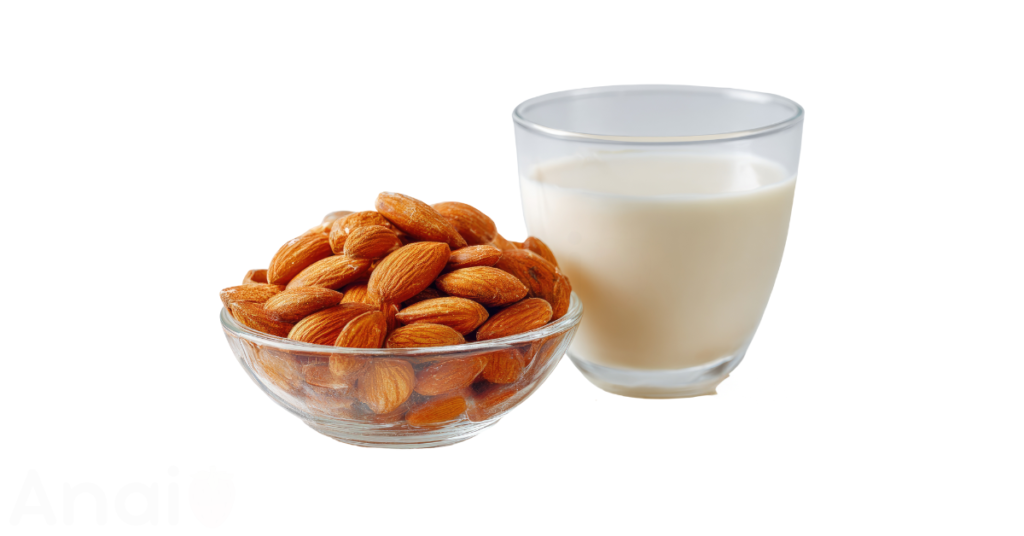
If you need a replacement for coconut milk, several plant-based and dairy options provide similar textures with different nutritional profiles.
| Alternative | Calories (Cup) | Protein (Cup) | Total Fat (Cup) |
|---|---|---|---|
| Soy Milk | 100 kcal | 7.0 g | 4.0 g |
| Almond Milk | 30–50 kcal | 1.0 g | 2.5 g |
| Oat Milk | 120 kcal | 3.0 g | 5.0 g |
| Cashew Milk | 25–50 kcal | 1.0 g | 2.0 g |
Soy milk is arguably the most nutritionally complete substitute because it offers 7 grams of protein per cup, which is higher than coconut milk. It has a neutral flavor that works in almost any recipe, though it lacks the distinct tropical aroma of coconut. The main drawback is that it is much thinner, so you may need to reduce other liquids in your recipe to maintain the desired consistency.
Almond milk is the best choice for those focused on weight loss, as it contains as little as 30 calories per cup. It provides a nutty undertone that complements baked goods and smoothies perfectly. However, it is naturally low in fat and protein, meaning it will not provide the same creamy mouthfeel or satiety as full-fat coconut milk.
Oat milk is the superior choice for coffee and lattes because its high beta-glucan content allows it to foam and froth similarly to dairy. It has a natural sweetness and handles high heat well without curdling. The downside is its higher carbohydrate count, which may not be suitable for those on a strict ketogenic or low-carb diet.
Cashew milk offers a unique creaminess that mimics the texture of dairy more closely than almond or soy options. It works exceptionally well in savory sauces and soups where a rich consistency is required. While it is low in calories, it lacks the high mineral content found in coconut milk, making it less nutrient-dense overall.
Popular Coconut Milk Diets
How to add coconut milk safely into your diet? Choosing the right diet is important to ensure that you are meeting your nutritional needs while also enjoying the foods you eat. Here are a few of the available coconut milk-friendly diet options:
- Ketogenic (Keto) Diet
- Paleo Diet
- Vegan or Plant-Based Diet
- Low FODMAP Diet
| Diet | Key Difference | Benefits | Drawbacks |
|---|---|---|---|
| Keto | Ultra-low carb, very high fat. | Rapid energy from MCTs; blood sugar control. | Risk of “keto flu”; restricted fruit/grain intake. |
| Paleo | Mimics hunter-gatherer food; no dairy. | Focus on whole, unprocessed foods. | Can be expensive; excludes legumes and grains. |
| Vegan | No animal products whatsoever. | Ethical and environmental sustainability. | Requires careful B12 and protein monitoring. |
| Low FODMAP | Restricts fermentable carbohydrates. | Reduces bloating and IBS symptoms. | Very restrictive; requires a reintroduction phase. |
The Ketogenic (Keto) Diet is perhaps the most natural fit for full-fat coconut milk. Since 93% of coconut milk calories come from fat, it helps followers reach their daily fat macros easily. The medium-chain triglycerides (MCTs) provide a quick energy source that the liver converts into ketones. This diet is effective for neurological health and weight management.
A Paleo Diet utilizes coconut milk as a primary substitute for dairy. Because Paleo excludes all processed milks and grains, the “miracle liquid” provides necessary creaminess for sauces and desserts. It aligns with the “tree of life” philosophy of consuming nutrient-dense, ancestral foods. This diet emphasizes high-quality, organic canned versions without stabilizers.
The Vegan or Plant-Based Diet relies on coconut milk as a versatile, lactose-free staple. It is a multibillion-dollar industry driven by the skyrocketing demand for dairy alternatives. It allows vegans to enjoy rich textures in everything from “nice” cream to savory stews. While it is lower in protein than soy or cow’s milk, it is a low-allergen choice for most people.
A Low FODMAP Diet is specifically designed for those with irritable bowel syndrome (IBS). While many plant milks are problematic, canned coconut milk is considered safe in servings of 1/2 cup (120 ml) or less. This allows for flavor without triggering digestive fermentation. It is a data-backed way to manage gut sensitivity while maintaining a rich diet.
How to Cook Coconut Milk?
Raw coconut milk provides the highest concentration of heat-sensitive nutrients. The first extract from freshly grated coconut meat is thick and potent. Using it raw preserves Vitamin C and enzymes that typically degrade with heat. It is perfect for drizzling over desserts or adding to smoothies at the very end of preparation.
Boiled coconut milk is common in curries but requires a gentle touch. You should never use a rolling boil. High heat causes the proteins to coagulate and the milk to curdle or “split.” Always cook on low heat or a gentle simmer to maintain a smooth, velvety texture. Boiling for extended periods will lead to a significant loss of B vitamins and Vitamin C.
Braised coconut milk is the secret to “fall-off-the-bone” tender meats. When you braise a whole chicken in coconut milk, the fats act as a pressurized flavor carrier. The long, slow cooking process infuses the protein with a rich, nutty depth. While this method results in the highest nutrient loss due to duration, the stability of lauric acid ensures the healthy fats remain intact.
Baked coconut milk is essential for dairy-free pies and cakes. In a Coconut Cream Pie, the milk is thickened into a stable custard. Baking provides a controlled, dry heat that encapsulates the fat within a crust or batter. This method is excellent for maintaining the structural integrity of the milk’s fats without the risk of splitting that occurs on a stovetop.
Fried coconut milk usually refers to using the milk in a batter. Coconut shrimp are dipped in a coconut-infused batter and rolled in flakes before hitting the oil. This method uses very high heat for a short duration. The primary benefit is texture. The nutritional value is secondary here, as high-heat frying can degrade some of the more delicate antioxidants in the coconut.
Easy Coconut Milk Recipes

The coconut milk recipes discussed here can help increase coconut milk intake without compromising taste.
Breakfast ideas with coconut milk
Jamaican Cornmeal Porridge is a warm, comforting morning meal infused with Caribbean spices. Use homemade coconut milk to create a filling base that is energizing without being heavy.
Vitumbua (Coconut Rice Pancakes) are addictive vegan donuts that melt in your mouth when served with a sweet dipping sauce.
Coconut Milk Coffee Creamer is an easy, keto-friendly way to add healthy fats to your morning routine.
Chia Tea Lattes become extra creamy and spicy when you swap dairy for a rich coconut alternative.
Lunch ideas with coconut milk
Roasted Cauliflower Bowls use a creamy dressing made from coconut milk, tahini, and maple syrup. Thai-spiced Zucchini Stew offers a light, bright broth that is perfect for a midday energy boost. Coconut Yellow Split Pea Soup utilizes a ginger-spiked yellow curry broth to create a vibrant, anti-inflammatory lunch.
Spring Roll Salads can be topped with a spicy coconut milk dressing that pairs sweet, sour, and nutty flavors.
Lemon Coconut Sauce is a versatile condiment that makes any simple noodle or grain bowl special.
Dinner ideas with coconut milk
Chicken Tikka Masala achieves its signature velvety texture by simmering the chicken in a tomato and coconut milk sauce.
One Pot Curry Bake is a time-saver that combines rice, chickpeas, and sweet potatoes with a coconut broth.
Coconut Curry Soup with Mussels and Scallops provides a sophisticated seafood experience with lemongrass and garlic.
Braised Chicken in Coconut Milk yields juicy, tender meat that is perfect for a weeknight dinner with no leftovers.
Cashew Curry uses toasted nuts and cauliflower in a simple coconut milk base for a fast vegan meal.
Simple tips to add coconut milk to your diet
For busy people who don’t have the time to implement any of the previous meal ideas, there are simple tips to add Coconut Milk to their diet:
- Whisk a few tablespoons into your morning coffee or tea as a dairy-free creamer.
- Stir it into cooked oatmeal or lentils to increase the fat content and satiety.
- Use it as a base for smoothies to help the body absorb fat-soluble vitamins from greens.
- Add a splash to scrambled eggs before cooking for an incredibly fluffy and creamy texture.
- Replace water with coconut milk when cooking rice or quinoa to infuse the grains with flavor.
- Pour it over a bowl of fresh berries or sliced mango for a simple, nutrient-dense snack.
- Mix it with a bit of honey and salt to create an instant dipping sauce for fruit or nuts.
- Finish your favorite store-bought soup with a drizzle of coconut cream to elevate the taste.
- Freeze leftover milk into ice cube trays to easily drop into hot sauces or drinks later.
Coconut Milk Storage Tips
Knowing how to cook coconut milk is only a part of the equation; it is equally important to know the coconut milk storage tips to make those meals last for longer. Proper preservation ensures you retain the unique fatty acid profile and prevent spoilage.
Shelf life of coconut milk
- At room temperature: Unopened canned coconut milk can last for 2 to 5 years, depending on the manufacturer’s expiration date.
- In the refrigerator: Once opened, fresh or canned coconut milk typically lasts 3 to 5 days.
- In the freezer: Properly stored coconut milk maintains its quality for 1 to 3 months.
How to store coconut milk?
Unopened cans should be kept in a cool, dark place like a pantry. High temperatures can cause the emulsion to separate prematurely. Always check the “best by” date before use to ensure maximum nutrient density.
Once you open a can or carton, the milk is exposed to air and bacteria. Never store leftover coconut milk in the original metal can. The metal can oxidize and impart a metallic taste to the liquid. Transfer the contents immediately to a clean, non-reactive container to preserve the flavor.
How to refrigerate coconut milk?
Maintaining a consistent cold temperature is the best way to prevent the milk from turning sour.
- Pour the leftover coconut milk into a clean glass jar or airtight plastic container.
- Seal the lid tightly to prevent the milk from absorbing other food odors.
- Place the container in the main body of the refrigerator rather than the door.
- Label the container with the date of opening.
- Shake or stir the milk before using it again, as separation is natural when chilled.
How to freeze coconut milk?
Freezing is the most effective method for long-term preservation, though it may slightly alter the texture.
- Pour the coconut milk into silicone ice cube trays for easy portioning.
- Place the tray in the freezer until the cubes are completely solid.
- Transfer the frozen cubes into a heavy-duty freezer bag.
- Squeeze out as much air as possible before sealing the bag to prevent freezer burn.
- Thaw the cubes in the refrigerator or drop them directly into hot soups and stews.
Signs of Spoilage in coconut milk
Checking for spoilage is critical to avoid foodborne illness and digestive distress.
- A sour or fermented smell similar to off-dairy milk.
- Visible mold or dark spots on the surface of the liquid.
- A change in color, specifically if the milk turns noticeably yellow or pink.
- A curdled or chunky texture that does not become smooth after stirring.
- A bulging or leaking can, which indicates bacterial activity inside.
9 Helpful Coconut Milk Home Remedies
Are there any lesser-known tips to unlock the nutritious profile of coconut milk? The following coconut milk remedies can have a positive effect on overall well-being.
- Deep Conditioning Hair Mask: Combine one cup of pure coconut milk with a few drops of argan or jojoba oil to restore moisture to dry strands. Apply the mixture to clean, wet hair and use a wide-toothed comb to ensure even coating. Leave the mask on for 20 minutes before rinsing with warm water. This remedy utilizes lauric acid to penetrate the hair cuticle and strengthen it from within. Store any leftover mixture in the fridge for up to three days.
- Soothing Sunburn Compress: Soak a clean cloth in chilled, unsweetened coconut milk and apply it directly to sunburned skin. The anti-inflammatory properties provide an instant cooling sensation and reduce redness. It replenishes lost moisture in the upper skin layers to prevent peeling. Use this remedy twice daily until the skin heals. Prepare a fresh batch for each application to ensure it remains sterile.
- Natural Makeup Remover: Use a cotton pad dipped in full-fat coconut milk to break down stubborn, waterproof makeup. The natural oils dissolve pigments without stripping the skin of its essential lipids. This is a gentle alternative to alcohol-based removers that can cause dryness. Simply wipe the face and rinse with lukewarm water. Do not store used pads; discard them immediately after a single use.
- Scalp Dandruff Treatment: Massage half a cup of coconut milk directly into the scalp to combat flakiness and itching. The anti-inflammatory and antimicrobial effects help manage scalp conditions. Leave it on for 15 minutes before shampooing as usual. This moisturizes the skin barrier and reduces irritation. For best results, use this treatment once a week.
- Anti-Aging Face Mask Mix two tablespoons of coconut milk with a teaspoon of honey to create a hydrating face mask. The Vitamin C and Copper in the milk support collagen synthesis and skin elasticity. Apply to the face and neck for 15 minutes before washing off. This helps reduce the appearance of fine lines and age spots. Store the mixture in a small glass jar in the refrigerator if making a larger batch.
- Gentle Skin Cleanser: Apply raw coconut milk to the face using circular motions to remove dirt and impurities. It acts as a non-comedogenic cleanser that hydrates while it cleans. It is particularly effective for those with sensitive or eczema-prone skin. Rinse with cool water to close the pores. Always use fresh milk to avoid introducing bacteria to the skin.
- Immunity-Boosting Tonic: Blend half a cup of coconut milk with turmeric and a pinch of black pepper for a daily health shot. Lauric acid provides antibacterial and antiviral benefits that strengthen the immune system. This is especially useful during flu season to fight off minor infections. Consume the tonic immediately after preparation for maximum potency.
- Digestive Soothing Beverage: Drink a small glass of warmed coconut milk to ease symptoms of bloating or acid reflux. The natural enzymes and fats soothe the gut lining and reduce inflammation. It is a lactose-free alternative that prevents the indigestion often caused by cow’s milk. Store unopened cartons at room temperature and refrigerate after the first glass.
- Post-Shave Luxury Butter: Apply a thin layer of coconut milk or a coconut-milk-based shave butter to legs or face after shaving. This prevents razor burn and painful ingrown hairs by calming the skin. It seals in hydration and leaves the skin smelling like a tropical paradise. Store homemade shave butters in a cool, dry place to maintain their whipped consistency.
Coconut Milk and Weight Management

There are multiple health benefits and home remedies using coconut milk, but what is their role in weight management? This section will analyze the potential impact of coconut milk on weight loss, low-calorie diets, satiety, and metabolism.
Can coconut milk help with weight loss?
Coconut milk contains medium-chain triglycerides (MCTs), which differ significantly from the long-chain fatty acids found in most other fats. A study published by the School of Dietetics and Human Nutrition at McGill University suggests that diets rich in MCTs result in a greater loss of adipose tissue. MCTs are transported directly to the liver for energy rather than being stored as fat. Research in Medical News Today indicates that rats consuming coconut milk were more likely to lose visceral fat compared to those on other milk diets.
Coconut Milk in low-calorie diets
While coconut milk is nutrient-dense, it is also high in calories. One cup can contain up to 552 calories, which is significantly higher than cow’s milk. To include it in a low-calorie diet, portion control is mandatory. Clinical reviews in Healthline suggest limiting intake to 1/4 to 1/2 cup at a time. Replacing heavy cream with “light” coconut milk can reduce the count to approximately 125 calories per serving, making it easier to fit into a strict daily calorie goal.
Coconut Milk and satiety
The high-fat content in coconut milk is a powerful tool for controlling hunger. MCTs help promote satiety, making you feel full for longer periods after a meal. According to a small study cited by WebMD, overweight men who consumed 20 grams of MCT oil at breakfast ate 272 fewer calories at lunch than those who consumed corn oil. This reduction in spontaneous calorie intake can prevent overeating and snacking between meals.
Coconut Milk and metabolism
MCTs in coconut milk are known to boost heat generation through a process called thermogenesis. This increases the body’s ability to burn calories for energy. Data from Healthline confirms that MCTs can temporarily boost calorie expenditure and fat burning. Furthermore, coconut milk may increase insulin sensitivity. Improved insulin function helps the body metabolize carbohydrates more efficiently, which is a key factor in maintaining a healthy metabolic rate.
Coconut Milk for Health Conditions
While weight management is important, does coconut milk have an effect on more serious health conditions? Here’s what the scientific literature has to say:
Coconut Milk and diabetes
Coconut milk is a high-fat, low-sugar beverage that impacts blood glucose regulation. The fat content slows the rate at which sugar is released into the bloodstream (Levy, 2024). This mechanism helps stabilize insulin levels and prevents sharp glucose spikes. Research suggests that medium-chain triglycerides (MCTs) can increase insulin sensitivity (Eske, 2024). Improved sensitivity allows the body to break down glucose more effectively. This makes unsweetened coconut milk a viable dairy alternative for those managing type 2 diabetes.
Coconut Milk and heart health
The relationship between coconut fat and the heart is complex but increasingly positive in recent research. One study involving 60 healthy volunteers found that coconut milk porridge lowered “bad” LDL cholesterol and significantly raised “good” HDL cholesterol (Levy, 2024). This is largely attributed to lauric acid, which makes up roughly 50% of the fatty acids in coconuts. Lauric acid may help keep blood vessels flexible and elastic (Levy, 2024). Unlike other saturated fats, coconut fat does not appear to cause a detrimental effect on the lipid profile of the general population (Eske, 2024).
Coconut Milk and digestive issues
Coconut milk is highly effective at nourishing the digestive lining. In animal studies, rats with ulcers experienced a 56% reduction in ulcer size after consuming coconut milk (Levy, 2024). The medium-chain fatty acids are easier to absorb than long-chain fats. They do not require pancreatic enzymes for breakdown, which aids those with digestive difficulties (Athavale, 2022). Furthermore, canned coconut milk is recognized as a low FODMAP food, making it suitable for individuals with Irritable Bowel Syndrome (IBS) (Eske, 2024).
Coconut Milk and inflammation
Chronic inflammation is a precursor to many diseases. Coconut milk contains phenols, which are potent antioxidants that combat oxidative stress (Eske, 2024). A 2015 study revealed that Malaysian coconut milk had higher antioxidant activity than milk from goats or cows (Eske, 2024). These antioxidants protect proteins and DNA from damage. The MCTs in the milk also exhibit anti-aging effects and help lower systemic inflammation (Levy, 2024). This makes it beneficial for people suffering from inflammatory conditions like arthritis.
Coconut Milk and cancer prevention
Emerging research indicates that coconut lipids may inhibit the growth of certain cancer cells. Lauric acid has been found to trigger apoptosis, or programmed cell death, in breast and endometrial cancer cells (Eske, 2024). Its antioxidant properties help neutralize free radicals that can lead to malignancy. While human clinical trials are still required, the phenolic content in coconuts is proven to protect lipids and proteins from oxidative damage (Eske, 2024). This provides a foundational layer of defense against cellular mutation.
The evidence from these studies suggests that coconut milk offers a wide range of therapeutic benefits for various physiological systems.
| Health Category | Benefits | Type of Study | Quality of Evidence | Sources |
|---|---|---|---|---|
| Diabetes | Improved insulin sensitivity | Clinical Review | Moderate | Brown (2025); Eske (2024) |
| Heart Health | Significant HDL increase | Human Trial (60 adults) | Moderate | Levy (2024); Brown (2025) |
| Digestive | 56% reduction in ulcers | Animal Study | Preliminary | Levy (2024); Spritzler (2018); Athavale (2022) |
| Inflammation | High antioxidant activity | Comparative Study | Moderate | Spritzler (2018); Eske (2024) |
| Cancer | Cell death in cancer lines | In-vitro (Lab) | Experimental | Brown (2025); Eske (2024) |
Coconut Milk Nutrition: A Final Word
This article covered 10 functional health benefits of coconut milk, coconut milk nutrition facts, and coconut milk risks and side effects. We also explored coconut milk substitutes, popular coconut milk diets, and coconut milk storage tips. Additionally, we discussed 9 helpful coconut milk home remedies, coconut milk and weight management, and the impact of coconut milk for health conditions.
- A single cup of raw coconut milk provides 110% of the RDI for Manganese.
- The fats in coconut milk (MCTs) can help you eat 272 fewer calories at lunch.
- Lauric acid makes up about 50% of the fat in coconut and fights viruses.
- Canned coconut milk can last for 2 to 5 years if unopened in your pantry.
- Coconut milk can reduce the size of stomach ulcers by 54% to 56%.
- It contains 0 mg of cholesterol, as it is a 100% plant-based food.
The last content update for this guide was in September 2026. Stay ahead of the curve with your health and wellness journey.
Follow Anai.ai to stay informed about the latest nutrition and well-being news, tips, and articles.
Coconut Milk Nutrition FAQs
The Coconut Milk Nutrition FAQs section addresses common concerns regarding the liquid’s high-fat profile and mineral density. It provides science-based answers on benefits, risks, and proper storage. Use these data-driven insights to optimize your daily nutritional intake and safety.
What is coconut milk good for?
Coconut milk is an exceptional source of energy and immune support due to its high concentration of lauric acid. This specific fatty acid possesses antimicrobial and anti-inflammatory properties that help the body fight off various infections. It also provides a massive dose of manganese (110% of the RDI), which is essential for bone health and metabolic function. Topical use can also restore moisture to the skin and hair, acting as a powerful natural conditioner.
Is coconut milk healthy?
This liquid is a nutrient-dense superfood containing significant amounts of iron, magnesium, and copper. While it is high in saturated fat, the medium-chain triglycerides (MCTs) it contains are processed by the liver for immediate energy use. One cup provides about 22% of the daily requirement for iron, supporting oxygen transport in the blood. However, its caloric density of 552 calories per cup means it is healthiest when consumed in controlled portions.
Is coconut milk fattening?
Although it is high in calories, coconut milk contains MCTs that may actually boost metabolism and reduce appetite. Research indicates that MCTs can increase energy expenditure and are less likely to be stored as body fat than long-chain fats. One study showed that consuming MCTs led to people eating 272 fewer calories at lunch later in the day. Despite these benefits, exceeding a daily limit of 60 grams of coconut milk can contribute to weight gain if not balanced with physical activity.
Who should avoid coconut milk?
Individuals with a confirmed coconut allergy must avoid it to prevent severe reactions like anaphylaxis. Because it contains approximately 631 mg of potassium per cup, people with advanced kidney disease should limit their intake to avoid complications. Those with FODMAP intolerance should also be cautious, as servings larger than 1/2 cup can trigger digestive distress. Finally, anyone on a strict low-fat diet needs to account for its high lipid content.
Can I eat coconut milk daily?
You can enjoy coconut milk daily if you maintain a portion size of 1/4 to 1/2 cup. This ensures you stay within the American Heart Association’s recommendation of limiting saturated fat to 6% of your daily calories. Consuming it daily provides a consistent source of antioxidants and healthy fats for brain health. It is often best to rotate it with other plant milks to ensure a diverse intake of proteins and vitamins.
Can dogs eat coconut milk?
Dogs can safely consume small amounts of unsweetened, organic coconut milk as an occasional treat. The lauric acid in the milk can help improve their skin health and coat shine while boosting their immune system. However, the high fat content can cause diarrhea or even pancreatitis in sensitive breeds if given in large quantities. Always ensure the milk is free from added sugars or xylitol, which are highly toxic to canines.
Can cats eat coconut milk?
While not toxic to felines, the high fat concentration of 24% or more in full-fat varieties can trigger diarrhea or severe gastrointestinal upset. Cats are naturally lactose intolerant, making this a safer liquid alternative than cow’s milk, yet it lacks the essential taurine and protein required for their specific biology. A single teaspoon as a rare treat is generally acceptable for healthy cats. You must ensure the product contains zero added sugars, preservatives, or xylitol before serving.
How long does coconut milk last in the fridge?
Once a can is opened, the milk typically remains fresh for 3 to 5 days when stored in the proper environment. Commercial cartons intended for drinking often stay viable for 7 to 10 days due to specialized ultra-high-temperature (UHT) processing. It is critical to maintain your refrigerator at a constant temperature of 40°F (4°C) or lower to inhibit the growth of bacteria and mold. Always prioritize using an airtight container to prevent the absorption of other food odors.
Can you freeze coconut milk?
You can successfully freeze coconut milk for up to 3 months to significantly extend its functional lifespan. Thawing the liquid causes the fat and water to separate, which creates a notably grainy or chunky texture. This physical change means the milk is best suited for smoothies, stews, or baked goods rather than drinking plain. Using an ice cube tray for freezing allows you to thaw specific 1-ounce or 2-ounce portions for future recipes without wasting the entire batch.
How to tell if coconut milk is bad?
A sharp, sour, or fermented aroma is the most reliable indicator that the fats have turned rancid or bacterial growth has occurred. You should also inspect the liquid for visible mold, dark specks, or a pinkish tint that suggests serious contamination. If the milk appears excessively curdled and does not return to a smooth consistency after vigorous stirring, it should be discarded immediately. Never consume milk from a bulging, leaking, or heavily rusted can, as this may indicate botulism.
How long is coconut milk good for?
Unopened canned coconut milk is a shelf-stable staple that can last between 2 to 5 years in a cool, dark pantry. After the seal is broken, its window of freshness narrows to approximately 120 hours under refrigeration. The “best by” date provided by manufacturers is an estimate of quality rather than a strict safety deadline for unopened goods. Light versions contain 50% to 60% more water, which can occasionally cause them to spoil slightly faster than full-fat emulsions.
How to keep coconut milk fresh?
Always transfer leftover liquid from an opened metal can into an airtight glass or plastic container to prevent metallic oxidation. Store the container in the deepest part of the refrigerator where the temperature is most stable and cold. Using a clean, sterilized spoon for every serving prevents the introduction of microbes that accelerate spoilage. To maintain the best flavor and nutrient profile, consume the milk as close to the opening date as possible.