
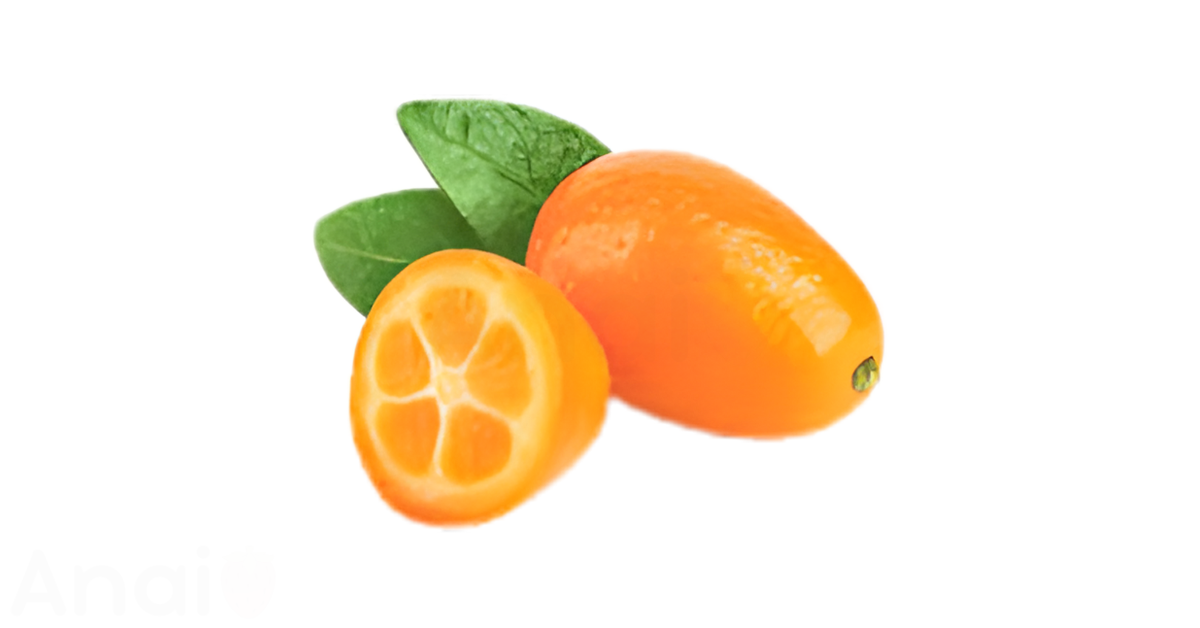
Are Kumquats Good for You?
Kumquats are exceptionally good for your health because they offer a unique nutrient delivery system. Unlike most citrus fruits, you consume the sweet, edible peel along with the tart flesh. This allows you to ingest a higher concentration of antioxidants and fiber than you would from an orange or grapefruit. Science confirms that these tiny fruits are dense in micronutrients. A 100-gram serving, which is roughly five fruits, provides 71 calories and 6.5 grams of fiber (McCulloch, 2018). They are also a significant source of Vitamin C, providing up to 73% of your daily value in a single serving (Link, 2023).
This article expands on 11 proven health benefits of kumquats, kumquat nutrition facts, kumquat risks and side effects, kumquat substitutes, popular kumquat diets, kumquat storage tips, 8 quick kumquat home remedies, kumquats and weight management, and kumquats for health conditions. All data provided represents the latest nutritional information available as of March 2026.
11 Proven Health Benefits of Kumquats
Kumquats are a premier health food that packs a massive nutritional punch into a grape-sized package. The following benefits are fact-checked and supported by peer-reviewed scientific publications and nutritional databases.
1. Robust Immune System Support
Kumquats act as a natural shield for your immune system. They are loaded with Vitamin C, which is essential for the production and function of white blood cells. A 100-gram serving provides 43.9 mg of Vitamin C, meeting nearly half of your daily needs (Gupta, 2024).
Beyond vitamins, kumquats contain plant compounds that stimulate natural killer cells. These cells are responsible for destroying virally infected cells and tumor cells within the body (McCulloch, 2023). High intakes of these compounds can shorten the duration of respiratory infections like the common cold (Link, 2023).
2. Enhanced Digestive Regularity
The fiber content in kumquats is remarkably high compared to other citrus fruits. Because you eat the skin, you receive 6.5 grams of fiber per 100 grams, which is approximately 23% to 26% of the daily recommended intake (Link, 2023).
This fiber adds bulk to the stool and supports a healthy gut microbiome. High-fiber diets are scientifically linked to a reduced risk of inflammatory bowel disease and colorectal cancer. Soluble fiber in the fruit also slows down digestion, ensuring a steady release of nutrients (McCulloch, 2018).
3. Effective Weight Management
Kumquats are an ideal snack for weight loss due to their low calorie density and high water content. They are composed of approximately 80% to 81% water (Link, 2023). This high hydration level, combined with fiber, helps you feel full longer.
Preliminary research using kumquat peel extract suggests it may minimize the growth of fat cells. In animal studies, mice on high-fat diets that were given kumquat extract gained significantly less weight than those who were not (McCulloch, 2018). The flavonoid poncirin is believed to play a key role in this fat cell regulation.
4. Potent Antioxidant Protection
The edible peel of a kumquat is a reservoir of health-protective polyphenols. These include flavonoids like naringin and narirutin, which neutralize harmful free radicals (Pondugula, 2025). Neutralizing these radicals prevents oxidative damage to your cells.
By reducing oxidative stress, these antioxidants lower the risk of chronic conditions like rheumatoid arthritis and heart disease (Link, 2023). The concentration of these compounds is much higher in the peel than in the pulp.
5. Natural Cholesterol Regulation
Kumquats contain phytosterols, which are plant compounds with a chemical structure similar to cholesterol. These compounds compete with cholesterol for absorption in the intestines. This process helps block the uptake of LDL (bad) cholesterol into the bloodstream (McCulloch, 2018).
Regular consumption of fiber-rich citrus, like kumquats, is also associated with lower total cholesterol levels. Soluble fiber binds to cholesterol-rich bile acids in the gut and removes them from the body (Pondugula, 2025).
6. Reduced Cancer Risk
Consuming citrus fruits is consistently linked to a lower risk of several types of cancer. Research indicates that frequent citrus consumption can lead to a 10% lower risk of breast cancer (Link, 2023).
Kumquats specifically contain a carotenoid called beta-cryptoxanthin. A pooled analysis of seven large studies found that individuals with the highest intake of beta-cryptoxanthin had a 24% lower risk of lung cancer (McCulloch, 2018). These antioxidants work by repairing DNA damage linked to disease (Key, 2025).
7. Support for Heart Health
The essential oils found in the kumquat peel, such as limonene, provide antioxidant actions that protect the cardiovascular system (McCulloch, 2018). These oils work synergistically with the fruit’s fiber and vitamins to improve heart function.
Furthermore, the potassium found in kumquats, about 186 mg per 100 grams, helps regulate blood pressure (Pondugula, 2025). Maintaining healthy blood pressure is critical for preventing strokes and heart attacks.
8. Improved Blood Sugar Stability
Despite containing natural sugars, kumquats have a low glycemic impact. The high fiber content, 6.5 grams per serving, prevents rapid spikes in blood glucose levels (McCulloch, 2023).
In lab settings, kumquat extract has been shown to lower fasting blood sugar in obese subjects. This makes the fruit a safe and beneficial option for those managing type 2 diabetes.
9. Vision and Eye Health Maintenance
Kumquats provide a notable amount of Vitamin A in the form of beta-carotene. Each fruit offers about 3 mcg of Vitamin A, contributing to the health of your retina (Key, 2025).
Vitamin A is critical for night vision and overall eye function. As an antioxidant, it also protects eye cells from the damaging effects of free radicals, which can lead to cataracts (Gupta, 2024).
10. Bone Strength and Collagen Production
The Vitamin C in kumquats is a necessary cofactor for the synthesis of collagen. Collagen is the primary protein found in bones, skin, and connective tissues. Without adequate Vitamin C, your body cannot maintain bone health or heal wounds effectively (Key, 2025).
Kumquats also provide small amounts of calcium, approximately 62 mg per 100 grams. This mineral is essential for maintaining the structural integrity of the skeletal system.
11. Anti-Inflammatory Effects
Chronic inflammation is a root cause of many modern diseases. Kumquats contain flavonoids with proven anti-inflammatory properties (Link, 2023). These compounds help soothe inflammation in the respiratory tract and other systems.
In folk medicine, kumquats have been used for centuries to treat coughs and sore throats. Modern science supports this by showing that the fruit’s antioxidants can reduce the inflammatory markers that cause discomfort during illness.
Kumquat Nutrition Facts
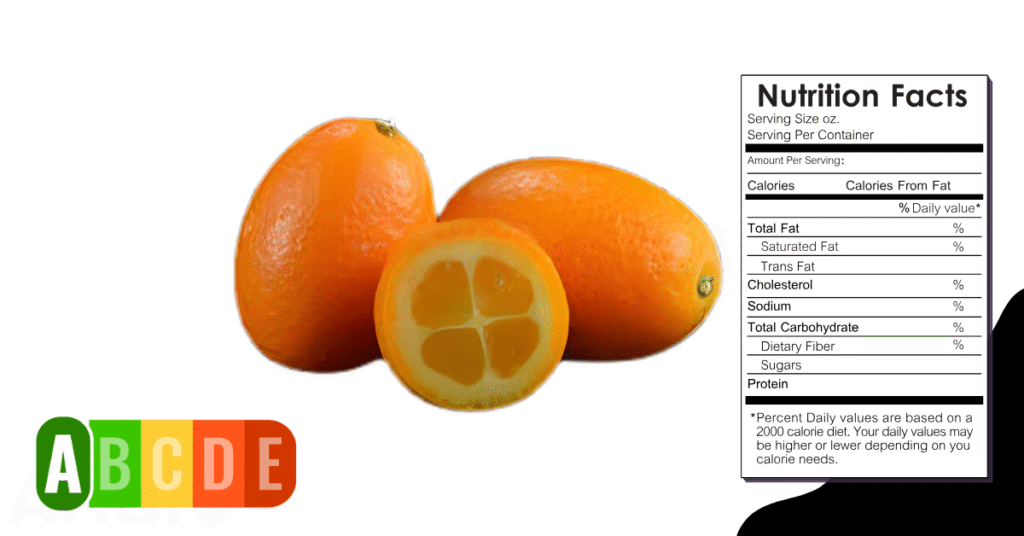
The many health benefits of kumquats can be further explained through their impressive nutrition facts, as analyzed in detail below:
Kumquat nutrition table
Kumquats provide a dense concentration of micronutrients relative to their small size. The following data highlights the macro and micro profiles for both a standard 100-gram serving and a single fruit serving of approximately 19 grams.
| Nutrient | Per Serving (19g) | DRI % (Serving) | Per 100 grams | DRI % (100g) |
|---|---|---|---|---|
| Calories | 13.5 kcal | 0.7% | 71 kcal | 3.5% |
| Protein | 0.36 g | 0.7% | 1.88 g | 3.7% |
| Carbs | 3.02 g | 1.1% | 15.9 g | 5.8% |
| Total Fat | 0.16 g | 0.2% | 0.86 g | 1.3% |
| Cholesterol | 0 mg | 0% | 0 mg | 0% |
How many calories are in kumquats?
Kumquats are a low-calorie fruit, making them excellent for weight management. A standard 100-gram portion contains 71 calories, which accounts for approximately 3.5% of the Daily Recommended Intake (DRI) for a 2,000-calorie diet. If you consume a single raw fruit weighing 19 grams, you ingest only 13.5 calories, representing a mere 0.7% of your DRI.
Energy density is low because of the high water content. To burn off the 71 calories found in a 100-gram serving, a person weighing 150 pounds would need to engage in 10 minutes of brisk walking or roughly 8 minutes of moderate-intensity cycling.
How much protein is in kumquats?
While citrus fruits are not primary protein sources, kumquats contain more than typical oranges. You will find 1.88 grams of protein per 100 grams, which fulfills about 3.7% of the DRI. A single-fruit serving provides 0.36 grams of protein, or 0.7% of the DRI. This protein content contributes to the fruit’s ability to help maintain satiety compared to sugary, fiberless snacks.
How many carbs are in kumquats?
The carbohydrate profile of kumquats is significant due to the inclusion of the peel. There are 15.9 grams of carbs per 100 grams, providing 5.8% of the DRI. A single fruit contains 3.02 grams, which is 1.1% of the DRI. Crucially, 6.5 grams of those 100-gram carbs come from dietary fiber. This high fiber count ensures a lower net carb impact and a slower release of natural sugars into the bloodstream.
How much fat is in kumquats?
Kumquats are essentially a fat-free food. They contain only 0.86 grams of total fat per 100 grams, which is 1.3% of the DRI. A single serving provides 0.16 grams, or 0.2% of the DRI. Most of the fat is concentrated in the edible seeds and peel.
| Fat Category | Amount Per 100g | DRI % (100g) |
|---|---|---|
| Total Fats | 0.86 g | 1.3% |
| Saturated Fats | 0.10 g | 0.5% |
| Monounsaturated Fats (MUFAs) | 0.15 g | N/A |
| Polyunsaturated Fats (PUFAs) | 0.17 g | N/A |
Are kumquats high in cholesterol?
No, kumquats contain 0 mg of cholesterol per 100 grams and per serving. Like all plant-based foods, they are naturally cholesterol-free. Consuming kumquats provides 0% of the DRI for cholesterol, making them an ideal choice for cardiovascular health.
Minerals in kumquats
Kumquats are a surprising source of minerals that support bone density and nerve function.
| Mineral | Amount (100g) | Health Benefits |
|---|---|---|
| Calcium | 62 mg | Strengthens bones and supports nerve signaling. |
| Manganese | 0.14 mg | Assists in bone formation and blood clotting. |
| Potassium | 186 mg | Regulates blood pressure and fluid balance. |
| Magnesium | 20 mg | Supports muscle function and energy production. |
The mineral content in kumquats is highly bioavailable. Calcium and Manganese work together to reduce the risk of osteoporosis. Potassium levels are high enough to help counteract the effects of sodium in the diet, promoting heart health.
Vitamins in kumquats
The vitamin profile of the kumquat is dominated by immune-boosting antioxidants.
| Vitamin | Amount (100g) | Health Benefits |
|---|---|---|
| Vitamin C | 43.9 mg | Boosts immunity and stimulates collagen production. |
| Vitamin A | 290 IU | Supports vision and maintains healthy skin. |
| Vitamin E | 0.15 mg | Protects cells from oxidative stress and damage. |
| Choline | 8.4 mg | Supports brain function and lipid metabolism. |
Kumquats provide nearly half of your daily Vitamin C needs in a single 100-gram serving. The Vitamin A content is vital for night vision and immune cell production. Together, these vitamins create a powerful defense against seasonal illnesses.
Kumquats Risks and Side Effects
Kumquats are safe for the general population but present risks for individuals with specific sensitivities. Allergic reactions to citrus are rare but can cause hives, redness, itching, and swelling immediately after consumption. If you experience these symptoms, you must discontinue use and consult a healthcare professional.
The high fiber content, while beneficial, can cause gastrointestinal distress if consumed in excess. Eating too many kumquats at once may lead to bloating, gas, diarrhea, or abdominal cramps. To manage this risk, limit intake to 4 to 5 fruits per day and drink plenty of water to help the fiber move through your system.
Acidity is another factor for those with sensitive digestive tracts. Kumquats have an acidic pH of approximately 3.95. This can trigger symptoms in people with GERD or IBS, such as heartburn or acid reflux. Additionally, because the peel is eaten, there is a risk of pesticide residue. Always wash the fruit thoroughly under running water or choose organic varieties to mitigate chemical exposure.
Debunking myths about kumquats
Myth: Kumquat seeds are poisonous.
Fact: Kumquat seeds are completely non-toxic and safe to consume, though most people choose to remove them simply because they have a bitter flavor.
Myth: Kumquats are just “baby oranges”.
Fact: While they look similar, kumquats belong to the genus Citrus (formerly Fortunella) and are a distinct species with a sweet peel and sour flesh, which is the opposite of a standard orange.
Myth: Kumquats are a perfect keto fruit.
Fact: Kumquats contain approximately 9.4 grams of sugar per 100 grams, making them higher in carbohydrates than berries; therefore, they should be eaten in strict moderation on a ketogenic diet.
Kumquats Substitutes
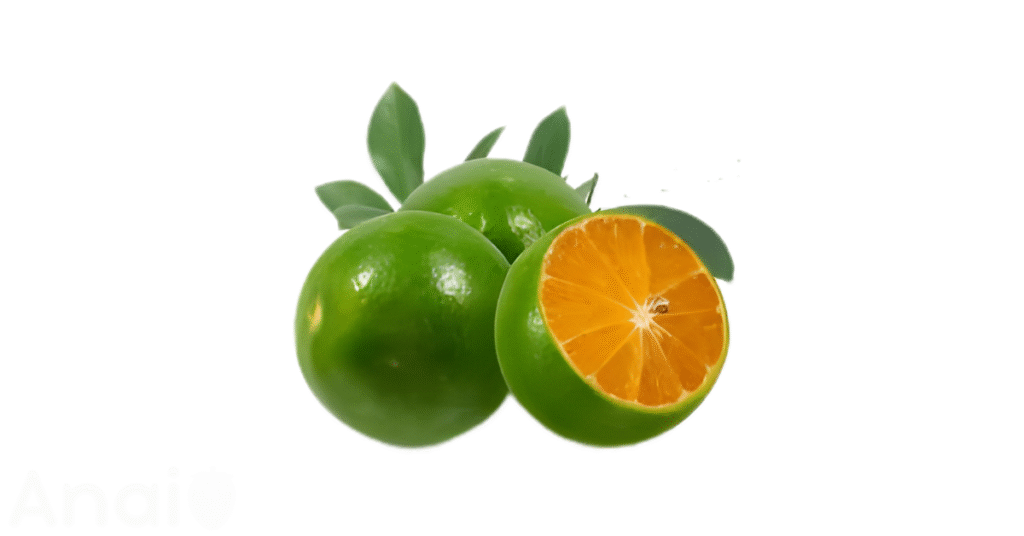
If you cannot find kumquats, several citrus alternatives provide a similar flavor profile or nutritional benefit.
| Fruit | Fiber (per 100g) | Vitamin C (per 100g) | Calories (per 100g) |
|---|---|---|---|
| Kumquat | 6.5 g | 43.9 mg | 71 kcal |
| Orange | 2.2 g | 53.2 mg | 50 kcal |
| Calamansi | 1.2 g | 27.0 mg | 30 kcal |
| Tangerine | 1.8 g | 26.7 mg | 53 kcal |
The common orange is the most accessible substitute for kumquats in recipes requiring a citrus zest or juice. You can use orange peel to mimic the sweetness, but you must avoid the bitter white pith. The primary benefit of an orange is its higher Vitamin C content, though it lacks the high fiber found in kumquat peels. The main drawback is that you cannot eat the orange whole, losing the textural experience of the kumquat.
A calamansi is a hybrid fruit that serves as an excellent culinary substitute due to its intense tartness. It is widely used in marinades and juices to provide the “pucker power” that kumquats are known for. Using calamansi offers the benefit of fewer calories per serving, making it great for light dressings. However, it is significantly lower in fiber and Vitamin C than a kumquat.
The tangerine is a suitable replacement when you want a sweeter citrus profile for salads or desserts. You can use segments of tangerines to provide a similar color and sweetness to your dish. The benefit of using a tangerine is its lower acidity, which is easier on the stomach. The drawback is the lack of a sweet edible peel, as tangerine skins are typically discarded.
Popular Kumquat Diets
How to add kumquats safely into your diet? Choosing the right diet is important to ensure that you are meeting your nutritional needs while also enjoying the foods you eat. Here are a few of the available kumquat-friendly diet options:
- Mediterranean Diet
- Whole30 Diet
- DASH Diet
- Low-Glycemic Index Diet
- Paleo Diet
| Diet Name | Key Differences | Benefits | Drawbacks |
|---|---|---|---|
| Mediterranean | Focuses on healthy fats and diverse plant intake. | High in heart-healthy antioxidants and fiber. | Requires consistent access to fresh produce. |
| Whole30 | Eliminates all added sugars, grains, and dairy for 30 days. | Helps identify food sensitivities and resets cravings. | Highly restrictive; prohibits candied kumquats. |
| DASH | Targeted at reducing hypertension through low-sodium foods. | Excellent for blood pressure regulation via potassium. | May feel repetitive for some users. |
| Low-GI | Prioritizes foods that cause slow, steady blood sugar rises. | High fiber in kumquats (6.5g/100g) aids glucose control. | Requires careful tracking of portion sizes. |
| Paleo | Emphasizes whole, unprocessed foods like ancient humans. | Eliminates processed additives and focuses on nutrients. | Can be expensive and socially difficult to maintain. |
The Mediterranean Diet is widely considered the gold standard for long-term health. It incorporates kumquats as a fresh salad topper or a savory garnish for fish. This diet leverages the 186 mg of potassium found in kumquats to support cardiovascular function. Evaluation: Highly sustainable and scientifically backed for longevity.
The Whole30 Diet is a short-term nutritional reset that permits fresh or roasted kumquats. It strictly forbids sweeteners, meaning kumquat marmalades or candied versions are off-limits. Since kumquats are 80% water, they serve as an excellent hydrating snack during this reset. Evaluation: Effective for habit change but difficult to sustain beyond 30 days.
A Low-Glycemic Index Diet focuses on the quality of carbohydrates consumed. Kumquats are ideal here because their 6.5 grams of fiber per 100 grams slow the absorption of their 9.4 grams of natural sugar. This prevents the insulin spikes associated with lower-fiber fruits. Evaluation: Excellent for managing type 2 diabetes and metabolic health.
The DASH Diet aims specifically to stop hypertension. Kumquats contribute to this goal by providing a sodium-free snack with essential minerals like calcium and magnesium. A 100-gram serving provides 62 mg of calcium, supporting bone health while managing blood pressure. Evaluation: Very effective for heart health, though less focused on weight loss than other options.
The Paleo Diet centers on eating like our hunter-gatherer ancestors. Kumquats fit perfectly as they are a wild-origin fruit that can be eaten whole without processing. This diet benefits from the 73% Daily Value of Vitamin C found in these fruits. Evaluation: Good for reducing processed food intake, but may lack certain grains needed by some individuals.
How to Cook Kumquats?
Raw kumquats are the best way to consume the fruit if your goal is maximum nutrient density. Eating them uncooked ensures you receive the full 43.9 mg of Vitamin C per 100 grams, as this vitamin is highly sensitive to heat. To prepare them raw, simply roll the fruit between your fingers to release the aromatic essential oils in the sweet peel. The main benefit is the absence of nutrient loss, though the tartness of the flesh may be intense for some palates.
Roasted kumquats provide a sophisticated depth of flavor that works well in salads or as a garnish for meats. To roast, toss halved, de-seeded kumquats with avocado oil and a pinch of salt, then bake at 400°F for about 20 minutes. Roasting caramelizes the natural sugars in the peel, reducing the sharp sourness of the juice. However, high-heat roasting can result in a 20% to 30% loss of Vitamin C.
Poached kumquats are often simmered in a simple syrup or juice to soften the skin and create a sweet treat. This method is excellent for making the fruit more palatable for those who find the raw version too acidic. The benefit is a tender texture, but water-soluble nutrients like B vitamins and Vitamin C often leach into the poaching liquid. If you do not consume the syrup, you lose a significant portion of the fruit’s micronutrients.
Boiled kumquats are commonly used as a preliminary step for marmalades or chutneys to remove excess bitterness. Blanching the fruit in boiling water for one minute, repeated up to three times, effectively mellows the flavor. The primary drawback is that extensive boiling causes the greatest loss of water-soluble vitamins. This method is best reserved for culinary applications where flavor profile is more important than raw nutritional value.
Easy Kumquat Recipes
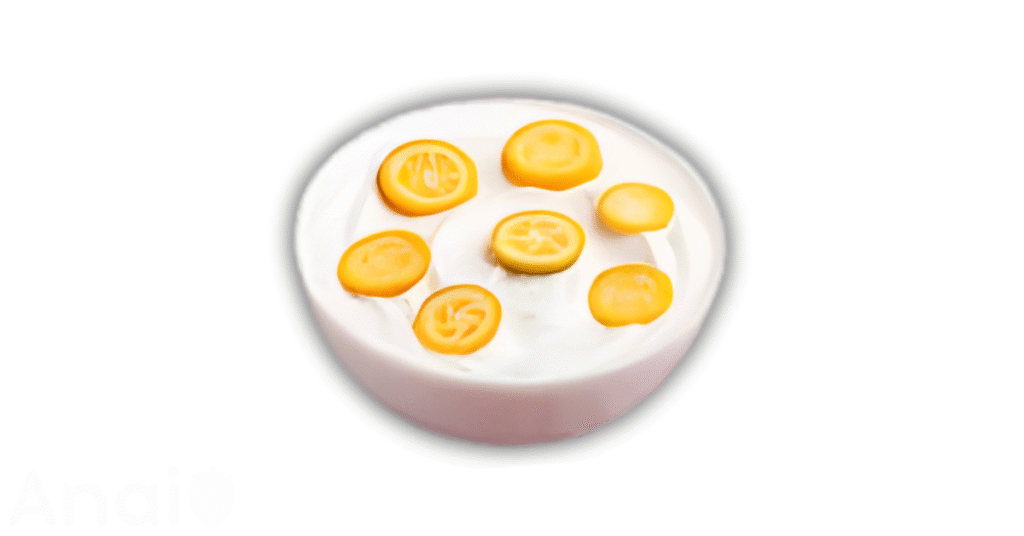
The kumquat recipes discussed here can help increase kumquats intake without compromising taste.
Breakfast ideas with kumquats
Kumquat and Pear Smoothie is a dairy-free powerhouse that blends 10 whole kumquats with a pear, orange, and lime. To turn it into a meal, add a cup of oat or almond milk and a scoop of protein powder. This provides a massive hit of fiber and antioxidants to start your day.
Greek Yogurt with Sliced Kumquats offers a perfect balance of protein and Vitamin C. Thinly slice five kumquats into rounds and stir them into plain yogurt with a handful of walnuts. The fats in the walnuts help your body better absorb the fat-soluble Vitamin A found in the fruit.
Kumquat Marmalade on Whole Grain Toast is a classic way to enjoy this citrus. By simmering 1.75 pounds of kumquats with sugar and lemon juice, you create a spread that lasts for weeks in the fridge. Each serving of this preserve provides roughly 49 calories and a bright, zesty flavor profile.
Lunch ideas with kumquats
Winter Chicory Salad with Kumquats combines bitter greens with the sweet-tart punch of sliced citrus. Use a date dressing to complement the acidity of the kumquats. Adding arugula or feta cheese provides a salty contrast that rounds out the flavor of the fruit’s edible skin.
Kumquat and Pineapple Chutney serves as a brilliant topping for cold leftover roasts or cheese plates. This recipe involves simmering diced kumquat skins with pineapple, brown sugar, and a splash of Madeira. It keeps for up to one week in the refrigerator and adds a gourmet touch to simple lunches.
Fresh Kumquat Salsa is a vibrant alternative to tomato-based versions. Mix two cups of thinly sliced kumquats with red onion, cilantro, and red pepper flakes. This salsa pairs exceptionally well with grilled fish or as a topping for shrimp tacos.
Dinner ideas with kumquats
Roasted Chicken with Kumquats and Onions is a savory dish where the fruit’s juices create a natural glaze. As the chicken roasts, the kumquats soften and release their oils, flavoring the meat and vegetables. This method preserves more minerals than boiling while providing a rich, aromatic dinner.
Kumquat and Chili Infused Pork Chops use the fruit’s acidity to tenderize the meat. Simmer sliced kumquats with chili powder and ginger to create a sauce for the chops. The vitamin C in the fruit also helps your body absorb the iron present in the pork more efficiently.
Whole30 Roasted Kumquats and Brussels Sprouts is a nutrient-dense side dish. Toss both in avocado oil and roast until the edges are browned and crispy. This combination offers a high dose of Vitamin K and fiber, supporting both bone and digestive health.
Simple tips to add kumquats to your diet
For busy people who don’t have the time to implement any of the previous meal ideas, there are simple tips to add Kumquats to their diet:
- Eat them whole like grapes by rinsing a handful and popping them into your mouth for a quick, 71-calorie snack.
- Add sliced kumquats to your water bottle or tea to infuse your beverage with natural Vitamin C and a citrusy scent.
- Thinly shave kumquats over raw fish or ceviche to provide a burst of acid without the need for extra vinegar.
- Mix chopped kumquats into your morning oatmeal to add texture and a sweet-tart flavor without using refined syrups.
- Use kumquats as a garnish for cocktails or mocktails by slicing them into wheels and floating them on top.
- Freeze sliced kumquats to use as “ice cubes” that won’t dilute your drink while providing a slow release of nutrients.
- Toss a few kumquats into your lunch container to eat as a palate cleanser after a savory meal.
Kumquat Storage Tips
Knowing how to cook kumquats is only a part of the equation. The importance of knowing kumquat storage tips is vital to make those nutrient-dense meals last longer.
Shelf life of kumquats
- At room temperature: 3 to 5 days in a cool, dry area.
- In the refrigerator: 2 weeks, and up to one month if stored correctly in a sealed bag.
- In the freezer: 10 to 12 months for peak quality.
How to store kumquats?
Kumquats are best kept fresh to maintain their delicate, sweet skin. Unlike most citrus, their paper-thin rind lacks a thick, bitter pith, which makes them more susceptible to moisture loss and external odors.
Store fresh kumquats in a cool, dry place initially. If you do not plan to eat them within a few days, move them to cold storage quickly to prevent shriveling. Proper airflow and moisture control are essential to prevent the fruit from becoming soft or moldy.
How to refrigerate kumquats?
Proper refrigeration is the most effective way to extend the freshness of your kumquat harvest.
- Wash the fruits under cool running water and pat them dry thoroughly.
- Place the kumquats in a perforated plastic bag or a sealed container.
- Set them in the produce bin of your refrigerator to maintain a stable temperature.
- Inspect the bag every few days for moisture buildup to prevent premature decay.
How to freeze kumquats?
Freezing kumquats allows you to enjoy their vibrant, citrusy zing well beyond their peak harvest season.
- Rinse the fruits and dry them completely with a clean towel.
- Choose to leave them whole or slice them into thin rounds.
- Flash freeze the pieces in a single layer on a baking sheet for 2 to 3 hours.
- Transfer the frozen kumquats into an airtight freezer bag, removing as much air as possible.
- Label the container with the date and store it for up to one year.
Signs of Spoilage in kumquats
You should always inspect your kumquats before consumption to ensure they are still safe and nutritious.
- Presence of fuzzy white or green mold on the skin.
- Soft, squishy spots or a “water-soaked” texture.
- Skin that appears distinctly brown, shriveled, or dull.
- An unpleasant, fermented, or sour odor emanating from the container.
8 Quick Kumquat Home Remedies
Are there any lesser-known tips to unlock the nutritious profile of kumquats? The following kumquat remedies can have a positive effect on overall well-being.
- Traditional Sore Throat Tea: This classic Chinese remedy involves muddling 2 to 3 fresh kumquats in a mug. Pour hot water over the fruit and stir in a spoonful of honey to soothe respiratory inflammation. Keep fresh kumquats in the refrigerator until you need them for an immediate dose of relief.
- Digestive Enzyme Booster: Chew one whole, raw kumquat approximately 15 minutes before a heavy meal to stimulate saliva and digestive enzymes. The essential oils in the sweet peel prepare the stomach for better nutrient absorption. Use firm, room-temperature fruit for the most potent effect.
- Salt-Preserved Cough Relief: Slice kumquats and layer them with sea salt in a small glass jar for at least 3 days. Consume one salted slice to help alleviate a persistent dry cough or phlegm. Store the jar in the refrigerator for long-term use throughout the winter.
- Citrus Stress Relief Inhalation: Roll a fresh kumquat between your fingers to release aromatic oils like limonene. Inhale the scent deeply for several minutes to reduce anxiety and promote mental clarity. Use ripe, orange fruits for maximum oil concentration.
- Anti-Inflammatory Kumquat Water: Slice 5 kumquats into a large pitcher of filtered water and allow them to steep overnight. Drink this throughout the day to help reduce systemic inflammation and stay hydrated. Store the pitcher in the fridge and discard the fruit after 24 hours.
- Skin Brightening Face Mask: Blend 3 de-seeded kumquats into a fine paste and apply it directly to areas of hyperpigmentation. The high vitamin C content helps inhibit tyrosinase to promote a more even skin tone. Prepare this fresh for each application to ensure the antioxidants remain active.
- Metabolism-Boosting Morning Lassi: Blend 4 frozen kumquat halves with plain yogurt, water, and a pinch of cardamom. This probiotic drink supports gut health while providing a thermogenic boost to your morning routine. Store frozen kumquat slices in the freezer to have them ready for a quick blend.
- Immune Support Tincture: Submerge whole kumquats in rose water or a high-proof clear spirit for three months in a sealed jar. Take a single teaspoon of the infused liquid during the cold season to bolster natural killer cell activity. Store the jar in a cool, dark cupboard away from direct sunlight.
Kumquats and Weight Management

There are multiple health benefits and home remedies using kumquats, but what is their role in weight management? This section will analyze kumquats’ potential impact on weight loss, low-calorie diets, satiety, and metabolism.
Can kumquats help with weight loss?
Specific flavonoids found in kumquat peels appear to directly target obesity-related metabolic pathways. Research published in the National Library of Medicine highlights that the flavonoid Poncirin may play a significant role in regulating fat cells by minimizing their size. In animal studies, obese subjects that are fed with a high-fat diet supplemented with kumquat extract maintained their weight despite a high caloric intake. This suggests that the phytochemicals in the fruit can help mitigate some of the cellular fat accumulation associated with a calorie-dense diet.
Kumquats in low-calorie diets
Kumquats are an ideal high-volume, low-calorie food, providing only 13.5 calories per 19-gram fruit. According to the U.S. Department of Agriculture (USDA), a 100-gram serving offers just 71 calories, making them a perfect addition to calorie-restricted meal plans. Their low energy density allows dieters to eat larger portions compared to processed snacks, which helps prevent feelings of deprivation. This makes it substantially easier to maintain a daily caloric deficit while still enjoying a flavorful, sweet-tart snack.
Kumquats and satiety
Satiety is a key driver of long-term weight management, and the high fiber content of kumquats is essential here. A 100-gram serving provides 6.5 grams of fiber, which is roughly 23% to 26% of the Daily Recommended Intake. Fiber slows down the rate of gastric emptying, meaning you feel full for a significantly longer duration after eating. Studies cited by ScienceDirect emphasize that the combination of high fiber and 80% water content increases post-meal satisfaction, reducing the urge for mindless snacking between meals.
Kumquats and metabolism
Metabolism receives a supportive boost from the B vitamins and essential oils concentrated in kumquat peels. Riboflavin, niacin, and thiamine are all present in kumquats and play vital roles in energy metabolism by helping the body convert food into usable fuel. Furthermore, Vitamin C, which is abundant in kumquats at 43.9 mg per 100 grams, is a critical cofactor for fat oxidation during moderate-intensity exercise. Research suggests that individuals with adequate vitamin C status oxidize 30% more fat during exercise than those with chronically low levels.
Kumquats for Health Conditions
While weight management is important, do kumquats have an effect on more serious health conditions? Here’s what the scientific literature has to say:
Kumquats and diabetes
The bioactive compounds in kumquat peels show potential in managing blood glucose levels. Preliminary research using animal models demonstrates that kumquat extract, rich in the flavonoids neocriocitin and poncirin, can significantly impact metabolic markers. In a study published in the journal Nutrition Reviews, scientists noted that citrus metabolites can modulate energy metabolism and lipid oxidation (Aslan et al., 2024). Specifically, obese mice fed a high-fat diet supplemented with kumquat extract lowered their fasting blood sugar and improved insulin tolerance compared to a control group (Link, 2023). These flavonoids appear to help regulate fat cell growth and prevent the hyperglycemia often associated with obesity (McCulloch, 2023).
Kumquats and heart health
Kumquats support the cardiovascular system through a combination of fiber, potassium, and phytosterols. A 100-gram serving provides 186 mg of potassium, an essential mineral for maintaining healthy blood pressure levels (Pondugula, 2025). Additionally, the fruit contains phytosterols, which have a chemical structure similar to cholesterol. These compounds help block the absorption of cholesterol in the digestive tract, which can lead to lower blood cholesterol levels (McCulloch, 2023). High-fiber diets are consistently linked to a reduced risk of heart disease, and kumquats offer 6.5 grams of fiber per serving to meet these heart-healthy goals.
Kumquats and digestive issues
The unique structure of the kumquat makes it a powerhouse for digestive wellness. Because you eat the skin and the seeds, you receive a higher dose of fiber than most other fresh fruits. This insoluble and soluble fiber adds bulk to the stool and helps prevent constipation and inflammatory bowel disease (Link, 2023). Kumquats are also approximately 80% water, providing the necessary hydration to keep the digestive system moving smoothly. In Traditional Chinese Medicine, these fruits have long been used to aid detoxification and stimulate saliva production for better nutrient breakdown (McCulloch, 2023).
Kumquats and inflammation
Chronic inflammation is a precursor to many modern diseases, and kumquats contain potent anti-inflammatory agents. The essential oils in the peel, specifically limonene, have been shown to have antioxidant actions that reduce cellular stress (Link, 2023). Folk medicine across Asia has used kumquats for centuries to treat inflammation of the respiratory tract, including coughs and sore throats (McCulloch, 2023). Modern research in Current Topics in Medicinal Chemistry suggests that these dietary antioxidants improve immune function by protecting against bacterial and viral infections.
Kumquats and cancer prevention
The high concentration of antioxidants in kumquats may play a role in reducing cancer risk. Flavonoids and carotenoids found in the edible peel help repair DNA damage and protect cells from oxidative stress. Specifically, kumquats contain beta-cryptoxanthin, a carotenoid that helps activate natural killer cells to destroy tumor cells (Key, 2025). A pooled analysis of seven large observational studies found that individuals with the highest intake of beta-cryptoxanthin had a 24% lower risk of lung cancer. Furthermore, frequent consumption of citrus fruits has been linked to a 10% lower risk of breast cancer (Link, 2023).
Scientific evidence consistently suggests that the bioactive compounds in kumquats offer multi-systemic protection against metabolic and chronic diseases.
| Health Category | Benefits | Type of Study | Quality of Evidence | Sources |
|---|---|---|---|---|
| Diabetes | Lowers fasting blood sugar | Animal/In vitro | Preliminary | Link (2023); Aslan et al. (2024) |
| Heart Health | Blocks cholesterol absorption | Clinical Observation | Moderate | McCulloch (2023); Pondugula (2025) |
| Digestion | Prevents constipation/IBD | Nutritional Analysis | High | Link (2023); McCulloch (2023) |
| Inflammation | Reduces respiratory stress | Folk/Chemical Review | Moderate | McCulloch (2023); Link (2023) |
| Cancer | Activates Natural Killer cells | Observational/Animal | Moderate | Link (2023); Key (2025) |
Closing Thoughts on Kumquat Nutrition
This guide has explored the extensive nutritional profile of the kumquat, from the 11 proven health benefits of kumquats and their detailed nutrition facts to managing kumquats risks and side effects. We covered practical advice on kumquat substitutes, popular kumquat diets, and kumquat storage tips. Additionally, we looked at 8 quick kumquat home remedies, the fruit’s role in weight management, and how it supports those with specific health conditions.
- Kumquats are among the few citrus fruits where the peel is sweet, and the flesh is tart.
- A single serving provides 73% of your daily Vitamin C requirement.
- They contain 6.5 grams of fiber per 100 grams, which is higher than most other fresh fruits.
- The seeds and peel provide beneficial omega-3 fats.
- Beta-cryptoxanthin in kumquats is linked to a 24% reduction in lung cancer risk.
This article was last updated in March 2026 to ensure you have the most current data-driven health information.
Follow Anai.ai to stay informed about the latest nutrition and well-being news, tips, and science-backed articles. Your journey to better health starts with the right data!
Kumquat Nutrition FAQs
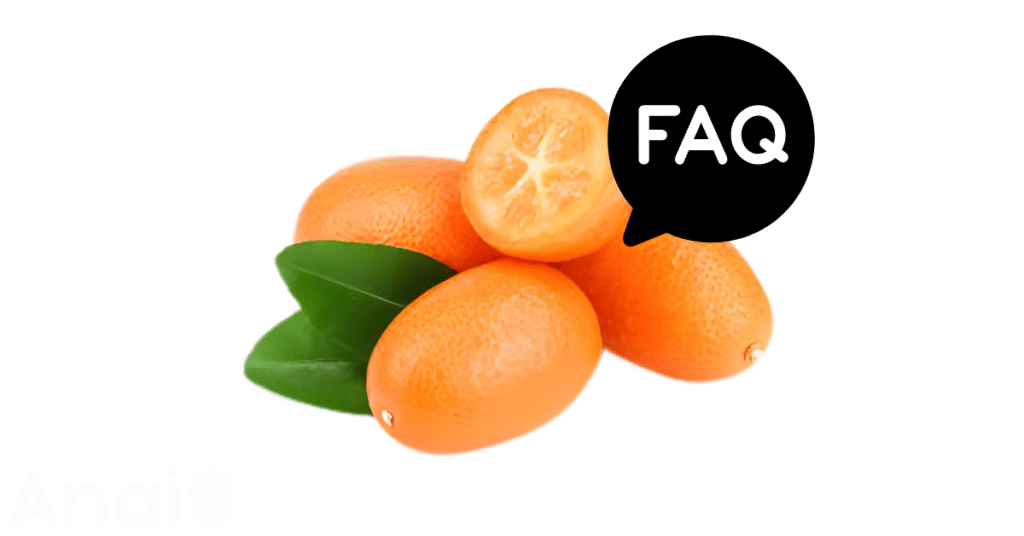
This FAQ section provides data-driven answers to the most common questions about this tiny citrus fruit. It addresses everything from pet safety to optimal daily intake and storage longevity. Each response delivers punchy, factual insights for health-conscious consumers.
What are kumquats good for?
Kumquats are exceptional for boosting your immune system due to their high Vitamin C content, providing 73% of your daily value per 100 grams. Their edible peel contains a concentration of antioxidants and fiber that supports digestive health and regularity. Eating 5 whole fruits also delivers essential minerals like manganese and calcium to support bone strength.
Are kumquats healthy?
These tiny fruits are highly nutrient-dense, containing only 71 calories per 100 grams while being packed with anti-inflammatory flavonoids. They provide 6.5 grams of fiber, which is roughly 26% of your daily fiber needs, far exceeding the content found in most other citrus fruits. The presence of 290 IU of Vitamin A per serving further supports healthy vision and cellular reproduction.
Are kumquats fattening?
Kumquats are definitely not fattening as they are composed of 80% water and are naturally cholesterol-free. A single kumquat contains only 13.5 calories, meaning you can consume a generous handful without significantly impacting your daily energy intake. The high fiber-to-sugar ratio helps suppress appetite by ensuring you feel fuller for longer periods after snacking.
Who should avoid kumquats?
Individuals with a diagnosed citrus allergy must avoid kumquats to prevent reactions like hives or swelling. Because they have an acidic pH of 3.95, those suffering from GERD or chronic heartburn may find that they trigger unwanted symptoms. People with sensitive digestive systems should also monitor intake, as the 6.5 grams of fiber per serving can cause gas or bloating if introduced too quickly.
Can I eat kumquats daily?
Eating a standard serving of 4 to 5 kumquats daily is a safe and smart way to maintain high antioxidant levels in your blood. This daily habit ensures a consistent intake of Vitamin C and potassium, which regulates blood pressure and keeps your immune response sharp. Consuming them every day helps meet the adult fruit recommendation of 1.5 to 2 cups while keeping sugar intake low at just 9.4 grams per serving.
Can dogs eat kumquats?
While the flesh isn’t strictly toxic, dogs should generally avoid kumquats because the skin contains essential oils like limonene that can be toxic in large amounts. Ingesting these citrus oils often leads to gastrointestinal distress, vomiting, or diarrhea in smaller breeds. It is far safer to stick to dog-friendly fruits, as the high acidity of the kumquat can also irritate a canine’s sensitive stomach lining.
Can cats eat kumquats?
Cats must avoid kumquats entirely because the citrus oils, specifically limonene and linalool, are toxic to felines. These chemical compounds are highly concentrated in the sweet peel and can cause vomiting, diarrhea, and central nervous system depression. Even minimal exposure may lead to photosensitivity or severe skin irritation in sensitive cats.
How long do kumquats last in the fridge?
When kept in a tightly sealed plastic bag within the produce drawer, kumquats can remain fresh for up to 4 weeks. If stored in an open bowl, they may begin to shrivel and lose their moisture within 7 to 10 days. It is vital to inspect them regularly, as one moldy fruit can ruin an entire batch in less than 48 hours.
Can you freeze kumquats?
You can successfully freeze kumquats for up to 12 months while preserving the majority of their essential vitamins. For optimal quality, flash-freeze the fruits on a tray for 3 hours before transferring them to a vacuum-sealed freezer bag. This technique prevents the fruits from clumping and maintains their bold, zesty flavor for use in future recipes.
How to tell if kumquats are bad?
Spoiled kumquats are easily identified by the presence of fuzzy white or green mold and a fermented, sour smell. You should discard any fruits that feel mushy or water-soaked or those that have developed deep brown, shriveled skin. Firmness is a key indicator of health, as a bad kumquat will typically lose its structural integrity and collapse under light pressure.
How long are kumquats good for?
On a kitchen counter, these citrus orbs typically only stay viable for 3 to 5 days due to their thin skins. Refrigeration significantly extends their lifespan, keeping them edible for 2 to 4 weeks, depending on the humidity levels. If you choose to freeze or preserve them in sugar syrup, they can be safely consumed for 10 to 12 months.
How to keep kumquats fresh?
To maximize freshness, ensure the kumquats are completely dry before placing them into cold storage. Excess surface moisture is a primary cause of rapid decay and mold in the high-humidity produce bin. Placing a paper towel inside the storage bag can help absorb ambient moisture and preserve the essential oils in the sweet rind.