
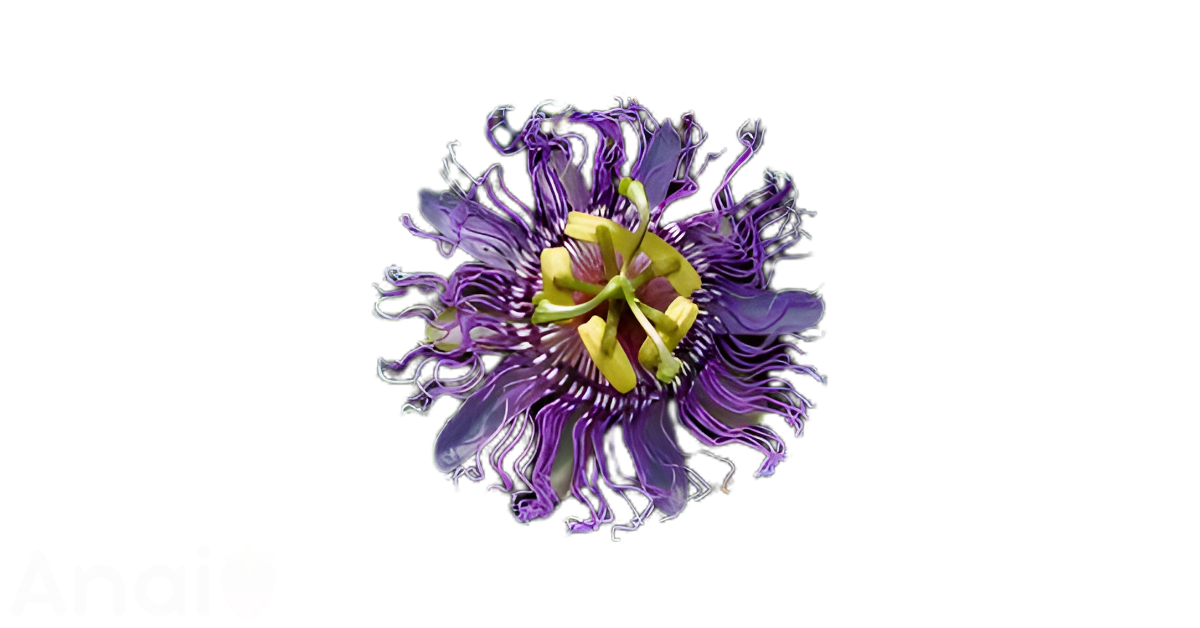
Is Passionflower Good for You?
Passionflower is an effective natural tool for regulating the nervous system. Most scientific interest focuses on Passiflora incarnata. This specific variety increases levels of gamma-aminobutyric acid (GABA) in the brain. GABA is an inhibitory neurotransmitter that counters excitement and induces a calming effect (Stinson, 2023). Research indicates it may be as effective as pharmaceutical sedatives for specific conditions without the typical cognitive impairment (Tran, 2025).
This article expands on 13 confirmed health benefits of passionflower, passionflower nutrition facts, and passionflower risks and side effects. You will also find details on passionflower substitutes and popular passionflower diets. We include passionflower storage tips and 8 fast passionflower home remedies. Finally, we analyze passionflower and weight management, and the use of passionflower for specific health conditions. This guide contains the latest information as of September 2026.
13 Confirmed Health Benefits of Passionflower
Passionflower is a remarkable health food that functions as a functional botanical. Each benefit listed below is fact-checked and supported by scientific publications. Researchers continue to validate its role in modern clinical nutrition and holistic wellness.
1. Significant Anxiety Reduction
Clinical evidence suggests passionflower is a potent anxiolytic. In one study, a 500 mg dose of passionflower was more effective than the medication oxazepam at lowering anxiety before surgery. It works by modulating GABA levels to lower brain activity (Stinson, 2023). Other trials show that a 260 mg dose taken 30 minutes before dental surgery significantly reduces patient stress levels (Tran, 2025).
2. Improved Sleep Quality
Passionflower helps individuals manage mild sleep irregularities. A 2011 trial showed that participants drinking a daily dose of passionflower tea reported significant sleep improvements after just 7 days (Ashpari, 2024). In animal models, the extract significantly increased slow-wave (deep) sleep and reduced the time required to fall asleep (NIH, 2025). It appears most effective for those experiencing sleep issues related to high anxiety.
3. Management of ADHD Symptoms
Emerging research indicates passionflower may support children with attention-deficit hyperactivity disorder. In a study of 34 children, passionflower tablets showed clinical benefits comparable to methylphenidate over an 8-week period (WebMD, n.d.). It offers a potential alternative for parents seeking non-stimulant support for focus. The study utilized a dose of 0.04 mg per kilogram of body weight twice daily (NIH, 2025).
4. Relief from Menopause Symptoms
Passionflower helps stabilize the hormonal and neurological shifts of menopause. Study participants taking P. incarnata for 3 to 6 weeks experienced a significant reduction in headaches, depression, and insomnia (Zanin, 2024). It also helped lower reported levels of anger and irritability compared to control groups (Stinson, 2023).
5. Reduction in Seizure Frequency
Research into epilepsy shows that passionflower may act as a protective agent. A 2007 study found that a mixture containing passionflower increased the time between seizures and shortened their duration (Stinson, 2023). While more human trials are needed, the sedative properties appear to stabilize electrical activity in the brain (Zanin, 2024).
6. Anti-inflammatory Effects
The plant contains compounds that may reduce systemic inflammation. Early findings indicate that passionflower extracts possess anti-inflammatory properties that could support overall immune health (Zanin, 2024). These effects help the body recover from oxidative stress and physical strain (Stinson, 2023).
7. Protection Against Stomach Ulcers
Specific species of passionflower support gastrointestinal health. In animal studies, Passiflora foetida helped alleviate stomach ulcers and showed high antioxidant potential (Ashpari, 2024). Another species, Passiflora serratodigitata, demonstrated promising results in relieving ulcers using extracts from leaves and stems (Zanin, 2024).
8. Lowering Blood Pressure
Passionflower can help regulate cardiovascular responses during stressful events. In a study of 40 dental surgery patients, a 260 mg dose effectively reduced blood pressure before the procedure. This makes it a valuable tool for managing situational hypertension triggered by anxiety (Tran, 2025).
9. Heart Rate Stabilization
The calming effect of the vine extends to the heart. Research shows that patients taking passionflower 30 to 60 minutes before surgery maintained a more stable heart rate. This stabilization occurs without causing the respiratory depression often associated with heavy sedatives (Tran, 2025).
10. Cognitive Memory Improvement
Animal trials suggest passionflower may protect or even enhance memory functions. A 2016 trial found that passionflower decreased anxiety while simultaneously improving memory scores in rats (Stinson, 2023). This suggests the plant may support brain health without the “brain fog” typical of other calming agents.
11. Potent Antioxidant Support
Passionflower is rich in antioxidants that fight cellular damage. Studies on Passiflora foetida confirmed its high antioxidant potential in neutralizing free radicals (Ashpari, 2024). These antioxidants are vital for long-term disease prevention and cellular repair (Zanin, 2024).
12. Traditional Wound Healing
Native Americans traditionally used passionflower for topical recovery. The plant was historically applied to boils, wounds, and earaches to speed up healing (Ashpari, 2024). While modern use is primarily oral, its historical use highlights its versatile medicinal profile (Leena & Sivakumar, 2024).
13. General Pain Management
The sedative properties of the vine make it useful for managing various forms of physical discomfort. It has been used since the 16th century to treat pain and restlessness (NIH, 2025). By increasing GABA, it may lower the perception of pain associated with tension and muscle spasms (Stinson, 2023).
Passionflower Nutrition Facts
The many health benefits of passionflower can be further explained through its impressive nutritional facts, as analyzed in detail below:
Passionflower nutrition table
While passionflower is primarily consumed as a therapeutic tea or concentrated extract, the dried aerial parts contain a dense profile of macronutrients and phytonutrients. The following data represents the nutritional breakdown for dried Passiflora incarnata herb.
| Nutrient | Per Serving (2g) | DRI % (Serving) | Per 100 grams | DRI % (100 g) |
|---|---|---|---|---|
| Calories | 5 kcal | 0.25% | 255 kcal | 12.75% |
| Protein | 0.26 g | 0.52% | 13.1 g | 26.2% |
| Carbs | 0.90 g | 0.31% | 45.2 g | 15.5% |
| Total Fat | 0.04 g | 0.05% | 2.1 g | 2.7% |
| Cholesterol | 0 mg | 0% | 0 mg | 0% |
How many calories are in passionflower?
Dried passionflower contains approximately 255 calories per 100 grams. However, a typical serving size for an herbal infusion is 2 grams, which contributes a negligible 5 calories to your daily intake. This represents only 0.25% of the Daily Recommended Intake (DRI) based on a standard 2,000-calorie diet.
Because the caloric load is so low, your body burns off a single serving almost instantly. It would take roughly 1 minute of slow walking or 30 seconds of cycling to expend the energy provided by one cup of passionflower tea. This makes it an excellent choice for those managing weight or following strict fasting protocols.
How much protein is in passionflower?
Passionflower is surprisingly rich in amino acids for a flowering vine. It offers 13.1 grams of protein per 100 grams of dried herb. A standard 2-gram serving provides 0.26 grams of protein, fulfilling approximately 0.52% of your DRI.
While you would not rely on this plant as a primary protein source, these amino acids contribute to the plant’s ability to synthesize GABA. This protein content supports the herb’s overall structural integrity and bioactive potential.
How many carbs are in passionflower?
The carbohydrate content in passionflower is moderate, totaling 45.2 grams per 100 grams. In a serving size of 2 grams, you consume only 0.90 grams of carbs, which is about 0.31% of the DRI.
Most of these carbohydrates are complex polysaccharides and fibers found in the plant’s cell walls. They provide a steady, slow-release energy profile that does not spike blood glucose levels.
How much fat is in passionflower?
Passionflower is a very low-fat botanical, containing just 2.1 grams of total fat per 100 grams. On a per-serving basis, this amounts to 0.04 grams, or 0.05% of the DRI. The lipid profile is primarily composed of healthy unsaturated fats that support the absorption of fat-soluble antioxidants like flavonoids.
| Fat Category | Amount per 100g |
|---|---|
| Total Fats | 2.1 g |
| Saturated Fats | 0.6 g |
| Monounsaturated Fats (MUFAs) | 0.3 g |
| Polyunsaturated Fats (PUFAs) | 1.1 g |
Is passionflower high in cholesterol?
Passionflower contains 0 mg of cholesterol per 100 grams and per serving. Like most plant-based foods, it is entirely free of dietary cholesterol. This makes it heart-safe and compatible with low-cholesterol diets intended to manage cardiovascular health.
Minerals in passionflower
Passionflower accumulates several essential minerals from the soil that assist in nerve transmission and muscle relaxation.
| Mineral | Key Health Benefit |
|---|---|
| Calcium | Supports bone density and vital neurotransmitter release. |
| Magnesium | Facilitates muscle relaxation and reduces cortisol levels. |
| Potassium | Regulates fluid balance and helps lower blood pressure. |
The mineral profile of passionflower is specifically geared toward calming the physical body. High levels of Magnesium and Potassium work synergistically to soothe the nervous system. This mineral density explains why the herb is traditionally used to treat muscle cramps and palpitations.
Vitamins in passionflower
The plant’s leaves and flowers are rich in vitamins that protect the body from oxidative stress.
| Vitamin | Key Health Benefit |
|---|---|
| Vitamin C | Provides potent antioxidant protection and boosts immunity. |
| Vitamin A | Supports vision health and cellular regeneration. |
| Vitamin B2 | Aids in energy metabolism and nervous system maintenance. |
Vitamin C is the most prominent vitamin in passionflower, serving as a biological shield against free radicals. The presence of B vitamins further enhances the herb’s ability to support the central nervous system. These vitamins ensure that the calming effects of the plant are supported by healthy metabolic function.
Passionflower Risks and Side Effects
While generally recognized as safe by the FDA, passionflower is not without risks. Some individuals may experience intolerances or sensitivities, primarily manifesting as gastrointestinal upset or mild nausea. Allergic reactions are rare but possible. If you experience hives, swelling, or difficulty breathing, you should discontinue use immediately and seek medical attention.
The most significant health risk involves its impact on the central nervous system. Common side effects include drowsiness, dizziness, confusion, and a loss of coordination (ataxia). Because it increases GABA activity, it can cause excessive sedation if combined with alcohol or pharmaceutical sedatives like benzodiazepines.
Managing these risks requires a data-driven approach to timing and dosage. To avoid complications, never drive or operate heavy machinery after consumption until you know how the herb affects you. Furthermore, passionflower is strictly contraindicated during pregnancy because it contains chemicals that may stimulate uterine contractions.
You must also manage the risk of drug interactions. Passionflower can increase the effects of anticoagulants, potentially increasing bleeding risks. It is scientifically proven that passionflower interacts with anesthesia. To manage this risk, stop taking passionflower at least two weeks before any scheduled surgery to ensure your nervous system responds predictably to clinical medications.
Debunking myths about passionflower
Myth: Passionflower is a powerful, pharmaceutical-grade sedative that works instantly like a sleeping pill.
Fact: Passionflower is a mild botanical that works cumulatively by gradually increasing GABA levels in the brain over several days or weeks of consistent use. It does not knock a user unconscious but rather lowers the threshold of anxiety to allow for natural sleep.
Myth: Because it is a “natural” plant, it is completely safe for pregnant women to use for morning sickness or anxiety.
Fact: Passionflower contains specific alkaloids that can induce labor or cause the uterus to contract, making it potentially dangerous during pregnancy. Always consult a healthcare provider before using any herbal supplement while expecting.
Myth: Passionflower tea and passionfruit juice provide the same medicinal benefits.
Fact: While related, the medicinal properties are concentrated in the above-ground parts of the Passiflora incarnata vine, such as the leaves and flowers, rather than the fruit pulp. The juice is a delicious source of vitamins, but lacks the therapeutic concentration of chrysin and alkaloids found in the herb.
Passionflower Substitutes
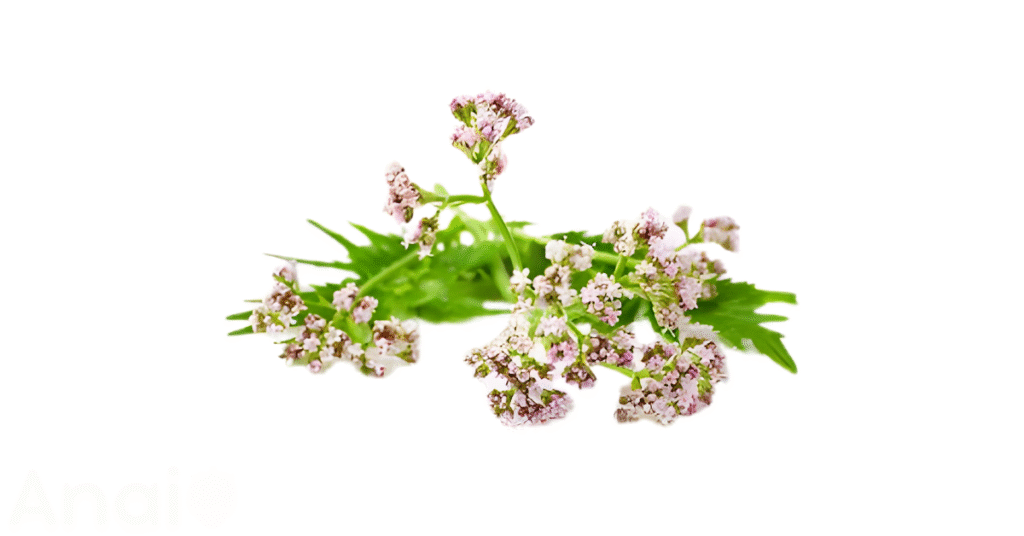
If passionflower is unavailable or contraindicated for your specific health profile, several other botanicals offer similar calming and nutritional benefits.
| Substitute | Calories (Per 2g) | Protein (Per 2g) | Carbs (Per 2g) | Primary Active Compound |
|---|---|---|---|---|
| Valerian Root | 6 kcal | 0.15 g | 1.2 g | Valerenic Acid |
| Chamomile | 2 kcal | 0.02 g | 0.5 g | Apigenin |
| Lemon Balm | 3 kcal | 0.10 g | 0.6 g | Rosmarinic Acid |
When using Valerian Root, it is best to take it immediately before bed because its sedative effect is much stronger than passionflower. The primary benefit of this substitute is its significant effectiveness in treating chronic insomnia where milder herbs fail. However, a major drawback is its distinct, pungent odor and the potential for a “hangover” feeling of grogginess the next morning.
For a gentler approach, Chamomile is a highly accessible substitute that is generally safer for children and those with sensitive stomachs. The main advantage is its dual action in soothing both the nervous system and the digestive tract simultaneously. The drawback is that it is much weaker than passionflower, requiring multiple cups or higher concentrations to achieve a noticeable reduction in severe anxiety.
Lemon Balm is an excellent substitute for those who need to remain mentally sharp while reducing stress. A great tip is to use it during the workday because it improves cognitive focus and mood without causing the intense drowsiness associated with other sedatives. The drawback is that it may interact with thyroid medications, making it unsuitable for individuals with specific endocrine disorders.
Popular Passionflower Diets
How to add passionflower safely into your diet? Choosing the right diet is important to ensure that you are meeting your nutritional needs while also enjoying the foods you eat. Here are a few of the available passionflower-friendly diet options:
- Anti-inflammatory Diet
- Mediterranean Diet
- Plant-Based or Vegan Diet
- Low-Carb (Keto) Diet
- The Nervine-Focused Diet (Herbal-Supportive)
| Diet Type | Primary Benefits | Main Drawbacks | It can be expensive to maintain fresh produce. |
|---|---|---|---|
| Anti-inflammatory | Reduces systemic swelling and joint pain. | Requires strict avoidance of processed sugars. | Focuses on passionflower’s chrysin and flavonoid content. |
| Mediterranean | Supports heart health and longevity. | Can be expensive to maintain fresh produce. | Uses passionflower as a supplemental tea alongside healthy fats. |
| Plant-Based | High fiber and ethical sustainability. | Risk of B12 or iron deficiencies. | Employs the whole vine, including petals and leaves, for nutrition. |
| Low-Carb (Keto) | Rapid weight loss and blood sugar control. | Potential for “Keto flu” and low energy initially. | Focuses on sugar-free passionflower infusions and extracts. |
| Nervine-Focused | Maximizes stress resilience and sleep quality. | Not a complete nutritional system. | Prioritizes GABA-boosting herbs like passionflower over all else. |
The Anti-inflammatory Diet is highly compatible with passionflower because the herb contains vitexin and isovitexin, which inhibit inflammatory cytokines. This diet prioritizes whole foods that work synergistically with the plant’s antioxidants to protect cells from oxidative stress. It is an excellent choice for those managing chronic conditions like rheumatoid arthritis or psoriasis.
The Mediterranean Diet remains a gold standard for cardiovascular wellness. Adding passionflower to this regimen enhances the diet’s natural ability to lower blood pressure and regulate heart rhythms. Since this diet encourages relaxation and social eating, the herb’s anxiolytic properties provide a perfect mental health complement.
A Plant-Based or Vegan Diet allows for the most creative uses of the passionflower vine. Practitioners often use raw petals in salads or dry the leaves for concentrated nutrient intake. Passionflower provides essential amino acids and fatty acids like linoleic acid, which are vital when avoiding animal products.
The Low-Carb (Keto) Diet uses passionflower primarily in liquid form. Because a 2-gram serving contains only 0.90 grams of carbohydrates, it does not disrupt ketosis. It is frequently used by Keto followers to manage the “jitters” or sleep disturbances sometimes caused by high-fat, low-carb metabolic shifts.
The Nervine-Focused Diet is less of a caloric plan and more of a therapeutic strategy. It emphasizes “hypnotic” herbs to rebuild exhausted nervous systems. This approach is ideal for people suffering from burnout or high-stress occupations, as it utilizes passionflower as a “nervine” to strengthen energetic reserves.
How to Cook Passionflower?
Raw passionflower consumption is the most direct way to preserve its delicate chemical structure. You can eat the petals, young leaves, and the fruit pulp without any thermal degradation. This method ensures that 100% of the Vitamin C and volatile flavonoids remain intact. The taste is slightly grassy and earthy, making it a smart addition to fresh cold dishes.
Boiled passionflower is the most traditional method for extracting its medicinal alkaloids. Steeping the dried herb in boiling water for 6 to 15 minutes releases the GABA-boosting compounds. However, prolonged exposure to high heat can result in a 20-30% loss of heat-sensitive vitamins. To maximize benefits, use a covered pot to trap the steam and essential oils.
Powdered passionflower offers a versatile, heat-free cooking option. You can grind dried leaves into a fine dust and stir them into cold sauces or yogurt. This method involves zero nutrient loss and allows for precise dosing. It is particularly effective for people who dislike the bitter notes of the tea but want the full nutritional profile.
Poached passionflower involves gently simmering the flowers or fruit pulp in a liquid, such as water or a light syrup. This technique is excellent for creating “whey coolers” or natural sodas. Because the temperature stays just below boiling, it results in minimal nutrient breakdown compared to hard boiling. It is a smart way to infuse flavors into large batches of beverages.
Braised passionflower is an effective way to incorporate the tougher parts of the vine into savory meals. You can simmer the stems and leaves in a covered pot with broth and vegetables. This slow-cooking method softens the fiber while keeping the minerals concentrated in the cooking liquid. Minerals like magnesium and potassium are not destroyed by heat, so they remain fully available in the final dish.
Instant Pot passionflower preparations are gaining popularity for producing large quantities of concentrated extracts. The high-pressure environment can speed up the extraction of indole alkaloids. While the heat is intense, the short duration and sealed environment help preserve more antioxidants than traditional open-pot boiling. It is a highly efficient method for the modern, busy kitchen.
Easy Passionflower Recipes
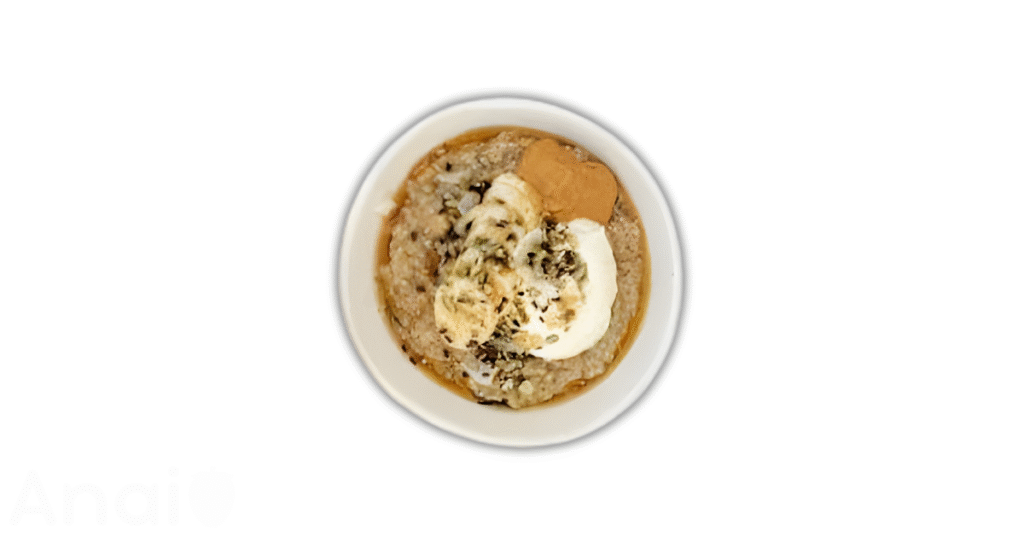
The passionflower recipes discussed here can help increase passionflower intake while maintaining a great taste.
Breakfast ideas with passionflower
Passionflower and Blueberry Morning Smoothie uses one teaspoon of powdered passionflower blended with frozen berries and Greek yogurt. The tartness of the blueberries perfectly masks the herb’s earthy undertones. The protein in the yogurt, combined with the herb’s GABA, helps provide a calm, focused start to the day.
Overnight Passionflower Oats involve steeping a strong cup of tea and using the cooled liquid as the base for soaking rolled oats. Add honey and walnuts to enhance the nutrient profile. This dish allows the herb’s minerals to be absorbed slowly throughout the morning.
Lunch ideas with passionflower
Floral Spring Petal Salad features fresh passionflower petals tossed with spinach, goat cheese, and a lemon vinaigrette. The petals add a visual pop and a mild crunch to the meal. Eating the flowers raw ensures you receive the maximum dose of antioxidant chrysin.
Passionflower-Infused Quinoa Bowl is made by cooking quinoa in a strained passionflower broth. This infuses every grain with the herb’s calming properties. It creates a savory, grounding lunch that prevents the mid-afternoon energy crash.
Dinner ideas with passionflower
Herb-Braised Chicken with Passionflower uses the dried leaves as part of a dry rub or inclusion in a slow-cooker broth. The heat-stable minerals in the herb support muscle recovery after a long day. This dish is a smart dinner choice for those looking to improve sleep quality through nutrition.
Passionflower and Lemon White Fish involves poaching delicate white fish in a liquid containing lemon slices and passionflower petals. The citrus helps the body absorb the plant’s iron more effectively. It is a light, sophisticated meal that promotes evening relaxation.
Simple tips to add passionflower to your diet
For busy people who don’t have the time to implement any of the previous meal ideas, there are simple tips to add passionflower to their diet:
- Mix passionflower powder into your favorite jar of raw honey for a quick calming spoonful.
- Freeze passionflower tea into ice cubes to add a therapeutic boost to your water or juice.
- Stir a few drops of passionflower tincture into your evening soup just before serving.
- Use dried passionflower as a decorative garnish on top of avocado toast or hummus.
- Blend passionflower leaves into a homemade pesto for a hidden nutritional kick.
- Add a teaspoon of the dried herb to your coffee grounds before brewing to take the edge off the caffeine jitters.
- Sprinkle the powdered herb over roasted vegetables during the last two minutes of cooking.
- Infuse apple cider vinegar with passionflower to create a relaxing salad dressing base.
Passionflower Storage Tips
Knowing how to cook passionflower is only a part of the equation, and the importance of knowing passionflower storage tips to make those meals last for longer.
Shelf life of passionflower
- At room temperature: Fresh passion fruits last 2 to 7 days, while properly dried passionflower herb can last 6 to 12 months.
- In the refrigerator: Fresh fruit remains viable for approximately 1 week before the quality declines.
- In the freezer: Passionfruit pulp and seeds can be stored for up to 3 months without significant nutrient loss.
How to store passionflower?
Proper storage of the dried herb is essential to preserve the bioactive flavonoids and alkaloids. These compounds are sensitive to light and moisture, which can trigger oxidation and degrade the plant’s sedative potency. You should keep the dried leaves and flowers in an airtight glass container, such as a miron glass or amber jar, to block out ultraviolet rays.
For the fresh fruit, the shriveling of the skin is a natural sign of ripening and does not indicate spoilage. You can store these on a countertop until they reach maximum sweetness. Once the exterior is fully crinkled, the fruit has reached its peak flavor profile. If you have harvested the flowers for decorative or culinary use, they are extremely short-lived and should be used or preserved within 24 hours.
How to refrigerate passionflower?
Refrigeration extends the life of fresh passion fruits and prepared tinctures by slowing down enzymatic breakdown.
- Place fresh, ripe passion fruits into a perforated plastic bag to allow for minimal airflow.
- Store the bag in the crisper drawer of your refrigerator at a temperature between 35°F and 40°F.
- Check the fruit daily for any soft spots or signs of mold.
- For liquid infusions or sodas, keep them in sealed glass bottles on the middle shelf for up to 3 days.
How to freeze passionflower?
Freezing is the best method for long-term preservation of the nutrient-dense pulp and seeds.
- Slice the ripe passion fruits in half and scoop the pulp and seeds into a clean bowl.
- Transfer the pulp into an ice cube tray to create convenient, pre-measured portions.
- Place the tray in the freezer until the cubes are completely solid.
- Remove the cubes and store them in a heavy-duty, zip-top freezer bag with the air squeezed out.
Signs of Spoilage in passionflower
You must be able to distinguish between natural ripening and actual decay to ensure food safety.
- Visible white, green, or black fuzzy mold on the rind or the dried herb.
- An uncharacteristic fermented or vinegary smell emanating from the fruit or tea.
- Excessive leaking of liquid from the fruit’s exterior.
- Discoloration or browning of the dried green leaves, indicating moisture contamination.
8 Fast Passionflower Home Remedies
Are there any lesser-known tips to unlock the nutritious profile of passionflower? The following passionflower remedies can have a positive effect on overall well-being.
1. Passionflower Sleep Tea is prepared by steeping 2 grams of dried herb in boiling water for 10 minutes to activate GABA receptors. You should drink this infusion approximately 60 minutes before bedtime to quiet mental chatter and find the “off switch” for circular thinking. Store any leftover dried mix in a cool, dark cupboard.
2. The Anti-Anxiety Tincture is made by combining dried passionflower with 100-proof vodka in a 1:5 weight-to-volume ratio. This potent extract is rapidly absorbed and can be used by placing 2 droppers full under the tongue during moments of acute stress. Store the final liquid in an amber dropper bottle for up to 2 years.
3. Soothing Herbal Bath utilizes a mixture of 1/4 cup passionflower and 1 cup Epsom salts to relieve muscle tension. Steep the herbs in a quart of boiling water first, then strain the liquid into your warm bathwater. This remedy is particularly effective for frayed nerves and physical burnout after a long work week.
4. Maypop Natural Soda is a fermented remedy created by mixing passionfruit pulp, honey, and liquid whey. Let the mixture sit in a warm place for 3 to 5 days until it becomes fizzy and probiotic-rich. This drink is a traditional Southeastern remedy for boosting Vitamin C and supporting gut health.
5. Gastrointestinal Poultice involves crushing fresh passionflower leaves and applying them topically to the abdomen. This traditional practice is used to soothe digestive spasms and inflammatory discomfort. You should use fresh leaves immediately and discard the poultice after a single application.
6. ADHD Focus Syrup is a concentrated decoction used to support children with hyperactivity. Simmer the herb with a natural sweetener until the liquid reduces by half, providing a 200 mg to 500 mg dose as directed by a specialist. Keep the syrup refrigerated and use it within 2 weeks.
7. Hypertension Support Drink focuses on the cardiotonic properties of the Passiflora edulis rind. Boil the outer skin of the fruit to extract antihypertensive compounds that help lower systolic blood pressure. This remedy should be prepared fresh daily for maximum efficacy.
8. Menopause Relief Infusion combines passionflower with lemon balm to target hot flashes and irritability. Drink 3 cups per day during the 3 to 6-week period when symptoms are most acute. The combination of flavonoids and volatile oils helps stabilize mood and neurological shifts.
Passionflower and Weight Management

There are multiple health benefits and home remedies using passionflower, but what is its role in weight management? This section will analyze passionflower’s potential impact on weight loss, low-calorie diets, satiety, and metabolism.
Can passionflower help with weight loss?
Passionflower aids weight loss indirectly by addressing the hormonal triggers of fat storage. Chronic stress leads to elevated cortisol levels, which is a primary driver of visceral fat accumulation. According to data discussed by the Lam Clinic, passionflower acts as a “nervine” that helps patients get off the “hamster wheel” of constant alarm. By lowering the stress response, the body is less likely to store emergency fat reserves, supporting a more efficient weight loss journey.
Passionflower in low-calorie diets
This herb is a powerhouse for low-calorie nutrition because it provides therapeutic benefits with almost zero caloric impact. A standard 2-gram serving of passionflower tea contains only 5 calories, making it a “free food” in most weight-management protocols. Statistics show that the nutrient density of the plant, including its 13.1 grams of protein per 100 grams, provides a high return on “metabolic investment” without adding to the daily energy load.
Passionflower and satiety
The impact of passionflower on satiety is primarily psychological and neurological. Higher levels of GABA in the brain are associated with a sense of tranquility and a reduction in emotional eating. A study published in Phytotherapy Research noted that participants drinking passionflower tea reported improved mood and better sleep quality. This mental stability is crucial for maintaining satiety, as it reduces the “reward-seeking” behavior that leads to overconsumption of sugary or fatty foods.
Passionflower and metabolism
Passionflower contains chrysin, a flavonoid that researchers have analyzed for its metabolic effects. Chrysin has been shown in studies to inhibit specific enzymes that can interfere with healthy hormone levels. By supporting a balanced endocrine system, passionflower ensures that the metabolism functions at its peak capacity. Furthermore, its role as a vasodilator helps improve circulation, ensuring that nutrients are delivered to cells efficiently for energy production.
Passionflower for Health Conditions
While weight management is important, does passionflower have an effect on more serious health conditions? Here’s what the scientific literature has to say:
Passionflower and diabetes
Current research into passionflower for diabetes primarily focuses on its metabolic and antioxidant properties. While human trials are limited, some studies suggest that the flavonoid content, particularly chrysin, may support insulin sensitivity. Most experts agree that passionflower helps manage the cortisol spikes that can destabilize blood sugar levels in high-stress patients (Zanin, 2024). It is often viewed as a complementary support rather than a primary treatment for glycemic control.
Passionflower and heart health
Passionflower functions as a cardiotonic and natural vasodilator. Research published in the journal Anesthesia and Analgesia (2008) demonstrated that it could reduce heart rate and blood pressure in patients facing surgical stress. It is particularly useful for regulating palpitations or tachycardia triggered by acute anxiety (Zanin, 2024). Animal models have shown that fruit pulp extract can significantly lower systolic blood pressure when administered regularly (Konta et al., 2014).
Passionflower and digestive issues
The plant possesses significant antispasmodic and anti-inflammatory effects on the gut. A study in the Indian Journal of Pharmacology (2011) revealed that certain species, like Passiflora foetida, successfully alleviated stomach ulcers in animal models. It may also help neutralize Helicobacter pylori, the bacteria often responsible for gastric ulcers (Zanin, 2024). These properties make it a viable option for reducing digestive spasms associated with colitis or gastritis.
Passionflower and inflammation
Passionflower inhibits the production of cytokines and enzymes that drive systemic swelling. Findings published in BioMed Research International (2014) suggest that extracts from the stems and leaves contain potent anti-inflammatory agents. This is beneficial for individuals dealing with rheumatoid arthritis or psoriasis (Zanin, 2024). By reducing histamines, the herb acts as a natural buffer against chronic inflammatory responses.
Passionflower and cancer prevention
The presence of chrysin in passionflower is a major point of interest for oncology researchers. Chrysin is a flavonoid known for its high antioxidant potential. Studies indicate it may help protect against breast, lung, colon, and prostate cancers by neutralizing free radicals (Zanin, 2024). While more clinical trials in humans are required, the current data highlight its role in cellular protection and leukemia prevention.
The following table summarizes the existing scientific evidence for passionflower across various health categories:
| Health Category | Benefits | Type of Study | Quality of Evidence | Sources |
|---|---|---|---|---|
| Cardiovascular | Reduced heart rate/BP | Clinical/Animal | Moderate | Cabral et al. (2022) |
| Digestive | Ulcer relief/Anti-spasm | Animal | Low-Moderate | Indian Journal of Pharmacology (2011) |
| Inflammation | Reduced cytokines | In-Vitro/Animal | Moderate | Stinson (2023) |
| Oncology | Cellular protection | In-Vitro | Preliminary | Zanin (2024) |
| Metabolic | Stress-hormone balance | Observational | Preliminary | Zanin (2024) |
Passionflower Nutrition – The Bottom Line
This article has provided a comprehensive look at the therapeutic potential of this exotic vine. We covered 13 confirmed health benefits of passionflower and detailed passionflower nutrition facts. We also analyzed passionflower risks and side effects, as well as passionflower substitutes for those with sensitivities. From popular passionflower diets and storage tips to 8 fast passionflower home remedies, we explored how this plant impacts weight management and serious health conditions.
- Passionflower can be as effective as benzodiazepines for pre-surgical anxiety but with fewer cognitive side effects.
- The plant contains GABA, an inhibitory neurotransmitter that lowers brain activity to improve sleep quality.
- A single 2-gram serving contains only 5 calories, making it ideal for low-calorie diets.
- It contains chrysin, a flavonoid that may protect against several types of cancer.
- Native Americans historically used it to treat earaches, liver problems, and boils.
- Pregnant women should avoid it completely because it can induce uterine contractions.
The information in this guide was last updated in September 2026. Science continues to evolve, and passionflower remains a top contender in the world of functional botanicals.
Stay ahead of the curve in your wellness journey. Follow Anai.ai to stay informed about the latest nutrition and well-being news, tips, and science-backed articles.
Passionflower Nutrition FAQs
Get data-driven answers to the most common questions regarding passionflower’s health profile and daily use. We analyze caloric density, pet safety, and contraindications using the latest 2025 research. Every fact adds value to your understanding of this powerful herb.
What is passionflower good for?
Passionflower is primarily used to manage anxiety and sleep irregularities by increasing GABA levels in the brain. Clinical studies show that a 500 mg dose can be more effective than pharmaceutical sedatives for reducing pre-surgical stress. It also provides targeted relief for menopause symptoms and ADHD, with some trials lasting 8 weeks showing significant behavioral improvements.
Is passionflower healthy?
This botanical is exceptionally healthy due to its high concentration of flavonoids like chrysin and vitexin. It provides essential micronutrients, including Vitamin C, Vitamin A, and Magnesium, to support the central nervous system. The dried plant contains approximately 13.1 grams of protein per 100 grams, contributing to a strong functional nutrition profile.
Is passionflower fattening?
Passionflower is not fattening as a standard 2-gram serving contains only 5 calories. It fits easily into strict weight-loss plans because it provides less than 0.31% of the daily carb intake per cup of tea. An average person could burn off the energy from one serving in just 60 seconds of slow walking.
Who should avoid passionflower?
Pregnant women must avoid passionflower because it contains specific alkaloids that may trigger uterine contractions. Patients must stop all consumption at least 14 days before surgery to prevent dangerous interactions with anesthesia. It is also contraindicated for those currently taking anticoagulants or sedative medications like benzodiazepines.
Can I eat passionflower daily?
Daily consumption is generally considered safe for a period of up to 8 weeks when using standardized extracts. Traditional guidelines recommend 1 to 2 cups of tea daily, though use for sleep should be monitored after 7 consecutive nights. Standard doses ranging from 400 mg to 800 mg are common for maintaining a calm baseline.
Can dogs eat passionflower?
Passionflower is categorized as non-toxic for dogs and cats according to ASPCA guidelines. Pet owners frequently use it to treat separation anxiety, usually administering doses proportional to the animal’s body weight. While safe, you should always consult a veterinarian to ensure it does not cause excessive drowsiness or drug interactions.
Can cats eat passionflower?
Passionflower is recognized as non-toxic to cats by the ASPCA and other major veterinary organizations. It is frequently included in feline calming supplements to manage environmental stress and separation anxiety. Most veterinarians suggest using products specifically formulated for pets to ensure the dosage matches the animal’s body weight. While adverse reactions are statistically rare, you should watch for mild gastrointestinal upset during the first administration.
How long does passionflower last in the fridge?
Fresh passion fruit typically stays viable for 7 to 10 days when stored in the crisper drawer of a refrigerator. Freshly harvested leaves and flowers are much more perishable and usually begin to wilt within 24 to 48 hours. Prepared liquid infusions or herbal sodas should be consumed within 3 days to prevent bacterial growth and loss of potency. Maintaining a consistent temperature between 35°F and 40°F is essential for slowing enzymatic breakdown.
Can you freeze passionflower?
You can freeze passionfruit pulp and seeds for up to 3 months while maintaining a high concentration of antioxidants. The most efficient method involves freezing the pulp in ice cube trays before moving the cubes to an airtight freezer bag. While the whole flowers can be frozen, they lose their visual appeal and are best used for steeping into tea after thawing. This storage technique effectively locks in Vitamin C and essential flavonoids for extended use.
How to tell if passionflower is bad?
The presence of fuzzy white, green, or black mold on the fruit rind or dried leaves is a clear indicator of spoilage. A sharp, fermented or vinegary smell suggests that the internal sugars have broken down due to age or improper storage. If dried leaves turn dark brown or lose their aroma, they have likely been compromised by moisture or light exposure. Fruit that exhibits mushy spots or excessive leaking should be discarded to avoid the risk of foodborne illness.
How long is passionflower good for?
Dried passionflower herb typically retains its therapeutic properties for 6 to 12 months when kept in ideal conditions. Concentrated alcohol-based tinctures are much more durable and can last for up to 2 years without losing efficacy. Fresh whole fruits reach peak ripeness and flavor within 7 days of being harvested. Once the leaves lose their characteristic vibrant green color, the concentration of active alkaloids has significantly diminished.
How to keep passionflower fresh?
To maintain the freshness of dried passionflower, store it in an airtight glass jar placed in a cool, dark cabinet. Fresh fruits should be kept in a perforated bag to allow for minimal airflow while maintaining the proper humidity levels. Using amber or Miron glass containers is a smart tip to protect sensitive flavonoids from ultraviolet light degradation. For short-term use of fresh flowers, placing the stems in water can extend their life for approximately 24 hours.