
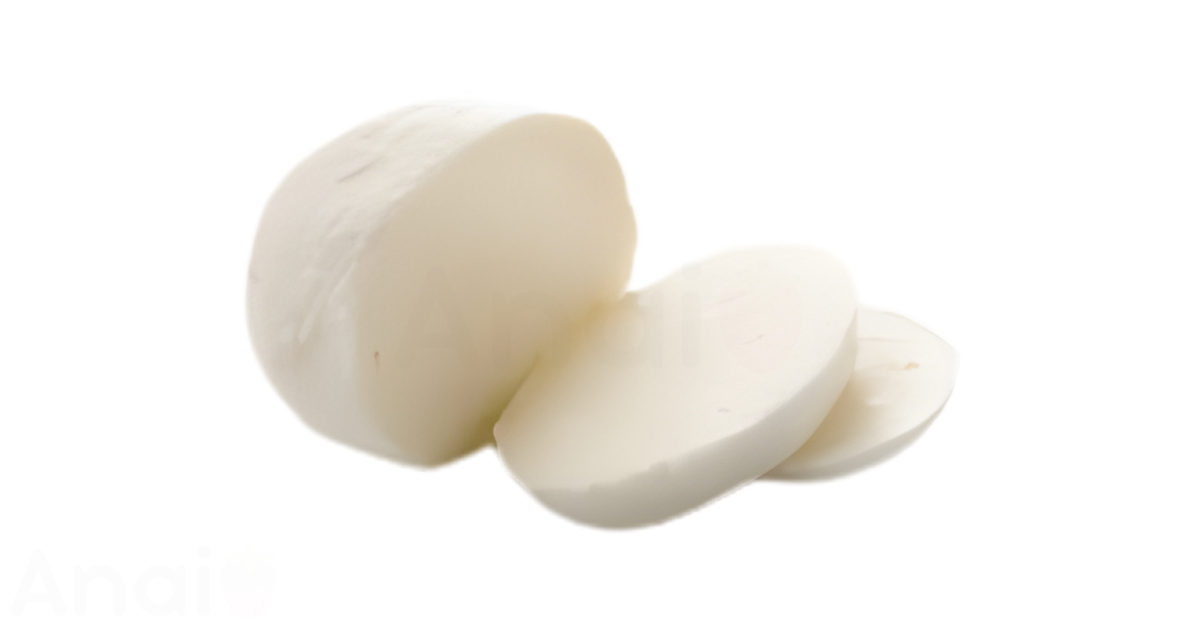
Is Mozzarella Cheese Good for You?
Mozzarella cheese is far more than just a delicious, stringy topping for your Friday night pizza. It is a legitimate nutritional powerhouse that can fit seamlessly into a balanced diet. This soft cheese is significantly lower in sodium and calories compared to harder varieties like Cheddar or Parmesan.
It offers a dense concentration of essential nutrients without the heavy caloric load found in aged cheeses. For instance, one ounce of mozzarella provides about 6 grams of protein, which is roughly the same amount found in an ounce of cooked poultry or seafood (Lui, 2025).
Furthermore, fresh mozzarella contains specific probiotics, such as Lactobacillus casei and Lactobacillus fermentum, which support a healthy gut microbiome. While moderation is key due to saturated fat content, current nutritional science supports mozzarella as a healthy choice for bone density and muscle maintenance.
This comprehensive guide serves as your ultimate resource for everything related to mozzarella.
We will expand on critical topics, including 13 peer-reviewed health benefits of mozzarella cheese, mozzarella cheese nutrition facts, mozzarella cheese risks and side effects, mozzarella cheese substitutes, popular mozzarella cheese diets, mozzarella cheese storage tips, 6 creative mozzarella cheese home remedies, mozzarella cheese and weight management, and mozzarella cheese for health conditions.
You can trust that this article contains the latest information and research available as of March 2026.
13 Peer-reviewed Health Benefits of Mozzarella Cheese
Mozzarella cheese is often underestimated in the health world. However, it stands out as a functional food rich in bioactive compounds. We have analyzed the nutritional data to bring you benefits that are not just hearsay, but are fact-checked and backed by scientific publications and expert dietetic review.
1. High-Quality Protein Source
Your body requires protein for every cellular function, from repairing tissue to producing enzymes. Mozzarella is a powerhouse in this regard. A single ounce of this cheese delivers approximately 6 grams of protein, making it comparable to eating cooked meat (Lui, 2025).
This is a “complete” protein. It contains all the essential amino acids your body cannot produce on its own. For those tracking macros, 100 grams of mozzarella contains 28 grams of protein, which supports muscle repair and growth effectively (NutriScan, 2024).
2. Strengthens Bones
Osteoporosis is a major concern as we age. Mozzarella offers a significant defense against bone density loss. A single ounce serving provides 143 mg of Calcium, which accounts for 10% of your Daily Value (Brahmbhatt, 2024).
It isn’t just about calcium, though. This cheese is also rich in phosphorus (100 mg per ounce), a mineral that works synergistically with calcium to maintain structural bone integrity (Lui, 2025).
3. Supports Dental Health
Cheese might actually save you a trip to the dentist. Eating hard cheeses like mozzarella after a meal may reduce the overall amount of cavity-causing bacteria in the mouth (President, 2022).
Beyond fighting bacteria, the high calcium and phosphorus content helps remineralize tooth enamel. This protects your teeth against decay and erosion caused by acidic foods (Choudhary, 2025).
4. Boosts the Immune System
Your immune system relies on zinc to fight off invading bacteria and viruses. Mozzarella is a notable source of this trace mineral. Zinc helps increase the production of white blood cells, which are the body’s primary defense mechanism against infection (DeNicola’s, 2021).
Additionally, the presence of selenium in mozzarella helps reduce inflammation in the body, further supporting immune response (Baladna, 2024).
5. Promotes Heart Health
Sodium is a silent concern in many diets. Mozzarella is a superior choice for those watching their salt intake. It contains significantly less sodium than other popular cheeses (Brahmbhatt, 2024).
For example, a serving of mozzarella has 138 mg of sodium, which is less than half the amount found in salty options like feta or Parmesan (Lui, 2025). Lower sodium intake is crucial for maintaining healthy blood pressure levels and reducing strain on the heart.
6. Enhances Gut Health
Fermented foods are essential for digestion. Fresh mozzarella cheese acts as a source of gut-loving probiotics. Specifically, it contains strains like Lactobacillus casei and Lactobacillus fermentum (NutriScan, 2024).
These beneficial bacteria help balance the gut microbiome. A healthy gut improves digestion and is increasingly linked to a stronger immune system.
7. Improves Skin, Hair, and Nails
Beauty often starts with nutrition. Mozzarella is a great source of Biotin, also known as Vitamin B7. This water-soluble nutrient is famous for strengthening brittle nails and improving hair texture (DeNicola’s, 2021).
Because Biotin is water-soluble, your body does not store it. Regular consumption of Biotin-rich foods like mozzarella helps meet your immediate nutritional needs (Choudhary, 2025).
8. Aids in Blood Sugar Control
Diabetics often struggle to find safe snacks. Mozzarella is an excellent option for blood sugar management. It contains virtually zero carbohydrates (approximately 1 gram per serving) and has a low glycemic index (Lui, 2025).
The high protein content (28g per 100g) helps stabilize blood sugar levels, preventing the spikes associated with high-carb foods (NutriScan, 2024).
9. Supports Vision Health
Your eyes need protection from cellular damage. Mozzarella contains Vitamin A, a nutrient vital for maintaining healthy vision. Vitamin A plays a role in protecting the cornea and ensuring the eye can distinguish between light and dark (Baladna, 2024).
This vitamin also contributes to healthy skin integrity, acting as a barrier against environmental toxins.
10. Regulates Blood Pressure
Potassium is the antagonist to sodium. Mozzarella provides a helpful dose of potassium. This mineral helps the body flush out excess sodium and relaxes blood vessel walls (Choudhary, 2025).
By helping to correct heart rhythms and lowering blood pressure, the potassium in mozzarella acts as a buffer against hypertension (DeNicola’s, 2021).
11. Boosts Energy Levels
Fatigue can often be traced to vitamin deficiencies. This cheese is rich in Riboflavin (Vitamin B2). Riboflavin is essential for converting the food you eat into usable energy (Manni, 2023).
Deficiencies in B2 are linked to anemia and migraines. Regular intake of riboflavin-rich foods like mozzarella may help the body fight these conditions (DeNicola’s, 2021).
12. Assists in Weight Management
You don’t have to give up cheese to lose weight. Mozzarella is lower in calories than most hard cheeses. It contains 280 calories per 100g, compared to 403 calories in cheddar (Talajia, 2024).
The high protein content increases satiety. This makes you feel fuller for longer, which can prevent overeating and snacking between meals (NutriScan, 2024).
13. Prevents Anemia
Red blood cells need specific nutrients to form. Mozzarella contains Vitamin B12. This vitamin is non-negotiable for the formation of red blood cells and the proper functioning of the nervous system (Brahmbhatt, 2024).
A 100g serving provides 1.1 mcg of Vitamin B12, helping to prevent the fatigue and weakness associated with anemia (NutriScan, 2024).
Mozzarella Cheese Nutrition Facts
The impressive health benefits of mozzarella cheese are best understood through a deep dive into its nutritional profile, which reveals a food dense in essential macronutrients and minerals.
Mozzarella Cheese nutrition table
This table outlines the key nutritional values for both a standard serving size and a 100-gram portion. It highlights that while mozzarella is energy-dense, it is also a significant source of protein relative to its calorie content.
| Nutrient | Per Serving (28g) | DRI % (Serving) | Per 100 grams | DRI % (100 g) |
|---|---|---|---|---|
| Calories | 80 kcal | 4% | 280 kcal | 14% |
| Protein | 6g | 12% | 28g | 56% |
| Carbohydrates | 1g | <1% | 3g | 1% |
| Total Fat | 6g | 8% | 17g | 22% |
| Cholesterol | 20mg | 7% | 71mg | 24% |
How many calories are in mozzarella cheese?
Mozzarella cheese is relatively moderate in calories compared to harder, aged cheeses. A standard 1-ounce (28g) serving contains just 80 calories, while a larger 100-gram portion provides approximately 280 calories.
For the average adult on a 2,000-calorie diet, a single serving represents only about 4% of daily energy needs. To put this energy intake into perspective, it would take an average person roughly 9 to 12 minutes of moderate jogging or about 20 minutes of brisk walking to burn off the calories found in one slice of mozzarella.
How much protein is in mozzarella cheese?
Protein is one of mozzarella’s strongest nutritional assets. A single serving delivers 6 grams of high-quality, complete protein, which meets about 12% of the Daily Value (DV).
When you look at a 100-gram portion, the protein content jumps to an impressive 28 grams, supplying over half of the daily requirement for many individuals. This high protein density makes it an excellent choice for muscle repair and satiety, competing closely with other protein-rich foods like eggs and poultry.
How many carbs are in mozzarella cheese?
Mozzarella is an exceptionally low-carbohydrate food, making it ideal for ketogenic and low-carb diets. A 28-gram serving contains only 1 gram of total carbohydrates, which is negligible in the context of daily limits.
Even in a 100-gram amount, the carbohydrate count remains low at approximately 3 grams. Virtually all of these carbohydrates come from residual lactose, and the fiber content is zero.
How much fat is in mozzarella cheese?
Fat is the primary calorie source in mozzarella, contributing to its rich texture and flavor. A serving contains 6 grams of total fat (8% DV), while 100 grams contains roughly 17 to 22 grams.
The fat profile is predominantly saturated, but it also contains monounsaturated fats. Current research suggests the food matrix of cheese may modify how these fats affect heart health compared to other sources of saturated fat.
| Fat Type | Per Serving (28g) | Per 100 grams |
|---|---|---|
| Total Fat | 6g | 17g |
| Saturated Fat | 3.5g | 11g |
| Monounsaturated Fats (MUFAs) | ~1.5g | ~5g |
| Polyunsaturated Fats (PUFAs) | ~0.2g | ~0.7g |
Is mozzarella cheese high in cholesterol?
Mozzarella cheese contains a moderate amount of dietary cholesterol. A single ounce provides roughly 20 mg of cholesterol, which is about 7% of the recommended daily limit.
In a 100-gram serving, this amount rises to roughly 71 mg. While this contributes to daily intake, it is significantly lower than cholesterol-rich foods like eggs or organ meats, and for most people, dietary cholesterol has a minor impact on blood cholesterol levels compared to saturated and trans fats.
Minerals in mozzarella cheese
Mozzarella is a powerhouse for bone-supporting minerals. It is particularly renowned for its high calcium and phosphorus content.
| Mineral | Amount Per Serving (28g) | Health Benefits |
|---|---|---|
| Calcium | 141 mg (11% DV) | Critical for bone density, muscle contraction, and nerve signaling. |
| Phosphorus | 100 mg (8% DV) | Works with calcium to build strong bones and teeth; filters waste in kidneys. |
| Sodium | 180 mg (8% DV) | Maintains fluid balance and nerve function, though excess can raise blood pressure. |
| Zinc | 0.8 mg (7% DV) | Supports immune function, DNA synthesis, and wound healing. |
Mozzarella serves as an efficient delivery system for calcium, providing over 10% of your daily needs in just one bite. The synergy between calcium and phosphorus directly supports skeletal integrity. However, the sodium content is notable, so individuals monitoring blood pressure should account for the 180 mg per slice.
Vitamins in mozzarella cheese
While primarily a source of fat and protein, mozzarella also contributes essential fat-soluble and B-complex vitamins.
| Vitamin | Amount Per Serving (28g) | Health Benefits |
|---|---|---|
| Vitamin B12 | ~0.3 mcg (13% DV) | Essential for red blood cell formation and neurological function. |
| Riboflavin (B2) | ~0.1 mg (8% DV) | Helps convert food into energy and acts as an antioxidant. |
| Vitamin A | ~200 IU (4% DV) | Supports vision, immune system health, and skin integrity. |
| Biotin (B7) | Trace amounts | Promotes health of hair, skin, and nails; aids in metabolism. |
The vitamin profile of mozzarella is dominated by Vitamin B12 and Riboflavin, which are crucial for energy metabolism. It also provides a modest amount of Vitamin A, enhancing eye health. These vitamins are highly bioavailable due to the presence of dietary fat in the cheese.
Mozzarella Cheese Risks and Side Effects
While mozzarella is nutritious, it is not without potential downsides for certain populations. The most common issue is lactose intolerance, as mozzarella is a dairy product; however, fresh mozzarella contains less lactose than milk, and aged varieties have even less. Individuals with a cow’s milk allergy must avoid it entirely due to the presence of casein and whey proteins, which can trigger immune responses ranging from hives to anaphylaxis in severe cases.
Another risk involves the sodium and saturated fat content. Although lower in sodium than feta or Roquefort, mozzarella still contributes to daily salt intake, which can be a concern for those managing hypertension. The saturated fat content, while often debated, is still significant enough that those with specific lipid disorders or heart disease history should consume it in moderation. Furthermore, because cheese lacks fiber, consuming large quantities without adequate fruits, vegetables, or whole grains can slow digestion and lead to constipation.
Listeriosis is a rare but serious risk associated with soft cheeses, particularly if they are made from unpasteurized (raw) milk. Pregnant women, the elderly, and immunocompromised individuals should ensure their mozzarella is pasteurized to avoid this harmful bacterium. To manage these risks effectively, rely on portion control, pair cheese with fiber-rich foods to aid digestion, and always check labels for pasteurization.
Debunking myths about mozzarella cheese
Myth: Eating mozzarella cheese will automatically make you gain weight due to its fat content.
Fact: Mozzarella is nutrient-dense and high in protein, which increases satiety and can actually help control appetite. When eaten in appropriate portions (e.g., 1 ounce), it fits well into a weight management plan and does not inherently cause weight gain.
Myth: Mozzarella cheese is bad for your heart because of saturated fat.
Fact: Recent meta-analyses suggest that the link between dairy fat and heart disease is neutral or even protective. The “food matrix” of cheese, including its calcium and fermentation products, may mitigate the negative effects of saturated fat on blood lipids.
Myth: You cannot eat mozzarella if you are lactose intolerant.
Fact: Mozzarella is relatively low in lactose compared to fresh milk. Many people with mild lactose intolerance can tolerate small servings (1 ounce) of mozzarella without experiencing significant digestive distress.
Mozzarella Cheese Substitutes
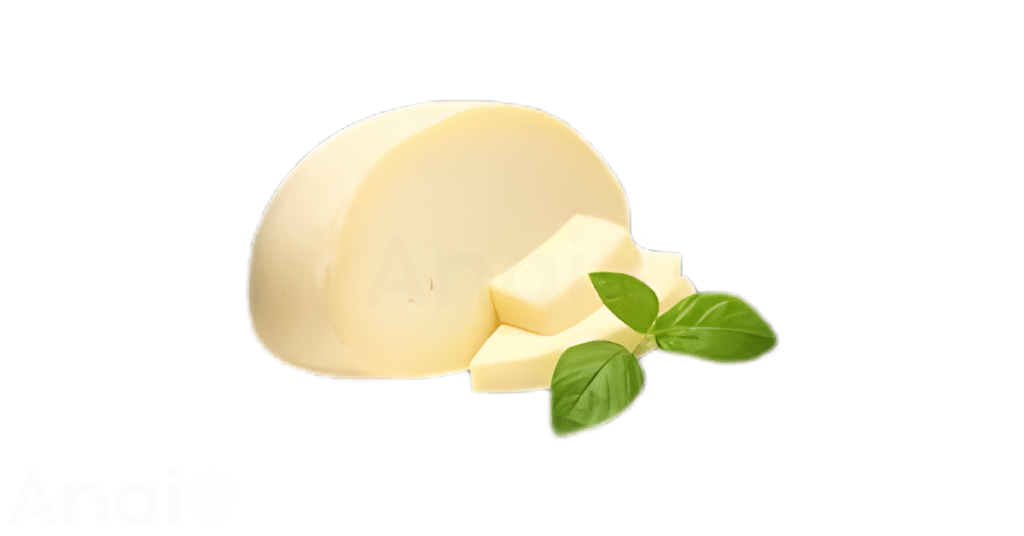
Finding a substitute for mozzarella often depends on whether you need the melting capability, the mild flavor, or a non-dairy alternative. The table below compares key nutritional aspects of common substitutes.
| Substitute | Protein (per 28g) | Total Fat (per 28g) | Calories (per 28g) | Calcium (% DV) |
|---|---|---|---|---|
| Mozzarella | 6g | 6g | 80 | 11% |
| Provolone | 7g | 7.5g | 98 | 21% |
| White Cheddar | 7g | 9g | 115 | 20% |
| Gouda | 7g | 8g | 100 | 15% |
| Cashew Cheese (Vegan) | ~3g | ~9g | ~100-110 | ~2% |
Provolone is arguably the closest relative to mozzarella in terms of texture and melting point. It offers a slightly sharper, more robust flavor, which can enhance the taste of sandwiches and pizzas. It provides significantly more calcium per serving than mozzarella, boosting bone health. It is, however, slightly higher in calories and sodium, so portion sizes may need to be adjusted if you are strictly counting calories.
White Cheddar provides a sharper bite and less elasticity than mozzarella. It is an excellent choice for casseroles or toppings where you want a bold flavor profile rather than a stringy texture. Cheddar is generally higher in protein and has very low lactose levels, making it easier on digestion for some. It has a higher fat and calorie density, meaning it adds up faster in a diet plan than the lighter mozzarella.
Gouda offers a rich, creamy texture and a nutty flavor that melts beautifully, though it creates a different consistency than the stretch of mozzarella. It works wonderfully in macaroni and cheese or melted over vegetables. Gouda is rich in Vitamin K2, which is vital for directing calcium to bones and away from arteries. Like cheddar, it is more calorie-dense than mozzarella and can be oily when melted due to the higher fat content.
Cashew Cheese is the go-to substitute for those following a vegan diet or managing a severe dairy allergy. Made from blended nuts, it mimics the creaminess of soft cheese. It is completely cholesterol-free and contains healthy plant-based monounsaturated fats. It significantly lacks the protein density of dairy cheese and usually offers very little calcium unless fortified, making it less nutritionally balanced as a standalone protein source.
Popular Mozzarella Cheese Diets
How to add mozzarella cheese safely into your diet? Choosing the right diet is important to ensure that you are meeting your nutritional needs while also enjoying the foods you eat. Here are a few of the available mozzarella cheese-friendly diet options:
- The Ketogenic (Keto) Diet
- The Mediterranean Diet
- The Vegetarian Diet (Lacto-vegetarian)
- The Gluten-Free Diet
- The Low-Carb Diet
These dietary frameworks utilize mozzarella differently, prioritizing specific macronutrients or food sources.
| Diet Feature | Ketogenic | Mediterranean | Vegetarian | Gluten-Free |
|---|---|---|---|---|
| Primary Goal | Ketosis (Fat burning) | Heart health & longevity | Plant-based ethics/health | Avoiding gluten proteins |
| Mozzarella Role | High-fat fuel source | Moderate protein garnish | Primary protein source | Wheat-free binder/flavor |
| Serving Size | Liberal | Moderate | Moderate to High | Variable |
| Nutrient Focus | Fat & Protein | Calcium & Protein | B12 & Protein | Safe Digestion |
The Ketogenic Diet is perhaps the most popular regimen for mozzarella lovers. Since this diet requires keeping carbohydrates extremely low to enter a state of ketosis, mozzarella is a superstar ingredient. It contains approximately 2.4g of net carbs per 100g, making it very easy to fit into a strict carb limit of 20g to 30g per day. The high fat content (roughly 22g per 100g) helps provide the necessary fuel for energy. However, users must be mindful of calories, as the high density of fat can lead to a caloric surplus if not tracked.
The Mediterranean Diet approaches cheese with more restraint. This eating pattern emphasizes plant-based foods, healthy oils, and lean proteins. Mozzarella, particularly fresh varieties like bocconcini, is valued here for its calcium and protein. It is typically used as a flavor enhancer, think Caprese salad, rather than the main course. The benefit is a balanced intake of saturated fats, but the drawback for cheese enthusiasts is the emphasis on moderation to protect heart health.
The Vegetarian Diet relies on dairy products like mozzarella to supply essential nutrients often missing from plant sources, such as Vitamin B12 and complete proteins. It is an excellent meat-free way to build muscle and maintain bone density. A potential drawback involves the production process; strict vegetarians must ensure the mozzarella is made with microbial rennet rather than animal rennet, which is derived from the stomach lining of calves.
The Gluten-Free Diet utilizes mozzarella as a versatile tool for texture and structure. Because it is naturally free of wheat, barley, and rye, it is safe for those with Celiac disease or gluten sensitivity. In modern cooking, melted mozzarella is often used to create “fathead dough”, a grain-free alternative for pizza crusts and bagels. This allows people to enjoy bread-like textures without the inflammation associated with gluten.
How to Cook Mozzarella Cheese?
Raw mozzarella cheese is arguably the most nutritious way to consume this dairy product. Eating it fresh, particularly the high-moisture varieties sold in brine, preserves water-soluble vitamins that can be sensitive to heat. For instance, Riboflavin (Vitamin B2) and Biotin, which are crucial for energy and skin health, remain fully intact. There is zero nutrient loss from processing, and you benefit from the healthy probiotics found in fresh, unheated cheeses. This method is best for salads or simple snacks where the subtle, milky flavor can shine.
Baked mozzarella cheese creates the irresistible bubbly texture we associate with comfort food. When exposed to the high heat of an oven (around 400°F), the proteins in the cheese align, and the sugars (lactose) caramelize, creating a golden-brown crust known as the Maillard reaction. While this enhances flavor significantly, prolonged high heat may slightly degrade heat-sensitive B vitamins. However, baking is excellent for creating low-carb vessels, such as cheese crisps made in muffin tins, which serve as crunchy, protein-packed chips.
Microwaved mozzarella cheese is a practical method often used in homemade cheese-making to separate the curds from the whey. Because microwaves heat food quickly and internally, the exposure time to heat is short. This helps preserve the protein structure without rendering out all the fat, provided it isn’t overheated. It is the secret behind the “30-minute mozzarella” technique, allowing the curd to reach the 135°F range needed for stretching without boiling off nutrients.
Grilled mozzarella cheese is a staple for sandwiches and paninis. Direct contact with a hot surface melts the cheese rapidly, allowing it to act as a binder for other ingredients. While some fat may render out (the grease you see on the pan), this method retains most of the protein and calcium. The main risk here is charring; burning the cheese can create unhealthy compounds, so a moderate heat that achieves a “gooey” melt without burning is ideal.
Broiled mozzarella cheese is the finishing touch for many dishes. By placing the cheese under direct, intense heat for a brief period, you achieve rapid browning. This is perfect for the top of a lasagna or a keto casserole. Because the heat is intense but brief, the interior of the cheese remains moist, helping to retain the fat-soluble vitamins like Vitamin A.
Easy Mozzarella Cheese Recipes
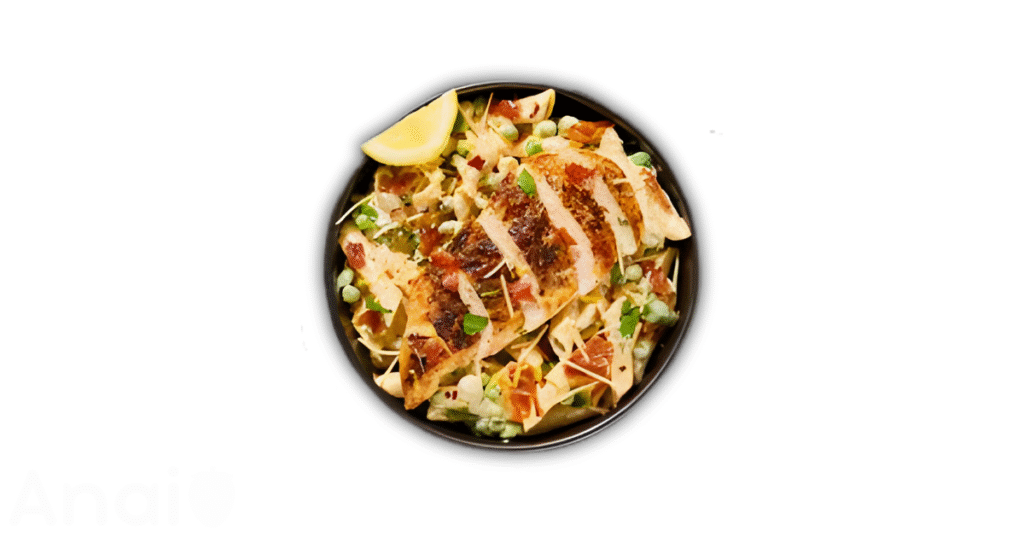
The following recipes are designed to help you increase your mozzarella intake in creative ways without compromising on taste or convenience.
Breakfast ideas with mozzarella cheese
Herb and Cheese Quiche offers a protein-packed start to the day. By combining whisked eggs with cubes of mozzarella and fresh garden herbs like basil or dill, you create a savory custard that supports sustained energy. The mozzarella adds a creamy texture that balances the egg whites, providing a complete amino acid profile to fuel your morning.
Prosciutto Mozzarella Dutch Baby turns a standard pancake into a savory delight. Adding mozzarella to the batter or melting it on top of a hot skillet pancake creates a rich, decadent breakfast. The saltiness of the cheese pairs perfectly with the cured meat, and the fat content helps slow the absorption of carbohydrates from the flour, preventing a mid-morning sugar crash.
Lunch ideas with mozzarella cheese
Caprese Salad is the ultimate no-cook lunch for busy days. Simply slicing fresh mozzarella balls and layering them with ripe tomatoes and fresh basil provides a hydrating, nutrient-dense meal. Drizzling it with high-quality olive oil enhances the absorption of the fat-soluble vitamins in the cheese, making it a heart-healthy option that takes less than five minutes to prepare.
Italian Beef Sandwiches can be elevated with a generous layer of melted mozzarella. The mild flavor of the cheese cuts through the acidity of the giardiniera peppers and the richness of the beef broth. For a lighter version, using a low-carb wrap or lettuce cup with the beef and cheese ensures you get the 26g of protein without the heavy carb load of a French roll.
Dinner ideas with mozzarella cheese
Zucchini Pizza Casserole is a fantastic way to hide vegetables under a layer of golden cheese. By swapping a flour crust for shredded zucchini mixed with cheese and eggs, you drastically reduce the calorie count while maintaining the pizza flavor profile. The mozzarella acts as a glue for the vegetables, making it a kid-friendly way to serve a nutrient-dense, low-carb dinner.
30-Minute Homemade Mozzarella can be a dinner activity in itself, served alongside crusty bread and oils. Using simple ingredients like citric acid, rennet, and a gallon of milk, you can stretch your own fresh cheese. Serving this warm, minutes after making it, offers a culinary experience superior to store-bought versions and allows you to control the salt content completely.
Simple tips to add mozzarella cheese to your diet
For those who do not have the time to implement specific recipes, here are simple, effective ways to integrate this nutritious cheese into your daily routine:
- Stuff poultry: Slice a pocket into chicken breasts and stuff with mozzarella and spinach before baking to boost moisture and protein.
- Thicken soups: Stir shredded mozzarella into tomato or vegetable soups right before serving for a stringy, rich texture.
- Upgrade salads: Swap standard croutons for “cheese crisps” (baked mozzarella rounds) to add crunch without the carbs.
- Enhance eggs: Fold diced fresh mozzarella into scrambled eggs just before they finish cooking for creamy pockets of cheese.
- Garnish vegetables: Melt a layer of mozzarella over roasted broccoli or cauliflower to entice picky eaters.
- Snack smarter: Keep mozzarella string cheese or small “pearl” balls on hand for a pre-portioned, high-protein snack.
- Bind meatballs: Use shredded mozzarella inside meatball mixtures to keep them juicy and flavorful from the inside out.
Mozzarella Cheese Storage Tips
Knowing how to cook mozzarella cheese is only a part of the equation, and the importance of knowing mozzarella cheese storage tips to make those meals last for longer cannot be overstated. Proper storage ensures you maintain the delicate texture and prevent the growth of harmful bacteria like Listeria.
Shelf life of mozzarella cheese
- At room temperature: Mozzarella should never be left out for more than 2 hours, as bacteria thrive in the “danger zone” between 4°C and 60°C.
- In the refrigerator: Fresh mozzarella in liquid typically lasts 5 to 7 days after opening; low-moisture blocks can last up to 3 weeks if properly sealed.
- In the freezer: While it affects texture, mozzarella can be frozen for 3 to 6 months for the best quality.
How to store mozzarella cheese?
The storage method depends heavily on the moisture content of the cheese variety you have purchased. Fresh mozzarella is highly perishable because of its high moisture content. Store the cheese in the vegetable crisper drawer or a dedicated cheese drawer where humidity levels are often optimized, or on a middle shelf where the temperature is most stable.
How to freeze mozzarella cheese?
Freezing is an effective way to extend the life of mozzarella, though it is best reserved for cheese intended for cooking (like lasagna or pizza) rather than fresh eating, as the texture may become crumbly.
- Portion the cheese: Cut the block into usable portions or shred it beforehand, as smaller pieces thaw more evenly and prevent the need to refreeze.
- Pre-freeze shreds (Flash Freezing): If freezing shredded mozzarella, spread it in a single layer on a baking sheet and freeze until solid to prevent clumping.
- Pack airtight: Transfer the cheese into heavy-duty freezer bags or vacuum-seal bags; remove as much air as possible to prevent freezer burn, which ruins the flavor.
- Label and track: Mark the bag with the date and type of cheese, and aim to use it within 3 months for the best quality.
Signs of Spoilage in mozzarella cheese
If you are unsure whether your cheese is still safe to eat, look for these distinct indicators that the quality has been compromised.
- Visual Mold: Appearance of green, blue, or black spots on the surface.
- Discoloration: The cheese turns a yellowish or dark color instead of its natural creamy white.
- Smell: A distinct sour, pungent, or “off” odor that smells like spoiled milk.
- Texture: A surface that feels slimy or sticky, or conversely, a texture that has become excessively dry, hard, and rubbery.
6 Creative Mozzarella Cheese Home Remedies
Are there any lesser-known tips to unlock the nutritious profile of mozzarella cheese? The following mozzarella cheese remedies can have a positive effect on overall well-being.
- Biotin Boost for Brittle Nails: Mozzarella is a rich source of Vitamin B7 (Biotin), a water-soluble nutrient essential for strengthening nails and preventing brittleness. To utilize this, consume 1 ounce of fresh mozzarella daily as a snack; since the body does not store Biotin, consistent daily intake is required to see improvements in nail plate thickness and texture over time.
- Riboflavin Recovery for Migraines: This cheese contains significant amounts of Vitamin B2 (Riboflavin), which has been linked to reducing the frequency of migraine attacks and symptoms of anemia. Incorporate a serving of low-moisture mozzarella into your lunch routine to ensure a steady supply of B2, which acts as an antioxidant and supports the body’s energy production systems.
- Niacin Support for Arthritis Pain: The presence of Vitamin B3 (Niacin) in mozzarella plays a pivotal role in controlling cholesterol and has been associated with preventing the onset of arthritis. Adding diced mozzarella to a daily salad can help meet Niacin requirements, aiding in the conversion of fat to usable energy while potentially managing joint inflammation.
- Natural Cavity Defense: Evidence suggests that consuming hard cheese or low-moisture mozzarella after a meal can increase the pH level in dental plaque, thereby neutralizing acids. Finish your dinner with a small cube of cheese instead of a sweet dessert to potentially reduce the overall amount of bacteria associated with cavities and protect tooth enamel.
- Zinc Boost for Skin Clarity: Mozzarella is replete with Zinc, a mineral known to battle skin problems and increase white blood cell counts. Preparing a simple Caprese salad with fresh mozzarella allows you to ingest bioavailable Zinc, which helps the prostate gland function well and supports the immune system in maintaining clear, healthy skin.
- Calcium Kick for Bone Density: With 183 milligrams of calcium per ounce, mozzarella serves as a potent remedy for maintaining bone structure, the texture of the dough, ensuring you capture every micro-nutrient the cheese production process offers.
Mozzarella Cheese and Weight Management

There are multiple health benefits and home remedies using mozzarella cheese, but what is its role in weight management? This section will analyze mozzarella cheese potential impact on weight loss, low-calorie diets, satiety, and metabolism.
Can mozzarella cheese help with weight loss?
Contrary to the belief that cheese is off-limits for weight loss, mozzarella is a favorable option due to its nutrient density. A 28g serving provides approximately 6 grams of protein, which is essential for preserving lean muscle mass during a caloric deficit. Muscle tissue burns more calories at rest than fat tissue, meaning that maintaining muscle through high-protein foods like mozzarella can support long-term weight loss goals. Furthermore, grass-fed mozzarella varieties may contain higher levels of Conjugated Linoleic Acid (CLA), a healthy fat that has been linked in some research to reduced body fat and improved metabolic health.
Mozzarella Cheese in low-calorie diets
When compared to other popular cheeses, mozzarella is a smart strategic choice for cutting calories without sacrificing flavor. An ounce of mozzarella contains roughly 85 calories, whereas the same amount of Cheddar packs about 114 calories. For those strictly monitoring intake, part-skim mozzarella offers an even lighter profile, often dropping the calorie count further while retaining the calcium and protein content. This allows dieters to enjoy the texture and taste of cheese for significantly less “caloric cost” than aged or harder varieties.
Mozzarella Cheese and satiety
Satiety is a critical factor in adhering to any weight management plan, and mozzarella excels here because it is a “whole food” rich in both fat and protein. Consuming 6 grams of fat and 6 grams of protein per serving triggers the release of satiety hormones that signal fullness to the brain, unlike processed carbohydrates, which cause rapid blood sugar spikes and crashes. Including a moderate portion of mozzarella in a meal can delay gastric emptying, keeping you fuller for longer periods and reducing the likelihood of mindless snacking between meals.
Mozzarella Cheese and metabolism
The metabolic benefits of mozzarella are driven by its specific vitamin and mineral composition. It contains Vitamin B12, Riboflavin, and Niacin, all of which are co-factors in the metabolic pathways that convert food into energy. Specifically, a 2024 study indicated that cheese consumption might improve lipid metabolism and reduce triglyceride levels, potentially lowering the risk of hypertension. This suggests that the nutrients in mozzarella may help the body process fats more efficiently rather than simply storing them, supporting a healthy metabolic rate. This keeps you fuller for longer periods and reduces the likelihood of snacking on high-sugar foods later in the day.
Mozzarella Cheese for Health Conditions
While weight management is important, does mozzarella cheese have an effect on more serious health conditions? Here’s what the scientific literature has to say:
Mozzarella Cheese and diabetes
For individuals managing diabetes, keeping blood sugar stable is the primary goal. Mozzarella cheese is increasingly recognized as a safe dietary addition due to its macronutrient profile. It contains high levels of Biotin (Vitamin B7), which studies suggest can help lower blood glucose levels in diabetic patients (President, 2022).
Furthermore, the cheese has a very low glycemic index. With typically less than 1 gram of carbohydrates per serving and a high protein content of 6 grams per ounce, it prevents the rapid insulin spikes associated with high-carb foods (Lui, 2025). This stabilization of blood glucose is critical for long-term diabetes management.
Mozzarella Cheese and heart health
The relationship between cheese and heart health is complex, but mozzarella offers distinct advantages. It is significantly lower in sodium than other varieties. A serving contains 138 mg of sodium, which is roughly 6% of the American Heart Association’s recommended daily intake and about half the sodium found in Feta or Parmesan (Lui, 2025).
Additionally, recent research challenges the old view that all saturated fats are equally harmful. A 2024 study indicated that cheese consumption might actually improve lipid metabolism and reduce triglyceride levels, potentially lowering the risk of essential hypertension (Medical News Today, 2024). The high potassium content in mozzarella also helps absorb calcium and lower blood pressure by counteracting sodium (President, 2022).
Mozzarella Cheese and digestive issues
Gut health is central to overall immunity and digestion. Fresh mozzarella, specifically varieties that have not been heated to high temperatures, serves as a source of probiotics. It contains beneficial bacteria strains such as Lactobacillus casei and Lactobacillus fermentum (Lui, 2025).
These probiotics promote a healthy balance of gut flora. This can improve digestion and may protect against certain gastrointestinal diseases. However, those with lactose intolerance must be cautious, though hard cheeses generally contain lower lactose levels than fluid milk (Medical News Today, 2024).
Mozzarella Cheese and inflammation
Chronic inflammation is a precursor to many modern diseases. Mozzarella contains Zinc, a mineral essential for immune function that helps increase white blood cell counts and battle skin problems (DeNicola’s, 2021).
While dairy is sometimes criticized regarding inflammation, fermented dairy products like cheese often show a neutral or positive effect. Research from 2018 suggests that full-fat dairy products may actually possess anti-inflammatory properties and provide greater nutrition than their low-fat counterparts (Medical News Today, 2018).
Mozzarella Cheese and cancer prevention
Dietary choices play a significant role in cancer risk reduction. Mozzarella is a robust source of calcium, providing 183 milligrams per ounce. Adequate calcium intake is strongly linked to a lower chance of developing colon cancer (President, 2022).
Additionally, cheese is a source of Conjugated Linoleic Acid (CLA). This healthy fat may help prevent obesity and has been associated in some studies with reduced cancer risks (Medical News Today, 2018).
The data suggest that when consumed in moderation, mozzarella cheese acts as a functional food that supports metabolic and skeletal health.
| Health Category | Benefits | Type of Study | Quality of Evidence | Sources |
|---|---|---|---|---|
| Diabetes | Lowers blood glucose via Biotin; stabilizes insulin. | Biochemical Analysis | High | President (2022); Lui (2025) |
| Heart Health | Low sodium; improved lipid metabolism. | Clinical Trial (2024) | Moderate to High | Brahmbhatt (2024); Lui (2025) |
| Gut Health | Provides probiotics (L. casei). | Microbiological Study | High | Lui (2025) |
| Inflammation | Zinc support; anti-inflammatory properties. | Review (2018) | Moderate | DeNicola’s (2021); Garone (2025) |
| Cancer | Colon cancer risk reduction via Calcium. | Epidemiological | Moderate | President (2022) |
Concluding Remarks on Mozzarella Cheese Nutrition
This comprehensive guide has walked you through the extensive benefits of this beloved dairy product, covering topics such as the 13 peer-reviewed health benefits of mozzarella cheese, mozzarella cheese nutrition facts, and mozzarella cheese risks and side effects. We have also explored practical applications, including mozzarella cheese substitutes, popular mozzarella cheese diets, and mozzarella cheese storage tips. From 6 creative mozzarella cheese home remedies to the role of mozzarella cheese and weight management, it is clear that this cheese is more than just a pizza topping. Finally, the evidence regarding mozzarella cheese for health conditions highlights its potential role in a balanced lifestyle.
Here are a few key takeaways to remember:
- The average American consumes about 12 pounds of mozzarella cheese per year.
- Mozzarella contains half the sodium of Feta or Parmesan cheese.
- A single ounce provides 6 grams of protein, comparable to an ounce of cooked meat.
- Fresh mozzarella is a source of gut-healing probiotics like Lactobacillus fermentum.
- It is rich in Biotin (Vitamin B7), which supports nail and hair health.
- Conjugated Linoleic Acid (CLA) found in cheese may help reduce body fat mass.
This content was last updated in March 2026.
Follow Anai.ai to stay informed about the latest nutrition and well-being news, tips, and articles.
Mozzarella Cheese Nutrition FAQs
Curious about how mozzarella fits into your diet or if it is safe for your pets? This section tackles the most pressing questions with fact-checked answers and nutritional insights. We break down everything from weight management to pet safety in bite-sized, data-driven responses.
What is mozzarella cheese good for?
Mozzarella acts as a functional food powerhouse, primarily known for supporting skeletal integrity with 143 mg of calcium per ounce. Fresh, unheated varieties contain live probiotics like Lactobacillus casei and Lactobacillus fermentum, which are essential for maintaining a diverse and healthy gut microbiome. Additionally, the specific mineral composition works to harden tooth enamel and neutralize plaque acidity, offering protection against dental decay.
Is mozzarella cheese healthy?
This cheese is widely considered one of the healthiest dairy options because it offers high nutrient density with significantly less sodium than aged competitors like Feta. A single 1-ounce serving provides 6 grams of complete protein and essential Vitamin B7 (Biotin) for only 85 calories, making it an efficient fuel source for muscle repair. Unlike highly processed cheeses, it delivers these benefits with only 138 mg of sodium, supporting better heart health management.
Is mozzarella cheese fattening?
Mozzarella is not inherently fattening; in fact, its specific matrix of 6 grams of protein and 6 grams of fat per serving helps trigger satiety hormones that curb overeating. Research suggests that the Conjugated Linoleic Acid (CLA) found in this cheese may actually assist in reducing body fat mass when consumed as part of a balanced diet. However, moderation is key, as eating excessive amounts can lead to a calorie surplus, given that 100 grams contains roughly 280 calories.
Who should avoid mozzarella cheese?
Individuals with a cow’s milk allergy must strictly avoid mozzarella due to the presence of casein and whey proteins, which can cause severe immune reactions. While it is lower in lactose than fluid milk, those with severe intolerance may still experience digestive distress from the 0.7 grams of sugar found in fresh servings. Furthermore, people with advanced kidney disease should monitor their intake carefully, as compromised kidneys may struggle to filter the 100 mg of phosphorus present in each ounce.
Can I eat mozzarella cheese daily?
Consuming mozzarella daily is generally safe and beneficial for meeting nutritional needs, particularly for calcium and Biotin, which the body does not store long-term. A moderate daily intake of 1 to 1.5 ounces fits well within a 2,000-calorie diet without exceeding saturated fat guidelines. This habit ensures a steady supply of Riboflavin, which is critical for converting your daily food intake into usable energy.
Can dogs eat mozzarella cheese?
Dogs can safely consume plain mozzarella in small quantities because it has lower sodium and lactose levels than most other cheese varieties, reducing the risk of immediate digestive upset. It serves as an excellent high-value training treat, provided it is completely free of toxic seasonings like garlic or onion powder. However, portion control is critical, as the 6 grams of fat per ounce can still cause pancreatitis in smaller breeds if consumed in excess.
Can cats eat mozzarella cheese?
While mozzarella is technically not toxic to felines, it is generally ill-advised to feed it to them because many adult cats suffer from lactose intolerance. Although mozzarella contains less lactose than whole milk, the high fat and sodium content can still trigger significant gastrointestinal distress, including vomiting or diarrhea. Since cats are obligate carnivores, the nutritional profile of cheese offers no necessary benefits that justify the risk of an upset stomach.
How long does mozzarella cheese last in the fridge?
The lifespan of refrigerated mozzarella depends entirely on its moisture content and packaging status. Once opened, fresh mozzarella balls stored in liquid are highly perishable and should be consumed within 5 to 7 days for optimal safety and quality. In contrast, opened low-moisture blocks or shredded varieties have a longer window, typically remaining fresh for up to 21 days when sealed tightly to prevent drying.
Can you freeze mozzarella cheese?
Freezing is a practical method to extend the usability of mozzarella for approximately 3 to 6 months, preventing mold growth and spoilage. However, the freezing process causes water inside the cheese to expand and form ice crystals, which significantly alter the texture, making it crumbly and dry upon thawing. Therefore, previously frozen mozzarella is best utilized in cooked dishes like pizza or lasagna, where melting disguises the loss of its original smooth consistency.
How to tell if mozzarella cheese is bad?
Detecting spoilage relies on sensory cues; a distinct sour or fermented smell similar to spoiled milk is the most immediate warning sign. Visually, you should inspect the surface for any blue or green mold spores or a texture that has become uncharacteristically slimy or sticky to the touch. Additionally, fresh mozzarella that has turned a dark yellow or become hard and rubbery indicates it is past its prime and should be discarded.
How long is mozzarella cheese good for?
Fresh, water-packed mozzarella is a delicate product that is generally good for only 5 to 7 days after the seal is broken. Low-moisture options, such as string cheese or loaf blocks, are more stable and can remain good for 3 to 4 weeks in the refrigerator if handled correctly. Regardless of the type, mozzarella left at room temperature enters the bacterial danger zone and is only considered safe for two hours before risks increase.
How to keep mozzarella cheese fresh?
To maintain the integrity of fresh mozzarella, it is critical to keep the cheese fully submerged in its original liquid or a fresh brine made of 1 teaspoon of salt per cup of water. For low-moisture blocks, prevent dehydration by wrapping the cheese tightly in parchment paper followed by aluminum foil, which allows it to breathe slightly without drying out. Replacing the brine liquid every 1 to 2 days effectively removes spoilage bacteria and keeps the flavor clean.