
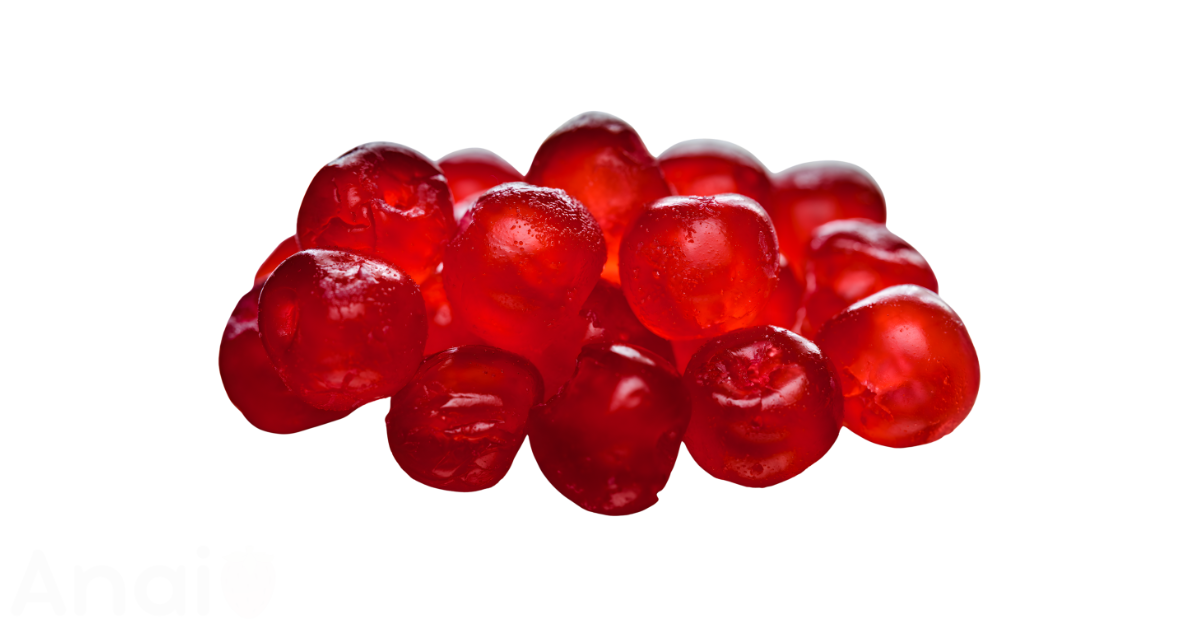
Are Acerolas Good for You?
Acerola cherries are widely considered a functional superfood due to their exceptionally dense nutrient profile. While they look like common cherries, they are actually berries from the Malpighia emarginata plant. Their primary claim to fame is their ascorbic acid content. These small red fruits are one of the most potent natural sources of Vitamin C on the planet.
Beyond just Vitamin C, they are packed with essential phytonutrients. You get a robust dose of carotenoids, phenolics, flavonoids, and anthocyanins in every serving. These compounds work synergistically to fight oxidative stress in the body. The fruit also provides vital minerals like iron, phosphorus, and calcium. Because the body does not store Vitamin C, consuming acerolas is an efficient way to meet daily requirements without relying on synthetic supplements.
This article will expand on essential topics, including 12 unique health benefits of acerolas, acerola nutrition facts, acerola risks and side effects, acerola substitutes, popular acerola diets, acerola storage tips, 9 original acerola home remedies, acerolas and weight management, and acerolas for health conditions.
We have compiled the latest information as of October 2026 to give you a complete guide to this tropical powerhouse.
12 Unique Health Benefits of Acerolas
Acerolas are more than just a garnish or a juice flavoring. They are a legitimate health food capable of supporting complex bodily functions. The health benefits below give general nutrition information; please talk to a doctor or registered dietitian before changing your diet for a health reason.
1. Extreme Immune System Support
The most significant benefit of acerola is its ability to supercharge the immune system. The fruit is exceptionally high in Vitamin C. A single cup of these berries provides over 1,800% of your Daily Value (DV) (Manaker, 2025). This isn’t just a small boost. It is a massive influx of antioxidants.
Vitamin C stimulates the production and function of white blood cells. These cells are your body’s primary defense against infections and viruses. Studies suggest that adequate Vitamin C intake from sources like acerola can help cure colds and viruses up to 20% quicker (Masterman, 2022).
2. Potent Anti-Inflammatory Effects
Chronic inflammation is a root cause of many diseases. Acerola helps combat this issue through its high concentration of polyphenols. These antioxidants neutralize free radicals that cause oxidative stress and cell damage.
Research indicates that the anti-inflammatory effects are largely due to these polyphenolic compounds (Manaker, 2025). This makes the fruit particularly beneficial for individuals dealing with inflammatory conditions like arthritis. By reducing inflammation throughout the body, you may also lower the risk of heart disease (Tides Enterprises, 2025).
3. Superior Skin Health and Anti-Aging
If you want better skin, look at your diet. The robust Vitamin C content in acerola is essential for collagen production. Collagen is the structural protein responsible for keeping skin firm, elastic, and smooth.
Natural collagen production declines as we age. Consuming acerola can help mitigate this decline. It helps prevent visible signs of aging like fine lines and wrinkles (White, 2018). Furthermore, the antioxidants present in the fruit help protect the skin from damage caused by UV radiation and environmental pollutants (Kapiszka, 2024).
4. Enhanced Digestive Health
A healthy gut is crucial for overall wellness. Acerola serves as a natural source of dietary fiber. This fiber promotes healthy bowel movements and helps prevent constipation.
There is also evidence that it supports the gut microbiome. One study found that acerola consumption positively affected gut microbiota, though it is important to note this data currently comes from studies using rats (Manaker, 2025). The fiber acts as fuel for beneficial bacteria in your gastrointestinal tract.
5. Cognitive Function and Brain Health
Acerola berries are a potent source of anthocyanins. These plant compounds are known to be neuroprotective. They help shield the brain from oxidative stress caused by free radicals.
High levels of anthocyanins can reduce the risk of memory loss and cognitive decline (Masterman, 2022). By reducing inflammation in the brain, these compounds help keep neurons and brain cells healthy. This suggests a potential link between acerola consumption and improved focus and memory (Tides Enterprises, 2025).
6. Metabolic Support and Weight Management
For those watching their weight, acerola is an excellent addition to the diet. The fruit is naturally low in calories. One cup contains only 31 calories and 0 grams of fat (Manaker, 2025).
Despite the low calorie count, the fiber content promotes feelings of fullness. This satiety can help reduce overall daily calorie intake (Tides Enterprises, 2025). Additionally, the fiber helps regulate blood sugar levels by slowing the absorption of sugar into the bloodstream.
7. Vision Protection
Carrots aren’t the only food good for your eyes. Acerola contains significant amounts of Vitamin A and carotenoids. These nutrients are vital for maintaining good vision.
Vitamin A helps protect against age-related conditions such as macular degeneration (Tides Enterprises, 2025). The pro-vitamin A carotenoids in the fruit are transformed into Vitamin A as the body requires them, offering a regulated and safe source of this nutrient (Viridian Nutrition, 2023).
8. Scurvy Prevention
While rare in modern times, Vitamin C deficiency can still occur. This condition, known as scurvy, leads to fatigue, easy bruising, and painful joints. Acerola is historically used to prevent and treat this deficiency.
Because it is a water-soluble vitamin, Vitamin C is not stored in the body. You need a daily intake. Acerola is possibly effective for treating Vitamin C deficiency due to its massive ascorbic acid load (RxList, n.d.).
9. Protection Against Oxidative Stress
Oxidative damage is a driver of cellular aging and disease. Organic acerola cherries are one of the richest known natural sources of antioxidants. In some cases, the fruit contains 50 to 100 times the amount of Vitamin C found in an orange or lemon (Masterman, 2022).
Other sources suggest it delivers up to 65 times more Vitamin C than an orange (Tides Enterprises, 2025). This massive antioxidant capacity helps the body fight off free radicals that damage cells and DNA.
10. Cardiovascular Health
Heart health is supported by more than just exercise. The antioxidants and potassium found in acerola cherries contribute to better cardiovascular function. Potassium is known to help manage blood pressure levels.
By protecting the cardiovascular system from oxidative stress, acerola may help reduce the risk of heart-related issues (Tides Enterprises, 2025). The polyphenols also play a role in maintaining healthy blood vessels.
11. Blood Sugar Regulation
Managing blood glucose is vital for preventing crashes and spikes. The fiber in acerola slows down digestion. This results in a more gradual release of sugar into the bloodstream (Manaker, 2025).
This regulation is beneficial for preventing the sudden energy spikes and crashes associated with high-sugar foods. It makes acerola a smart fruit choice for metabolic balance.
12. Bone Strength
Strong bones require essential minerals. Acerola cherries provide calcium, magnesium, and phosphorus. These minerals are the building blocks of the skeletal system.
Maintaining adequate intake of these minerals is crucial for preventing bone-related issues later in life (Tides Enterprises, 2025). While not a replacement for dairy or other calcium-rich foods, acerola acts as a beneficial supplementary source.
Acerola Nutrition Facts
The impressive health benefits of acerolas are best explained through their distinct nutritional profile, which is remarkably low in macronutrients yet exceptionally dense in specific micronutrients.
Acerola nutrition table
This table provides a comprehensive look at the macronutrient breakdown. The values highlight that acerola is a low-energy-density food, making it easy to incorporate into various diets without disrupting caloric balance.
| Nutrient | Per Serving (1 Cup / 98g) | DRI % (Serving)* | Per 100 grams | DRI % (100g)* |
|---|---|---|---|---|
| Calories | 31 kcal | 1.5% | 32 kcal | 1.6% |
| Protein | 0.4 g | 0.8% | 0.4 g | 0.8% |
| Carbs | 8 g | 3% | 8.1 g | 3% |
| Total Fat | 0.3 g | 0.4% | 0.3 g | 0.4% |
| Cholesterol | 0 mg | 0% | 0 mg | 0% |
How many calories are in acerolas?
Acerola cherries are incredibly low in calories. A 100-gram portion of fresh berries provides just 32 calories. A typical serving size, which is one cup (approximately 98 grams), contains roughly 31 calories. This represents less than 2% of the daily caloric intake for the average adult. Because the calorie count is so negligible, you would burn off the energy from a full cup of acerolas in just 3 to 4 minutes of moderate jogging or about 8 minutes of brisk walking. This makes them a “guilt-free” addition to weight loss plans.
How much protein is in acerolas?
These berries are not a significant source of protein. You will find only 0.4 grams of protein per 100-gram serving, which is the same amount found in a standard one-cup serving. This contributes less than 1% of the Daily Recommended Intake (DRI). Individuals looking to build muscle or increase protein intake should not rely on acerola for this macronutrient. It should be paired with protein-rich foods like nuts, yogurt, or lean meats to create a balanced snack.
How many carbs are in acerolas?
Carbohydrates make up the majority of the energy in acerola, accounting for about 88% of its total calories. However, the absolute amount is low. A 100-gram serving contains just over 8 grams of carbohydrates. Similarly, a one-cup serving provides 8 grams. Of these carbohydrates, approximately 1 gram is dietary fiber, leaving about 7 grams as net carbs. The sugars present are natural fructose. This low glycemic load means acerolas are generally safe for those monitoring blood sugar, provided they are consumed in moderation.
How much fat is in acerolas?
Acerola is virtually fat-free. A 100-gram serving contains merely 0.3 grams of total fat, which matches the amount in a one-cup serving. This covers less than 0.5% of the daily allowance for fats. The lipid profile is negligible, but we have broken down the specific types below for clarity.
| Fat Type | Amount Per 100g | Amount Per Serving (98g) |
|---|---|---|
| Total Fats | 0.3 g | 0.3 g |
| Saturated Fats | 0.1 g | 0.1 g |
| Monounsaturated Fats (MUFAs) | < 0.1 g | < 0.1 g |
| Polyunsaturated Fats (PUFAs) | < 0.1 g | < 0.1 g |
Are acerolas high in cholesterol?
No, acerolas contain 0 mg of cholesterol per 100 grams or per serving. Like all plant-based foods, they are naturally cholesterol-free. This makes them a heart-healthy choice for individuals managing hyperlipidemia or those strictly monitoring their dietary cholesterol intake.
Minerals in acerolas
While they are not famous for minerals, acerolas do provide a modest spectrum of electrolytes and essential metals.
| Mineral | Amount Per 100g | Health Benefits |
|---|---|---|
| Potassium | 146 mg | Supports blood pressure regulation and muscle contractions. |
| Magnesium | 18 mg | Crucial for nerve function, energy production, and bone health. |
| Calcium | 12 mg | Essential for bone density and blood clotting. |
| Phosphorus | 11 mg | Works with calcium to build strong bones and teeth. |
| Copper | 0.08 mg | Vital for red blood cell formation and iron absorption. |
Summary: Acerolas contribute small but useful amounts of minerals to the diet. The most notable is potassium, which aids in cardiovascular health by countering the effects of sodium. While you cannot rely on acerolas to meet your daily mineral needs entirely, they serve as a helpful supplementary source of magnesium and copper.
Vitamins in acerolas
Vitamins are where acerola truly shines as a superfood. The concentration of Vitamin C is astronomically high compared to almost all other fruits.
| Vitamin | Amount Per 100g | Health Benefits |
|---|---|---|
| Vitamin C | 1,677 mg | Powerful antioxidant, boosts immunity, and aids collagen synthesis. |
| Vitamin A | 767 IU | Critical for vision, immune function, and skin health. |
| Folate (B9) | 14 µg | Important for cell division and DNA synthesis. |
| Pantothenic Acid (B5) | 0.3 mg | Helps convert food into energy. |
| Riboflavin (B2) | 0.06 mg | Supports cellular function and energy production. |
Summary: The standout statistic here is the Vitamin C content. A single 100-gram serving provides roughly 1,864% of the Daily Value for Vitamin C. This is significantly higher than oranges or strawberries. Additionally, the presence of Vitamin A (as beta-carotene) enhances its antioxidant capacity, supporting eye health and immune defense simultaneously.
Acerolas Risks and Side Effects
Despite their superfood status, acerolas carry specific risks that must be managed, particularly regarding digestive health and allergies. The primary concern stems from the fruit’s extreme Vitamin C potency. Consuming more than 2,000 mg of Vitamin C per day, which is easily achieved with just over 100 grams of acerola, can lead to digestive distress. Symptoms often include severe diarrhea, nausea, and stomach cramps. Long-term excessive intake is also linked to an increased risk of kidney stones (nephrolithiasis) because the body converts excess Vitamin C into oxalate, which can crystallize in the kidneys.
Furthermore, a specific and often overlooked risk is the allergic reaction associated with Lipid Transfer Proteins (LTPs). Research from 2022 identified that acerola contains allergens similar to those found in latex, peaches, and certain nuts. This means individuals with a latex allergy may experience cross-reactivity when eating acerola, ranging from oral itching to severe anaphylaxis in rare cases. Managing these risks involves strict portion control. It is generally recommended to limit intake to small amounts, such as a handful of berries or a specified supplement dose, to stay well below the upper toxicity limit of Vitamin C.
Debunking myths about acerolas
Myth: You cannot overdose on acerola because Vitamin C is water-soluble.
Fact: While the body excretes excess Vitamin C, mega-doses above 2,000 mg can cause immediate gastrointestinal distress and significantly increase the long-term risk of developing calcium oxalate kidney stones.
Myth: Acerola is a miraculous cure for cancer and diabetes.
Fact: While acerola is antioxidant-rich and may help regulate blood sugar or prevent tumor cell proliferation in animal studies, there is currently insufficient clinical evidence to classify it as a cure for cancer or diabetes in humans.
Myth: All acerola products are created equal.
Fact: The bioavailability and nutrient content vary wildly; synthetic Vitamin C additives are often found in cheaper acerola powders, whereas organic, whole-fruit derivatives offer superior phytonutrient absorption.
Acerolas Substitutes

If you cannot find fresh acerola or have a sensitivity to it, several other fruits offer comparable nutritional benefits. The table below compares the key nutrients of acerola against its most common substitutes.
| Food (100g) | Vitamin C (mg) | Calories | Carbs (g) | Fiber (g) |
|---|---|---|---|---|
| Acerola | 1,677 | 32 | 8 | 1.1 |
| Guava | 228 | 68 | 14 | 5.4 |
| Kakadu Plum | 2,900+ | 21 | 3.6 | 7.1 |
| Orange | 53 | 47 | 12 | 2.4 |
| Kiwi | 93 | 61 | 15 | 3.0 |
Kakadu Plums
For those seeking the absolute highest Vitamin C content, the Kakadu plum is the only fruit that outperforms acerola. Native to Australia, it contains up to 100 times more Vitamin C than oranges. The benefit of using this substitute is the unparalleled antioxidant density, meaning you need to consume a tiny amount to meet your daily needs. However, the drawback is availability; fresh Kakadu plums are extremely difficult to find outside of Australia, and they are almost exclusively sold as expensive powders in the global market.
Guavas
Guavas are an excellent, more accessible substitute. While they contain significantly less Vitamin C than acerola (about 228 mg per 100g), a single fruit still provides well over 200% of the daily requirement. The major benefit of guava is its dietary fiber content, which is roughly five times higher than that of acerola, promoting better satiety and digestive health. The downside is the higher sugar and carbohydrate count, which might be a consideration for those on strict ketogenic diets.
Oranges
The most ubiquitous substitute is the orange. It is the gold standard for availability and cost. While an orange only provides about 53 mg of Vitamin C per 100g, a fraction of what acerola offers, it is widely available in every grocery store year-round. The benefit here is convenience and a familiar, sweet taste that requires no preparation. The drawback is that you would need to eat nearly 30 oranges to match the Vitamin C power of a single serving of acerola, meaning you miss out on the ultra-potent antioxidant punch.
Kiwis
Kiwis serve as a balanced middle-ground substitute. They offer nearly double the Vitamin C of oranges and are rich in Vitamin K and Vitamin E. A significant benefit of kiwi is its ability to inhibit blood platelets, potentially reducing the risk of blood clots. They are also easier to find than acerola or Kakadu plums. The drawback is that some people have allergies to kiwis that are distinct from acerola allergies, and their fuzzy texture can be off-putting to some consumers.
Popular Acerola Diets
How to add acerolas safely into your diet? Choosing the right diet is important to ensure that you are meeting your nutritional needs while also enjoying the foods you eat. Here are a few of the available acerola-friendly diet options:
- The Raw Food Diet
- The Anti-Inflammatory Diet
- The Vegan Plant-Based Diet
- The Low-Calorie Weight Management Diet
| Ethical, high fiber, low saturated fat. | Key Focus | Benefits | Drawbacks |
|---|---|---|---|
| Raw Food | Uncooked, unprocessed foods | Preserves 100% of Vitamin C and enzymes. | Difficult to sustain long-term; limited variety. |
| Anti-Inflammatory | Antioxidant-rich whole foods | Reduces chronic disease risk, utilizes polyphenols. | Can be expensive; requires meal planning. |
| Vegan | Plant-derived foods only | Ethical; high fiber; low saturated fat. | Requires supplementation for B12/Iron; strict rules. |
| Low-Calorie | Caloric deficit | Effective for weight loss, acerola is naturally low-cal. | Potential for nutrient gaps if not balanced well. |
The Raw Food Diet is arguably the most biologically efficient way to consume acerola. Since Vitamin C is highly heat-sensitive, this diet ensures you get the maximum 1,677 mg of Vitamin C per 100g serving. You consume the berries fresh, juiced, or dehydrated at very low temperatures. While excellent for nutrient retention, this diet requires significant discipline and may be hard to follow socially.
The Anti-Inflammatory Diet prioritizes foods that reduce oxidative stress. Acerola fits perfectly here due to its high concentration of polyphenols and anthocyanins. This approach combines the fruit with healthy fats like nuts and avocados. It is highly effective for long-term health, though sourcing fresh, organic acerola for this diet can be a challenge in non-tropical regions.
The Vegan Plant-Based Diet utilizes acerola as a vital source of micronutrients that might be harder to get elsewhere. The fruit adds essential variety and flavor to a plant-only regimen. It serves as a great replacement for gelatin-based desserts when using agar-agar. The main evaluation here is positive, as acerola adds a sweet-tart complexity to vegan dishes without animal byproducts.
The Low-Calorie Weight Management Diet leverages the fruit’s low energy density. With only 32 calories per 100g, acerola allows dieters to eat volume without blowing their daily limit. The fiber content also aids in satiety. This is a practical, easy-to-implement diet for most people, provided they don’t drown the fruit in sugar syrups.
How to Cook Acerolas?
Raw acerolas are the gold standard for consumption. Eating the fruit uncooked is the only way to guarantee you receive the full 1,800%+ Daily Value of Vitamin C. The preparation is simple: wash them, remove the stems, and eat them out of hand. You can also spit out the seeds as you go. The benefit is maximum antioxidant potency. The downside is the tartness, which can be intense for some palates.
Poached acerolas are a traditional Caribbean preparation, often resulting in a syrup. You simmer the cherries with sugar and water for about 5 to 10 minutes until the sugar melts and the fruit softens. This method makes the sour fruit much more palatable and creates a versatile topping for pancakes. However, be aware that boiling heat significantly degrades Vitamin C. You are trading nutritional density for improved flavor and texture.
Powdered acerolas represent a modern “cooking” method involving dehydration and pulverization. This is excellent for consistency and convenience. You can easily stir it into soups, sauces, or doughs. While some commercial powders retain nutrients well, others lose efficacy during processing. This method is best for those who cannot source fresh fruit but still want the immune-boosting benefits in their daily meals.
Sous vide acerolas offer a middle ground between raw and boiled. By cooking the fruit in a vacuum-sealed bag at a precisely controlled low temperature, you break down the fibers without exposing the nutrients to the extreme heat of boiling water. This method concentrates the flavor and maintains the bright red color. It is perfect for making fruit sauces for savory dishes like pork chops.
Dehydrated acerola chips are a fantastic snack option. You slice the fresh berries thinly and place them in a dehydrator or an oven on the lowest setting. The goal is to remove moisture to create a crunch. This method preserves more nutrients than boiling but less than eating them raw. It creates a shelf-stable snack that replaces unhealthy potato chips.
Frozen acerola puree is less of a cooking method and more of a preservation technique that opens culinary doors. Freezing locks in the nutrients immediately after harvest. You can use this “melt-and-go” ingredient in warm oatmeal or cool gazpachos. It stops the rapid decomposition of the berry, which usually spoils within five days of harvest.
Easy Acerola Recipes

The acerola recipes discussed here can help increase acerola intake without compromising taste, turning a medicinal superfood into a culinary delight.
Breakfast ideas with acerolas
Tropical Acerola Smoothie Bowls are a vibrant way to start the morning. Blend frozen bananas with a packet of frozen acerola puree until you achieve a thick, ice-cream-like consistency. Pour this into a bowl and top it with sliced kiwi, mango, and a sprinkle of granola for crunch. This delivers a massive antioxidant punch before noon.
Mango Guacamole Toast with Acerola adds a tart twist to a brunch classic. Mash ripe avocado with lime juice and salt, then spread it on whole-grain toast. Top this with chunks of fresh acerola (pitted) instead of tomatoes. The astringency of the berry cuts through the rich fat of the avocado perfectly.
Acerola Syrup on Pancakes utilizes the poached fruit method. Drizzle the homemade ruby-red syrup over a stack of fluffy pancakes or waffles. The sweet and sour profile mimics cranberries but with a tropical flair. It turns a standard carbohydrate breakfast into a more interesting flavor experience.
Lunch ideas with acerolas
Acerola Vinaigrette Salad brightens up leafy greens. Whisk acerola powder or a small amount of puree with olive oil, apple cider vinegar, and a touch of honey. Toss this dressing over mixed greens and walnuts. The acidity of the acerola aids in the absorption of iron from the spinach or kale.
Cold Acerola Soup is a refreshing option for hot days. Blend fresh or thawed acerola with cucumbers, a little red onion, and bell peppers. Serve it chilled with a garnish of fresh herbs. It is light, hydrating, and packed with electrolytes like potassium.
Dinner ideas with acerolas
Acerola Glazed Pork Chops bring a fruity acidity to savory meats. Create a reduction sauce using acerola puree, a hint of garlic, and soy sauce. Brush this glaze onto pork chops or tofu during the final minutes of grilling. The sugars in the fruit caramelize to create a sticky, delicious coating.
Acerola Salsa pairs beautifully with fish tacos or grilled chicken. Dice fresh acerolas and mix them with chopped onions, cilantro, jalapeños, and lime juice. The tartness substitutes for lime and tomato simultaneously. It adds a bright red pop of color and a zesty flavor profile to the meal.
Simple tips to add acerolas to your diet
For people who don’t have the time to implement any of the previous meal ideas, there are simple tips to add Acerolas to their diet:
- Stir a teaspoon of organic acerola powder into your morning glass of water or orange juice.
- Mix a packet of frozen acerola puree into your Greek yogurt or oatmeal.
- Keep a bag of frozen whole acerolas in the freezer to use as “ice cubes” in sparkling water.
- Sprinkle dried acerola chips over your salad for added crunch and texture.
- Add a scoop of acerola powder to your post-workout protein shake for muscle recovery.
- Use acerola juice as a base for marinades to tenderize meats.
- Swallow a high-quality acerola capsule with your breakfast if you dislike the taste of the fruit.
Acerola Storage Tips
Knowing how to cook acerolas is only a part of the equation, and the importance of knowing acerola storage tips to make those meals last for longer cannot be overstated. Proper storage ensures you maximize the retention of the volatile Vitamin C content, which degrades rapidly after harvest.
Shelf life of acerolas
- At room temperature: Acerolas are highly perishable and will typically last only 1 to 2 days before quality deteriorates.
- In the refrigerator: When stored correctly in the crisper drawer, fresh berries can last between 3 to 5 days, while rinsed and dried fruit may extend to 4 to 7 days.
- In the freezer: Frozen acerolas maintain their quality significantly longer, staying good for 6 months up to 12 months if kept in airtight containers.
How to store acerolas?
To ensure the freshness of acerola, store it in a cool, dry environment where temperatures remain stable. The optimal storage condition is strictly within the refrigerator, as room temperature accelerates ripening and decay due to the fruit’s sensitivity to heat and humidity. Using a breathable container or a plastic bag with small holes allows for necessary air circulation while maintaining the high humidity these tropical berries crave.
If you have cut or processed acerola, the rules change slightly. You must place cut fruit in an airtight container to prevent immediate moisture loss and oxidation, which turns the flesh brown and destroys the Vitamin C. Keep these containers away from direct sunlight and strong-smelling foods like onions, as acerolas can absorb odors that alter their delicate, sweet-tart flavor profile.
How to refrigerate acerolas?
Refrigeration is the best short-term method to preserve the vibrant color and nutritional value of fresh acerolas.
- Gently rinse the cherries with cold water to remove any surface debris or dust.
- Pat the cherries completely dry with a paper towel; excess moisture is the enemy and promotes mold.
- Place the dry cherries in a breathable container or a perforated plastic bag.
- Store the container in the crisper drawer, which provides the ideal humidity level (around 90-95%) and a temperature range of 32-36°F (0-2°C).
- Check the fruit daily and immediately remove any berries that show signs of spoiling to protect the rest of the batch.
How to freeze acerolas?
Freezing is the superior option for long-term storage, locking in nutrients for up to a year.
- Wash the acerolas thoroughly and remove all stems and pits to make them ready for future use.
- Dry the fruit meticulously to prevent ice crystals from forming, which can ruin the texture.
- Spread the cherries in a single layer on a baking sheet and perform a “flash freeze” until they are solid.
- Transfer the frozen, individual cherries into airtight freezer bags or rigid containers.
- Label the container with the date and ensure it is sealed tightly to prevent freezer burn.
Signs of Spoilage in acerolas
It is crucial to inspect your fruit before consumption to avoid foodborne illness.
- Mold Growth: Fuzzy white or green spots appearing on the skin.
- Off-putting Smell: A fermented, sour, or vinegar-like odor indicating decomposition.
- Texture Changes: Fruit that has become mushy, excessively soft, or shriveled.
- Discoloration: Dark brown spots or unnatural hues that differ from the bright red of a ripe berry.
9 Original Acerola Home Remedies
Are there any lesser-known tips to unlock the nutritious profile of acerolas? The following acerola remedies can have a positive effect on overall well-being.
- Acerola Immunity Shot: This concentrated drink leverages the 1,677 mg of Vitamin C per 100g found in the fruit to shock the immune system into action. Blend a handful of fresh acerolas with a knob of ginger and a pinch of turmeric, then strain the liquid. Drink this immediately upon waking to potentially reduce the duration of colds. Store any leftovers in an opaque container in the fridge for no more than 24 hours to prevent vitamin oxidation.
- Antioxidant Face Mask: The high anthocyanin content makes acerola a potent topical treatment for aging skin. Mash three ripe acerola cherries into a paste and mix with a teaspoon of raw honey and yogurt. Apply this to the face for 15 minutes to utilize the fruit’s astringent properties for tightening pores. Use this mixture immediately after preparation; do not store it.
- Sore Throat Gargle: Acerola’s antimicrobial properties can help soothe throat irritation during flu season. Mix one tablespoon of acerola powder or fresh juice into a glass of warm water with a pinch of sea salt. Gargle with this solution twice daily to help reduce bacterial load in the throat. Prepare a fresh glass for every use.
- Post-Workout Recovery Slush: Rich in potassium (146 mg per 100g), acerola serves as a natural electrolyte replenisher. Blend frozen acerola pulp with coconut water and a pinch of salt after intense exercise. This aids in muscle function and rehydration without the artificial dyes found in sports drinks. Consume immediately for the best texture and cooling effect.
- Digestive Aid Tea: Utilizing the dietary fiber in acerola supports bowel regularity. Steep crushed, dried acerola berries in hot water for 10 minutes to create a tart tea. Drinking this after a heavy meal can help settle the stomach and promote digestion. Store dried berries in a cool, dark jar for up to one year.
- Scalp Revitalizing Rinse: The acidity and Vitamin C in acerola can help remove product buildup and close hair cuticles for shine. Dilute 1/4 cup of fresh acerola juice with two cups of cool water. Pour this over clean, wet hair as a final rinse. Do not store the diluted mixture; prepare it fresh before showering.
- Anti-Inflammatory Joint Compress: The polyphenols in acerola may help reduce localized inflammation. Create a cold poultice by wrapping frozen, crushed acerola pulp in a clean cheesecloth. Apply this directly to swollen joints or bruises for 10 minutes to combine cold therapy with the fruit’s anti-inflammatory compounds. Discard the pulp after use.
- Gum Health Mouthwash: Vitamin C is vital for healthy gums and can help prevent bleeding. Mix pure acerola juice with an equal part of water and swish it around the mouth for 30 seconds. This natural astringent helps tighten gum tissue. Store the juice in the fridge and use it within 3 days.
- Metabolism-Boosting Morning Elixir: Kickstart your metabolism by combining acerola’s nutrients with green tea. Stir one teaspoon of acerola powder into a cup of warm green tea with a squeeze of lemon. The combination of catechins and Vitamin C may enhance fat oxidation. Keep the powder in a moisture-free container to prevent clumping.
Acerolas and Weight Management

There are multiple health benefits and home remedies using acerolas, but what is their role in weight management? This section will analyze acerola’s potential impact on weight loss, low-calorie diets, satiety, and metabolism.
Can acerolas help with weight loss?
Emerging research suggests a link between acerola consumption and body weight regulation, particularly in animal models. A study involving rats with dyslipidemia and obesity found that acerola supplementation was associated with reduced body weight and improved lipid metabolism. While human trials are limited, these findings indicate that the bioactive compounds in the fruit may biologically support weight reduction efforts by modulating how the body processes fats.
Acerolas in low-calorie diets
Acerola is an ideal candidate for calorie-restricted diets due to its remarkably low energy density. A 100-gram serving provides only 31 to 34 calories while delivering massive amounts of essential micronutrients. This allows dieters to consume a high volume of food, a key factor in psychological satisfaction, without consuming excess energy. Replacing high-calorie snacks with acerola can create a caloric deficit while preventing the “hidden hunger” of nutrient deficiency.
Acerolas and satiety
The fiber content in acerola plays a mechanical role in appetite control. With approximately 1 to 3 grams of dietary fiber per serving, the fruit slows down digestion and promotes a feeling of fullness. This delay in gastric emptying sends satiety signals to the brain, effectively reducing overall calorie intake during subsequent meals. By keeping you fuller for longer, acerola helps prevent the snacking urges that often derail weight loss progress.
Acerolas and metabolism
Vitamin C, the star nutrient of acerola, is a critical cofactor in the biosynthesis of carnitine, a molecule required for the oxidation of fatty acids. Research from the University of Southern California and other institutions suggests that adequate Vitamin C status is necessary for efficient fat burning during exercise. Furthermore, specific studies indicate that acerola components can help regulate blood sugar levels, preventing insulin spikes that encourage fat storage.
Acerolas for Health Conditions
While weight management is important, do acerolas have an effect on more serious health conditions? Here’s what the scientific literature has to say:
Acerolas and diabetes
Managing blood glucose levels is critical for metabolic health. Research indicates that acerolas may be a valuable functional food for diabetics due to specific polyphenol compounds. Studies suggest that chlorogenic acid, a phytochemical found in these berries, may help lower blood sugar levels and control blood glucose in Type-II diabetes mellitus conditions (Tides Enterprises, 2025).
Furthermore, the fiber content in the fruit plays a mechanical role in digestion. By slowing down the absorption of sugar into the bloodstream, the fiber prevents the dangerous insulin spikes and crashes often associated with high-sugar foods (Manaker, 2025). This makes acerola a “low glycemic” friendly option compared to other sweet fruits.
Acerolas and heart health
Cardiovascular disease remains a leading global health concern. The high concentration of antioxidants in acerola, particularly Vitamin C, helps improve blood vessel function and reduce the risk of heart disease (Hipwell, 2025). A notable in vitro study conducted by the University of Southern California showed that acerola, when combined with soy and alfalfa extracts, effectively blocked the oxidation of LDL (bad) cholesterol (Perez, 2025).
In addition to antioxidants, the fruit provides essential electrolytes. A 100g serving contains approximately 146 mg of potassium and magnesium, minerals that are vital for regulating blood pressure and maintaining a healthy heart rhythm (Tides Enterprises, 2025).
Acerolas and digestive issues
Gut health is the foundation of the immune system. Acerola has been used in traditional folk medicine for centuries to treat liver ailments, diarrhea, and dysentery. Modern nutritional analysis confirms that the fruit is a natural source of dietary fiber, which aids in promoting healthy bowel movements and preventing constipation (Manaker, 2025).
There is also emerging evidence regarding the microbiome. One study found that consuming acerola may positively affect gut microbiota, potentially acting as a prebiotic to feed beneficial bacteria. However, it is important to note that this specific data is currently based on studies using rats, and further human trials are needed to confirm the extent of this benefit.
Acerolas and inflammation
Chronic inflammation is a root cause of many autoimmune and degenerative diseases. Acerola offers substantial anti-inflammatory benefits due to its rich profile of anthocyanins and flavonoids. These polyphenols neutralize free radicals that would otherwise cause oxidative stress and cellular damage.
This anti-inflammatory capability extends to respiratory health. Regular consumption can boost the body’s Vitamin C levels, which helps reduce the duration and severity of colds and flu-like symptoms by supporting white blood cell function (Manaker, 2025).
Acerolas and cancer prevention
The potential for acerola in oncology is an exciting area of recent research. While not a cure, early results are promising regarding prevention. A study from Nihon University in Fujisawa, Japan, demonstrated that acerola extract prevented the proliferation of tumor cells in the lungs of mice (Perez, 2025).
Further research supports these cytotoxic effects. A separate study conducted by Meiji Pharmaceutical University in Tokyo demonstrated the cytotoxic action of acerola extracts specifically on human cancer cells. These findings suggest that the specific mix of antioxidants, including carotenoids and bioflavonoids, may have a protective role against the development of certain cancers (Tides Enterprises, 2025).
The evidence suggests acerola is a potent functional food, though more human-centric research is often required.
| Health Category | Benefits | Type of Study | Quality of Evidence | Sources |
|---|---|---|---|---|
| Diabetes | Lowers blood sugar; controls glucose via chlorogenic acid. | Phytochemical Analysis | Moderate | Tides Enterprises (2025) |
| Heart Health | Blocks LDL cholesterol oxidation; regulates blood pressure. | In Vitro (Lab) | Promising | Perez (2025) |
| Digestion | Improves gut microbiota; prevents constipation. | Animal (Rat) & Nutritional Analysis | Preliminary | Manaker (2025) |
| Inflammation | Reduces oxidative stress; supports immune response. | Nutritional Analysis | Strong | Manaker (2025) |
| Cancer | Prevents tumor proliferation; cytotoxic to cancer cells. | Animal (Mice) & In Vitro | Preliminary | Perez (2025) |
Acerolas and Your Health Journey
This comprehensive guide has explored the diverse aspects of the Barbados cherry, covering the 12 unique health benefits of acerolas, acerola nutrition facts, acerola risks and side effects, acerola substitutes, popular acerola diets, acerola storage tips, 9 original acerola home remedies, acerolas and weight management, and acerolas for health conditions.
Here are a few fascinating takeaways to remember about this tropical powerhouse:
- Acerola provides up to 1,800% of the Daily Value of Vitamin C in a single cup.
- One cup of these berries contains 24 times more Vitamin C than a large orange.
- The fruit is incredibly perishable, decomposing within five days of harvest, making frozen or powdered forms the most common way to consume it globally.
- It is one of the few fruits containing chlorogenic acid, which may help lower blood sugar levels.
- Studies in Japan have shown that acerola extract may stop tumor growth in mice lungs.
- Despite being sweet and tart, it contains only 32 calories per 100 grams.
- It is not a true cherry but actually a berry from the Malpighiaceae family.
- Excessive consumption (over 2,000 mg of Vitamin C) can lead to digestive issues or kidney stones.
This article contains the latest information as of October 2026.
Ready to optimize your health with data-driven insights? Follow Anai.ai to stay informed about the latest nutrition and well-being news, tips, and articles.
Acerola Nutrition FAQs
This section addresses the most pressing inquiries regarding this tropical superfood, covering everything from daily dosage limits to safety for pets. These data-backed answers provide instant clarity on how to maximize the health benefits of acerola while avoiding potential risks.
What are acerolas good for?
Acerola cherries are primarily renowned for their exceptional ability to support the immune system due to their massive Vitamin C content, which is approximately 50 to 100 times higher than that of oranges. Beyond immunity, these berries are excellent for skin health because their high ascorbic acid levels stimulate natural collagen production, potentially reducing visible signs of aging like wrinkles. They also serve as a potent antioxidant source, with compounds like anthocyanins helping to neutralize free radicals and reduce oxidative stress in the body. Furthermore, the fruit’s astringent properties have traditionally been used to treat digestive issues, liver ailments, and even sore throats.
Are acerolas healthy?
These tropical berries are widely considered a nutritional superfood because they pack a dense profile of essential vitamins and minerals into a very low-calorie package. A single 100-gram serving provides roughly 1,677 mg of Vitamin C, which is over 1,800% of the Daily Value, making it one of the most potent natural supplements available. In addition to Vitamin C, they are a significant source of Vitamin A, providing about equal amounts to carrots, which supports vision and immune function. They also contain vital B-complex vitamins and minerals such as potassium, magnesium, and iron, contributing to overall metabolic health without added sugars or unhealthy fats.
Are acerolas fattening?
Acerolas are naturally anti-fattening and fit perfectly into weight loss plans because they have an incredibly low energy density. A standard 100-gram serving contains just 32 calories and virtually zero grams of fat, making it nearly impossible to gain weight from consuming the fruit alone. Their dietary fiber content helps promote satiety, which can prevent overeating by keeping you fuller for longer periods. Consequently, they provide a sweet, tart flavor fix that satisfies cravings without the high caloric load associated with processed snacks or denser fruits.
Who should avoid acerolas?
Individuals with a history of kidney stones should exercise caution or avoid acerolas entirely, as the extremely high Vitamin C content can increase oxalate levels in urine, potentially leading to stone formation. People with latex allergies may also experience cross-reactivity symptoms, such as oral itching or anaphylaxis, due to similar proteins found in the fruit. Additionally, patients taking blood thinners like Warfarin should consult a doctor, as high doses of Vitamin C can interfere with the medication’s effectiveness and alter blood clotting times. Finally, pregnant or breastfeeding women are often advised to avoid medicinal doses due to insufficient safety data regarding high-concentration supplements.
Can I eat acerolas daily?
You can safely eat acerolas every day, provided you do so in moderation to avoid gastrointestinal side effects. Because the fruit is so potent, eating just 2 to 3 berries is sufficient to meet 100% of your daily Vitamin C requirement, meaning you do not need to consume large bowls of them. However, consuming excessive amounts that push your Vitamin C intake above the 2,000 mg tolerable upper limit can lead to diarrhea, nausea, and severe stomach cramps. Consistent, small daily portions are the best way to maintain high antioxidant levels without stressing your digestive system.
Can dogs eat acerolas?
Dogs can safely eat the flesh of acerola cherries in moderation, as the fruit is non-toxic and can offer an immune boost during stressful times. However, it is critical to remove the seeds and pits, which pose a choking hazard and contain small amounts of cyanide that can be harmful if ingested in large quantities. While dogs naturally synthesize their own Vitamin C in their livers, a small treat of acerola can provide beneficial antioxidants, though excessive consumption may cause digestive upset or diarrhea due to the high acidity and vitamin load.
Can cats eat acerolas?
Unlike common Prunus cherries, which are toxic to pets, acerola cherries (Malpighia emarginata) are generally considered non-toxic to cats when the flesh is consumed in moderation. However, you must strictly remove the hard seeds and stems, as they pose a significant choking hazard and can cause dangerous intestinal blockages in small animals. Furthermore, because felines naturally synthesize their own Vitamin C in the liver, supplementing their diet with the massive 1,677 mg per 100g found in acerolas is biologically unnecessary and, in excess, could potentially alter urine pH levels, increasing the risk of crystal formation.
How long do acerolas last in the fridge?
Acerola cherries are exceptionally perishable and will typically maintain their optimal quality for only 3 to 5 days when stored correctly in the refrigerator. To maximize this short shelf life, it is crucial to store them in the crisper drawer, where humidity levels are higher, which helps prevent the fruit from dehydrating and shriveling. If the berries have been washed, their lifespan decreases significantly due to moisture-promoted decay, so they may only last 1 to 2 days before turning mushy.
Can you freeze acerolas?
Freezing is the most effective method for preserving acerolas, extending their edible lifespan from a few days to 6 to 12 months while retaining the majority of their heat-sensitive Vitamin C content. To do this correctly, you should wash, dry, and flash-freeze the berries in a single layer on a baking sheet before transferring them to an airtight container; this prevents them from fusing into a solid block of ice. Frozen acerolas are excellent for smoothies, as they retain their tart flavor and nutritional density even after being thawed.
How to tell if acerolas are bad?
You can immediately identify spoiled acerolas by inspecting for fuzzy white or green mold growing on the skin, which indicates the entire batch may be compromised by spores. Additionally, the texture provides a clear warning; fresh acerolas should be firm, while bad ones will feel excessively soft, mushy, or leaky to the touch. A distinct fermented or sour smell is another red flag, signaling that the natural sugars have begun to break down and the fruit is no longer safe to consume.
How long are acerolas good for?
The window for consuming fresh acerolas is incredibly short; they are widely known to decompose within 5 days of harvest, often spoiling within just 24 to 48 hours if left at room temperature. In a refrigerated environment, you can expect them to remain edible for up to 5 days, provided they are kept dry and cool. For long-term use, the only way to keep them “good” for more than a week is to rely on freezing or dehydrating them into a powder, which can remain stable for up to 1 year.
How to keep acerolas fresh?
To keep acerolas fresh for as long as possible, you must store them in a breathable container lined with paper towels to absorb excess moisture, which is the primary catalyst for fungal growth. It is critical that you do not wash the fruit until the exact moment you plan to eat it, as residual water on the skin accelerates spoilage rapidly. Placing this container in the coolest part of your refrigerator, ideally between 32°F and 36°F, will slow down the fruit’s high respiration rate and delay decomposition.