

Are Lychees Good for You?
The short answer is yes. Lychees are a nutrient-dense powerhouse hidden inside a rough, pink shell. Scientifically, they are classified as a drupe and provide a massive return on investment regarding vitamins. A single cup of fresh lychee provides approximately 136 mg of Vitamin C, which is 226% of the Daily Value (DV) (Link, 2019). This fruit goes beyond simple vitamins. It is rich in plant compounds like rutin and epicatechin. These antioxidants actively combat oxidative stress in your body. However, moderation is key due to sugar content.
This comprehensive guide digs deep into the data. We will expand on critical topics including: 11 functional health benefits of lychees, lychee nutrition facts, lychees risks and side effects, lychees substitutes, popular lychee diets, lychee storage tips, 6 smart lychee home remedies, lychees and weight management, and lychees for health conditions. You can trust that this article contains the latest information and research as of March 2026.
11 Functional Health Benefits of Lychees
Lychees are more than just a sweet treat popular in Southeast Asia. They are a functional health food capable of supporting complex bodily systems. We have analyzed the data to provide you with benefits that are fact-checked and backed by scientific publications.
1. Enhances Immune Function
Your immune system relies heavily on water-soluble vitamins to repel pathogens. Lychee is exceptionally high in Vitamin C. This nutrient stimulates the activity of white blood cells. These cells are your body’s primary defense line against infection.
Data indicates that adults need about 75-90 mg of Vitamin C daily. A mere 100-gram serving of lychee offers 71.5 mg of this vital nutrient (Nelson, 2025). Consuming this fruit helps you meet your daily requirements easily. Studies published in Annals of Nutrition & Metabolism suggest that meeting these intake levels can shorten the duration of respiratory infections like the common cold (Link, 2019).
2. Powerful Antioxidant Support
Oxidative stress damages cells and accelerates aging. Lychees contain higher levels of antioxidant polyphenols than many common fruits, including apples and melons. These compounds neutralize free radicals.
The primary antioxidants found in lychees include epicatechin and rutin. Epicatechin is a flavonoid linked to heart health. Rutin helps protect against chronic diseases such as cancer and diabetes (Arnarson, 2023). By integrating these antioxidants into your diet, you provide your cells with a shield against inflammation and pollution.
3. Improves Heart Health
Cardiovascular issues remain a top global health concern. Lychees offer a dual-action approach to heart health through potassium and specialized compounds. One cup of lychee contains 325 mg of potassium, which is roughly 9% of the DV (Link, 2019). Potassium is essential for regulating blood pressure.
Furthermore, a compound called Oligonol is derived from lychee fruit. Research involving this polyphenol is promising. A 12-week study observed that participants taking Oligonol had lower triglyceride levels (Painter, 2024). Lower triglycerides reduce the risk of heart disease and stroke.
4. Boosts Skin Health
Your skin requires collagen to maintain elasticity and firmness. Vitamin C is a mandatory cofactor for collagen production. Without it, your skin cannot repair wounds or combat signs of aging effectively (Choudhary, 2025).
Lychees are an excellent dietary source for this beauty nutrient. The high Vitamin C content aids in repairing sun damage. It may also prevent dry skin and hyperpigmentation (Nelson, 2025). Eating the fruit provides the raw materials your body needs to reduce wrinkle formation naturally.
5. Supports Digestive Health
Digestive regularity depends on fiber intake. Lychees contribute to your daily fiber goals. A single cup of raw lychee provides 2.5 grams of dietary fiber (Kubala, 2024).
Fiber adds bulk to your stool. This helps move food through the digestive tract efficiently. It prevents constipation and promotes regular bowel movements. Additionally, fiber intake regulates hunger signals, which can prevent overeating (Nelson, 2025).
6. Potential Anti-Cancer Properties
Cancer research regarding lychees focuses on their flavonoid content. Specific compounds in the fruit have demonstrated anti-carcinogenic activity in laboratory settings (Choudhary, 2025).
Animal studies have indicated that lychee extract may help fight liver cancer (Richards, 2021). Other in vitro studies published in Nutrients found that extracts from the pulp, peel, and seed could inhibit tumor formation (Painter, 2024). While human studies are still needed, the presence of these bioactive compounds is a strong indicator of functional health value.
7. Reduces Inflammation
Chronic inflammation is a precursor to autoimmune disorders and leaky gut syndrome. Lychees possess anti-inflammatory properties that may help mitigate this risk (Kubala, 2024).
A study published in PLoS One found that flavonol-rich lychee extract suppressed the expression of inflammatory genes (Arnarson, 2023). This suggests that the fruit works at a genetic level to control the body’s inflammatory response. Reducing systemic inflammation improves overall longevity.
8. Regulates Blood Sugar Levels
This benefit seems counterintuitive due to the fruit’s sugar content. However, the fiber in lychee slows the absorption of glucose. This prevents rapid spikes in blood sugar (Choudhary, 2025).
Animal research supports this. A study by the National Cheng Kung University found that lychee extract decreased insulin resistance in mice (Richards, 2021). Improved insulin sensitivity allows your body to process sugar more efficiently. While diabetics should still exercise caution, the fruit is not devoid of metabolic benefits.
9. Neuroprotective Effects
Cognitive decline is a major concern as we age. Emerging research suggests lychees may protect brain function.
Animal models in China demonstrated that compounds in lychee seeds improved cognitive function in rats with Alzheimer’s disease (Link, 2019). The antioxidants prevent injury to neurons. This neuroprotective capability highlights the potential of lychee extracts in supporting long-term brain health.
10. Antiviral Capabilities
Fighting viruses requires a robust biological defense. Beyond boosting the immune system, lychee extracts may directly interact with viral pathogens (Gangehei, 2010).
An in vitro study published in Molecular Vision yielded interesting results. It showed that lychee flower extract blocked the growth and spread of the herpes simplex virus in corneal cells (Rajput, 2023). This indicates that the plant contains potent chemical structures capable of inhibiting viral replication.
11. Protects Liver Function
The liver is your body’s filtration system. It converts nutrients and removes toxins. Keeping it healthy is vital for metabolism (Richards, 2021).
Extracts from lychee fruit have shown the ability to protect the liver from disease (Painter, 2024). The high antioxidant count helps reduce liver stress. This allows the organ to function optimally in processing fats and detoxifying the blood.
Lychee Nutrition Facts
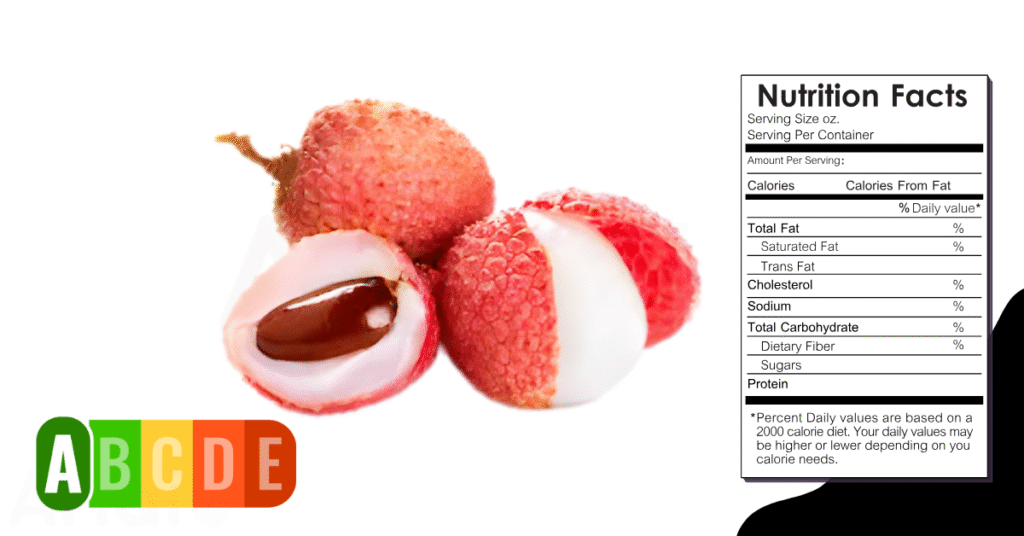
The many health benefits of lychees can be further explained through their impressive nutrition facts, as analyzed in detail below. This fruit is a low-calorie, high-moisture food that delivers a substantial micronutrient load relative to its energy density.
Lychee nutrition table
Lychees are primarily composed of water and carbohydrates, with minimal fat and protein. The following table breaks down the macronutrient profile for a standard 100-gram portion and a typical 1-cup serving (190g). The Daily Recommended Intake (DRI) percentages are based on a standard 2,000-calorie diet.
| Nutrient | Per Serving (1 cup / 190g) | DRI % (Serving) | Per 100 grams | DRI % (100g) |
|---|---|---|---|---|
| Calories | 125 kcal | 6% | 66 kcal | 3.3% |
| Protein | 1.6 g | 3% | 0.83 g | 1.5% |
| Carbs | 31.4 g | 11% | 16.5 g | 5.5% |
| Total Fat | 0.8 g | 1% | 0.44 g | 0.5% |
| Cholesterol | 0 mg | 0% | 0 mg | 0% |
How many calories are in lychees?
Lychees are considered a low-calorie-density food. A 100-gram serving contains only 66 calories. If you consume a full cup, which is about 190 grams, you are ingesting approximately 125 calories. This makes it a smart snack for volume eaters. The water content helps you feel full without blowing your daily energy budget. To put this in perspective, it would take roughly 12 to 15 minutes of jogging or 30 minutes of brisk walking to burn off the calories found in one cup of fresh lychees.
How much protein is in lychees?
You should not rely on lychees for your protein intake. They provide a very modest 0.83 grams of protein per 100 grams. A large 1-cup serving bumps this up to just 1.6 grams. This covers only about 3% of your daily requirement. While it contributes to the overall amino acid pool, it is negligible compared to legumes, nuts, or animal products.
How many carbs are in lychees?
Carbohydrates are the primary source of energy in this fruit. A 100-gram serving delivers 16.5 grams of carbs, while a full cup contains about 31.4 grams. Most of these carbohydrates come from natural sugars, which give the fruit its signature sweetness. While they are high in sugar, they also provide dietary fiber, which aids in digestion.
How much fat is in lychees?
Lychees are virtually fat-free. A 100-gram portion contains just 0.44 grams of fat. Even a large serving of one cup stays under 1 gram total. The specific breakdown of fatty acids reveals trace amounts of healthy unsaturated fats.
| Fat Type | Per Serving (190g) | Per 100 grams |
|---|---|---|
| Total Fat | 0.8 g | 0.44 g |
| Saturated Fat | ~0.2 g | ~0.1 g |
| Monounsaturated Fats (MUFAs) | 0.2 g | 0.1 g |
| Polyunsaturated Fats (PUFAs) | 0.25 g | 0.13 g |
Are lychees high in cholesterol?
No, lychees contain 0 mg of cholesterol. Like all plant-based foods, they are naturally cholesterol-free. This makes them a heart-healthy choice for individuals looking to manage their blood lipid levels.
Minerals in lychees
Lychees are an excellent source of specific trace minerals, particularly copper. The table below highlights the most significant minerals found in a 1-cup serving.
| Mineral | Amount (Per Serving) | Daily Value (DV) | Health Benefit |
|---|---|---|---|
| Copper | 0.437 mg | 49% | Essential for red blood cell formation and heart health. |
| Manganese | 0.627 mg | 27% | Supports bone formation and metabolism. |
| Potassium | 325 mg | 7% | Helps regulate blood pressure and fluid balance. |
| Magnesium | 30.8 mg | 7% | Vital for muscle and nerve function. |
Copper is the standout mineral here. One cup provides nearly half of your daily copper requirement. This is crucial for maintaining healthy blood vessels and immune function. Potassium is also present in decent amounts, helping to offset the effects of sodium in the diet.
Vitamins in lychees
The vitamin profile of lychee is dominated by Vitamin C. The following table details the most abundant vitamins in a standard serving.
| Vitamin | Amount (Per Serving) | Daily Value (DV) | Health Benefit |
|---|---|---|---|
| Vitamin C | 136 mg | 151% | Powerful antioxidant for immunity and skin health. |
| Vitamin B6 | 0.19 mg | 11% | Supports brain health and metabolism. |
| Riboflavin (B2) | 0.12 mg | 10% | Helps convert food into energy. |
| Folate (B9) | 26.6 µg | 7% | Crucial for cell division and DNA synthesis. |
Lychees are a Vitamin C powerhouse. A single serving delivers 151% of your daily needs. This makes it superior to oranges gram-for-gram in terms of this specific antioxidant. It also contains a good spectrum of B-complex vitamins which are essential for energy metabolism.
Lychees Risks and Side Effects
While lychees are nutritious, they carry specific risks that consumers must understand. Allergies are a primary concern for some individuals. Reactions can range from mild itching and rashes to swelling of the lips and throat. This is often due to cross-reactivity with birch pollen, mugwort pollen, or sunflower seeds. If you have a known sensitivity to these allergens, you should approach lychees with caution.
Another serious risk involves the toxin hypoglycin A, found in the seeds and unripe flesh. This compound can cause a rapid drop in blood sugar. This condition, known as hypoglycemic encephalopathy, has been linked to outbreaks of illness in malnourished children in India who consumed large quantities of unripe fruit on an empty stomach. For the average, well-nourished adult eating ripe fruit, this risk is extremely low. However, you should never eat the seed or consume unripe green lychees.
People with diabetes must also monitor their intake carefully. Although lychees have a moderate glycemic index, they are high in natural sugars. Eating them in excess can cause blood glucose spikes. It is advisable to pair the fruit with a source of protein or fat to slow sugar absorption. Pregnant women are often advised to consume lychees in moderation due to the potential for hormonal imbalance and the risk of internal heat, according to traditional medicine, though scientific evidence on this specific risk remains limited.
Debunking myths about lychees
Myth: Lychee seeds are edible and healthy like nuts.
Fact: Lychee seeds contain methylene cyclopropyl-alanine (MCPA) and should never be eaten as they can cause toxicity and severe hypoglycemia.
Myth: You can eat as many lychees as you want because they are fruit.
Fact: Consuming more than 10 to 12 lychees per sitting can lead to high sugar intake and potential digestive upset due to their osmotic effect.
Myth: Lychees are dangerous for everyone.
Fact: They are safe for the vast majority of people when eaten ripe and in moderation, and the dangerous outbreaks were isolated to specific cases of malnutrition and unripe fruit consumption.
Lychees Substitutes
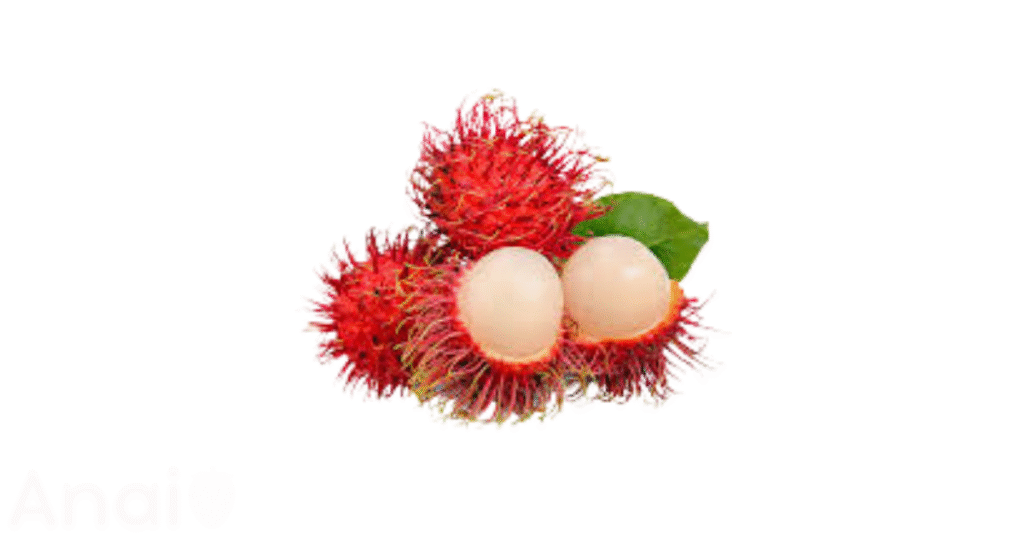
If you cannot find fresh lychees, several other fruits offer similar nutritional profiles and textures. The table below compares lychee with its most common alternatives regarding key nutrients per 100 grams.
| Fruit | Calories | Vitamin C | Carbs | Fiber |
|---|---|---|---|---|
| Lychee | 66 kcal | 71.5 mg | 16.5 g | 1.3 g |
| Rambutan | 82 kcal | 4.9 mg | 20.9 g | 0.9 g |
| Longan | 60 kcal | 84 mg | 15.1 g | 1.1 g |
| Mango | 60 kcal | 36.4 mg | 15 g | 1.6 g |
Rambutan is the closest botanical relative to the lychee. It features a similar translucent white flesh and a central seed. The main benefit of using this option is the texture match, which is creamy and grape-like. However, the skin is covered in soft, hair-like spines, making it harder to peel. It is also slightly higher in calories and lower in Vitamin C compared to lychee.
Longan, often called “dragon’s eye,” serves as an excellent substitute for those who find lychee too floral. The flesh is sweeter and muskier with less acidity. A significant advantage is that it often contains even more Vitamin C than lychee. The drawback is that the fruit is smaller, meaning you have to peel more individual units to get the same amount of edible flesh.
Canned Lychee is the most convenient year-round substitute when fresh fruit is out of season. It is widely available in Asian markets and retains the distinct floral aroma. The primary benefit is accessibility and long shelf life. However, the major downside is the added sugar from the heavy syrup, which significantly increases the calorie and carbohydrate count compared to the fresh variety.
Mango provides a similar tropical sweetness and juiciness, though the texture is different. It is much easier to find in standard grocery stores. While it offers a great burst of flavor and plenty of Vitamin A, it lacks the specific rose-like floral notes that make lychee unique. It serves well in fruit salads where a general tropical vibe is required rather than a specific texture match.
Popular Lychee Diets
How to add lychees safely into your diet? Choosing the right diet is important to ensure that you are meeting your nutritional needs while also enjoying the foods you eat. Here are a few of the available lychees-friendly diet options:
- The Mediterranean Diet
- The Whole-Foods Plant-Based Diet (WFPB)
- The Flexitarian Diet
- The Fruitarian Diet
| Diet Type | Key Focus | Role of Lychee | Benefits | Drawbacks |
|---|---|---|---|---|
| Mediterranean | Healthy fats, whole grains, produce | Dessert substitute | Heart health, sustainable | Can be expensive |
| WFPB | Unprocessed plant foods | Vitamin source | High fiber, disease prevention | Requires B12 planning |
| Flexitarian | Mostly plants, occasional meat | Flavor enhancer | Flexible, easy to follow | Less structure |
| Fruitarian | Raw fruits (75%+ of diet) | Caloric staple | High hydration, detoxifying | High risk of malnutrition |
The Mediterranean Diet is widely considered the gold standard for long-term health. It emphasizes fruits, vegetables, whole grains, and healthy fats like olive oil. Lychees fit perfectly here as a natural replacement for processed sugary desserts. Instead of cake, you might enjoy a bowl of fresh lychees. This diet is highly rated for cardiovascular health. However, you must still practice portion control with sweet fruits to manage glycemic load.
The Whole-Foods Plant-Based Diet eliminates animal products and focuses on unrefined ingredients. Lychees provide essential Vitamin C and copper in this regimen. Since this diet relies on volume eating, the high water content of lychees helps with satiety. It is excellent for weight management. The main downside is the need to supplement specific nutrients like Vitamin B12, which are not found in plants or lychees.
The Flexitarian Diet offers a middle ground. It is primarily vegetarian but allows for occasional meat consumption. Here, lychees are versatile. They can be used in savory dishes, such as accompanying pork or chicken, or eaten fresh. This diet is practical for families. It provides the benefits of plant-based eating without rigid restrictions.
The Fruitarian Diet is the most extreme option listed. It involves consuming a diet comprised of at least 50% to 75% raw fruit. Lychees are a staple here due to their energy density compared to watery melons. While this provides massive amounts of antioxidants, it is generally not recommended by nutrition experts for long periods. It lacks protein, healthy fats, and vital minerals. It can also lead to dangerous blood sugar fluctuations.
How to Cook Lychees?
Raw lychees are the most nutritious way to consume this fruit. Eating them uncooked preserves 100% of their Vitamin C, which is a heat-sensitive nutrient. You simply peel the skin and remove the seed. This method offers the best texture, often described as a mix between a grape and a pear. It requires zero prep time aside from peeling. The only “drawback” is the short shelf life of fresh fruit, which ferments quickly at room temperature.
Boiled lychees are frequently used to create syrups, jellies, or canned preparations. You might simmer the fruit in water and sugar to create a compote. This is excellent for cocktails or toppings. However, this method results in significant nutrient loss. Vitamin C is water-soluble, meaning it leaches out into the cooking liquid. If you discard the liquid, you lose the vitamins. The high heat also degrades the antioxidant compounds.
Fried lychees appear in savory Asian cuisine, often as part of a stir-fry. Adding the fruit toward the end of the cooking process adds a burst of sweetness to salty dishes. The heat caramelizes the natural sugars on the surface. This creates a complex flavor profile. While some nutrients are lost to heat, the quick cooking time retains more vitamins than boiling. It pairs exceptionally well with pork or duck.
Frozen lychees can be transformed into sorbets or granitas. While not “cooking” with heat, processing them this way changes their culinary structure. You can blend the flesh with lime and freeze it. Freezing preserves the majority of the nutrients. It is a fantastic method for extending the life of the fruit beyond its short season. It provides a fat-free dessert option that mimics the satisfaction of ice cream.
Easy Lychee Recipes
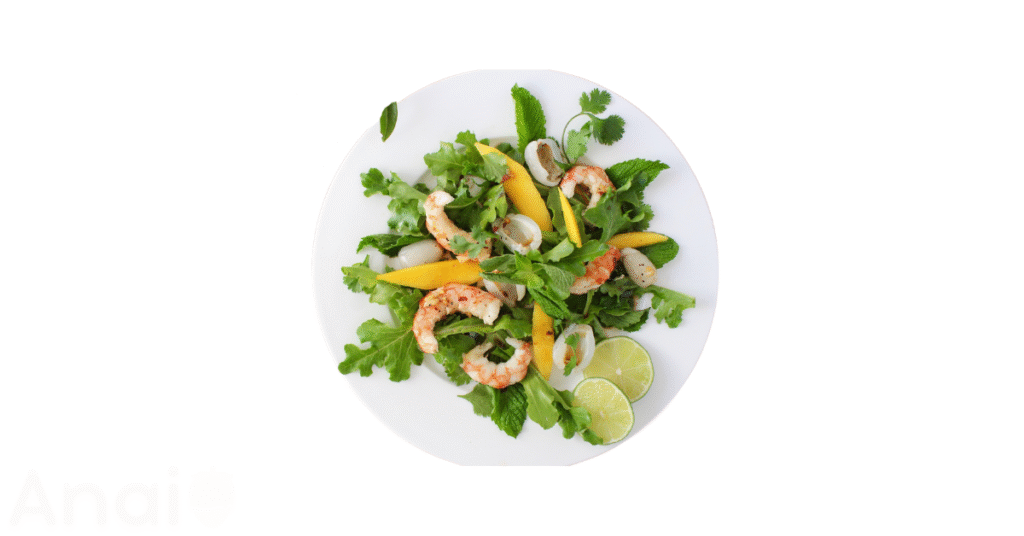
These lychee recipes discussed here can help increase lychees intake without compromising taste. Integrating this fruit into meals adds floral sweetness and moisture to diverse dishes.
Breakfast ideas with lychees
Lychee Yogurt Parfait creates a protein-packed start to the morning. Layer Greek yogurt or cream cheese with peeled, pitted lychees. You can add texture by sprinkling crushed Brazil nuts or granola on top. This provides a balance of probiotics, fats, and Vitamin C.
Lychee and Coconut Oatmeal brings tropical flair to a warm staple. Stir chopped fresh lychees into cooked oats just before serving. The residual heat warms the fruit without destroying its texture. Top with coconut flakes for added healthy fats.
Lychee Smoothie is perfect for a quick, on-the-go meal. Blend fresh or canned lychees with banana, milk (dairy or plant-based), and ice. You can substitute milk with yogurt for a thicker consistency. This delivers a massive hydration boost first thing in the morning.
Lunch ideas with lychees
Thai Lychee and Prawn Salad offers a sophisticated balance of sweet and savory. Combine cooked prawns, bean sprouts, and peeled lychees. Dress it with a mixture of lime juice, fish sauce, and chili. The protein from the prawns keeps you full, while the lychee provides a cooling contrast to the chili heat.
Vegetarian Lychee Arugula Salad is a lighter option. Toss peppery arugula with sliced radishes and halved lychees. A vinaigrette made from lychee juice and walnut oil ties it together. The fiber content is high, aiding digestion throughout the afternoon.
Lychee Ceviche uses the fruit’s texture to mimic seafood or complement it. Marinate white fish or simply mix lychees with lime juice, cilantro, and red onions. The acid “cooks” the ingredients. It is a refreshing, low-fat lunch option.
Dinner ideas with lychees
Sweet and Sour Lychee Meatballs replace pineapple with lychee for a floral twist. Fry pork or chicken meatballs until brown. Simmer them in a sauce made of vinegar, ketchup, and soy sauce, then add the lychees at the end. The fruit softens slightly and absorbs the savory sauce.
Glazed Lychee Pork utilizes the fruit’s natural sugars for caramelization. Sear pork chops or tenderloin. Create a glaze using pureed lychees and ginger. The enzymes in the fruit can help tenderize the meat if used in the marinade.
Lychee Curry is a bold vegetarian or meat-based option. Add whole peeled lychees to a red Thai curry simmered with coconut milk. The fruit explodes with sweetness to counteract the spicy curry paste. It adds bulk to the meal for very few calories.
Simple tips to add lychees to your diet
For people who don’t have the time to implement any of the previous meal ideas, there are simple tips to add Lychees to their diet:
- Infuse your water: Drop peeled, pitted lychees into a pitcher of water for a subtle floral flavor.
- Freeze them whole: Eat frozen lychees as a natural popsicle; the texture becomes like sorbet.
- Sweeten your tea: Use lychee syrup or fresh juice to sweeten green or black tea instead of sugar.
- Cheese board addition: Pair fresh lychees with mild cheeses like brie or mild cheddar for a snack.
- Cocktail garnish: Use a whole lychee instead of an olive in martinis or tropical drinks.
- Dehydrate them: Dry lychees in the sun or an oven to make “lychee nuts” for a chewy, raisin-like snack.
- Instant topping: Chop them up and sprinkle over store-bought vanilla ice cream.
Lychee Storage Tips
Knowing how to cook lychees is only a part of the equation, and the importance of knowing lychees storage tips to make those meals last for longer cannot be overstated. Since this fruit stops ripening the moment it is picked, proper storage is the only way to maintain that delicate floral scent and juicy texture.
Shelf life of lychees
- At room temperature: Approximately 3 days (quality degrades quickly).
- In the refrigerator: Up to 1 week (potentially 10 days if stored perfectly).
- In the freezer: Up to 1 year.
How to store lychees?
The first step in storage happens at the grocery store. You must choose ripe berries with bright red or pink skin. A ripe lychee feels slightly firm but yields a little to pressure, similar to a grape. Avoid any fruit that is already soft, mushy, or cracked. Once you bring them home, do not leave them on the counter for long. They ferment and lose their luster rapidly at room temperature.
For short-term storage, moisture management is critical. Lychees thrive in high humidity but will mold if trapped in a sealed environment without airflow. You should keep the husk on the fruit until you are ready to eat it. The shell acts as a natural protective barrier against oxidation and moisture loss.
How to refridgerate lychees?
Refrigeration is the best method for keeping lychees fresh for immediate snacking, provided you do not seal them too tightly.
- Place your lychees in a plastic bag or a container, but leave it open.
- Do not use an airtight lid, as trapped moisture promotes rapid mold growth.
- If your fridge has a produce drawer with humidity control, set it to high humidity (between 90 and 98%).
- Mist the fruit with water once a day to keep the husks from turning brown and brittle.
- Check daily and discard any fruit that smells fermented or feels mushy.
How to freeze lychees?
Freezing is the optimal choice for long-term preservation, allowing you to enjoy this summer treat year-round.
- Spread the lychees in a single layer on a rimmed baking sheet (peeling is optional, but peeling now saves time later).
- Place the sheet in the freezer for about 2 hours until the fruit is completely hard.
- Transfer the individually frozen berries into an airtight freezer bag.
- Squeeze out as much air as possible before sealing to prevent freezer burn.
- Label the bag with the date and store for up to 1 year.
- Thaw in the bowl in the fridge when ready to eat; note that the peel will turn brown, but the taste remains unaffected.
Signs of Spoilage in lychees
It is vital to inspect your fruit before consumption, as fermented lychees can taste unpleasant and potentially cause illness.
- Brown husk (if fresh/not frozen).
- Soft or mushy texture when squeezed.
- Cracked skin or weeping liquid.
- Odd, fermented, or sour odor rather than a sweet floral scent.
6 Smart Lychee Home Remedies
Are there any less-known tips to unlock the nutritious profile of lychees? The following lychees remedies can have a positive effect on overall well-being.
- Anti-Aging Face Mask. As you age, free radicals damage skin cells and accelerate wrinkle formation. Lychees are rich in antioxidants that combat this oxidative stress. To make this mask, take 4-5 deseeded and peeled lychees and mash them with ¼ ripe banana. Mix until a smooth paste forms. Gently massage this onto your face and neck using circular motions. Leave the mask on for 15 minutes before rinsing with cold water to help tighten the skin.
- Blemish Removal Treatment. Hyper-pigmentation and acne spots can be stubborn. The high Vitamin C content in lychee juice makes it a potent natural fader for blemishes. Simply mash 4-5 peeled and deseeded lychees to extract the juice and make a paste. Soak cotton balls in this mixture and apply it directly to affected areas. Let it sit for 15 minutes, then wipe off with a clean washcloth soaked in cold water.
- Sunburn Soothing Blend. Excessive sun exposure leads to redness, blisters, and pain. Combining lychee with Vitamin E creates a soothing topical treatment. Extract the juice from 3-4 lychee pulps by mashing and straining them. Puncture one Vitamin E capsule and mix the oil into the juice. Apply this mixture to the sunburned skin and rinse with cold water after 30 minutes. The combination helps reduce inflammation and irritation.
- Hair Growth Scalp Massage. Copper peptides are known to enlarge hair follicles and reduce the resting phase of hair growth. Lychee is an excellent natural source of copper. To stimulate follicles, extract the juice from 7-8 lychees and mix it with 2 tablespoons of aloe vera gel. Massage this mixture vigorously into your scalp. Leave it on for 60 minutes before washing it out with a mild shampoo.
- Natural Hair Shine Conditioner. Weather conditions can strip moisture from your hair, leaving it dull. The Vitamin C, copper, and iron in lychees help maintain original hair color and refurbish natural shine. Mash the pulp of 8-10 lychees and apply it directly to your hair as a mask. Wash thoroughly after 15 minutes. This can give your mane a distinct bounce and shine.
- Lychee Peel Tea. Do not discard the husks, as they contain beneficial compounds (though caution is advised). Dehydrate the peels of 4 lychee fruits in the sun for one day. Boil one cup of water and add the dried peels. Cover and let it soak for 3 minutes before removing the peels. Warning: Limit consumption to small amounts, as excessive intake may cause abdominal pain or diarrhea.
Lychees and Weight Management

There are multiple health benefits, and home remedies using lychees, but what is their role in weight management? This section will analyze lychees potential impact on weight loss, low-calorie diets, satiety, and metabolism.
Can lychees help with weight loss?
Lychee fruit possesses specific biological mechanisms that may assist in shedding pounds. Beyond just being a fruit, lychees contain compounds that can inhibit pancreatic enzymes responsible for digesting dietary fats. By reducing the absorption and accumulation of fat in the body, lychees can be a functional food in the fight against obesity. Furthermore, the high water and fiber content aids in digestion and elimination, preventing the bloating that often masks weight loss progress.
Lychees in low-calorie diets
For those tracking energy intake, lychees are a volume-friendly option. According to the United States Nutrient Database, a 100-gram serving of lychee provides only 66 calories. It contains negligible amounts of fat (0.44 grams) and no cholesterol. This allows dieters to consume a satisfying portion of sweet food without significantly impacting their daily caloric deficit. Replacing high-calorie processed desserts with fresh lychees is a statistically sound strategy for calorie reduction.
Lychees and satiety
Feeling full is crucial for adhering to any weight management plan. Lychees are approximately 81.8% water, which provides immediate volume in the stomach. Additionally, they contain 1.3 grams of dietary fiber per 100 grams. This fiber adds bulk to the diet, slowing down digestion and extending the feeling of fullness after a meal. This helps control appetite and reduces the likelihood of overeating or snacking on less nutritious foods later in the day.
Lychees and metabolism
A sluggish metabolism can hinder weight management efforts. Lychees are rich in B-complex vitamins, including thiamin, niacin, and folates. These vitamins act as co-factors in metabolic processes, helping the body metabolize carbohydrates, proteins, and fats efficiently. Moreover, studies on phenolic compounds found in lychees, such as oligonol, suggest they help regulate glucose metabolism and decrease insulin resistance. Improved insulin sensitivity prevents the body from storing excess sugar as fat.
Lychees for Health Conditions
While weight management is important, do lychees have an effect in more serious health conditions? Here’s what the scientific literature has to say:
Lychees and diabetes
Managing blood sugar is critical for long-term health. Research suggests adding lychee to your diet supports blood sugar control through specific biological mechanisms. One animal study conducted by the National Cheng Kung University in Taiwan reported that lychee extract decreased insulin resistance in mice (Richards, 2021). Insulin resistance is a precursor to Type 2 diabetes. By improving the body’s sensitivity to insulin, glucose is processed more efficiently. Additionally, specific phenolic compounds like Oligonol have been observed to regulate glucose metabolism. It is important to note that while the fruit is sweet, the fiber content (1.3g per 100g) helps stabilize blood sugar spikes by slowing absorption.
Lychees and heart health
Cardiovascular disease remains a leading cause of death globally. Lychees offer a dual approach to heart health through antioxidants and minerals. A small 12-week study involving overweight women found that those supplementing with Oligonol, a polyphenol derived from lychee, exhibited significantly lower triglyceride levels (Painter, 2024). High triglycerides are a major risk factor for heart disease. Furthermore, lychees are an excellent source of potassium (325 mg per cup). This mineral acts as a vasodilator. It relaxes blood vessels and reduces sodium-induced high blood pressure (Kubala, 2024).
Lychees and digestive issues
Digestive health relies heavily on fiber intake and inflammation control. Traditional Chinese Medicine has utilized lychees for centuries to treat stomach ailments. Modern science backs this up with data on fiber content. A single cup provides 2.5 grams of dietary fiber, which adds bulk to the stool and promotes regularity (Link, 2019). This helps prevent constipation and keeps the gastrointestinal tract moving. The high water content also aids in soothing the stomach lining and preventing dehydration-related digestive cramps.
Lychees and inflammation
Chronic inflammation is the root of many autoimmune and chronic disorders. Lychees are packed with flavonols that combat this issue at a genetic level. An in vitro study published in the journal PLoS One demonstrated that flavonol-rich lychee extract effectively suppressed the expression of specific genes involved in the inflammatory process (Link, 2019). Additionally, a study involving young men showed that Oligonol supplementation resulted in lower levels of cortisol and inflammation markers following exercise (Painter, 2024). This suggests lychee compounds help the body recover from physical stress faster.
Lychees and cancer prevention
The potential anti-cancer properties of lychees are a subject of growing interest in the scientific community. A 2017 review published in Nutrients highlighted that the pulp, peel, and seed of the lychee fruit contain potent compounds capable of inhibiting tumor formation (Choudhary, 2025). Specifically, laboratory studies on cancerous cells from the breast, liver, cervix, prostate, skin, and lung showed that phenolic compounds like anthocyanins could decrease cancer cell growth (Leal, 2025). While these are primarily pre-clinical studies, the high concentration of antioxidants suggests a protective effect against cellular mutations.
The evidence suggests that bioactive compounds in lychees offer protective benefits across multiple bodily systems, particularly regarding inflammation and metabolic health.
| Health Category | Benefits | Type of Study | Quality of Evidence | Sources |
|---|---|---|---|---|
| Diabetes | Decreased insulin resistance; glucose regulation | Animal Study | Pre-clinical | Choudhary (2025); Richards (2021) |
| Heart Health | Lowered triglycerides; blood pressure regulation | Human Trial (Small) | Moderate | Painter (2024); Kubala (2024) |
| Digestion | Improved regularity; symptom relief | Nutritional Analysis | Established Fact | Link (2019); Nelson (2025) |
| Inflammation | Gene suppression of inflammation; lower cortisol | In vitro & Human Trial | Moderate | Arnarson (2023); Painter (2024) |
| Cancer | Inhibition of tumor formation and cell growth | In vitro & Review | Pre-clinical | Choudhary (2025); Richards (2021) |
Lychee Nutrition: A Final Word
We have covered a vast amount of ground regarding this tropical fruit. From the 11 functional health benefits of lychees and detailed lychee nutrition facts to understanding lychees risks and side effects. We also explored practical applications, including lychees substitutes, popular lychee diets, and essential lychee storage tips. You now have the tools to use 6 smart lychee home remedies and understand the relationship between lychees and weight management, as well as the science behind lychees for health conditions.
Here are a few key takeaways to remember:
- A single cup of lychee provides 151% of your Daily Value for Vitamin C.
- Lychees contain Oligonol, a unique polyphenol linked to reduced belly fat and fatigue.
- Unripe lychees contain hypoglycin A and should never be eaten on an empty stomach.
- The fruit is a drupe, not a berry, and is related to maple and chestnut trees.
- Fresh lychees do not ripen after picking; you must select fruit with bright red skin.
- Lychee seeds are toxic and contain MCPA; they should strictly be avoided.
This article was last updated in March 2026.
Follow Anai.ai to stay informed about the latest nutrition and well-being news, tips and articles.
Lychee Nutrition FAQs

This section addresses common queries regarding lychee consumption, offering data-driven insights on daily intake limits and storage longevity. We answer critical questions about pet safety and spoilage signs to ensure you maximize the fruit’s health benefits safely.
What are lychees good for?
Lychees are primarily beneficial for bolstering immune defense, as a single cup provides 151% of the Daily Value (DV) for Vitamin C. They also support cardiovascular health through high levels of copper and potassium (325 mg per serving), which help regulate blood pressure and red blood cell formation. Additionally, they contain unique antioxidants like epicatechin and rutin, which actively fight oxidative stress and chronic inflammation throughout the body.
Are lychees healthy?
Yes, lychees are a nutrient-dense addition to a balanced diet, offering a higher concentration of polyphenols compared to many other common tropical fruits. While they contain 15.2 grams of sugar per 100 grams, they also provide 1.3 grams of fiber to aid digestion and modulate sugar absorption. Their rich profile of B-complex vitamins, such as thiamin, niacin, and folate, further supports efficient metabolism and cellular energy production.
Are lychees fattening?
Lychees are generally not fattening when consumed in moderation, as they contain only 66 calories per 100 grams. They are composed of approximately 82% water, which promotes satiety and helps control overall caloric intake by adding volume to your stomach. However, due to their sweet taste and high simple carbohydrate content, routinely eating them in excess of the recommended 1 cup serving could contribute to a caloric surplus and hinder weight loss efforts.
Who should avoid lychees?
Individuals with diabetes should exercise caution due to the fruit’s moderate glycemic index and 29 grams of sugar per cup. People with known allergies to birch pollen, latex, or sunflower seeds may experience cross-reactivity symptoms and should avoid consuming them. Furthermore, malnourished individuals and children must strictly avoid unripe green lychees, as they contain the toxin hypoglycin A, which can cause dangerous and rapid drops in blood sugar levels.
Can I eat lychees daily?
You can eat lychees daily, but nutritionists recommend limiting consumption to about 10 to 12 fruits per day to avoid blood sugar spikes and potential “internal heat” as described in traditional medicine. Consuming this amount ensures you receive your daily antioxidant boost without exceeding sugar limits or causing digestive upset from the osmotic effect of the fruit’s acids. This portion size keeps you well within the safe upper limit for Vitamin C intake while maximizing functional health benefits.
Can dogs eat lychees?
Dogs can eat the white flesh of lychees in very small quantities, as it is non-toxic, but the skin and seed are dangerous and must be strictly removed. The seeds pose a significant choking hazard and contain compounds that can severely disturb a dog’s digestive system. Due to the high sugar content, even the safe flesh should be treated as a rare occasional treat, restricted to one or two pieces, to prevent obesity or upset stomach in pets.
Can cats eat lychees?
While the white flesh of the lychee is not toxic to cats, it is generally recommended to avoid feeding it to them due to the high sugar content which their digestive systems cannot handle efficiently. Cats are obligate carnivores and lack the necessary enzymes, like glucokinase, to process carbohydrates effectively, meaning the fruit offers no nutritional value to them. Furthermore, the skin and stone pose a significant choking hazard and contain compounds that can cause internal blockages or toxicity.
How long do lychees last in the fridge?
When stored correctly in the refrigerator, fresh lychees typically maintain their quality for 5 to 7 days. If you utilize a perforated plastic bag and keep them in a high-humidity crisper drawer, you may extend their shelf life to approximately two weeks. However, be aware that the vibrant red skin will naturally turn brown within 48 hours of cold storage, even if the fruit inside remains juicy and safe to eat.
Can you freeze lychees?
You can absolutely freeze lychees, and doing so extends their shelf life significantly to up to 12 months. The best method is to freeze them whole with the skin intact, which acts as a natural barrier against freezer burn and preserves the Vitamin C content. Once frozen, the texture changes to a sorbet-like consistency, making them an excellent cooling snack that retains their nutritional profile without the need for added preservatives.
How to tell if lychees are bad?
The most reliable indicator of a spoiled lychee is a distinct fermented or sour smell that replaces its natural floral fragrance. Physically, the fruit will feel excessively soft or mushy when squeezed, and the husk may be cracked or leaking fluid. If you peel the fruit and the flesh has turned from translucent white to a brown or grey color, it is no longer safe for consumption and should be discarded immediately.
How long are lychees good for?
Lychees are highly perishable, lasting only 2 to 3 days at room temperature before they begin to ferment and lose moisture. Refrigeration extends this window to roughly one week, ensuring the fruit retains its flavor and 82% water content. For long-term storage, freezing is the only option that keeps them good for one year, as the fruit stops ripening the moment it is harvested and begins to degrade immediately.
How to keep lychees fresh?
To maximize freshness, store unpeeled lychees in a plastic bag that is left slightly open to allow for necessary air circulation. Trapping them in an airtight container promotes mold, while leaving them exposed dries them out; the goal is to maintain a high humidity environment of 90% to 98%. Misting the husks with water daily prevents the skin from becoming brittle and helps the fruit retain its internal moisture for several extra days.