
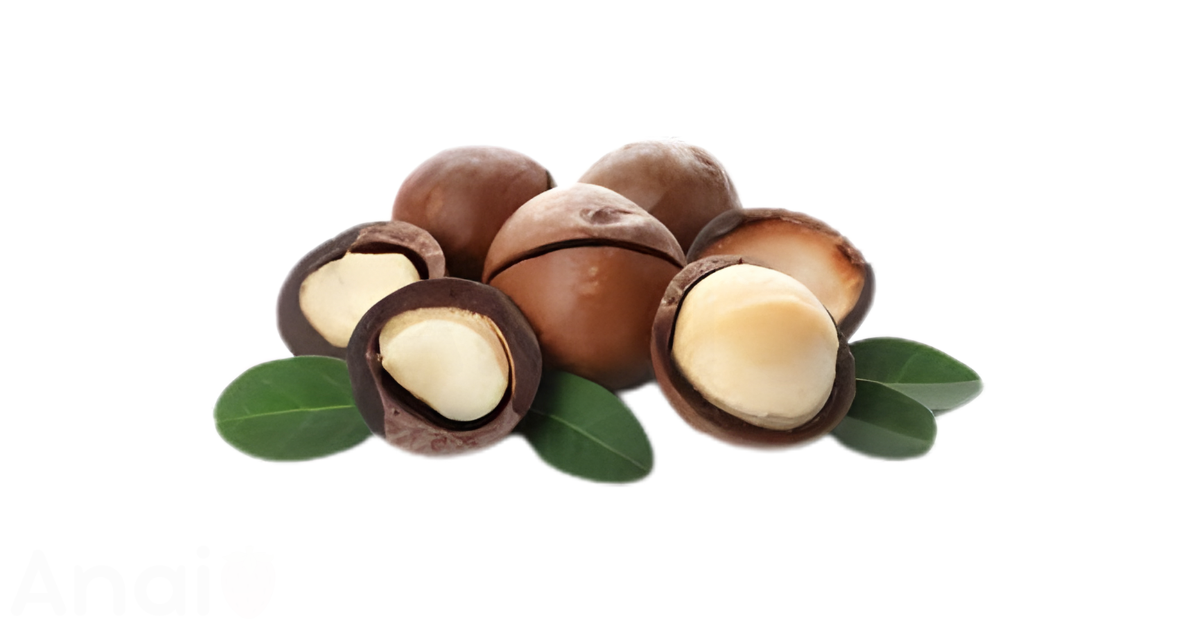
Are Macadamia Nuts Good for You?
Macadamia nuts are a nutritional powerhouse. They are incredibly calorie-dense, yet they are packed with essential vitamins and minerals. Research indicates that these nuts are rich in monounsaturated fats. This is the same type of heart-healthy fat found in olive oil (Kubala, 2025).
Macadamia nuts are low in carbohydrates and sugar. This makes them a smart choice for various dietary needs. They boast a moderate fiber content. This combination helps prevent spikes in blood sugar levels. They are naturally gluten-free. Most health experts agree that moderate consumption provides significant health advantages without contributing to weight gain.
This article provides a deep dive into the following topics: 13 confirmed health benefits of macadamia nuts, Macadamia nut nutrition facts, Macadamia nuts risks and side effects, Macadamia nuts substitutes, Popular macadamia nut diets, Macadamia nut storage tips, 9 smart macadamia nut home remedies, Macadamia nuts and weight management, and Macadamia nuts for health conditions.
We have compiled the latest information as of October 2026 to ensure you have the most current data available.
13 Confirmed Health Benefits of Macadamia Nuts
Macadamia nuts are more than just a tasty snack. They are a functional food with a robust nutritional profile. Scientists have extensively studied these nuts for their impact on human health. The following benefits are not just hearsay. The health benefits below give general nutrition information; please talk to a doctor or registered dietitian before changing your diet for a health reason.
1. Rich in Essential Nutrients
Macadamia nuts are calorically dense but nutrient-rich. A single 1-ounce (28-gram) serving contains approximately 204 calories (Begum, 2024). This small serving provides 23 grams of fat, but the majority is healthy monounsaturated fat.
You also get a significant mineral boost. One serving delivers 58% of the Daily Value (DV) for Manganese. This mineral is vital for metabolism and bone structure. The same serving offers 22% of the DV for Thiamine and 11% of the DV for Copper (Petre, 2019). Each bite adds substantial nutritional value to your daily intake.
2. High Antioxidant Load
Your body needs help fighting oxidative stress. Macadamia nuts are an excellent source of antioxidants. These compounds neutralize free radicals. Free radicals are unstable molecules that can cause cellular damage (Petre, 2019).
These nuts boast some of the highest flavonoid levels among all tree nuts. Flavonoids fight inflammation and help lower cholesterol. Additionally, they are rich in tocotrienols. This is a form of vitamin E that protects against cellular damage (Zumpano, 2025).
3. Boosts Heart Health
Heart disease remains a leading cause of death globally. Eating macadamia nuts may significantly lower your risk. Studies suggest that consuming 0.3–1.5 ounces (8–42 grams) daily can lower total and LDL (bad) cholesterol levels by up to 10% (Frey, 2024).
The high monounsaturated fat content is the key factor here. This fat is consistently linked to a lower risk of stroke and fatal heart attacks. One study noted that a macadamia-rich diet reduced cholesterol markers as effectively as a heart-healthy, low-fat diet recommended by the American Heart Association (Link, 2024).
4. Reduces Risk of Metabolic Syndrome
Metabolic syndrome is a dangerous cluster of risk factors. These include high blood pressure, high blood sugar, and excess belly fat. Research shows that macadamia nuts may protect against this syndrome (Berry, 2023).
Diets rich in monounsaturated fats help reduce these risk factors. Approximately 80% of the fat in macadamia nuts is monounsaturated. Regular intake helps regulate blood sugar and body weight in individuals with metabolic syndrome (Petre, 2019).
5. Aids in Blood Sugar Control
Managing blood sugar is crucial for preventing Type 2 diabetes. Macadamia nuts are low in carbs, containing roughly 4 grams per ounce (Begum, 2024). They also contain very little sugar.
This macronutrient profile prevents sharp insulin spikes. One review linked tree nut consumption to improved levels of hemoglobin A1c. This is a marker of long-term blood sugar control (Zumpano, 2025). Replacing carb-heavy snacks with these nuts is a smart strategy for glycemic control.
6. Supports Weight Management
It seems counterintuitive to eat high-fat nuts for weight loss. However, macadamia nuts may help you shed pounds. They are rich in protein and fiber. These nutrients reduce hunger and promote feelings of fullness (Kubala, 2025).
A study involving Japanese women yielded interesting results. Those who ate macadamia nuts lost 0.9 pounds (0.4 kg) after 3 weeks. The control group eating coconut or butter did not lose weight (Petre, 2019). Furthermore, the omega-7 fat palmitoleic acid found in these nuts may specifically protect against weight gain (Berry, 2023).
7. Improves Gut Health
Your gut relies on fiber to function correctly. Macadamia nuts contain soluble fiber. This fiber acts as a prebiotic. It feeds the beneficial bacteria in your gut.
These friendly bacteria produce short-chain fatty acids (SCFAs). Examples include acetate, butyrate, and propionate. SCFAs reduce inflammation and protect against conditions like irritable bowel syndrome (IBS) and Crohn’s disease (Petre, 2019).
8. Enhances Brain Health
Protecting your brain is essential as you age. The tocotrienols in macadamia nuts offer neuroprotective effects. Animal research indicates these compounds may protect brain cells from conditions like Alzheimer’s and Parkinson’s (Petre, 2019).
One study found that oleic acid protects the brain from oxidative stress. Oleic acid is a primary monounsaturated fat in these nuts (Berry, 2023). While more human research is needed, the potential for brain protection is promising.
9. Strengthens Bones
Calcium is not the only mineral needed for strong bones. Macadamia nuts are excellent sources of magnesium and manganese. Manganese is necessary for enzymes that activate bone growth (Zumpano, 2025).
Magnesium plays a role in bone structure. The nuts also contain phosphorus. This mineral combines with calcium to build strong bones and potentially prevent osteoporosis.
10. Promotes Skin Health
You can eat your way to better skin. Macadamia nuts contain squalene and tocotrienols. Squalene is a lipid naturally found in your skin cells. It helps maintain hydration and health (Baumann, 2023).
Tocotrienols help reduce skin damage associated with aging. The monounsaturated fatty acids may also minimize wrinkles caused by sun exposure (Begum, 2024). This makes the nut a dual-action beauty food.
11. Reduces Inflammation
Chronic inflammation is a root cause of many diseases. Eating 1.5–3 ounces (42–84 grams) of macadamia nuts daily may reduce inflammation markers. One specific marker is leukotriene B4 (Frey, 2024).
The flavonoids in the nuts also possess anti-inflammatory properties. By lowering inflammation, you lower your risk for heart disease and other chronic conditions (Zumpano, 2025).
12. May Increase Longevity
Eating nuts may help you live longer. Regular intake of nuts, including macadamias, is linked to a reduced risk of premature death. The risk reduction may be as high as one-third.
This benefit is likely a cumulative effect of the other health improvements. Better heart health and lower cancer risk contribute to a longer lifespan (Petre, 2019).
13. Potential Anticancer Properties
Emerging research suggests anticancer potential. Macadamia nuts contain flavonoids and tocotrienols. Test-tube studies indicate these compounds may fight or kill cancer cells.
Specifically, a flavonoid called galangin is present in high concentrations. Galangin has shown strong anticancer properties in preliminary studies (Kubala, 2025). While not a cure, these nuts are a valuable part of a cancer-preventative diet.
Macadamia Nut Nutrition Facts
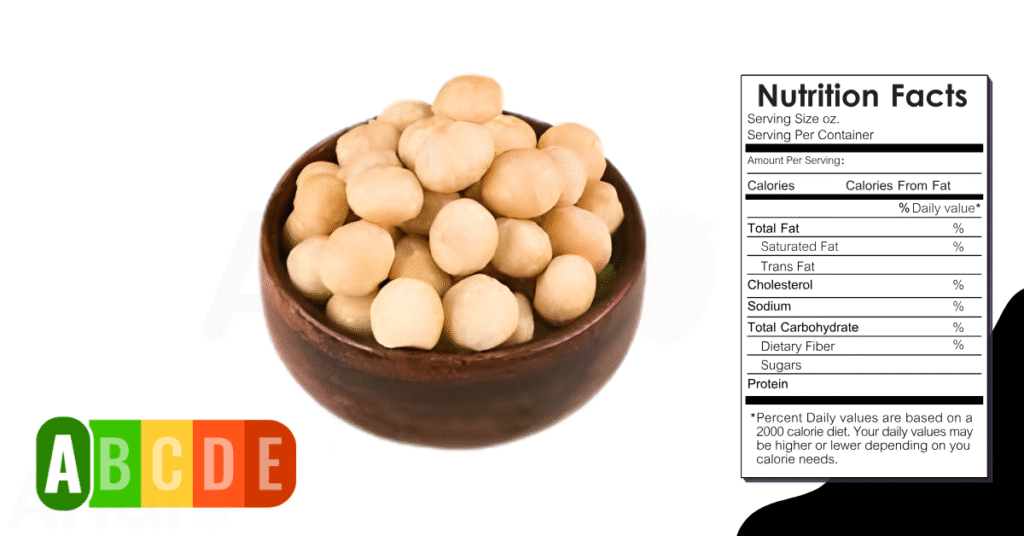
The many health benefits of macadamia nuts can be further explained through their impressive nutrition facts, as analyzed in detail below.
Macadamia Nut Nutrition Table
Macadamia nuts are nutritionally dense powerhouses. They provide a massive amount of energy and specific macronutrients in a relatively small package. Below is a breakdown of the core nutritional profile for raw macadamia nuts based on a standard 2,000-calorie diet.
| Nutrient | Per Serving (1 oz / 28g) | DRI % (Serving) | Per 100 grams | DRI % (100 g) |
|---|---|---|---|---|
| Calories | 204 | 10% | 718 | 36% |
| Protein | 2.2 g | 4% | 7.9 g | 16% |
| Carbs | 3.9 g | 1% | 13.8 g | 5% |
| Total Fat | 21.5 g | 28% | 75.8 g | 97% |
| Cholesterol | 0 mg | 0% | 0 mg | 0% |
How many calories are in macadamia nuts?
These nuts are extremely calorie-dense. A standard 1-ounce serving (about 10 to 12 kernels) contains 204 calories, which accounts for roughly 10% of your daily recommended intake. If you consume a larger amount, such as 100 grams, the caloric load jumps significantly to approximately 718 calories. This high caloric value comes primarily from the fat content. To put that energy into perspective, an average adult would need to walk briskly for about 45 minutes or run for 20 minutes to burn off the calories found in just one small handful of these nuts.
How much protein is in macadamia nuts?
Macadamias are not a primary source of protein compared to other nuts like peanuts or almonds. A single serving provides just 2.2 grams of protein, meeting only about 4% of the Daily Value. Even at 100 grams, you are only getting roughly 7.9 grams of protein. While they do contribute to your daily amino acid intake, you should pair them with other protein-rich foods if you are looking to build muscle or meet higher protein targets.
How many carbs are in macadamia nuts?
One of the reasons macadamias are a favorite in the keto community is their low carbohydrate count. A serving contains only 3.9 grams of carbohydrates, which is barely 1% of the standard daily allowance. Per 100 grams, this rises to just under 14 grams. Crucially, more than half of these carbohydrates often come from dietary fiber. This means the net carb count is exceptionally low, preventing the sharp insulin spikes associated with sugary snacks.
How much fat is in macadamia nuts?
This is where macadamias really stand out. They are approximately 75-78% fat by weight. A single 1-ounce serving delivers 21.5 grams of fat, covering 28% of your daily needs. If you were to eat 100 grams, you would consume nearly 76 grams of fat, which is practically your entire daily recommended limit. However, the quality of this fat is superior. The majority is monounsaturated fat, specifically oleic acid and palmitoleic acid, which are linked to heart health.
| Fat Type | Per Serving (1 oz) | Per 100 grams |
|---|---|---|
| Total Fat | 21.5 g | 75.8 g |
| Saturated Fat | 3.4 g | 12.1 g |
| Monounsaturated Fat (MUFA) | 16.7 g | 59 g |
| Polyunsaturated Fat (PUFA) | 0.4 g | 1.5 g |
Are macadamia nuts high in cholesterol?
Macadamia nuts contain 0 mg of cholesterol. Like all plant-based foods, they are naturally cholesterol-free. This makes them a safe choice for individuals monitoring their dietary cholesterol intake, despite their high overall fat content. In fact, the monounsaturated fats they contain actively help the liver process and remove bad cholesterol from the body.
Minerals in macadamia nuts
These nuts are an excellent source of essential minerals, particularly manganese, which is vital for bone formation and metabolism. A single serving provides over half of your daily requirement for manganese. They also supply good amounts of copper and magnesium, supporting nerve function and immunity.
| Mineral | Amount Per Serving | Daily Value (DV) | Health Benefit |
|---|---|---|---|
| Manganese | 1.2 mg | ~58% | Essential for metabolism and bone health. |
| Copper | 0.2 mg | ~22% | Aids in red blood cell formation and iron absorption. |
| Magnesium | 37 mg | ~9% | Supports muscle and nerve function. |
| Iron | 0.75 mg | ~4% | Crucial for oxygen transport in the blood. |
Macadamia nuts are essentially a mineral supplement in whole-food form. The exceptionally high manganese content stands out, as just two servings would exceed your entire daily requirement. While they contain iron, it is non-heme iron, so eating them with vitamin C-rich foods can help absorption.
Vitamins in macadamia nuts
While not as vitamin-rich as they are mineral-rich, macadamias are still a potent source of the B-vitamin complex. They are particularly high in Thiamine (Vitamin B1).
| Vitamin | Amount Per Serving | Daily Value (DV) | Health Benefit |
|---|---|---|---|
| Thiamine (B1) | 0.34 mg | ~28% | Converts food into energy and supports nerve health. |
| Vitamin B6 | 0.1 mg | ~5% | Important for brain development and immune function. |
| Vitamin E | 0.15 mg | ~1% | Acts as an antioxidant to protect cells. |
The data highlights that macadamia nuts are a functional food for energy metabolism due to their thiamine content. Although they are often cited for Vitamin E, they actually contain relatively low amounts of standard Vitamin E (alpha-tocopherol) but are rich in tocotrienols, a specific and potent form of the vitamin family.
Macadamia Nuts Risks and Side Effects
While macadamia nuts are a nutritional treasure, they pose significant risks for individuals with tree nut allergies. Tree nut allergies are among the most common food allergies and can cause anaphylaxis, a severe and potentially life-threatening reaction that constricts airways. Symptoms often appear quickly and include hives, swelling of the lips, and difficulty breathing. For those diagnosed with this allergy, strict avoidance is the only effective management strategy. This includes carrying an epinephrine auto-injector (EpiPen) at all times and diligently reading food labels, as macadamias are often processed in facilities that handle other allergens.
Beyond allergies, the sheer caloric density of these nuts presents a risk for weight gain if not portioned correctly. Eating just a few handfuls can easily add over 500 calories to your daily intake without you noticing. Individuals with kidney issues or those on strict sodium-restricted diets should also be wary of salted varieties. To manage these risks effectively, science suggests weighing out portions using a kitchen scale rather than eating directly from the bag. Opting for raw, unsalted versions mitigates the risk of excess sodium intake, which can elevate blood pressure in sensitive individuals.
Debunking myths about macadamia nuts
Myth: Roasting macadamia nuts destroys all their nutrients and makes them unhealthy.
Fact: Research published in 2021 indicates that roasting can actually improve oxidative stability and nutritional value in some contexts. While high-heat roasting may reduce some heat-sensitive vitamins, it does not render the nut unhealthy or destroy its mineral content.
Myth: Eating high-fat nuts like macadamias will instantly clog your arteries.
Fact: The majority of fat in macadamia nuts is monounsaturated fat, which is proven to lower LDL (bad) cholesterol and improve overall heart health. It is the type of fat, not just the amount, that dictates cardiovascular impact.
Myth: You should soak macadamia nuts to activate them for better digestion.
Fact: Scientific evidence supporting the “activation” of nuts via soaking is mixed and largely inconclusive. While soaking may reduce some phytates, most people can digest raw or roasted nuts efficiently without this time-consuming process.
Macadamia Nuts Substitutes
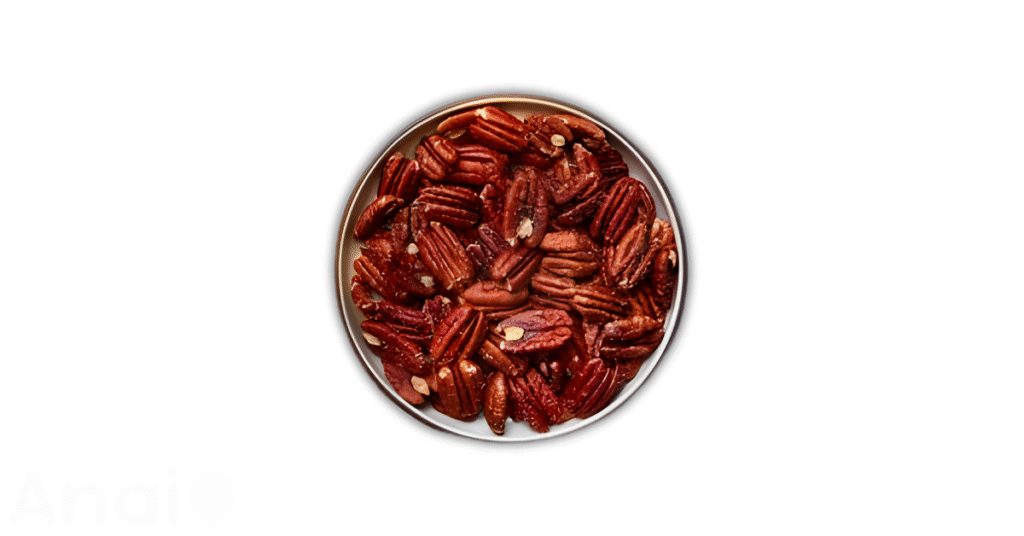
If you cannot find macadamia nuts, or if their high price tag is a deterrent, several other nuts can mimic their texture and nutritional profile. Below is a comparison of common substitutes.
| Substitute | Texture | Fat Content | Protein Content | Best Use Case |
|---|---|---|---|---|
| Brazil Nuts | Creamy/Firm | High | Moderate | Baking and Snacking |
| Cashews | Soft/Creamy | Moderate | Moderate | Sauces and Curries |
| Almonds | Crunchy | Moderate | High | Baking and Pesto |
| Pecans | Soft/Buttery | High | Low | Desserts and Pies |
Brazil Nuts are perhaps the closest textural match due to their size and high oil content. They offer a similarly rich, creamy mouthfeel that works well in cookies and baked goods. The primary benefit of using Brazil nuts is their exceptional selenium content, which supports thyroid health. However, a major drawback is that you cannot eat them in large quantities; consuming too many can lead to selenium toxicity, whereas macadamias can be eaten more freely in terms of micronutrient safety.
Cashews are a fantastic substitute when you need a creamy base for vegan sauces or dairy-free cheeses. They blend down almost as smoothly as macadamias because they are softer than almonds or walnuts. A benefit of Cashews is that they are significantly cheaper and more widely available in grocery stores. The downside is that they have a higher carbohydrate content and contain more starch, which might not be ideal for strict ketogenic diets compared to the ultra-low carb macadamia.
Almonds provide a different texture but can be used effectively in pesto or chopped into salads where macadamias might usually provide a crunch. If you use skinned (blanched) almonds, the visual appearance is quite similar. The benefit of Almonds lies in their superior protein and Vitamin E content, offering a different nutritional boost. However, they lack the buttery richness of macadamias, and their harder texture can be gritty if not processed thoroughly.
Pecans share the high-fat, buttery characteristic that makes macadamias so satisfying in desserts. They are naturally sweet and soft, making them an easy swap in pie crusts or cookies. A key benefit of Pecans is their high antioxidant capacity, which rivals that of macadamias. A drawback is that their flavor profile is distinctively “maple-like” and earthy, which might alter the intended flavor profile of savory dishes where the milder macadamia is preferred.
Popular Macadamia Nut Diets
How to add macadamia nuts safely into your diet? Choosing the right diet is important to ensure that you are meeting your nutritional needs while also enjoying the foods you eat. Here are a few of the available macadamia nuts-friendly diet options:
- Ketogenic Diet (Keto)
- Paleolithic Diet (Paleo)
- Mediterranean Diet
- Low-Carb Diet
| Diet Type | Key Focus | Macadamia Benefit | Drawbacks |
|---|---|---|---|
| Keto | High Fat, Very Low Carb | Excellent high-fat ratio (75%+) | Strict restriction on other foods |
| Paleo | Whole Foods, Hunter-Gatherer | Natural, unprocessed energy source | Excludes legumes/grains |
| Mediterranean | Healthy Fats, Plant-Based | Rich in heart-healthy MUFAs | Calorie density requires portion control |
| Low-Carb | Reduced Carbohydrate Intake | Very low net carbs (approx. 1.5g/serving) | Easy to overeat due to taste |
The Ketogenic Diet is arguably the most compatible nutritional framework for these nuts. Since Keto requires a high intake of healthy fats and minimal carbohydrates to induce ketosis, macadamias fit the macro requirements perfectly. A standard serving contains nearly 22 grams of fat and fewer than 2 grams of net carbs. This ratio helps keto dieters hit their fat macros without spiking insulin. However, the high caloric density means you must measure portions to avoid stalling weight loss.
For those following the Paleolithic Diet, the focus is on whole, unprocessed foods that our ancestors might have eaten. Macadamias are an ideal snack here because they require no processing other than cracking the shell. They provide a dense source of energy that fits the “hunter-gatherer” model. The main drawback is that Paleo dieters often rely heavily on nuts for flour substitutes, which can lead to an excessive intake of Omega-6 fatty acids if not balanced with Omega-3s.
The Mediterranean Diet emphasizes heart health and plant-based fats. While olive oil is the star of this diet, macadamia nuts are a powerful ally due to their high monounsaturated fatty acid (MUFA) content. In fact, macadamias contain palmitoleic acid, a rare fatty acid that supports healthy insulin sensitivity. The primary downside is that this diet usually encourages moderation with nuts, so you cannot eat them as freely as you might on Keto.
A standard Low-Carb Diet is less restrictive than Keto but still limits sugar and starch. Macadamias act as a fantastic tool for blood sugar management in this lifestyle. Their low glycemic index prevents the glucose spikes associated with other snacks. They are perfect for staving off hunger between meals. The risk here is simply their “moreish” nature; they are highly palatable, making it easy to consume 500+ calories in a single sitting without noticing.
How to Cook Macadamia Nuts?
Raw macadamia nuts are the most nutritionally intact option. Eating them straight from the shell ensures you get 100% of the heat-sensitive B vitamins, like thiamine. There is absolutely no nutrient loss with this method. It is the best choice for purists who want the maximum antioxidant profile. However, raw nuts lack the crunch and enhanced aroma that heat provides.
Roasted macadamia nuts are the most popular way to eat them because heat releases their natural oils and intensifies their buttery flavor. To do this safely, use an oven set to a low temperature, around 225°F (107°C). Roasting at this lower temperature for 10 to 15 minutes minimizes the creation of harmful compounds like acrylamide while preserving most healthy fats. While you might lose a small percentage of temperature-sensitive vitamins, the gain in flavor often makes this method worth it for improved palatability.
Air fryer macadamia nuts offer a modern, quicker alternative to oven roasting. The rapid air circulation cooks the nuts evenly in about 3 to 5 minutes. This method is essentially a dry roast, meaning you do not need to add extra oils. It is convenient and produces a very crunchy texture. Be careful, though, as air fryers cook fast, and macadamias burn easily due to their high oil content.
Powdered macadamia nuts involve grinding raw or roasted nuts into a fine meal. This is excellent for gluten-free baking or as a base for sauces. Using a food processor, you can create a flour substitute that adds moisture to baked goods. The downside is that once pulverized, the fats are exposed to oxygen, which speeds up oxidation. You should use the powder immediately to prevent it from going rancid.
Easy Macadamia Nut Recipes
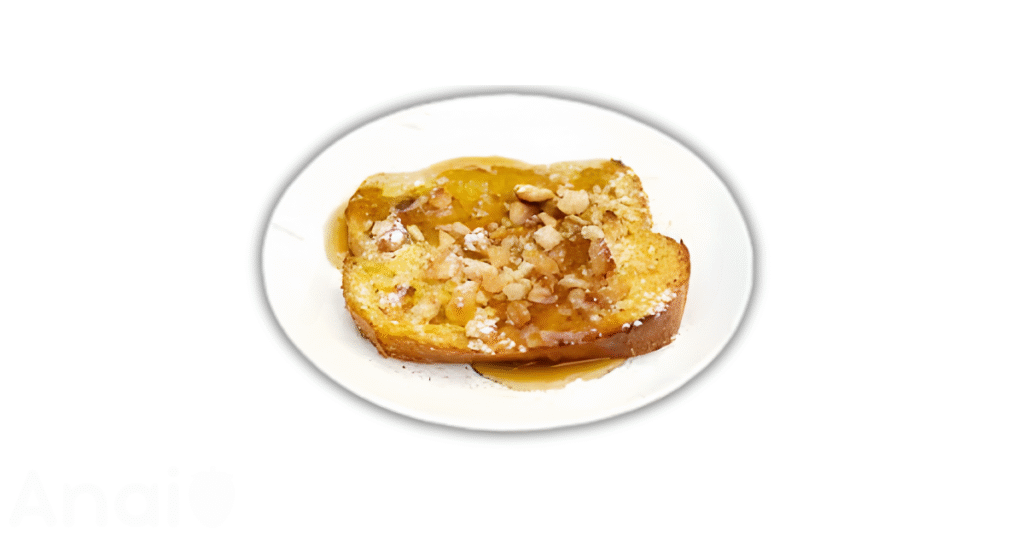
The macadamia nuts recipes discussed here can help increase macadamia nuts intake without compromising taste.
Breakfast ideas with macadamia nuts
Coconut and Macadamia Nut Smoothie Bowl. This is a tropical way to start the morning. Blend frozen bananas, mango chunks, and coconut milk until smooth. Top the thick mixture with a handful of chopped, roasted macadamias for a necessary crunch that contrasts with the soft fruit.
Macadamia Nut and Avocado Toast. Upgrade your standard sourdough toast by adding healthy fats on top of healthy fats. Mash half an avocado onto the bread and sprinkle with toasted, chopped macadamias. The nuts add a buttery texture that complements the creamy avocado perfectly, while a dash of olive oil and sea salt ties the flavors together.
Lunch ideas with macadamia nuts
Macadamia Nut and Spinach Salad. Turn a simple bowl of greens into a gourmet meal. Combine fresh spinach, crumbled feta, diced apple, and red onion. Toss in a generous portion of roasted macadamia nuts. The nuts provide a hearty element that makes the salad feeling filling enough for a standalone lunch.
Sweet Capsicum and Macadamia Nut Dip. Skip the store-bought hummus and make this fresh alternative. Blend roasted macadamias with sweet capsicum (bell peppers), garlic, lemon juice, and olive oil. This dip is rich in antioxidants and pairs perfectly with raw vegetable sticks or crackers for a light midday meal.
Dinner ideas with macadamia nuts
Herbed Macadamia-Crusted Baked Fish. This is a fantastic gluten-free dinner option. Create a crust using crushed macadamias, fresh parsley, and garlic. Press this mixture onto white fish fillets like cod or snapper and bake until golden. The natural oils in the nuts keep the fish moist while creating a savory, crunchy topping.
Kale and Macadamia Nut Pesto. Swap out traditional pine nuts for macadamias to create a creamier pasta sauce. Pulse fresh kale, garlic, parmesan, olive oil, and toasted macadamias in a food processor. This nutrient-dense sauce works beautifully over pasta or roasted vegetables, adding a rich, nutty depth to the evening meal.
Macadamia Nut-Stuffed Mushrooms. For a savory side or a light vegetarian main, try these earth gems. Mix chopped macadamias with breadcrumbs, parmesan, parsley, and garlic. Stuff this filling into large portobello mushroom caps and bake until tender. The earthy mushroom flavor balances the richness of the nut filling.
Simple tips to add macadamia nuts to your diet
For busy people who don’t have the time to implement any of the previous meal ideas, there are simple tips to add Macadamia Nuts to their diet:
- Create a trail mix: Combine raw macadamias with pumpkin seeds and dark chocolate for an on-the-go snack.
- Use as a salad topper: Keep a jar of crushed nuts on the counter to sprinkle over any green salad for instant texture.
- Blend into smoothies: Add a tablespoon of nuts to your morning blend for added creaminess and satiety.
- Stir into oatmeal: Top your morning porridge with chopped nuts to slow down carbohydrate digestion.
- Make nut butter: Process the nuts until smooth and spread on apple slices or celery.
- Stuff dates: Place a whole roasted nut inside a pitted date for a quick, caramel-like energy booster.
- Garnish soups: Sprinkle crushed macadamias over pumpkin or squash soup instead of croutons.
Macadamia Nut Storage Tips
Knowing how to cook macadamia nuts is only a part of the equation, and the importance of knowing macadamia nuts storage tips to make those meals last for longer cannot be overstated. Proper storage prevents the high oil content from oxidizing, which leads to rancidity.
Shelf life of macadamia nuts
- At room temperature: 1 to 5 months, provided they are in an airtight container.
- In the refrigerator: Up to 12 months.
- In the freezer: 6 months to 1 year.
How to store macadamia nuts?
The primary enemy of macadamia nuts is oxygen. Because these nuts are composed of approximately 80% monounsaturated fat, they are highly susceptible to oxidation when left exposed to air. To preserve their buttery flavor and nutritional integrity, you must store them in an airtight container, such as a glass jar with a seal or a high-quality plastic container. Vacuum sealing is even more effective as it removes all air, significantly slowing down the degradation of healthy fats.
Temperature and light control are equally critical. You should store your airtight container in a cool, dry place like a dark pantry or cupboard. Direct sunlight and UV light can accelerate the breakdown of vitamins and cause the oils to go rancid quickly. If you live in a humid or hot climate, skipping the pantry and moving them immediately to cold storage is the safest bet to avoid moisture absorption and mold growth.
How to refridgerate macadamia nuts?
Refrigeration is the best method for maintaining freshness for regular use, and it is quite simple to do.
- Ensure the macadamia nuts are completely dry to prevent mold.
- Place the nuts in a clean, airtight container or a heavy-duty resealable bag.
- Place the container in the main body of the refrigerator rather than the door, where temperatures fluctuate less.
How to freeze macadamia nuts?
Freezing is the superior option for bulk storage and can keep nuts fresh for up to a year without impacting texture.
- Portion the nuts into amounts you typically use for cooking or snacking.
- Place them in a freezer-safe bag and press out as much air as possible before sealing.
- Label the bag with the date of freezing.
- When ready to eat, let them thaw at room temperature for a few hours.
Signs of Spoilage in macadamia nuts
If you suspect your nuts have been stored improperly, look for these key indicators before consuming them.
- Unpleasant smell: A scent resembling wet paint, old plastic, or nail polish remover indicates rancidity.
- Discoloration: Dark spots or a significant change from their creamy white/tan color.
- Bitter taste: A sharp or sour flavor instead of the usual buttery profile.
- Mold: Visible fuzzy growth or softness caused by moisture exposure.
9 Smart Macadamia Nut Home Remedies
Are there any less-known tips to unlock the nutritious profile of macadamia nuts? The following macadamia nuts remedies can have a positive effect on overall well-being.
1. Natural Skin Moisturizer. Macadamia oil is chemically similar to human sebum, making it highly absorbable. You can apply the oil directly to damp skin after a shower. It is particularly effective for mature skin due to its high squalene content, which helps regenerate cells. Store the oil in a dark glass bottle to preserve its antioxidants.
2. Scalp Conditioning Mask. The fatty acids in the nut oil can revitalize a dry scalp. Warm a small amount of macadamia oil and massage it directly into your scalp for 10 minutes before washing. This treatment can penetrate deep into the hair follicles to rejuvenate them.
3. Anti-Frizz Hair Treatment. For unruly hair, the oil serves as a lightweight serum. Rub a few drops of oil between your palms and smooth it over the ends of your hair. This adds shine and controls frizz without weighing hair down like heavier synthetic products.
4. DIY Exfoliating Body Scrub. You can create a luxury spa treatment at home. Mix crushed macadamia nuts or macadamia oil with coarse salt and citrus zest. Gently rub this mixture on elbows and heels to remove dead skin cells while simultaneously moisturizing the new skin underneath.
5. Sunburn Relief Application. The high concentration of palmitoleic acid (Omega-7) aids in skin healing. Gently apply cool macadamia oil to sun-damaged skin. It helps restore the skin’s barrier function and reduces water loss, soothing the burn faster than aloe alone in some cases.
6. Cuticle Repair Oil. Dry nail beds benefit from the intense hydration of these nuts. Massage a drop of pure macadamia oil into your cuticles daily. This serves as an express manicure that prevents hangnails and keeps the skin around your nails soft.
7. Homemade Lip Balm. The buttery texture of the oil makes it perfect for chapped lips. Melt beeswax and mix it with macadamia oil in a small tin. Once solidified, this balm provides a protective layer against wind and cold, utilizing the oil’s healing properties to repair cracked lips.
8. Aromatherapy Massage Base. Macadamia oil is non-greasy and has a mild nutty aroma. It acts as an excellent carrier oil for essential oils. Mix it with lavender for relaxation or ylang-ylang for an aphrodisiac effect, and use it for a soothing body massage.
9. Plant-Based Dairy Alternative. For those with lactose intolerance, the nuts themselves are a remedy for dietary restrictions. Soak and blend raw nuts with water to create a creamy milk that requires no straining. This provides a gut-friendly milk substitute rich in prebiotics that feeds good gut bacteria.
Macadamia Nuts and Weight Management

There are multiple health benefits, and home remedies using macadamia nuts, but what is their role in weight management? This section will analyze macadamia nuts potential impact on weight loss, low-calorie diets, satiety, and metabolism.
Can macadamia nuts help with weight loss?
Despite their high calorie count, scientific evidence suggests these nuts support weight loss efforts. A specific study involving 71 young Japanese women highlighted this effect. Participants ate bread daily with either 10 grams of macadamia nuts, coconut, or butter. After 3 weeks, the group consuming macadamia nuts lost 0.9 pounds (0.4 kg), while the other groups saw no weight change (Petre, 2019). This suggests that the specific nutritional matrix of the nut may interact with the body differently than other fat sources.
Macadamia Nuts in low-calorie diets
Integrating calorie-dense nuts into a restricted diet requires strategy. A 100-gram serving contains roughly 718 calories, which is substantial. However, research indicates that the energy availability of nuts may be lower than the label suggests. Some fats remain trapped within the nut’s fibrous wall during digestion and are excreted rather than absorbed. This means you may consume fewer calories functionally than you mathematically track, making them a viable luxury treat even on strict diets.
Macadamia Nuts and satiety
Controlling hunger is the key to sticking to any weight management plan. Macadamia nuts provide 2 grams of protein and 3 grams of fiber per ounce. This combination stimulates satiety hormones like cholecystokinin (CCK) and peptide YY (PYY). The high fat content also slows down stomach emptying, keeping you fuller for longer periods. This prevents the blood sugar crashes that typically lead to cravings and overeating processed snacks.
Macadamia Nuts and metabolism
The specific fatty acid profile of macadamias may actively boost your metabolic rate. They are a rich source of palmitoleic acid (Omega-7). Animal studies have shown promising results regarding this compound. In one study, sheep given palmitoleic acid for 28 days showed a 77% reduction in weight gain. Another study demonstrated that mice fed macadamia oil had significantly smaller fat cells after 12 weeks compared to controls. While human trials are still needed to confirm the magnitude of this effect, the data points to a metabolic advantage.
Macadamia Nuts for Health Conditions
While weight management is important, do macadamia nuts have an effect in more serious health conditions? Here’s what the scientific literature has to say:
Macadamia Nuts and diabetes
Managing blood sugar is critical for long-term health. Research indicates that the high monounsaturated fat (MUFA) content in macadamia nuts plays a vital role here. A meta-analysis published in PLOS ONE analyzed 450 participants across 11 studies. The data showed that individuals who consumed an average of 56 grams of tree nuts daily experienced significantly lower fasting blood sugar levels.
Furthermore, a specific type of MUFA found in these nuts, omega-7 palmitoleic acid, is known to enhance insulin sensitivity. This fatty acid helps prevent the breakdown of pancreatic beta cells, which are the cells responsible for producing insulin. Another review suggests that eating a diet high in MUFAs can reduce metabolic risk factors in people with type 2 diabetes (Berry, 2023).
Macadamia Nuts and heart health
The cardiovascular benefits of macadamia nuts are perhaps the most well-documented. In a study published in the Journal of Nutrition, researchers studied 17 hypercholesterolemic men over a period of 4 weeks. The participants consumed 40 to 90 grams of macadamia nuts per day, which accounted for 15% of their total energy intake (Garg et al., 2003).
The results were statistically significant. Plasma total cholesterol decreased by 3.0%, and LDL (bad) cholesterol concentrations decreased by 5.3%. Interestingly, the HDL (good) cholesterol levels increased by 7.9%. This demonstrates that despite being high in fat, macadamia nuts favorably modify the lipid profile even when the overall diet is high in fat.
Macadamia Nuts and digestive issues
Gut health is often compromised by modern diets, but macadamias offer a protective effect. The nuts contain soluble fiber, which acts as a prebiotic to feed beneficial gut bacteria. Beyond fiber, the oleic acid found in macadamias may fight specific inflammatory bowel conditions.
In one study, individuals who added a daily dose of oleic acid to their diet were found to be 89% less likely to develop ulcerative colitis (Ajmera, 2023). This suggests that the fatty acid profile of the nut aids in maintaining the integrity of the digestive lining and reducing gut-specific inflammation.
Macadamia Nuts and inflammation
Chronic inflammation is a precursor to conditions like arthritis. A study published in Pharmacognosy Magazine investigated the impact of macadamia nut extracts on inflammation. The researchers found that phenolic compounds within the nut effectively prevented the growth of Proteus mirabilis.
This specific bacterium is linked to the development of rheumatoid arthritis. The study concluded that the extracts showed inhibitory bioactivity, indicating a potential for blocking the onset of this debilitating condition. Additionally, regular consumption of 1.5–3 ounces (42–84 grams) daily may reduce inflammatory markers such as leukotriene B4 (Petre, 2019).
Macadamia Nuts and cancer prevention
The antioxidant profile of macadamia nuts includes tocotrienols and flavonoids. A study reported in the Asia Pacific Journal of Clinical Nutrition highlighted that nut consumption is inversely associated with the incidence of cancer and cardiovascular disease.
Specifically, macadamias contain galangin, a flavonoid with potent anticancer properties. While much of the research remains in laboratory or rodent phases, these compounds act as free radical scavengers. They help protect cells from the oxidative stress that typically leads to DNA mutations and tumor growth (Link, 2024).
Macadamia nuts offer a potent defense against various metabolic and chronic conditions through their unique lipid and antioxidant profiles.
| Health Category | Benefits | Type of Study | Quality of Evidence | Sources |
|---|---|---|---|---|
| Heart Health | 5.3% reduction in LDL cholesterol; 7.9% increase in HDL cholesterol. | Clinical Trial (Human) | High | Garg et al. (2003); Frey (2024) |
| Diabetes | Improved insulin sensitivity; lower fasting blood glucose. | Meta-Analysis | High | Begum (2024); Zumpano (2025) |
| Digestion | 89% risk reduction for ulcerative colitis via oleic acid. | Observational | Moderate | Ajmera (2023) |
| Inflammation | Inhibition of Proteus spp. bacteria linked to rheumatoid arthritis. | In vitro / Lab Study | Moderate | Frey (2024); Zumpano (2025) |
| Cancer | Inverse association with cancer incidence; antioxidant protection. | Observational / Lab | Low to Moderate | Kubala (2025) |
The Verdict Is In: Macadamia Nut Nutrition
We have traveled through a comprehensive landscape of nutritional data. This article has covered everything from 13 confirmed health benefits of macadamia nuts and detailed macadamia nut nutrition facts, to managing macadamia nuts risks and side effects. We also explored practical macadamia nuts substitutes, the most popular macadamia nut diets, and essential macadamia nut storage tips. Finally, we looked at 9 smart macadamia nut home remedies, the role of macadamia nuts and weight management, and the impact of macadamia nuts for health conditions.
Here are a few fascinating takeaways to keep in mind:
- Macadamias are the only nut rich in omega-7 palmitoleic acid, which speeds up fat metabolism.
- They are toxic to dogs, causing paralysis and muscle tremors, so keep them away from pets.
- A single serving contains 58% of your daily manganese, essential for bone structure.
- They have a very high smoke point, making macadamia oil safer for cooking than olive oil.
- 80% of the fat in these nuts is monounsaturated, the same heart-healthy fat found in olive oil.
- Properly frozen macadamias can stay fresh for up to one year.
This article contains the latest information as of October 2026.
Want to hack your health with more data-driven nutrition guides? Follow Anai.ai to stay informed about the latest nutrition and well-being news, tips, and articles.
Macadamia Nut Nutrition FAQs
Navigating the specifics of macadamia intake is tricky given their unique nutritional profile and high caloric density. We compiled the most frequently asked questions to clarify everything from daily dosage limits to pet safety. These data-backed answers ensure you can enjoy this superfood with total confidence.
What are macadamia nuts good for?
Macadamia nuts are exceptional for cardiovascular support because they are composed of 80% monounsaturated fat, the same healthy lipid found in olive oil. Beyond heart health, they act as a potent mineral supplement, providing 58% of your daily Manganese requirement in a single serving to support bone structure. Their soluble fiber content also acts as a prebiotic, fostering beneficial gut bacteria that can reduce digestive inflammation and improve overall gut health.
Are macadamia nuts healthy?
These nuts are incredibly healthy functional foods packed with essential bioactive compounds like tocotrienols and flavonoids that fight oxidative stress. A standard 1-ounce serving delivers vital nutrients, including 22% of the Daily Value for Thiamine, which is crucial for converting food into energy. Furthermore, their low carbohydrate count of just 4 grams per ounce makes them an ideal snack for maintaining stable insulin levels without spiking blood sugar.
Are macadamia nuts fattening?
While macadamia nuts are calorically dense at 204 calories per ounce, scientific evidence suggests they actually support weight management rather than cause gain. They are a rich source of omega-7 palmitoleic acid, which has been shown in animal studies to reduce fat cell size and boost metabolism. Additionally, a portion of their fat remains trapped in the nut’s fibrous wall during digestion, meaning you effectively absorb fewer calories than the 718 calories per 100g listed on the label.
Who should avoid macadamia nuts?
Individuals with a known tree nut allergy must strictly avoid macadamias, as they can trigger severe anaphylaxis and other life-threatening reactions. People with kidney conditions requiring low phosphorus intake should also consult a doctor, though the phosphorus content is moderate at 4% of the Daily Value. Those on strict calorie-restricted diets should carefully weigh portions, as eating just one cup adds nearly 950 calories to your daily intake, which could rapidly undo a caloric deficit.
Can I eat macadamia nuts daily?
Consuming macadamia nuts daily is highly recommended by nutritionists for reducing inflammation and improving lipid profiles. Research indicates that eating 1.5 to 3 ounces (42–84 grams) each day can significantly lower markers of inflammation like leukotriene B4. Consistent daily intake of this magnitude has also been linked to a reduction in total and LDL cholesterol by up to 10%, mimicking the effects of a heart-healthy low-fat diet.
Can dogs eat macadamia nuts?
You must never feed macadamia nuts to dogs because they contain an unknown toxin that causes severe poisoning in canines. Ingestion can lead to debilitating symptoms like weakness, vomiting, and muscle tremors within 12 hours of consumption. Even small amounts are dangerous, potentially causing temporary paralysis and joint pain that requires immediate veterinary intervention to manage toxicity.
Can cats eat macadamia nuts?
While macadamia nuts are not documented to be as acutely toxic to cats as they are to dogs, they pose significant health risks due to their extreme fat content. A single nut is comprised of approximately 75% to 80% fat, which is far too rich for a feline digestive system and can trigger pancreatitis, a painful and potentially dangerous inflammation. Additionally, the size and hardness of the nut present a serious choking hazard, making it safer to keep these calorie-dense treats entirely out of your cat’s reach.
How long do macadamia nuts last in the fridge?
Refrigeration is a highly effective method for preserving the delicate oils in macadamia nuts against rancidity. When stored in an airtight container to block out moisture and odors, shelled macadamia nuts will maintain their freshness for up to 12 months. This is a massive improvement over room-temperature storage, as the consistent cold significantly slows the oxidation of the nut’s high monounsaturated fat content.
Can you freeze macadamia nuts?
Freezing is widely considered the superior storage method for macadamia nuts, especially if you purchase them in bulk. By placing them in heavy-duty freezer bags or vacuum-sealed packages, you can extend their shelf life to between 12 and 24 months without affecting their crunchy texture. This method essentially pauses the aging process, protecting the high oil content from turning bitter or stale over long periods.
How to tell if macadamia nuts are bad?
The most immediate sign that macadamia nuts have gone bad is a chemical-like smell, often compared to old paint, putty, or nail polish remover. This off-putting odor indicates that the fats have oxidized and become rancid, which will result in a sharp, bitter, or sour taste rather than the expected sweet, buttery flavor. Visually, you should inspect the nuts for any dark spots, shriveling, or mold, which signal that they are no longer safe for consumption.
How long are macadamia nuts good for?
The shelf life of macadamia nuts varies drastically based on their storage environment. If left in a pantry at room temperature, they are generally good for only 1 to 5 months before the quality begins to degrade. However, by leveraging cold storage options like a freezer, you can successfully maintain their nutritional value and taste for more than 1 year, making temperature control the deciding factor in their longevity.
How to keep macadamia nuts fresh?
To ensure maximum freshness, you must aggressively protect the nuts from their three main enemies: oxygen, light, and heat. The best practice is to transfer nuts from their original packaging into airtight glass jars or sealed plastic containers immediately after purchase. Storing these containers in the fridge or freezer rather than a cupboard prevents the rapid oxidation of their healthy fats, which can spoil in as little as 4 weeks in warm conditions.