
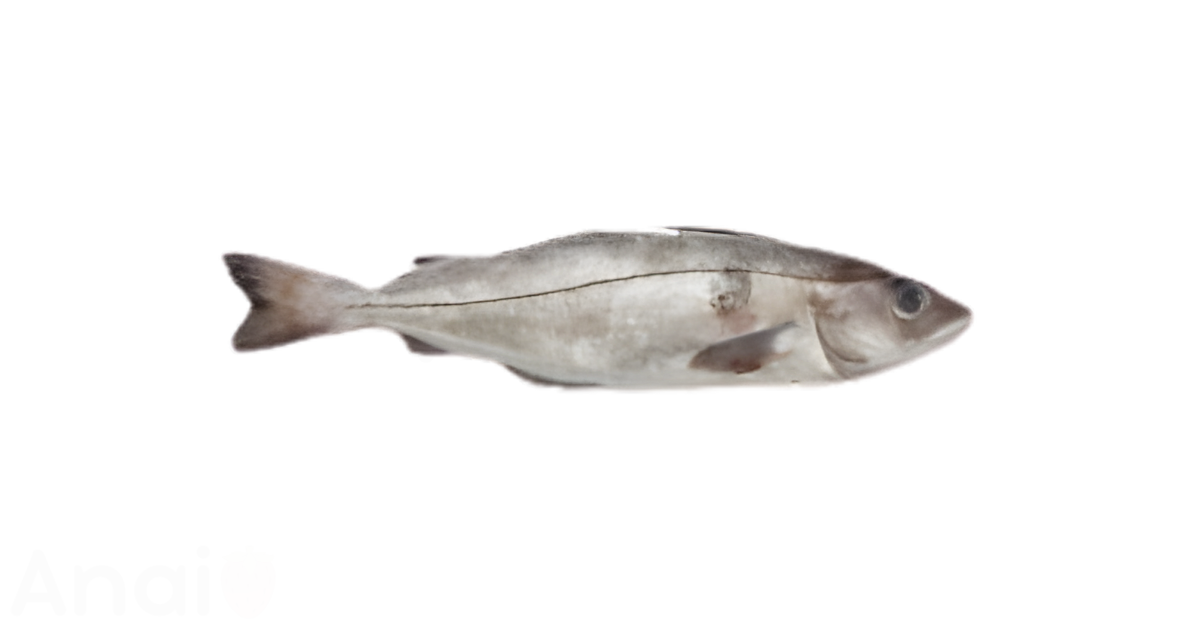
Is Haddock Good for You?
Haddock is absolutely a beneficial addition to your diet. It is a lean whitefish that offers high-quality protein. A standard 3.5-ounce (100g) cooked serving provides around 20 grams of protein (Corleone, Jaiswal). This same serving is remarkably low in fat, containing only about 0.6 grams of total fat. Haddock has no carbohydrates, fiber, or sugar (Corleone, 2021).
The fish is rich in vital micronutrients. It is classified as an excellent source of several key vitamins and minerals. One fillet provides impressive levels of phosphorus and selenium (Martinac, 2025). Haddock is also loaded with B vitamins, offering over the full daily value for Vitamin B12 in one serving. Furthermore, it is a very low-mercury option, making it a safe choice for regular consumption (Corleone,2021; Jaiswal, 2024).
This detailed article will expand on the science behind these claims. We cover the 10 unique health benefits of haddock and haddock nutrition facts. We also discuss haddock risks and side effects, and suggest haddock substitutes. The content explores popular haddock diets, haddock storage tips, and 5 easy haddock home remedies. Finally, we look at haddock and weight management and haddock for health conditions. This information reflects the latest insights as of October 2026.
10 Unique Health Benefits of Haddock
Haddock is much more than a lean source of protein. This fish packs an impressive nutritional punch. The health benefits below give general nutrition information; please talk to a doctor or registered dietitian before changing your diet for a health reason. Incorporating haddock into your meals supports numerous body functions.
1. Reduced Risk of Heart Disease
Haddock is a heart-healthy choice. The fish is low in saturated fat, which is linked to a higher risk of heart disease (Martinac, 2025). It contains healthy polyunsaturated fats, including omega-3 fatty acids (Corleone, 2021; Jaiswal, 2024). Omega-3s work to reduce inflammation and lower triglyceride levels. Consuming seafood, like haddock, can decrease the risk of heart attack and stroke. The B vitamins, protein, and selenium in haddock also support heart health by helping to regulate blood pressure.
2. Enhanced Cognitive Health
Regularly eating fish benefits your brain health across your lifespan. Omega-3 fatty acids, specifically docosahexaenoic acid (DHA), are crucial for nervous system development. Studies show that eating fish twice a month during childhood can improve memory and visual learning. For adults, regular fish consumption may help prevent dementia. The Alzheimer’s Organization reports that combined omega-3, 6, and 9 supplementation reduces dementia risk by 41 percent (Martinac, 2025).
3. Safe Seafood Choice
Mercury contamination is a common concern with seafood. Haddock is considered a safe choice. The fish is classified by the FDA under the “best choice” category for consumption. Haddock typically contains a very low mean methyl-mercury concentration. This level is just 0.055 ppm. This makes it safe for pregnant and nursing women to consume 2-3 servings (8-12 ounces) per week (Jaiswal, 2024).
4. Essential for Muscle Maintenance
Haddock is a high-quality, complete protein source. Protein is essential for building and repairing muscle tissue (Jaiswal, 2024). A 3.5-ounce cooked serving provides approximately 20 grams of protein (Corleone, 2021). This makes it an ideal, low-fat alternative to red meat (Martinac, 2025). The protein profile encompasses all essential amino acids in healthy proportions.
5. Bone Strength from Phosphorus
The mineral phosphorus is key for strong bones. Haddock is notably rich in this mineral. One small fillet of steamed haddock provides about 32 percent of the daily value for phosphorus. The fish is an excellent source, meeting more than 20% of your daily needs (Corleone, 2021). Phosphorus works alongside calcium to build healthy skeletal structure and dental health (Martinac, 2025).
6. Rich in Antioxidant Selenium
Haddock enhances the body’s natural defense mechanisms. It is particularly rich in selenium, a mineral with strong antioxidant properties (Jaiswal, 2024; Martinac, 2025). Selenium helps combat free radicals, rogue molecules that damage DNA. This protection guards cells from damage that can lead to chronic disease. A single serving of cooked haddock supplies close to 83 percent of the daily value for selenium (Martinac, 2025).
7. High in Niacin and B Vitamins
Haddock is packed with B-complex vitamins, which are water-soluble and must be consumed regularly. One steamed fillet provides 37 percent of the daily value for niacin (B3). Niacin is vital for metabolizing fat and carbohydrates. This process efficiently converts food into usable energy for the body. Vitamin B6 also aids in protein and carb digestion (Jaiswal, 2024).
8. Skin and Tissue Support
The nutrients in haddock contribute to a healthy complexion. Vitamin B6 helps in the formation of hemoglobin. Hemoglobin carries oxygen to the skin cells. Additionally, the presence of omega-3 fatty acids helps keep skin hydrated. These fats also reduce skin inflammation (Jaiswal, 2024).
9. Low-Calorie and Carb-Free
Haddock is an excellent protein choice for weight loss diets. It is a very low-calorie food. A cooked 3.5-ounce serving contains only 90 calories. Nearly 90% of those calories come from protein. It is also completely carb-free (Corleone, 2021). This nutrient profile promotes satiety with minimal fat and caloric intake.
10. Protection Against Age-Related Macular Degeneration
Regularly consuming fish can protect your eyesight as you age. Haddock consumption is specifically linked to a lower risk of Age-Related Macular Degeneration (AMD). AMD is the leading cause of vision loss in older adults. Regularly eating fish, such as haddock, may lower your risk of developing AMD by as much as 18% (Corleone, 2021).
Haddock Nutrition Facts
Haddock’s impressive health benefits are directly linked to its powerful nutrition profile, which is analyzed in detail below.
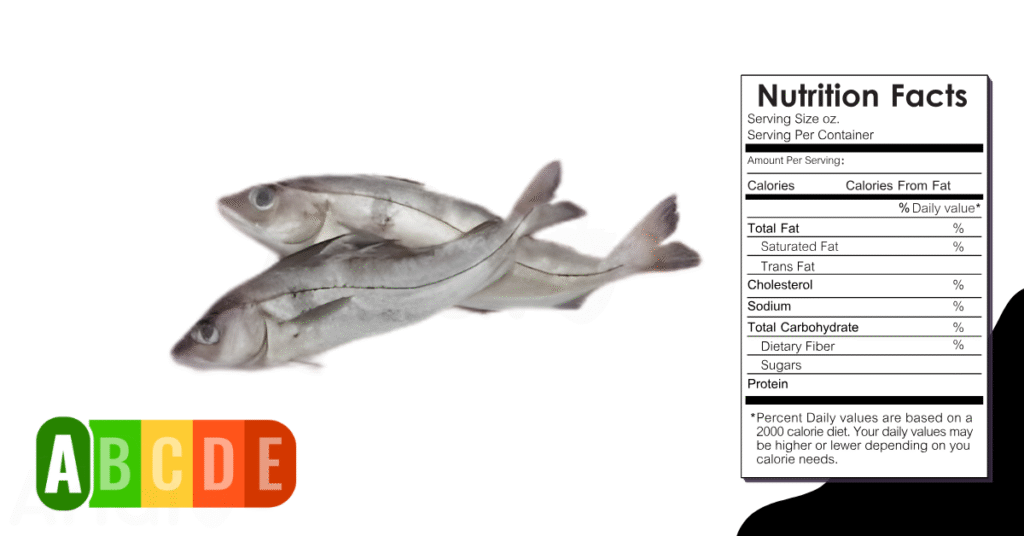
Haddock Nutrition Table
Haddock is a low-calorie, high-protein whitefish. The following data for a standard 3.5-ounce (100g) serving of cooked haddock highlights its nutrient density.
| Nutrient | Per Serving | DRI % (Serving) | Per 100 grams | DRI % (100 g) |
|---|---|---|---|---|
| Calories | 90 kcal | 4% | 90 kcal | 4% |
| Protein | 20 g | 40% | 20 g | 40% |
| Carbs | 0 g | 0% | 0 g | 0% |
| Total Fat | 0.6 g | 1% | 0.6 g | 1% |
| Cholesterol | 60 mg | 20% | 60 mg | 20% |
How Many Calories Are in Haddock?
Haddock is an excellent option for calorie-conscious diets. A 3.5-ounce (100g) serving of cooked haddock contains only 90 calories (Corleone, 2021; Jaiswal, 2024). This is a very low-calorie choice, with nearly 90% of the energy coming from protein. For perspective, a raw fillet weighing 193g contains about 143 calories. The low-calorie count supports weight management efforts. It would take an average person about 10 to 12 minutes of brisk walking to burn off the 90 calories in a 3.5-ounce portion.
How Much Protein Is in Haddock?
Haddock is exceptionally rich in lean protein. A 3.5-ounce (100g) serving of cooked haddock delivers 20 grams of high-quality protein. This single serving fulfills 40% of the Daily Reference Intake (DRI) for protein, assuming a 50g daily goal. The protein is considered complete, providing all essential amino acids required by the body. This makes haddock highly beneficial for muscle maintenance and growth (Corleone, 2021).
How Many Carbs Are in Haddock?
Haddock is a carbohydrate-free food. A 3.5-ounce (100g) serving of cooked haddock contains 0 grams of carbohydrates. It also has no fiber or sugar. This makes haddock a perfect protein source for low-carb diets like the keto diet (Corleone, 2021; Jaiswal, 2024).
How Much Fat Is in Haddock?
Haddock is considered a very lean fish. A 3.5-ounce (100g) serving of cooked haddock contains only about 0.6 grams of total fat.
The breakdown of fats in haddock highlights its healthy composition:
| Fat Category | Per 3.5 oz (100g) Cooked Haddock |
|---|---|
| Total Fats | 0.6 g |
| Saturated Fats | 0.111 g |
| Monounsaturated Fats (MUFAs) | 0.074 g |
| Polyunsaturated Fats (PUFAs) | 0.204 g |
Haddock’s fat profile is dominated by healthy polyunsaturated fats. It also provides omega-3 fatty acids, with 0.166 grams per 3.5-ounce serving. These omega-3s are primarily in the forms of eicosapentaenoic acid (EPA) and docosahexaenoic acid (DHA) (Corleone, 2021).
Is Haddock High in Cholesterol?
Haddock contains a moderate amount of cholesterol. A 3.5-ounce (100g) serving of cooked haddock has about 60 mg of cholesterol. This represents 20% of the Daily Reference Intake (DRI), based on the previous recommendation of 300mg per day. While the latest dietary guidelines do not set a rigid upper limit for cholesterol, health advice often suggests keeping daily intake as low as possible (Martinac, 2025).
Minerals in Haddock
Haddock is a strong source of essential minerals.
| Mineral | Health Benefit | Amount per 100g (Cooked) | DRI % (100g) |
|---|---|---|---|
| Selenium | Antioxidant, Supports Thyroid Function | 31.7 µg | 58% |
| Phosphorus | Bone and Teeth Health, Energy Production | 278 mg | 28% |
| Potassium | Regulates Blood Pressure, Fluid Balance | 351 mg | 7% |
| Magnesium | Nerve and Muscle Function | 26 mg | 6% |
Haddock is exceptionally rich in selenium and phosphorus (Corleone, 2021). One serving meets over 20% of the daily need for both phosphorus and selenium. These minerals are vital for supporting antioxidant defense and maintaining a healthy skeletal system (Jaiswal, 2024).
Vitamins in Haddock
Haddock provides an array of crucial B vitamins.
| Vitamin | Health Benefit | Amount per 100g (Cooked) | DRI % (100g) |
|---|---|---|---|
| Vitamin B12 | Red Blood Cell Formation, Nerve Function | 2.13 µg | 89% |
| Niacin (B3) | Energy Metabolism, Nervous/Digestive Health | 4.12 mg | 26% |
| Vitamin B6 | Protein Metabolism, Brain Health | 0.327 mg | 25% |
| Riboflavin (B2) | Energy Production | 0.057 mg | 4.4% |
Haddock is a phenomenal source of Vitamin B12, providing nearly the full daily value in a 100g serving. It also meets more than 20% of the daily needs for niacin, or Vitamin B3. These B vitamins are critical for energy conversion and the proper function of the nervous system (Martinac, 2025).
Haddock Risks and Side Effects
While haddock is highly nutritious, a few risks and side effects should be managed. A significant concern is fish allergies, which are among the most common food allergies. Unlike many food intolerances that appear in childhood, fish allergies, including those to haddock, are more likely to develop in adulthood. Allergic reactions can range from simple hives and swelling to life-threatening anaphylaxis. Individuals with a known fish allergy should completely avoid consuming haddock and fish products.
Another potential risk is mercury content, although haddock is considered a low-mercury fish. The FDA recommends haddock as a “best choice” for all individuals, including pregnant and nursing women (Jaiswal, 2024). However, consuming excessively large quantities of any fish over an extended period can lead to mercury buildup. This is particularly a risk for developing nervous systems in young children and fetuses (Martinac, 2025).
Food safety practices are essential to prevent foodborne illnesses. Consuming improperly stored or undercooked haddock can expose you to bacteria like Salmonella or Listeria. Improper storage can also lead to the production of histamine, causing a type of food poisoning known as scombroid poisoning. To manage this risk, fresh haddock should be cooked within a day or two of purchase and never left at room temperature for more than two hours.
Finally, processed or smoked haddock can be high in sodium due to the salting process. Excess sodium intake is linked to increased blood pressure and strain on the kidneys. Health-conscious individuals, especially those with hypertension, should opt for fresh or minimally processed haddock to limit sodium.
Debunking Myths about Haddock
Myth: Haddock is a high-fat, high-calorie fish.
Fact: Haddock is a lean whitefish with a minimal fat content. A 3.5-ounce (100g) cooked serving contains just 90 calories and only 0.6 grams of fat.
Myth: Haddock should be avoided due to high mercury levels.
Fact: Haddock is classified as a low-mercury fish. It is listed as a “best choice” by the FDA, with an average methyl-mercury concentration of only 0.055 ppm.
Myth: Haddock and Cod are the same fish.
Fact: Haddock and cod are close relatives in the same family, but they are different species. Haddock is smaller and has a distinct black lateral line and a ‘thumbprint’ blotch, unlike the cod, which has a cream-colored lateral line (Mikstas, 2024).
Haddock Substitutes
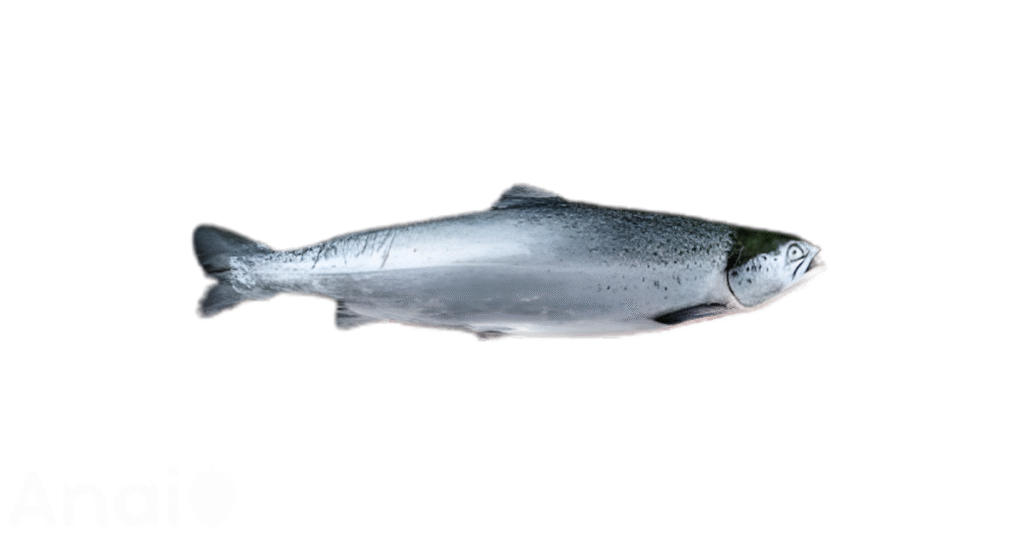
Haddock is popular for its mild, sweet flavor and firm texture. However, if haddock is unavailable or you are seeking a different nutritional profile, several alternatives offer a similar culinary experience.
| Substitute | Protein (100g Cooked) | Total Fat (100g Cooked) | Omega-3s (100g Cooked) | Mercury Level |
|---|---|---|---|---|
| Haddock | 20 g | 0.6 g | 0.166 g | Low |
| Cod | 20 g | 0.8 g | 0.150 g | Low |
| Flounder/Sole | 17 g | 1.4 g | 0.300 g | Low |
| Salmon | 25 g | 13 g | 2.500 g | Low/Moderate |
Cod is arguably the most common and versatile substitute for haddock. It offers an almost identical lean protein profile, with approximately 20 grams per 100g serving. A key benefit of using Cod is its widespread availability and familiar flavor profile, making recipe swaps easy. However, cod typically contains less Vitamin B12 and B6 than haddock.
Flounder/Sole is an excellent alternative for dishes requiring a delicate texture. The benefit of using Flounder/Sole is their typically lower calorie count and very mild flavor, which appeals to non-fish eaters. A drawback is their lower protein content compared to haddock, providing only about 17 grams per 100g.
Salmon provides a significant boost in heart-healthy fats. The main benefit of using Salmon is its high content of omega-3 fatty acids, offering up to 2.5 grams per 100g, far exceeding haddock’s 0.166 grams. The drawback is that salmon is much higher in calories and fat, with approximately 332 calories and 13g of fat in a steamed fillet.
Popular Haddock Diets
How to add haddock safely into your diet? Choosing the right diet is important to ensure that you are meeting your nutritional needs while also enjoying the foods you eat. Here are a few of the available haddock-friendly diet options:
- Mediterranean Diet
- Keto Diet
- 5:2 Intermittent Fasting Diet (5:2 Diet)
The following table compares the key features of these haddock-friendly diets:
| Diet Name | Key Difference | Primary Benefit | Potential Drawback |
|---|---|---|---|
| Mediterranean Diet | Focus on whole foods, healthy fats (olive oil), and high fish intake. | Lowers risk of heart disease and stroke . | Not a traditional weight-loss diet; portion control is still necessary. |
| Keto Diet | Very low-carb, high-fat, moderate protein intake. | Rapid weight loss through ketosis. | Restrictive; difficult to maintain long-term. |
| 5:2 Intermittent Fasting Diet | Two non-consecutive days of very low-calorie intake (500-600 kcal) per week. | Simplified approach to calorie restriction. | May cause fatigue or irritability on fast days. |
The Mediterranean Diet is widely recommended for long-term health. It emphasizes fruits, vegetables, whole grains, nuts, and healthy fats like olive oil. Fish, like haddock, is a primary protein source and is recommended multiple times a week. Its main benefit is strong support for heart and brain health, though it requires attention to portion sizes as it is not strictly a low-calorie plan.
The Keto Diet is a popular choice for rapid weight loss. This very low-carb approach forces the body into a state of ketosis, burning fat for fuel. Haddock is a perfect fit for this diet because it is naturally carb-free and high in protein. The primary drawback is the highly restrictive nature of the diet, which can make it challenging to sustain long-term.
The 5:2 Intermittent Fasting Diet simplifies calorie restriction. Followers eat normally for five days and restrict calories to 500-600 kcal for two non-consecutive days. Haddock is an ideal meal for the fasting days because it is high in protein and low in calories (90 kcal per 100g). A potential drawback is managing hunger or low energy levels on the two fasting days.
How to Cook Haddock?
Haddock’s mild flavor and lean, flaky flesh make it a versatile fish for many cooking methods. The goal for any preparation is to keep the fish moist while cooking to the safe internal temperature of 145°F.
Baked Haddock is one of the easiest and healthiest ways to prepare the fish. To maintain moisture, you can add a small amount of liquid, like water or wine, to the baking dish. The optimal temperature is generally 400°F for 14-16 minutes, or until opaque and flaky. Baking with minimal added fat helps retain the fish’s nutritional value.
Pan-Seared Haddock is a quick method that results in a golden exterior. The benefit here is the short cooking time, often just 3-4 minutes per side over medium heat. Use a minimal amount of olive oil to avoid deep-frying and excessive added fat. Overcrowding the pan should be avoided, which can steam the fish instead of searing it.
Broiled Haddock is another simple, healthy method similar to baking. Broiling uses high, direct heat for a quick cook time, preventing the lean fish from drying out. This method, like baking, helps preserve the fish’s vitamins and minerals. Seasoning with lemon and garlic works very well for broiling.
Poached Haddock in milk or broth is a delicate way to cook the fish. This method is excellent for infusing the fish with flavor while keeping it very tender. Poaching smoked haddock in milk, a Scottish tradition, also enhances its already rich flavor. Since poaching requires no added fat, this method ensures no nutrient loss from high-heat degradation.
Grilled Haddock adds a smoky flavor but must be done with caution. Haddock is too flaky to hold up well directly on the grill grates. Instead, a fillet can be brushed with olive oil and grilled over medium-high heat for 4-6 minutes per side. Grilling is generally a healthier option than pan-frying, as it also uses less oil.
Fried Haddock (such as in fish and chips) should be limited for health purposes. Deep-frying adds significant fat and calories to an otherwise nutritious food . While this is a popular option in British cuisine, opting for a baked, panko-crusted version with a light olive oil spray is a much healthier alternative .
Easy Haddock Recipes
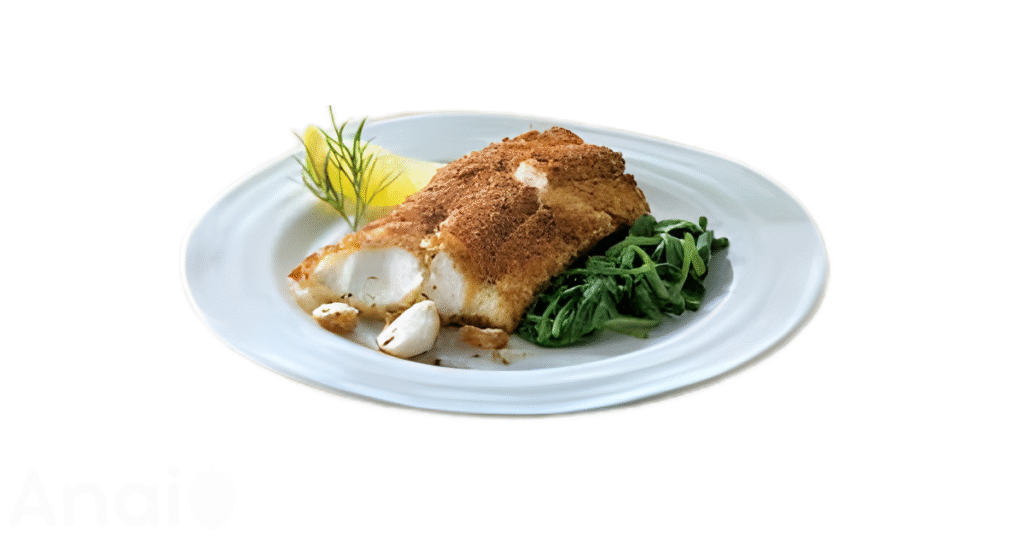
The mild, slightly sweet taste and firm, flaky texture of haddock make it easy to incorporate into delicious meals, helping to increase your fish intake without compromising taste.
Breakfast Ideas with Haddock
Haddock Fishcakes mixed with mashed potatoes and herbs can be shaped into patties and pan-fried for a savory breakfast side.
Smoked Haddock can be poached in milk and served alongside a softly scrambled egg for a British-style breakfast.
Haddock Scramble involves flaking cooked haddock into a standard egg scramble or omelet for a protein-rich start to the day.
Lunch Ideas with Haddock
Haddock Tacos make an excellent Tex-Mex lunch by substituting the fish for ground beef. Cut the fillets into bite-sized pieces, marinate, broil, and serve in tortillas with fresh slaw and lime.
Haddock Salad is a light and refreshing option where flaked, cooked haddock is served over mixed greens, vegetables, and a lemon vinaigrette.
Leftover Baked Haddock is perfect for quick assembly and can be served alongside a side of wild rice and steamed broccoli for a balanced meal.
Dinner Ideas with Haddock
Garlic Butter Haddock is an elegant yet easy meal that takes only minutes to pan-sear. The fish is basted with a rich sauce made from butter, crushed garlic, and fresh herbs like oregano or parsley.
Haddock Chowder is a hearty option where the fish is simmered with potatoes, onions, and broth. Using a milk-based broth over a cream-based one is a healthier choice.
Haddock Stir-Fry is a great way to use the fish with a variety of vegetables. The haddock is cut into small pieces and cooked with bell peppers and snap peas, seasoned with soy sauce and ginger for an Asian twist.
Simple Tips to Add Haddock to Your Diet
For busy people who don’t have the time to implement any of the previous meal ideas, there are simple tips to add Haddock to their diet:
- Pat the fillets dry before cooking to ensure the purest flavor and best texture.
- Keep skin-on fillets skin-side down when baking to help hold the delicate flesh together.
- Bake at 400°F for a quick cook time and flaky results.
- Use a meat thermometer to ensure the internal temperature reaches 145°F for safety and optimal texture.
- Account for carryover cooking by removing the fish when it is a few degrees shy of the target.
- Use haddock as a substitute for cod, pollock, or hake in any of your favorite recipes.
- Avoid deep-frying to prevent the addition of unnecessary fat and calories.
- Store cooked haddock in the fridge for 3–4 days in airtight glass containers to prevent a fishy odor.
- Buy frozen haddock as it stores well for up to eight months from the date of purchase.
Haddock Storage Tips
Knowing how to cook haddock is only a part of the equation; understanding haddock storage tips is crucial to make those healthy, delicious meals last longer and remain safe to eat.
Shelf life of Haddock
Proper storage dictates the safe consumption timeline for haddock.
- At room temperature: Cooked haddock should be discarded if left out for more than 2 hours. The safe temperature range for bacteria growth is between 40°F and 140°F.
- In the refrigerator: Fresh haddock (raw) has a short shelf life and should be cooked within 1-2 days of purchase. Cooked haddock will last for 3 to 4 days in the refrigerator if stored correctly.
- In the freezer: Frozen raw haddock can be kept for up to eight months for best quality. Cooked haddock will maintain its best quality for about 2 to 3 months, but remains safe indefinitely if kept constantly at 0°F.
How to Store Haddock?
Both fresh and cooked haddock require careful handling to maintain quality and safety. Fresh haddock should be purchased as close to cooking time as possible due to its high perishability. When buying, ensure the fresh seafood is displayed on a bed of crushed ice.
For longer preservation, freezing is the best method to ensure quality. It is crucial to thaw frozen haddock properly before consumption to maintain its delicate texture. Thawing in the refrigerator overnight is the recommended method.
How to Refrigerate Haddock?
Cooked haddock needs proper refrigeration to maximize its shelf life.
- Put the haddock in the fridge within two hours of cooking.
- Store it in shallow, airtight containers or wrap it tightly with heavy-duty aluminum foil.
- Place the container in the coldest part of the refrigerator, typically the bottom shelf or meat drawer.
How to Freeze Haddock?
Freezing is an excellent option for extending the life of haddock. Cooked haddock can be frozen to make it last longer.
- Let the cooked haddock cool completely before freezing.
- Use covered airtight containers or heavy-duty freezer bags.
- Wrap tightly with heavy-duty aluminum foil or freezer wrap to prevent freezer burn.
- Remove as much air as possible from the packaging to further prevent freezer burn.
- Label the package with the date to track its storage time.
Signs of Spoilage in Haddock
It is vital to check haddock for any signs of spoilage before eating it, as consuming bad fish can lead to illness.
- A sour or “fishy” smell.
- A slimy texture.
- An off-color or cloudy appearance in the flesh.
- Pale brown gills, or cloudy, slimy skin if the fish is whole.
5 Easy Haddock Home Remedies
Are there any less-known tips to unlock the nutritious profile of haddock? The following haddock remedies can have a positive effect on overall well-being.
1. Haddock Liver Oil Blend can be prepared as a dietary supplement. While haddock flesh is lean, its liver is an excellent source of essential omega-3 fatty acids like DHA and EPA. You can process the liver to extract the oil, which can be stored in an airtight, dark glass bottle in the refrigerator for up to three weeks. This remedy is thought to contribute to healthy skin and mucosa.
2. Haddock Bone Broth is an easy remedy for mineral intake. The fish bones, head portion, and skin can be simmered slowly in water for several hours with vegetables like celery and onion. The benefit of using the head is that it often contains more flavorful flesh. This broth, rich in minerals, can be refrigerated for up to four days or frozen in cubes.
3. Haddock Skin for Collagen Boost involves consuming the skin, which is rich in collagen protein. The simplest preparation is to crisp the skin on a pan-seared fillet; the skin should be kept intact while cooking the whole fish to help hold the flesh together. This provides an effortless way to utilize the skin for potential benefits to skin elasticity.
4. Haddock Protein Powder could be used as a high-protein supplement. Fish can be dehydrated and ground into a fine powder, offering a concentrated source of the fish’s 20 grams of protein per 100g. This powder should be stored in a cool, dry place in a sealed container and can be mixed into smoothies or shakes.
5. Smoked Haddock Niacin Fix utilizes the fish to boost Vitamin B3 intake. Smoked haddock can provide up to 27 percent of the daily value for niacin in a 3-ounce serving. This method is a quick remedy for increasing niacin, which is vital for metabolizing fat and carbohydrates into energy. Just be mindful that the smoking process increases sodium.
Haddock and Weight Management

There are multiple health benefits and home remedies using haddock, but what is their role in weight management? This section will analyze haddock’s potential impact on weight loss, low-calorie diets, satiety, and metabolism.
Can haddock help with weight loss?
Haddock is highly suitable for weight loss due to its lean nutritional profile. A 100-gram serving of cooked haddock contains only 90 calories and less than 1 gram of fat. This makes it a low-calorie, nutrient-dense option that facilitates a calorie deficit necessary for weight loss. Deep-frying haddock, however, can add unwanted fat and calories, so healthier methods like baking, broiling, or light sautéing are recommended.
Haddock in low-calorie diets
Haddock fits seamlessly into various low-calorie and restricted diets. The fish is carb-free, making it an appropriate protein source for low-carbohydrate plans like the Keto Diet. Its low-calorie nature makes it ideal for highly restrictive eating patterns, such as the 5:2 Intermittent Fasting Diet, where low-calorie days are required. Replacing higher-fat proteins with haddock can significantly reduce the overall calorie and saturated fat intake of a low-calorie diet.
Haddock and satiety
The high protein content in haddock promotes feelings of fullness, known as satiety. Haddock provides 20 grams of complete, high-quality protein per 100-gram serving. Protein is well-known for being the most satiating macronutrient, helping to control appetite and prevent overeating. This high satiety value aids in adherence to a weight loss plan by reducing cravings between meals.
Haddock and metabolism
The B vitamins found in haddock play a crucial role in metabolic function. Haddock is rich in several B vitamins, including niacin (B3), B6, and B12. Niacin is directly involved in metabolizing consumed carbohydrates and fats into usable energy for the body. Vitamin B6 also supports the metabolism of proteins and carbohydrates. These nutrients ensure the body’s energy-creation pathways are functioning efficiently.
Haddock for Health Conditions
While weight management is important, does haddock have an effect on more serious health conditions? Here’s what the scientific literature has to say:
Haddock and diabetes
The lean protein and micronutrient profile of haddock may offer benefits for individuals managing blood sugar. The low-fat, zero-carbohydrate nature of haddock means it has virtually no effect on blood glucose levels. Its high protein content, offering 20 grams per 100-gram serving (Corleone, 2021), promotes satiety and helps stabilize energy, which is crucial for diabetes management. The presence of B vitamins, particularly niacin, which plays a role in metabolizing carbohydrates, also contributes to overall metabolic efficiency.
Haddock and heart health
Haddock consumption is strongly linked to improved cardiovascular outcomes. The fish contains omega-3 fatty acids, specifically EPA and DHA, which are key to heart health (Corleone, 2021). A systematic review and meta-analysis found “moderate certainty of evidence” for omega-3 helping to reduce cardiovascular mortality and improving outcomes (Joseph, 2023). These healthy fats work to reduce inflammation, lower triglyceride levels, and improve blood pressure (Corleone, 2021). Heart disease currently causes one out of every four deaths in the United States (Corleone, 2021).
Haddock and digestive issues
Haddock’s contribution to digestive health primarily stems from its rich content of B vitamins. Niacin (Vitamin B3) is one of these B-complex vitamins that is crucial for a healthy digestive system (Office of Dietary Supplements, n.d.). A 100-gram serving of cooked haddock offers 4.12 mg of niacin (Jaiswal, 2024). Additionally, its extremely lean protein is easily digestible, as it contains very little fat that might otherwise slow the digestive process.
Haddock and inflammation
The omega-3 fatty acids in haddock are scientifically proven anti-inflammatory agents. These polyunsaturated fats help reduce systemic inflammation, a root cause of many chronic diseases (Corleone, 2021). While haddock has a modest amount of omega-3s—around 0.166 grams per 3.5-ounce serving—regular consumption provides cumulative anti-inflammatory benefits. Selenium, an antioxidant in haddock, further combats free radicals that cause oxidative damage and inflammation (Martinac, 2025).
Haddock and cancer prevention
Haddock offers nutrient components that support the body’s defenses against cancer. Selenium is the most notable mineral, delivering approximately 83 percent of the daily value in a small steamed fillet. This mineral acts as a powerful antioxidant, helping to combat free radicals that can damage DNA and lead to chronic diseases, including cancer (Office of Dietary Supplements, n.d.). Regular consumption of omega-3s, also found in haddock, may further reduce the risk for some cancers (Martinac, 2025).
The evidence highlights haddock’s positive role in managing various health conditions, primarily through its protein, B vitamins, and essential micronutrients.
| Health Category | Benefits | Type of Study | Quality of Evidence | Sources |
|---|---|---|---|---|
| Heart Health | Reduces cardiovascular mortality, lowers triglycerides and blood pressure. | Systematic Review & Meta-analysis | Moderate Certainty | Corleone (2021); Joseph (2023) |
| Inflammation | Reduces systemic inflammation and protects against oxidative damage. | Clinical Data / Mechanistic | High | Corleone (2021); Martinac (2025) |
| Cancer Prevention | Selenium acts as an antioxidant against DNA damage. | Mechanistic / Observational | Moderate | Martinac (2025); Office of Dietary Supplements (n.d.) |
| Digestive Health | Niacin supports nerve and digestive systems. | Mechanistic | High | Office of Dietary Supplements (n.d.); Jaiswal (2024) |
| Diabetes Management | Low-carb, high-protein nature supports blood sugar stability. | Nutritional Analysis | High | Corleone (2021) |
Haddock Nutrition: Key Insights
This article provided a detailed analysis of haddock’s nutritional impact. We covered the 10 unique health benefits of haddock and a comprehensive breakdown of haddock nutrition facts. We also reviewed haddock risks and side effects, and offered haddock substitutes. The content explored popular haddock diets, haddock storage tips, 5 easy haddock home remedies, haddock and weight management, and haddock for health conditions.
Here are a few key takeaways from our deep dive:
- A 3.5-ounce (100g) serving of cooked haddock contains only 90 calories and is completely carb-free.
- Haddock is a stellar source of Vitamin B12, providing nearly the full daily value in one serving.
- The FDA lists haddock as a “best choice” due to its low mean methyl-mercury concentration of just 0.055 ppm.
- Eating haddock regularly may lower the risk of Age-Related Macular Degeneration (AMD) by as much as 18%.
- The fish is a complete, high-quality protein source, delivering 20 grams per 100g for muscle health.
- Smoked haddock provides a high amount of selenium but should be consumed in moderation due to its high sodium content.
- The safest internal cooking temperature for haddock is 145°F to ensure it is cooked through while remaining moist.
This content was last updated in October 2026.
Follow Anai.ai to stay informed about the latest nutrition and well-being news, tips, and articles.
Haddock Nutrition FAQs
This section provides concise, fact-driven answers to your most common questions about haddock. We cover its stellar health value, safety for daily consumption, and how to properly store it. Get smart, data-backed information on calories, protein, and potential risks in one quick read.
What is haddock good for?
Haddock is primarily good for providing high-quality, lean protein and essential micronutrients. A 3.5-ounce serving delivers 20 grams of protein and is an excellent source of Vitamin B12 and selenium. It supports heart health due to its modest omega-3 fatty acid content, providing about 0.166 grams per serving (Corleone, 2021). The fish also aids in bone health, with one steamed fillet supplying about 32 percent of the daily value for phosphorus (Martinac, 2025).
Is haddock healthy?
Yes, haddock is a very healthy choice due to its dense nutrient profile and low contaminant levels. It is high in B vitamins, including Niacin (B3) and B6, which are critical for energy metabolism and brain function. The FDA lists haddock as a “best choice” for consumption because its mean mercury concentration is very low, at approximately 0.055 ppm. Its numerous vitamins and minerals support immune function and help reduce chronic inflammation (Jaiswal, 2024).
Is haddock fattening?
Haddock is not fattening; in fact, it is an ideal food for weight management. A 3.5-ounce cooked serving contains only 90 calories (Corleone, 2021). It is extremely low in fat, with just 0.6 grams per serving, and is entirely carbohydrate-free. This high protein-to-calorie ratio promotes satiety, helping to reduce overall caloric intake throughout the day.
Who should avoid haddock?
Individuals with a finned fish allergy should strictly avoid haddock, as it is a common allergen that can cause severe reactions, including life-threatening anaphylaxis (Corleone, 2021). People managing high blood pressure should limit heavily processed forms, as smoked or salted haddock can contain very high sodium levels. For example, some smoked haddock provides 3.5 times the sodium of its raw counterpart (Joseph, 2023).
Can I eat haddock daily?
Yes, haddock can be eaten daily as part of a balanced diet due to its low mercury content. The UK National Health Service (NHS) states that you can safely eat as many portions of white fish like haddock per week as you like (Joseph, 2023). Its high protein content means a single daily serving could fulfill over 40% of the DRI for protein (Corleone, 2021). It is still recommended to consume a variety of fish, including oily options, to ensure adequate intake of higher-level omega-3s.
Can dogs eat haddock?
Yes, dogs can typically eat plain, fully cooked, deboned haddock in moderation. The fish is a good source of lean protein and beneficial nutrients for dogs. Raw fish and fish bones must be avoided, as the bones pose a serious choking hazard or digestive risk, and raw fish carries a risk of bacteria like Salmonella. As with any new food, a small portion is recommended initially to check for any signs of sensitivity or allergy.
Can cats eat haddock?
Cats can eat plain, fully cooked haddock in small, supplemental quantities. Haddock provides lean protein, but it must be completely deboned, as the bones pose a significant internal hazard. Raw fish is unsafe due to the risk of bacteria like Salmonella, and frequent consumption of raw fish can also lead to a Vitamin B1 (thiamine) deficiency in cats. Canned or heavily processed haddock is not recommended due to high sodium and added ingredients.
How long does haddock last in the fridge?
The shelf life of haddock in the refrigerator is very short. Fresh, raw haddock should be cooked and consumed within 1 to 2 days of purchase to ensure safety (Corleone, 2021). Cooked haddock, if properly stored, can last a little longer, typically holding its quality for 3 to 4 days. Crucially, haddock should never be left at room temperature for more than 2 hours, as bacteria multiply rapidly between 40°F and 140°F (Jaiswal, 2024).
Can you freeze haddock?
Yes, haddock can be frozen to significantly extend its shelf life. Raw haddock can maintain its best quality in a deep freezer for up to eight months (Corleone, 2021). Cooked haddock can also be frozen and will stay at its best quality for about 2 to 3 months (Jaiswal, 2024). For the best results and to prevent freezer burn, it should be tightly wrapped in heavy-duty freezer wrap or vacuum-sealed.
How to tell if haddock is bad?
The main indicators of bad haddock are noticeable changes in smell and texture. A sour or overwhelmingly “fishy” smell is a clear sign of spoilage, as fresh haddock should only have a mild scent of the sea. The texture will become slimy, and the color of the flesh may appear off or chalky (Corleone, 2021). If the fish is whole, slimy skin or pale brown gills indicate that it should be discarded immediately (Jaiswal, 2024).
How long is haddock good for?
The overall “good for” period depends on the storage method, but haddock has a generally short fresh life. For peak flavor and quality, raw haddock should be cooked within 48 hours of purchase. If frozen, it remains safe indefinitely at 0°F, but its best quality is retained for up to 8 months (Corleone, 2021). Any haddock that has been thawed in the microwave or in cold water should be cooked and eaten immediately.
How to keep haddock fresh?
To keep fresh haddock at its best, prioritize cold temperature and minimal air exposure. Fresh fillets should be stored in the coldest part of the refrigerator, usually the bottom shelf or meat drawer. A practical tip is to place the fish in a plastic bag within a bowl of ice inside the refrigerator to keep it extra cold (Precision Nutrition, n.d.). When freezing, press the air out of the storage bag and label with the date.