
Are Annatto Seeds Good for You?
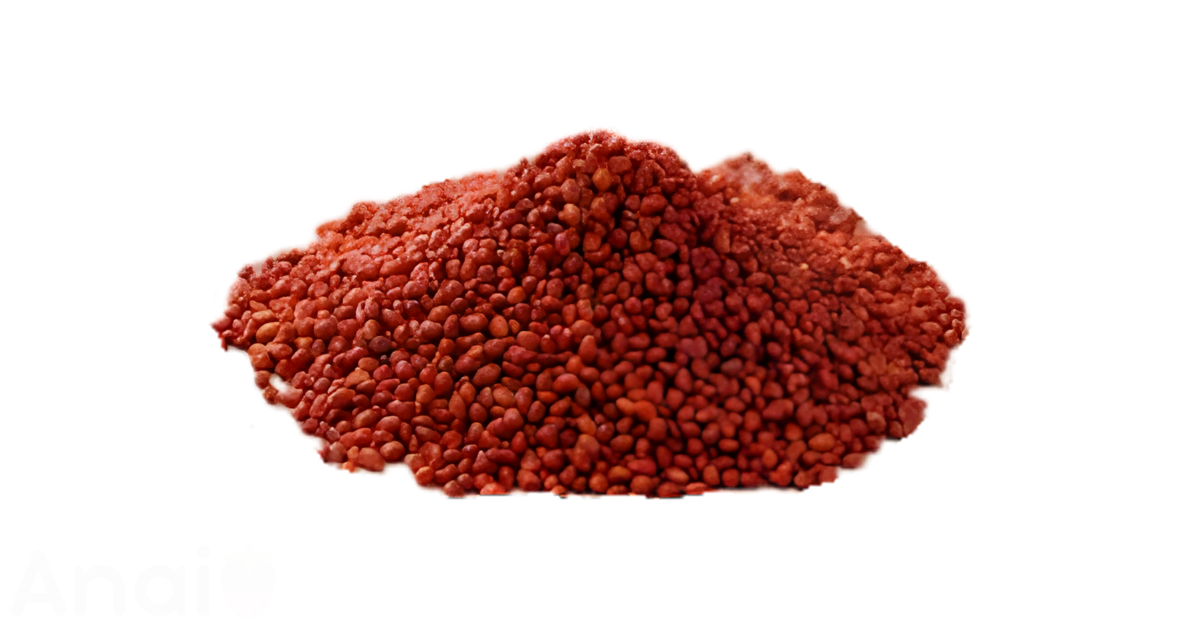
Annatto seeds are extensively more than just a natural dye for cheddar cheese; they are a potent source of plant-based nutrition. These seeds come from the achiote tree (Bixa orellana) and are packed with carotenoids. These pigments act as antioxidants that protect your cells. Roughly 70% of natural food colors are derived from annatto, making it a staple in the global food supply (Raman, 2019).
Beyond color, the seeds provide tocotrienols, a specialized form of vitamin E. This compound supports heart health and may even prevent bone loss. The seeds also exhibit antimicrobial properties. Research indicates they can inhibit various bacteria and fungi. Consequently, adding annatto to your diet offers legitimate functional benefits. It serves as an antioxidant, an anti-inflammatory agent, and a nutrient booster.
We will dig deeper into the science behind this colorful seed. This article will expand on topics such as: 12 unique health benefits of annatto seeds, annatto seed nutrition facts, annatto seeds risks and side effects, annatto seeds substitutes, popular annatto seed diets, annatto seed storage tips, 9 helpful annatto seed home remedies, annatto seeds and weight management, and annatto seeds for health conditions. You are reading the latest information as of March 2026.
12 Unique Health Benefits of Annatto Seeds
Annatto seeds deserve recognition as a functional health food. Modern science is finally catching up to centuries of traditional use. Researchers have isolated specific compounds in the seeds that fight disease and improve bodily functions. Every benefit listed below is fact-checked. They are backed by scientific publications and data trials.
1. Reduces Oxidative Stress
Annatto is a powerhouse of antioxidants. It contains high levels of bixin and norbixin. These are carotenoids found in the seed’s waxy coating. Antioxidants are vital because they neutralize free radicals. Free radicals are unstable molecules that damage cells. When free radicals accumulate, they cause oxidative stress. This stress is linked to chronic conditions like diabetes and heart disease. Laboratory studies confirm that annatto extracts display strong antioxidant activity (Lingo, 2024).
2. Fights Bacteria and Fungi
This seed has impressive antimicrobial capabilities. It acts as a natural preservative. In test-tube studies, annatto extracts successfully inhibited the growth of Staphylococcus aureus and Escherichia coli. It also fights fungal infections. One study treated pork patties with annatto powder. The result was significantly less microbe growth compared to untreated patties after 14 days in storage (Raman, 2019). This suggests annatto can keep food safe and potentially help the body fight pathogens.
3. Improves Cholesterol Levels
Your heart may benefit significantly from annatto consumption. The seeds are rich in tocotrienols, a vitamin E family member. A study tracked 31 people with high cholesterol. They took a daily supplement of annatto tocotrienol. After just four weeks, a dose of 250 milligrams led to a significant reduction in total cholesterol. It also lowered LDL cholesterol and triglycerides. The study further noted a decrease in inflammatory markers associated with cardiovascular disease (Lingo, 2024).
4. Enhances Eye Health
The carotenoids in annatto do more than provide color. They accumulate in the eyes and offer protection. Specifically, the compounds bixin and norbixin are beneficial. High levels of these carotenoids are linked to reduced risks of age-related eye issues. An animal study demonstrated this effect clearly. Supplementing with norbixin for 3 months reduced the accumulation of A2E. This compound is linked to age-related macular degeneration (AMD), which is a leading cause of blindness in older adults (Raman, 2019).
5. Strengthens Bones
Emerging research highlights annatto’s role in bone density. This is particularly relevant for postmenopausal women. They are often at risk for osteopenia. A preliminary study provided women with an annatto-derived tocotrienol supplement. The researchers observed distinct changes in bone markers. The supplement decreased bone resorption, which is the breakdown of bone tissue. Simultaneously, it improved bone formation markers (Lingo, 2024).
6. Reduces Muscle Soreness
Athletes might find a new ally in annatto. It appears to help with recovery after intense exercise. The anti-inflammatory properties are likely the cause. A study involving young men tested a mixture of annatto and ginger powder. The participants engaged in eccentric muscle contraction exercises. Those who took the supplement experienced reduced muscle soreness compared to the control group. Another study on recreational runners found that annatto combined with ginger and devil’s claw reduced inflammatory knee pain (Lingo, 2024).
7. Potential Anticancer Effects
Scientific inquiries suggest annatto may suppress cancer cells. This is likely due to the presence of bixin and tocotrienols. Test-tube studies have yielded promising results. Extracts of the food coloring were shown to suppress tumor growth. They induced cell death in human prostate, pancreas, liver, and skin cancer cells. While human studies are still needed, the ability of these compounds to induce apoptosis in cancer cells is a significant finding (Raman, 2019).
8. Accelerates Wound Healing
Annatto has a history of use for skin repair. Its antioxidant profile facilitates the production of healthy cells. This is crucial for repairing tissues damaged by cuts or burns. The seeds also possess antimicrobial properties. When applied as a paste or cream, it can help prevent infections in minor wounds. By reducing cell damage and fighting bacteria, annatto helps reduce scarring and speeds up the overall healing process (Firdous, 2020).
9. Acts as a Natural Sunscreen
Your skin can benefit from annatto’s chemical structure. The carotenoids provide a layer of defense against UV radiation. It is not a replacement for standard sunscreen. However, it offers an additional natural barrier. These compounds scavenge free radicals generated by sun exposure. This reduces oxidative stress on the skin. Consequently, annatto helps prevent photo-aging and sun damage from the inside out (Raman, 2019).
10. Aids Digestion
Annatto seeds are beneficial for the gut. They are rich in dietary fiber. Fiber is essential for accelerating the passage of food through the digestive tract. This helps avoid constipation. Furthermore, the fiber content aids in nutrient absorption. It also contributes to regulating cholesterol and optimizing insulin intake. This makes annatto a helpful dietary addition for managing blood sugar levels (Firdous, 2020).
11. Protects Kidney Function
Traditional medicine often utilizes annatto for renal health. The seeds and leaves have diuretic properties. This helps the body eliminate excess fluid and salt. Antibacterial compounds in the seeds also protect the urinary tract. By acting as a diuretic and antimicrobial agent, annatto helps guard and enhance kidney function (Firdous, 2020).
12. Supports Pregnancy with Folic Acid
Annatto seeds contain folic acid. This B-vitamin is critical during pregnancy. Adequate folic acid intake prevents birth defects related to the brain and spine. While supplements are common, natural sources are highly valuable. Pregnant women are often advised to consume folate-rich foods to ensure the healthy development of the baby (Firdous, 2020).
Annatto Seed Nutrition Facts
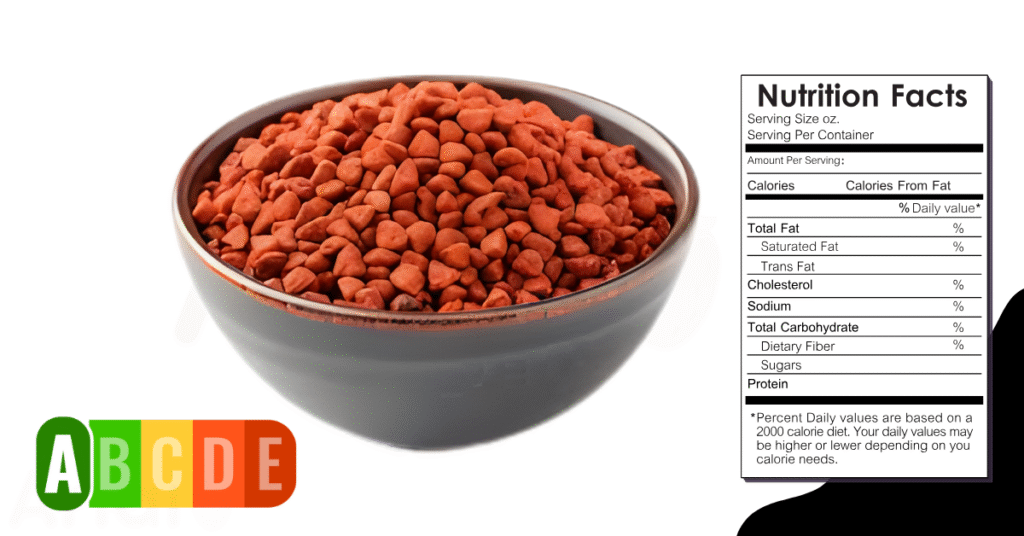
The many health benefits of annatto seeds can be further explained through their impressive nutrition facts, as analyzed in detail below.
Annatto Seed nutrition table
Annatto seeds are surprisingly dense in carbohydrates and offer a modest amount of protein per serving. The following table breaks down the nutritional profile based on a standard commercial ground annatto seed product. Note that while they are seeds, commercial ground preparations often show negligible fat content on standard labeling due to serving sizes or processing methods.
| Nutrient | Per Serving (14g) | DRI % (Serving) | Per 100 grams | DRI % (100 g) |
|---|---|---|---|---|
| Calories | 50 | 2.5% | 357 | 17.8% |
| Protein | 2g | 4% | 14.3g | 28.6% |
| Carbs | 10g | 3.6% | 71.4g | 26% |
| Total Fat | 0g | 0% | 0g | 0% |
| Cholesterol | 0mg | 0% | 0mg | 0% |
How many calories are in annatto seeds?
Annatto seeds are moderately energetic. A standard serving of approximately 14 grams (0.5 oz) contains 50 calories. If you look at a larger quantity, 100 grams of annatto seeds provides approximately 357 calories, which represents about 17.8% of your Daily Recommended Intake (DRI) based on a 2,000-calorie diet.
Burning off these calories is relatively easy. You would need to engage in roughly 5 to 7 minutes of moderate jogging or about 15 minutes of brisk walking to metabolize the energy found in a single serving. Because they are often used as a spice or colorant rather than a main dish, the caloric impact on your overall daily diet is usually minimal.
How much protein is in annatto seeds?
You might not expect a spice to contribute to your protein intake, but annatto seeds offer a decent amount. A single 14-gram serving delivers 2 grams of protein, which covers about 4% of the daily requirement for an average adult. When scaled up to 100 grams, the protein content rises to approximately 14.3 grams. This is significant for a plant-based ingredient, representing nearly 29% of the DRI, although consuming 100 grams in one sitting is unlikely.
How many carbs are in annatto seeds?
Carbohydrates make up the bulk of the caloric density in these seeds. A 14-gram serving contains 10 grams of carbohydrates, providing roughly 3.6% of your daily needs. In a 100-gram portion, you will find roughly 71.4 grams of carbohydrates. This makes them a high-carb ingredient by weight, yet the fiber content within these carbohydrates can aid in digestion.
How much fat is in annatto seeds?
According to standard nutrition labels for ground annatto seeds, the fat content is negligible. Both per serving and per 100 grams, the total fat is listed as 0g. While the seeds naturally contain oils where the bixin pigment resides, the processed ground form usually used in cooking is not a significant source of dietary fat.
| Fat Type | Per Serving (14g) | Per 100g |
|---|---|---|
| Total Fat | 0g | 0g |
| Saturated Fat | 0g | 0g |
| Monounsaturated Fats (MUFAs) | 0g | 0g |
| Polyunsaturated Fats (PUFAs) | 0g | 0g |
Are annatto seeds high in cholesterol?
No, annatto seeds are completely free of cholesterol. Like all plant-based foods, they contain 0mg of cholesterol per serving and per 100 grams. This makes them a heart-healthy choice for individuals looking to manage their blood lipid levels without sacrificing flavor or color in their meals.
Minerals in annatto seeds
Annatto seeds are a surprising source of essential minerals that support metabolic health and bone density. The two most prominent minerals found in these seeds are iron and calcium.
| Mineral | Content per Serving (14g) | Health Benefits |
|---|---|---|
| Iron | 8% DV | Essential for hemoglobin formation and oxygen transport. |
| Calcium | 2% DV | Crucial for bone health, muscle function, and nerve signaling. |
In summary, a mere half-ounce of these seeds provides a solid 8% of your daily iron requirement, making it an excellent booster for those fighting fatigue or anemia. Additionally, the 2% daily value of calcium contributes to maintaining strong skeletal structure, especially when combined with other calcium-rich foods.
Vitamins in annatto seeds
While standard macro-nutrient labels may show 0% for Vitamin A, scientific analysis reveals that annatto is rich in carotenoids and specific forms of Vitamin E. These compounds act as potent antioxidants.
| Vitamin | Primary Form | Health Benefits |
|---|---|---|
| Vitamin E | Tocotrienols | Protects heart health and may improve bone density. |
| Carotenoids | Bixin/Norbixin | Potent antioxidants that support eye health. |
To summarize, annatto is a rich source of tocotrienols, a rare form of Vitamin E that has been linked to lowering cholesterol and fighting oxidative stress. Furthermore, the bixin content functions similarly to Vitamin A precursors, offering protection against cellular damage and supporting vision.
Annatto Seeds Risks and Side Effects
While annatto is generally recognized as safe (GRAS) for the majority of the population, it is not without risks for specific individuals. Some people may possess a hypersensitivity to the seed. This can manifest as an allergic reaction, with symptoms ranging from mild itchiness and hives to swelling and low blood pressure. In rare, severe cases, anaphylaxis can occur, particularly in those with known allergies to the Bixaceae plant family.
Digestive issues are another potential side effect. Individuals suffering from Irritable Bowel Syndrome (IBS) may find that annatto acts as a trigger. Reports indicate that for some, consumption leads to abdominal pain, bloating, and diarrhea. If you notice these symptoms consistently after eating yellow or orange-processed foods, elimination is the most effective scientific method for managing the risk. By removing annatto from your diet and monitoring symptoms, you can determine if it is the culprit. Pregnant and breastfeeding women are also advised to exercise caution and avoid medicinal doses, as safety data for these populations remains insufficient.
Debunking myths about annatto seeds
Myth: Annatto is a dangerous artificial chemical like Red 40.
Fact: Annatto is a completely natural food coloring derived directly from the seeds of the achiote tree, unlike synthetic dyes, which are made from petroleum byproducts.
Myth: Annatto is toxic to the liver.
Fact: Scientific studies suggest the opposite; the bixin found in annatto may actually protect the liver from damage and oxidation by neutralizing harmful free radicals, rather than causing toxicity.
Annatto Seeds Substitutes
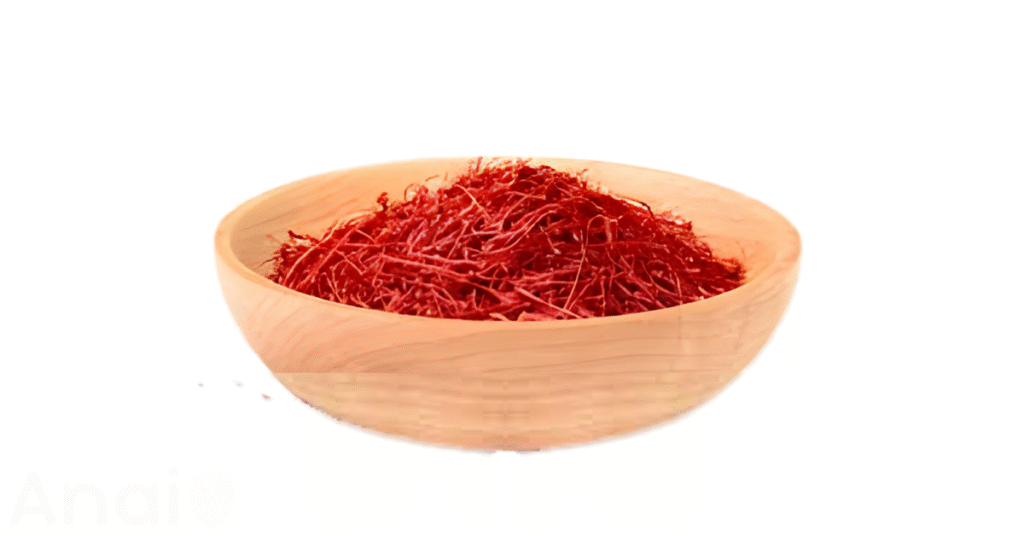
If you cannot tolerate annatto or simply cannot find it at your local grocer, there are several viable alternatives. The table below compares annatto to its most common substitutes regarding key nutrients.
| Food Item (1 tbsp) | Vitamin A (% DV) | Iron (% DV) | Calories |
|---|---|---|---|
| Annatto | High (Carotenoids) | ~8% | ~50 |
| Paprika | ~70% | ~2% | ~20 |
| Turmeric | ~0% | ~16% | ~24 |
| Saffron | ~0% | ~1% | ~6 |
Paprika is perhaps the most accessible substitute for home cooks. It provides a similar reddish-orange hue to dishes, though it lacks the bright yellow tint of annatto. When using this substitute, be aware that it can add a mild sweetness or heat depending on the variety (sweet vs. smoked). It is lower in calories than annatto but is a powerhouse for Vitamin A. However, it does not share the exact nutty, peppery flavor profile, so you may need to adjust other spices in your recipe.
Turmeric is the go-to alternative if you are strictly looking to replicate the yellow coloring agent found in annatto. It is incredibly potent, so you often need less of it to achieve the same visual impact. A drawback of this substitute is its distinct earthy and slightly bitter flavor, which is quite different from annatto. It contains significantly more iron but lacks the Vitamin A precursors found in redder spices.
Saffron is an excellent choice for achieving a brilliant golden-yellow color and a complex floral aroma. It is often considered the premium substitute. The main downside to using this substitute is the cost; it is the most expensive spice in the world. While it mimics the color well, the flavor is distinctively metallic and honey-like, which may alter the profile of traditional Latin American dishes intended to use earthy annatto.
Popular Annatto Seed Diets
How to add annatto seeds safely into your diet? Choosing the right diet is important to ensure that you are meeting your nutritional needs while also enjoying the foods you eat. Here are a few of the available annatto seeds-friendly diet options:
- The Ketogenic (Keto) Diet
- The Paleo Diet
- The Vegan/Plant-Based Diet
- The Anti-Inflammatory Diet
There is currently no medically established diet that focuses exclusively on consuming annatto seeds as a primary food source. They are used as a functional ingredient within broader nutritional frameworks.
| Diet Type | Role of Annatto | Key Benefit | Potential Drawback |
|---|---|---|---|
| Keto | Oil infusion | High-fat delivery system for antioxidants. | Caloric density of the carrier oil. |
| Paleo | Natural spice/dye | Replaces artificial additives. | None, if used as a spice. |
| Vegan | Natural colorant | Adds color to dairy-free cheeses/meats. | Hard seeds can be bitter if not ground. |
| Anti-Inflammatory | Functional supplement | High tocotrienol content fights swelling. | Potential interaction with medications. |
The Ketogenic Diet is highly compatible with annatto seeds because the primary method of extraction is oil infusion. Since Keto relies on high-fat intake, infusing healthy neutral oils like avocado oil with annatto seeds allows dieters to add color and antioxidants to their meals without adding carbohydrates. The main drawback is ensuring you do not overheat the oil, which can destroy the beneficial compounds.
The Paleo Diet emphasizes whole, unprocessed foods that were available to our ancestors. Annatto seeds fit perfectly here as an ancient, natural alternative to modern artificial food dyes like Red 40. It adds earthy flavor to roasted meats and vegetables. A slight drawback is that commercial achiote pastes often contain cornstarch or preservatives, so Paleo followers must make their own paste or powder from scratch.
The Vegan Diet utilizes annatto extensively to replicate the aesthetics of animal products. It is the secret ingredient that gives plant-based cheddars and mac-and-cheese their vibrant orange hue. Beyond color, it adds a savory, nutty depth to tofu scrambles and bean dishes. The only downside is finding sources that are not processed on shared equipment with animal products, though the seed itself is purely plant-based.
The Anti-Inflammatory Diet focuses on reducing chronic inflammation in the body. Annatto seeds are a rich source of bixin and tocotrienols, compounds shown to lower inflammatory markers like C-reactive protein. Incorporating annatto powder into rubs or soups supports this goal. However, users must be careful with dosage, as excessive consumption could theoretically interfere with blood sugar regulation or liver metabolism in sensitive individuals.
How to Cook Annatto Seeds?
Infused Annatto Oil is the most effective culinary method for extracting the pigment bixin. To do this, you gently heat seeds in neutral oil (like grapeseed or canola) for 5 to 10 minutes. It is crucial to keep the heat low-medium; if the oil smokes or boils, the seeds will release a bitter flavor and the antioxidants will degrade. This method is excellent for sautéing rice or vegetables. The benefit is high bioavailability of fat-soluble vitamins, though some heat-sensitive nutrients may be lost if the temperature exceeds 300°F (150°C).
Boiled or Simmered Annatto Seeds (Water Infusion) is the preferred method when you need the water-soluble pigment norbixin without the added fat. You simmer the seeds in water for 15 to 20 minutes until the liquid turns a deep rusty orange. This liquid is perfect for soups, stews, or kneading into doughs for tamales. While this method preserves the fat-free nature of the dish, water extraction is generally less efficient than oil extraction for pulling out the full spectrum of carotenoids.
Powdered Annatto Seeds involves dry-toasting the seeds in a skillet for 1 to 2 minutes until fragrant, cooling them, and then grinding them into a fine dust. This method ensures you consume the entire seed, meaning you get the full fiber content and all minerals like calcium and iron that might be left behind in an infusion. However, you must use a high-powered spice grinder, as the seeds are stone-hard. This method retains the most nutrients but requires the most effort to ensure the texture isn’t gritty.
Easy Annatto Seed Recipes
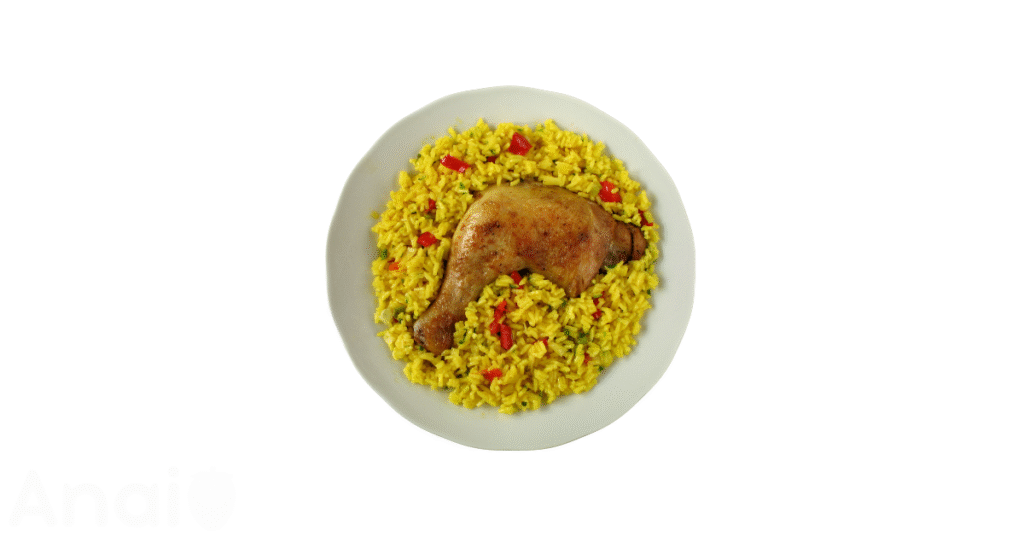
The annatto seeds recipes discussed here can help increase annatto seeds intake without compromising taste.
Breakfast ideas with annatto seeds
Annatto-Infused Breakfast Potatoes are a vibrant way to start the day. Toss cubed potatoes in homemade achiote oil before roasting them in the oven. The oil gives the potatoes a brilliant golden-orange crust and a subtle peppery flavor that pairs perfectly with onions and peppers. This adds a dose of antioxidants to a standard carb-heavy breakfast.
Golden Tofu Scramble utilizes the color of annatto to mimic the look of eggs. By mixing a teaspoon of ground annatto powder or a splash of annatto water into crumbled tofu, you achieve a rich yellow hue that turmeric alone cannot replicate. This dish provides a high-protein, plant-based breakfast that benefits from the anti-inflammatory properties of the seeds.
Lunch ideas with annatto seeds
Arroz con Pollo (Yellow Rice with Chicken) is a classic Latin American staple that relies heavily on annatto. You sauté the rice grains in achiote oil before adding the broth and chicken. This process, known as “blooming” the spice, ensures the nutty aroma permeates every grain of rice. It turns a simple chicken and rice lunch into a nutrient-dense meal rich in tocotrienols.
Achiote Vegetable Soup is a lighter option perfect for midday. Use an annatto water infusion as the base for a vegetable broth containing corn, squash, and beans. The annatto adds a savory depth often described as “earthy” or “musky,” which makes vegetarian soups taste heartier and more robust without using meat stocks.
Dinner ideas with annatto seeds
Classic Cochinita Pibil is perhaps the most famous culinary use of these seeds. It involves creating a paste (Recado Rojo) from ground annatto seeds, sour orange juice, garlic, and spices. This paste is rubbed generously over pork, which is then slow-roasted in banana leaves. The annatto acts as a tenderizer and preservative, creating a deeply flavorful and colorful main course.
Annatto-Rubbed Grilled Fish is a quick dinner option that highlights the seed’s affinity for seafood. Mix ground annatto powder with cumin, lime juice, and olive oil to create a wet rub. Brush this onto white fish like tilapia or cod before grilling. The annatto provides a beautiful charred crust and a mild flavor that does not overpower the delicate fish.
Simple tips to add annatto seeds to your diet
If you don’t have the time to implement any of the previous meal ideas, there are simple tips to add Annatto Seeds to your diet:
- Swap your regular cooking oil for achiote oil when sautéing onions or garlic.
- Add a pinch of ground annatto powder to your homemade spice rubs for grilling meat.
- Stir a teaspoon of annatto paste into burger patties before grilling for a smoky color.
- Use annatto oil to pop stovetop popcorn for a movie-theater yellow color without artificial dyes.
- Mix annatto powder into mayonnaise or yogurt to create colorful, antioxidant-rich dips.
- Add a splash of annatto water to bread or pizza dough for a warm, golden hue.
- Sprinkle ground annatto into cheese sauces or mac and cheese to boost the orange color naturally.
Annatto Seed Storage Tips
Knowing how to cook annatto seeds is only a part of the equation, and the importance of knowing annatto seeds storage tips to make those meals last for longer cannot be overstated. Proper storage preserves the delicate carotenoids responsible for the seed’s health benefits.
Shelf life of annatto seeds
- At room temperature: Whole seeds can last for 2 to 3 years. Ground annatto powder typically stays fresh for 6 to 12 months.
- In the refrigerator: Homemade annatto oil or paste should be stored here and will last for 2 weeks to 3 months, depending on preparation.
- In the freezer: Not recommended for oils as texture changes, but whole seeds can be frozen indefinitely, though flavor degradation occurs after 1 to 2 years.
How to store annatto seeds?
The enemies of annatto seeds are light, moisture, and heat. You should store whole seeds or ground powder in an airtight glass or ceramic container. Keep this container in a cool, dark place, such as a pantry or a spice cabinet situated away from the oven. If you buy seeds in bulk, consider vacuum-sealing portions you do not intend to use immediately. This protects the bixin pigment from oxidation, which dulls the vibrant color.
For processed forms like achiote paste or infused oil, storage requirements change. Once a package of paste is opened, or if you have made an oil infusion, you must transfer the product to a sealed container. Exposure to oxygen will turn the oil rancid quickly. Always label your containers with the date of production to track freshness accurately.
How to refridgerate annatto seeds?
Refrigeration is generally unnecessary for dry seeds but essential for pastes and oils.
- Transfer your annatto paste or infused oil into a clean, dry glass jar with a tight-fitting lid.
- Ensure the rim of the jar is wiped clean of any residue to prevent bacterial growth.
- Place the jar in the main body of the refrigerator, rather than the door, to ensure a stable temperature.
- Use a clean spoon every time you scoop out the product to prevent cross-contamination.
How to freeze annatto seeds?
Freezing is a viable option for long-term storage of bulk dry seeds.
- Place the whole annatto seeds in a heavy-duty freezer bag.
- Squeeze out as much air as possible before sealing to prevent freezer burn.
- Label the bag clearly with the current date.
- When you are ready to use them, let the seeds come to room temperature before opening the bag to prevent condensation from forming on the spices.
Signs of Spoilage in annatto seeds
If your annatto products exhibit any of the following changes, discard them immediately.
- Fading Color: The bright rusty-red turns to a dull brown.
- Musty Odor: A loss of the peppery, floral scent or the development of a moldy smell.
- Rancidity: A sharp, acrid smell coming from annatto oil.
- Visible Mold: Any fuzz or growth on pastes or seeds.
9 Helpful Annatto Seed Home Remedies
Are there any less-known tips to unlock the nutritious profile of annatto seeds? The following annatto seeds remedies can have a positive effect on overall well-being.
1. Digestive Soothing Tea: Annatto has traditional uses for calming heartburn and stomach cramps. To prepare this, steep one teaspoon of whole seeds in boiling water for 10 minutes. Strain the seeds and drink the warm liquid. The mild anti-inflammatory properties can help settle indigestion. Store any unused liquid in the fridge for up to 24 hours.
2. Natural Burn Paste: For minor skin burns, annatto can help speed up healing and reduce blistering. Grind seeds into a fine powder and mix with a small amount of water or aloe vera gel to form a paste. Apply this gently to the affected area and cover with a bandage. This utilizes the seed’s antioxidant properties to protect damaged skin cells.
3. Anti-Aging Face Mask: The high tocotrienol (Vitamin E) content makes annatto excellent for skin elasticity. Mix ground annatto powder with yogurt and honey. Apply to the face for 15 minutes before rinsing. This remedy fights free radicals that cause wrinkles. Use this mixture immediately after preparation; do not store.
4. Wound Healing Salve: Antimicrobial properties in annatto can help prevent infection in minor cuts. Infuse coconut oil with annatto seeds over low heat, strain, and let it solidify. Apply this red-orange salve to scrapes to accelerate tissue repair and reduce scarring. Keep this salve in a cool, dark place for up to 3 months.
5. Liver Detox Support: Research suggests annatto extracts can help control fat accumulation in the liver. Prepare a water-based infusion by simmering seeds for 15 minutes. Drinking this regularly may support metabolic health and lipid control. Store the infusion in the refrigerator and consume within 2 days.
6. Muscle Soreness Rub: The anti-inflammatory compounds can soothe aching joints. Create a concentrated annatto oil infusion using olive oil. Massage this warm oil into sore muscles or arthritic joints to reduce inflammation. This oil can be stored in a dark bottle for a month.
7. Natural Insect Repellent: Traditional cultures have used annatto to repel bugs. Mix annatto oil with a few drops of lemongrass essential oil. Apply to exposed skin. While not as strong as DEET, it offers a natural barrier against mosquitoes. Reapply every hour for effectiveness.
8. Kidney Function Booster: Annatto leaves and seeds have diuretic properties. Boiling them into a tea helps flush out toxins and supports urinary tract health. Drink this in moderation to avoid dehydration. Do not store this tea; brew it fresh each time.
9. Traditional Gonorrhea Support: Ethnomedicinal practices use annatto paste internally and topically for symptom relief of certain infections like gonorrhea. While not a replacement for antibiotics, a paste made from ground seeds is traditionally applied to soothe inflammation. Always consult a doctor for infectious diseases.
Annatto Seeds and Weight Management

There are multiple health benefits, and home remedies using annatto seeds, but what is their role in weight management? This section will analyze annatto seeds potential impact on weight loss, low-calorie diets, satiety, and metabolism.
Can annatto seeds help with weight loss?
Recent scientific breakthroughs suggest a direct link between annatto components and weight-related health markers. A study developed at the Faculty of Food Engineering (FEA) at Unicamp identified that substances in annatto seeds help control lipid levels. Their research led to a product called Colliv, which aids in reducing fat in the liver (non-alcoholic fatty liver disease), a condition closely tied to obesity. By mitigating liver fat accumulation, annatto compounds address a significant risk factor associated with being overweight.
Annatto Seeds in low-calorie diets
Annatto is a flavor enhancer that adds depth without significant caloric load. A standard tablespoon of seeds contains roughly 50 calories, but most recipes call for much less. By using water-based infusions or small amounts of ground powder, dieters can add a rich, savory, and “meaty” flavor to vegetables and lean proteins. This allows for the creation of satisfying, low-calorie meals without relying on heavy fats or sugary sauces for flavor.
Annatto Seeds and satiety
The fiber content in ground annatto seeds plays a role in digestive health and fullness. When consumed as a whole ground spice or paste, rather than just an oil extract, the dietary fiber helps slow digestion. This creates a prolonged sense of satiety. By regulating insulin intake and glucose levels in the bloodstream, as noted in traditional uses, it may help prevent the rapid blood sugar spikes that lead to hunger cravings.
Annatto Seeds and metabolism
Metabolic health is crucial for weight management, and annatto appears to boost lipid metabolism. Animal studies involving rabbits and rats have shown that bixin and norbixin (pigments in annatto) significantly improve cholesterol profiles. One study noted a 41% drop in triglycerides and a 55% reduction in arterial plaque accumulation. A healthy lipid profile ensures the body metabolizes fats more efficiently, rather than storing them, supporting improved metabolic function.
Annatto Seeds for Health Conditions
While weight management is important, do annatto seeds have an effect in more serious health conditions? Here’s what the scientific literature has to say:
Annatto Seeds and diabetes
The relationship between annatto seeds and diabetes management is complex but promising. The seeds are rich in dietary fiber, which aids in regulating blood sugar levels by optimizing insulin intake and glucose absorption in the bloodstream (Firdous, 2020). Additionally, the antioxidant properties of annatto may help protect pancreatic cells, which are responsible for insulin production.
However, caution is necessary. Some medical resources indicate that annatto might significantly increase or decrease blood sugar levels, potentially interfering with diabetes medications. Therefore, while the fiber content offers a protective metabolic benefit, individuals on anti-diabetes drugs like glimepiride or insulin should monitor their levels closely to avoid hypoglycemia.
Annatto Seeds and heart health
The impact of annatto on cardiovascular health is one of its most researched benefits, largely due to its high tocotrienol content. A study involving 31 individuals with high cholesterol demonstrated that a daily dose of 250 milligrams of annatto tocotrienol led to a significant reduction in total cholesterol and LDL cholesterol after just four weeks (Lingo, 2024).
Animal studies further support these findings. In a 2015 study, rabbits fed a high-cholesterol diet supplemented with bixin saw a 55% reduction in arterial plaque accumulation. The same study noted that triglycerides dropped by 41%, while “good” HDL cholesterol increased by an impressive 160% (Link, 2018). These statistics suggest that annatto compounds actively modify lipid profiles to favor heart health.
Annatto Seeds and digestive issues
Annatto acts as a double-edged sword regarding digestion. On one hand, the high fiber content helps accelerate the digestion of nutrients and prevents constipation (Firdous, 2020). Traditionally, the seeds have also been used to treat diarrhea and heartburn effectively.
Conversely, for a specific subset of the population, annatto can be an irritant. There are documented cases where annatto food coloring triggered symptoms of Irritable Bowel Syndrome (IBS), including abdominal pain and bloating (Link, 2018). While effective for general regularity, those with sensitive guts should approach it with care.
Annatto Seeds and inflammation
Chronic inflammation is a root cause of many diseases, and annatto shows strong potential as an anti-inflammatory agent. Research indicates that annatto compounds can block pro-inflammatory substances like bradykinin and nitric oxide (Watson, 2024).
In clinical settings, annatto supplementation has been linked to the reduction of specific inflammatory markers. A study highlighted that supplementation helped reduce markers such as interleukin-6 (IL-6) and tumor necrosis factor-alpha (Lingo, 2024). This biological mechanism suggests that annatto can help manage conditions characterized by systemic inflammation.
Annatto Seeds and cancer prevention
Early research into the anticancer properties of annatto is yielding compelling results in laboratory settings. Test-tube studies have found that extracts from the seeds may suppress cancer cell growth and induce cell death in prostate, pancreas, liver, and skin cancer cells (Link, 2018).
The carotenoid bixin is a key player here. One study specifically found that bixin killed myeloma cells, a type of blood cancer. Furthermore, the tocotrienols found in the seeds have been observed to stop the growth of bone cancer cells, although human trials are still needed to confirm these effects for clinical treatment (Watson, 2024).
Summary of Evidence
Current research indicates that annatto seeds offer significant potential in managing cholesterol and inflammation, with promising but preliminary data regarding cancer and diabetes.
| Health Category | Benefits | Type of Study | Quality of Evidence | Sources |
|---|---|---|---|---|
| Heart Health | Lowers LDL/Triglycerides, Raises HDL | Human & Animal | High | Lingo (2024); Link (2018) |
| Inflammation | Reduces markers (IL-6, TNF-alpha) | Human & Animal | Moderate | Lingo (2024); Watson (2024) |
| Cancer | Induces cell death in specific lines | Test-tube (In Vitro) | Preliminary | Link (2018); Watson (2024) |
| Diabetes | Fibrous regulation of glucose | Observational | Low/Mixed | Firdous (2020); Raman (2019) |
| Digestion | Aids constipation/treats diarrhea | Traditional/Anecdotal | Mixed | Firdous (2020); Link (2018) |
A Recap on Annatto Seed Nutrition
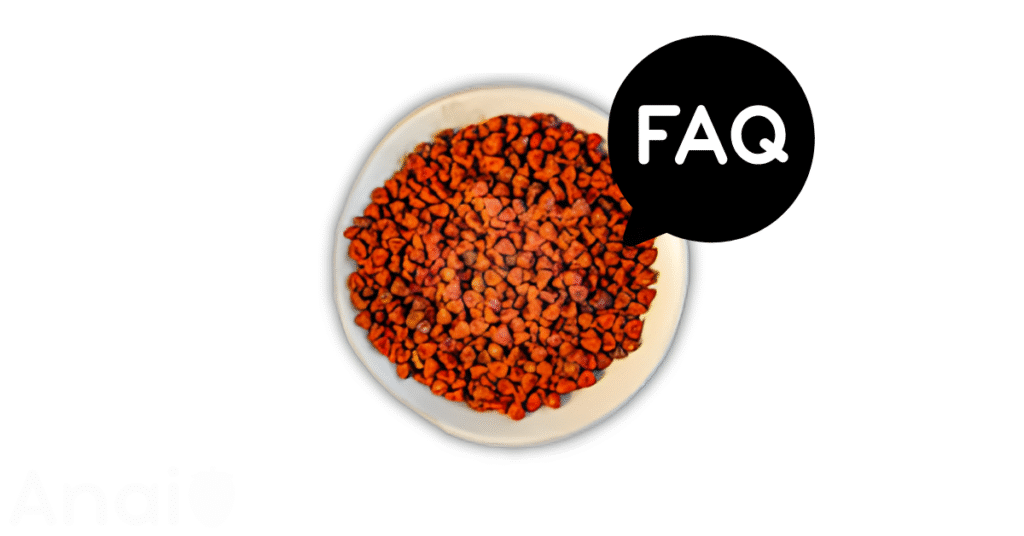
This comprehensive guide has explored the vast potential of the achiote tree, covering 12 unique health benefits of annatto seeds, annatto seed nutrition facts, annatto seeds risks and side effects, annatto seeds substitutes, popular annatto seed diets, annatto seed storage tips, 9 helpful annatto seed home remedies, annatto seeds and weight management, and annatto seeds for health conditions.
Here are a few key takeaways to remember:
- Annatto provides 70% of all natural food colors used globally.
- A single serving contains 0mg of cholesterol, making it heart-smart.
- Supplementation of 250mg has been shown to lower cholesterol in humans.
- The seeds are known as “poor man’s saffron” due to their economical coloring capability.
- Bixin and norbixin are the primary powerful antioxidants found in the seed coat.
- It acts as a natural preservative, extending the shelf life of foods like bread and meat.
- High doses of vitamin E (tocotrienols) in annatto may support bone density.
This article was last updated in March 2026.
Follow Anai.ai to stay informed about the latest nutrition and well-being news, tips and articles.
Annatto Seed Nutrition FAQs
This section addresses common questions about safety, daily limits, and pet consumption with concise, data-backed facts. We provide specific statistics to help you understand how to safely incorporate this antioxidant-rich seed into your lifestyle.
What are annatto seeds good for?
Annatto seeds are primarily valued as a natural alternative to synthetic dyes, accounting for an estimated 70% of natural food colors used worldwide. Beyond their ability to impart a vibrant yellow-orange hue to cheeses and stews, they serve as a potent source of bixin and norbixin, carotenoids that function as antioxidants to protect ocular health. Furthermore, they possess antimicrobial properties that can inhibit the growth of bacteria like Staphylococcus aureus, making them useful for both food preservation and traditional medicine.
Are annatto seeds healthy?
Yes, these seeds are a powerhouse of nutrition, specifically containing high levels of tocotrienols, a rare form of Vitamin E linked to improved cardiovascular health. Clinical studies have demonstrated that a daily supplementation of 250 mg of annatto tocotrienols can significantly reduce total cholesterol and LDL levels in humans. Additionally, their antioxidant capacity helps neutralize free radicals, potentially reducing oxidative stress that contributes to chronic diseases like cancer and diabetes.
Are annatto seeds fattening?
Annatto seeds are not fattening; a standard culinary serving of 14 grams contains only about 50 calories and is fat-free in its ground form. Far from causing weight gain, research suggests that specific compounds in the seeds may help control lipid levels and reduce fat accumulation in the liver. With 0 mg of cholesterol and beneficial dietary fiber, they are a metabolic-friendly addition to a balanced diet rather than a caloric burden.
Who should avoid annatto seeds?
Individuals suffering from Irritable Bowel Syndrome (IBS) should be cautious, as annatto has been identified as a potential trigger for symptoms like abdominal pain and bloating in sensitive subgroups. Those with known allergies to the Bixaceae plant family must avoid these seeds entirely to prevent reactions that can range from hives to severe low blood pressure. Pregnant and breastfeeding women are also advised to stick to standard food amounts rather than medicinal doses due to a lack of comprehensive safety data for these populations.
Can I eat annatto seeds daily?
Consuming annatto seeds daily in culinary amounts is generally recognized as safe by the FDA and can provide consistent antioxidant support. The European Food Safety Authority has established an Acceptable Daily Intake (ADI) of 6 mg per kilogram of body weight for bixin, the seed’s main pigment. However, because annatto may influence blood sugar levels, individuals on diabetes medication should monitor their glucose response if they plan to ingest large quantities every day.
Can dogs eat annatto seeds?
Annatto is widely considered safe and non-toxic for dogs, often appearing as a natural coloring agent in commercial dog treats. While it does not pose the toxicity risks associated with ingredients like chocolate or xylitol, it offers no significant nutritional necessity for canines and should only be consumed in moderation. Owners should ensure that any annatto-colored food shared with pets does not contain other harmful additives, spices, or excessive sodium.
Can cats eat annatto seeds?
Annatto is generally recognized as safe for cats and is actually frequently used by manufacturers to add an appetizing reddish hue to commercial cat foods. While it is not toxic like chocolate or onions, these seeds offer zero nutritional value to obligate carnivores and should not replace meat-based proteins. Feeding large quantities is ill-advised, as the high fiber content could theoretically cause minor gastrointestinal upset in sensitive felines.
How long do annatto seeds last in the fridge?
While whole dry seeds do not require refrigeration, processed forms like homemade annatto paste or infused oil must be kept cold to prevent spoilage. When stored in an airtight container at 40°F or below, annatto paste will typically maintain its quality for up to 3 months. However, homemade annatto oil is more volatile and should generally be consumed within 2 weeks to 1 month to ensure it does not oxidize and become rancid.
Can you freeze annatto seeds?
Freezing is an excellent method for preserving bulk quantities of annatto seeds, potentially extending their usability indefinitely without immediate spoilage. To prevent moisture damage and freezer burn, seeds must be sealed in heavy-duty freezer bags with all excess air removed before being placed at 0°F. While they remain safe to eat for many years, a noticeable degradation in their peppery flavor profile typically begins to occur after 1 to 2 years of frozen storage.
How to tell if annatto seeds are bad?
The most obvious indicator of spoilage is a shift in color from a vibrant, rusty brick-red to a dull, lifeless brown. You should also rely heavily on your nose; fresh seeds possess a distinct, slightly floral and peppery aroma, whereas spoiled ones will smell musty or completely scentless. If you are inspecting annatto oil or paste, any sharp, acrid smell is a definitive sign of rancidity, meaning the product must be discarded immediately.
How long are annatto seeds good for?
When stored correctly in a cool, dark environment, whole annatto seeds demonstrate impressive longevity and can remain fresh for 2 to 3 years. Once the protective outer coating is broken during grinding, the shelf life of annatto powder drops significantly to between 6 and 12 months due to rapid oxidation. Homemade preparations like pastes or oils have the shortest lifespan and are generally best consumed within a few weeks of production.
How to keep annatto seeds fresh?
To maximize freshness, you must strictly protect annatto seeds from their three primary enemies: heat, light, and moisture. Storing them in airtight glass jars inside a cool, dark pantry can effectively preserve the sensitive bixin carotenoids that are responsible for their color and antioxidant benefits. For long-term bulk storage, vacuum-sealing is the superior method as it physically removes oxygen that accelerates the degradation of the seed’s potency.