

Are Mandarins Good for You?
Mandarins are exceptionally good for you. These small citrus fruits are packed with an impressive nutritional profile for their size. A single medium mandarin contains only about 47 calories but delivers over a quarter of the daily recommended intake for vitamin C. They are also a good source of dietary fiber, which is essential for digestive health.
This article will expand on the latest information available as of March 2026. We will cover topics including: 10 factual health benefits of mandarins, mandarin nutrition facts, mandarins risks and side effects, mandarins substitutes, popular mandarin diets, mandarin storage tips, 9 fast mandarin home remedies, mandarins and weight management, and mandarins for health conditions.
10 Factual Health Benefits of Mandarins
Mandarins are more than just a sweet treat; they are a low-calorie nutritional powerhouse. Each of the following health benefits is supported by scientific evidence, showcasing why this fruit is a valuable addition to a balanced diet.
1. Powers Your Immune System
Mandarins are an excellent source of vitamin C, a crucial nutrient for a robust immune system. One medium mandarin (about 88 grams) provides 26% of the Daily Value (DV) for vitamin C. This potent antioxidant boosts the function of immune cells, helps fight oxidative damage, and promotes the death of harmful microbes (Wartenberg, 2020). Vitamin C from food sources is often better absorbed by the body than megadoses from supplements.
2. Rich in Cancer-Fighting Antioxidants
Mandarins are loaded with health-boosting plant compounds like flavonoids, beta-carotene, and beta-cryptoxanthin. These antioxidants defend the body against free radicals, which can lead to chronic diseases like cancer. Some studies suggest that the compounds in mandarins may help reduce the risk of developing certain cancers, such as liver and breast cancer, by suppressing genes that support cancer growth (Creativa, 2021).
3. Boosts Gut and Digestive Health
Fiber is essential for good digestion, and mandarins contain both soluble and insoluble forms. The fruit is particularly rich in soluble fiber, which forms a gel in your digestive tract, helping to soften stools and ease bowel movements. A single medium mandarin packs 8% of the DV for fiber, which feeds beneficial gut bacteria and helps maintain intestinal regularity (Wartenberg, 2020).
4. Improves Cholesterol Levels and Heart Health
Mandarins are a cholesterol-free food that can positively impact cardiovascular health. The soluble fiber they contain has been shown to help reduce LDL (“bad”) cholesterol, which can accumulate in blood vessels (Zelman, 2024). Furthermore, the flavonoids and antioxidants in mandarins help improve circulation, counteract the aging of blood vessels, and support overall heart function.
5. Helps Lower Blood Pressure
The fiber in mandarins can also help manage high blood pressure. Mandarins also contain potassium, a mineral known for its blood-pressure-lowering effects. Potassium helps the body excrete excess sodium and eases tension in the walls of blood vessels, contributing to healthier blood pressure levels (Creativa, 2021).
6. Strengthens Bones
Mandarins contain several minerals important for bone health, including calcium, magnesium, and potassium. Diets rich in these minerals are associated with higher bone mineral density. Stronger bones are less susceptible to fractures, and consuming mandarins can help fight conditions like osteoporosis, which becomes more critical for individuals over 40 (Zelman, 2024).
7. May Reduce the Risk of Kidney Stones
Regularly consuming citrus fruits like mandarins may help reduce your risk of developing kidney stones. A large population study linked a diet rich in citrus fruit with a lower risk of these painful mineral crystals (Wartenberg, 2020). Citrus fruits can boost citrate levels in the urine, which is thought to inhibit the formation of certain types of kidney stones.
8. Promotes Healthy and Youthful Skin
Mandarins are a natural elixir for the skin. The high concentration of vitamin C promotes the production of collagen, a protein that keeps skin soft, hydrated, and youthful. The antioxidants, like beta-carotene, also play a role by combating free radicals that cause premature aging, wrinkles, and skin damage (Creativa, 2021).
9. Aids in Weight Management
As a low-calorie and hydrating snack, mandarins are an excellent addition to a weight management plan. One medium fruit contains only about 40-47 calories. Their high fiber content helps you feel full longer, which can reduce the desire to eat more and prevent overeating between meals (Creativa, 2021).
10. Supports Hair Growth and Wound Healing
Mandarins are rich in vitamins E and B12, which are essential for growing healthy, shiny, and strong hair (Creativa, 2021; Choudhary, 2025). Additionally, the vitamin C in the fruit plays a vital role in wound healing. It improves skin and tissue integrity, and some studies show that high doses of vitamin C can shorten wound healing time. The oil from mandarins is also noted for its ability to help in the growth of new cells and tissues (Wartenberg, 2020; Zelman, 2024).
Mandarin Nutrition Facts

The significant health benefits of mandarins can be further explained through their impressive nutrition facts. The detailed breakdown below analyzes the macronutrients, vitamins, and minerals that make this fruit a powerhouse of nutrition.
Mandarin nutrition table
The following table provides a detailed look at the nutritional values for a standard serving size (one medium mandarin, 88g) and per 100 grams, based on a 2,000-calorie daily diet.
| Nutrient | Per Serving (88g) | DRI % (Serving) | Per 100 grams | DRI % (100 g) |
|---|---|---|---|---|
| Calories | 47 kcal | 2.4% | 53 kcal | 2.7% |
| Protein | 0.7 g | 1.4% | 0.8 g | 1.6% |
| Carbs | 12 g | 4.4% | 13.3 g | 4.8% |
| Total Fat | 0.3 g | < 1% | 0.3 g | < 1% |
| Cholesterol | 0 mg | 0% | 0 mg | 0% |
How many calories are in mandarins?
A single medium-sized mandarin (88g) contains approximately 47 calories, which is only 2.4% of the daily recommended intake (DRI) for a standard 2,000-calorie diet. Per 100 grams, mandarins have about 53 calories. Due to their low-calorie density, they are an excellent choice for a light snack. To burn off the 47 calories from one mandarin, it would take roughly 10-12 minutes of walking at a moderate pace or about 5 minutes of jogging.
How much protein is in mandarins?
Mandarins are not a significant source of protein. A medium mandarin provides just 0.7 grams of protein, accounting for only 1.4% of the DRI. While they contribute a small amount to your daily total, they should be paired with other protein-rich foods to meet your body’s needs for muscle repair and growth.
How many carbs are in mandarins?
One medium mandarin contains about 12 grams of carbohydrates, which is 4.4% of the DRI. These carbohydrates are primarily composed of natural sugars and dietary fiber. Out of the 12 grams, approximately 9 grams are sugars, providing a quick source of energy, and 2 grams are dietary fiber, which aids in digestion and promotes a feeling of fullness.
How much fat is in mandarins?
Mandarins are a virtually fat-free food. A medium mandarin has only 0.3 grams of total fat, which is less than 1% of the daily recommended intake. The fat content is composed of trace amounts of healthy unsaturated fats.
| Fat Type | Amount per 100g |
|---|---|
| Total Fats | 0.3 g |
| Saturated Fats | 0.04 g |
| Monounsaturated Fats (MUFAs) | 0.06 g |
| Polyunsaturated Fats (PUFAs) | 0.07 g |
Are mandarins high in cholesterol?
No, mandarins are completely free of cholesterol. This makes them a heart-healthy fruit that can be enjoyed without concern for negatively impacting your cholesterol levels.
Minerals in mandarins
Mandarins provide several essential minerals that contribute to overall health, from maintaining blood pressure to strengthening bones.
| Mineral | Amount Per Serving (88g) | Health Benefit |
|---|---|---|
| Potassium | 146 mg (3% DV) | Helps regulate blood pressure and fluid balance. |
| Calcium | 33 mg (2.5% DV) | Essential for strong bones and teeth. |
| Magnesium | 11 mg (2.5% DV) | Supports nerve function and bone health. |
| Copper | 0.04 mg (4% DV) | Aids in red blood cell production and iron absorption. |
While not exceptionally high in any single mineral, mandarins offer a beneficial combination. They notably contain more copper than most other fruits, which is vital for transporting oxygen throughout the body. The presence of potassium, calcium, and magnesium supports both cardiovascular and skeletal health.
Vitamins in mandarins
Mandarins are most famous for their high vitamin C content, but they also supply other important vitamins.
| Vitamin | Amount Per Serving (88g) | Health Benefit |
|---|---|---|
| Vitamin C | 26 mg (26% DV) | Boosts immune function, promotes collagen production for healthy skin. |
| Vitamin A | 30 mcg (3% DV) | Important for vision, immune health, and cellular communication. |
| Folate (B9) | 14 mcg (4% DV) | Crucial for cell growth and DNA formation. |
The standout nutrient in mandarins is vitamin C, with a single fruit providing over a quarter of your daily needs. This powerful antioxidant is key to fighting off infections and healing wounds. Mandarins also provide Vitamin A in the form of carotenoids like beta-cryptoxanthin and beta-carotene, supporting good vision and a healthy immune system.
Mandarins Risks and Side Effects
While mandarins are a healthy choice for most people, excessive consumption can lead to some side effects. Due to their high fiber content, eating too many mandarins in one sitting may cause digestive issues like bloating, cramping, or diarrhea. The natural acidity of mandarins can also be a problem for some. Individuals with conditions like gastroesophageal reflux disease (GERD) or gastritis may experience heartburn or stomach irritation.
Furthermore, because mandarins are a good source of potassium, people with kidney disease or those taking certain medications like ACE inhibitors should be mindful of their intake. These conditions can impair the body’s ability to remove excess potassium, potentially leading to a serious condition called hyperkalemia. An expert recommendation suggests that consuming a maximum of three to four mandarins per day is a safe amount for most healthy adults to reap the benefits without the risks.
Debunking myths about mandarins
Several myths surround this popular citrus fruit. It’s important to separate fiction from fact.
Myth: Mandarins and tangerines are completely different fruits.
Fact: This is a common point of confusion. Tangerines are actually a specific type of mandarin, not a separate species. While all tangerines are mandarins, not all mandarins are tangerines. Mandarins are a broad category of small, easy-to-peel citrus fruits that include tangerines, clementines, and satsumas.
Myth: The pesticides on the peel make them dangerous to eat.
Fact: While it is true that low levels of pesticide residues are primarily found on the peel, regulatory bodies like the Singapore Food Agency (SFA) routinely test produce to ensure these levels are well within a safe range. The risk from these residues is considered negligible. Thoroughly washing the mandarin under running water before peeling is a simple and effective way to remove most of the surface residues, making them perfectly safe to handle and consume.
Mandarins Substitutes
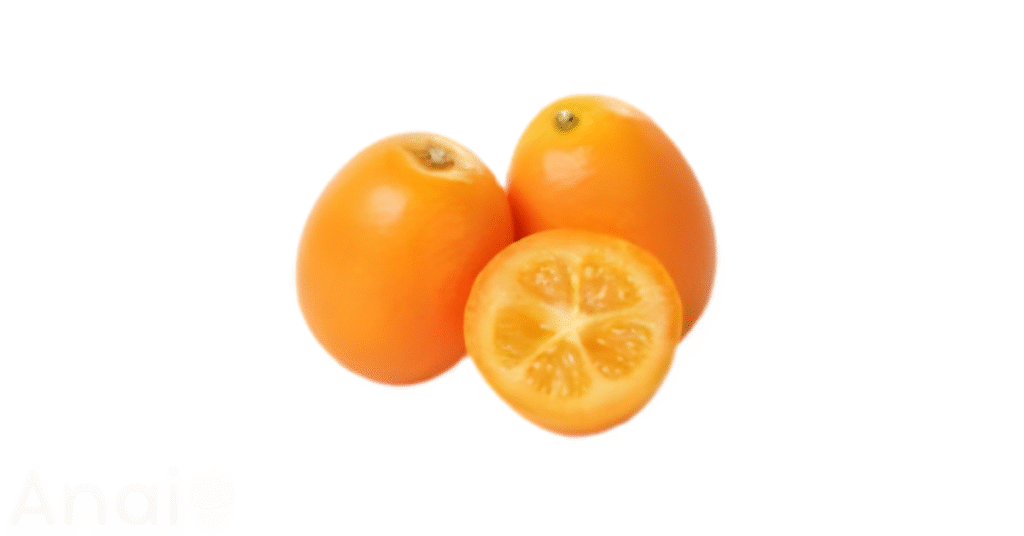
If a recipe calls for mandarins and you don’t have any, several other citrus fruits can work in their place. The best substitute depends on whether you need the fruit for its juice, zest, or segments.
| Substitute | Calories (per 100g) | Vitamin C (per 100g) | Fiber (per 100g) |
|---|---|---|---|
| Mandarin | 53 kcal | 26.7 mg | 1.8 g |
| Orange | 47 kcal | 53.2 mg | 2.4 g |
| Grapefruit | 42 kcal | 31.2 mg | 1.6 g |
| Clementine | 47 kcal | 48.8 mg | 1.7 g |
| Kumquat | 71 kcal | 43.9 mg | 6.5 g |
For recipes, clementines are an almost perfect substitute for mandarins, as they are very similar in size, sweetness, and ease of peeling. The primary benefit of using them is their consistent, seedless nature. However, they have a slightly thinner peel, which provides less zest if that is what a recipe requires.
An orange is a great substitute, especially for its juice and zest. Oranges offer more vitamin C and fiber than mandarins and have a thicker peel that is ideal for zesting. The main drawback is their size and difficulty in peeling. If you use orange segments in a salad, you may need to cut them in half to match the size of mandarin segments.
A grapefruit can be used if you prefer a less sweet, slightly more bitter or tart flavor profile. The benefit of using grapefruit is its unique, musky aroma and lower calorie count. However, it is a significant drawback that you must peel the bitter membrane off each segment before using it in a dish.
Finally, kumquats offer a unique and adventurous substitution. The main benefit is that their entire peel is edible and sweet, while the inside is tart, creating a burst of contrasting flavors. Their drawback is their tiny size and the presence of seeds, making them more labor-intensive to prepare for recipes.
Popular Mandarin Diets
How to add mandarins safely into your diet? Choosing the right diet is important to ensure that you are meeting your nutritional needs while also enjoying the foods you eat. Here are a few of the available mandarins-friendly diet options:
- Mediterranean Diet
- DASH (Dietary Approaches to Stop Hypertension) Diet
- Weight Management / Calorie-Controlled Diet
| Diet | Key Focus | Benefits | Drawbacks |
|---|---|---|---|
| Mediterranean Diet | Emphasizes whole foods: fruits, vegetables, nuts, legumes, whole grains, fish, and olive oil. | Rich in nutrients, supports heart health, sustainable long-term. | Can be higher in cost; preparation can be time-consuming. |
| DASH Diet | Focuses on reducing sodium and increasing intake of potassium, calcium, and magnesium to lower blood pressure. | Proven to lower blood pressure, encourages balanced eating. | May require significant changes for those used to high-sodium, processed foods. |
| Weight Management | Centers on creating a calorie deficit for weight loss by prioritizing low-calorie, nutrient-dense foods. | Effective for weight loss, flexible in food choices. | Can lead to nutrient deficiencies if not carefully planned; requires calorie tracking. |
The Mediterranean Diet is less a strict plan and more a lifestyle pattern inspired by the eating habits of Greece and Southern Italy. It heavily features fruits like mandarins, alongside vegetables, whole grains, and healthy fats. This approach is celebrated for its benefits to heart health and its long-term sustainability, as it doesn’t ban entire food groups, making it easier to follow.
The DASH Diet is specifically designed to help manage or prevent high blood pressure. It encourages a high intake of fruits, vegetables, and low-fat dairy, while limiting sodium, red meat, and sugary drinks. Mandarins fit perfectly into this plan as they are naturally low in sodium and a good source of potassium, which helps regulate blood pressure.
A general Weight Management Diet focuses on consuming fewer calories than the body burns. Mandarins are an ideal food for this approach because they are low in calories (around 47 calories per medium fruit) but high in fiber and water. This combination helps you feel full and satisfied, making it easier to manage overall calorie intake and prevent overeating.
How to Cook Mandarins?
While mandarins are most often enjoyed raw to preserve their delicate flavor and nutrients, several cooking methods can enhance their sweetness and incorporate them into a variety of dishes.
Raw mandarins are the best way to consume the fruit to get its full nutritional benefit. Cooking, especially at high heat, can destroy a significant portion of its heat-sensitive vitamin C. Eating them fresh preserves all their vitamins, minerals, and enzymes. For a simple twist, peel and segment them for salads, snacks, or desserts.
Grilled mandarins develop a beautiful caramelized flavor. Slice mandarins in half, brush the cut side lightly with honey or maple syrup, and grill for 2-3 minutes until grill marks appear. This method brings out the fruit’s natural sugars, making it a fantastic topping for yogurt, ice cream, or even savory dishes like grilled chicken or pork.
Roasted or baked mandarins work well in both sweet and savory recipes. You can roast mandarin segments alongside chicken or pork to add a sweet and tangy glaze. For a dessert, bake whole peeled mandarins with a sprinkle of cinnamon and a drizzle of honey until tender. This method deepens their flavor, though it will lead to some vitamin C loss.
Poached mandarins create a soft, infused fruit perfect for elegant desserts. Gently simmer whole, peeled mandarins in a liquid like water, white wine, or fruit juice, along with spices such as cinnamon sticks, star anise, or vanilla beans. Poaching at a lower temperature is slightly gentler on nutrients compared to high-heat methods like grilling.
Easy Mandarin Recipes
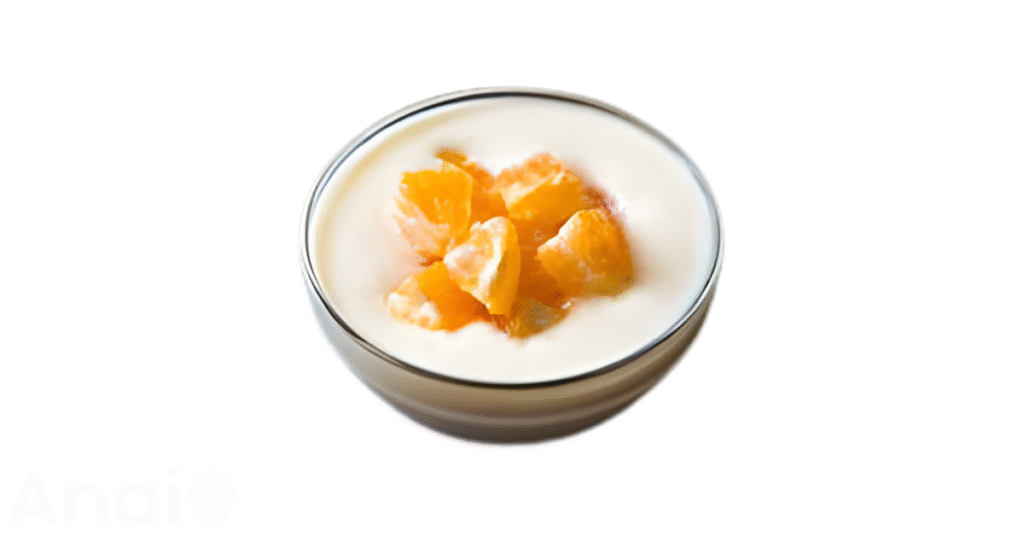
Incorporating mandarins into your daily meals is a simple way to boost your nutrient intake without sacrificing flavor. These easy recipe ideas can help you add more of this delicious fruit to your diet.
Breakfast ideas with mandarins
Granola parfaits can be elevated with a layer of fresh mandarin segments. Alternate layers of Greek yogurt, your favorite granola, and juicy mandarin pieces in a glass for a visually appealing and nutritious start to your day. The sweetness of the mandarins cuts through the tang of the yogurt perfectly.
Oatmeal or porridge gets a bright, citrusy lift when topped with mandarins. Add the segments during the last few minutes of cooking to warm them through, or simply place them on top just before serving. They pair wonderfully with a sprinkle of nuts or seeds for added crunch.
Smoothies are a quick and easy way to use mandarins. Blend a whole peeled mandarin with a banana, a handful of spinach, and some yogurt or almond milk for a refreshing and vitamin-packed breakfast drink.
Lunch ideas with mandarins
Ginger-Cashew Chicken Salad is a popular choice that combines savory and sweet flavors. Toss shredded chicken with chopped celery, cashews, and mandarin segments. A dressing made with ginger, soy sauce, and rice vinegar ties all the elements together for a crunchy, satisfying lunch.
Fruited Tuna Salad Pitas offer a unique twist on a classic. Mix canned tuna with mayonnaise or Greek yogurt, then fold in chopped mandarin oranges and celery. The burst of citrus complements the savory tuna and adds a refreshing element to the sandwich.
Citrus Steak Salad makes for a hearty and elegant meal. Top a bed of mixed greens with grilled steak slices, red onion, avocado, and mandarin segments. A light vinaigrette dressing made with olive oil and balsamic vinegar enhances the flavors without overpowering the ingredients.
Dinner ideas with mandarins
Mandarin Pork Stir-Fry is a quick weeknight dinner that is full of flavor. Stir-fry sliced pork with your favorite vegetables like broccoli and bell peppers, then add a sauce made from mandarin juice, soy sauce, ginger, and garlic. Toss in the mandarin segments at the very end to gently heat them without making them mushy.
Teriyaki Pork Tacos get a sweet and tangy upgrade with the addition of mandarins. Fill warm flour tortillas with teriyaki-glazed pork, shredded lettuce, and a few mandarin segments. The citrus provides a bright contrast to the rich, savory meat.
Slow-Cooker Mandarin Chicken is an effortless dish where the slow cooker does all the work. Place chicken thighs in the cooker with a sauce made of mandarin juice, soy sauce, and spices. The chicken becomes incredibly tender and absorbs all the delicious flavors. Serve over rice.
Simple tips to add mandarins to your diet
For busy people who don’t have time to implement any of the previous meal ideas, there are simple tips to add Mandarins to their diet.
- Keep a bowl of mandarins on your counter or desk for a visible and easy-to-grab snack.
- Pack one or two in your lunch bag for a portable and healthy midday treat.
- Add a few segments to a glass of water or sparkling water for a natural flavor infusion.
- Use the zest in salad dressings, marinades, or baked goods to add a citrus aroma without extra sugar.
- Toss a handful of segments into any green salad for a burst of sweetness and color.
- Keep canned mandarins (packed in juice, not syrup) in your pantry for a quick addition to cottage cheese or yogurt.
Mandarin Storage Tips
Knowing how to cook mandarins is only a part of the equation; it’s also important to know mandarin storage tips to make those meals last for longer. Proper storage preserves their flavor, texture, and nutritional value.
Shelf life of mandarins
- At room temperature: Whole mandarins will last for up to 1 week.
- In the refrigerator: Whole mandarins can stay fresh for up to 6 weeks, while peeled segments last for about a week in a sealed container.
- In the freezer: Properly stored mandarin segments can last for several months.
How to store mandarins?
When selecting mandarins, look for fruits that are glossy, unblemished, and feel heavy for their size, as this indicates more juice. Avoid any with soft spots, cuts, or mold. Once you bring them home, it’s best to store them in a cool, dry place away from direct sunlight.
Do not wash mandarins before you are ready to eat them. Any moisture on the peel can encourage the growth of mold and cause the fruit to spoil more quickly. Also, avoid storing them in sealed plastic bags at room temperature, as this traps moisture and accelerates decay. A fruit bowl or a breathable produce bag is a better option.
How to refridgerate mandarins?
Refrigerating mandarins is the best way to significantly extend their freshness. Here is a simple method to do it correctly:
- Place whole, unwashed mandarins directly into the refrigerator.
- Store them in the crisper drawer to maintain a consistent, cool temperature and optimal humidity.
- If you pre-peel the mandarins, place the segments in an airtight container or a sealed bag before putting them in the fridge.
How to freeze mandarins?
Freezing is a great option for long-term storage, especially if you plan to use the mandarins in smoothies or desserts. Follow these steps for the best results:
- Peel the mandarins and carefully remove as much of the white pith and membrane as possible.
- Separate the fruit into individual segments.
- Arrange the segments in a single layer on a baking sheet lined with parchment paper. This prevents them from clumping together.
- Place the baking sheet in the freezer for a few hours, or until the segments are frozen solid.
- Transfer the frozen segments to a freezer-safe bag or an airtight container, remove as much air as possible, and place it back in the freezer.
Signs of Spoilage in mandarins
Before eating, always check your mandarins for signs of spoilage. Discard any fruit that shows the following:
- Soft, bruised, or brown spots on the peel.
- Visible mold, which often appears as white or greenish-blue fuzzy patches.
- A mushy or soft texture when gently squeezed.
- An off, fermented, or sour smell.
9 Fast Mandarin Home Remedies
Are there any less-known tips to unlock the nutritious profile of mandarins? The following mandarins remedies can have a positive effect on overall well-being.
1. Immunity-Boosting Juice: For a quick immune system boost, especially during cold season, juice two to three fresh mandarins. This provides a concentrated dose of Vitamin C. Drink this juice first thing in the morning. It can be stored in the refrigerator for up to 24 hours.
2. Glowing Skin Tonic: Regularly drinking fresh mandarin juice can improve skin tone and impart a natural glow. The antioxidants help protect the skin from free radical damage. Prepare by juicing two mandarins and drink daily.
3. Anti-Wrinkle Face Mask: To fight signs of aging, mix the fresh juice of one mandarin with a teaspoon of honey and a teaspoon of yogurt. Apply the paste to your face, leave it on for 15 minutes, and then rinse with cool water. Use this mask once or twice a week.
4. Natural Hair Shine Rinse: For instant shine and bounce, apply fresh mandarin juice to your hair after mixing it with your regular hair oil or a carrier oil like coconut oil. Let it sit for 20-30 minutes, then shampoo and rinse thoroughly.
5. Wound Healing Aid: Mandarin essential oil is useful in promoting the growth of new cells and tissues. For minor cuts or scrapes, you can dilute a drop of mandarin essential oil with a carrier oil (like coconut or almond oil) and apply it gently to the area to support the healing process.
6. Digestive Soother: To prevent digestive spasms or cramps, drink a cup of warm mandarin juice. The fruit’s natural properties can help soothe the digestive system. Simply warm the juice of two mandarins on the stove, but do not boil, to preserve its nutrients.
7. Toxin Flush Drink: As a natural blood purifier, mandarins can help flush out toxins. Start your day with a glass of water infused with the juice of one mandarin and a squeeze of lemon to help cleanse your system.
8. Anti-Blemish Treatment: The Vitamin C and E in mandarins can help create flawless, blemish-free skin. Dab a small amount of fresh mandarin juice directly onto blemishes with a cotton swab and leave it on overnight.
9. Calming Mandarin Peel Tea: The dried peel of a mandarin, known as Chen Pi in traditional medicine, is excellent for aiding digestion. Steep a piece of dried peel in hot water for 5-10 minutes. This tea can help reduce phlegm and improve appetite. Store dried peels in an airtight container.
Mandarins and Weight Management

There are multiple health benefits, and home remedies using mandarins, but what is their role in weight management? This section will analyze mandarins potential impact on weight loss, low-calorie diets, satiety, and metabolism.
Can mandarins help with weight loss?
Yes, mandarins can be a valuable tool in a weight loss journey. They are a substantial source of fiber, which is a key component in weight management. According to one article, some doctors have found that eating mandarins can help lower insulin levels. Instead of the body storing sugar and converting it to fat, it uses the sugar as fuel, which can contribute to weight loss (Choudhary, 2025). Their natural sweetness can also satisfy sugar cravings, helping you avoid higher-calorie, processed snacks.
Mandarins in low-calorie diets
Mandarins fit perfectly into low-calorie diets. A single medium-sized mandarin contains only about 40-50 calories, making it a nutrient-dense snack that won’t derail your daily calorie goals. Because they are naturally sweet, they can be used in desserts or salads to add flavor without adding significant calories. This low-calorie count, combined with their high water content, makes them an excellent choice for anyone looking to reduce their overall energy intake while still consuming essential vitamins and minerals.
Mandarins and satiety
Mandarins are effective at promoting satiety, which is the feeling of fullness and satisfaction after eating. This is primarily due to their high fiber content. A medium mandarin provides about 2 to 3 grams of dietary fiber, which is about 8-12% of the daily recommended value for women. The soluble fiber in mandarins forms a gel-like substance in the digestive tract, which slows down digestion and helps you feel full for a longer period. This can reduce the urge to snack between meals, thereby assisting with calorie control.
Mandarins and metabolism
While no single food can dramatically boost your metabolism, mandarins can support a healthy metabolic rate. Their high fiber content helps regulate blood sugar levels. By preventing sharp spikes and crashes in blood sugar, mandarins help maintain stable energy levels. This stability is important, as it encourages the body to use sugar for immediate energy rather than storing it as fat. This efficient use of fuel is a cornerstone of a healthy and functioning metabolism.
Mandarins for Health Conditions
While weight management is important, do mandarins have an effect in more serious health conditions? Here’s what the scientific literature has to say:
Mandarins and diabetes
Mandarins can be a healthy part of a diet for individuals with diabetes. Their fiber content helps to support blood sugar control by slowing the absorption of sugar into the bloodstream (Wartenberg, 2020). Additionally, some research suggests that the antioxidants in mandarin oranges may help reduce the risk of developing diabetes or its complications (PotsandPans India, 2023). However, it is always best for individuals with diabetes to monitor their fruit intake and consult with a healthcare provider.
Mandarins and heart health
Mandarins are beneficial for cardiovascular health. They are a good source of soluble fiber, which has been shown to help reduce LDL or “bad” cholesterol levels, a major risk factor for heart disease and stroke (Zelman, 2024). Furthermore, mandarins contain potassium, a mineral that helps lower blood pressure by easing tension in blood vessel walls and helping the body eliminate excess sodium.
Mandarins and digestive issues
The fiber in mandarins is excellent for promoting gut health. Mandarins contain both soluble and insoluble fiber. The soluble fiber forms a gel in the digestive tract, which helps to soften stools and ease bowel movements (Wartenberg, 2020). This fiber also acts as a prebiotic, feeding the beneficial bacteria in your gut that are crucial for proper digestion and overall health.
Mandarins and inflammation
Citrus fruits, including mandarins, are packed with anti-inflammatory compounds. A 2015 review highlighted that the phytochemicals and active compounds in citrus fruits possess significant anti-inflammatory properties (Richards, 2021). This makes them valuable in a diet aimed at reducing chronic inflammation, which is linked to many long-term diseases.
Mandarins and cancer prevention
The rich antioxidant content in mandarins may play a role in cancer prevention. Compounds like beta-carotene and beta-cryptoxanthin, which give the fruit its deep orange color, may help reduce the risk of developing some cancers (Zelman, 2024). A 2015 review also noted the anti-cancer properties of compounds found in citrus fruits. Research suggests these compounds may help suppress genes that support cancer growth and inactivate cancer-promoting agents.
The collective evidence from various studies suggests that the regular consumption of mandarins can play a supportive role in managing and preventing several chronic health conditions.
| Health Category | Benefits | Type of Study | Quality of Evidence | Sources |
|---|---|---|---|---|
| Diabetes | Helps control blood sugar, antioxidants may reduce risk. | General Nutritional Science | Moderate | Wartenberg (2020); PotsandPans (2023) |
| Heart Health | Lowers LDL cholesterol, helps manage blood pressure. | Nutritional Studies | Strong | Zelman (2024); Richards (2021) |
| Digestive Health | Eases bowel movements, supports healthy gut bacteria. | Nutritional Science Review | Strong | Wartenberg (2020) |
| Inflammation | Contains anti-inflammatory phytochemicals. | Scientific Review (2015) | Moderate | Richards (2021) |
| Cancer Prevention | Antioxidants may suppress cancer-promoting genes. | Population & Lab Studies | Emerging | Zelman (2024); Wartenberg (2020) |
Wrapping Up: Mandarin Nutrition
This article has provided a comprehensive look into the world of mandarin nutrition. We’ve covered everything from 10 factual health benefits of mandarins and detailed mandarin nutrition facts, to potential risks and side effects, suitable substitutes, and their role in popular diets and weight management. We also explored storage tips, home remedies, and how mandarins can impact various health conditions.
Here are a few key takeaways:
- A single medium mandarin contains only about 47 calories and provides over 26% of your daily Vitamin C needs.
- Mandarins are a good source of fiber, which aids in digestion, helps you feel full longer, and supports healthy blood sugar levels.
- The antioxidants in mandarins, such as beta-carotene and flavonoids, may help reduce the risk of chronic diseases like heart disease and certain cancers.
- You can store whole mandarins in the refrigerator for up to 6 weeks, significantly extending their freshness.
- Tangerines and clementines are not different fruits, but are actually popular varieties of mandarins.
This content was last updated in March 2026.
Follow Anai.ai to stay informed about the latest nutrition and well-being news, tips and articles.
Mandarin Nutrition FAQs

This section provides concise answers to the most frequently asked questions about mandarins. It covers key topics from health benefits and diet concerns to practical tips on storage and pet safety. It’s a quick, informative guide to everything you need to know about this popular citrus fruit.
What are mandarins good for?
Mandarins are excellent for overall health, particularly for boosting the immune system and supporting skin health due to their high vitamin C content. They are also rich in antioxidants like beta-carotene, which may help reduce the risk of certain cancers, and contain minerals such as potassium and calcium that support bone strength and healthy blood pressure. Additionally, the soluble fiber in mandarins aids in lowering “bad” LDL cholesterol and helps you feel full longer, which can assist with weight management.
Are mandarins healthy?
Yes, mandarins are very healthy as they are loaded with essential nutrients, minerals, and antioxidants while being low in calories. A single medium mandarin provides about 47 calories, 2 grams of fiber, and nearly a third of the daily recommended amount of vitamin C. Their rich profile of vitamins A, B, and C, along with minerals like potassium and magnesium, contributes to a strong immune system, improved vision, better digestion, and cardiovascular health.
Are mandarins fattening?
No, mandarins are not fattening and are a great snack for weight management due to their low-calorie and high-fiber content. A medium mandarin has only about 47 calories and is virtually fat-free, making it a healthy alternative to sugary snacks. The 2 grams of fiber per serving helps you feel full and satiated for longer, which reduces the desire to overeat and can help maintain a healthy weight.
Who should avoid mandarins?
While mandarins are healthy for most people, those with specific health conditions should consume them in moderation. Individuals with gastroesophageal reflux disease (GERD) or gastritis may experience heartburn due to the fruit’s acidity. Additionally, people with kidney disease or those taking medications that increase potassium levels, such as ACE inhibitors, should be cautious, as excessive potassium can be harmful if the kidneys cannot eliminate it effectively.
Can I eat mandarins daily?
Yes, eating mandarins daily is a healthy habit for most people, as they are a great source of vitamin C, fiber, and antioxidants. Consuming 1-2 mandarins a day can significantly contribute to your daily nutrient needs and support immune function, skin health, and proper digestion. However, it’s best to eat them in moderation to avoid potential digestive discomfort from too much fiber or acidity.
Can dogs eat mandarins?
Yes, dogs can safely eat the fleshy part of mandarins in moderation as an occasional treat. The fruit is not toxic to dogs, but you must remove the peel and seeds before sharing, as the peel contains essential oils that can cause stomach upset. Due to their natural sugar content and acidity, mandarins should not be a regular part of a dog’s diet, especially for those that are diabetic or overweight.
Can cats eat mandarins?
No, cats should not eat mandarins or any other citrus fruits. The peels and seeds contain essential oils and compounds like limonene and linalool, which are toxic to cats and can cause gastrointestinal upset, vomiting, diarrhea, and in larger quantities, more severe central nervous system depression. Even the flesh is very acidic and can irritate a cat’s stomach, so it’s best to keep these fruits away from your feline friends entirely.
How long do mandarins last in the fridge?
Mandarins last significantly longer when stored in the refrigerator compared to at room temperature. Whole, unpeeled mandarins can stay fresh for up to 6 weeks when kept in the crisper drawer of your fridge. If you’ve peeled them, the segments will last for about 5 to 7 days in an airtight container in the refrigerator before they start to dry out or lose their flavor.
Can you freeze mandarins?
Yes, you can freeze mandarins, which is a great way to preserve them for several months. For the best results, you should peel the fruit, separate it into segments, and remove as much of the white pith as possible. Freeze the segments in a single layer on a baking sheet before transferring them to an airtight freezer bag; this method prevents them from clumping together and helps them retain their quality for up to 10 months.
How to tell if mandarins are bad?
You can tell if a mandarin is bad by using your senses of sight, touch, and smell. Look for visible signs of mold, which often appears as white or greenish-blue fuzzy spots, or any significant dark or soft brown blemishes on the skin. A mandarin that has gone bad will feel mushy or soft to the touch instead of firm, and it will often have a sour, fermented, or off-putting odor instead of a fresh, citrusy scent.
How long are mandarins good for?
The shelf life of mandarins depends entirely on how they are stored. At room temperature on a countertop, they will typically stay fresh for about 1 week. If you store them properly in the refrigerator, you can extend their freshness significantly, with whole mandarins lasting up to 6 weeks.
How to keep mandarins fresh?
To keep mandarins fresh for the longest possible time, store them whole and unwashed in the crisper drawer of your refrigerator. This environment provides the ideal cool temperature and humidity to slow down the ripening process and prevent moisture loss. Avoid storing them in sealed plastic bags, which can trap moisture and accelerate mold growth, and keep them away from ethylene-producing fruits like apples and bananas.