
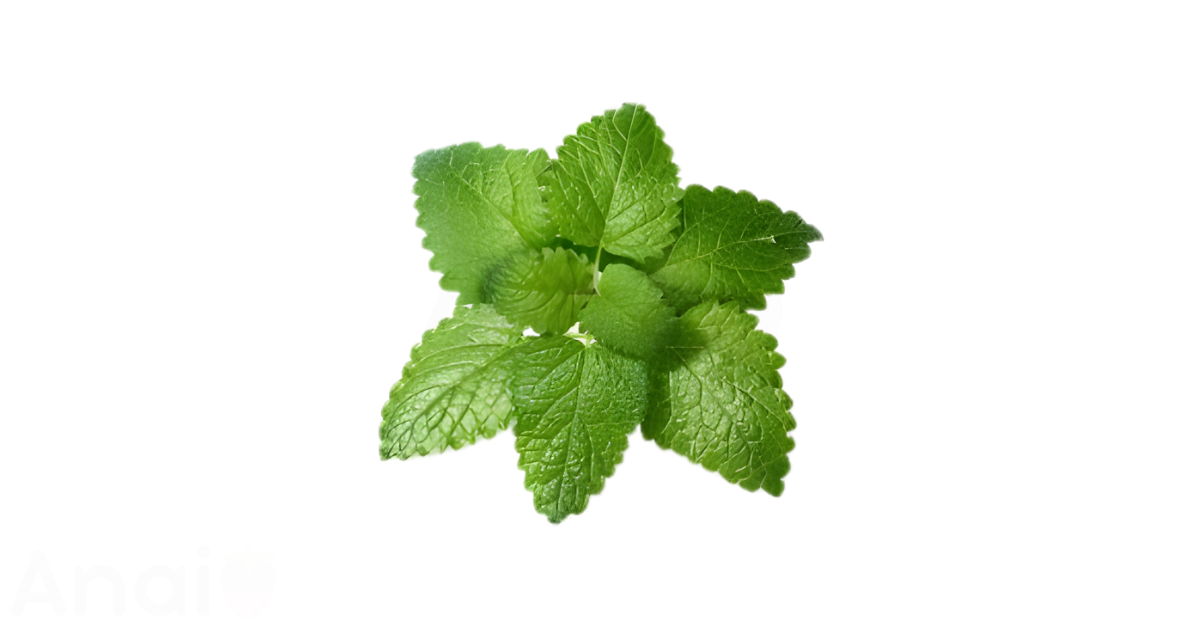
Is Lemon Balm Good for You?
Lemon balm is widely considered beneficial for your health. This aromatic herb from the mint family is not only low in calories but also packed with valuable nutrients. A 100-gram serving of fresh lemon balm leaves contains approximately 44 calories, 8 grams of carbohydrates, and 3 grams of protein, making it a light and healthy addition to any diet. Its value lies in its rich concentration of phytochemicals, including flavonoids and phenolic acids like rosmarinic acid, which provide powerful antioxidant properties.
This article will serve as a comprehensive guide to the benefits and uses of lemon balm, expanding on topics such as the 11 functional health benefits of lemon balm, lemon balm nutrition facts, lemon balm risks and side effects, lemon balm substitutes, popular lemon balm diets, lemon balm storage tips, 8 fast lemon balm home remedies, lemon balm and weight management, and lemon balm for health conditions. All information presented is current as of September 2026.
11 Functional Health Benefits of Lemon Balm
Lemon balm is much more than just a pleasant, lemon-scented plant. It is a functional herb with a range of health benefits that are increasingly being validated by scientific research. Each benefit listed below is supported by published studies and data, providing a fact-checked look at what this remarkable plant can do for your health and well-being.
1. Calms Anxiety and Relieves Stress
Lemon balm is best known for its ability to reduce stress and anxiety. Its calming effects are linked to its ability to increase levels of gamma-aminobutyric acid (GABA), a neurotransmitter in the brain that produces a soothing effect (Daw, 2025). A 2022 review of multiple studies confirmed that concentrated forms of lemon balm helped reduce anxiety in people subjected to laboratory-induced stress.
2. Boosts Brain Function and Mood
This herb may serve as a valuable cognitive enhancer. One study found that participants who consumed lemon balm mixed into a beverage or yogurt reported improved moods and demonstrated enhanced cognitive function, performing better on memory and math problems (Gatta, 2025). Further research suggests it may improve memory in people both with and without Alzheimer’s disease.
3. Improves Sleep Quality
The same anti-anxiety properties that calm a stressed mind can also promote more restful sleep. For those with occasional insomnia, a cup of lemon balm tea can be a helpful, non-groggy alternative to some sleeping pills. A 2019 study involving 80 patients who had undergone coronary bypass surgery found that 54% of participants who took a 500 mg lemon balm supplement reported significant improvements in their sleep quality (Hobbs, 2024).
4. Heals Cold Sores
Lemon balm possesses powerful antiviral properties, particularly against the herpes simplex virus (HSV-1) that causes cold sores. A 2023 review of research revealed that lemon balm can inhibit the virus, preventing it from binding to and replicating within the body’s cells (Fletcher, 2023). Studies have also shown that applying a cream containing lemon balm extract can clear up cold sores faster than a placebo and may help prevent repeated infections.
5. Aids Digestion
Traditionally used to soothe an upset stomach, lemon balm can help with common digestive issues like bloating and gas. The herb helps calm spasms in the gastrointestinal tract, relieving mild discomfort. Animal studies have further supported its digestive benefits, with a 2023 study on rats demonstrating that lemon balm extract has gastroprotective properties that can protect against alcohol-induced ulcers (Daw, 2025).
6. Supports Cardiovascular Health
Emerging research suggests lemon balm may have significant cardioprotective benefits. A 2021 review of studies indicated that the herb could help reduce heart palpitations (Various Authors, 2021). It may also contribute to healthier cholesterol levels by helping to manage high-density lipoprotein (HDL), low-density lipoprotein (LDL), and triglycerides.
7. Alleviates PMS Symptoms
Lemon balm may offer relief for those who experience premenstrual syndrome (PMS). A study focusing on teenage girls found that taking a 1,200-milligram daily dose of lemon balm in capsule form significantly reduced the intensity of their PMS symptoms when compared to a placebo group (Fletcher, 2023).
8. Provides Antioxidant and Anti-inflammatory Power
Lemon balm is rich in antioxidants like flavonoids and phenolic acids, which help combat oxidative stress in the body. Oxidative stress is a key factor in the development of many chronic diseases, including cardiovascular disease and neurodegenerative conditions (Fletcher, 2023). Its anti-inflammatory properties can also help soothe skin and reduce swelling.
9. May Help with Mild Depression
In addition to easing anxiety, lemon balm may help improve symptoms of depression. Some research suggests it can boost serotonin, a critical neurotransmitter for mood regulation (Daw, 2025). While not a cure for depression, combining lemon balm with other healthy habits like regular exercise could offer support for those with mild symptoms.
10. Possesses Broad Antiviral Properties
Beyond its effectiveness against cold sores, lemon balm’s antiviral capabilities are being investigated for other viruses. Research has indicated it may have the potential to target the viral activity of severe acute respiratory syndrome coronavirus 2 (SARS-CoV-2) and human immunodeficiency virus (HIV), although much more research is needed in this area (Hobbs, 2024).
11. Acts as a Natural Insect Repellent
The pleasant lemon scent that humans enjoy is a deterrent for certain insects. Lemon balm is particularly effective at repelling mosquitoes and gnats. For a natural, chemical-free repellent, you can crush fresh lemon balm leaves and rub them directly onto your skin to help keep these pests at bay (The Gerson Institute, 2018).
Lemon Balm Nutrition Facts
The many health benefits of lemon balm can be further explained through its impressive nutritional profile, as analyzed in detail below.
Lemon Balm Nutrition Table
The following table provides a comprehensive look at the macronutrient content of lemon balm, based on both a standard 100-gram measurement and a typical 2-gram serving size suitable for making tea.
| Nutrient | Per Serving (2g) | DRI % (Serving) | Per 100 grams | DRI % (100 g) |
|---|---|---|---|---|
| Calories | 6.6 | <1% | 330 | 17% |
| Protein | 0.2 g | <1% | 10 g | 20% |
| Carbs | 1.46 g | <1% | 73 g | 26% |
| Total Fat | 0 g | 0% | 0 g | 0% |
| Cholesterol | 0 mg | 0% | 0 mg | 0% |
How many calories are in lemon balm?
Lemon balm is a very low-calorie herb when used in typical amounts. A standard 100-gram portion of dried lemon balm leaf contains 330 calories, which represents about 17% of a standard 2,000-calorie daily diet. However, a more common serving size, such as 2 grams for a cup of tea, contains just under 7 calories. To burn off the 330 calories from 100 grams of lemon balm, you would need to engage in activities like approximately 30 minutes of running or an hour of brisk walking.
How much protein is in lemon balm?
For an herb, lemon balm contains a surprising amount of protein. A 100-gram portion provides 10 grams of protein, which accounts for 20% of the daily recommended intake. This makes it a valuable, albeit minor, plant-based protein source. A smaller 2-gram serving contains 0.2 grams of protein.
How many carbs are in lemon balm?
Lemon balm is primarily composed of carbohydrates. In a 100-gram serving, there are 73 grams of carbohydrates, fulfilling about 26% of your daily needs. This total includes 10 grams of dietary fiber (37% of DRI), which is beneficial for digestive health. The net carbohydrate count is 62 grams per 100g portion.
How much fat is in lemon balm?
Lemon balm is a fat-free herb. Both a 100-gram portion and a smaller 2-gram serving contain 0 grams of total fat. This makes it an excellent choice for adding flavor to foods and beverages without contributing any fat to your diet.
| Fat Type | Amount Per 100g |
|---|---|
| Total Fat | 0 g |
| Saturated Fat | 0 g |
| Monounsaturated Fat | 0 g |
| Polyunsaturated Fat | 0 g |
Is lemon balm high in cholesterol?
Lemon balm is entirely free of cholesterol. As a plant-based food, it contains 0 milligrams of cholesterol per 100 grams, making it a heart-healthy ingredient suitable for any diet.
Minerals in lemon balm
Lemon balm provides several essential minerals that contribute to its overall health benefits. It is particularly notable for its calcium and potassium content.
| Mineral | Amount (per 100g) | Health Benefit |
|---|---|---|
| Potassium | 420 mg | Essential for regulating fluid balance, muscle contractions, and nerve signals. Supports healthy blood pressure. |
| Calcium | 198 mg | Crucial for bone health, muscle function, and nerve transmission. |
| Iron | 1.9 mg | Necessary for creating hemoglobin, a protein in red blood cells that carries oxygen throughout the body. |
| Sodium | 22 mg | Helps maintain the balance of water in and around your cells. |
The mineral profile of lemon balm shows a significant amount of potassium, which is vital for cardiovascular health, and a good level of calcium, important for strong bones. It also provides a useful amount of iron.
Vitamins in lemon balm
Lemon balm contains notable amounts of Vitamin C and Thiamin (Vitamin B1). These vitamins are crucial for immune function and energy metabolism.
| Vitamin | Amount (per 100g) | Health Benefit |
|---|---|---|
| Vitamin C | High | A powerful antioxidant that protects cells from damage, boosts the immune system, and enhances iron absorption. |
| Thiamin (B1) | Higher Level | Plays a vital role in energy metabolism by helping convert nutrients into energy. |
The presence of high levels of Vitamin C makes lemon balm a powerful antioxidant, while its Thiamin content supports the body’s energy production processes.
Lemon Balm Risks and Side Effects
While lemon balm is listed as “Generally Recognized as Safe” (GRAS) by the U.S. FDA, it is not without potential risks and side effects. For most people, side effects from oral consumption are mild and may include dizziness, nausea, increased appetite, and wheezing. When applied topically, it can sometimes cause skin irritation. Allergic reactions are rare but possible, manifesting as rashes or itching.
It is crucial to exercise caution if you have certain health conditions. Due to its potential to influence thyroid hormone levels, individuals with thyroid disease should avoid lemon balm as it may interfere with thyroid medication. Furthermore, because of its sedative properties, lemon balm can interact with other sedatives, alcohol, and CNS depressants, potentially causing excessive drowsiness or slowed breathing. Anyone scheduled for surgery should stop using lemon balm at least two weeks prior to avoid complications with anesthesia. The safety of long-term use beyond six months has not been well-studied, and in one rare case, an individual consuming excessive amounts experienced withdrawal symptoms upon stopping.
Debunking myths about lemon balm
Myth: Natural means it is 100% safe and has no side effects.
Fact: While lemon balm has an excellent safety record, being “natural” does not eliminate risks. It can cause mild side effects like an upset stomach and dizziness in some individuals. More importantly, it can have moderate interactions with specific medications, including sedatives and thyroid hormones, and should be avoided by people with thyroid disease or glaucoma unless cleared by a doctor.
Myth: You can drink as much lemon balm tea as you want.
Fact: Moderation is key. Health agencies and experts recommend limiting intake to 1-3 cups of lemon balm tea per day. Exceeding this amount increases the risk of side effects like drowsiness and gastrointestinal distress. The long-term effects of high-dose consumption are not well-researched, so adhering to recommended dosages is the safest approach.
Lemon Balm Substitutes
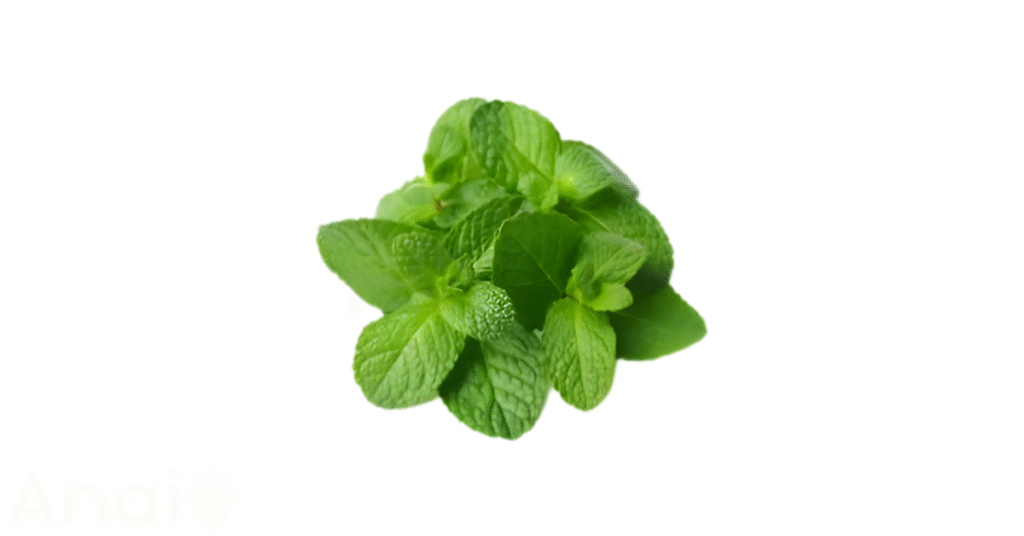
If you don’t have lemon balm on hand, several other herbs and ingredients can replicate its distinct citrusy and slightly minty flavor profile.
| Substitute | Vitamin C (per 100g) | Potassium (per 100g) | Iron (per 100g) |
|---|---|---|---|
| Lemon Balm (dried) | High | 420 mg | 1.9 mg |
| Mint (fresh) | 31.8 mg | 569 mg | 5.1 mg |
| Lemongrass (fresh) | 2.0 mg | 723 mg | 8.2 mg |
| Lemon Verbena (dried) | N/A | N/A | N/A |
| Lemon Zest | 129 mg | 138 mg | 0.8 mg |
A combination of lemon zest and mint leaves is often considered the best all-around substitute. To replace one teaspoon of lemon balm, use one teaspoon of fresh mint combined with about a half teaspoon of lemon zest. This pairing successfully mimics both the minty undertones and the bright citrus notes of lemon balm, making it perfect for teas, salads, and marinades. Its main benefit is the wide availability of its components. The primary drawback is that it requires combining two ingredients to achieve a similar flavor.
Lemongrass offers a vibrant, sharp lemon flavor with a hint of ginger, making it an excellent choice for Southeast Asian-inspired dishes like soups and curries. Because its stalks are fibrous, they should be bruised to release flavor and removed before serving, or you can use the tender inner part chopped finely. While it lacks the minty note of lemon balm, it provides a powerful citrus aroma. A drawback is that it can be just as difficult to find as lemon balm in some supermarkets.
For a potent, purely citrus aroma, lemon verbena is an outstanding option. It is often considered the most intensely lemon-scented of all herbs and is ideal for teas, syrups, and desserts where a strong citrus flavor is desired. You may need to use slightly less of it compared to lemon balm to avoid overpowering your dish. Its main drawback is that it can be unpleasant to chew due to its sharp texture, making it better for infusions rather than as a garnish.
Lemon thyme provides a unique flavor combination of citrus and the earthy, savory notes of thyme. This makes it a suitable replacement in savory dishes, particularly with poultry and vegetables, where its pungent kick can be a benefit. A key drawback is that the strong thyme flavor may not be appropriate for desserts or beverages where a cleaner citrus taste is needed. When substituting, use a slightly smaller amount, such as three-quarters of a teaspoon of lemon thyme for every teaspoon of lemon balm.
Popular Lemon Balm Diets
How to add lemon balm safely into your diet? Choosing the right diet is important to ensure that you are meeting your nutritional needs while also enjoying the foods you eat. Here are a few of the available lemon balm-friendly diet options:
- The Mediterranean Diet
- The Whole Foods Diet
- The Herbal Wellness Diet
| Diet Name | Primary Focus | Benefits | Drawbacks |
|---|---|---|---|
| Mediterranean Diet | Emphasizes whole grains, fruits, vegetables, legumes, healthy fats (like olive oil), and lean proteins (especially fish). | Well-researched for heart health, balanced, sustainable, and rich in nutrients. Promotes overall well-being. | Can be higher in cost due to fresh produce and fish. May require more cooking and preparation time. |
| Whole Foods Diet | Focuses on consuming foods in their most natural, unprocessed state. Avoids refined sugars, flours, and processed items. | High in fiber, vitamins, and minerals. Encourages mindful eating and helps eliminate unhealthy additives from the diet. | Can be restrictive and challenging when dining out. Requires significant label-reading and food prep. |
| Herbal Wellness Diet | A flexible approach centered on incorporating medicinal herbs like lemon balm for specific health goals (e.g., stress reduction, improved digestion). | Targeted health benefits, encourages natural remedies, highly adaptable to individual needs. | Not a complete diet on its own; must be combined with a balanced eating plan. Lacks strict guidelines. |
The Mediterranean Diet is a highly celebrated eating pattern that aligns perfectly with the use of fresh herbs like lemon balm. It prioritizes fresh, seasonal ingredients, making it easy to incorporate lemon balm into salads, fish dishes, and vegetable sides. This diet is not restrictive and focuses on a balanced intake of nutrient-dense foods, which is beneficial for long-term health and sustainability. Its emphasis on plant-based foods and healthy fats supports cardiovascular and cognitive health.
A Whole Foods Diet is another excellent framework for using lemon balm. Since this diet centers on unprocessed ingredients, fresh herbs are a cornerstone for adding flavor without relying on packaged seasonings or sauces. Lemon balm can be used to brighten up fruit salads, homemade dressings, and infused waters. This approach helps reduce intake of sugar, sodium, and unhealthy fats, promoting better overall health and weight management.
The Herbal Wellness Diet is less of a structured eating plan and more of a lifestyle approach that prioritizes the use of functional herbs. In this context, lemon balm is consumed specifically for its therapeutic properties, such as its calming effects and digestive support. A person following this approach might drink lemon balm tea daily to manage stress or use it in recipes to boost their intake of antioxidants. This “diet” is best implemented alongside a balanced eating plan like the Mediterranean or Whole Foods diet to ensure all nutritional needs are met.
How to Cook Lemon Balm?
The delicate nature of lemon balm means it shines brightest when prepared with minimal heat, preserving its fresh flavor and beneficial compounds. High-heat methods can destroy its essential oils and diminish its value.
Raw lemon balm is the best way to enjoy the herb’s full flavor and nutritional benefits without any loss of nutrients. Treat it like any other fresh herb. Add whole leaves to green salads for a citrusy surprise, chiffonade the leaves to scatter over a fruit salad, or simply tear and mix them in with other soft herbs like mint and basil. This method ensures you get 100% of its volatile oils and vitamins.
Boiled lemon balm, typically in the form of an herbal tea or infusion, is the most traditional method for extracting its medicinal properties. To maximize benefits, use water that has just come to a boil rather than vigorously boiling water, and let the leaves steep for 7-10 minutes. This gentle heat helps release the calming compounds and antioxidants into the water. While some heat-sensitive vitamins may be slightly reduced, this method is highly effective for accessing the herb’s anxiolytic and digestive benefits.
Powdered lemon balm, made from dried leaves, is a convenient way to add the herb’s benefits to a variety of dishes. You can stir the powder into smoothies, yogurt, or even mix it into the dry ingredients for baked goods like cakes or shortbread. The drying process preserves a significant portion of the nutrients, and since it isn’t directly cooked with high heat, it’s a great way to incorporate lemon balm’s flavor and health perks into your diet year-round.
Easy Lemon Balm Recipes
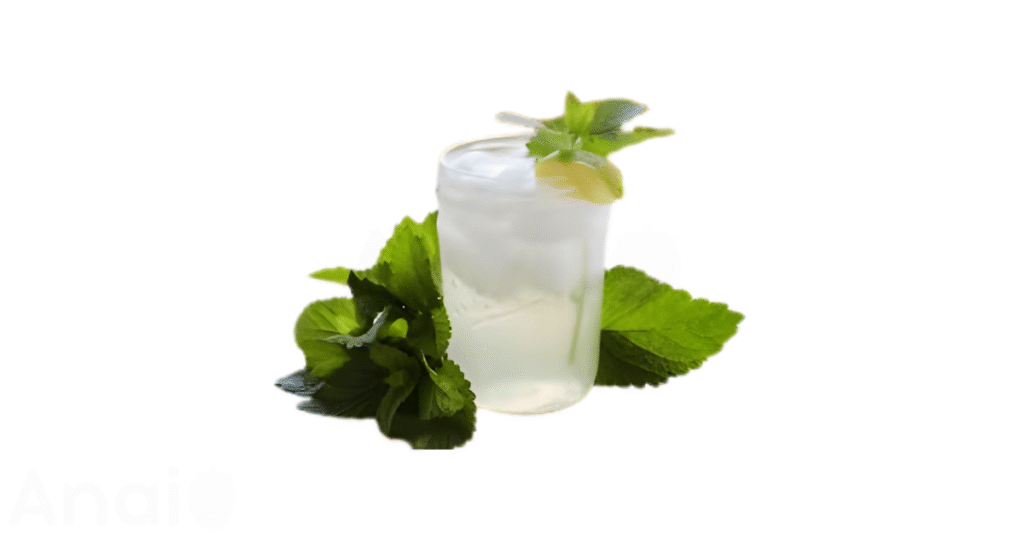
Incorporating lemon balm into your daily meals is a simple way to boost your intake of this beneficial herb without sacrificing flavor.
Breakfast ideas with lemon balm
A Lemon Balm Yogurt Swirl is a fantastic way to start the day. Simply stir a few finely chopped fresh lemon balm leaves into your favorite yogurt along with a spoonful of raspberry or lemon jam for a bright, floral, and slightly sweet breakfast.
Elevate a simple fruit salad by scattering a chiffonade of fresh lemon balm over the top. Its zesty flavor pairs beautifully with summer fruits like peaches, strawberries, and melon, adding a layer of complexity that feels gourmet.
Blend it into a morning smoothie for a calming and detoxifying kick. Combine a handful of fresh lemon balm leaves with ingredients like spinach, banana, pineapple, and a splash of coconut water for a refreshing and nutrient-packed drink.
Lunch ideas with lemon balm
A vibrant Radish & Herb Salad becomes even more refreshing with the addition of lemon balm. Toss it with other soft herbs like dill and basil, crisp radishes, and sweet sungold tomatoes for a light and zesty lunch.
Perk up Cannellini Bean Croquettes or a classic chicken salad by mixing in finely sliced lemon balm leaves. The herb’s bright notes cut through the richness of the other ingredients, providing a burst of fresh flavor.
Create a simple Lemon Balm Vinaigrette by whisking chopped lemon balm with olive oil, lemon juice, and a touch of honey. Drizzle it over a grilled peach and burrata salad for an elegant and flavorful meal.
Dinner ideas with lemon balm
Use lemon balm as a finishing herb for fish and poultry. Just before serving, scatter torn leaves over grilled fish or roasted chicken to add a fragrant, lemony aroma and taste that complements the savory protein.
Whip up a unique Lemon Balm Pesto as an alternative to the traditional basil version. Blend lemon balm with pine nuts, parmesan cheese, garlic, and olive oil, then toss with pasta or use as a spread for sandwiches.
A summery Okra Seed Couscous Salad gets a Mediterranean-inspired twist with fresh lemon balm. Its citrusy notes work perfectly with the nutty couscous, feta cheese, and fresh cucumber.
Simple tips to add lemon balm to your diet
For busy people who don’t have time to implement full meal ideas, there are still incredibly simple ways to add lemon balm to your diet.
- Infuse your water. Add a few sprigs of fresh lemon balm to a pitcher of water and let it sit in the fridge for a refreshing, calorie-free drink.
- Make fancy ice cubes. Chop lemon balm leaves and freeze them in ice cube trays with water. Add the cubes to tea, lemonade, or cocktails for a slow release of flavor.
- Create a simple syrup. Simmer equal parts sugar and water with a handful of lemon balm leaves until the sugar dissolves. Use this syrup to sweeten iced tea, limeade, or cocktails.
- Whip up lemon balm butter. Mix finely chopped lemon balm into softened butter with a little garlic or lemon zest. Spread it on toast or melt it over vegetables.
- Garnish everything. Use whole lemon balm leaves as an edible garnish for desserts, drinks, and salads to add a touch of elegance and a hint of lemon.
- Mix with other herbs. Don’t be afraid to combine lemon balm with other soft herbs like mint, basil, and dill to create a complex and fragrant herb blend for salads and other dishes.
Lemon Balm Storage Tips
Knowing how to cook with lemon balm is only part of the equation; it’s just as important to know proper lemon balm storage tips to make those meals last for longer.
Shelf life of lemon balm
- At room temperature: Dried lemon balm can last for up to 1 year. Fresh lemon balm should be used within a few hours.
- In the refrigerator: Fresh lemon balm sprigs can last for up to 2 weeks.
- In the freezer: Frozen lemon balm cubes can last for several months, typically up to 6 months for best quality.
How to store lemon balm?
Proper storage is crucial for preserving the delicate flavor and aroma of lemon balm. For dried lemon balm, the key is to protect it from its enemies: light, heat, and moisture. Store the dried leaves in a sealed, airtight glass container in a cool, dark place like a pantry or cupboard. This will help maintain its potency for up to a year. Avoid storing it near the stove or in a container that isn’t airtight, as this will quickly degrade its quality.
For fresh lemon balm, the goal is to prevent the tender leaves from wilting and bruising. Because the leaves are so delicate, they should be used or preserved as soon as possible after harvesting. If you’re not using them immediately, refrigeration is the best short-term option. Freezing is an excellent method for long-term storage, especially if you plan to use the herb in cooked dishes, sauces, or infusions.
How to refrigerate lemon balm?
To keep fresh lemon balm vibrant in the fridge, treat it like a bouquet of fresh flowers.
- Fill a glass or small jar with a few inches of cool water.
- Place the fresh lemon balm stems into the water.
- Loosely cover the top of the leaves with a plastic bag to prevent them from drying out.
- Place the jar in the refrigerator. Change the water every day or two to maximize freshness.
How to freeze lemon balm?
Freezing is a fantastic way to preserve lemon balm’s flavor for future use in cooked recipes.
- Chop the fresh lemon balm leaves, or leave them whole if you prefer.
- Fill the compartments of an ice cube tray about two-thirds full with the leaves.
- Pour extra-virgin olive oil or water over the leaves to fill each cavity.
- Cover the tray with plastic wrap and place it in the freezer until solid.
- Once frozen, transfer the cubes to a freezer-safe bag or container for long-term storage.
Signs of Spoilage in lemon balm
If you’re unsure whether your lemon balm is still good, look for these clear indicators of spoilage:
- Browning or Blackening: Fresh leaves that have turned dark or black are no longer good.
- Mold: Any sign of fuzzy white or black mold means the herb should be discarded.
- Loss of Aroma: If the distinct, bright lemon scent is gone, the herb has lost its potency.
- Bitter Taste: Leaves harvested after the plant has flowered, or old leaves, can develop an unpleasant, bitter flavor.
8 Fast Lemon Balm Home Remedies
Are there any less-known tips to unlock the nutritious profile of lemon balm? The following lemon balm remedies can have a positive effect on overall well-being.
1. Sleepy Time Herbal Syrup. This simple syrup is a delicious way to promote relaxation for both children and adults. Simmer a handful of fresh lemon balm leaves in water until the liquid reduces by half. Strain the leaves, and while the tea is still warm, mix it with raw honey (about a 2:1 ratio of tea to honey). Store it in the refrigerator for up to three days and take a spoonful at night. Note: Honey should not be given to children under one year old.
2. Lemon Balm Bug Spray. To create a natural mosquito repellent, you can make an herbal infusion with lemon balm and other herbs like catnip and yarrow. Combine this with witch hazel in a spray bottle. The essential oils in lemon balm act as a deterrent for bugs, making it a great addition to your summer outdoor kit.
3. Lip Balm for Cold Sores. Lemon balm is well-known for its antiviral properties, particularly against the herpes simplex virus. You can make a healing lip balm by infusing dried lemon balm into a carrier oil (like olive or jojoba oil) for 4-6 weeks. Then, combine the infused oil with beeswax to create a soothing and effective salve for cold sores.
4. Remedy for Bug Bites & Acne. For a simple spot treatment, mix a pinch of cosmetic clay with strong lemon balm tea to form a paste. Dab the mixture onto bug bites or acne blemishes. The lemon balm helps soothe inflammation and itchiness, while the clay helps draw out impurities.
5. Relaxing Tummy Soothing Tea. This is the most classic lemon balm remedy. To prepare, simply pour simmering hot water over a handful of fresh lemon balm leaves in a jar or teapot. Cover the top with a saucer to trap the aromatic vapors and let it steep until it’s cool enough to drink. It’s excellent for calming an upset stomach, especially when stress-related.
6. Ginger & Lemon Balm Cold Syrup. For a potent antiviral syrup to have on hand during cold and flu season, combine the benefits of lemon balm with the warming properties of ginger. Simmer fresh ginger and lemon balm leaves in water, strain, and then dissolve honey into the warm liquid. This syrup can be taken by the spoonful whenever you feel a cold coming on.
7. Lemon Balm Tincture. A tincture is a concentrated herbal extract that offers a long shelf life. To make one, fill a jar three-quarters full with fresh lemon balm leaves and cover them completely with 80-proof or higher vodka. Seal the jar and let it sit in a cool, dark place for 4-6 weeks, shaking it periodically. Strain the leaves out, and you have a potent anti-viral and stomach-soothing remedy.
8. Lemon Balm Vinegar Hair Rinse. Infusing apple cider vinegar with lemon balm creates a fragrant rinse that can be used for hair care or in salad dressings. Fill a jar with fresh lemon balm leaves, cover with apple cider vinegar, and let it steep for a few weeks. When used as a hair rinse, it can add shine and a fresh scent.
Lemon Balm and Weight Management

There are multiple health benefits and home remedies using lemon balm, but what is their role in weight management? This section will analyze lemon balm’s potential impact on weight loss, low-calorie diets, satiety, and metabolism.
Can lemon balm help with weight loss?
Lemon balm’s role in weight loss is primarily indirect, focusing on behaviors and factors that contribute to weight gain. Chronic stress is a known driver of weight gain, as it elevates cortisol levels, which can lead to overeating. A 2024 research review highlighted that lemon balm can effectively lower anxiety and improve sleep quality. By mitigating stress and preventing emotional eating, it can indirectly support weight management. Better sleep also helps regulate appetite hormones like ghrelin and leptin, further preventing overconsumption of calories.
Lemon Balm in low-calorie diets
Lemon balm is an excellent tool for anyone on a low-calorie diet because it adds a burst of bright, citrusy flavor without adding any significant calories. A warm cup of lemon balm tea can be a soothing, calorie-free ritual to replace high-calorie, sugary evening snacks or drinks. It can also be infused into water, providing a refreshing and flavorful alternative to plain water, which can encourage better hydration—a key component of any weight loss plan.
Lemon Balm and satiety
Lemon balm may help in managing appetite by promoting a feeling of fullness and controlling hunger signals. This effect is thought to be linked to its ability to interact with the neurotransmitter GABA (gamma-aminobutyric acid). According to Healthline, GABA helps calm the nervous system, and this reduction in anxiety may also influence appetite. By inducing a sense of calm, lemon balm could potentially reduce cravings for high-calorie “comfort foods” that are often consumed during times of stress.
Lemon Balm and metabolism
While not a magic metabolic booster, some evidence suggests lemon balm can support a healthy metabolism. The herb contains compounds like rosmarinic acid, which has anti-inflammatory and antioxidant effects. Chronic inflammation can negatively impact metabolic function, so by reducing it, lemon balm might help the body’s processes run more efficiently. Some sources, such as the Lemon Balm Recipe for Weight Loss article, suggest it may aid fat metabolism and support liver detoxification, which are both crucial for effective weight management.
Lemon Balm for Health Conditions
While weight management is important, does lemon balm have an effect on more serious health conditions? Here’s what the scientific literature has to say:
Lemon Balm and diabetes
Lemon balm shows promise in supporting those with diabetes, although human research is still needed. The herb’s ability to combat oxidative stress is particularly relevant, as this is a key factor in diabetes-related complications. A 2021 study on diabetic rats found that lemon balm may improve memory and learning, potentially by increasing beneficial brain proteins and helping to manage problems in the hippocampus caused by the disease (Gatta, 2025). Animal studies have also suggested that lemon balm may help reduce weight gain and manage blood sugar levels in rats with obesity and diabetes.
Lemon Balm and heart health
Research suggests that lemon balm may offer significant benefits for cardiovascular health. A 2021 review highlighted its potential to help with issues like high heart rate and abnormal blood pressure, though it noted that many of these studies were performed on animals (Gatta, 2025). More recently, a 2024 study found that lemon balm may improve cholesterol levels, a crucial factor in preventing heart disease and type 2 diabetes. By potentially helping to manage triglycerides and LDL (“bad”) cholesterol, lemon balm could be a useful component of a heart-healthy lifestyle.
Lemon Balm and digestive issues
Lemon balm has a long history as a traditional remedy for digestive comfort, and modern research is beginning to support this use. The herb is known for its carminative properties, which help soothe intestinal gas, bloating, and indigestion, especially when these issues are related to stress. One small 2010 study looked at individuals with functional dyspepsia (upset stomach) and found that those who consumed a dessert containing lemon balm experienced significantly less stomach upset compared to those who did not (Daw, 2025).
Lemon Balm and inflammation
There is growing evidence that lemon balm can help fight inflammation. The authors of a 2013 study on animals supported the use of lemon balm for treating pain and inflammation following an injury, noting that it effectively combated swelling and pain (Fletcher, 2023). This effect is largely attributed to its rich content of antioxidants and compounds like rosmarinic acid, which powerfully decrease oxidative stress—a primary driver of chronic inflammation in the body.
Lemon Balm and cancer prevention
While there is no direct evidence that lemon balm can prevent cancer, its potent antioxidant properties are relevant to the conversation. Oxidative stress is known to damage cells and DNA, which can increase the risk of developing certain diseases, including cancer. Lemon balm is rich in compounds like flavonoids and phenolic acids that are effective at combating oxidative stress. By neutralizing free radicals and protecting cells from damage, lemon balm may contribute to an overall healthier internal environment, though more specific research is needed to draw any conclusions about its role in cancer prevention.
The evidence from these studies, while promising, is still largely based on animal models and small human trials, indicating a need for more extensive research.
| Health Category | Benefits | Type of Study | Quality of Evidence | Sources |
|---|---|---|---|---|
| Diabetes | May improve memory & learning in diabetic rats; may help manage blood sugar. | Animal Studies | Preliminary | Gatta (2025) |
| Heart Health | May improve cholesterol, blood pressure, and heart rate. | Animal Studies & Human Trials (Cholesterol) | Emerging | Gatta (2025) |
| Digestive Issues | Relieves indigestion, bloating, and gas. | Small Human Clinical Trial | Moderate | Daw (2025) |
| Inflammation | Reduces swelling and pain. | Animal Study | Preliminary | Fletcher (2023) |
| Cancer Prevention | Provides antioxidant protection against cellular damage. | In Vitro / General Research | Indirect / Theoretical | Hobbs (2024) |
A Final Reflection on Lemon Balm Nutrition
This article has explored the many facets of lemon balm, from its 11 functional health benefits and detailed nutrition facts to its potential risks and side effects. We’ve covered lemon balm substitutes, popular lemon balm diets, storage tips, 8 fast home remedies, its role in weight management, and its potential impact on various health conditions.
Here are a few of the most interesting facts about this versatile herb:
- A 2019 study found that 54% of participants who took lemon balm after heart surgery reported significant improvements in sleep quality.
- Lemon balm’s scientific name, Melissa officinalis, is derived from the Greek word for “honey bee,” as its flowers are highly attractive to bees.
- You can crush fresh lemon balm leaves and rub them on your skin as a natural mosquito repellent.
- In a 100-gram serving, dried lemon balm contains a surprising 10 grams of protein.
- Historically, the Swiss alchemist Paracelsus called lemon balm “the elixir of life.”
- The herb contains antiviral properties that have been shown to be effective against the herpes simplex virus that causes cold sores.
This content was last updated in September 2026.
Ready to take control of your health with the latest, data-driven insights? Follow Anai.ai to stay informed about the latest nutrition and well-being news, tips, and articles!
Lemon Balm Nutrition FAQs
This section offers quick, fact-driven answers to the most common questions about this versatile herb. It covers everything from its health benefits and dietary safety to its suitability for pets. Practical advice on storage, freshness, and shelf life is also provided to help you make the most of it.
What is lemon balm good for?
Lemon balm is renowned for its calming properties, making it excellent for reducing stress, anxiety, and promoting sleep. Research supports these traditional uses, with one 2019 study showing that 54% of patients who took lemon balm after heart surgery experienced significant improvements in sleep quality. It is also a powerful antiviral agent, often used topically to heal cold sores caused by the herpes simplex virus, and its carminative effects help soothe digestive issues like bloating and gas.
Is lemon balm healthy?
Yes, lemon balm is a very healthy herb packed with beneficial compounds. A 100-gram portion of dried leaves contains 10 grams of protein and 10 grams of dietary fiber, contributing significantly to daily nutritional needs. It is loaded with antioxidants, such as rosmarinic acid and flavonoids, which help combat oxidative stress in the body. Furthermore, it is naturally fat-free and cholesterol-free, making it a heart-healthy addition to any diet.
Is lemon balm fattening?
Lemon balm is not fattening; in fact, it can support healthy weight management. The herb is virtually calorie-free when consumed as a tea, with a standard cup containing fewer than 2 calories, and it is completely fat-free. While not a direct weight-loss miracle, it helps by reducing stress-related eating by lowering cortisol levels and improving sleep, both of which are crucial for regulating appetite hormones.
Who should avoid lemon balm?
Certain individuals should exercise caution with lemon balm. People with thyroid conditions, particularly hypothyroidism, should avoid it as it may reduce thyroid hormone levels and interfere with medication. Due to its sedative properties, it should not be taken with other sedatives or alcohol, and you should stop using it at least two weeks before a scheduled surgery. Its safety is not well-established for pregnant or breastfeeding women and children under 12, so they should also avoid its use.
Can I eat lemon balm daily?
You can safely consume lemon balm daily, but moderation is key. For tea, the general recommendation is to drink one to three cups per day. In supplement form, doses of up to 500 mg daily have been studied as possibly safe for up to six months. While it is generally well-tolerated, long-term use beyond this period has not been extensively researched, so it’s wise to stick to established guidelines.
Can dogs eat lemon balm?
Yes, dogs can eat lemon balm in small, controlled amounts, as it is considered non-toxic by the ASPCA. It can offer similar calming and digestive benefits to dogs as it does to humans and is often an ingredient in natural calming supplements for pets. However, you should always consult with a veterinarian before introducing any new herb to your dog’s diet to ensure proper dosage and safety.
Can cats eat lemon balm?
Yes, cats can eat lemon balm as it is considered non-toxic to felines by the ASPCA. In fact, due to its calming properties, it is sometimes used in herbal remedies for cats to help reduce anxiety and stress. While generally safe, it’s best offered in moderation, and you should always monitor your cat for any adverse reactions after they ingest a small amount for the first time.
How long does lemon balm last in the fridge?
When stored properly, fresh lemon balm can last for a surprisingly long time in the refrigerator, typically up to two weeks. The key to achieving this shelf life is to treat the sprigs like a fresh bouquet of flowers by placing their stems in a jar with a few inches of water. Covering the leaves loosely with a plastic bag helps retain moisture and prevents them from drying out prematurely.
Can you freeze lemon balm?
Absolutely, freezing is an excellent method for long-term storage of lemon balm, preserving its flavor for up to six months. The most popular technique is to chop the leaves, place them in an ice cube tray, and cover them with water or olive oil before freezing. These frozen cubes can then be conveniently dropped into soups, sauces, or drinks for a burst of fresh, citrusy flavor.
How to tell if lemon balm is bad?
You can tell fresh lemon balm has gone bad primarily through visual and olfactory cues. Look for leaves that have become brown, black, or slimy, which are clear signs of decay. Any presence of fuzzy white or dark mold means the herb should be discarded immediately. Additionally, if the herb has lost its characteristic bright, lemony scent, it has lost its potency and is no longer good for use.
How long is lemon balm good for?
The shelf life of lemon balm depends entirely on how it is stored. Fresh lemon balm will last for up to two weeks in the refrigerator when kept in water. If you dry the leaves and store them in an airtight container away from light and heat, they will remain potent for up to one year. For even longer-term storage, freezing lemon balm can preserve its flavor for at least six months.
How to keep lemon balm fresh?
To keep lemon balm fresh for the longest possible time, you should store it in the refrigerator. Place the stems of the fresh sprigs in a glass containing about an inch of water, similar to how you would keep fresh flowers. Loosely drape a plastic bag over the leaves to create a humid environment, which prevents them from wilting, and be sure to change the water every one to two days to maximize freshness.