Are Peanuts Good for You?
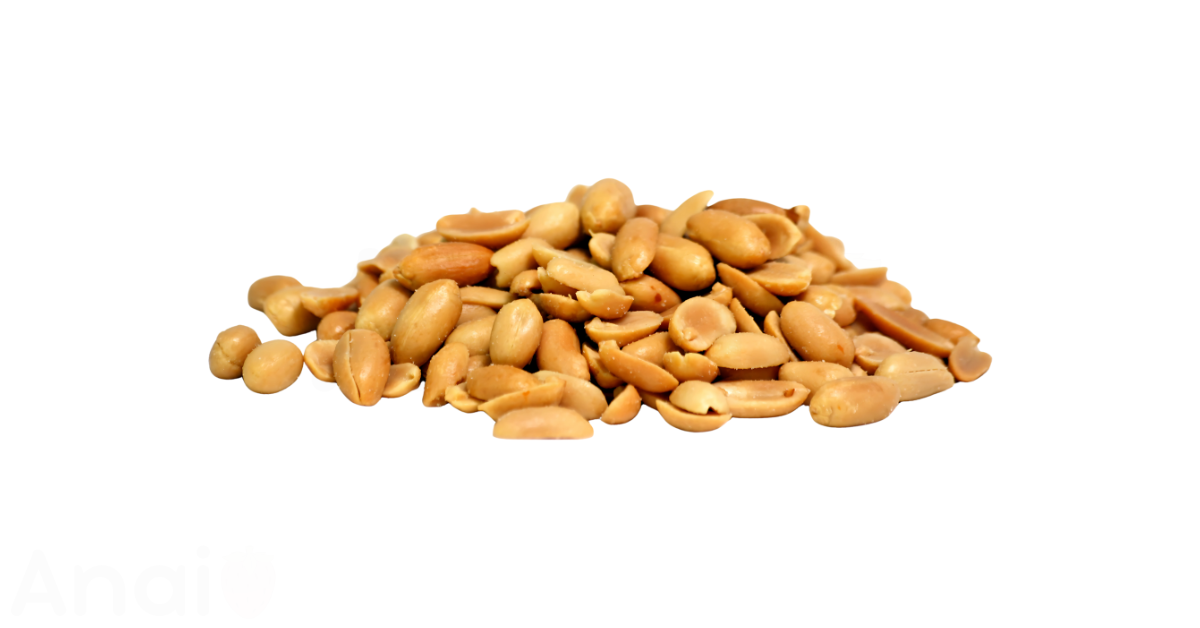
Yes, peanuts are incredibly good for you. Although their name is misleading, peanuts are not true nuts but legumes, related to beans, lentils, and soy. They are nutritional powerhouses, packed with plant-based protein, healthy fats, fiber, and essential vitamins and minerals. Despite being high in calories—a single 1-ounce serving of dry-roasted peanuts contains about 166-180 calories—they are consistently linked with numerous health benefits, including weight management and a reduced risk of chronic diseases.
This article will provide an in-depth look at the science-backed advantages of including peanuts in your diet. We will explore 12 verified health benefits of peanuts, peanut nutrition facts, potential risks and side effects, and suitable substitutes. Furthermore, we will cover popular peanut diets, proper peanut storage tips, 8 helpful peanut home remedies, the role of peanuts in weight management, and their use for specific health conditions. All information presented is current as of March 2026.
12 Verified Health Benefits of Peanuts
Peanuts are much more than a simple snack food; they are a bona fide health food. Their impressive nutritional profile contributes to a wide range of health benefits that are strongly supported by scientific research. Each benefit listed below is fact-checked and backed by data from peer-reviewed studies and health institutions.
1. Promotes Heart Health
Peanuts are champions for cardiovascular wellness. They are rich in monounsaturated and polyunsaturated fats, which are known to be heart-healthy. These fats help reduce the risk of cardiovascular disease by lowering unhealthy LDL cholesterol and blood pressure levels (Watson, 2025). They also help prevent the formation of small blood clots that can trigger a heart attack or stroke.
A study published in 2014 found that consuming 46 grams (about 1.6 ounces) of peanuts or peanut butter each day may significantly improve heart health for people with diabetes (Burgess, 2019). This benefit is also attributed to key nutrients like magnesium, niacin, copper, and the powerful antioxidant resveratrol.
2. Aids in Weight Management
Despite being high in calories and fat, peanuts do not appear to contribute to weight gain and can be a valuable part of a weight loss plan. Their high content of protein, fiber, and healthy fats makes them incredibly satiating, helping you feel full for longer and reducing overall calorie intake (Zumpano, 2025).
Research has shown that people compensate for the extra calories from peanuts by eating less of other foods. One study found that women who ate nuts twice a week had a slightly lower risk of weight gain over an 8-year period than women who rarely ate them (Burgess, 2019). Another small study showed that when peanuts replaced other fat sources in a diet, participants lost 6.6 pounds (3 kg) over six months, even when instructed to maintain their current weight (Arya et al., 2015).
3. Helps Manage Blood Sugar Levels
Peanuts are an excellent food choice for individuals with diabetes or those at risk. They have a very low glycemic index (GI) score of just 23, which means they do not cause a sharp spike in blood sugar levels after being eaten (Burgess, 2019).
The combination of low carbohydrates with high levels of protein, fat, and fiber helps slow down digestion, leading to a more gradual release of energy. Research suggests that regularly eating peanuts or peanut butter can improve insulin sensitivity and help women with obesity manage their blood sugar levels effectively (Burgess, 2019; Zumpano, 2025).
4. Rich in Powerful Antioxidants
Peanuts are loaded with beneficial plant compounds and antioxidants that protect the body’s cells from damage caused by unstable molecules called free radicals. In fact, peanuts contain as many antioxidants as most fruits, with many of them concentrated in their thin, papery skin (Arya et al., 2015).
Key antioxidants found in peanuts include resveratrol, p-coumaric acid, and coenzyme Q10. These compounds are linked to a reduced risk of chronic diseases, including heart disease and cancer (Zumpano, 2025).
5. May Prevent Gallstones
Frequent peanut consumption has been linked to a lower risk of gallstones. This condition, which affects 10-25% of adults in the United States, is primarily caused by high levels of cholesterol (Arya et al., 2023).
The cholesterol-lowering effect of peanuts is believed to be the primary reason for this benefit. Two large observational studies concluded that regular intake of peanuts could significantly cut the risk of developing gallstones in both men and women (Arnarson, 2024).
6. May Reduce Cancer Risk
The bioactive compounds found in peanuts, such as resveratrol and other phytochemicals, may offer protection against certain types of cancer. These compounds have antioxidant properties that can help fight cellular damage.
One study noted that for older individuals, regular consumption of peanut butter could help lower the risk of developing a specific type of stomach cancer known as gastric noncardia adenocarcinoma (Watson, 2025).
7. Supports Brain Health and Function
Peanuts contain several nutrients that are crucial for brain health, including niacin (vitamin B3), vitamin E, and resveratrol. These compounds have been shown to protect against age-related cognitive decline and neurodegenerative diseases like Alzheimer’s.
One study focusing on older adults found that those who regularly ate nuts, primarily peanuts, had better mental function scores than those who did not (Parilli-Moser et al., 2023). The vitamin E found in food sources like peanuts is particularly effective for promoting cognitive health.
8. May Promote Longevity
Eating peanuts might help you live a longer, healthier life. A large-scale observational study made a remarkable finding: people who regularly ate any kind of nuts, including peanuts, were 20% less likely to die from any cause than people who did not eat nuts (Arya et al., 2015).
This incredible benefit is thought to be linked to peanuts’ dense nutritional profile, which includes the antioxidant coenzyme Q10 and all 20 essential amino acids, which are the building blocks of protein (Watson, 2025).
9. An Excellent Source of Plant-Based Protein
Peanuts are a fantastic source of plant-based protein, making them an ideal choice for vegetarians, vegans, and anyone looking to reduce their meat consumption. The protein content in peanuts ranges from 22–30% of their total calories (Arnarson, 2024).
A 100-gram (3.5-ounce) serving provides 25.8 grams of protein. This amount is about half of the recommended daily protein intake for adult women (46 g) and more than a third for adult men (56 g), making peanuts a highly efficient protein source (Burgess, 2019).
10. Packed with Key Vitamins and Minerals
Beyond their macronutrient content, peanuts are a treasure trove of essential vitamins and minerals. They are one of the richest dietary sources of biotin (vitamin B7), a nutrient vital for many bodily functions and especially important during pregnancy (Arnarson, 2024).
Just one ounce of peanuts delivers significant amounts of the daily value (DV) for several key minerals, including 21% of the DV for manganese and 12% of the DV for magnesium (Zumpano, 2025). They are also a good source of copper, phosphorus, niacin, folate, and thiamine.
11. Reduces Inflammation
Chronic inflammation is a contributing factor in many diseases, including heart disease and diabetes. Peanuts are rich in compounds that help fight inflammation throughout the body.
The healthy unsaturated fats, fiber, magnesium, and antioxidants in peanuts all contribute to their anti-inflammatory effects. Studies have demonstrated that people who regularly eat peanuts and peanut butter show lower levels of key inflammatory markers, such as C-reactive protein (CRP) (Watson, 2025).
12. Provides a Sustained Energy Boost
As an energy-dense food, peanuts are an excellent snack for a quick and lasting energy boost. Their healthy blend of protein, fat, and fiber provides a steady release of energy, helping you avoid the blood sugar crash associated with high-carbohydrate snacks.
Vitamins like thiamine (B1) and pantothenic acid (B5) play a direct role in converting food into usable energy, helping your cells function efficiently throughout the day (Arnarson, 2024; Watson, 2025).
Peanut Nutrition Facts

The many health benefits of peanuts can be further explained through their impressive nutrition facts, as analyzed in detail below.
Peanut Nutrition Table
The following table outlines the basic nutritional profile of a standard 1-ounce (28g) serving of raw peanuts compared to a 100-gram portion, based on a 2,000-calorie daily diet.
| Nutrient | Per Serving (1 oz / 28g) | DRI % (Serving) | Per 100 grams | DRI % (100 g) |
|---|---|---|---|---|
| Calories | 159 | 8% | 567 | 28% |
| Protein | 7.2 g | 14% | 25.8 g | 52% |
| Carbs | 4.5 g | 2% | 16.1 g | 6% |
| Total Fat | 13.8 g | 18% | 49.2 g | 63% |
| Cholesterol | 0 mg | 0% | 0 mg | 0% |
How many calories are in peanuts?
Peanuts are a high-calorie food due to their high fat content. A standard 1-ounce (28g) serving of raw peanuts contains approximately 159-166 calories, which is about 8% of the Daily Recommended Intake (DRI) for a 2,000-calorie diet. A larger portion of 100 grams (3.5 ounces) packs a substantial 567 calories, or 28% of the DRI.
To burn off the 160 calories from a single serving of peanuts, a 155-pound person would need to engage in about 16 minutes of jogging or 30 minutes of moderate-paced walking.
How much protein is in peanuts?
Peanuts are an excellent source of plant-based protein. The protein content accounts for 22–30% of their total calories. A 1-ounce serving delivers a significant 7.2 grams of protein, which fulfills about 14% of the DRI.
For those looking to boost their protein intake, a 100-gram portion of peanuts offers a massive 25.8 grams of protein. This amount represents over half (52%) of the daily protein needs for an average adult.
How many carbs are in peanuts?
Peanuts are naturally low in carbohydrates. Their carb content is only about 13–16% of their total weight. A 1-ounce serving contains just 4.5 grams of carbohydrates, which is a mere 2% of the DRI.
This low-carb profile, combined with high protein and fiber, gives peanuts a very low glycemic index (GI) score of 23. This makes them an outstanding food choice for individuals managing blood sugar levels, as they do not cause sharp spikes in glucose after meals.
How much fat is in peanuts?
Peanuts are classified as oilseeds for a good reason—they are rich in fat. A 1-ounce serving has 13.8 grams of fat (18% of DRI), while 100 grams contain 49.2 grams (63% of DRI).
However, the majority of this fat is the “good” kind. Most of the fat in peanuts consists of heart-healthy monounsaturated and polyunsaturated fatty acids, particularly oleic acid and linoleic acid. These fats have been shown to help lower bad cholesterol levels and reduce the risk of heart disease.
| Fat Type | Per Serving (1 oz / 28g) | Per 100 grams |
|---|---|---|
| Total Fat | 13.8 g | 49.2 g |
| Saturated Fat | 1.8 g | 6.3 g |
| Monounsaturated Fat | 6.8 g | 24.4 g |
| Polyunsaturated Fat | 4.4 g | 15.6 g |
Are peanuts high in cholesterol?
Peanuts are naturally 100% cholesterol-free. As a plant-based food, they contain zero cholesterol.
In fact, they contain beneficial compounds called phytosterols, which can actually help lower your cholesterol levels. Phytosterols work by blocking the absorption of dietary cholesterol in your gut, contributing to improved cardiovascular health.
Minerals in peanuts
Peanuts are a rich source of several essential minerals that are vital for bodily functions.
| Mineral | Amount per 100g | Key Health Benefits |
|---|---|---|
| Copper | 1.1 mg (122% DV) | Essential for heart health, blood vessel integrity, and immune function. |
| Manganese | 1.9 mg (83% DV) | Plays a key role in metabolism, bone formation, and reducing inflammation. |
| Magnesium | 168 mg (40% DV) | Crucial for over 300 biochemical reactions, including muscle function and blood pressure regulation. |
| Phosphorus | 376 mg (30% DV) | Essential for the growth, maintenance, and repair of all body tissues and cells. |
These minerals work together to support everything from your heartbeat to your metabolism. Just one ounce of peanuts can provide over 20% of the daily value for manganese and 12% for magnesium, making them a simple way to boost your intake of these critical nutrients.
Vitamins in peanuts
Peanuts are also packed with important B-complex vitamins and the powerful antioxidant, Vitamin E.
| Vitamin | Amount per 100g | Key Health Benefits |
|---|---|---|
| Niacin (B3) | 12.1 mg (76% DV) | Supports energy metabolism and has been linked to a reduced risk of heart disease. |
| Biotin (B7) | 17.5 mcg (58% DV) | Crucial for healthy hair, skin, and nails, and plays a vital role in energy production. |
| Folate (B9) | 240 mcg (60% DV) | Essential for cell growth and DNA formation, making it especially important during pregnancy. |
| Vitamin E | 8.3 mg (55% DV) | A powerful antioxidant that protects cells from oxidative damage. |
Peanuts are one of the best food sources of biotin and are exceptionally rich in niacin and folate. This vitamin profile makes peanuts highly beneficial for energy production, cellular health, and protecting the body from damage.
Peanuts Risks and Side Effects
While peanuts are highly nutritious, they aren’t without risks for certain individuals. The most significant concern is peanut allergy, which is one of the most common and severe food allergies. It occurs when the immune system mistakenly identifies peanut proteins as harmful, triggering a reaction that can range from mild hives and digestive issues to life-threatening anaphylaxis. Anaphylaxis is a medical emergency that causes airway constriction and a sharp drop in blood pressure. Individuals with a known peanut allergy must strictly avoid all peanuts and products containing them.
Another potential risk is aflatoxin contamination. Peanuts can sometimes be contaminated with a mold (Aspergillus flavus) that produces a group of toxins called aflatoxins. This risk is highest when peanuts are stored in warm, humid conditions. Aflatoxin exposure is a known risk factor for liver cancer. However, this is rarely a concern in the United States. The FDA tests major commercial brands of peanuts and peanut butter to ensure they are safe, and proper drying and storage methods effectively prevent mold growth.
Peanuts also contain “antinutrients” like phytic acid. Phytic acid can bind to minerals like iron and zinc, slightly reducing their absorption from the meal. For most people eating a balanced diet, this is not a problem. However, it could be a concern in diets that rely heavily on legumes and grains as primary food sources.
Debunking myths about peanuts
Myth: Peanuts are a type of tree nut.
Fact: This is a common misconception. Peanuts are not nuts at all; they are legumes. They belong to the same plant family as beans, peas, and lentils. Unlike tree nuts such as almonds and walnuts, peanuts grow underground. This distinction is critical for allergy management, as a person can be allergic to peanuts but not tree nuts, or vice versa.
Myth: Because they are high in fat, peanuts cause weight gain.
Fact: Despite being calorie-dense, multiple large-scale studies show that regular peanut consumption is associated with weight maintenance and a reduced risk of obesity. Their high content of protein, fiber, and healthy fats promotes a strong sense of fullness (satiety), which helps reduce overall food intake.
Peanuts Substitutes

For those with allergies or who simply want a different flavor, several excellent substitutes can mimic the texture and nutritional benefits of peanuts. Each alternative offers a unique profile.
The table below compares the nutritional content of peanuts to common substitutes per 1-ounce (28g) serving.
| Substitute | Protein | Healthy Fats (Mono/Poly) | Magnesium |
|---|---|---|---|
| Peanuts | 7 g | 11.2 g | 47 mg |
| Sunflower Seeds | 6 g | 8 g | 91 mg |
| Almonds | 6 g | 12.4 g | 77 mg |
| Chickpeas (Roasted) | 6 g | 1.8 g | 33 mg |
For savory recipes that call for a nutty crunch, roasted beans are a great option. Roasted chickpeas or edamame provide a satisfying texture and a good dose of protein and fiber. They work wonderfully as a topping for salads and noodle dishes. Their primary benefit is being a legume-based, nut-free option. However, they are much lower in healthy fats compared to peanuts and may not provide the same rich flavor profile in recipes like butters or sauces.
If you are not allergic to tree nuts, they can be an excellent substitute. Almonds, for instance, have a very similar protein and fat profile to peanuts and can be used interchangeably in most recipes, from trail mix to homemade nut butter. They are higher in fiber, vitamin E, and magnesium than peanuts. The main drawback is that tree nut allergies are also common, and almonds are often more expensive.
For a completely nut-free and seed-based alternative, seeds are a fantastic choice. Sunflower seeds are particularly popular. Sunflower seed butter is a close match to peanut butter in both texture and taste. Whole seeds can be toasted and used to top salads or baked goods. They offer the significant benefit of being a top-nine allergen-free option and are extremely high in magnesium and vitamin E. Their flavor is slightly different and can be more “earthy” than peanuts, which might not be ideal for all recipes.
Popular Peanut Diets
How to add peanuts safely into your diet? Choosing the right diet is important to ensure that you are meeting your nutritional needs while also enjoying the foods you eat. Here are a few of the available peanuts-friendly diet options:
- The Peanut Butter Diet
- The Mediterranean Diet (with an emphasis on nuts)
- General Energy-Restricted Weight Loss Diets
| Diet Type | Primary Goal | Key Feature | Benefits | Drawbacks |
|---|---|---|---|---|
| The Peanut Butter Diet | Slow, sustainable weight loss | Incorporates a set amount of peanut butter daily (e.g., 2-3 tbsp) into a balanced diet. | High satiety, easy to follow, allows favorite foods, promotes steady weight loss. | Potential for overindulgence in a calorie-dense food; requires strict portion control. |
| Mediterranean Diet | Overall health, longevity, chronic disease prevention | Emphasizes whole foods, healthy fats (like those in peanuts), lean proteins, and vegetables. | Proven heart health benefits, supports weight management, reduces risk of many chronic diseases. | Can be less structured than other diets, which may be challenging for some people. |
| Energy-Restricted Diet | Weight loss | Incorporates peanuts as a high-satiety snack before meals to reduce overall calorie consumption. | Effective for weight loss, improves blood pressure and glucose levels, increases feelings of fullness. | Requires careful calorie tracking; eating peanuts adds calories that must be accounted for. |
The Peanut Butter Diet, as described by Holly McCord, is a moderate-fat plan designed for gradual and sustainable weight loss. It allows for the daily consumption of peanut butter, typically 2 tablespoons for women and 3 for men, within the framework of a healthy diet. The primary benefit of this approach is its high satiety factor; peanuts and peanut butter keep you feeling full for longer than low-fat snacks. A study from Purdue University found that subjects felt full for about 2.5 hours after eating peanut butter, compared to just 30 minutes for a low-calorie snack like rice cakes. This prevents feelings of deprivation and makes the diet easier to stick with long-term.
The Mediterranean Diet is consistently ranked as one of the healthiest eating patterns in the world. While not exclusively focused on peanuts, it strongly encourages the consumption of nuts and legumes as a key source of healthy fats and protein. Including peanuts in a Mediterranean-style diet can enhance its already powerful benefits, such as improving heart health, supporting weight management, and reducing the risk of type 2 diabetes. The flexibility of this diet is a major advantage, but it requires a conscious effort to make healthy choices without a rigid set of rules.
A general Energy-Restricted Weight Loss Diet can also successfully incorporate peanuts to achieve weight loss goals. A study from the University of South Australia found that participants who ate 35 grams of peanuts 30 minutes before two main meals lost the same amount of weight (6.7 kg over 6 months) as those on a traditional low-fat diet. Remarkably, the peanut-eating group also saw greater improvements in blood pressure, with a 5 mmHg reduction, which is associated with a 10% lower risk of cardiovascular events.
How to Cook Peanuts?
How you prepare peanuts can affect their nutritional content and flavor. While raw peanuts are packed with nutrients, certain cooking methods can enhance their taste and even their health benefits.
Eating raw peanuts, especially with their thin, papery skins on, is the best way to maximize your intake of antioxidants. The skins are a rich source of beneficial plant compounds that are often lost during processing. There is no nutrient loss, making them the most nutritionally dense option.
Boiled peanuts are a Southern staple where raw, “green” peanuts are simmered in salt water for several hours. This method significantly alters their texture, making them soft and tender. A major benefit is their lower calorie and fat content. A quarter-cup of boiled peanuts contains about 116 calories, far less than the 214 calories in the same amount of roasted peanuts. However, the boiling process can cause some water-soluble vitamins, like B vitamins, to leach into the cooking water.
Roasted or baked peanuts are perhaps the most popular way to enjoy this legume. Roasting at around 350°F (175°C) enhances their flavor and creates a satisfyingly crunchy texture. It takes about 15-20 minutes for shelled peanuts and 20-25 minutes for in-shell peanuts. This method preserves most of the fat-soluble nutrients like vitamin E and healthy fats. Some research suggests that roasting can even increase the bioavailability of certain antioxidants.
Fried peanuts, particularly when wok-fried, are a common appetizer in many Asian cuisines. The key is to start the peanuts in cold oil and use low heat to cook them slowly and evenly, which takes about 7-12 minutes. This method produces an incredibly crunchy and addictive snack. While delicious, frying adds extra calories and fat from the cooking oil. However, saving and reusing the peanut-infused oil for other dishes is a great way to minimize waste.
Easy Peanut Recipes

Incorporating peanuts into your daily routine is simple and can significantly boost the nutritional value of your meals without sacrificing taste.
Breakfast ideas with peanuts
A spoonful of peanut butter in your morning oatmeal not only adds a creamy texture and rich flavor but also boosts the protein and healthy fat content, keeping you full until lunchtime. For a quicker option, add a handful of chopped peanuts to your favorite yogurt or smoothie bowl for an extra crunch and a dose of sustained energy.
Lunch ideas with peanuts
The classic peanut butter sandwich, especially when made with whole-wheat bread, is a simple, satisfying, and nutritious lunch. For a more adventurous meal, a chicken noodle bowl with a peanut-ginger sauce is a fantastic option. The sauce, typically made with peanut butter, lime juice, and soy sauce, creates a flavorful and protein-packed dish that is perfect for a midday meal.
Dinner ideas with peanuts
Adding chopped peanuts to a stir-fry or noodle dish just before serving provides a wonderful texture and nutty flavor. They are a staple in dishes like Pad Thai and Kung Pao Chicken. For a hearty and comforting meal, an African peanut stew, which combines chicken or sweet potatoes with a rich, savory peanut-based broth, is both delicious and incredibly nutritious.
Simple tips to add peanuts to your diet
For those who are too busy to prepare full meals, there are many simple ways to add peanuts to your diet.
- Sprinkle chopped peanuts over your favorite salad for added crunch and protein.
- Make a simple trail mix with peanuts, seeds, and a small amount of dried fruit for a healthy on-the-go snack.
- Use Thai peanut sauce as a delicious dip for spring rolls, raw vegetables, or chicken satay.
- Top your ice cream or frozen yogurt with a handful of crushed peanuts instead of sugary sprinkles.
- Keep a small bag of portion-controlled peanuts in your car or at your desk to fight off hunger pangs.
Peanut Storage Tips
Knowing how to cook peanuts is only part of the equation; it’s just as important to know proper peanut storage tips to make those delicious and nutritious meals last for longer.
Shelf life of peanuts
The shelf life of peanuts varies greatly depending on their form and storage method.
- At room temperature: Unopened peanut butter can last 6-9 months, while an opened jar is best for 2-3 months. Bagged peanuts (in or out of the shell) stay fresh for 1-2 months.
- In the refrigerator: Once opened, peanut butter can maintain its quality for an additional 6-9 months. Bagged peanuts last for 4-6 months.
- In the freezer: For the longest-term storage, freezing is the best option. All nuts and peanuts, due to their high fat content, are best stored in the freezer to slow the process of the fats going rancid.
How to store peanuts?
Proper storage begins with keeping peanuts in a cool, dry place away from direct light and heat. Appliances that produce warmth can shorten the shelf life of nearby pantry items. Always store peanuts, whether shelled, in-shell, or as peanut flour, in airtight containers to protect them from moisture and pests.
When purchasing, check for fresh packaging and avoid cans or jars that are dented or dusty, as this can indicate old stock. For food safety, never purchase cans that are bulging. Writing the date of purchase on the package helps ensure you use the oldest products first.
How to refrigerate peanuts?
Refrigerating peanuts can significantly extend their freshness. Follow these simple steps:
- Place the peanuts (shelled or unshelled) into an airtight container or a resealable plastic bag.
- Ensure the container or bag is sealed tightly to prevent the peanuts from absorbing moisture or odors from other foods.
- Store them in the main compartment of your refrigerator.
How to freeze peanuts?
Freezing is the optimal method for long-term storage, as it dramatically slows the rate at which the healthy oils in peanuts can go rancid.
- Portion the peanuts into freezer-safe, airtight containers or heavy-duty freezer bags.
- Remove as much air as possible from the bags before sealing to prevent freezer burn.
- Label the containers with the date and place them in the freezer.
Signs of Spoilage in peanuts
It is relatively easy to tell when peanuts have gone bad. The most common signs of spoilage include:
- Mold: Any visible signs of mold, which can look fuzzy and be white, green, or black.
- Discoloration: Nuts that appear unusually dark or discolored.
- Shriveled Texture: Peanuts that look dried out or shriveled.
- Rancid Smell or Taste: The most definitive sign is a “rancid” odor, which smells sharp and unpleasant, like old paint or putty. The taste will be similarly sour and bitter.
8 Helpful Peanut Home Remedies
Are there any less-known tips to unlock the nutritious profile of peanuts? The following peanuts remedies can have a positive effect on overall well-being.
1. For Natural Blood Sugar Control: Eating a small handful of peanuts or a tablespoon of natural peanut butter about 30 minutes before a meal can act as a simple home remedy to help stabilize blood sugar levels. The protein, fiber, and healthy fats slow down digestion, which may lessen the insulin spike from higher-GI foods eaten during the meal.
2. As a Digestive Aid: For those struggling with irregularity, incorporating a daily serving of peanuts can help. Their high fiber content promotes healthy bowel movements. A simple remedy is to create a “digestive trail mix” by combining raw peanuts with other fiber-rich foods like seeds and oats.
3. For Soothing Skin: The vitamin E and healthy fats in peanuts are excellent for skin health. You can create a simple, moisturizing face mask by mashing a small amount of unsalted, natural peanut butter with a little honey. Apply a thin layer to the skin for 10-15 minutes before rinsing. Always do a patch test first.
4. As an Anti-Inflammatory Elixir: To harness the anti-inflammatory properties of peanuts, create a peanut-ginger smoothie. Blend a tablespoon of peanut butter with a small piece of fresh ginger, a banana, and your milk of choice. Ginger and peanuts both contain powerful anti-inflammatory compounds.
5. For a Quick Energy Boost: Instead of reaching for a sugary snack, a handful of peanuts can provide a sustained energy release. The combination of protein, fat, and fiber prevents the rapid energy crash associated with simple carbs. Keep a small, sealed container of peanuts at your desk or in your bag for a quick pick-me-up.
6. As a Muscle Repair Snack: The high protein content in peanuts makes them an excellent post-workout snack to aid in muscle repair and growth. For a simple remedy, enjoy a peanut butter and banana sandwich on whole-wheat bread within an hour of exercising.
7. For Cognitive Support Tea: While unusual, you can create a nutty-flavored tea to help harness the brain-boosting benefits of niacin. Lightly crush a few roasted peanuts (with skins on for extra antioxidants) and steep them in hot water with a bag of green tea. Green tea itself contains quercetin, another compound that supports brain health.
8. For Alleviating Leg Cramps: Muscle cramps can sometimes be linked to a deficiency in magnesium. As peanuts are a good source of this mineral, regular consumption may help. A simple evening remedy is to have a small bowl of boiled peanuts, which are also lower in calories.
Peanuts and Weight Management

There are multiple health benefits, and home remedies using peanuts, but what is their role in weight management? This section will analyze peanuts’ potential impact on weight loss, low-calorie diets, satiety, and metabolism.
Can peanuts help with weight loss?
Yes, numerous studies suggest that peanuts can be a valuable tool for weight loss and maintenance. Despite being high in calories, observational studies have consistently linked regular peanut consumption with a healthy weight and lower rates of obesity. Research from Harvard Medical School indicates that including peanuts as part of a moderate-fat, Mediterranean-style diet can effectively aid in weight loss and may be more sustainable than traditional low-fat diet plans.
Peanuts in low-calorie diets
Peanuts can be strategically incorporated into low-calorie diets to enhance results. A study conducted by the University of South Australia in partnership with Texas Tech University demonstrated this effectively. Participants on an energy-restricted diet who ate 35 grams of peanuts 30 minutes before two of their main meals each day lost an average of 6.7 kg (about 15 pounds) over a six-month period—the same amount as a control group on a traditional low-fat diet. The peanut group also experienced the added benefit of significantly lower blood pressure.
Peanuts and satiety
The powerful effect of peanuts on weight management is largely due to their high satiety value. They are packed with protein, fiber, and healthy fats, a combination that digests slowly and keeps you feeling full and satisfied for longer periods. A study by Dr. Richard Mattes at Purdue University found that participants who ate peanut butter felt full for about 2.5 hours, whereas those who ate low-calorie snacks like rice cakes were hungry again within just 30 minutes. This feeling of fullness helps reduce the urge to snack and can lead to a lower overall calorie intake.
Peanuts and metabolism
Peanuts may also influence metabolism in beneficial ways. One theory is that their high content of unsaturated fats could improve the body’s ability to use stored fat as an energy source. Furthermore, you may not absorb all the calories that peanuts contain. Research has shown that when you eat whole peanuts, they are not completely broken down during chewing and digestion. One study confirmed this by finding significantly higher amounts of fat in the stool of participants who ate whole peanuts, indicating that a portion of the calories was excreted rather than absorbed.
Peanuts for Health Conditions
While weight management is important, do peanuts have an effect in more serious health conditions? Here’s what the scientific literature has to say:
Peanuts and diabetes
Peanuts are an excellent food for managing and preventing diabetes. They have a very low glycemic index (GI) of just 14, meaning they don’t cause sharp spikes in blood sugar. In fact, when added to a high-carb meal, peanuts can help stabilize blood sugar response. Research has shown that daily peanut consumption may reduce the risk of developing diabetes by as much as a quarter (Jiang et al., 2002). This benefit is attributed to key nutrients like magnesium and dietary fiber, which play crucial roles in glucose regulation.
Peanuts and heart health
The evidence supporting peanuts for cardiovascular health is incredibly strong. Population studies have consistently shown that daily consumption of small amounts of peanuts is linked to a lower risk of heart disease. One landmark study reported up to a 40% reduction in mortality from cardiovascular disease in populations who regularly ate peanuts (Fraser et al., 1992). Diets incorporating peanuts have been shown to lower total cholesterol by 11% and “bad” LDL cholesterol by 14% (Pelkman, 2004). This cardioprotective effect is due to a powerful combination of heart-healthy monounsaturated fats, arginine (which helps relax blood vessels), and phytosterols that block cholesterol absorption.
Peanuts and digestive issues
Peanuts can contribute positively to digestive health. The protein digestibility of peanuts is high, comparable to that of animal protein (Singh & Singh, 1991). The amino acid arginine, which is abundant in peanuts, is considered a protective nutrient for the gastrointestinal tract (Duggan et al., 2002). Furthermore, the dietary fiber in peanuts, which is mostly insoluble, aids in promoting regular bowel movements and maintaining a healthy gut.
Peanuts and inflammation
Chronic inflammation is a root cause of many diseases, and peanuts contain several compounds that help regulate it. Key nutrients like magnesium, healthy fats, fiber, and arginine all possess anti-inflammatory properties (Salas-Salvadó, 2008). Specifically, higher magnesium intake from foods like peanuts has been directly associated with reduced inflammation markers in the blood, such as C-reactive protein (CRP) (King et al., 2005).
Peanuts and cancer prevention
Peanuts contain several bioactive compounds that have demonstrated cancer-preventive effects. Phytosterols, which are abundant in peanuts, have been studied for their ability to inhibit cancer growth. In one study, they were found to reduce prostate tumor growth by over 40% and cut the instances of cancer spreading by nearly 50% (Awad et al., 2000). Additionally, resveratrol, a potent antioxidant also found in peanuts, has been shown to inhibit cancer cell growth and cut off the blood supply to growing tumors (Nabavi et al., 2014).
The collective evidence from numerous studies indicates that the unique combination of fats, proteins, fiber, vitamins, minerals, and bioactive compounds in peanuts works synergistically to prevent disease and promote better health.
| Health Category | Benefits | Type of Study | Quality of Evidence | Sources |
|---|---|---|---|---|
| Diabetes | Reduced risk, improved blood sugar control | Observational Studies, Reviews | Strong | Jiang et al., 2002; King et al., 2007 |
| Heart Health | Reduced mortality, lower cholesterol & blood pressure | Epidemiological Studies, Clinical Trials | Very Strong | Fraser et al., 1992; Pelkman, 2004 |
| Digestive Health | High protein digestibility, protective amino acids | Laboratory & Food Science Reviews | Moderate | Singh & Singh, 1991; Duggan et al., 2002 |
| Inflammation | Reduced inflammatory markers | Reviews, Observational Studies | Strong | Salas-Salvadó, 2008; King et al., 2005 |
| Cancer | Inhibition of tumor growth and metastasis | In-vivo (Animal) Studies, Reviews | Emerging | Awad et al., 2000; Woyengo et al., 2009 |
Peanut Nutrition: Connecting the Dots
This article has covered the A-to-Z of peanut nutrition, from the 12 verified health benefits of peanuts and in-depth peanut nutrition facts, to potential risks and side effects and suitable peanuts substitutes. We’ve also explored popular peanut diets, essential peanut storage tips, 8 helpful peanut home remedies, the role of peanuts and weight management, and their impact on major health conditions.
Here are some of the most interesting takeaways:
- Despite their name, peanuts are technically legumes, more closely related to beans and lentils than to almonds or walnuts.
- Eating just a small amount of peanuts or peanut butter before a high-carb meal can help stabilize your blood sugar response.
- You might not absorb all the calories from whole peanuts, as some pass through the digestive system intact, making them more weight-loss friendly than you might think.
- Peanuts are the single best food source of arginine, an amino acid that helps relax blood vessels and improve circulation.
- Roasting peanuts can increase their antioxidant levels, and eating them with their thin, papery skin can double their antioxidant capacity.
- Regularly eating peanuts five times a week is associated with a 25% reduced risk of gallbladder disease.
Last content update: March 2026.
Follow Anai.ai to stay informed about the latest nutrition and well-being news, tips and articles.
Peanut Nutrition FAQs

Got questions about the mighty peanut? You’re not alone. Here are quick, science-backed answers to some of the most common queries about this popular and nutritious legume.
What are peanuts good for?
Peanuts are nutritional powerhouses that support heart health, help manage blood sugar, and aid in weight management. They are an excellent source of plant-based protein, with 7 grams per one-ounce serving, and are rich in beneficial nutrients like magnesium, vitamin E, and niacin. Regular consumption of peanuts has been linked to a reduced risk of heart disease and may lower the risk of developing type 2 diabetes by as much as 21%. Peanuts also contain powerful antioxidants, including resveratrol, which is the same beneficial compound found in red wine.
Are peanuts healthy?
Yes, peanuts are incredibly healthy when eaten in moderation as part of a balanced diet. They are packed with heart-healthy monounsaturated and polyunsaturated fats, containing over 11 grams of these “good” fats per ounce. Peanuts are also a great source of essential vitamins and minerals, providing 21% of the daily value for manganese and over 10% for magnesium in a single serving. While they are very nutritious, the primary health concern is for individuals with a peanut allergy, which is one of the most common and severe food allergies.
Are peanuts fattening?
Despite being high in calories, with about 160-170 calories per one-ounce serving, studies show that peanuts are not associated with weight gain. Their high content of protein, fiber, and healthy fats makes them very filling, which helps reduce overall calorie intake by promoting a feeling of satiety. Research also suggests that not all calories from whole peanuts may be absorbed by the body, as some fat can pass through the digestive system without being broken down. In fact, one study showed that adding 89 grams of peanuts to a daily diet for eight weeks did not lead to the expected weight gain.
Who should avoid peanuts?
The primary group of people who should avoid peanuts are those with a peanut allergy. This allergy affects approximately 1-2% of the U.S. population and is a leading cause of severe, life-threatening allergic reactions known as anaphylaxis. Even trace amounts of peanuts can trigger symptoms for highly sensitive individuals. Additionally, you should discard any peanuts that appear moldy, discolored, or shriveled to avoid potential exposure to aflatoxins, although this is very rare in commercially processed peanuts in the United States.
Can I eat peanuts daily?
Yes, eating peanuts daily can be a healthy habit, provided you stick to a reasonable portion size of about one ounce (a small handful). Studies have shown that regular, moderate consumption of nuts, including peanuts, is associated with significant health benefits. For instance, one large study found that people who ate nuts daily had a 20% lower risk of death from any cause compared to those who did not. Daily intake is linked to a lower risk of heart disease, type 2 diabetes, and can contribute to better weight management.
Can dogs eat peanuts?
Dogs can safely eat peanuts, but only in moderation and with important precautions. Peanuts should be plain, unsalted, and roasted or raw, never candied, seasoned, or chocolate-covered. When giving your dog peanut butter, you must ensure it does not contain xylitol, an artificial sweetener that is extremely toxic to dogs. Due to their high fat content, giving too many peanuts can lead to digestive upset or, in more serious cases, pancreatitis, a painful inflammation of the pancreas.
Can cats eat peanuts?
While peanuts are not toxic to cats, they are not a recommended treat. Cats are obligate carnivores, meaning they get their nutritional needs from meat, and peanuts offer no real health benefits for them. The high fat content in just one or two peanuts can cause gastrointestinal upset, like vomiting or diarrhea, and potentially lead to more serious conditions like pancreatitis. Additionally, the salt on seasoned peanuts can be harmful, and whole peanuts pose a significant choking hazard for a small animal.
How long do peanuts last in the fridge?
Refrigerating peanuts is an excellent way to extend their shelf life well beyond pantry storage. The cool temperature significantly slows the rate at which their healthy oils become rancid. Bagged peanuts, whether in the shell or shelled, will stay fresh for about 4 to 6 months in the refrigerator. An opened jar of natural peanut butter does even better, maintaining its quality for 6 to 9 months when stored in the fridge.
Can you freeze peanuts?
Yes, you can absolutely freeze peanuts, and it is the best method for long-term storage. Due to their high content of healthy fats, peanuts freeze exceptionally well without losing their quality. Stored in an airtight, freezer-safe container, peanuts can last for 1 to 2 years in the freezer. This method is ideal for preventing the fats from going rancid, preserving their flavor and nutritional value for much longer than refrigeration or pantry storage.
How to tell if peanuts are bad?
You can usually tell if peanuts are bad by using your senses. The most obvious sign of spoilage is rancidity, which gives peanuts a sharp, unpleasant smell often compared to old paint or chemicals and a distinctly bitter or sour taste. Visually, you should discard any peanuts that show signs of mold, are discolored, or appear shriveled. If there’s any doubt about their freshness based on smell or appearance, it is safest to throw them away.
How long are peanuts good for?
The shelf life of peanuts depends entirely on their form and how they are stored. In the pantry, bagged raw or roasted peanuts are good for about 1 to 2 months. If you move them to the refrigerator, their freshness extends to 4 to 6 months. For the longest storage, the freezer keeps them in good condition for up to two years. Commercially packaged, unopened peanuts in a can or jar have the longest pantry shelf life, remaining good for up to 2 years.
How to keep peanuts fresh?
To keep peanuts fresh, the main goal is to protect them from air, light, heat, and moisture, all of which can cause their healthy oils to go rancid. The best practice is to store them in an airtight container in a cool, dark place. While a pantry is suitable for short-term storage of a month or two, the refrigerator or freezer is highly recommended for keeping them fresh for much longer. Storing them in the fridge can preserve their quality for up to 6 months, while the freezer can keep them fresh for up to two years.